
14 Ways a Dog Behaves Once It Fully Trusts That Nobody Is Leaving Again
Most owners assume a dog that finally stops whining at the door has simply “gotten used to” being left alone. Veterinary behaviorists say that assumption is almost entirely wrong. What’s actually happening is a full nervous-system rewrite, and once you know what to look for, you’ll never read your dog’s daily quirks the same way again.
Rescue dogs carry this fear worse than most, walking around with what shelter workers often describe as an invisible countdown clock, bracing for the moment someone doesn’t come back. But when that clock finally stops ticking – and it does, for good – the change ripples through everything from how a dog sleeps to how it eats to how it looks at you across a room. Here are the 14 unmistakable signs that a dog has stopped surviving your household and started actually living in it.
#1 – It Stops Watching the Door Like a Security Guard
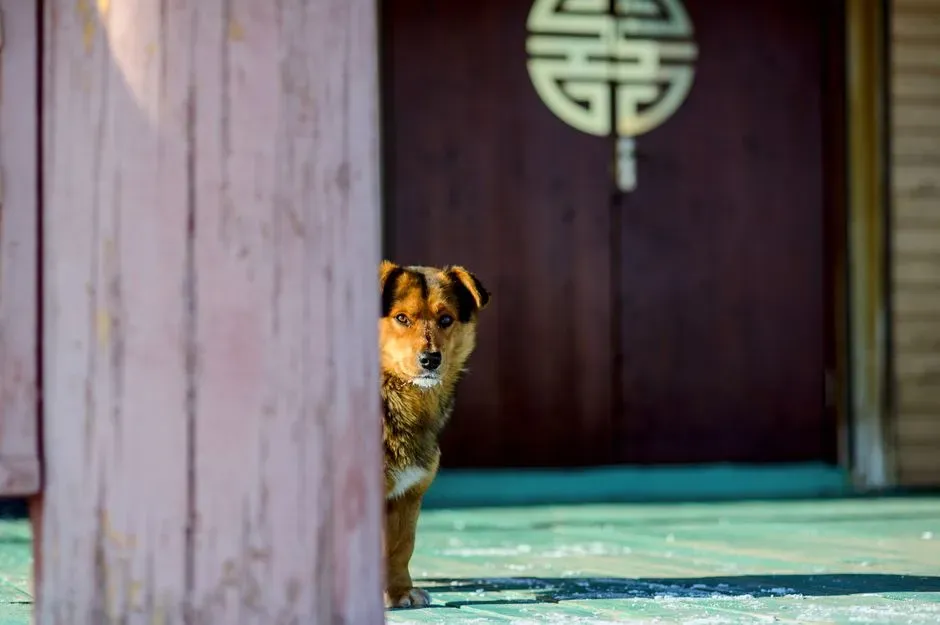
A dog that’s still bracing for abandonment treats the front door like a job assignment. Every creak, every set of keys jingling, every shift in the wind triggers an immediate head-snap toward the exit point. This isn’t cute alertness – it’s low-grade hypervigilance, and it’s exhausting for the animal’s nervous system to maintain hour after hour.
Once trust sets in, that behavior fades almost entirely. The dog will hear the door open and simply stay curled up on the couch, barely lifting an ear. Behaviorists note this shift often happens gradually over months, not days, as the dog’s brain slowly reclassifies the sound of the door from “threat cue” to “background noise.”
What’s happening physiologically is a drop in baseline cortisol – the stress hormone tied to anticipatory anxiety. A dog constantly monitoring exits is running on adrenaline. When that monitoring stops, you’re looking at an animal whose body has finally downshifted out of survival mode.
But #2 is the one most owners walk right past every single day.
#2 – It Falls Into Deep, Vulnerable Sleep Positions
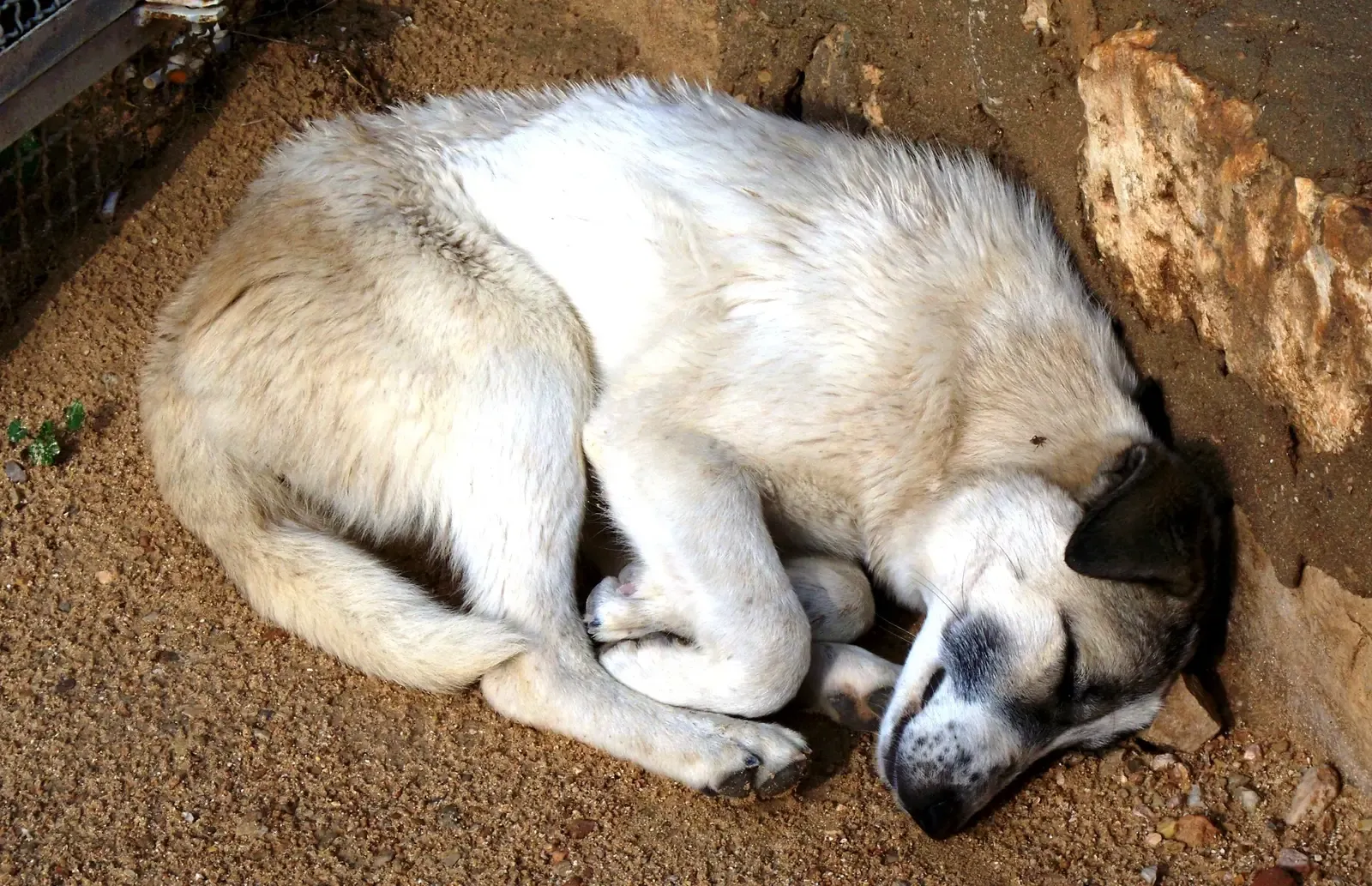
Sleep posture is one of the most reliable, least talked-about indicators of canine trust. An anxious or newly adopted dog almost always sleeps curled tight, paws tucked, spine facing outward – a defensive position that allows for a fast getaway if something goes wrong.
A dog that has fully accepted its permanence sleeps completely differently. Owners report their dogs sprawling belly-up, legs splayed in every direction, sometimes even snoring loud enough to hear from another room. This exposed position leaves the throat and stomach completely undefended, something no anxious animal would ever risk.
This isn’t laziness – it’s biology. Exposing the most vulnerable parts of the body is an evolutionary red flag in the wild, so a domestic dog only does it when its threat-detection system has essentially gone quiet. Deep REM sleep with visible twitching, paddling paws, or soft vocalizing is another marker experts point to, since dogs only reach that sleep stage when their environment feels safe enough to fully let go.
Fast Facts
- Adult dogs typically sleep 12 to 14 hours per day, though the exact amount varies by age, breed, and health.
- Most dogs clock their shuteye in roughly 45-minute increments throughout the day rather than one long overnight stretch.
- A tightly curled, paws-tucked posture is a defensive sleep stance built for a fast getaway.
- A sprawled, belly-up posture with the throat exposed only appears once a dog’s threat-detection system has quieted down.
Here’s where it gets more interesting.
#3 – It Starts “Following” Less Out of Anxiety, More Out of Choice
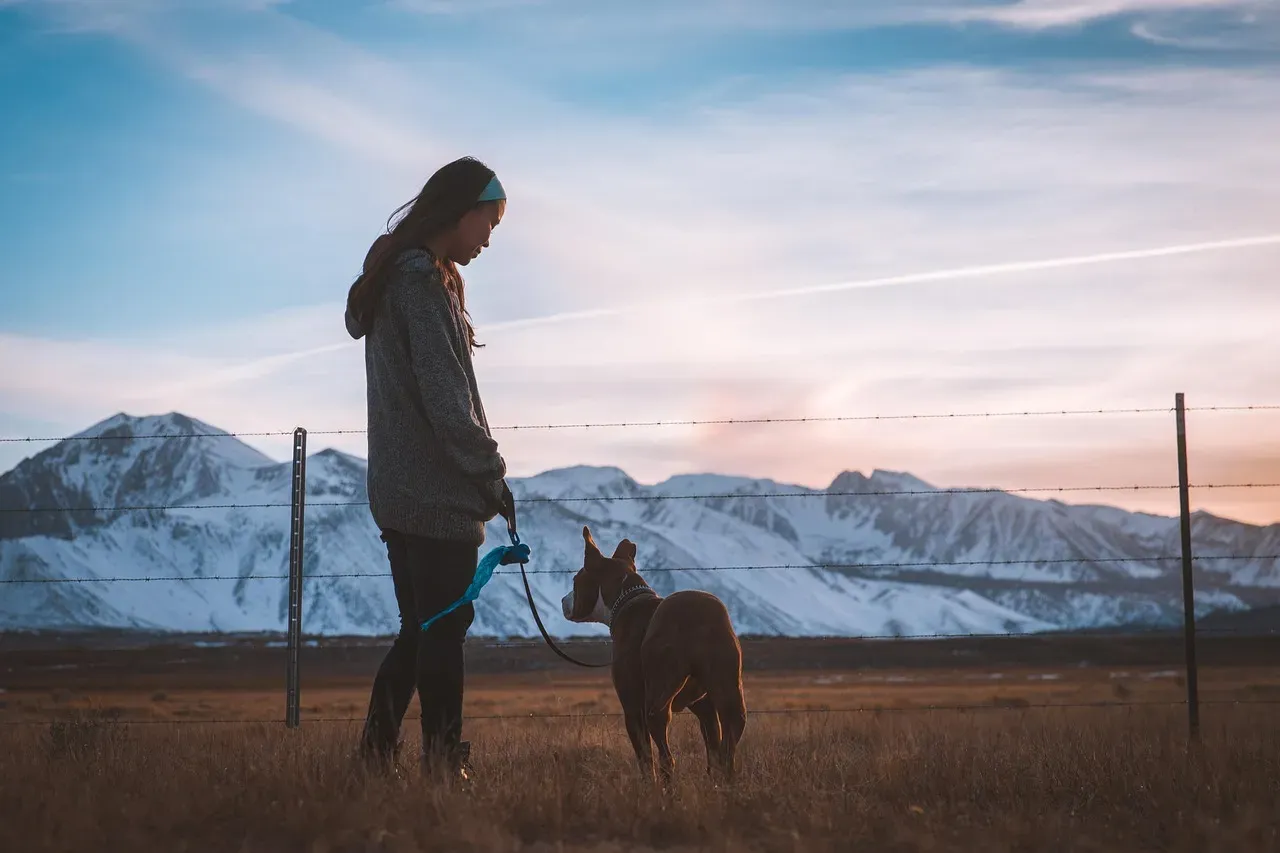
Velcro behavior gets misunderstood constantly. Many owners assume a dog that follows them from room to room is simply affectionate, but trainers often flag this as anxious shadowing – a dog trying to prevent disappearance by staying within arm’s reach at all times.
Here’s the twist: once real trust develops, the following often continues, but the energy behind it flips completely. The dog isn’t frantically tracking movement anymore; it’s choosing proximity because it enjoys it, not because it fears the alternative. You’ll notice the dog can now settle in a separate room without distress – the option to be near you exists, but it’s no longer mandatory survival behavior.
Many trainers argue this distinction is the single most misunderstood signal in dog ownership, since surface-level behavior looks identical whether it’s driven by love or by fear. The real difference shows up in body language – loose muscles and relaxed panting versus tense shoulders and darting eyes.
Number 4 might be the most heart-melting one on this list.
#4 – It Brings You “Gifts” Without Any Prompting
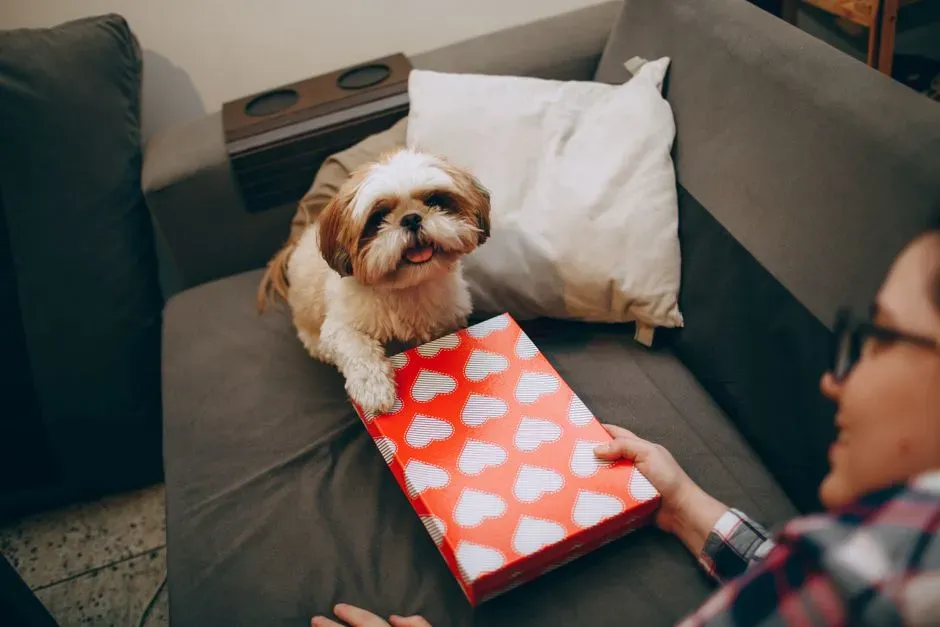
Toy-delivery behavior is one of the more charming signs behaviorists associate with secure attachment. A dog that drops a toy, sock, or random object at your feet unprompted is engaging in a social behavior rooted in trust and bonding rather than survival instinct.
This differs sharply from attention-seeking behavior driven by anxiety, which tends to be repetitive, frantic, and often paired with whining. The “gift-giving” dog is calm, tail loosely wagging, sometimes even walking away afterward without needing a reaction. It’s less a demand and more an offering – a social gesture some researchers compare to primate grooming behaviors.
Interestingly, this behavior often emerges months after adoption, once the dog has stopped operating in threat-assessment mode long enough to develop playful, low-stakes social habits. It’s a strong signal that the dog views the household as a stable place for connection, not just survival.
Wait until you see what #5 reveals about your dog’s inner state.
#5 – It Yawns, Stretches, and Sighs Loudly Around You
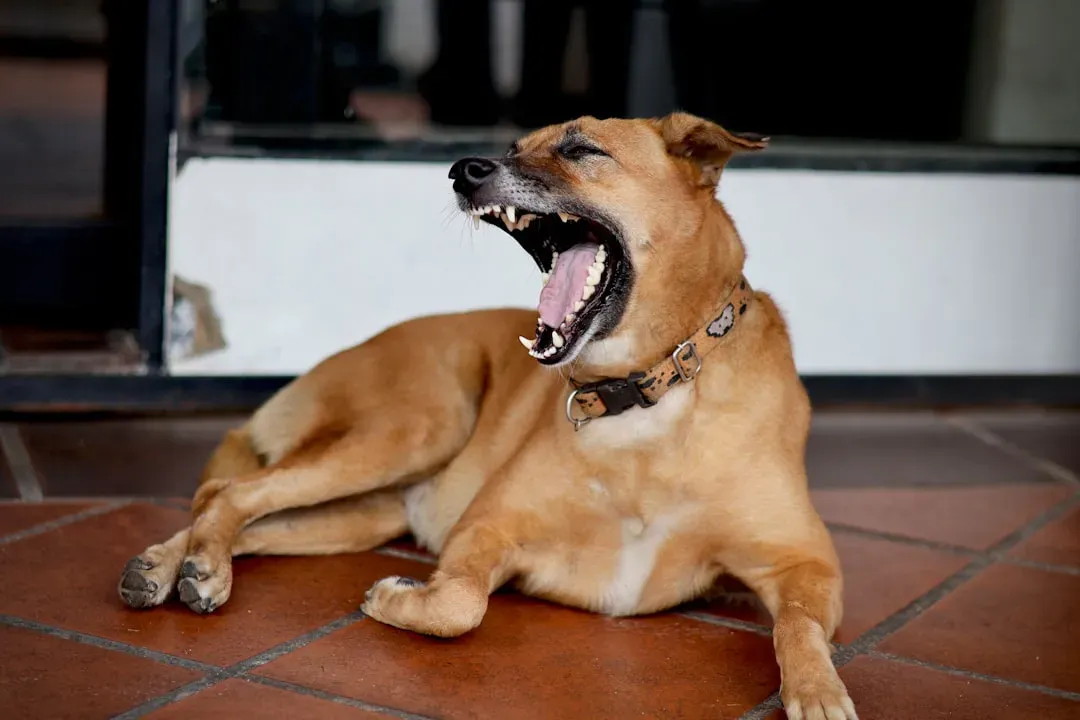
Dogs communicate constantly through subtle physical cues, and exaggerated yawning or sighing is one people frequently misread as boredom. In reality, a loud sigh – especially one paired with a full-body flop onto the floor – is widely interpreted by canine behaviorists as a release valve for accumulated tension.
A dog that trusts its environment completely will audibly exhale, stretch into long “downward-dog” poses, and let its whole body go loose in your presence. This kind of unguarded physical release rarely happens around people or environments the dog still perceives as unpredictable.
Some trainers describe this as the canine equivalent of finally taking your shoes off after a long day – a full nervous-system reset that only occurs when the animal feels no immediate need to stay alert. It’s subtle, but once you start noticing it, it becomes one of the clearest daily indicators of security.
This next one trips up even experienced owners.
#6 – Separation Anxiety Symptoms Fade – But Slowly, Not Instantly
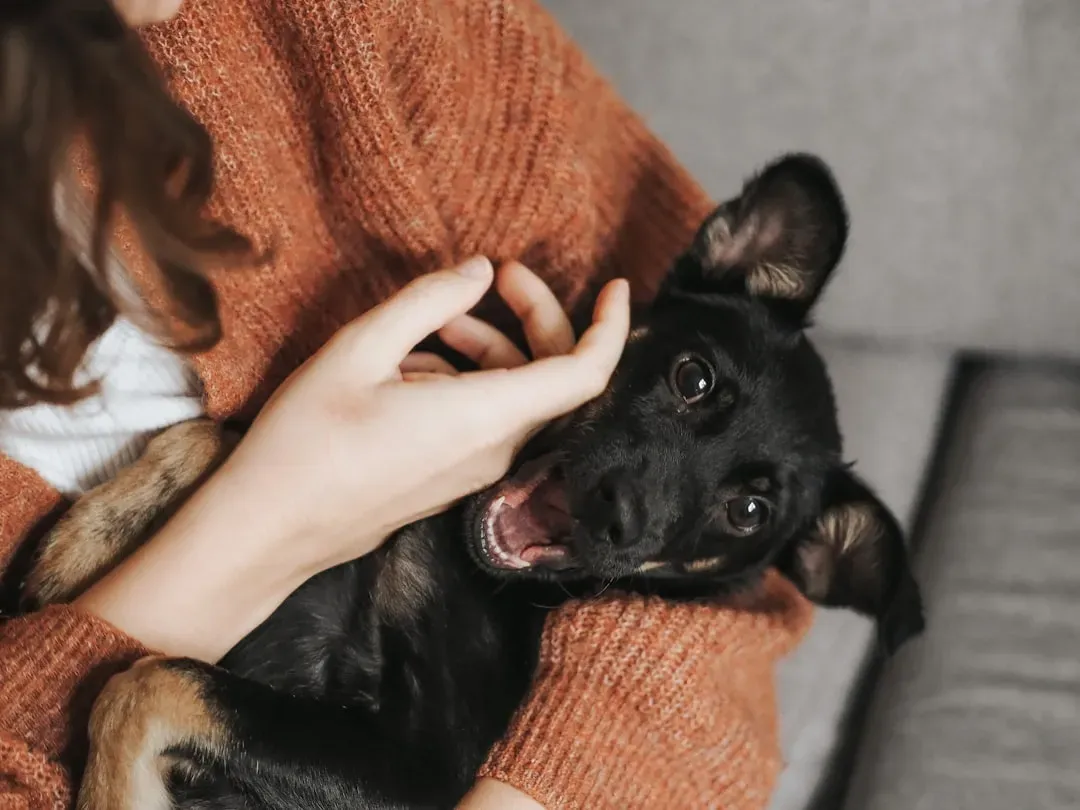
This is where owners often get impatient. Real trust doesn’t arrive overnight, and behaviorists are firm on this point: dogs recovering from abandonment trauma typically need consistent routine for weeks or months before anxiety symptoms meaningfully decrease.
Early on, departures might trigger destructive chewing, excessive barking, or accidents despite house-training. As trust builds, those symptoms don’t just disappear – they taper gradually, often in this order: destructive behavior fades first, then vocalization, and finally pacing or whining near the door.
At a Glance: The 3-3-3 Adjustment Timeline
- 3 Days: Your dog is overwhelmed and in the process of decompressing, and may shut down, hide, or refuse to eat.
- 3 Weeks: Your dog is starting to learn the routine and feel more comfortable, though this is also when separation-related issues often first surface.
- 3 Months: Most dogs have found their rhythm and built trust with you – they know they’re home.
Veterinary behaviorists emphasize that regression is normal and doesn’t mean trust is broken – a stressful week, a change in schedule, or an unfamiliar visitor can temporarily reignite old anxiety patterns even in dogs that seemed fully settled. This is one of the more controversial points among trainers, since some owners misread a single bad day as proof their dog “doesn’t trust them” after all – when in reality, minor regressions are part of the recovery curve, not a failure of it.
#7 is backed by actual hormone science – and it’s wild.
#7 – It Makes Prolonged, Soft Eye Contact
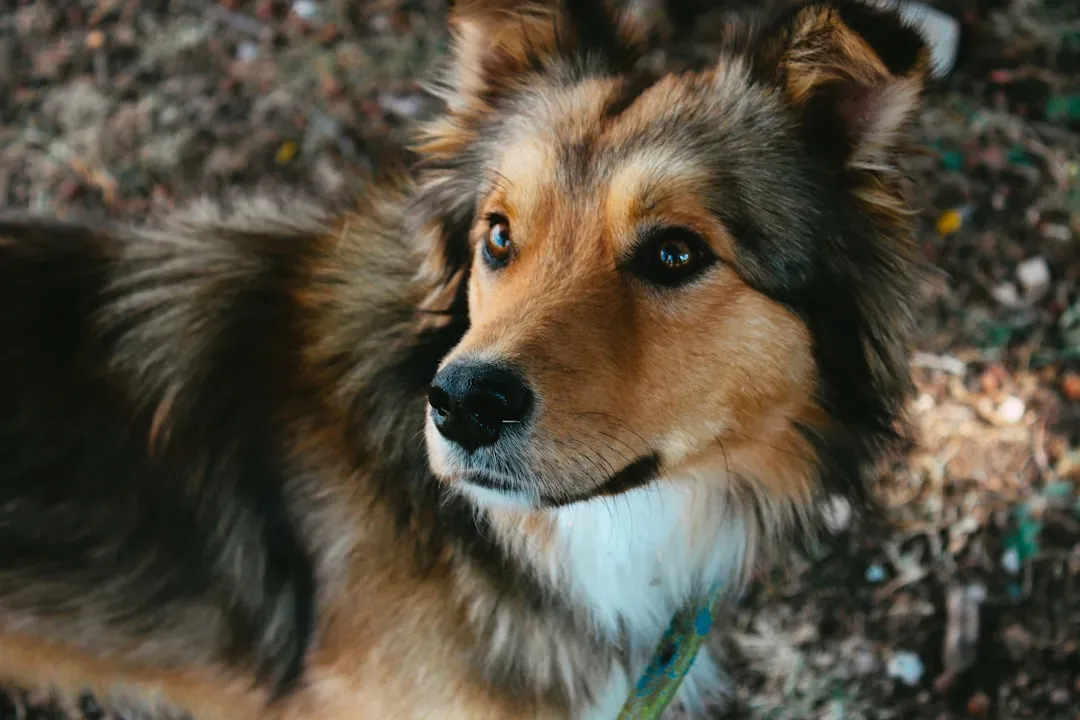
Eye contact in the dog world is loaded with meaning. Direct, hard staring is often a warning signal between unfamiliar dogs, but soft, sustained eye contact between a dog and its trusted person is a completely different signal entirely – one tied to oxytocin release in both species.
Studies on human-dog bonding have shown that mutual gazing triggers a hormonal feedback loop similar to what occurs between parents and infants. This “oxytocin loop” is one of the few interspecies bonding mechanisms confirmed in behavioral research, and dogs that feel fully secure engage in it far more frequently and for longer stretches.
Worth Knowing
- In a landmark study, dogs that spent the most time gazing into their owners’ eyes experienced a 130% rise in oxytocin levels, while owners saw a 300% increase.
- Researchers saw no oxytocin increase in dog-owner pairs who spent little time gazing at each other, or in any wolf-owner pairs – suggesting this bond is a product of domestication, not just proximity.
- The effect runs both directions: the longer the gaze, the stronger the hormonal response in both dog and human.
The dog is the only animal that has seen your face as a friend, not a threat, for over ten thousand years.
Konrad Lorenz
A dog still operating from a place of uncertainty tends to avoid direct eye contact or breaks it quickly, often as a submissive or self-protective gesture. Once trust solidifies, that soft, lingering gaze becomes a near-constant feature of everyday interaction – a quiet, ongoing conversation that doesn’t require words.
This next sign confuses almost everyone who reads it.
#8 – It Tolerates Being Away From You Without Panic
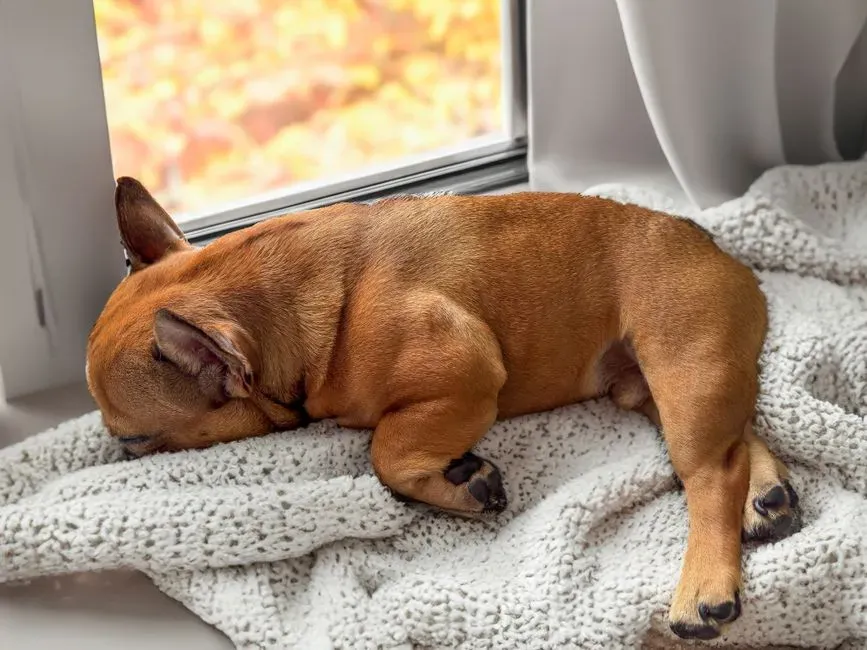
Ironically, one of the clearest signs of deep trust is a dog’s ability to be totally fine without you nearby. A dog that once needed constant proximity to feel safe will, with enough security, start choosing to nap in another room, explore the backyard alone, or settle down while you step out briefly.
This might sound counterintuitive, but trainers explain it clearly: true trust isn’t dependence, it’s confidence that the relationship remains intact even during separation. A dog secure in permanence doesn’t need constant contact to feel safe – it simply knows the person is coming back.
This mirrors human attachment theory almost exactly. Secure attachment in children looks like comfortable independent play, not clinginess, and the same pattern shows up reliably in dogs once abandonment fears fade. The dog isn’t loving you less; it’s just no longer terrified of losing you.
You’d never guess #9 has anything to do with trust – but it does.
#9 – Its Appetite and Eating Habits Normalize

Anxiety and appetite are deeply linked in dogs, much like in humans. Dogs bracing for potential abandonment often show erratic eating patterns – gulping food too fast as if it might be taken away, refusing meals during stressful periods, or guarding food bowls even when no threat exists.
As trust deepens, these patterns typically stabilize. Slower, calmer eating is one of the clearest physiological markers behaviorists use to track stress reduction in shelter and rescue dogs. The dog no longer treats mealtime as a resource to defend or rush through – it becomes a relaxed, predictable part of the day.
Some dogs even develop food-related quirks that signal comfort rather than anxiety, like pausing mid-meal to check in with their owner simply because they feel like it, not because they’re worried the bowl will disappear. This shift from survival eating to leisurely eating is subtle but medically meaningful.
#10 catches owners completely off guard.
#10 – It Shows Playful Regression, Almost Like a Puppy Again
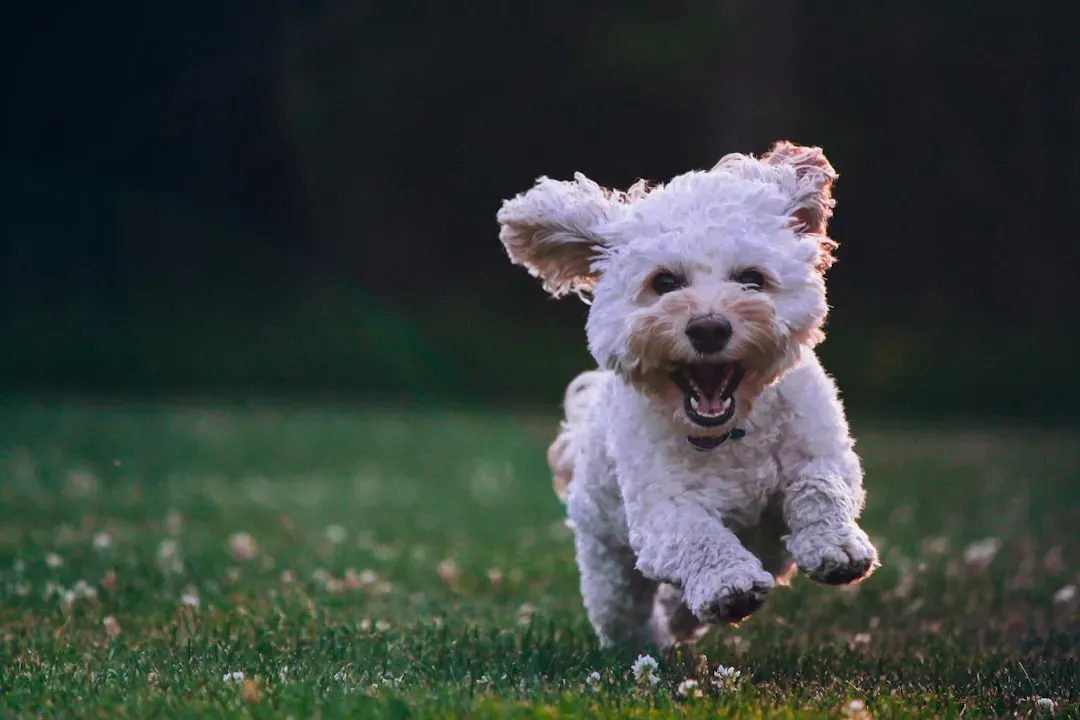
Play is a luxury behavior. Animals under chronic stress rarely engage in play the way secure animals do, because play requires spare mental bandwidth that anxious brains simply don’t have available.
Owners frequently report that dogs who were subdued or serious for months suddenly start acting “like puppies again” – initiating games, zooming around the house in bursts of pure energy, or engaging in exaggerated, silly behavior with no clear purpose. This behavioral regression toward playfulness is widely viewed by trainers as one of the strongest indicators of emotional recovery.
This is especially common in older rescue dogs, whose sudden burst of youthful energy often surprises new owners who assumed the dog’s serious demeanor was simply its personality. In reality, that seriousness was often stress-driven, and play re-emerges naturally once the nervous system stops prioritizing survival over enjoyment.
This one separates true trust from simple affection.
#11 – It Leans Into Physical Contact Instead of Just Accepting It
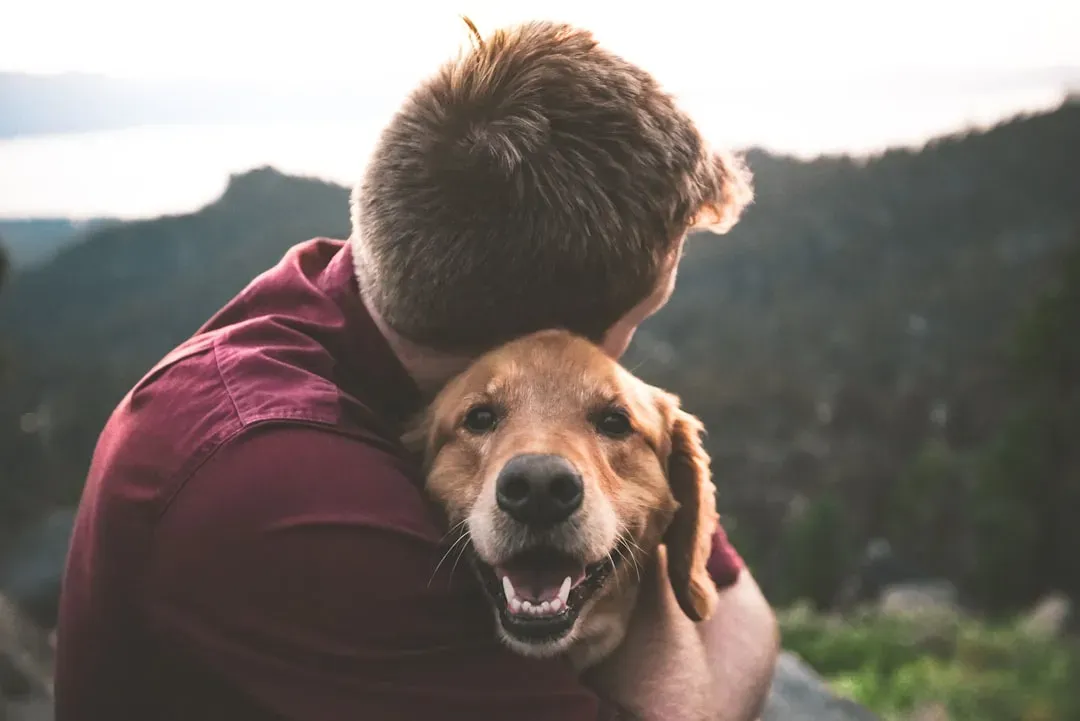
There’s a meaningful difference between a dog that tolerates touch and one that actively seeks it. Dogs still uncertain about their environment often accept petting passively – sitting still, but not engaging further.
A dog with full trust does the opposite: it leans its full body weight into your legs, presses its head against your hand, or drapes itself across your lap uninvited. This deliberate weight-sharing behavior is often cited by trainers as a deeper trust signal than simple affection, since it requires the dog to give up balance and mobility – something anxious animals avoid instinctively.
This kind of contact-seeking often intensifies during quiet moments rather than exciting ones, suggesting it’s less about stimulation and more about reassurance-seeking that no longer stems from fear, but from comfort.
#12 changes the entire way you’ll hear your dog bark.
#12 – It Becomes More Vocal – But in a Different Way
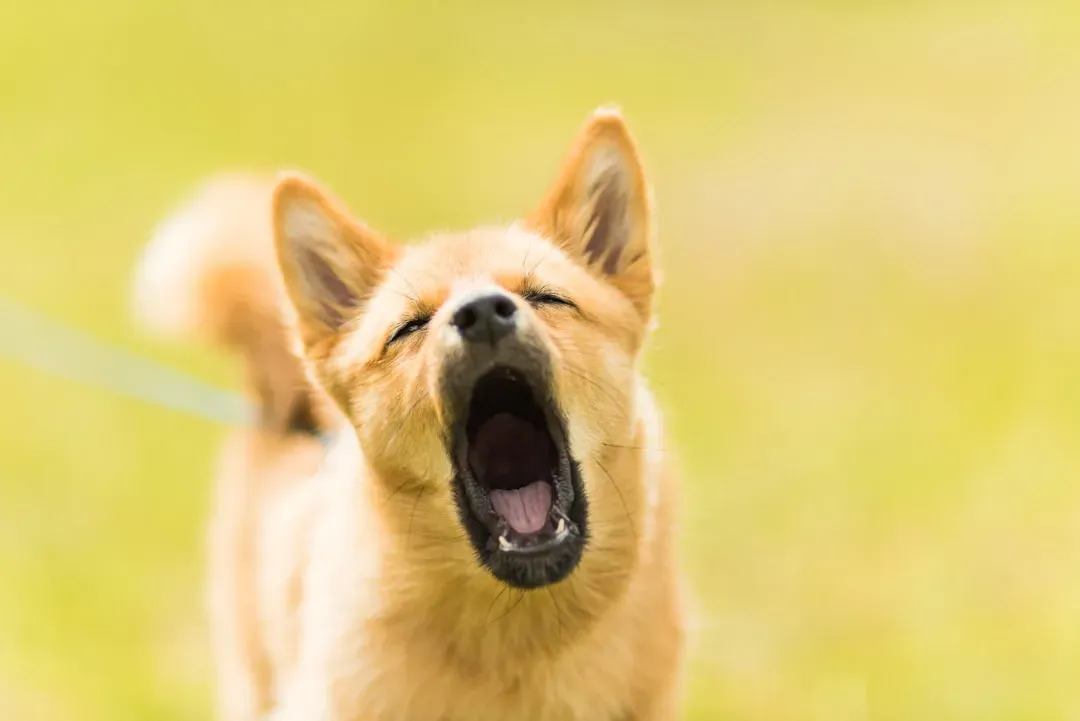
Vocalization changes are frequently overlooked, but they matter. Anxious dogs often either over-vocalize (excessive whining, barking at every sound) or under-vocalize (staying eerily silent to avoid drawing attention). Both are stress responses, just opposite ends of the spectrum.
Once security sets in, vocalization tends to normalize into something more expressive and situational – a happy grumble when scratched in the right spot, a specific “greeting bark” reserved only for people it loves, or soft chuffing sounds during play. This more nuanced vocal range is often described by behaviorists as a sign the dog finally feels safe enough to communicate freely, rather than staying silent or overreacting out of fear.
This shift matters because vocal communication in dogs isn’t just noise – it’s a social tool, and dogs generally use more of it once they feel secure enough to “speak up” without anticipating punishment or abandonment.
Almost nobody notices #13 happening in real time.
#13 – It Develops Consistent, Predictable Routines of Its Own
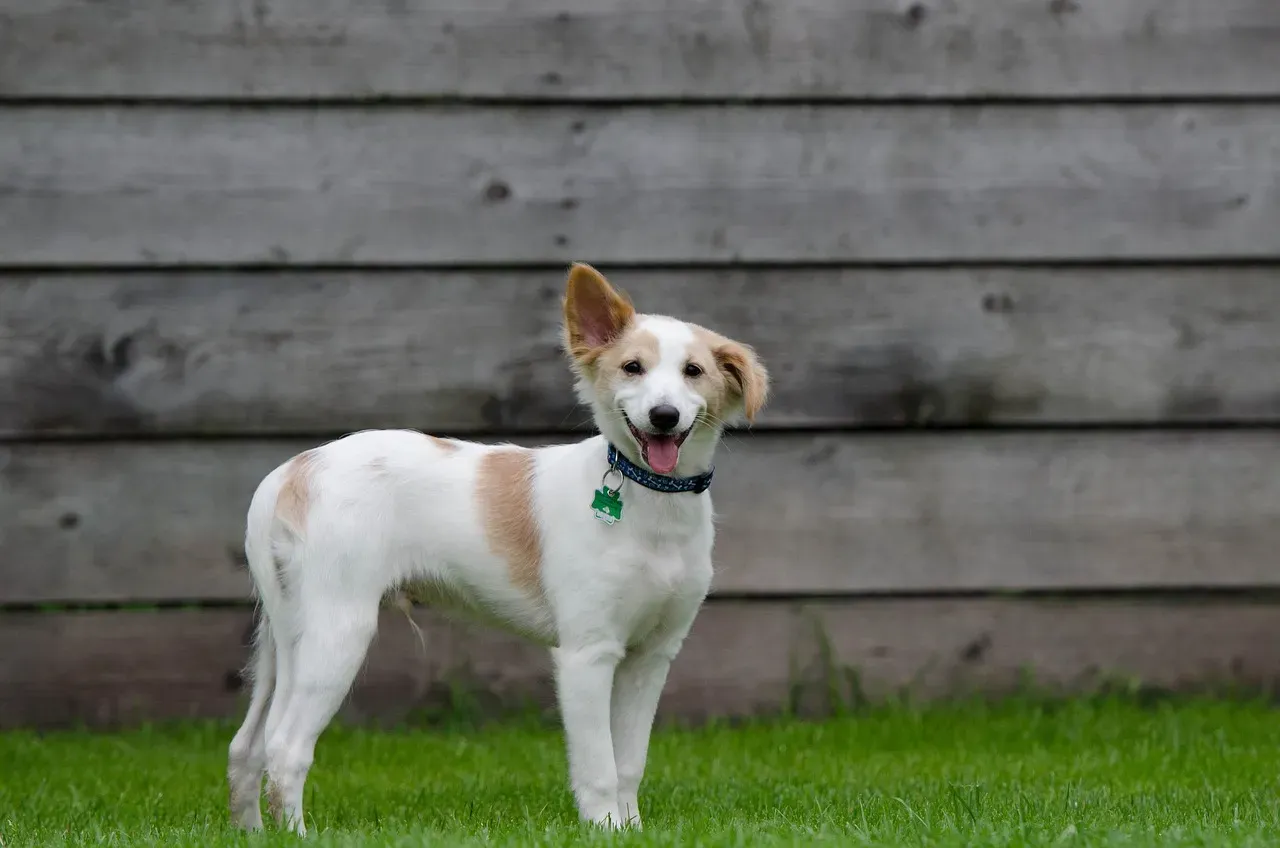
Anxious dogs often behave unpredictably because their internal state is unpredictable. As trust builds, dogs typically settle into self-directed routines – a preferred nap spot at a certain time, a habit of greeting you at the same point in your walk, or a nightly ritual before bed.
Quick Compare
- Still-anxious dog: Erratic naps, inconsistent greetings, no fixed habits.
- Fully trusting dog: Same nap spot daily, a signature greeting ritual, a predictable wind-down before bed.
- Still-anxious dog: Small schedule changes trigger visible distress.
- Fully trusting dog: Minor disruptions barely register.
This self-imposed structure is something trainers view as a strong sign of psychological stability, since routines require a level of environmental predictability the dog must feel confident relying on. A dog still bracing for disruption won’t bother building habits it doesn’t trust will last.
These routines often go unnoticed by owners simply because they develop so gradually, blending into daily life until someone points out just how consistent the dog’s behavior has become.
And #14 is the clearest tell of all.
#14 – It Actively Chooses You Over Everything Else in the Room
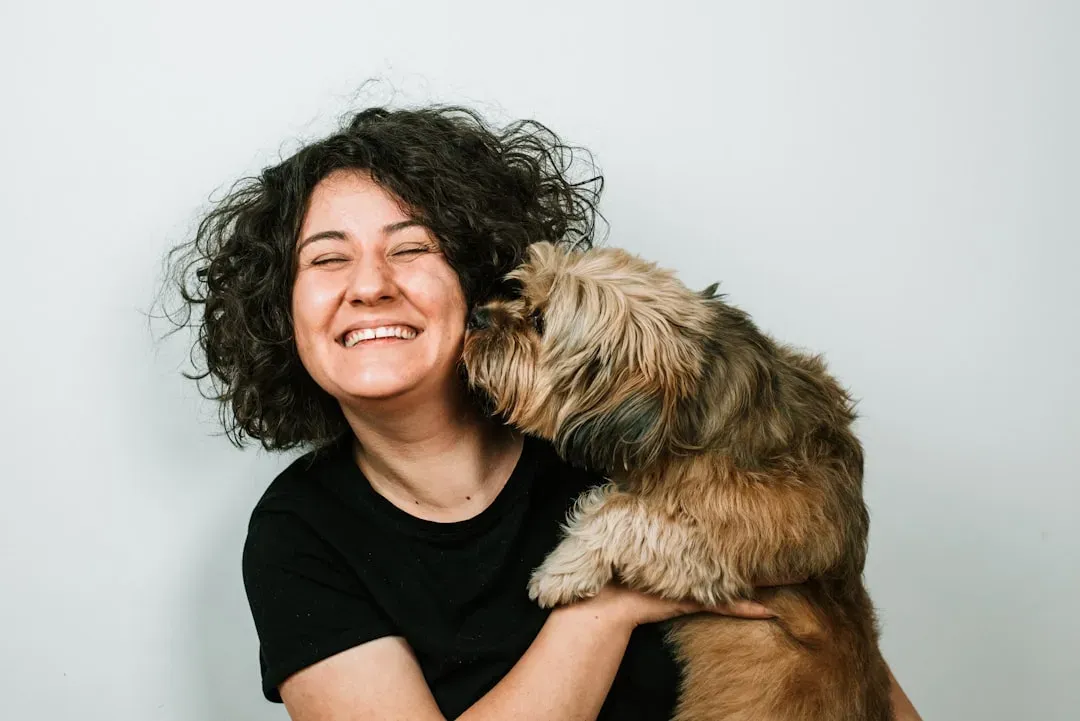
The final, and arguably clearest, sign of full trust is simple: given a choice between anything else happening in the room – food, toys, other people – the dog consistently chooses to be near its person, not out of desperation, but preference.
This isn’t about neediness. It’s a calm, confident choice, often demonstrated by a dog wandering away from an exciting distraction just to check in, lie nearby, or make brief contact before returning to whatever it was doing. Behaviorists describe this as “secure-base behavior,” a term borrowed from human attachment psychology, where the trusted person becomes a stable point the dog returns to, not out of fear, but out of genuine connection.
This is the culmination of every other sign on this list – the nervous system has fully recalibrated, and the dog’s choices reflect comfort rather than survival instinct.
The Bottom Line
Dogs don’t announce when they’ve finally healed from abandonment fears – they show it through dozens of small, cumulative shifts in behavior, sleep, appetite, and body language. The biggest misconception is that trust happens fast; in reality, most dogs take months, not days, to fully settle, and setbacks along the way are normal, not failures.
What’s clear is that permanence isn’t just emotional for a dog – it’s physiological, reshaping everything from cortisol levels to sleep posture. If you’ve noticed even a few of these signs in your own dog, you’re not imagining it. You’re watching real psychological recovery happen in real time, one sprawled-out nap and one soft glance at a time.
Which of these behaviors did your dog show first? Drop it in the comments – we’d love to hear the moment you knew your dog finally felt safe.