
14 Evening Habits a Dog Relies on More Than Owners Ever Realise
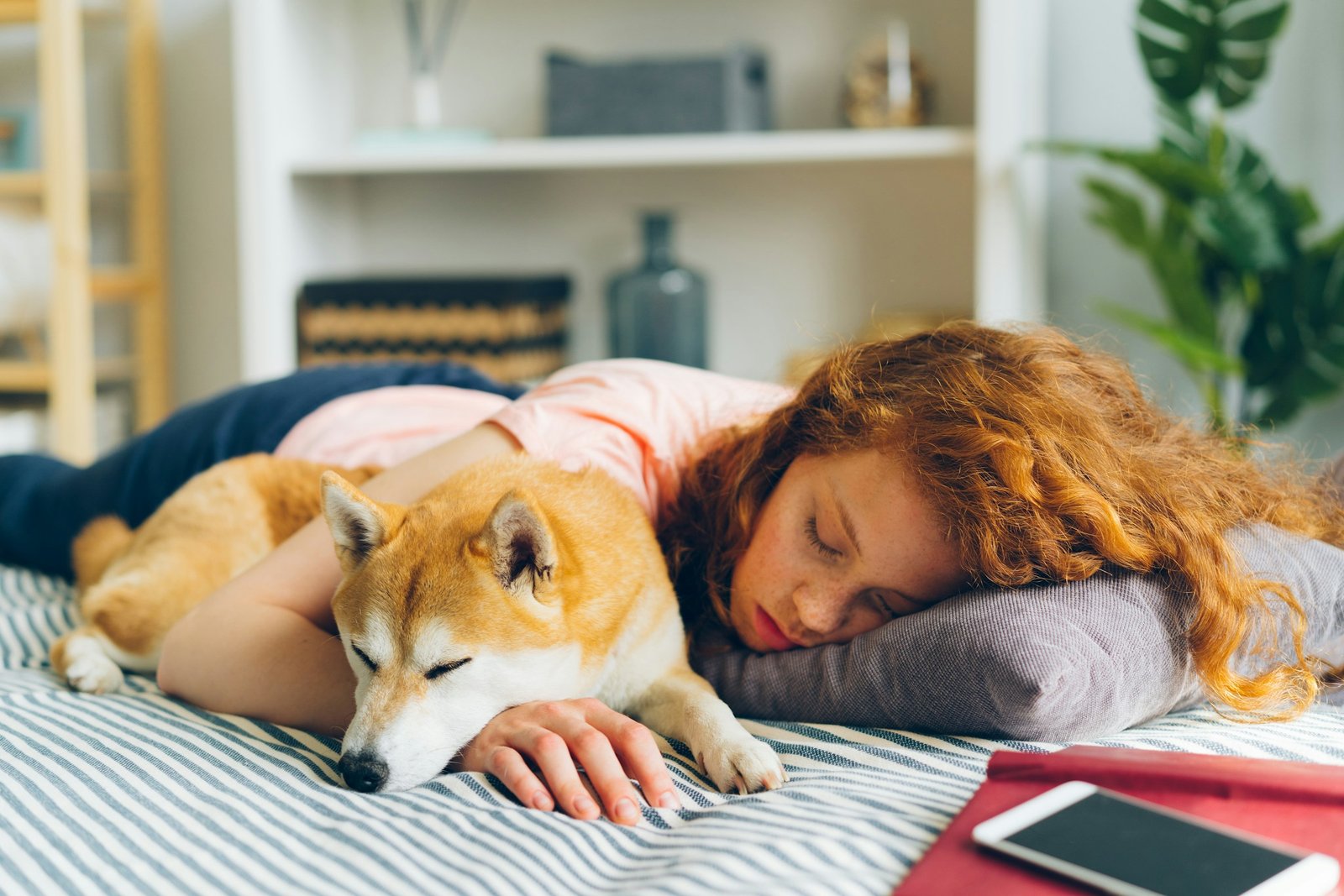
You probably think your dog just “winds down” when you do – plops on the floor, dozes off, forgets the day ever happened. That’s the story most owners tell themselves. It’s also almost completely wrong.
Behaviorists say the last two to three hours of the day quietly shape a dog’s stress levels, sleep quality, and even long-term behavior more than almost anything else you do together. Your dog isn’t just relaxing next to you at night – it’s watching, tracking, and bracing for patterns you don’t even know you’re setting. Here are the 14 evening habits dogs secretly depend on to feel safe, and what happens when those habits quietly disappear.
#1 – The “You’re Home and Safe” Reunion Ritual

Your dog doesn’t just like your evening greeting – it depends on it. That first moment when you walk through the door sets the emotional tone for the rest of the night. Dogs are routine-obsessed, and that predictable reunion is how they confirm, “My person came back. The world is in order.”
When owners rush past the dog to drop bags, answer messages, or jump on calls, the dog’s nervous system never gets that closure. Over time, that can look like hyper barking, frantic zoomies, or even destructive behavior right after you get home. A simple two- to three-minute ritual – saying their name in the same warm tone, crouching to their level, a quick ear scratch – works like an emotional reset button. Skip it, and your dog spends the next hour trying to force your attention back.
#2 – The Predictable Evening Walk That’s Really Therapy
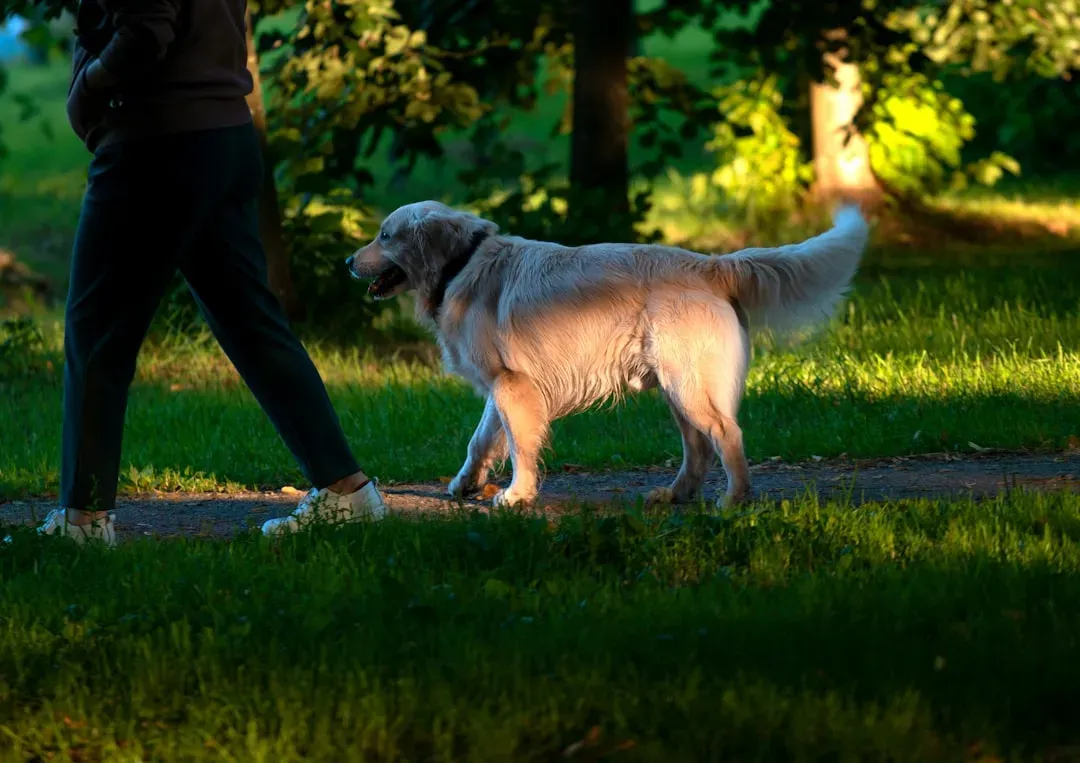
Most people think the evening walk is just exercise. In reality, it’s your dog’s main mental health appointment of the day. The smells, sounds, and tiny rituals – “we usually turn left here,” “this is where the neighbor dog barks” – help a dog decompress after hours of waiting around for something to happen.
What owners miss is how much predictability matters. A walk that sometimes happens at 6 p.m., sometimes at 9:30, and sometimes not at all turns the whole evening into a question mark for your dog. That shows up as restless pacing before bedtime, whining at the door, or over-the-top excitement the moment the leash appears. Set a window – say between 6 and 7 – and stick to it as closely as real life allows.
Fast Facts
- A consistent walk window (like 6-7 p.m.) beats a longer but random one for calming a dog’s nervous system.
- Dogs often start anticipating the leash 20-30 minutes before the usual walk time.
- Unpredictable walk timing is a common hidden trigger for door-whining and pacing.
- The route matters almost as much as the exercise – familiar smells help dogs process the day.
#3 – The Quiet Decompression Window After Excitement
Here’s what almost nobody talks about: after a walk or play session, dogs need 10 to 30 minutes of low stimulation to actually come down. Owners often walk, come home, immediately turn on loud TV, start cooking, and let the kids run wild – then complain the dog is “still wired.” That’s not misbehavior. That’s a nervous system that never got a landing strip.
Behavior pros frequently see evening barking, nipping, or chaos that’s really just a dog stuck between high excitement and being forced to settle. A quiet cool-down – dim lights, minimal talking, no pressure to do tricks – is how the body actually processes stimulation. Dogs that never get this window often look “hyper” or “needy,” when in fact they’re simply overwhelmed.
#4 – Consistent Mealtime Isn’t Optional, It’s an Emotional Anchor
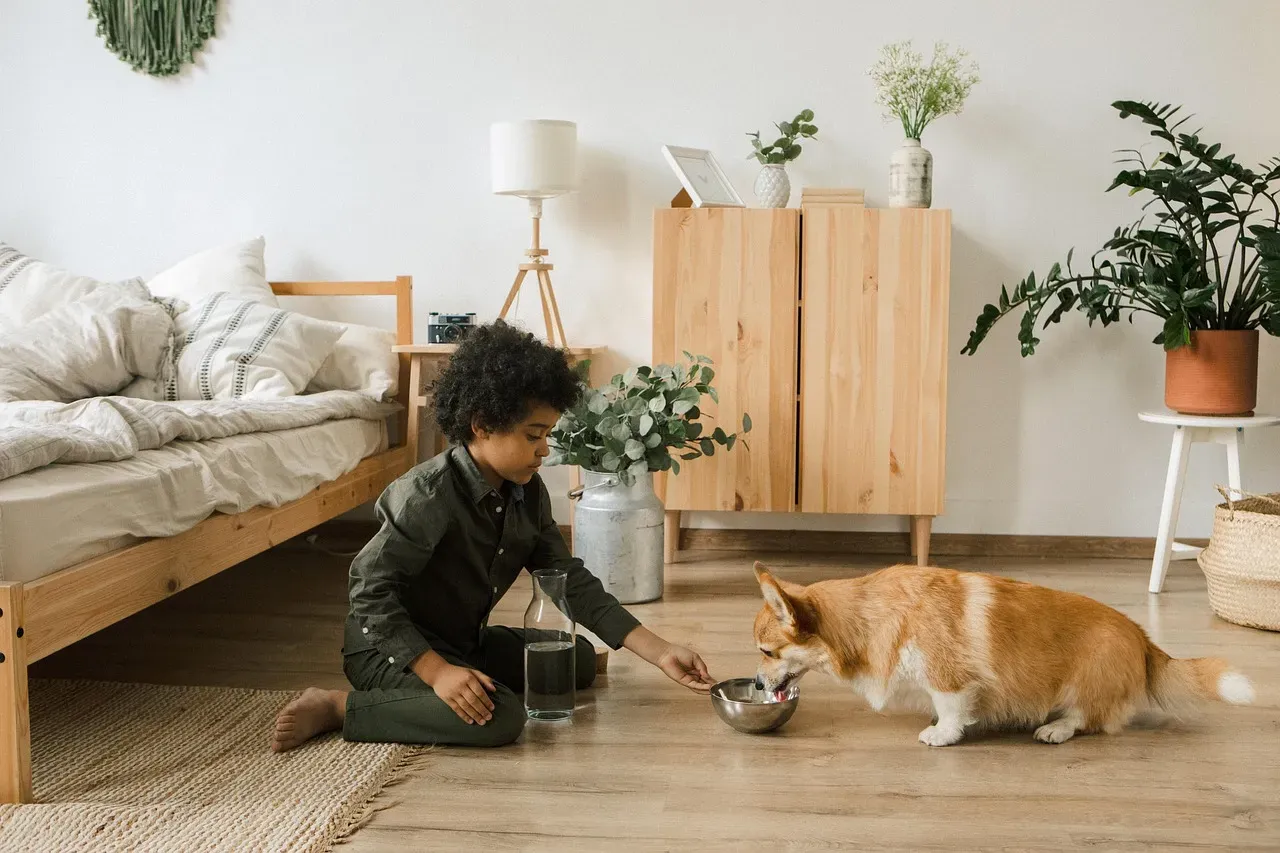
Most owners obsess over what to feed and completely ignore when. For dogs, timing is half the story. A roughly consistent evening meal helps regulate digestion, sleep cycles, and even potty schedule. When dinner is random – 5 p.m. some days, 10 p.m. on others – your dog’s body has no idea when to start winding down.
There’s an emotional layer too. Your dog’s internal clock starts anticipating dinner 30 to 60 minutes beforehand. If it never comes “on time,” you’ll see staring, pawing, pacing around the kitchen, or whining when you move near the food area. People call this demanding, but it’s often anxiety driven by inconsistency. Set an evening feeding window and protect it, even on weekends.
#5 – The Potty Security Check Before Bed
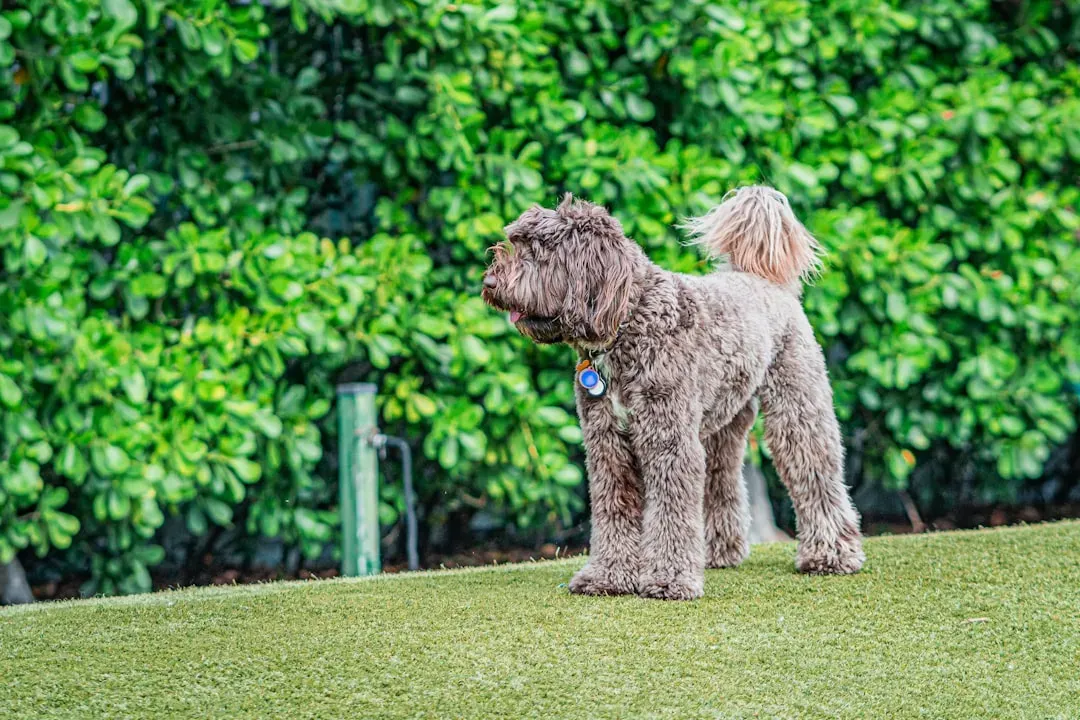
This is the unglamorous habit that quietly makes or breaks a dog’s night: that last, low-drama trip outside. Many owners assume, “He went earlier, he’s fine,” then get annoyed when the dog wakes them up at 2 a.m. Most dogs emotionally rely on that final outing to feel safe about settling down for the night – it’s not just physical relief.
That final sniff around the yard is a signal: nothing dangerous, territory is clear, we can sleep. When owners rush this moment – yanking the dog back inside, yelling “hurry up” – they sometimes cut the dog off before it’s fully relieved, sending it to bed uncomfortable and on alert. A calm final potty routine reduces night-time restlessness, lowers the chance of mystery accidents, and helps a dog associate a specific moment with “we’re done for today.”
#6 – The Evening Sniff Session
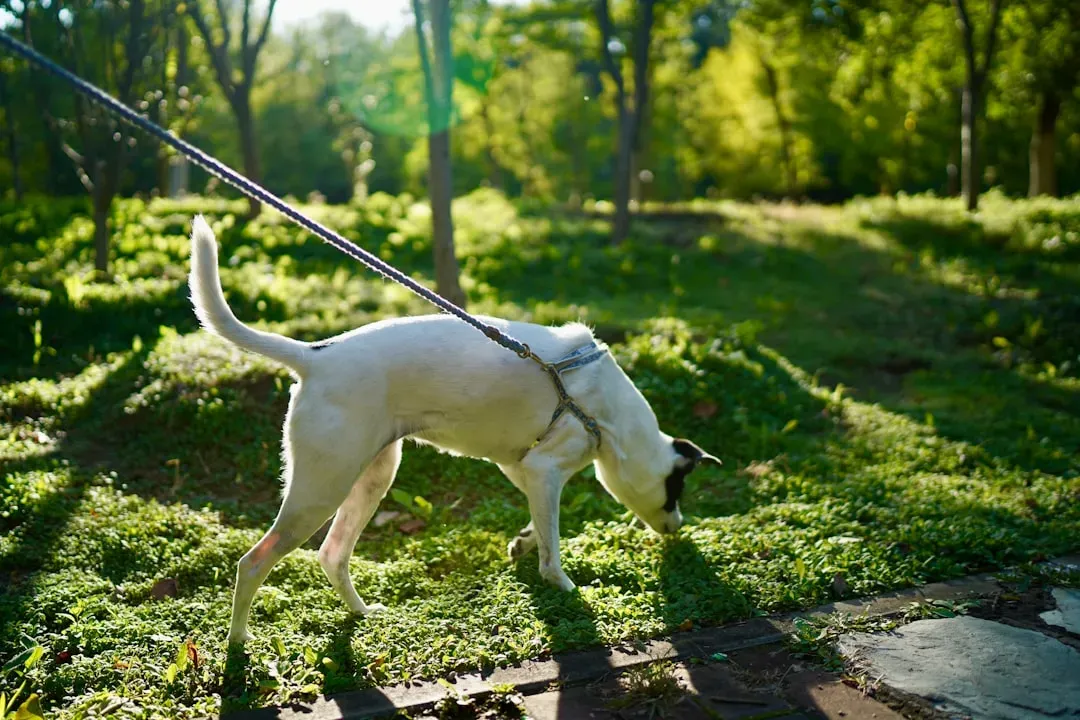
People seriously underestimate how much their dog depends on sniffing, especially at night, to process the day. A dog’s nose is its primary way of reading the news. Ten minutes of slow, allowed sniffing can tire a dog more than thirty minutes of rushed walking – yet many owners constantly tug the leash and say, “come on, let’s go,” turning the most important sensory ritual of the day into a frustrating march.
In the evening, when the world smells different – cooler air, new animals, different foot traffic – your dog’s brain is desperate to catalog what changed. Denying that over and over doesn’t just cause boredom; some behaviorists link low sniffing freedom to reactivity and leash aggression. If long walks aren’t realistic, try a shorter walk that’s 80 percent sniffing, scatter-feeding kibble in the grass, or a simple scent game with hidden treats indoors.
Why It Stands Out
- A dog’s nose does more mental work in 10 minutes of sniffing than 30 minutes of brisk walking.
- Restricting sniffing on leash walks has been linked to higher reactivity and frustration.
- An 80-percent-sniff, 20-percent-stroll walk can be more tiring than a fast full-length loop.
- Scatter-feeding or indoor scent games work as a rainy-night substitute for outdoor sniffing.
#7 – Wind-Down Play, Not Hyped-Up Roughhousing
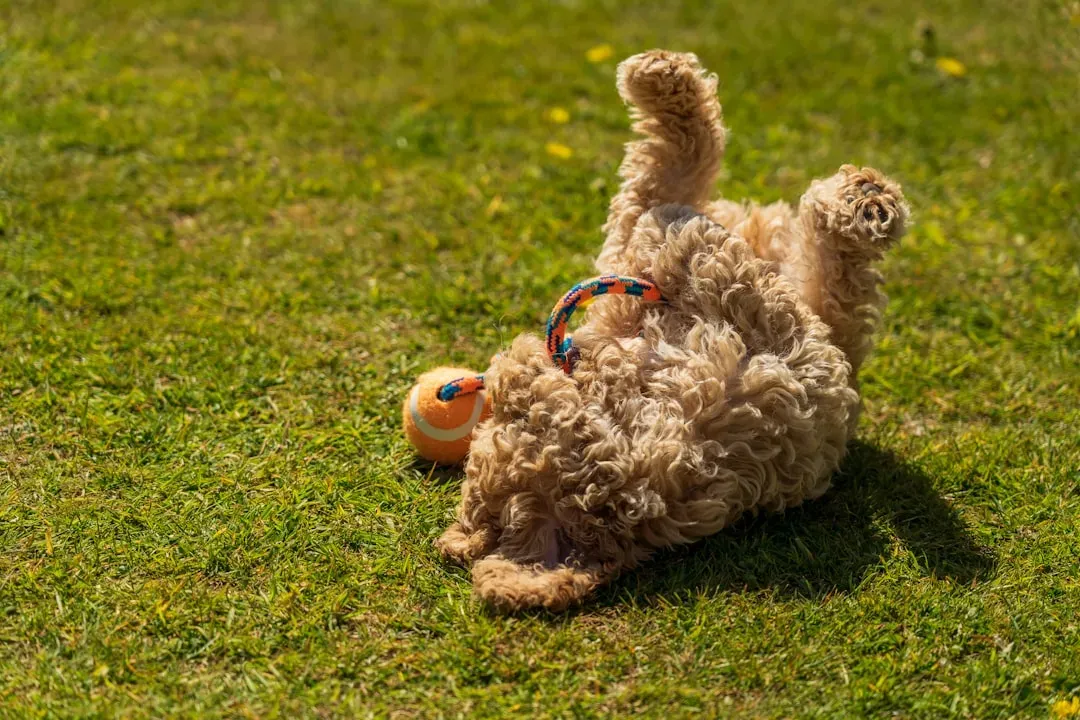
A lot of people make one critical mistake: they do wild, high-energy play too late in the evening, then wonder why the dog is bouncing off the walls at 11 p.m. Dogs do need play, but by evening their nervous system benefits more from structured play that ramps down instead of up – a few minutes of flirt pole, then gentle tug, then a calm chew, not endless fetch until they’re panting and glassy-eyed.
Owners often use play as a guilt-relief dump: “I was gone all day, so I’ll play like crazy for 30 minutes before bed.” That emotional overcompensation leaves the dog adrenaline-soaked right as its body should be transitioning to rest, which shows up as trouble settling, random hallway zoomies, or “naughty” behavior that’s really just leftover stress hormones. Shift intense play earlier and save the last 30 to 60 minutes for calmer interaction.
#8 – The “We’re OK” Background Noise Pattern
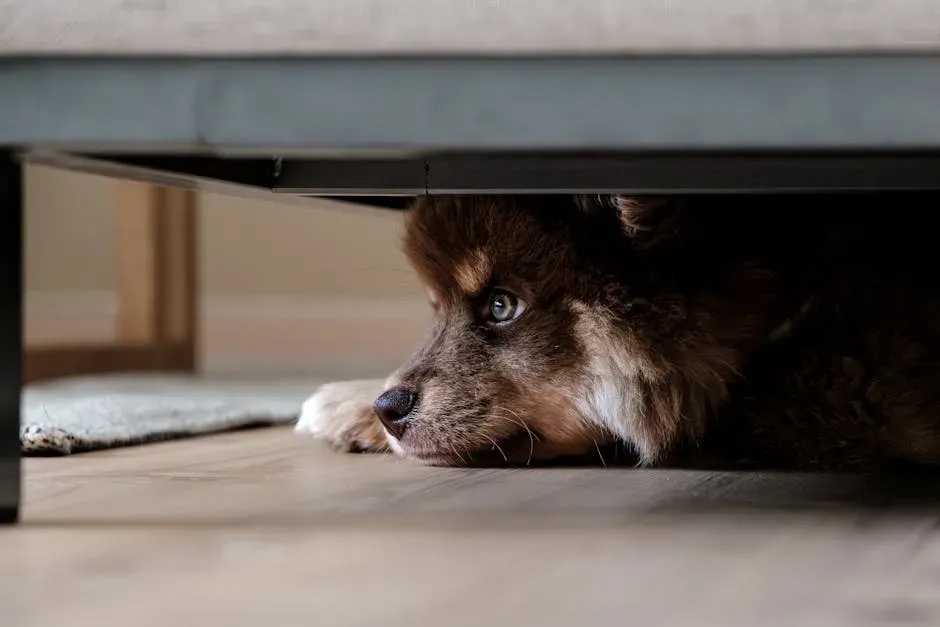
Here’s a controversial one: many dogs rely heavily on the type of background noise in the evenings to know if everything is normal. Some thrive with the TV on at a low, steady volume. Others relax only when the house is mostly quiet. What none of them handle well is chaos – blasting TV, shouting, loud music late at night, then sudden dead silence.
Dogs map safety to patterns. If your normal evening is calm and quiet but occasionally erupts into yelling or a loud party, your dog’s brain doesn’t just “get over it.” Those nights often correlate with hiding under furniture, panting even in cool rooms, or startling at small sounds for hours afterward. You don’t need a silent house – you need a mostly predictable sound environment.
#9 – The Bedtime Signal They Secretly Watch For
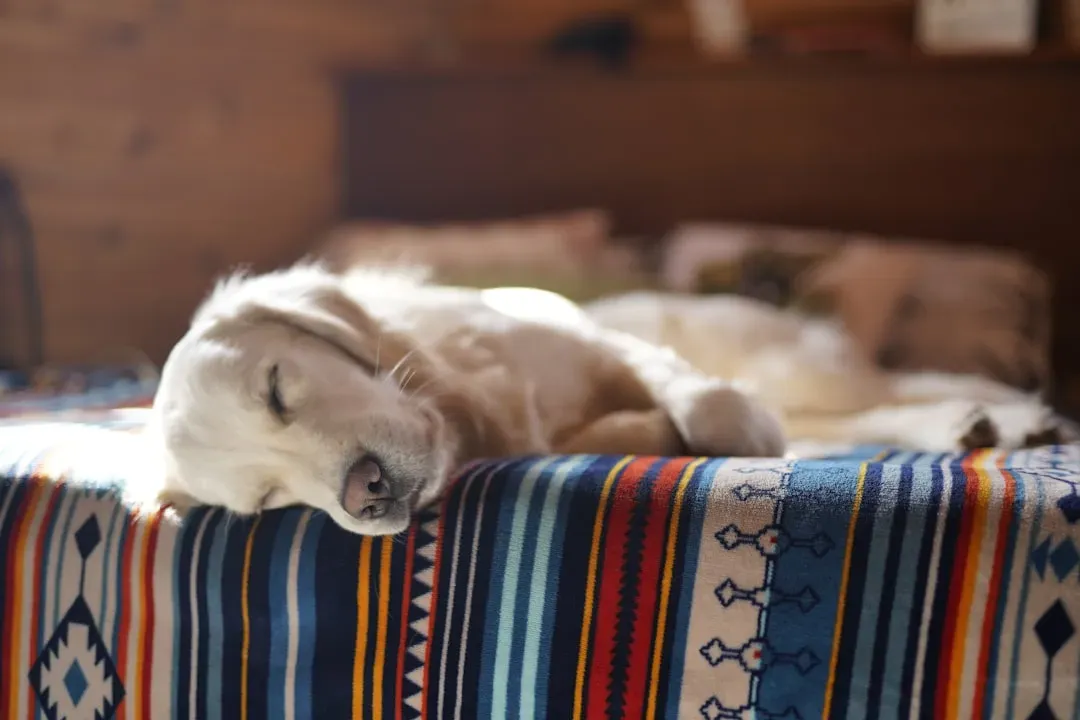
Dogs are pattern-reading machines, and your bedtime ritual is one of the strongest signals they track. Maybe it’s you brushing your teeth, turning off a specific lamp, or saying “time for bed.” When this sequence stays fairly consistent, your dog builds a powerful association: once this happens, the night is stable, no surprises.
Owners who are chaotic at night – sometimes crashing on the couch, sometimes scrolling until 2 a.m. – often have dogs that seem restless or uncertain, following them anxiously from room to room or refusing to settle until their human commits to bed too. You don’t need a rigid routine, but a recognizable pattern in the 20 to 30 minutes before bed can completely change how deeply your dog rests.
#10 – The Location of Your Body, Not Just Their Bed
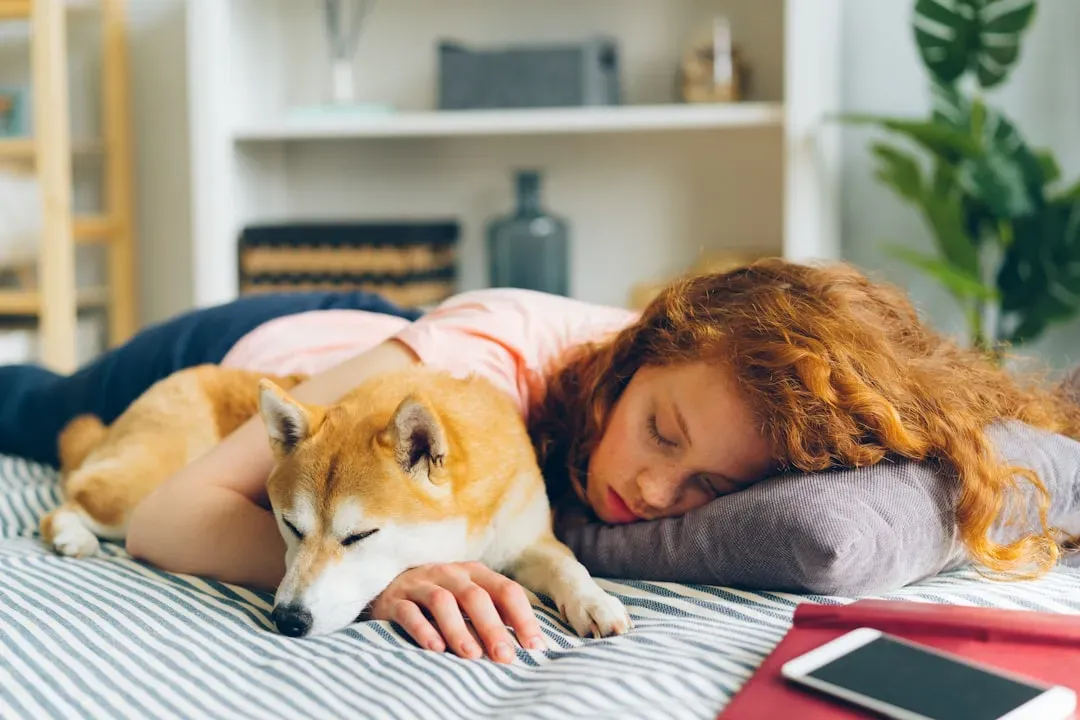
People obsess over finding the “perfect dog bed” and forget the thing most dogs actually care about: where you are in relation to it. Owner reports and behavior research repeatedly show that many dogs sleep more deeply and show fewer anxiety behaviors when they can be near their humans at night – on the bed, next to it, or just in the same room.
Some owners insist, “he’s fine in the kitchen,” because the dog eventually settles. But eventually settling isn’t the same as feeling safe. Watch closely and you’ll notice long periods of listening, startling at tiny sounds, or taking longer to actually fall asleep. Old-school advice claimed dogs must sleep separately to “respect you.” Modern behavior science quietly disagrees – for most dogs, proximity increases security, not dominance issues.
At a Glance
- Sleeping near their owner – on the bed, beside it, or same room – is linked to deeper rest for many dogs.
- “Eventually settling” alone in another room isn’t the same as feeling secure.
- The old “dogs must sleep apart to respect you” advice isn’t backed by modern behavior science.
- Proximity at night tends to reduce anxious behaviors, not create dependence issues.
#11 – Gentle Physical Contact as an Emotional Reset
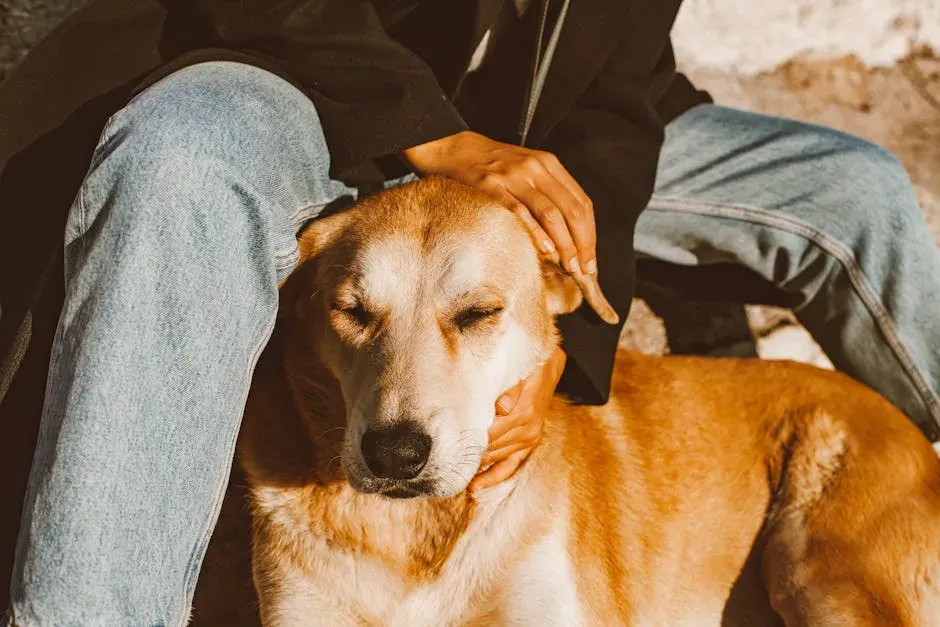
Not every dog is cuddly, but nearly all of them benefit from calm, predictable touch in the evening – slow ear rubs, chest scratches, gentle massage along the spine. This isn’t about spoiling anyone. It’s biology: slow, gentle touch helps release oxytocin and lower stress hormones in both humans and dogs, and for many pets it becomes a nightly reset after a stimulating day.
Where people go wrong is turning it into forced affection – hugging tight, rough patting, or handling paws and tails a dog clearly dislikes. Your dog relies on choice and consistency here. If you invite them up the same way every night, they learn this is their safe affection window, and dogs who know they can move away without being grabbed usually seek out more contact, not less.
#12 – The Emotional Debrief: Your Mood Before Lights Out
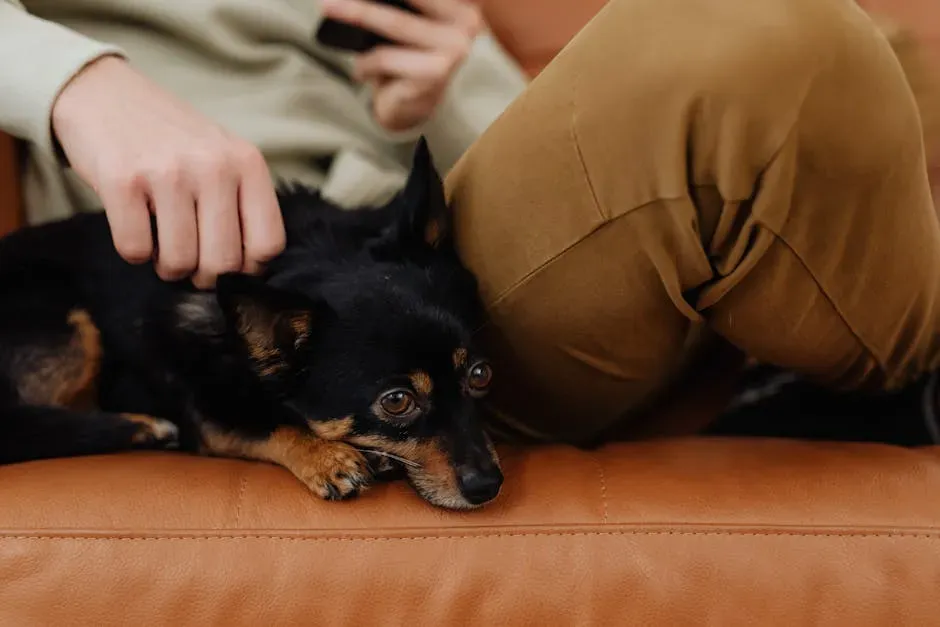
This is the part most people don’t want to hear: your dog is constantly reading your emotional state, especially at night when everything else goes quiet. If evenings routinely end with you stressed, snapping, or checking work emails with a clenched jaw, your dog absolutely feels it.
Dogs do speak, but only to those who know how to listen.
Orhan Pamuk
Many owners swear their dog is “randomly anxious” without noticing the pattern – spikes on nights when you’re arguing with a partner, doom-scrolling upsetting news, or rushing to catch up before bed. Your dog doesn’t understand your inbox. It just senses danger energy, and may pace, pant, or suddenly “misbehave” because its nervous system is ramped up by yours. A short shower, a no-phone window, or soft music before bed can calm you enough that your dog finally believes it’s safe too.
#13 – The “Nothing Bad Happens at Night” Rule
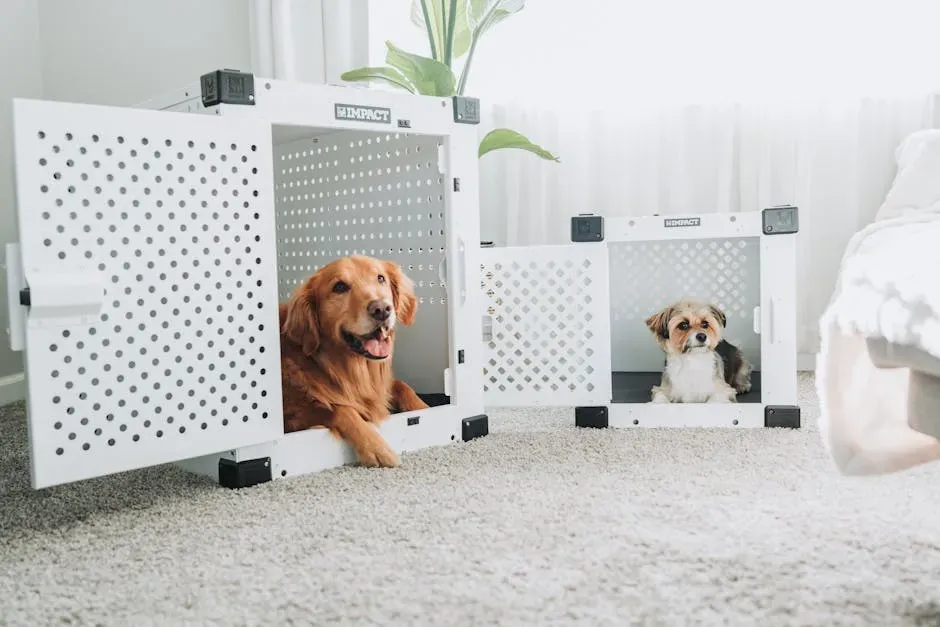
Dogs remember patterns of fear with brutal clarity. If evenings are regularly when they get scolded, crated as punishment, or exposed to scary stuff like fireworks or loud repairs, they can start associating the entire late-day period with danger. A dog that “suddenly hates bedtime” often has a history of something bad happening right before or after lights out.
Common but rarely admitted mistakes include dragging a dog into the crate only at night and only when angry, or yelling about accidents discovered hours later. Over time, this turns evenings into a time of dread – the dog may hide, avoid certain rooms, or grow clingy the second the sun goes down. The fix requires swallowing some pride: pair the crate or bed with chews and calm praise, and make sure the last interactions of the day are neutral or positive, never punishment.
#14 – The Comfort of a Stable Overall Rhythm
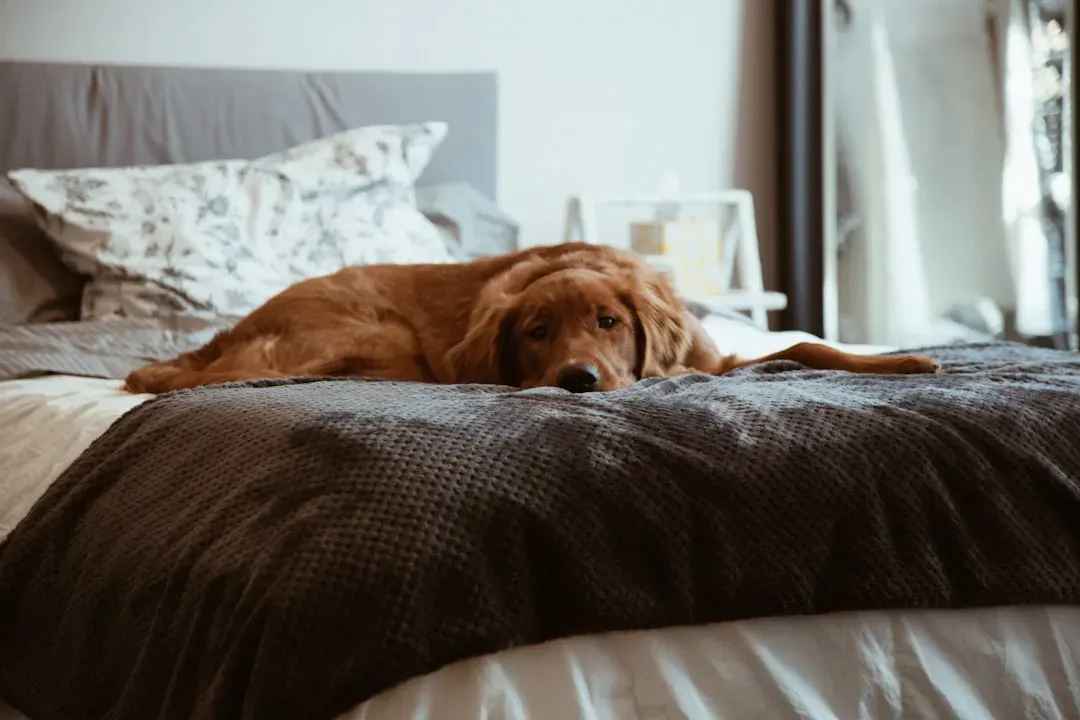
Here’s the big one that ties everything together: your dog relies less on perfect individual habits and more on an overall, stable evening rhythm – reunion, then walk or sniff, then food, decompression, calm interaction, final potty, clear bedtime signal. When this rough order holds most days, your dog’s body can finally relax. It knows what’s coming next.
Dogs unravel in homes where every night is chaos – late meetings one day, an early bedtime the next, wild play right before sleep some nights, straight from couch to dark room with no warning on others. Over time, that inconsistency looks like bad behavior when it’s actually chronic uncertainty. Dogs don’t crave excitement the way humans think they do. They crave predictability, even if that just means a five-minute walk instead of a full one on the nights life gets messy.
Worth Knowing
- Reunion ritual – a calm, consistent greeting the moment you walk in.
- Walk or sniff time – ideally at a predictable hour.
- Food – served in a consistent evening window.
- Decompression – 10-30 minutes of low stimulation after excitement.
- Calm interaction – gentle touch, then a clear bedtime signal.
The Bottom Line

Most people think being a good dog owner is about big gestures – expensive food, trendy harnesses, a huge yard. The truth is far less glamorous and a lot more uncomfortable: your dog’s emotional stability is built on the boring, repeatable evening habits you either honor or ignore.
The predictable walks, the consistent bedtime, the calm last potty break, your mood in the final 30 minutes of the day – this is what your dog quietly relies on more than you realize. Some will argue, “my dog is fine, we’re not that structured.” But fine is a low bar when your dog could be genuinely relaxed and behaviorally stable instead. If you want fewer outbursts and a dog that actually feels safe, not just tired, start by fixing your evenings, not your equipment. Which habit are you willing to change first – and which one did you swear your dog never noticed?