
13 Things a Vet Can Tell From Watching a Dog Cross the Waiting Room
Most pet owners think the real diagnosis starts the moment a vet touches their dog. It doesn’t. Veterinarians will tell you, off the record, that the most honest exam happens before anyone says a single word, while your dog is simply crossing the room from the door to the scale.
Gait, posture, breathing, even the tilt of an ear can reveal arthritis, anxiety, heart strain, or nerve damage long before bloodwork ever confirms it. Most owners never realize their dog is being fully “read” the second the leash comes off. Here’s what veterinary insiders actually watch for, and why that walk across the room can matter more than anything said in the exam room.
#1 – The Limp You Didn’t Notice at Home
A dog favoring one leg for even three steps tells a vet more than an owner’s entire symptom list.
Weight distribution across four limbs is instinctive for dogs, so any hesitation to load a paw signals pain, not clumsiness. Vets clock which leg dips first, how quickly the head bobs to compensate, and whether the limp disappears once the dog gets distracted – a classic sign of intermittent versus structural pain.
A limp that vanishes the moment a treat appears often points to soft tissue strain rather than a fracture or torn ligament. Owners frequently insist “he’s fine at home,” not realizing dogs mask pain around familiar people and floors.
Waiting rooms, with their slick tile and unfamiliar smells, strip away that masking almost instantly.
#2 – Whether the Dog Trusts Its Own Body
Confidence in movement is a diagnostic tool most pet owners have never heard of.
A dog that strides across the waiting room in a straight, purposeful line is showing a nervous system working exactly as designed. One that hugs the wall, moves in a slight arc, or hesitates before crossing open floor may be dealing with early vestibular dysfunction, vision loss, or joint instability that hasn’t fully surfaced yet.
Vets call this “environmental confidence,” and it’s one of the fastest ways to catch neurological decline before an owner notices anything at home.
Older dogs especially reveal this pattern. A once-fearless retriever who suddenly clings to furniture while walking is often flagged for a full neuro workup on the spot, even if the referral reason was something as simple as a nail trim.
#3 – The “Bunny Hop” That Reveals Arthritis Years Early
By the time most owners bring up “stiffness,” a vet has usually already spotted it three visits earlier.
Arthritic dogs often show a shortened stride length rather than an obvious limp, especially in the hips or lower spine. The telltale sign is a bunny-hop gait when turning corners, where both back legs move together instead of independently – a compensation pattern that develops long before X-rays show joint degeneration.
Vets also watch how a dog rises from sitting in the waiting room chair-side spot. A slow, three-step push-up motion is a near-universal early arthritis marker.
Fast Facts
- Osteoarthritis affects at least 20% of dogs over one year old and 80% of dogs over eight years old.
- More than 50% of diagnosed dogs are aged from 8 to 13 years.
- Large-breed dogs face elevated risk, though the condition can quietly affect any size or breed.
- Stride shortening often shows up years before radiographs confirm joint damage.
This is where a bit of professional friction comes in: many vets privately argue that most arthritis diagnoses come too late, not because owners don’t care, but because slowing down gets mistaken for “just getting older” instead of a treatable condition.
#4 – Whether Anxiety Is Situational or Chronic
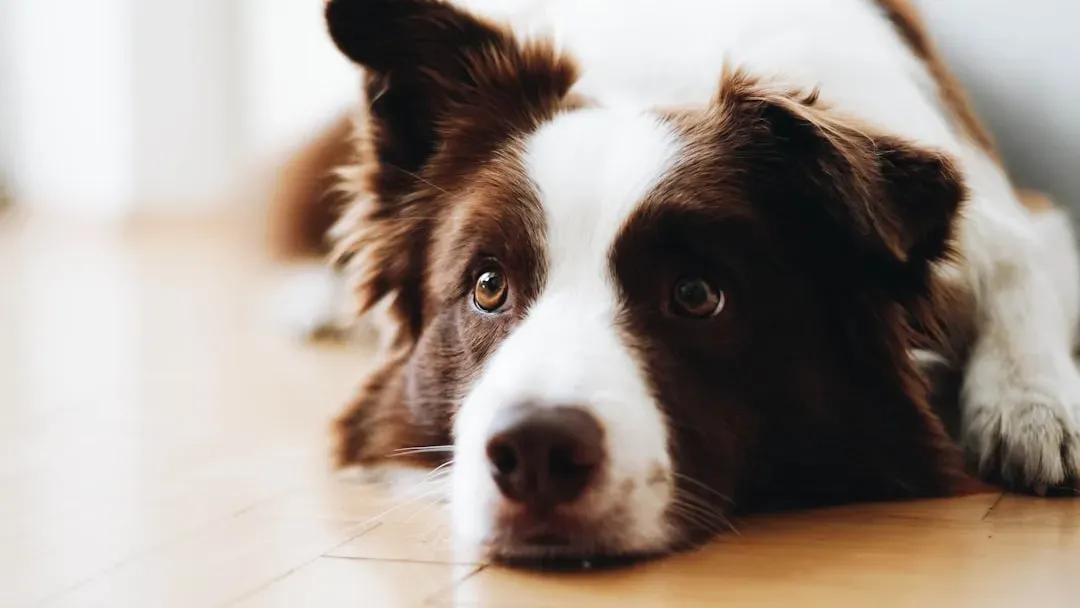
Not every trembling dog in the waiting room has “vet anxiety,” and that distinction matters more than most owners assume.
A dog that startles only at the sound of the door but relaxes once seated is showing situational stress, which is manageable and often temporary. A dog that arrives already panting, drooling, and refusing to make eye contact before anything scary has even happened is displaying chronic anticipatory anxiety, which behaviorists say often requires medication, not just treats and patience.
Vets differentiate these two patterns within the first ten seconds of watching a dog cross the room.
Tail position tells the rest of the story: a tail tucked tightly against the belly signals fear, while a low, loosely wagging tail usually points to simple overstimulation rather than true distress.
#5 – The Ten-Step Walk That Exposes a Failing Heart
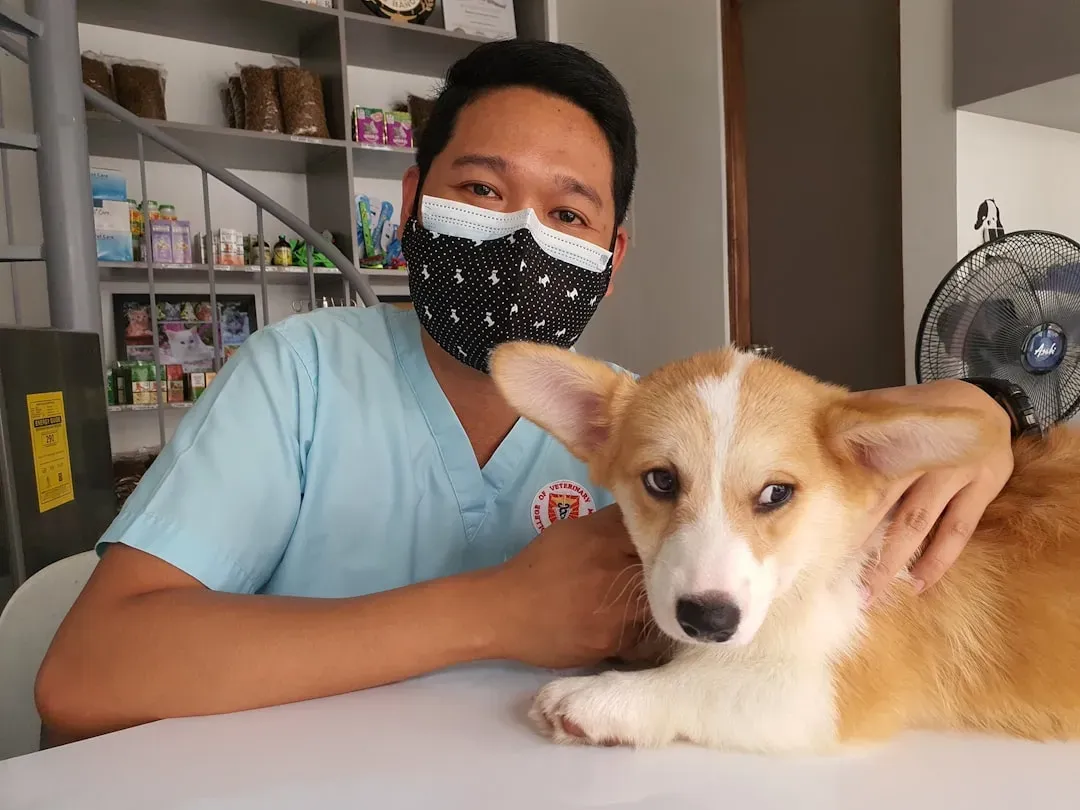
A short walk across a waiting room can expose heart and lung problems that owners have unknowingly normalized for months.
Vets pay close attention to how quickly a dog’s breathing returns to normal after those ten or fifteen steps. A dog that’s still open-mouth panting a full minute after minimal exertion, especially in cool weather, is showing a classic red flag for early congestive heart disease or airway obstruction.
Brachycephalic breeds like bulldogs and pugs complicate this read, since their anatomy naturally causes noisy breathing – which is exactly why vets say breed-specific baselines matter more than generic “normal” breathing charts.
Coughing during or right after the walk, particularly a dry, honking cough, gets flagged immediately as a possible tracheal collapse indicator in smaller breeds.
#6 – The Click-Click-Click That Predicts Future Joint Pain
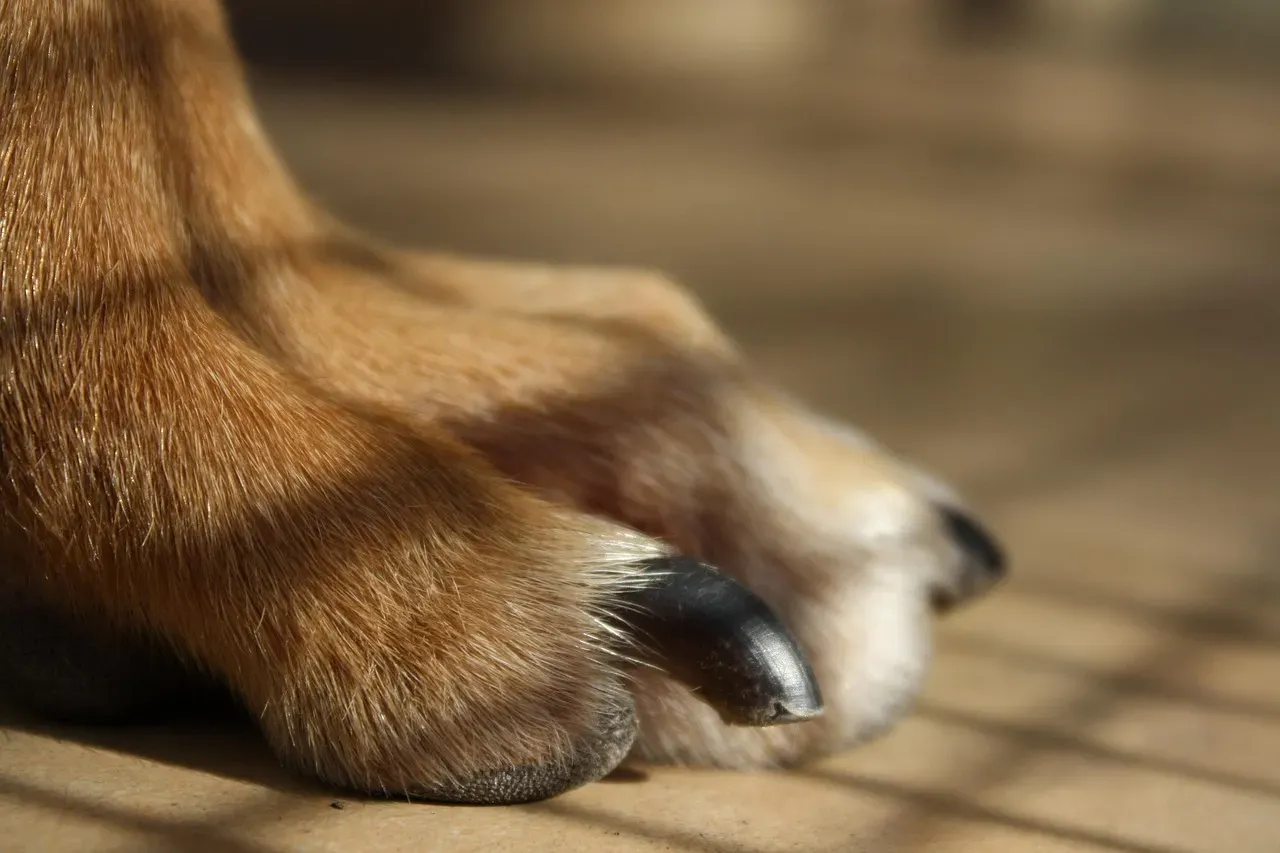
The click-click-click sound of nails on tile isn’t just annoying – it’s a diagnostic cue vets listen for on purpose.
Overgrown nails force a dog’s toes into an unnatural upward angle, which quietly reshapes how weight travels up through the leg joints over time, contributing to long-term strain that mimics arthritis symptoms. Vets say they can often estimate how long it’s been since a dog’s last nail trim just from the sound and stance alone, no measuring tape required.
Worth Knowing
- Most dogs need nail trims every three to four weeks, though frequency depends on activity level and how quickly the nails grow.
- Active dogs that walk or run on hard surfaces wear down their nails faster and need trims less often.
- Senior dogs are typically less active, so their nails wear down less and often need a trim every couple of weeks.
- The repeated force of walking on overgrown nails gradually shifts the bones in the feet, adding pressure to the joints.
Here’s the controversial part: many veterinarians now argue that at-home nail trims, done too infrequently or too fearfully, cause more chronic joint issues than actual injuries do. It’s a quieter problem than a broken nail, but a far more common one across the general pet population.
#7 – The Dog-Owner Power Dynamic on the Leash
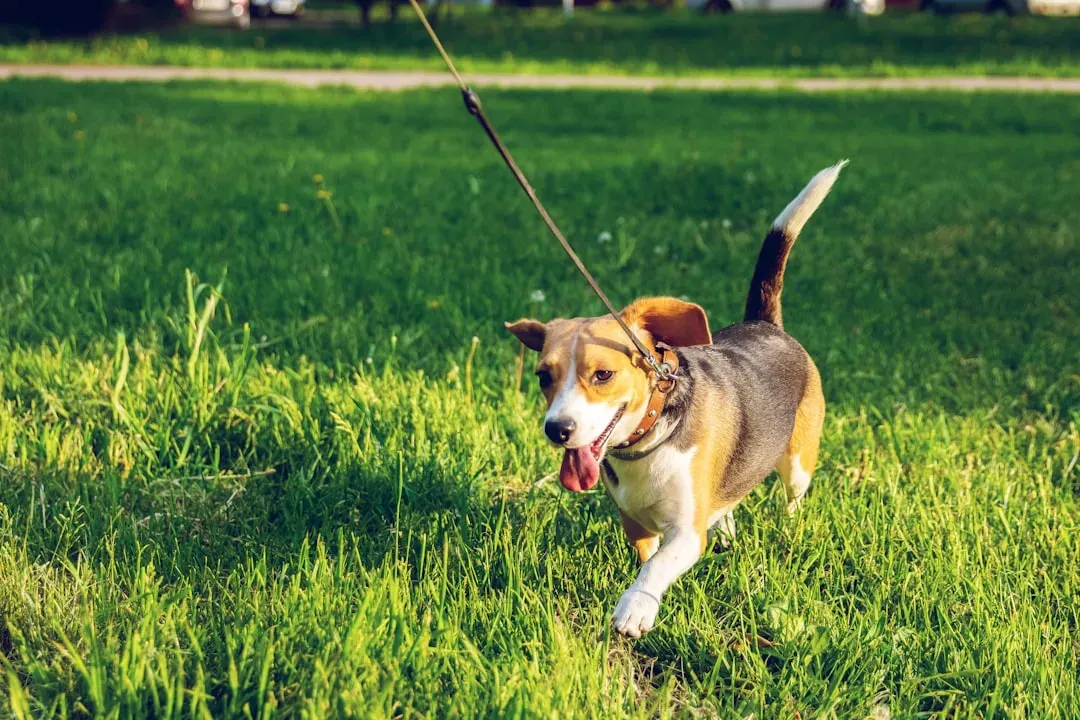
How a dog moves in relation to its owner reveals more about training gaps than most people want to admit.
A dog that surges ahead, ignoring gentle leash corrections, is often displaying learned dominance over walking pace rather than simple excitement. Vets and trainers alike note that dogs who consistently walk slightly behind or beside their owner’s leg tend to show fewer stress-related behavioral issues overall.
The waiting room becomes a live snapshot of the walking dynamic that plays out every single day at home.
Some vets openly say this is the single most overlooked behavioral red flag in general practice – not because pulling is dangerous, but because it usually signals a lack of structure that eventually shows up as anxiety, reactivity, or resource guarding later in the dog’s life.
#8 – The Bumped Chair Leg That Signals Sensory Decline

Bumping into a chair leg isn’t clumsiness in an older dog – it’s often the first visible sign of sensory decline.
Vets watch closely for hesitation at shadows, misjudged distances to furniture, or a startled reaction to a person approaching from one particular side, all of which point toward cataracts, retinal degeneration, or one-sided hearing loss. Dogs compensate remarkably well at home, where furniture placement never changes, which is exactly why the unfamiliar layout of a waiting room exposes the problem so quickly.
Breed and age matter heavily here. Vets say sensory decline gets misread as “getting lazy” far too often, when in reality the dog is simply navigating a world that’s become blurrier or quieter than anyone realized.
#9 – Skin, Coat, and Itch Patterns

A dog scratching mid-walk isn’t just fidgeting – it’s often visible proof of an allergy or parasite problem building beneath the surface.
Vets watch for repetitive scratching at the same spot, excessive shaking of the head, or a dog stopping to chew at a paw during the walk itself, all of which suggest active discomfort rather than a passing itch. Coat texture visible from across the room, whether dull, patchy, or unusually greasy, often hints at underlying thyroid or nutritional issues before a single blood panel is drawn.
At a Glance
- Scratching at one specific spot usually means localized irritation, not general itchiness.
- Head-shaking paired with a foul odor points toward an ear infection rather than a skin allergy.
- A dull or greasy coat visible from across the room can hint at thyroid or nutritional imbalance.
- Paw-chewing mid-walk is often an early allergy tell vets flag before any bloodwork is drawn.
This is one area where owners consistently underestimate severity. A dog who’s been “a little itchy for a while” at home often reveals, in the waiting room, a level of discomfort the owner had simply stopped noticing day to day.
#10 – The Hip Sway That Reveals Muscle Loss Before You See It
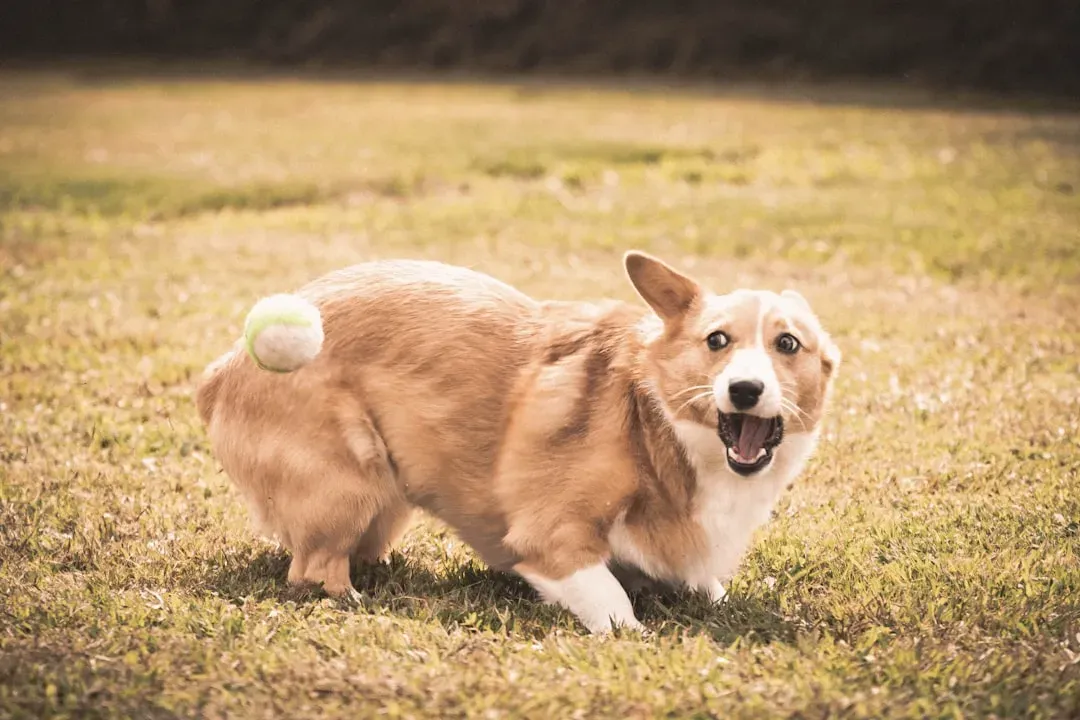
The way a dog’s hips move while walking tells a vet almost everything about muscle wasting before they ever lay a hand on the animal.
Vets look for asymmetry between the left and right hindquarters, a visible sway in the hips, or thinning along the spine that becomes obvious in motion but invisible when the dog is standing still. This kind of muscle loss often signals chronic pain avoidance – the dog has been unconsciously favoring one side for so long that the unused muscles have started shrinking.
Overweight dogs show the opposite but equally telling pattern: a rolling, side-to-side gait caused by excess weight shifting with every step, which vets say dramatically accelerates joint wear over just a few years.
#11 – Pain Guarding and Hunching

A dog that walks with its back arched and head held low isn’t being cautious – it’s actively protecting an area that hurts.
Vets describe this posture as “guarding,” and it’s one of the clearest non-verbal pain signals in veterinary medicine. A hunched spine paired with short, careful steps often points to abdominal pain, pancreatitis, or spinal disc issues, long before the dog shows any other symptom an owner would recognize.
This posture is different from simple nervousness, which usually shows up as lowered body height without the spinal arch.
Vets say this single visual cue has led to same-day emergency workups more often than almost any other waiting room observation, precisely because guarding behavior tends to escalate quickly once identified.
#12 – Breed-Specific Red Flags

Not every gait quirk is a problem – and knowing the difference between “normal for the breed” and “actually concerning” is where experience separates good vets from great ones.
Dachshunds and Corgis, for example, naturally show a slightly rolling gait due to their leg-to-body ratio, which would be alarming in a Labrador but expected in them. Vets constantly recalibrate what “normal” looks like based on breed anatomy, which is why a general practitioner watching a Bulldog waddle isn’t concerned, but the same waddle in a Border Collie triggers an immediate closer look.
Quick Compare
- Dachshunds & Corgis: A slight rolling gait is normal, tied to their short-leg, long-body build.
- Bulldogs & Pugs: A waddling gait and noisy breathing are typical, not automatic red flags.
- Border Collies & Labradors: That same waddle or roll usually triggers a closer look.
- Greyhounds & Whippets: A long, low stride is breed-standard, not a sign of weakness.
This breed-specific calibration takes years to develop and rarely gets discussed outside clinical circles. This is genuinely controversial among some pet owners: several vets argue that breed standards themselves have normalized structurally unhealthy gaits in certain popular breeds, meaning “normal for the breed” isn’t always the same as “healthy.”
#13 – Overall Temperament Under Pressure
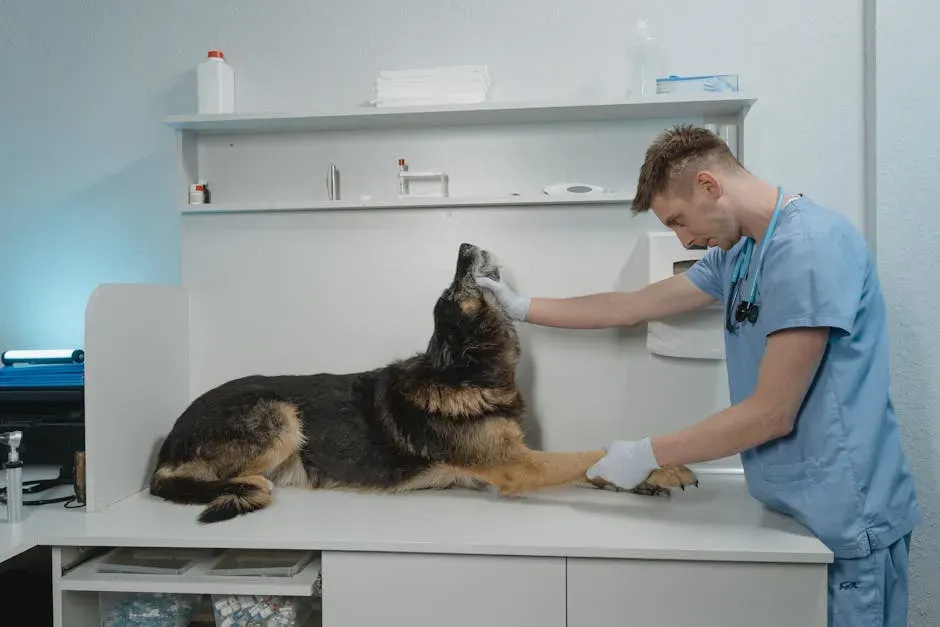
The single most revealing moment in the entire waiting room isn’t physical at all – it’s how a dog handles being watched, approached, or mildly stressed by strangers.
Vets say a dog’s baseline temperament under mild pressure predicts handling difficulty during the actual exam far more reliably than breed reputation does. A dog that stays loose, curious, and responsive to its name despite the unfamiliar environment is flagged as low-risk for sedation-free procedures.
One that freezes, stiffens, or fixates on the door is flagged for a very different, much more careful approach once inside the exam room.
This observation shapes everything that happens next, from whether a muzzle gets prepared in advance to whether the visit gets scheduled for a quieter time of day. It’s the quiet, unspoken screening process that happens before the appointment technically even starts.
The Bottom Line
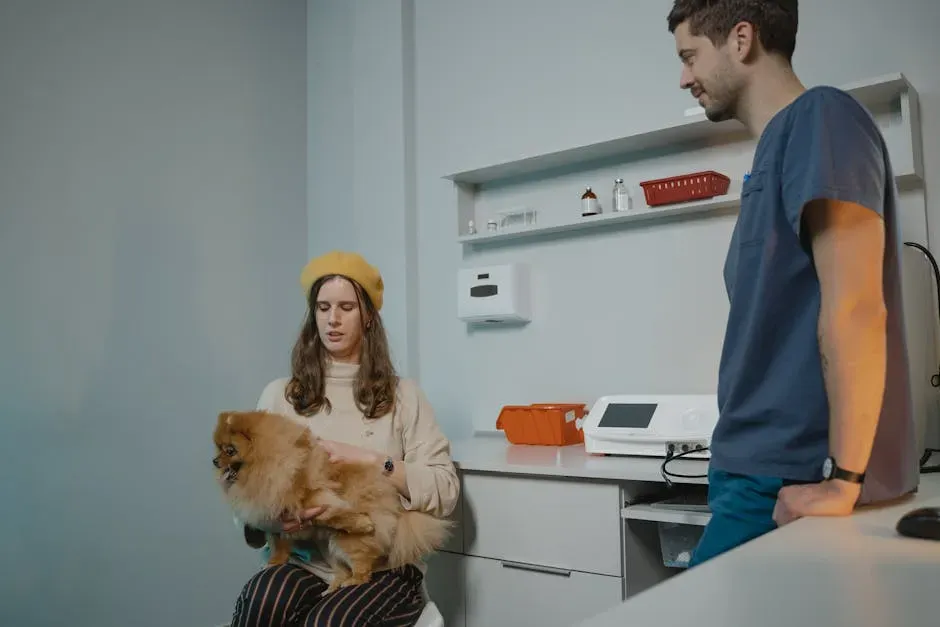
The waiting room isn’t a holding pen – it’s the first and most honest exam a dog will get all visit. Gait, posture, breathing, and temperament reveal pain, anxiety, and disease long before a stethoscope ever touches fur.
Owners who insist their dog is “fine” often learn otherwise the moment a vet watches those first ten steps. Frankly, more clinics should train front-desk staff to flag these signs early, because waiting for the exam room wastes valuable diagnostic time that a dog’s own body has already handed over for free.
Next time you’re sitting there scrolling your phone while your dog paces the tile, take a second look. You might catch something your vet hasn’t even walked in the room to see yet.