
There’s a particular kind of grief that starts before the loss itself. It arrives in small, ordinary moments. Your dog doesn’t rush to the door when you grab the leash. The food bowl sits untouched a little longer each morning. The tail wag comes a little slower, or maybe not at all. These shifts are easy to explain away, day by day, as “just getting older.” Sometimes that’s true. Sometimes it’s something more.
The hardest part about loving a senior dog is that their decline rarely announces itself loudly. A dog’s behaviors usually change as they get older, so it can be difficult to tell the difference between the deterioration of quality of life and general slowing down with age. That’s why the signs that your dog is dying are not always obvious to spot, even for the most dedicated of pet owners. Knowing what to look for, without catastrophizing every nap, is one of the most loving things you can do for the dog who has given you everything.
#1. They Stop Getting Excited About Walks
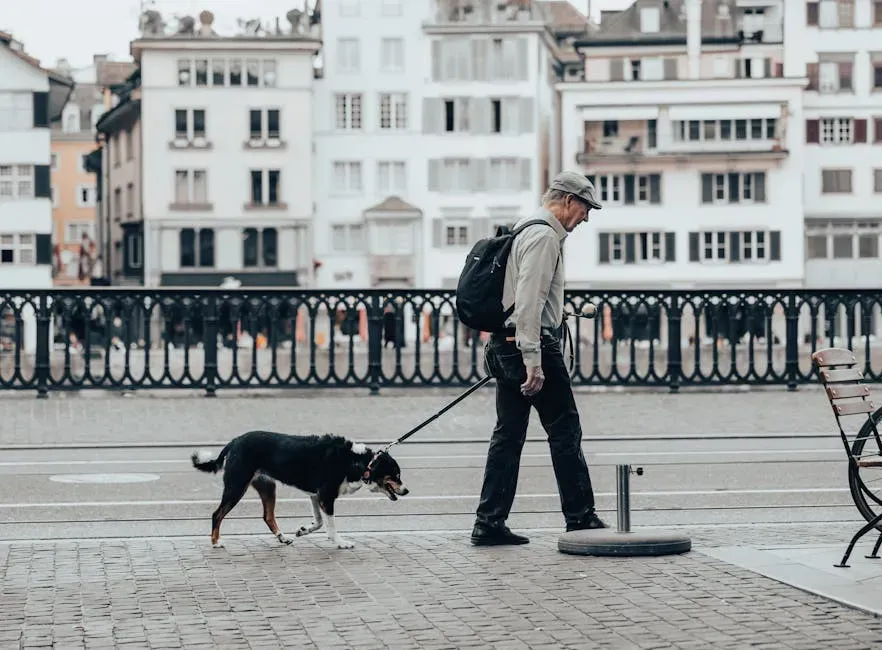
For most dogs, the word “walk” is practically magic. It triggers spinning, whining, door-scratching, and a joy that’s almost impossible not to laugh at. So when a senior dog stops reacting, or worse, starts actively resisting the leash, it’s worth paying attention. A sharp decline in a dog’s daily activity is a significant sign that they may be nearing the end of life. Activities that were once fun, such as walks and car rides, may now feel disinteresting or exhausting.
Senior dogs sleep a lot, and as a dog nears the end of life, they will sleep more and more and tire more easily. They may also opt to stay home on their dog bed instead of going on walks and outings like they used to. This isn’t stubbornness. It’s a body that’s quietly conserving whatever energy it has left, and recognizing that distinction matters enormously.
#2. They Stop Eating With Enthusiasm
A common sign that a dog is close to death is when they start refusing to eat or becoming fussy with certain foods. If they feel sick or take medication that causes a loss of their sense of smell or taste, the pet may also lose their appetite. For a dog who once inhaled every meal in under thirty seconds, this change is jarring. It’s one of those signs that hits owners differently because feeding a dog feels like the most basic expression of care.
Appetite and water intake will gradually decline as the dog’s organ systems begin to shut down. Nausea, vomiting, or diarrhea may be present in dogs with underlying kidney, liver, or gastrointestinal disease. It’s worth noting that a vet visit is essential here, since appetite loss can sometimes have treatable causes. Don’t assume the worst without first ruling out what can be fixed.
#3. They Stop Greeting You at the Door
One of the quiet heartbreaks of senior dog ownership is the day you come home and the hallway is just… still. No scrambling paws, no enthusiastic bark, no dog launching themselves at you like you’ve been gone for six years instead of six hours. A noticeable decline in interest in previously enjoyed activities and surroundings is a significant behavioral change that indicates a dog’s diminishing vitality. This includes showing no interest in games they once enthusiastically enjoyed, and becoming less responsive to familiar sounds or even the presence of their loved ones.
Beyond the purely physical, dogs can undergo significant behavioral shifts in their final stages, reflecting pain and diminishing capacity for interaction. Changes in social behavior are often subtle yet profound indicators of a dog’s declining energy levels. The dog who used to track your every move through the house may now stay curled in one spot, not out of indifference, but because moving takes more out of them than it once did.
#4. They Stop Playing With Their Toys
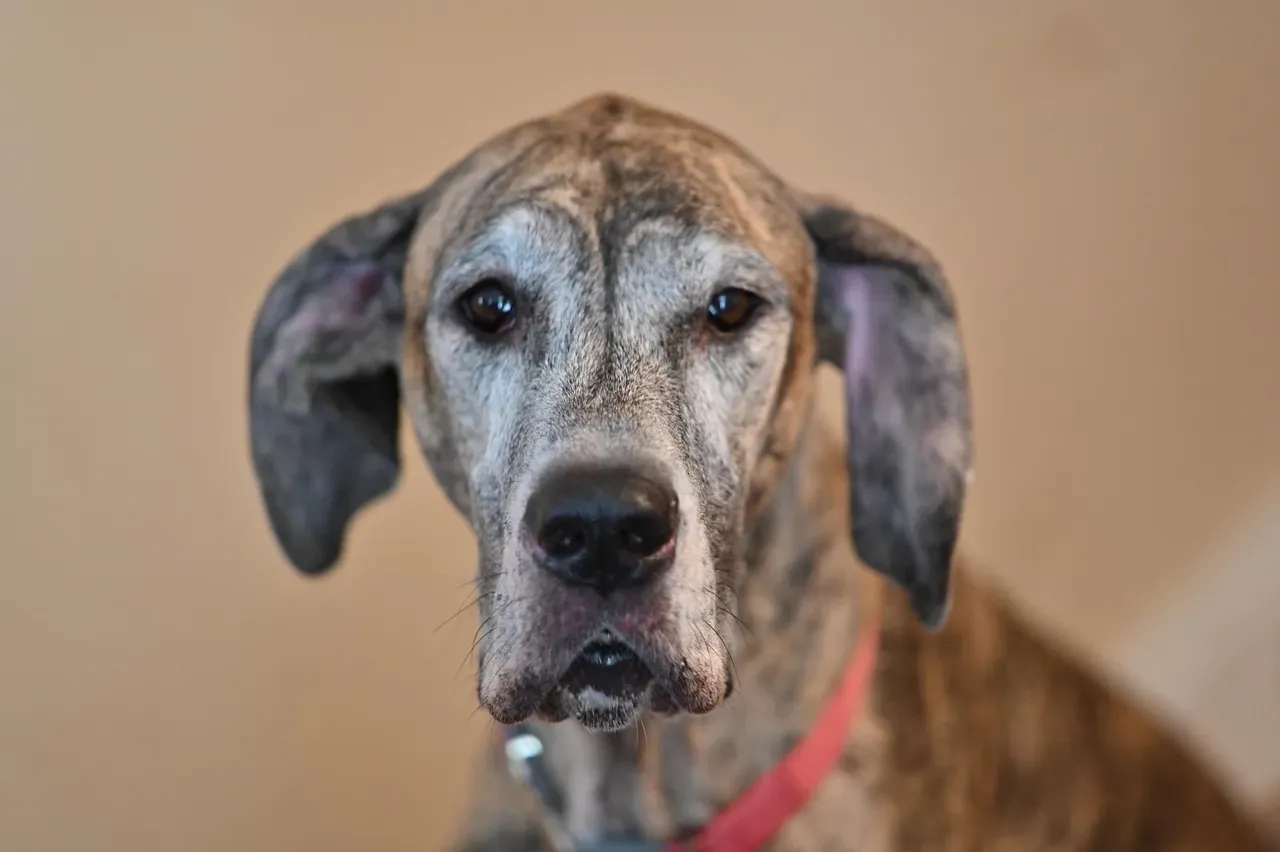
A once playful dog may lose interest in toys, walks, and other activities they previously enjoyed. This lack of enthusiasm is a natural consequence of their declining physical and mental state. As dogs age, their bodies may become less able to handle exertion, leading to fatigue and a preference for rest over playtime. That rope toy sitting in the corner, untouched for weeks, tells a quiet story if you’re willing to hear it.
A dog’s emotional state can become more fragile as their final journey nears, leading to heightened anxiety or apprehension. They may become restless, unable to settle in one spot, or engage in repetitive pacing, even at night. Play requires not just physical energy but mental engagement, and when both begin to fade together, a dog’s world gets measurably smaller.
#5. They Stop Seeking Out Your Company
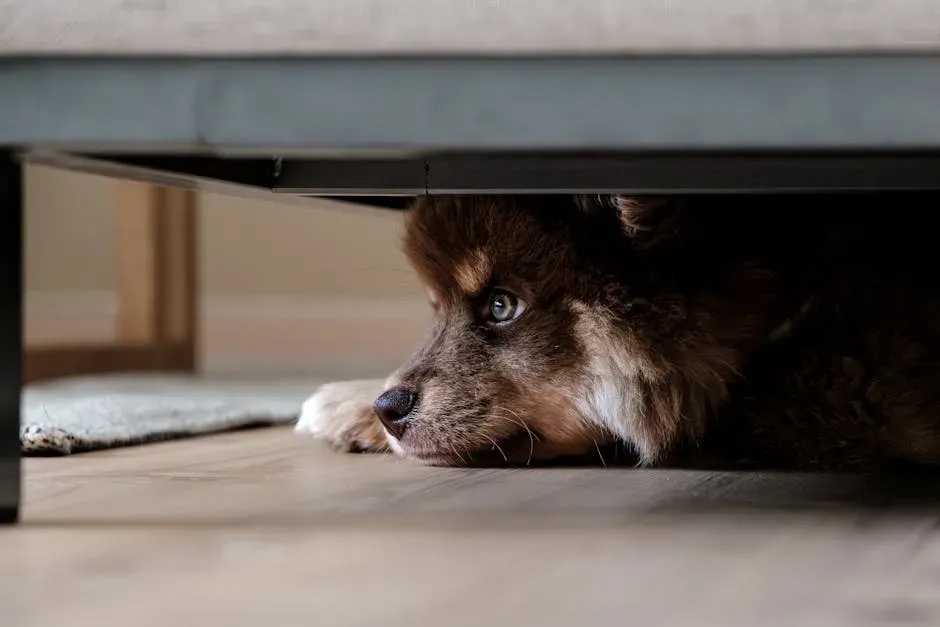
Near the end of life, sometimes our beloved dogs want nothing to do with us. If your dog is seeking out quiet places of solitude or isolation, it could be a sign they are near the end of their time. This one can feel like rejection, though it isn’t. Dogs don’t withdraw to punish us. They withdraw because their body is asking for quiet, and they’re following that instinct honestly.
Seeking out secluded or dark places to hide as a way to cope with their discomfort is a behavior that has deep roots in canine instinct. It’s uncomfortable to witness, but meeting your dog where they are, rather than forcing interaction, is often the most respectful thing you can do. Sit nearby. Let them know you’re there. That’s usually enough.
#6. They Stop Holding Their Bladder and Bowels
Incontinence, or loss of control of the bladder and bowels, is a fairly common occurrence in senior dogs. This can occur for a variety of reasons that may be completely treatable. Some dogs may pee or poop in their sleep, while others may dribble urine or even defecate as they walk without seeming to notice. What changes near the end of life is the frequency and the dog’s seeming unawareness of it happening at all.
Incontinence can be upsetting for dogs because they naturally don’t want to soil the house. Be compassionate and never scold your dog for these accidents, as that will only increase their distress. Incontinence will often worsen as a dog nears the end of their life. Keep bedding clean, use protective pads, and focus on their dignity rather than the inconvenience.
#7. They Stop Moving Around the House Freely
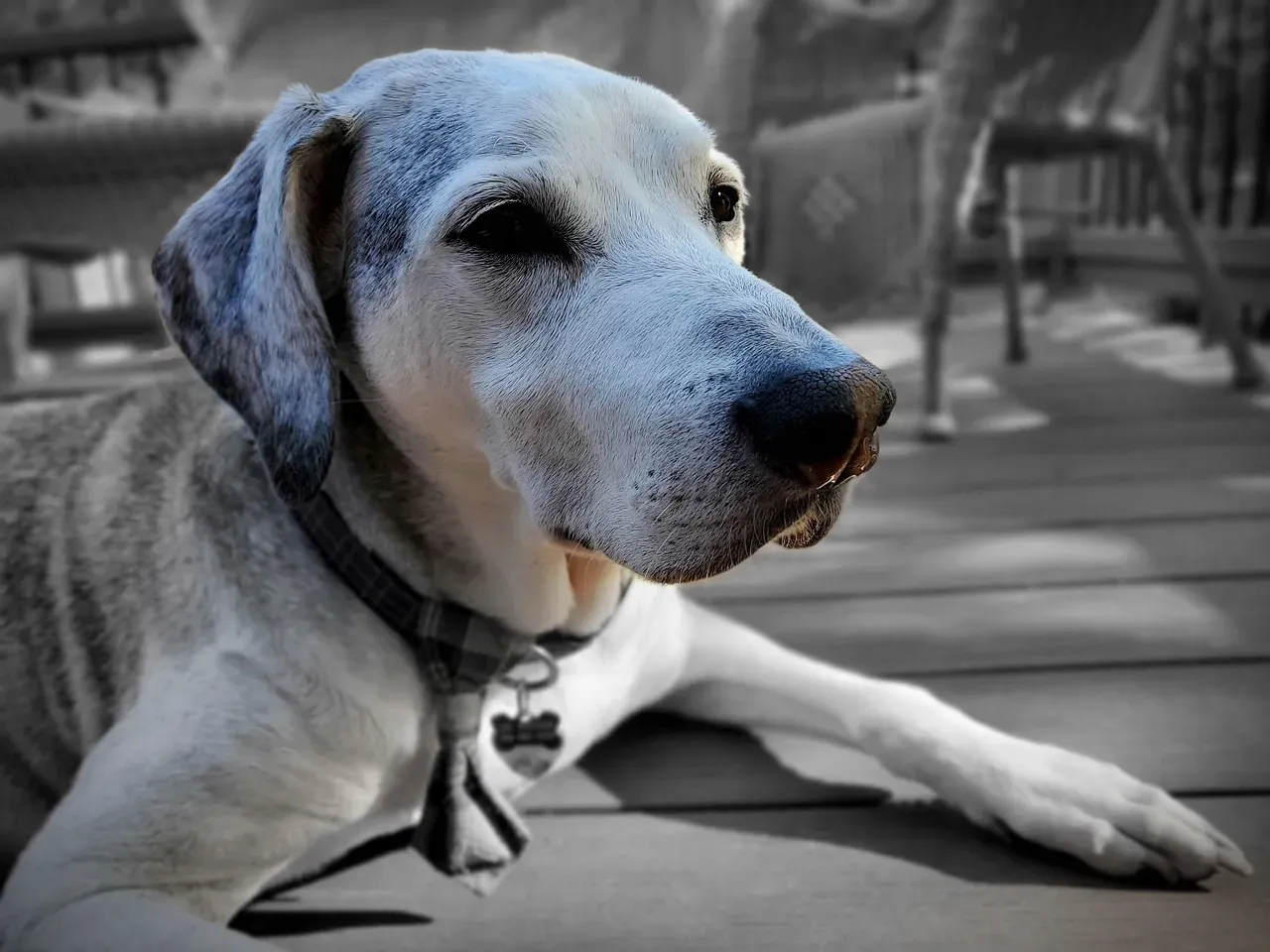
Declining mobility and reduced activity are clear indicators of a dog’s deteriorating physical strength and energy, including reluctance to stand, walk, or even shift positions due to pain, as well as unsteadiness, stumbling, or a loss of balance when they attempt to move. Stairs that used to be nothing become obstacles. The couch, once conquered daily, now sits out of reach.
As a dog’s body ages, their muscles and nerves stop functioning as well as they used to. Between the loss of muscle mass and the malfunction of proprioceptive nerves, coordination will decline. They may struggle with steps and navigating obstacles, or slip on non-carpeted surfaces. Some dogs stumble or have trouble placing their feet correctly when walking. Non-slip mats, ramps, and orthopedic bedding can make a meaningful difference in keeping them comfortable.
#8. They Stop Recognizing Familiar People and Places
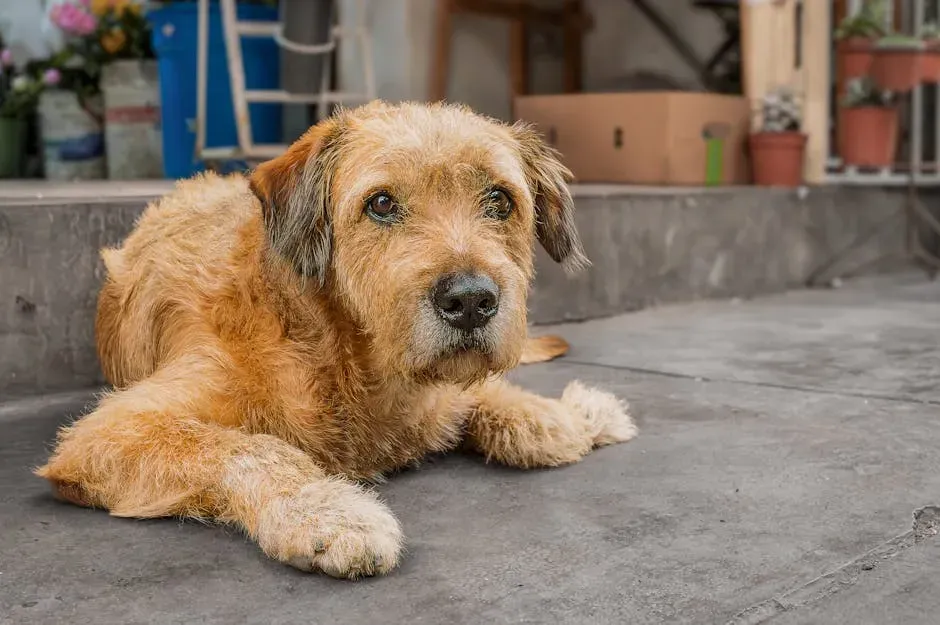
Canine Cognitive Dysfunction or “dog dementia” can become more pronounced in a dog’s final stages. This can manifest as disorientation, where they may seem lost in familiar surroundings or have trouble recognizing family members. Research on older dogs revealed that a notable percentage exhibited signs of this condition, despite very few receiving a formal clinical diagnosis. It’s unsettling to watch a dog stare blankly at you from across the room, a dog who has known you for a decade.
Particularly in senior dogs, cognitive decline can manifest as confusion or disorientation, impacting a dog’s awareness of their surroundings. This can include staring blankly at walls or into space, wandering around the house without any clear purpose, or not recognizing their owners, other family members, or even their own home. Keeping routines consistent and calm can help reduce anxiety for a dog experiencing this kind of confusion.
#9. They Stop Responding to Their Name
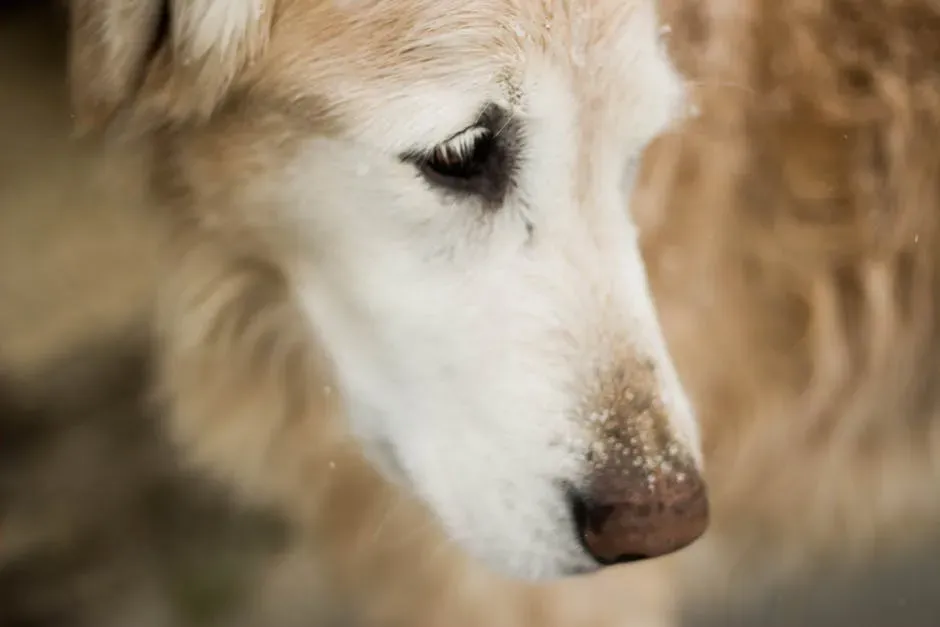
As dogs approach the end of their lives, their senses may begin to decline, affecting how they perceive and interact with their environment. They may become less responsive to their name or loud noises, indicating a decline in auditory perception. They may bump into objects or have difficulty navigating familiar surroundings due to declining eyesight. Their sense of smell may also diminish, leading to less interest in sniffing around or recognizing familiar scents.
A dog who doesn’t respond to their name is easy to mistake for a dog who is simply ignoring you. The difference becomes clear when you notice the full picture: the cloudy eyes, the slight hesitation, the general disorientation that wasn’t there a few months ago. Dogs’ eyes can start to fail near the end of life, and you may notice that your dog’s eyes are cloudy or have trouble seeing. By itself, dull eyes may be a sign of age or an eye condition, but when taken together with other signs, it could mean something more.
#10. They Stop Grooming Themselves
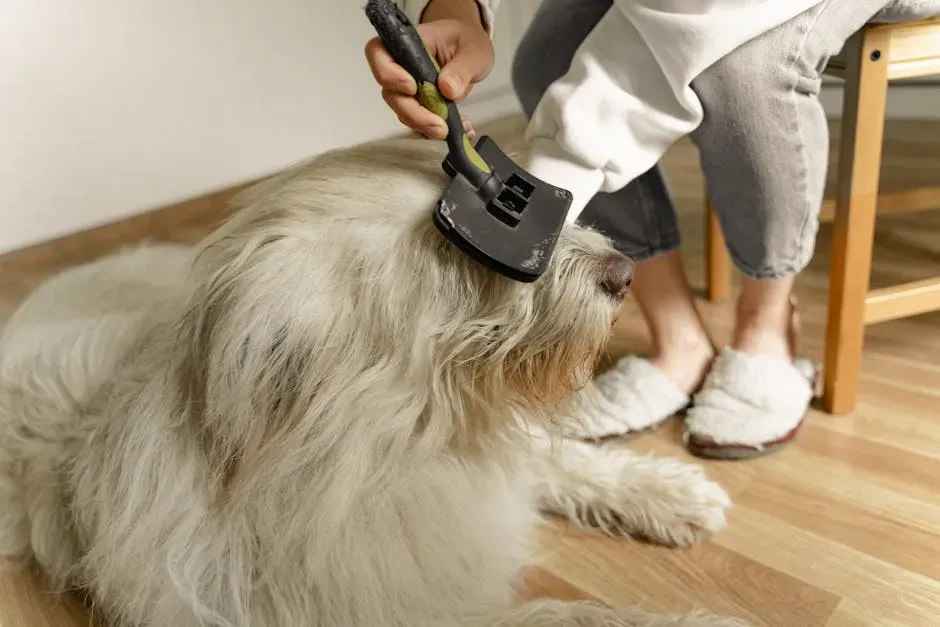
Due to decreased hygiene and grooming behavior, a dog’s coat may look dull or unkempt near the end of life. Dogs may be in too much pain or discomfort to groom. You’ll notice a coat that used to shine now looks rough and matted. Patches that were once smooth feel dry and coarse. It’s one of those changes that sneaks up on you slowly, until one day you look at your dog and don’t quite recognize them.
When an animal’s body stops functioning normally, changes in scent can also occur. This can happen due to kidney disease, metabolism changes, oil build-up in the fur, incontinence, dental disease, or poor grooming. You may notice that your dog has a different or stronger odor than usual near the end of life. Gentle bathing and regular brushing, done calmly and with patience, can offer both cleanliness and connection during this time.
#11. They Stop Breathing Normally at Rest
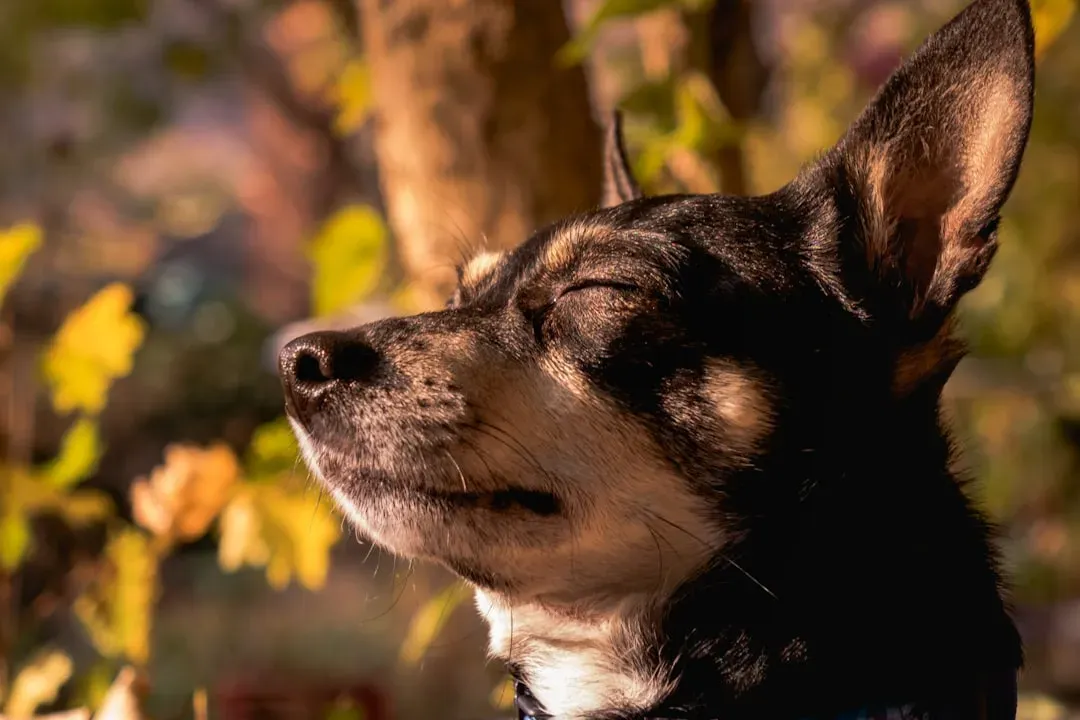
Breathing is controlled by muscles and nerves, and is not immune to the slow breakdown of a dog’s body. A dog may start showing abnormal breathing patterns, with their respiratory rate fluctuating up and down even when at rest. They may stop breathing periodically and then resume again. Signs of difficulty breathing include open-mouthed breathing, stretching their head and neck out straight, or moving their abdomen in and out as they breathe.
Dogs may start panting even while at rest, develop a cough, or have increased difficulty drawing a normal breath. This can be secondary to heart failure, respiratory diseases, cancer, or a metabolic disease such as diabetes, kidney failure, or liver or adrenal gland disorders. Any noticeable change in resting breath should be taken seriously. It’s one of the signs that warrants an immediate conversation with your vet rather than a “wait and see” approach.
#12. They Stop Having More Good Days Than Bad
Many people use a calendar to track good and bad days, which makes patterns stand out and helps guide choices. A “good day” may not even resemble one from the past. For a senior dog, the ability to rise from rest, consume a nutritious meal, and welcome you at the door could all add up to something meaningful. The bar shifts as your dog ages, and that’s okay. What matters is the overall direction of the trend.
Ultimately, the key question is whether your dog is having more good days than bad. If the answer is no, then it’s probably time to consider end-of-life care. Behavioral and physical changes such as confusion, incontinence, labored breathing, or more bad days than good may indicate it’s time to speak with your vet about end-of-life care. Tracking these patterns, however informally, gives you something concrete to bring to that difficult conversation.
#13. They Stop Responding to Treatments That Once Helped
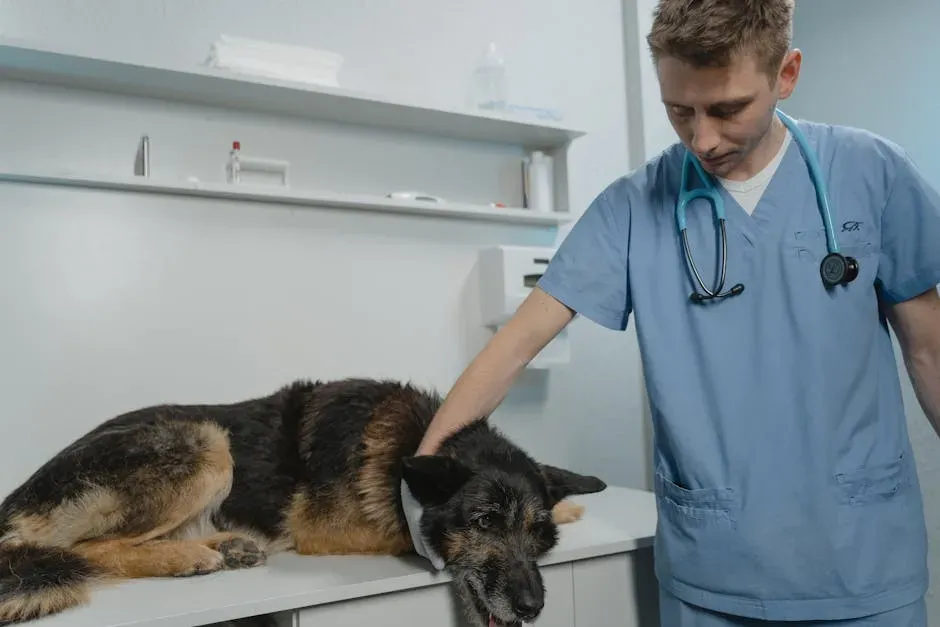
As a dog’s body wears out, they may stop responding to treatments and medications that had previously kept them happy and healthy. A dog with arthritis may require additional pain medications, or a dog with diabetes may require seemingly endless insulin dose changes. A dog with cancer may continue to lose weight and deteriorate despite treatment and appetite stimulants to keep them eating well. This is often the clearest signal that the body is simply running out of road.
It’s important to remember that not every sign of decline means a pet is dying. Many pets, especially seniors, experience health issues that are treatable or manageable with proper veterinary care. A sudden withdrawal, mobility issue, or appetite loss could just as easily stem from something like arthritis, dental pain, infection, or a manageable chronic condition. When treatments that once worked stop working entirely, however, and when the signs across this list begin stacking up together, that’s when the conversation shifts from management to compassion.
A Final Reflection: What Love Looks Like at the End
None of these signs exist in isolation, and none of them alone confirm the worst. Recognizing when a dog is nearing the end of life can be challenging, but spotting the difference between normal aging and more serious signs is key. Changes in appetite, energy, behavior, or breathing may signal it’s time to consult your veterinarian. With attentive care and compassion, you can help ensure your dog’s comfort and dignity in their final days.
Pain management is an important aspect of end-of-life care for dogs. Your veterinarian can recommend medications or treatments to help alleviate pain and improve your dog’s quality of life. Hospice care focuses on providing comfort rather than curative treatments, and this care can be administered at home with the guidance of your veterinarian, ensuring your dog’s final days are as peaceful and pain-free as possible.
In my view, the most important thing a dog owner can do in this season is to stop waiting for certainty before acting with love. You don’t need a definitive diagnosis to offer extra warmth, softer bedding, quieter evenings, and more time sitting close. Spending quality time with your dog, offering them affection and reassurance, creates moments that are precious and can provide both you and your pet with a sense of peace and closure.
The dog who once woke up your whole house with their energy deserves to leave it gently, surrounded by everything familiar. Watching for these signs isn’t about bracing for loss. It’s about staying present for the dog who has never once stopped being present for you.


