
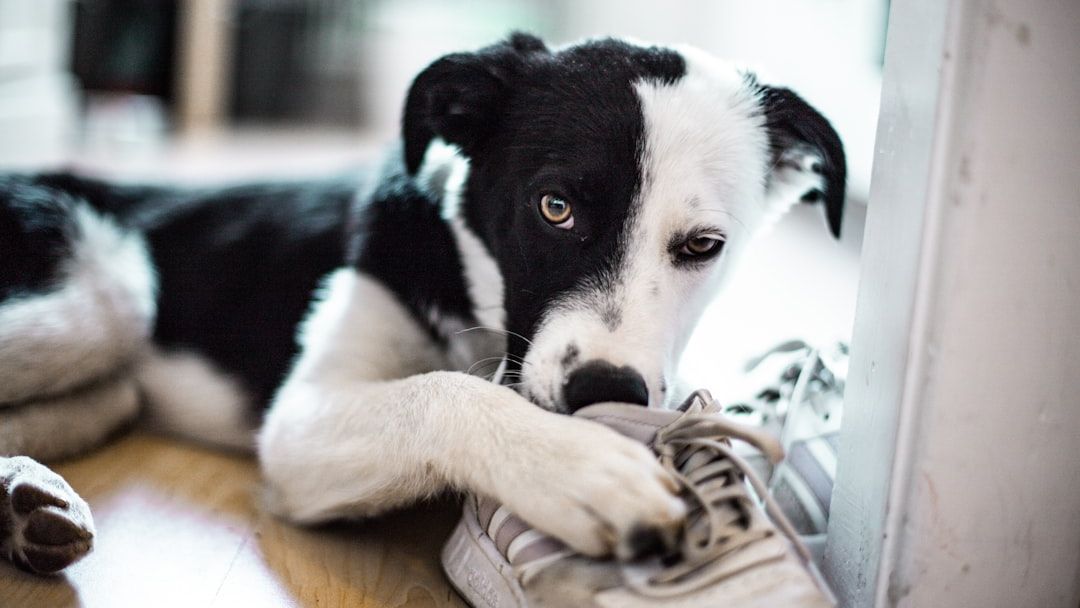
Most dog owners take it as a compliment. Your dog follows you to the bathroom, stares at you while you eat, and practically glues itself to your leg the moment you reach for your shoes. Sweet, right? Maybe. But sometimes, what looks like pure devotion is actually something much quieter and more complicated going on beneath the surface.
Separation anxiety occurs when a dog exhibits extreme stress from the time you leave them alone until you return, and the symptoms can vary widely. Some dogs act as though they are genuinely terrified to be left in the house on their own. The tricky part is that much of this fear shows up not just when you’re gone, but in the everyday habits that happen right there in front of you. The clinginess you’ve been writing off as affection might actually be your dog silently begging you not to disappear. Here are 17 habits worth paying a lot more attention to.
#1: Following You from Room to Room Without Pause

There’s a difference between a dog who checks in on you occasionally and one who treats your every move like a life-or-death mission. Dogs with separation-related problems will often show signs of excessive attachment to their owners, including following their owners around when they are at home and when their owners are preparing to leave the house. It’s one of the most consistent early warning signs behavioral researchers point to.
Normal attachment looks flexible: the dog checks in, then can settle and sleep independently. Red flags are change and urgency, such as new shadowing, nighttime pacing, panic behind doors, or an inability to relax even when you’re home. If your dog can’t seem to simply exist in another room without tracking you down every time, that pattern deserves a closer look.
#2: Sitting or Sleeping Directly on Top of You
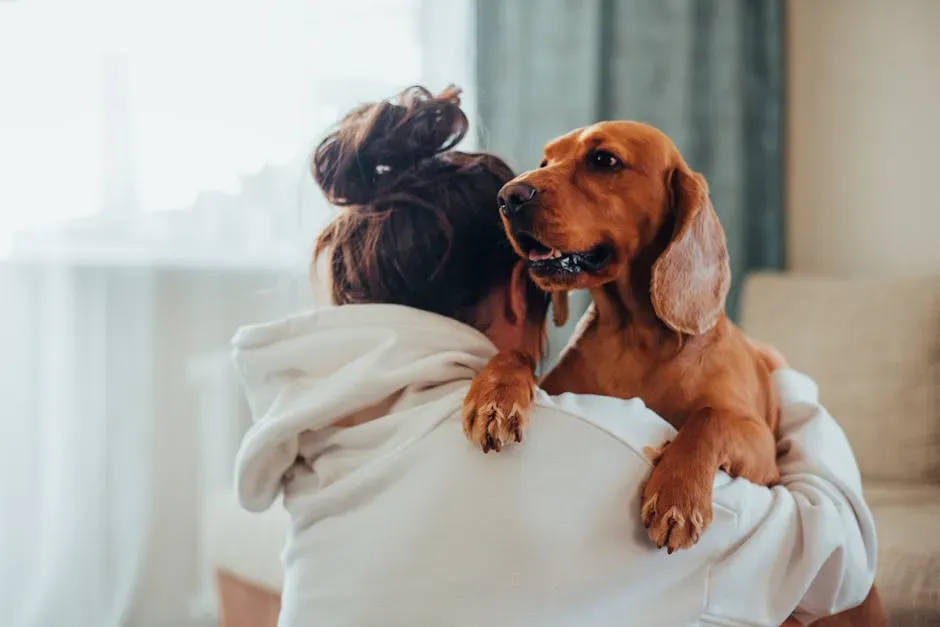
A dog resting near you is one thing. A dog who cannot settle unless they are physically pressing against your body is telling a different story. Many, but not all, dogs with separation anxiety crave a great deal of physical contact and attention from their owners. During departures or separations, in addition to vocalization and destruction, they may be restless, shake, shiver, or become quiet and withdrawn.
This possessive behavior often stems from insecurity rather than protectiveness. If your dog can’t settle down unless they’re touching you, or they immediately stand up and follow whenever you shift positions, they’ve likely developed an unhealthy dependence. Physical contact becomes their emotional anchor, and the moment it’s removed, even briefly, the anxiety surfaces.
#3: Watching the Door Long After You’ve Left
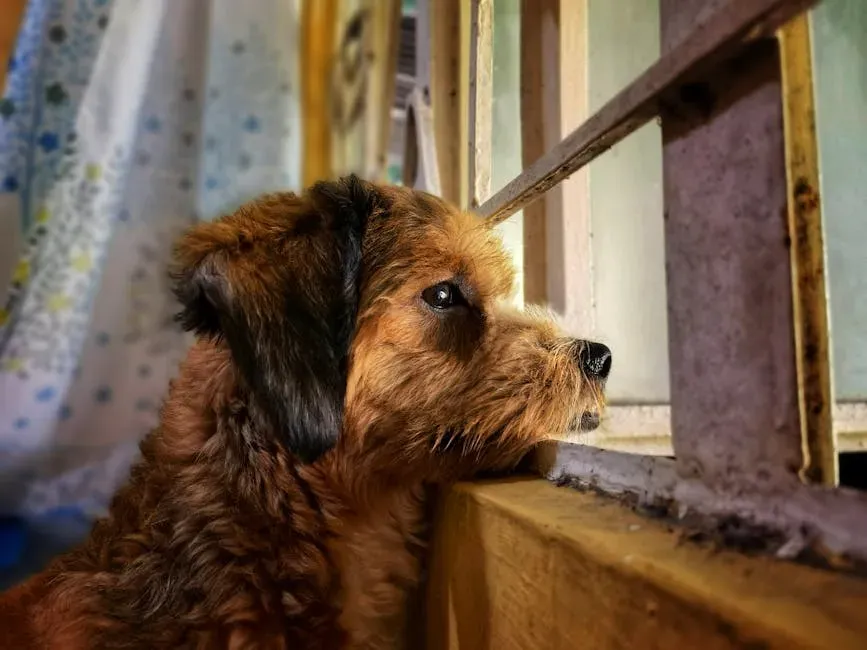
Pet cameras have revealed what many owners never expected to see. Dogs who appear calm at goodbye sometimes spend significant stretches of time standing near the door, staring at the spot where their owner disappeared. The separation-related problem behaviors begin shortly after the departure of the owner, with a latency of around three minutes for vocalization and around seven minutes for destruction. The emotional spike happens fast.
Videos and descriptions of your dog’s behavior are typically most helpful in helping a vet identify and evaluate symptoms that occur and worsen in your absence. An indoor pet camera can be used to document such behavior and help your vet reach an accurate diagnosis. If you’ve never checked what your dog does in the first ten minutes after you leave, it might be eye-opening.
#4: Panicking When They Hear Keys or Shoes
This one is subtle but revealing. A dog might start to pace, pant, and whine when they notice their guardian applying makeup, putting on shoes and a coat, and then picking up a bag or car keys. These routine, pre-departure cues become loaded with emotional weight for an anxious dog.
Once separation anxiety is established, the behaviors are triggered by signs that the owner is about to leave. Your dog has learned to read your morning routine like a script, and their nervous system responds before you’ve even reached the front door. Dogs with separation distress often start whining or barking the moment you grab your keys or put on shoes. They’ve learned these cues mean you’re leaving, and their anxiety spikes immediately.
#5: Refusing to Eat When You’re Not Home
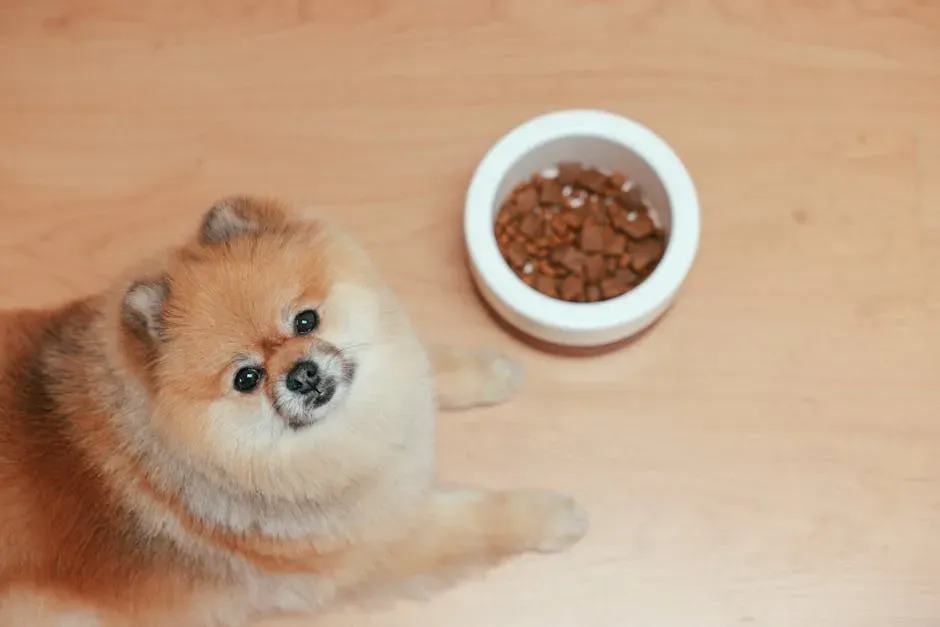
A dog who turns down food is always worth paying attention to. During departures or separations, dogs with separation anxiety may be restless, shake, shiver, salivate, or refuse to eat. Food refusal in your absence is one of the clearer signs that the stress response is genuinely overriding normal biological instinct.
Think about what it takes for a dog to ignore a full food bowl. For most dogs, that’s almost impossible unless something is very wrong emotionally. Red flag behaviors include sudden aggression, resource guarding that escalates quickly, and inability to settle or relax even when needs are met. Other concerning signs include constant panting or drooling without exercise and refusing to eat for extended periods.
#6: Destructive Chewing Aimed at Exit Points
When a dog chews through a door frame, claws at window sills, or destroys the area around the front entrance, it’s rarely about boredom. A truly anxious dog doesn’t destroy things out of spite or boredom. They’re trying to escape to find you, or they’re so stressed they need an outlet for their anxiety. That distinction matters enormously in how you respond.
Dogs with separation anxiety often destroy objects or injure themselves as they attempt to escape in an effort to reach their owner. The damage is almost always concentrated near exits, and it typically peaks within the first half hour of your absence. This destructive behavior typically happens within the first thirty minutes of your departure.
#7: Excessive and Prolonged Greeting Behavior
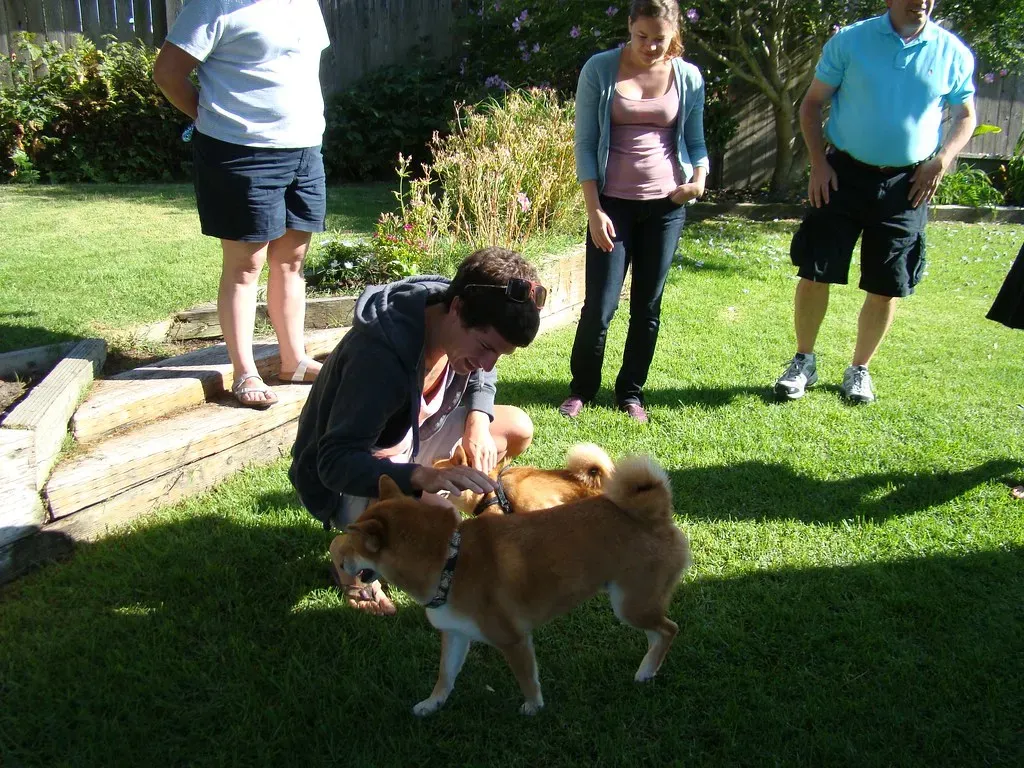
Every dog is happy when their owner comes home. That’s completely normal. The concern is when the greeting tips into something frantic, prolonged, and almost impossible to calm down. Dogs with separation-related problems also tend to engage in excessive excitement when the owner returns. It’s as though the reunion triggers all the built-up panic at once.
When the guardian returns home, the dog acts as though it’s been years since they’ve seen their mom or dad. If your dog spins, yelps, jumps, and cannot settle for ten or fifteen minutes after you walk in the door, that intensity is a signal worth noting. It reflects how much distress accumulated during your time away.
#8: Whining or Barking the Moment You Leave the Room
Signs that a velcro dog’s behavior might be problematic include whining, barking, or pacing when you leave a room, even briefly, and difficulty relaxing even when you’re nearby but not directly interacting with them. Many owners dismiss this as their dog being dramatic. In reality, it can reflect a genuine inability to self-soothe.
Some vocalization when you leave is normal, especially for puppies still learning independence. Excessive noise that continues for extended periods signals a problem. The key distinction is duration and intensity. A quick whine that fades is very different from sustained barking that doesn’t stop until you reappear.
#9: Trembling or Panting Without Physical Cause
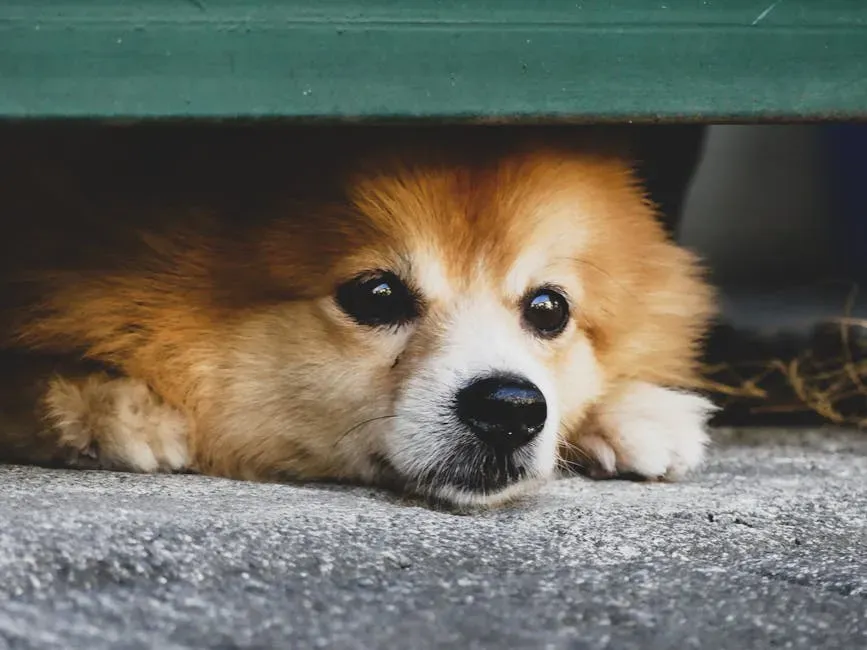
Panting means a dog is hot or has been exercising. Trembling means they’re cold or unwell. Except when it doesn’t. Following paired with panting, pacing, trembling, or drooling points toward stress, pain, or aging rather than simple affection. When these physical stress responses appear in a comfortable, indoor environment, they’re almost always emotional in origin.
Showing signs of distress when you’re out of sight, such as panting, drooling, or destructive behavior, is a recognizable pattern in velcro dogs trending toward anxiety. If your dog trembles when you pick up your bag or starts drooling before you’ve even opened the door, the body is responding to anticipated loss, not to any physical trigger in the room.
#10: Inability to Relax Unless Touching You
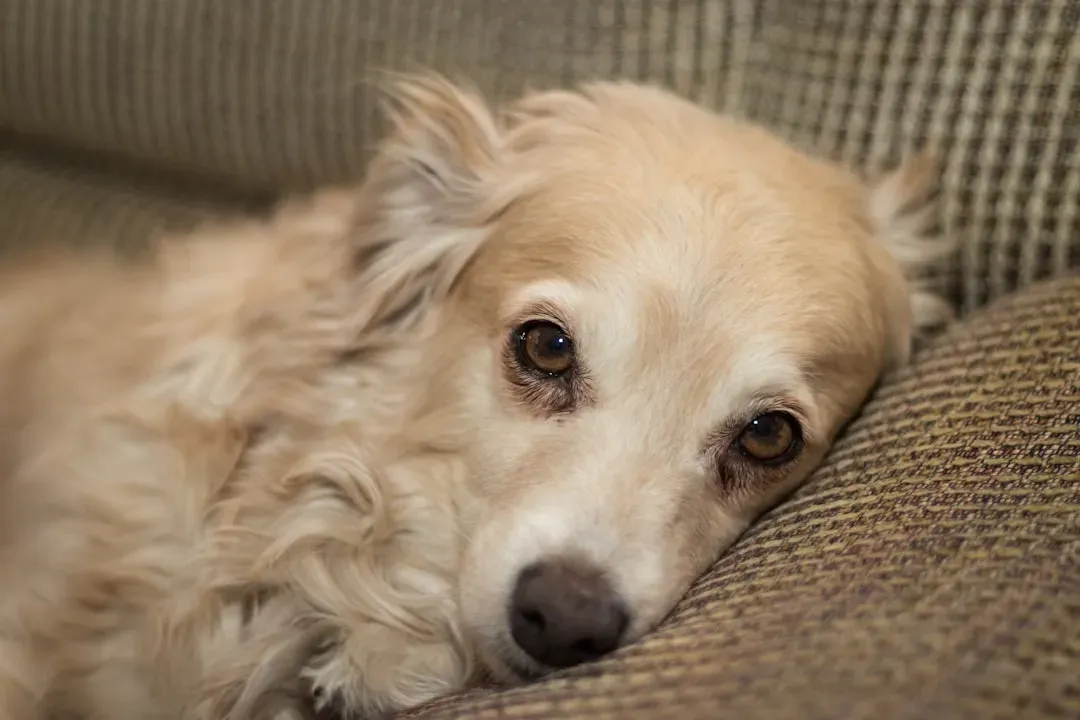
Anxiously attached dogs exhibit a high level of dependency on their pet parents or even other pets. This attachment style can sometimes lead to more severe behavioral challenges as these dogs struggle to cope when alone. These dogs may struggle to relax or enjoy themselves unless they’re beside their human, leading to distress or separation anxiety.
Watch your dog the next time you sit down to read or watch something. Can they settle across the room, or do they slowly migrate until they’re pressed against you? Attachment is normal, but when it becomes the dog’s only coping tool, the pattern can crowd out sleep, play, and self-soothing. A dog who genuinely cannot decompress without physical contact has placed their entire emotional regulation system in your hands.
#11: Blocking You from Leaving or Moving
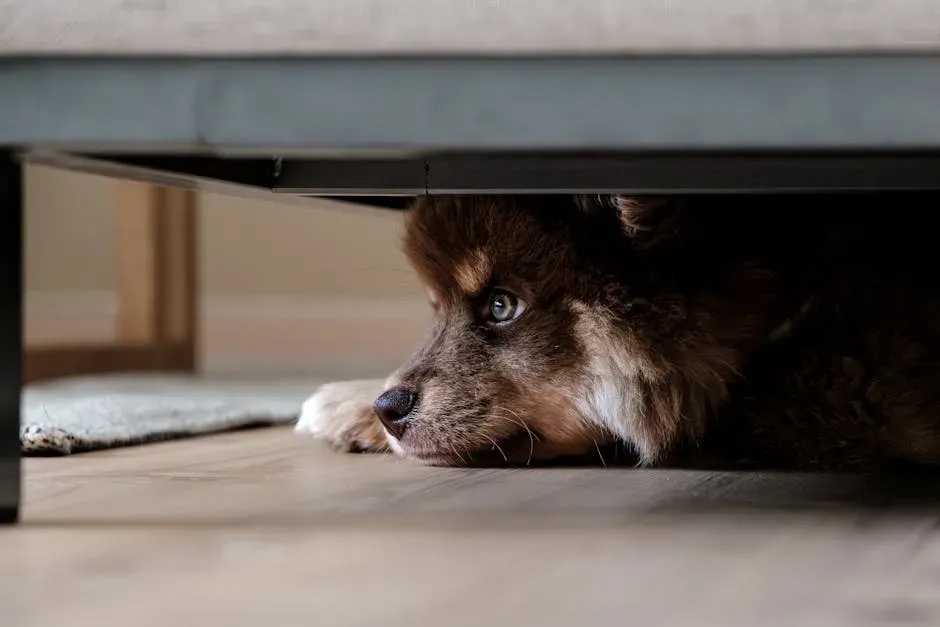
Some dogs with separation anxiety try to prevent their guardians from leaving. This might look cute when it’s a small dog wedging themselves between your legs. It’s less cute, and more telling, when it escalates into blocking doorways, sitting on your feet, or physically pushing back against your movement toward the exit.
This behavior is rooted in a very real fear response. Guardians of dogs who become upset during predeparture rituals are sometimes unable to leave, even for just a few seconds, without triggering their dogs’ extreme anxiety. The dog isn’t being stubborn. They’re communicating something they have no other words for, and they’re doing it with their whole body.
#12: Obsessive Licking or Chewing on Themselves
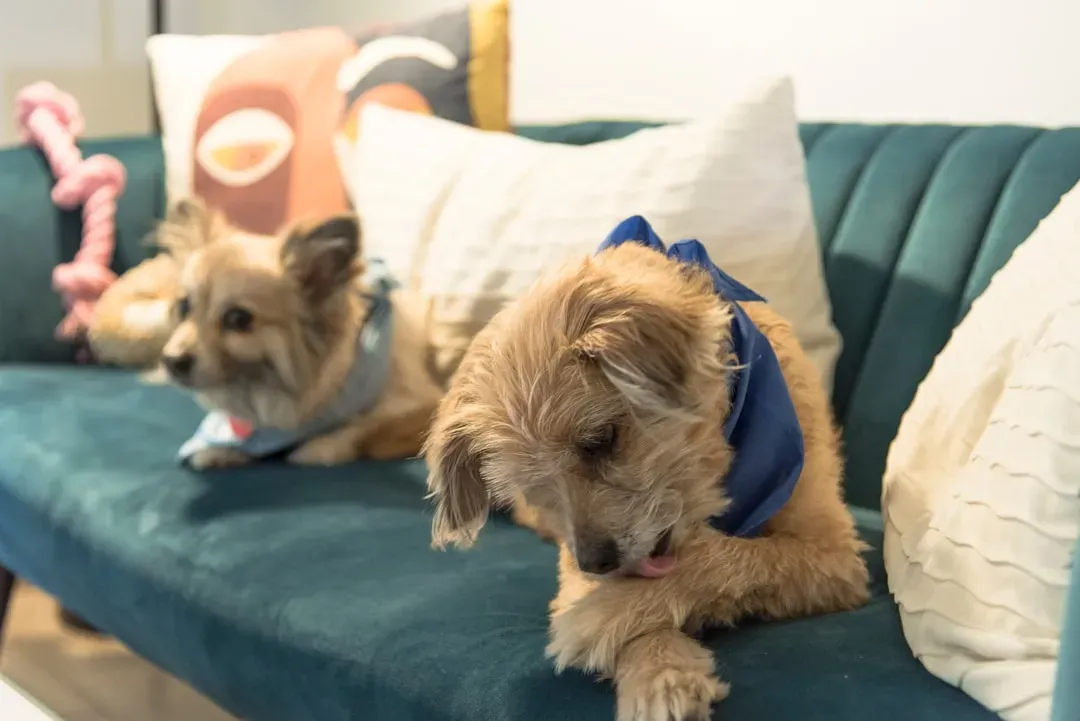
Self-directed repetitive behaviors are a known stress response in dogs. Some dogs obsessively lick or bite at themselves to try and relieve stress. When this becomes a pattern, it can cause real physical harm, including hair loss, raw skin, and open sores that owners often mistake for allergies or skin conditions.
Their stress leads to destructive behavior, potty accidents, and even self-inflicted wounds. A nervous dog coping with separation anxiety may chew or lick non-stop on their paws, tail, or other body parts. If your dog seems to lick themselves most intensely in the quiet moments after you leave or just before you return, the timing is almost never a coincidence.
#13: Constant Need for Eye Contact and Reassurance
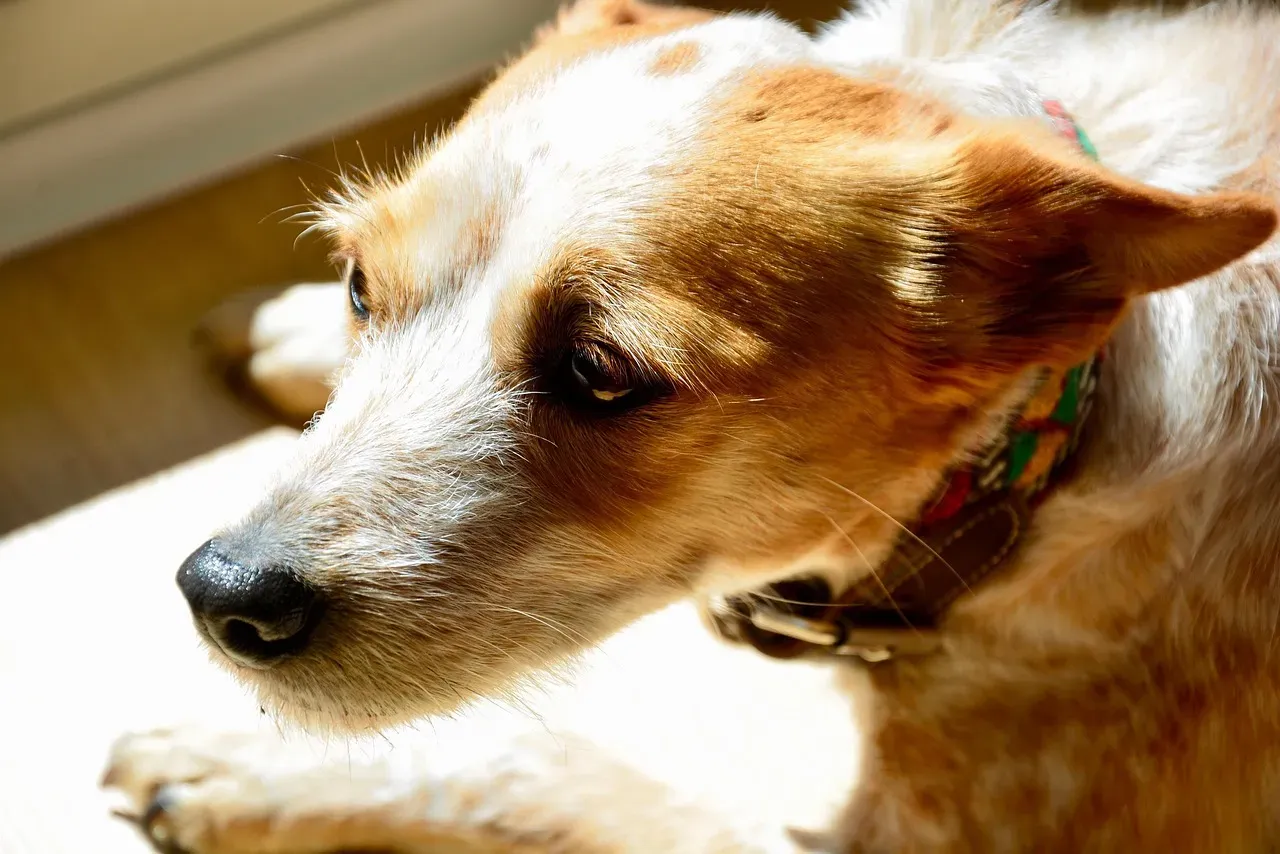
A dog who seeks eye contact is bonded and engaged with you, and that’s a good thing. The issue arises when the eye contact feels desperate rather than warm. Stress-driven following often clusters with watchful body language, pacing, and sensitivity to routine changes. That intense, unblinking stare isn’t always love. Sometimes it’s vigilance.
An anxious dog monitors their owner constantly for signs of departure. A dog will seek an attachment figure to be able to cope with stress. If your dog tracks your every movement with a locked, almost worried gaze, they may be scanning for any hint that you’re about to leave, essentially running a continuous threat assessment on your behavior.
#14: Accidents Indoors Only When You’re Gone
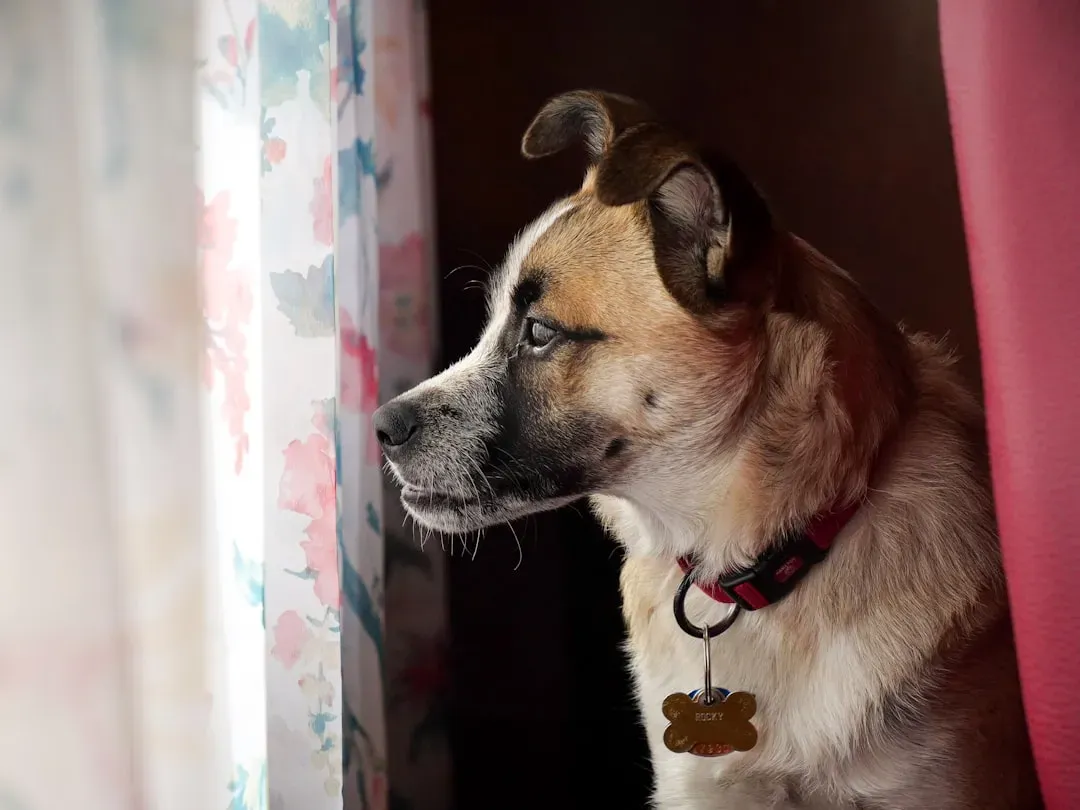
Housetraining issues that appear exclusively in your absence are rarely a housetraining problem at all. Dogs affected by separation anxiety panic every time you’re not around, engaging in destructive behavior when left alone like chewing, urinating, or defecating in the home. The physiology of stress can override physical control that the dog otherwise has no trouble with.
Pain from arthritis can manifest as restlessness, and urinary accidents can be caused by a urinary tract infection, so it’s worth ruling out medical causes first. Once those are cleared, a dog who is perfectly house-trained with you present but consistently has accidents when alone is almost certainly experiencing a stress response significant enough to disrupt normal bodily function.
#15: Sudden Clinginess After a Life Change
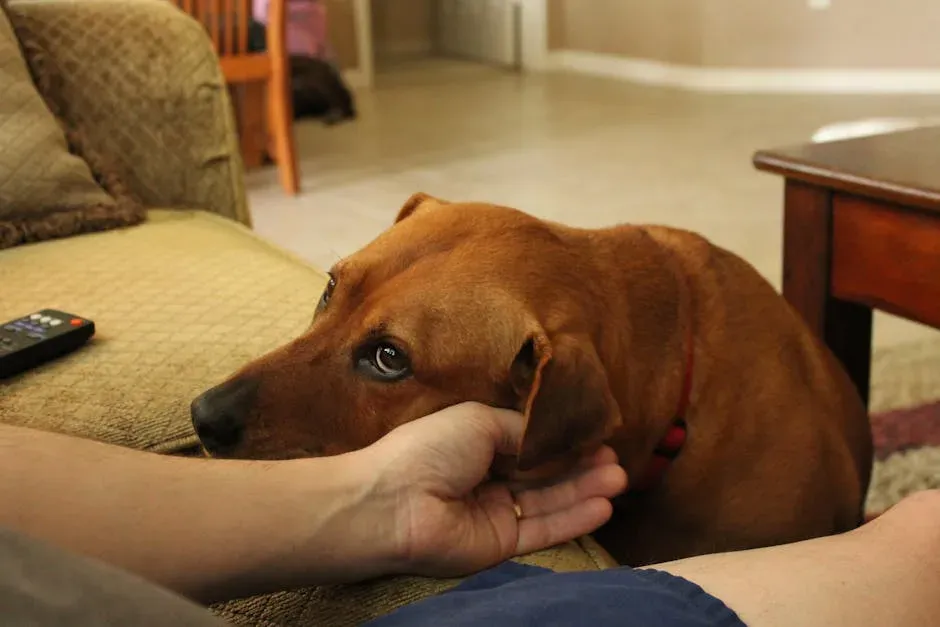
Changes in the home or people’s schedules can cause separation anxiety. Examples include a recent move, spending more time with the dog while on vacation or due to illness, the death of a family member, or the death of another pet. Dogs are creatures of deep routine, and disruption to that routine can register as genuine loss or threat.
Dogs can also become clingy if they sense their owner’s stress or anxiety. They may also become clingy if you change their daily routine or make changes in the home or household that cause them stress. The sudden shift from independent to velcro behavior following a major household event should be taken seriously, not as a phase that will naturally resolve on its own.
#16: Increased Clinginess as They Age
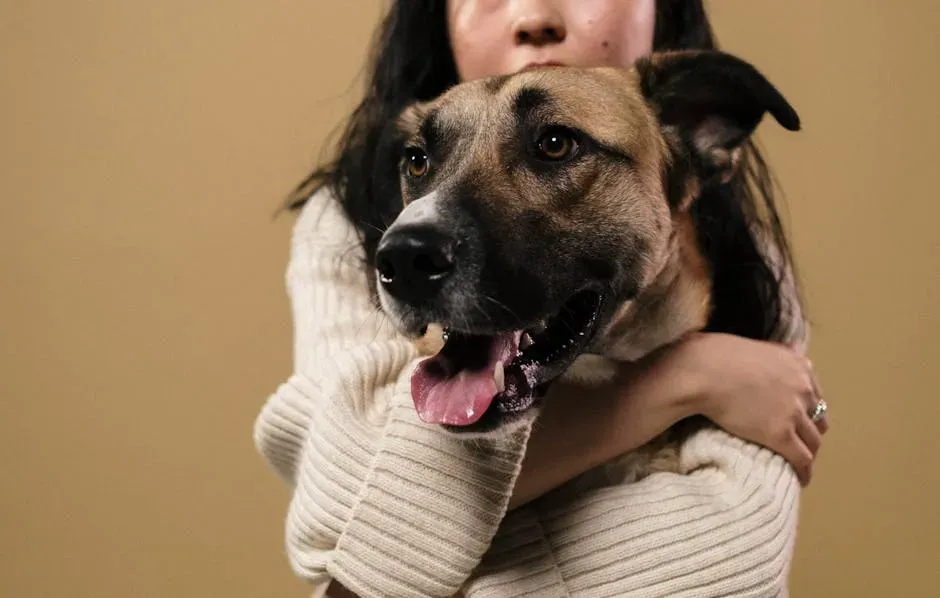
Clinginess is especially common in senior dogs, particularly when they begin losing vision or hearing. As a dog’s world becomes less familiar, they’ll stay close to their owner as a source of comfort and familiarity. What might seem like an old dog just slowing down and wanting more cuddles can actually be a symptom of something deeper.
Canine cognitive dysfunction can start to show signs in older dogs, causing them to become more clingy. Senior-dog clinginess can be an early clue of confusion and sleep-wake disruption, and it’s worth tracking patterns and discussing them with your veterinarian. Age-related anxiety is real, and it deserves the same attention as anxiety in younger dogs.
#17: Hyperattachment to a Single Person in the Household
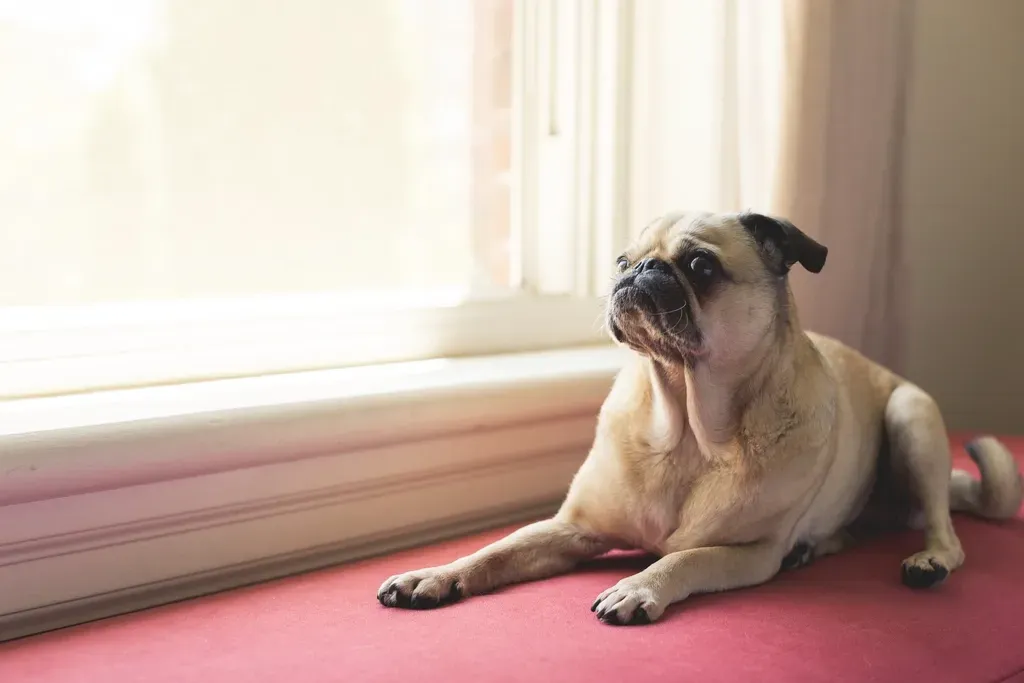
Separation anxiety describes dogs that are usually overly attached or dependent on family members. They become extremely anxious and show distress behaviors such as vocalization, destruction, or house soiling when separated from the owners. When that attachment narrows to a single individual in a multi-person household, the anxiety can become even more intense and targeted.
Dogs typically bond strongest with whoever spends the most positive time with them during their critical socialization period. In adult dogs, the person who provides food, walks, training, and play usually becomes the favorite. When the “chosen person” is unavailable, the anxious dog can become inconsolable regardless of who else is present. In multi-person households, dividing daily care chores between individuals can help reduce reliance on one person and ease some of that pressure over time.
What You Should Actually Do About It
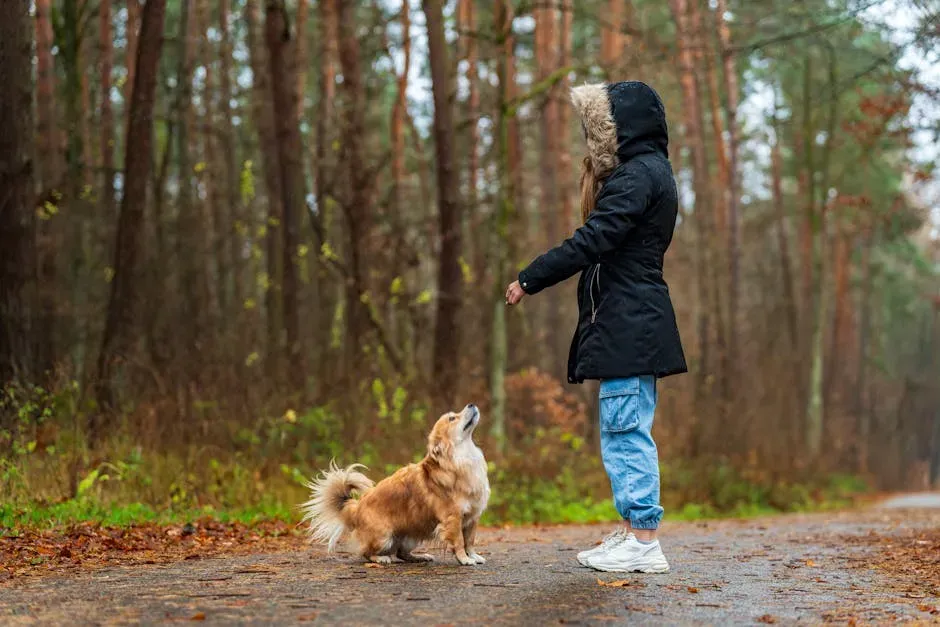
Recognizing these habits is the first step. Acting on them thoughtfully is the next. When treating a dog with separation anxiety, the goal is to resolve the dog’s underlying anxiety by teaching them to enjoy, or at least tolerate, being left alone. This is accomplished by setting things up so that the dog experiences the situation that provokes their anxiety without experiencing fear or panic.
The goal of behavioral modification is to teach your dog that being alone is not a bad thing. To increase their confidence, you gradually increase the amount of time your dog spends alone. This requires patience and is often the most challenging part of the process. If the behaviors are severe, a conversation with your veterinarian is the right starting point, since some cases respond well to a combination of training and medical support.
Dogs can be any age when separation anxiety appears, and if left untreated, the condition tends to get worse. Early intervention really does make a difference. The longer the fear has to settle in, the harder it becomes to shift.
A Final Thought
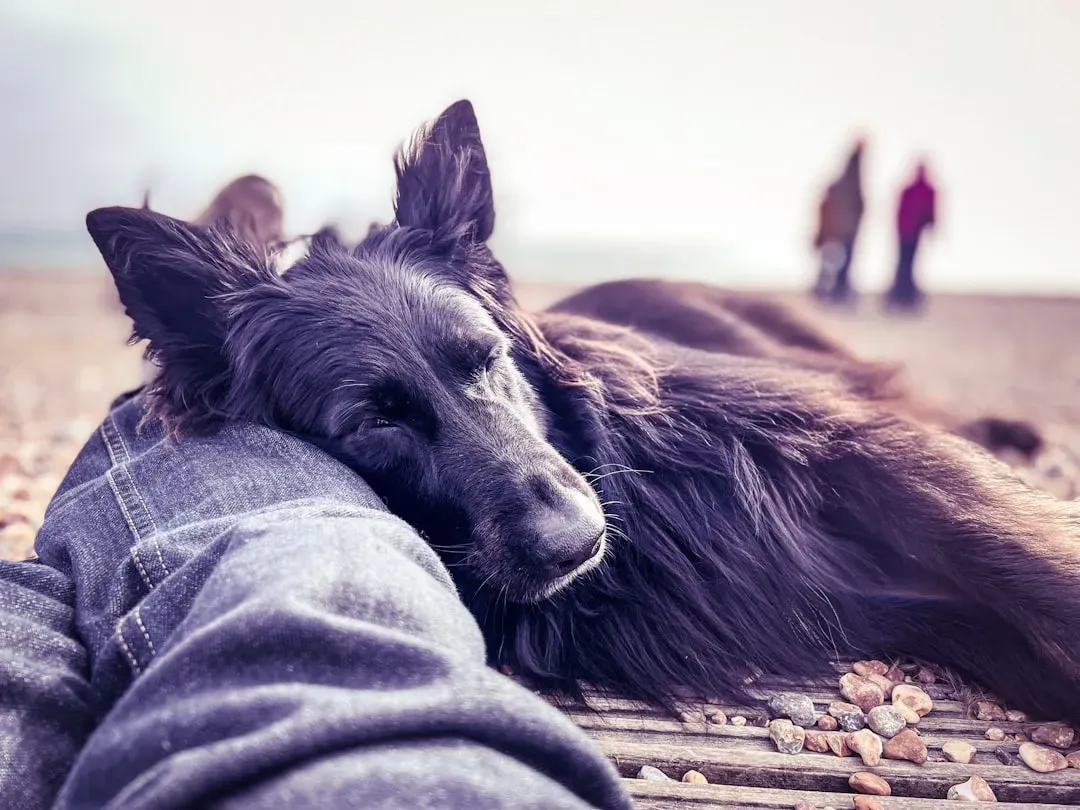
There’s something quietly heartbreaking about realizing that your dog’s most devoted behaviors might be rooted in fear rather than just joy. It doesn’t make the bond any less real. If anything, it makes it more meaningful, because it means your presence genuinely matters to them on a level that goes all the way to the bone.
The difference between a dog who loves you and a dog who is terrified of losing you is worth understanding clearly. There’s a big difference between a dog who enjoys your company and one suffering from separation anxiety. A dog with healthy attachment might follow you around the house but settles down when you leave. They might greet you happily when you return but don’t show signs of distress. That settled, flexible confidence is what you’re aiming for.
Your dog can’t tell you they’re scared. They can only show you, again and again, in the small habits of every ordinary day. Pay attention. It’s worth it.


