
14 Abilities in Rescue Dogs Specialists Concede They Have Never Satisfactorily Explained to Anyone Who Asks
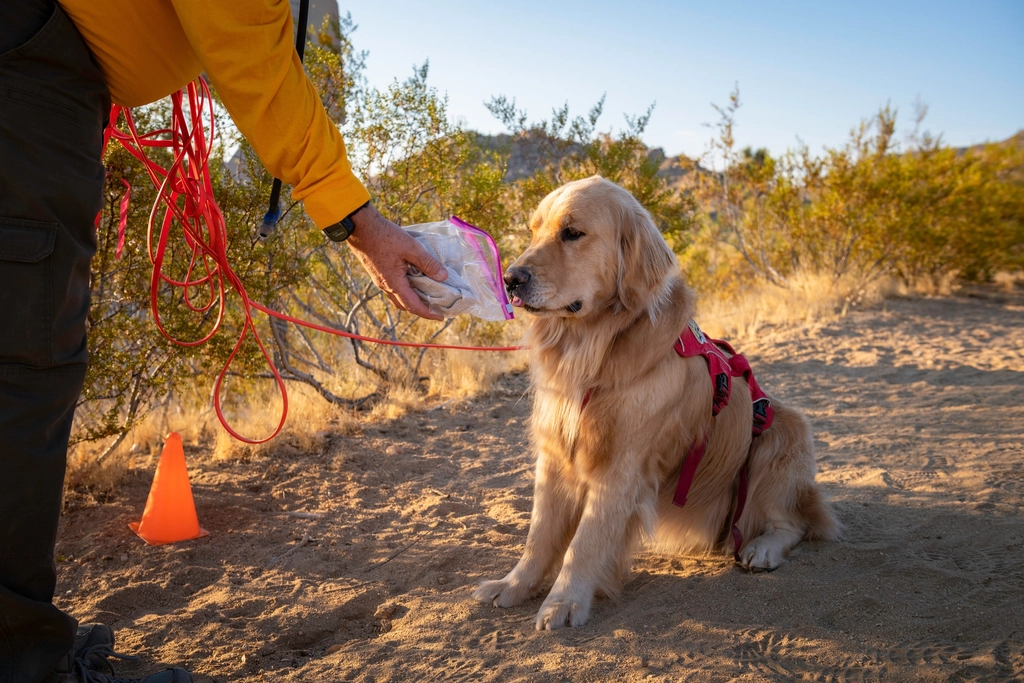
Ask a veteran trainer if they truly understand rescue dogs, and watch the confident answer stall halfway out of their mouth. These are people who’ve spent decades reading canine body language and running behavior assessments that work – until a formerly abandoned dog does something that quietly breaks the model. Off the record, plenty of them admit it: some rescue dogs behave in ways the science hasn’t caught up to yet.
This isn’t about magic or mysticism. It’s about real, repeatedly documented behavior that keeps outrunning the explanations built to contain it. Fourteen of the strangest, most consistently reported abilities are below – the ones specialists can describe in vivid detail but still can’t fully explain, no matter how many times someone asks.
#1 – The Way They “Smell” Human Emotions Before Anything Happens
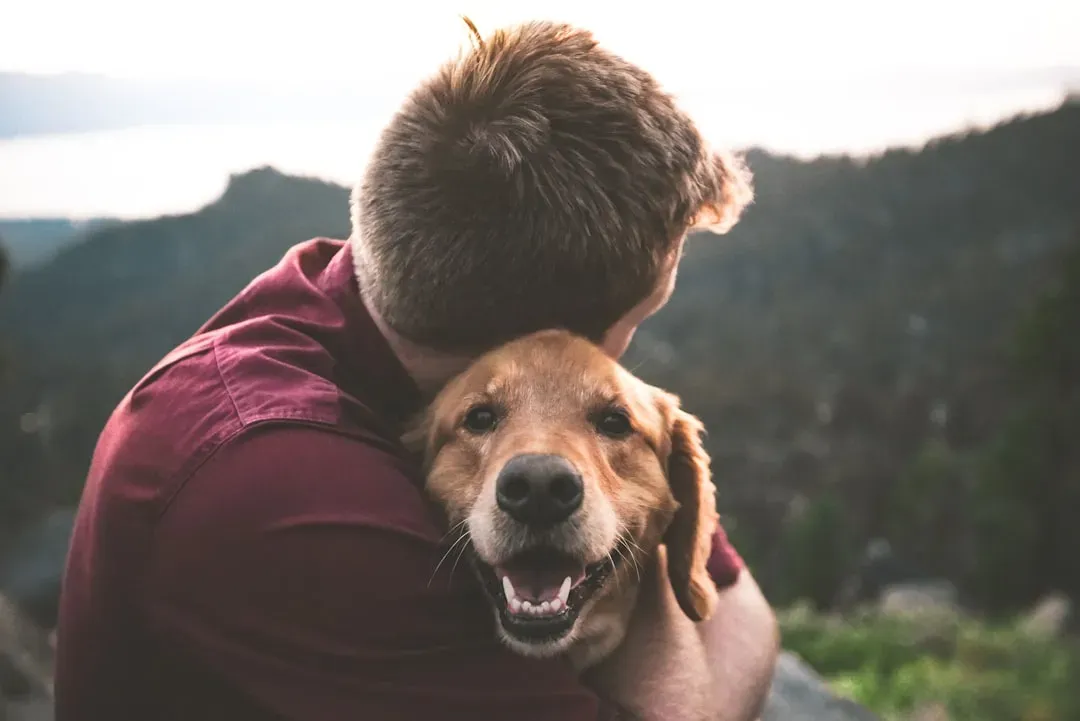
Trainers will tell you, with a straight face, that some rescue dogs seem to smell a feeling before it arrives. Owners report pacing, whining, or climbing into a lap minutes before a panic attack, flashback, or meltdown nobody saw coming. Researchers can point to shifts in cortisol, adrenaline, sweat, and body temperature – real, measurable cues. But with many rescue dogs, the timing is freakishly early and eerily accurate, like they clock the spiral before the human even feels it start.
Specialists can list theories: hyper-vigilance from past trauma, extra sensitivity to micro-movements, learned associations built from chaos. None of it adds up to a formula that predicts which dog will do this, or when. Two dogs with nearly identical histories can behave completely differently, and that inconsistency is exactly what keeps behaviorists from calling this one “solved.”
#2 – Their Uncanny Ability to Navigate Back to “Their Person”
Everyone’s heard of a dog trekking miles home. Rescue dogs take it further – these aren’t animals returning to a long-term house, they’re dogs with chaotic, fragmented pasts who somehow lock onto a brand-new human like a GPS coordinate. They’ll cross entire neighborhoods to get back, and it’s never about the building or the daily route. It’s the person.
Yes, dogs use smell, magnetic fields, visual landmarks, and memory – all documented. But rescue dogs often navigate through places they’ve passed only once, at car speed, windows half-down, and still land at the right doorway or the right parked car from a completely unfamiliar direction. There’s still no complete, testable model for how they stitch scent, space, and attachment together that fast.
Fast Facts
- Dogs carry up to roughly 300 million scent receptors, compared to about 6 million in humans.
- Research has shown dogs may align their bodies along north-south magnetic lines while relieving themselves, hinting at a magnetic sense.
- Canine scent memory can persist for years, letting a dog recognize a person or place long after last contact.
- Homing behavior typically blends smell, sound, and visual landmarks rather than relying on any single sense.
#3 – The Way They Instantly Detect “The Safest Person” in a Room
Bring a rescue dog into a room of ten people and watch the same pattern repeat: the dog bypasses the loud “dog lover,” ignores the person waving treats, and walks straight to the quiet one just sitting still. Sometimes that person has zero dog experience. Within minutes, the dog settles there like it’s finally allowed to exhale.
Behaviorists point to body language, tension, and posture, and sure, that’s part of it. But some rescues avoid people who look calm on the outside yet carry high internal anxiety, and gravitate toward people quietly processing grief, as if recognizing something familiar in them. No scan or checklist consistently predicts who the dog will choose.
#4 – Their Near-Telepathic Reading of Human Routines
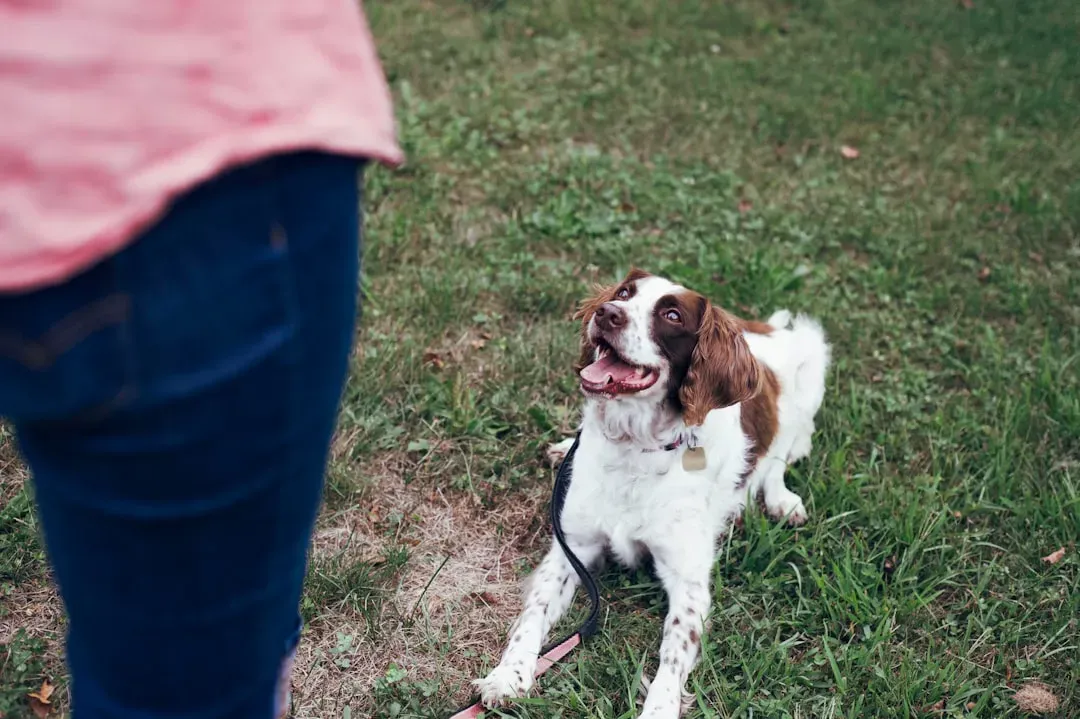
Owners swear they give no signals, and their rescue dog still knows. It knows when “leaving for work” is actually “leaving for vacation,” when a casual walk to the car is secretly a vet trip, when shoes mean “taking out the trash” versus “gone all day.” Trainers chalk it up to classical conditioning until the patterns get far too subtle to explain that simply.
We’re talking about dogs reacting before the suitcase comes out, before the leash is touched, before the calendar date changes. Some handlers suspect the dogs are cueing off micro-routines – a phone check, a particular bag, the smell of a printed boarding pass. But in documented cases where every obvious cue was deliberately removed, the dogs still anticipated the change anyway.
#5 – The Switch From Shut-Down to Hyper-Capable in High-Stress Moments

Here’s the one that unsettles even veteran handlers: a rescue dog that looks shut-down, fearful, or avoidant in daily life – until something actually goes wrong. A seizure, a fall, a break-in, a crash. The same dog that panics at dropped keys suddenly goes laser-focused, positions its body protectively, or runs for help like it’s rehearsed this a hundred times.
These are often untrained dogs who’ve never practiced an emergency in their lives, yet they choose effective behaviors: blocking a stairway, nudging someone awake, barking at the correct door, staying beside an injured person instead of bolting. Specialists suspect a chaotic past may prime certain dogs to function under pressure, but no standardized test predicts which “shut-down” rescue will flip into crisis-mode competence.
#6 – Their Ability to Generalize Kindness Across Species
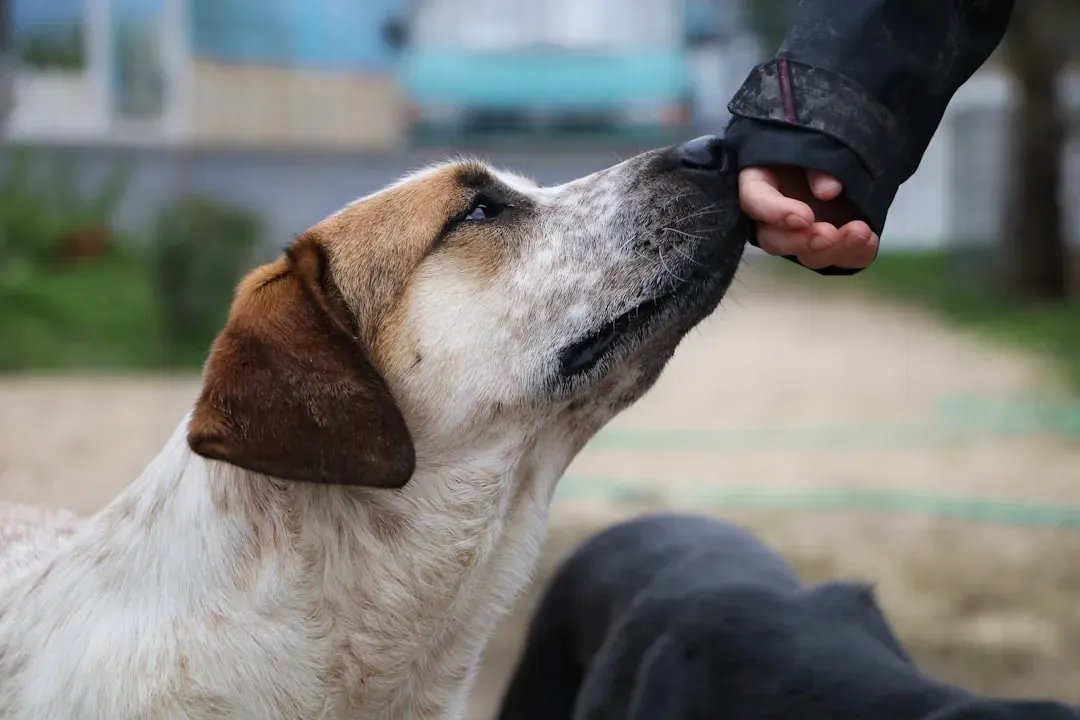
Most training theory focuses on how dogs respond to humans, maybe other dogs. Rescue dogs blow that box open regularly – comforting a crying baby, standing guard over an injured cat, lying still so a kitten can crawl over them. Shelters and foster homes see it often enough to stop being surprised, even while they still don’t fully understand it.
Some of these same dogs tolerate rough toddler handling with saint-like patience, yet firmly block adults from approaching that child too fast. Others are reactive with dogs but strangely gentle with rabbits, birds, or elderly cats. There’s no clean map explaining why an animal hurt by humans decides to extend unearned kindness to every fragile creature it meets.
Worth Knowing
- Foster networks increasingly place certain rescues in multi-species households specifically because of this gentleness pattern.
- A breed’s historical role – herding, guarding, companionship – doesn’t reliably predict which individual rescues will show interspecies tenderness.
- Trainers note the pattern shows up across ages and breeds, even in dogs with documented aggression toward their own species.
#7 – The Way They “Protect” Without Ever Being Taught to Guard
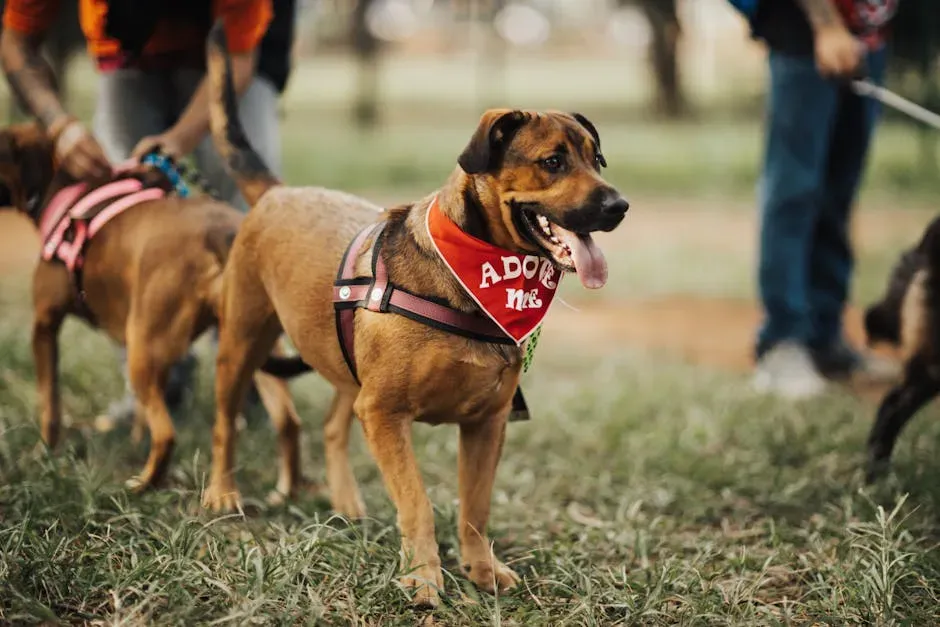
Many behaviorists warn against romanticizing “protective” behavior, and rightly so. But in private, plenty admit they’ve watched a rescue dog step in at exactly the right moment in ways training alone doesn’t explain – calmly positioning itself between a child and a stranger, blocking a dark hallway, refusing to walk further down a sketchy street.
These dogs are often conflict-avoidant, even timid, right up until the one moment they act decisively and then return to normal like nothing happened. The real puzzle is how they tell “normal weird human behavior” apart from “this is actually unsafe” – a distinction plenty of humans get wrong. Trainers can explain it after the fact, case by case, but nobody can predict it ahead of time.
#8 – Their Strange Sense of Timing Around Grief and Loss

Long-time rescue owners tell eerie timing stories about the hardest days of their lives. The dog that climbed into bed and refused to move the night before bad news arrived. The dog that suddenly glued itself to one family member days before a death. The dog that howled once, at the exact hour a far-away loved one passed.
Scientists push back on the supernatural framing, and fairly – coincidence, subtle cues, and shifted schedules explain a lot of it. But specialists also admit there’s no solid model for how dogs perceive time and impending change, especially around end-of-life situations. Some rescues in particular seem hypersensitive to the emotional “weather” in a home long before anyone consciously notices it.
#9 – The Speed at Which They Bond After Extreme Betrayal
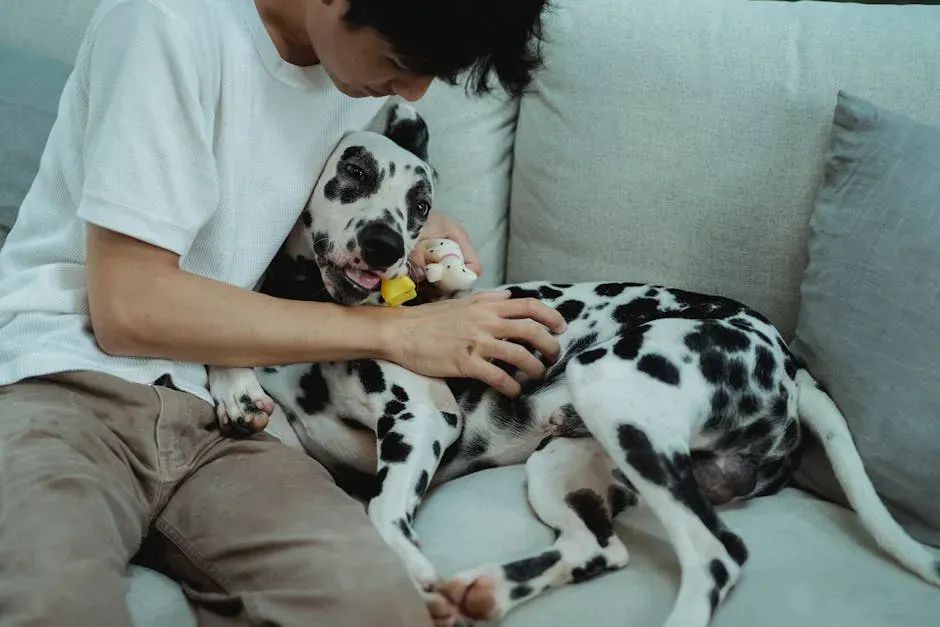
On paper, many rescue dogs have every reason not to trust humans again – abandonment, neglect, sometimes outright abuse. Yet case after case describes the same baffling pattern: after a cautious opening period, these dogs form fierce, almost instant bonds with a brand-new person. Not polite attachment – ride-or-die loyalty, showing up in weeks instead of years.
Dogs are not our whole life, but they make our lives whole.
Roger Caras
Attachment theory helps, but it doesn’t fully explain why a dog burned repeatedly keeps taking emotional gambles on strangers. Specialists point to individual variation and basic canine sociability, but the speed and intensity of these bonds still catch even experienced handlers off guard. Somehow, an animal with every reason to shut down chooses to trust again, on purpose.
#10 – Their Ability to Re-Write Their Own Fears
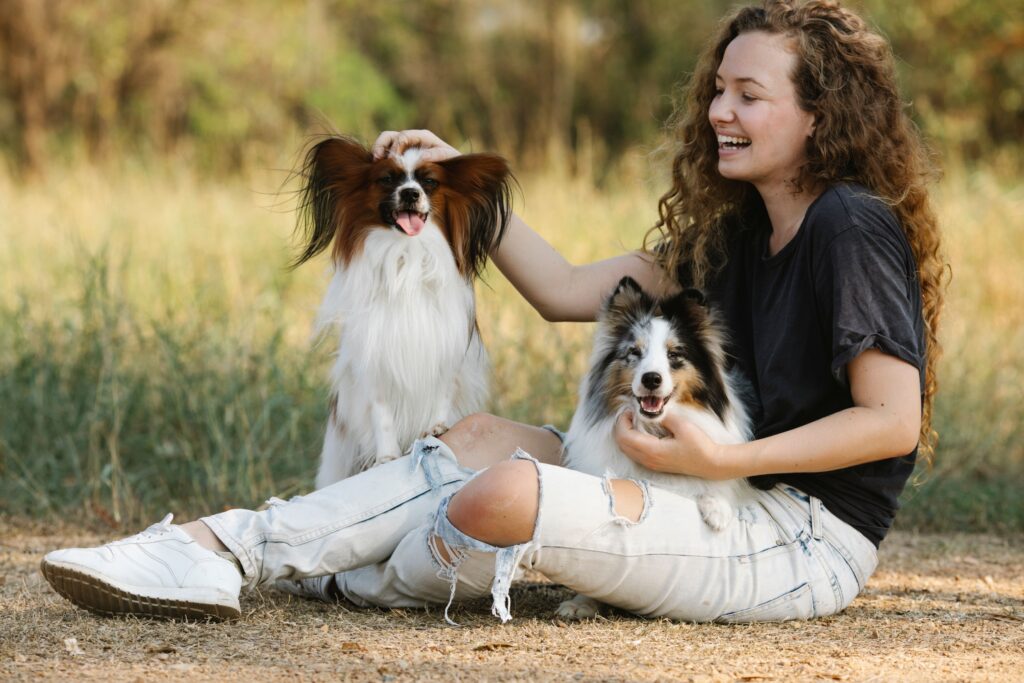
Phobias are supposed to be stubborn – that’s Behavior Science 101. Yet plenty of rescue dogs do something closer to personal growth than simple counter-conditioning. The dog terrified of men who one day deliberately approaches a calm male visitor. The dog petrified of stairs who spends a week quietly practicing alone until it conquers them, unluring and unprompted.
Experts can say “exposure,” “desensitization,” “neuroplasticity” – all true, all partial. What’s strange is the apparent agency: these dogs don’t just respond to changed circumstances, they seek them out, testing edges, retrying the exact thing that scared them yesterday. No current model cleanly explains why some rescues become almost obsessed with rewriting their own triggers while others stay stuck.
#11 – The “Sixth Sense” They Show in Disaster and Search-and-Rescue Work
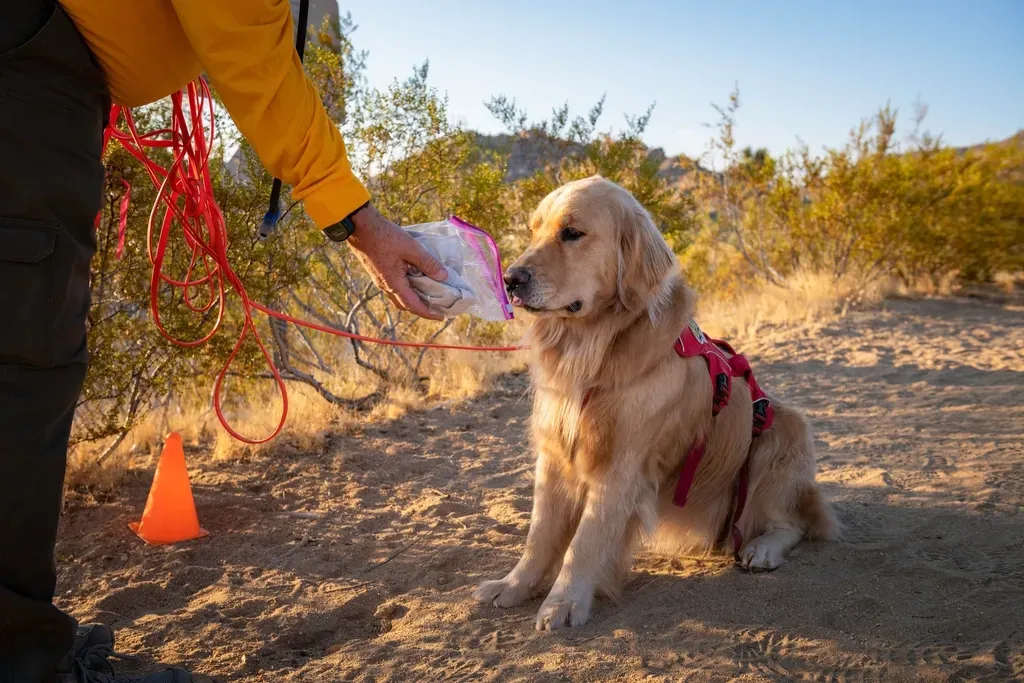
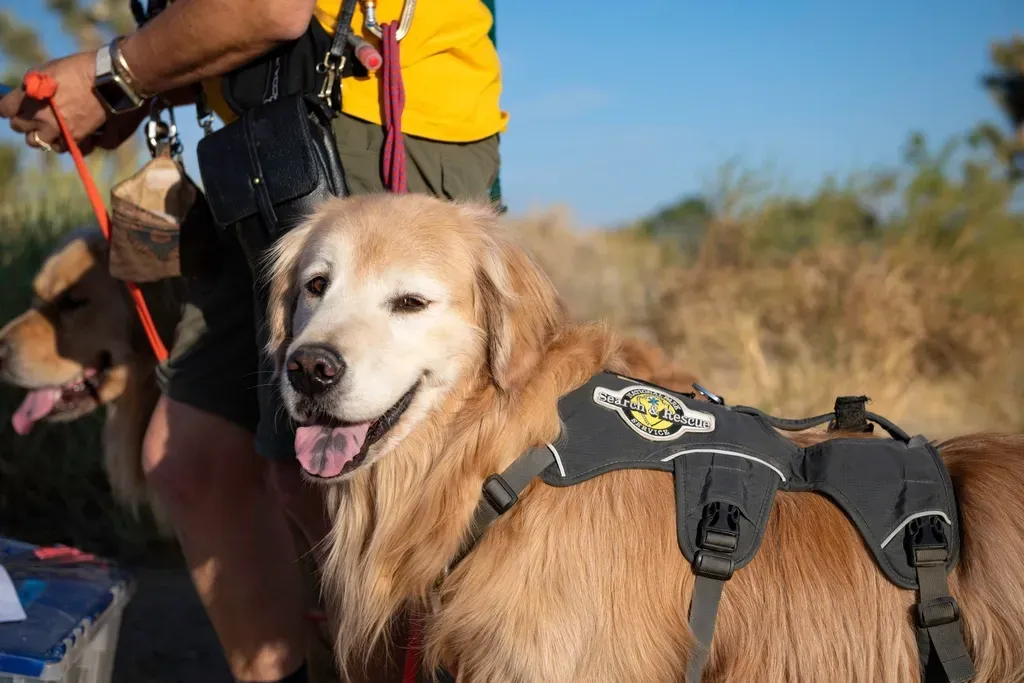
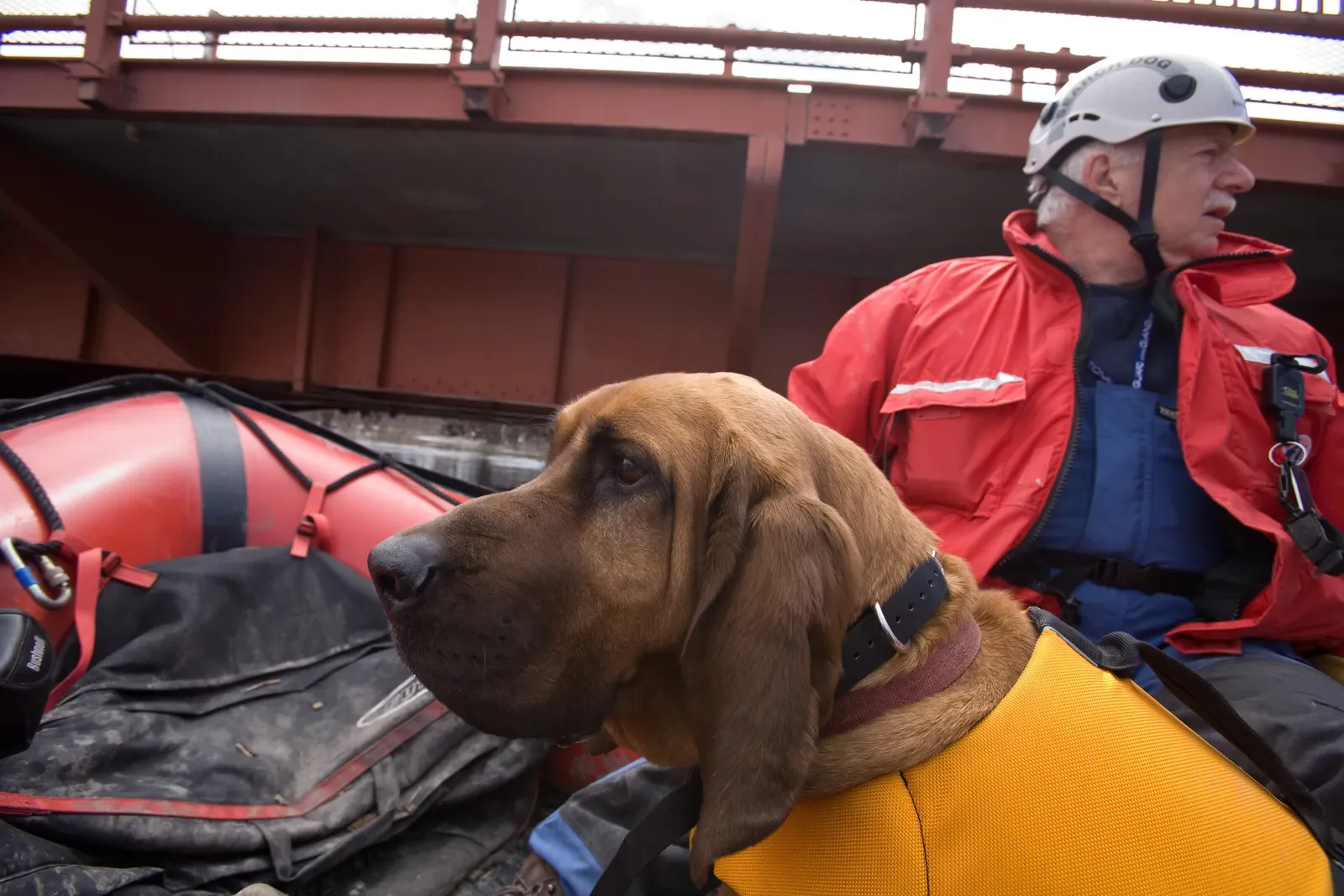
Search-and-rescue handlers will tell you plainly: some of the best working dogs they’ve ever had were once labeled “unadoptable.” These dogs don’t just follow scent cones – they seem to anticipate where a missing person is likely to be, breaking off a logical trail, circling wide, and landing directly where a survivor is later found.
On paper, it’s sophisticated scent work plus experience. In the field, it can look like something more. SAR trainers meticulously track wind, terrain, and scent pools, but off the record, they’ll admit a few dogs run “outside the math,” integrating smell, memory, and environmental cues in ways nobody’s figured out how to model yet – made stranger by the fact that many of these dogs came from chaotic, harmful environments in the first place.
Why It Stands Out
- Many certified SAR dogs began as shelter surrenders or owner-relinquished dogs, not purpose-bred puppies.
- Search organizations often prioritize drive, resilience, and focus over pedigree when selecting candidates.
- Handlers describe certain dogs reading terrain and wind shifts in ways that outperform standard scent-tracking expectations.
#12 – Their Talent for De-Escalating Human Conflict
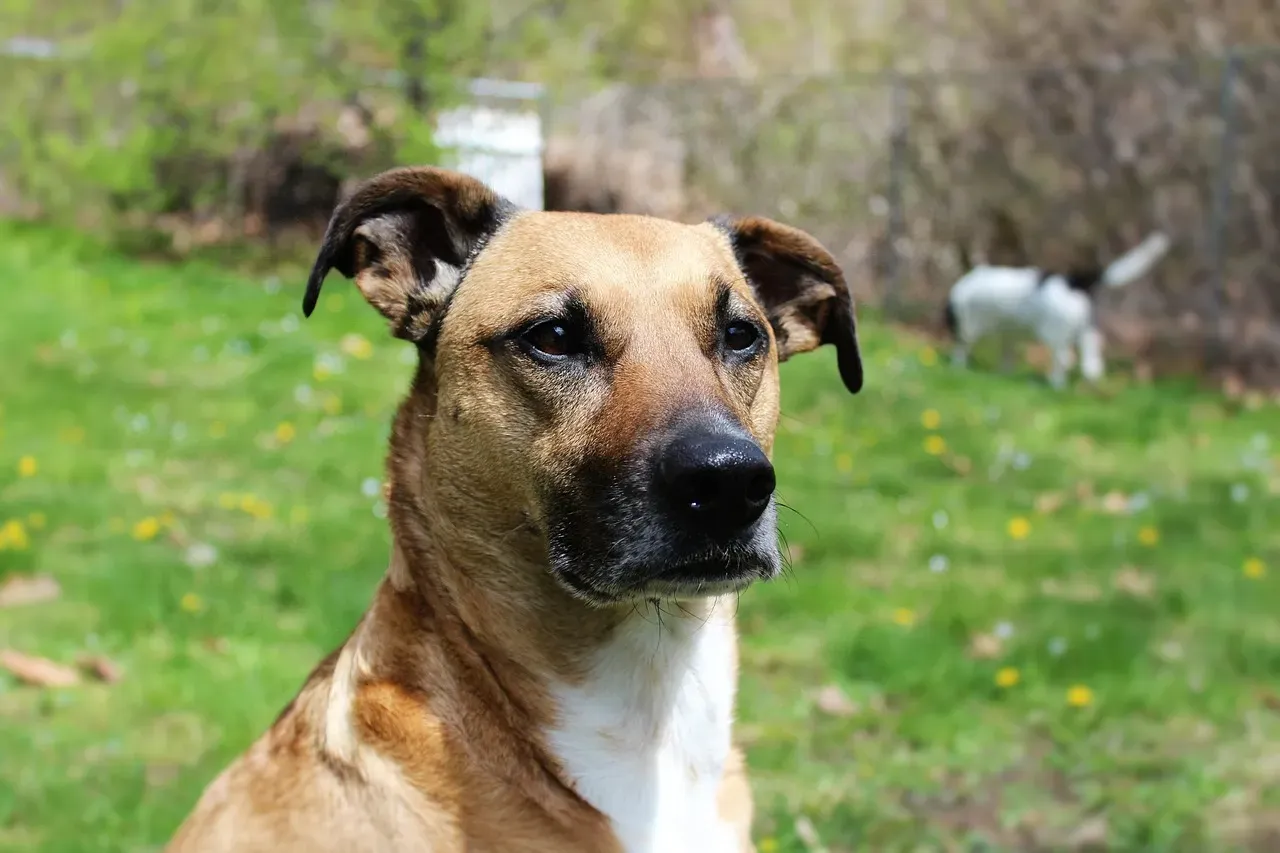
Family therapists talk about this one quietly: the rescue dog that walks into a rising argument and simply shuts it down. Not by barking or acting out – by inserting itself between people, leaning against whoever’s most agitated, or suddenly initiating something like dropping a toy or asking to go outside, interrupting the heat before it boils over.
They don’t understand a single word being said, yet they pick up the emotional spike and act like accidental mediators. Some families say long-standing arguments feel harder to escalate in front of the dog, like it’s holding up a social mirror. There’s no formal training protocol called “conflict de-escalation” – these dogs seem to invent it on their own.
#13 – Their Skill at Reading What We’re Not Doing
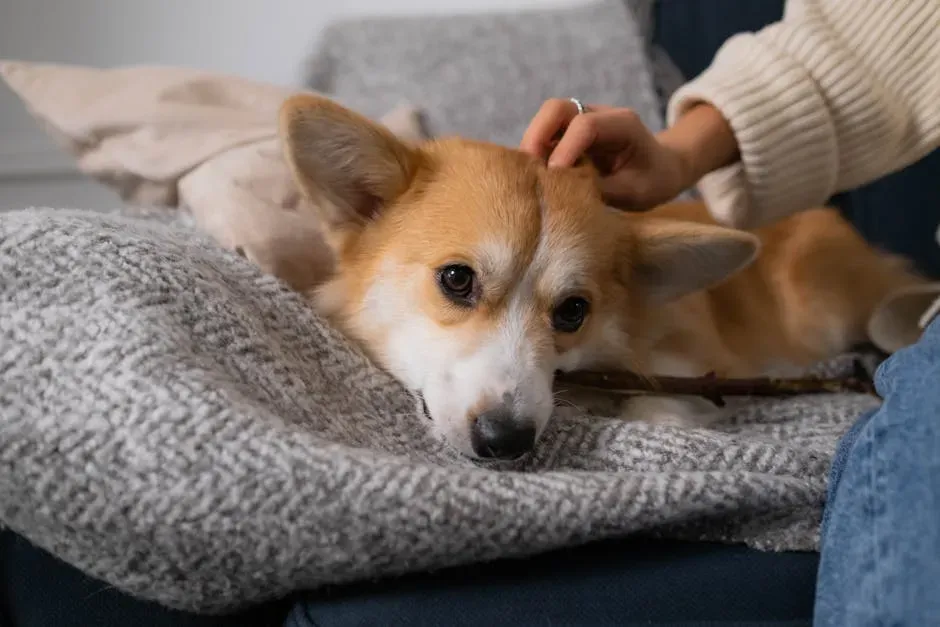
Most people assume dogs react mainly to what we do – our gestures, our voice, our movement. Rescue dogs often seem just as tuned to what we fail to do. They notice when you don’t get out of bed at your usual time, skip a shower, ignore your usual hobby, or don’t greet them at the door the way you normally would.
Owners report dogs dragging a leash over on the days their person is too depressed to move, nudging a phone away during a doom-scroll spiral, or refusing to settle at night when someone hasn’t eaten. Learned association explains part of it, but recognizing “you didn’t do the thing you always do” requires a level of routine-tracking and inference nobody’s fully mapped in dogs yet. In a very real sense, they’re small data scientists living quietly in your house.
At a Glance
- Trainers sometimes call this pattern-break detection, loosely related to ordinary routine learning but far more sensitive.
- Owners managing depression or chronic illness frequently report this behavior emerging spontaneously, without any training.
- It differs from typical “alert” work because no command or reward system taught the dog to respond this way.
#14 – Their Capacity to Forgive Without Forgetting
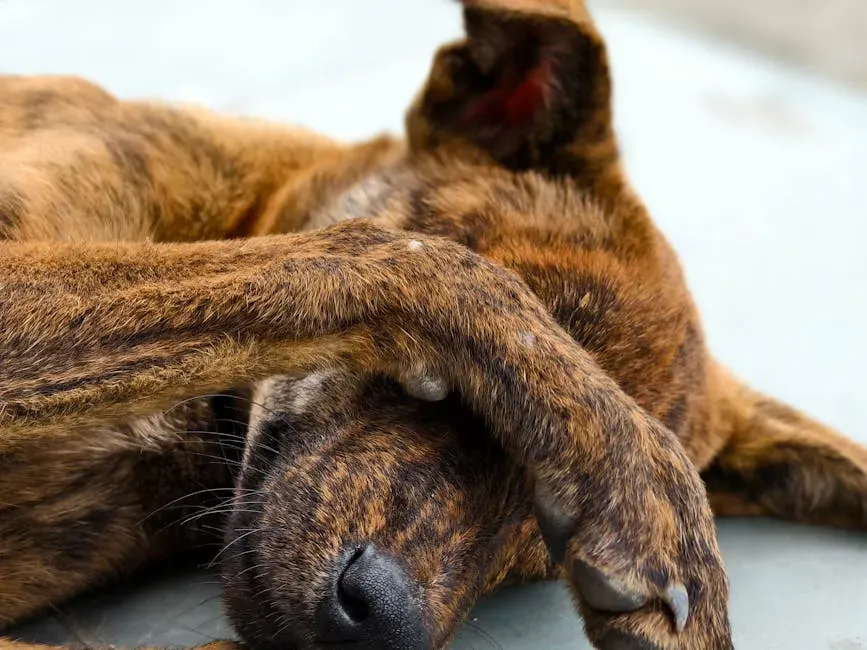
This is the one behaviorists, vets, and rescuers struggle with most – not because it’s unscientific, but because it’s emotionally brutal. Rescue dogs remember. The flinch at a raised hand. The hesitation at a doorway. The shutdown when someone uses a certain object or tone. Their bodies keep the score, exactly the way trauma does in people.
And yet, so many of them choose connection anyway. Evolution would suggest a dog with a history of human violence should stay distant, but thousands do the opposite – they stay cautious, sure, but they lean in, offer a paw, rest their head on a knee, and try again. Specialists can talk about survival and social bonding all they want; underneath it is an uncomfortable truth nobody’s cracked. We don’t really know why so many traumatized animals choose to trust instead of cutting their losses.
The Uncomfortable Truth Nobody Wants to Say Out Loud
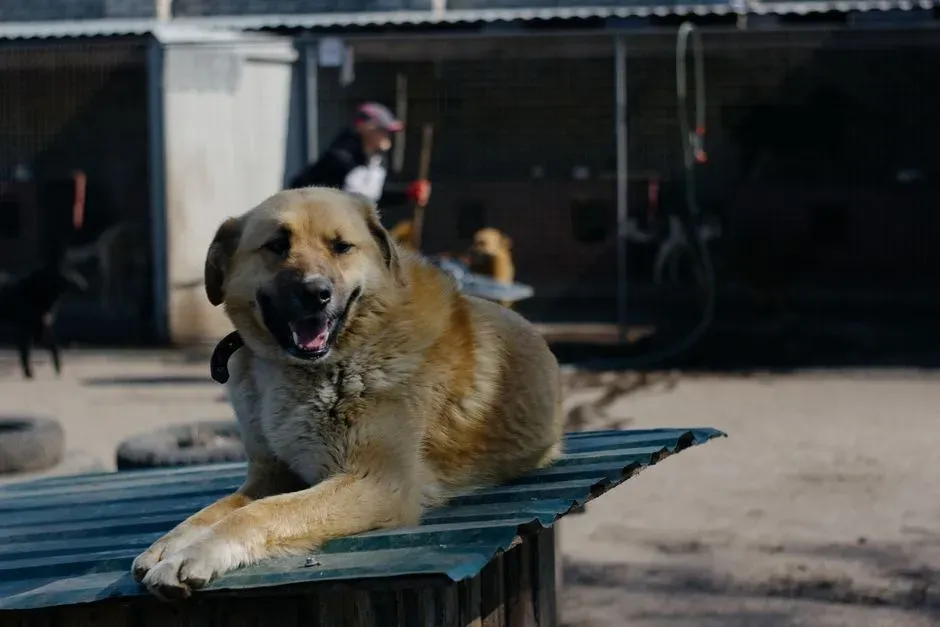
For all our studies, metrics, and behavior charts, rescue dogs keep doing things that don’t fit tidily into our models. They detect emotional storms before they form, navigate back to near-strangers, rewrite their own fears, and re-enter relationships they’d have every right to avoid forever. We can sketch pieces of the puzzle – scent, learning theory, genetics, neurobiology – but the picture stays blurry at the edges, and honestly, that blur says more about the limits of our science than it does about the dogs.
My honest take? The dogs most people write off as “damaged” are usually the ones running the most sophisticated, least-understood software in the room. That should change how fast we judge a scared, shut-down dog at a shelter, and it should make all of us a little more careful about assuming we’ve got them figured out just because we feed them on time and know their favorite walk.
Which of these did you recognize in your own dog – and are you actually sure you know everything they’re picking up on?