
18 Abilities Dogs Hold Onto That Owners Dismiss Until They Watch It Happen Repeatedly
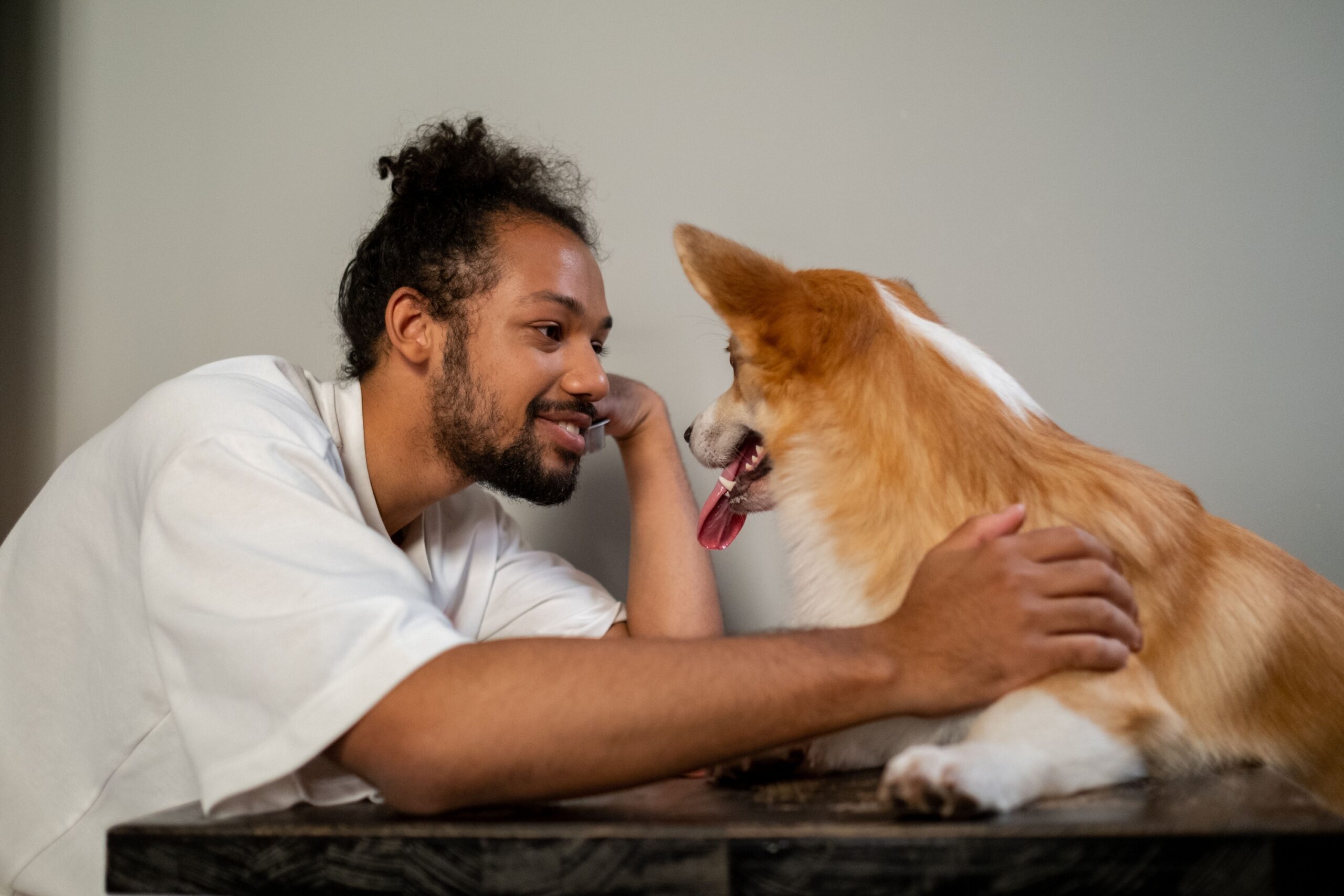
Most people are convinced their dog is a lovable blank slate – food-driven, tail-wagging, maybe smart enough to learn “sit.” Nothing more mysterious than that. But ask around long enough and you’ll hear the same confession over and over, usually said quietly, almost embarrassed: “My dog knew before I did.”
Not once. Not as a fluke. Again and again, in different houses, with different dogs, the same eerie pattern shows up – and owners keep brushing it off as coincidence until it happens for the tenth time. What if the behaviors you’ve been calling “weird” or “clingy” or “just instinct” are actually a set of ancient, precise survival skills your dog never stopped using? Here are 18 of them, and once you notice the pattern, you won’t be able to un-notice it.
#1 – Predicting Your Mood Before You Feel It

Owners love to say, “He just knew I was upset,” then shrug it off as luck. The truth is less mystical and somehow more impressive: dogs routinely react to your emotional state before you’re even consciously aware of it yourself. Your micro-expressions, breathing rate, and tiny posture shifts are flashing neon signs to a dog’s brain.
They clock the tension in your shoulders before an email even finishes loading. They notice how differently you walk out of the bedroom versus how you walk after a brutal Zoom call. Most people only catch this during huge moments – grief, illness, heartbreak – but your dog has been quietly tracking your emotional baseline since day one, which is exactly why it leans into your legs or stares at you right before you mentally crash.
#2 – Detecting Illness Long Before Symptoms Are Obvious
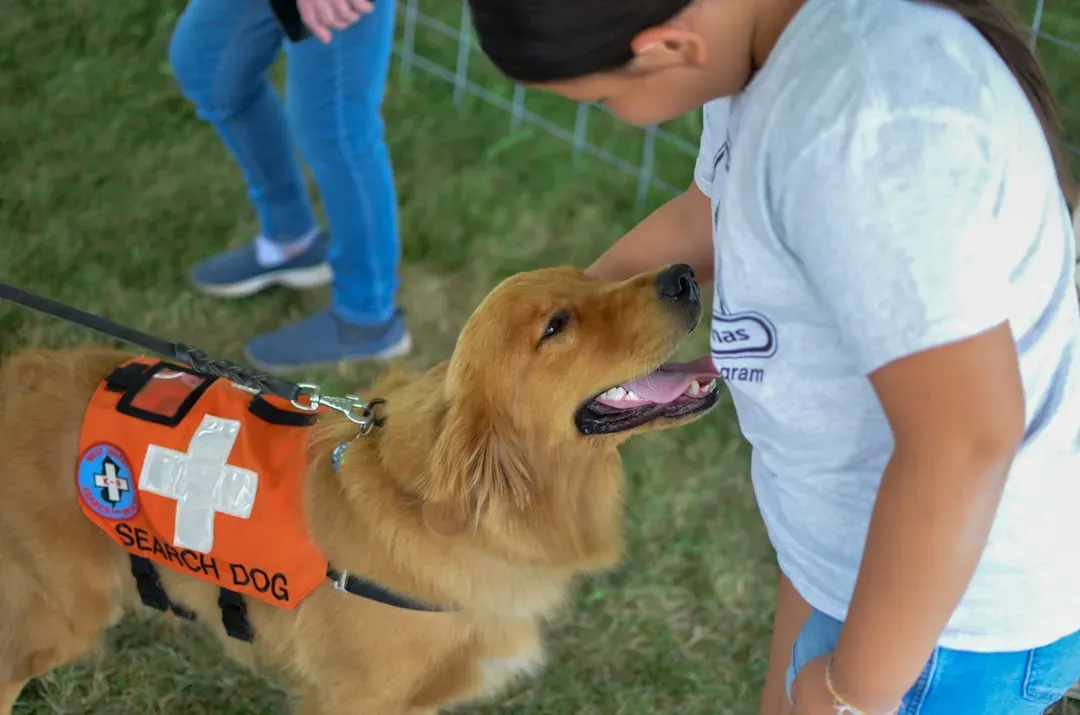
Ask around and you’ll hear some version of the same unsettling story: “My dog wouldn’t stop sniffing one spot… months later, it was cancer.” Not every dog is a medical prodigy, but canine noses can detect changes in body odor tied to illness long before doctors ever run a test. Trained dogs have identified certain cancers, blood sugar crashes, and infections purely by scent.
Even untrained pets absorb these biochemical shifts constantly, comparing your sweat, breath, and skin oils against what’s “normal” for you. Owners dismiss the early signs – obsessive sniffing at one leg, sudden clinginess, refusing to leave your side when you’re “just tired” – until a diagnosis later forces them to connect the dots. It feels like superstition until you watch the same pattern repeat across different people and different illnesses.
Fast Facts
- A dog’s olfactory system is incredibly powerful, with up to 300 million olfactory receptors in their noses, compared to a mere 5 to 6 million in humans.
- This allows dogs to detect scents at concentrations nearly 100 million times lower than what humans can perceive.
- The part of a dog’s brain devoted to analysing smells is also 40 times larger than the equivalent part of the human brain, relative to size.
#3 – Tracking Time With Scary Accuracy
Most people joke that their dog “just knows” when it’s dinner or walk time and chalk it up to some internal alarm clock. But dogs don’t wear watches, and here’s the strange part: many of them anticipate specific times within a startlingly narrow window, even when routines shift entirely. They’re not reading a clock; they’re reading the world around them.
Light levels, traffic sounds, the neighbor’s door, the coffee machine, the school bus rumbling past – dogs stitch thousands of environmental cues into a rough internal timer. Change your schedule and your dog will still show up at the old walk time for a few days before slowly recalibrating, sometimes pacing ten minutes before a car that hasn’t even entered the driveway yet. What feels like spooky timing is really obsessive, detailed pattern tracking.
#4 – Reading Human Arguments Before They Happen
You think fights explode out of nowhere. Your dog strongly disagrees. Long before raised voices ever happen, dogs read subtle tension like a forecast for an incoming storm – the way you move around each other in the kitchen, the tiny shift in tone, even how your bodies smell when annoyance builds.
Some dogs slip out of the room and hide before the first snarky comment lands. Others wedge themselves between people or suddenly demand attention the second the energy spikes. Watch closely and you’ll catch it in smaller moments too – your dog vanishing the instant your texts to a partner get sharp, even while you’re both still smiling in person. It isn’t about volume; it’s emotional weather they learned to forecast to keep themselves safe.
#5 – Remembering Routes Better Than Most People
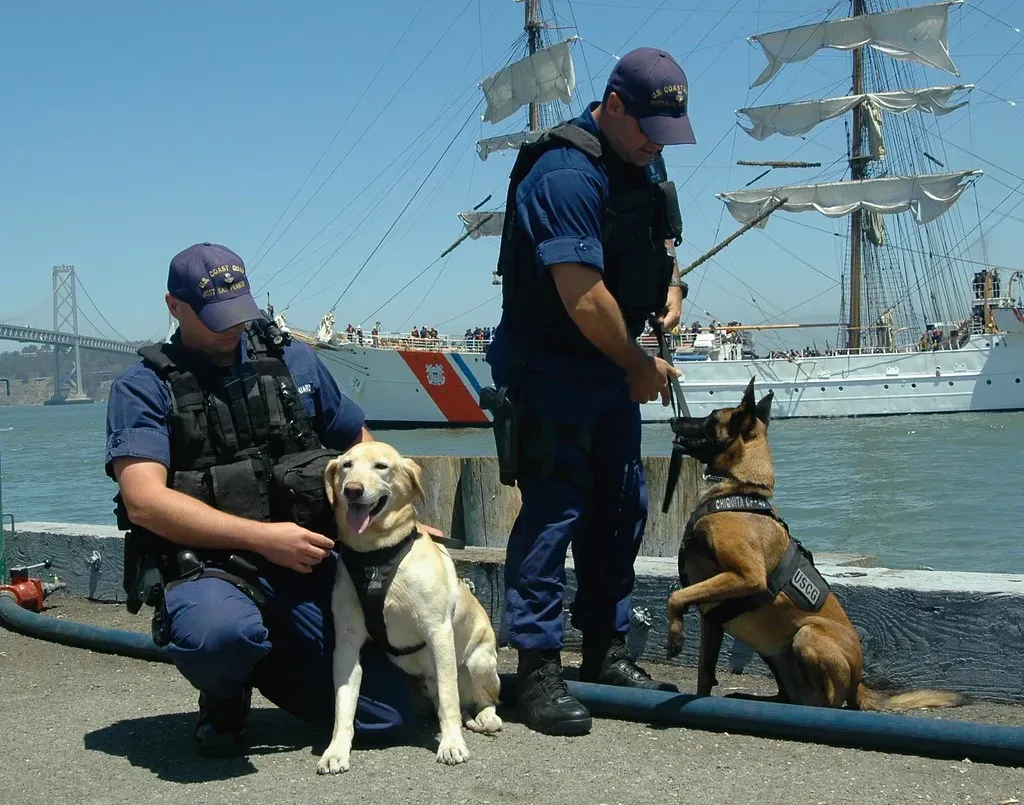
We like to believe we’re the ones leading the walk, but if the leash snapped right now, who’s actually getting you both home? Owners are routinely shocked to watch their dog confidently navigate back from a totally unfamiliar direction, because dogs are quietly building detailed mental maps of the neighborhood – landmarks, smells, sounds, and turning points – on every single walk.
While you’re scrolling your phone, they’re clocking the rusty gate, the bakery’s exhaust fan, the one yard that always smells like cats. Even indoor-only dogs memorize exact pathways, from the car to the vet entrance, from the park bench to the water fountain, and some will flatly insist on one particular street because it once led to a favorite dog friend or a dropped slice of pizza. Watch the same dog find the same shortcut months apart, and “stubbornness” starts looking a lot more like spatial memory.
#6 – Sensing Weather Shifts and Natural Changes
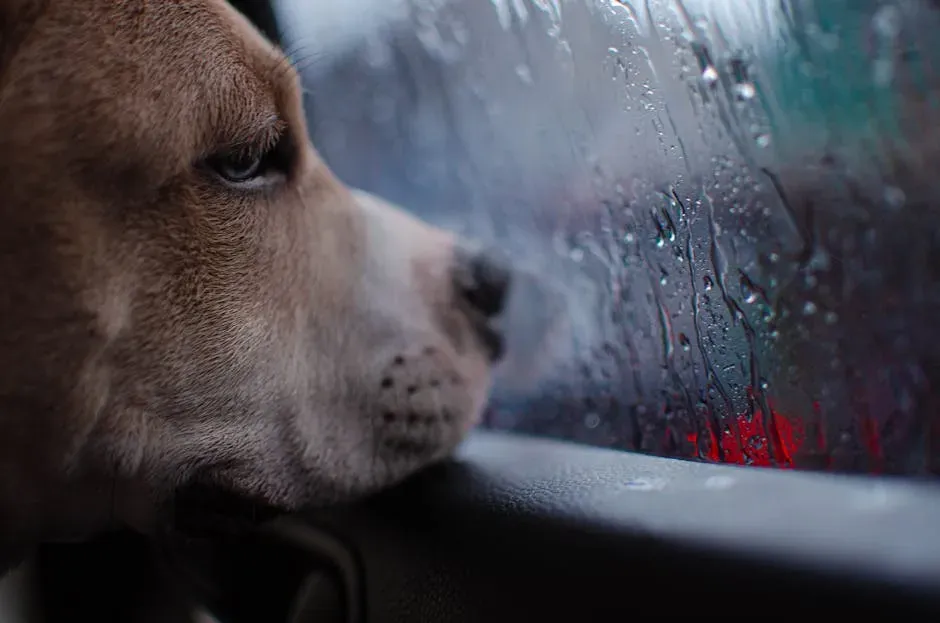
Long before your weather app pings, your dog may already be pacing the hallway. Many dogs grow restless, clingy, or anxious before storms even when the sky outside still looks perfectly calm – likely picking up on shifts in barometric pressure, static electricity, distant thunder frequencies, and subtle changes in wind and smell that we have no way of noticing ourselves.
What we lazily call “a fear of thunder” often starts as an uncanny early-warning system. Some owners swear their dogs sense earthquakes or severe storms hours in advance, hiding under furniture or shadowing one person relentlessly, and while not every story holds up to scientific scrutiny, the pattern shows up too often to wave away entirely. Even day to day, dogs seem to know the seasons are turning before you’ve dug out a sweater.
Worth Knowing
- While humans can hear sounds between 20 Hz and 20,000 Hz, dogs can hear sounds between 40 Hz and 60,000 Hz.
- That extended range lets them register distant thunder, a far-off engine, or a shifting storm front long before it ever registers for us.
- Once a sound or pressure change becomes familiar, dogs often react to the recurring pattern itself, not just the single event.
#7 – Mirroring Your Routines Down to Tiny Habits
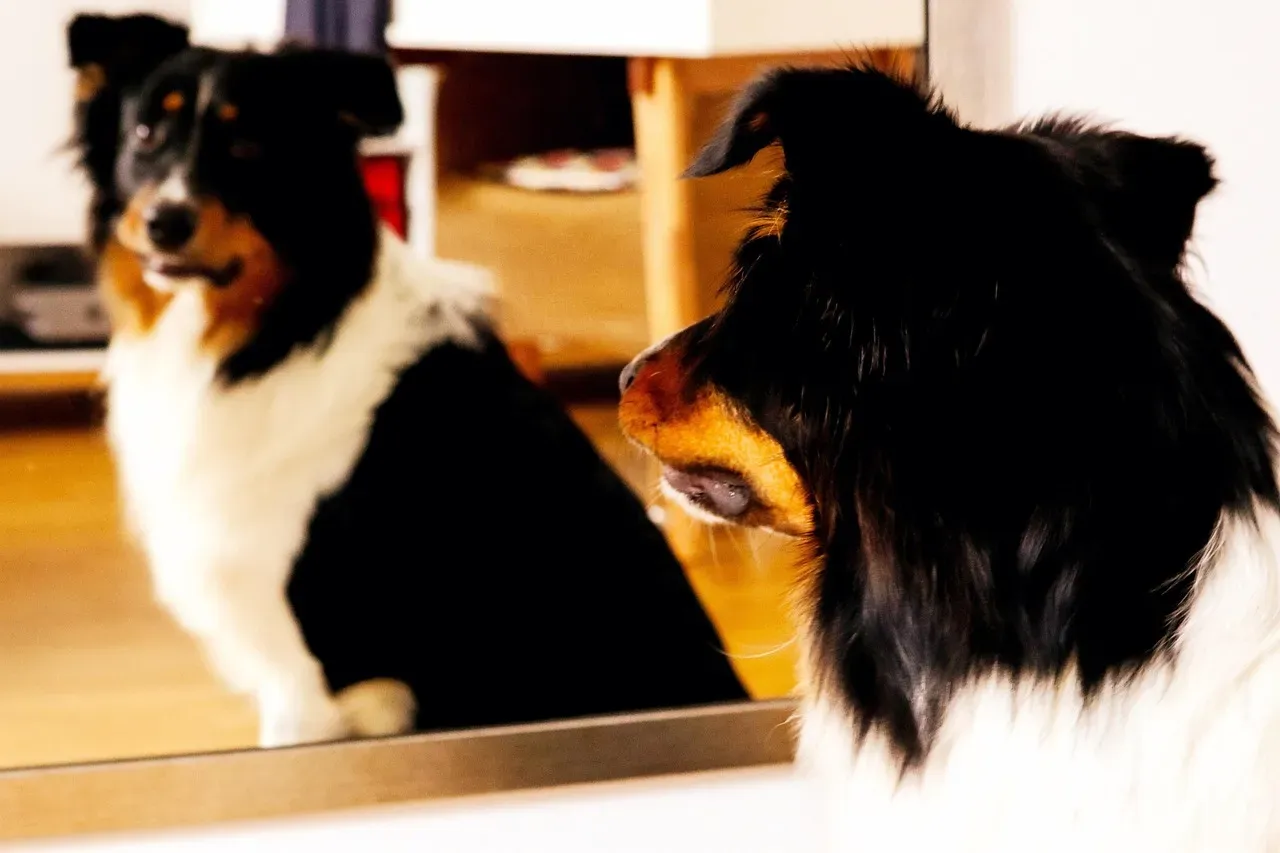
You think you’re training your dog. In reality, your dog is quietly studying and mirroring you. Sit a certain way when you’re relaxed, and your dog starts settling into that same corner or posture. Shift your bedtime by an hour, and they’ll adjust within days, syncing with your energy far more than your schedule.
Slam cabinets when you’re stressed, and eventually you’ll notice your dog leaving the room before the first slam even happens. Over months and years, the echoes get eerie – dogs that face the same direction you watch TV from, dogs that stretch when you do, dogs that only truly relax once your shoes are off and the laptop is shut. Move houses or change routines and watch your dog quietly “reprogram” in real time; that’s not coincidence, that’s observation.
#8 – Understanding Far More Human Words Than You Admit
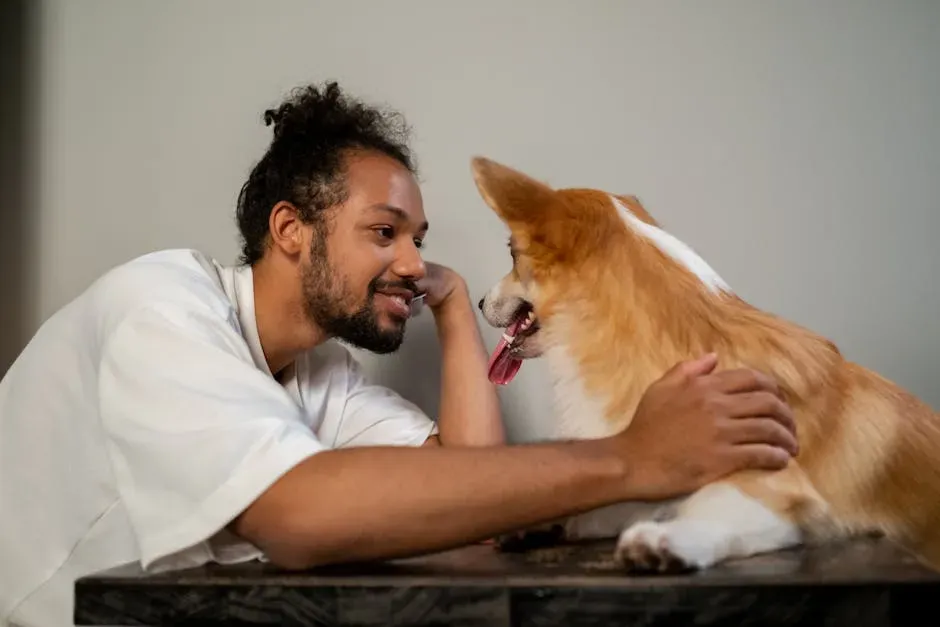
Most owners brag their dog knows “sit,” “stay,” and a couple of toy names – then in the same breath admit, “we can’t even spell W-A-L-K around him anymore.” Exactly. Many pet dogs understand dozens, sometimes hundreds, of words, phrases, and even repeated sentence patterns, without ever being formally taught.
They’re not parsing grammar like linguists, but they’re laser-focused on sound-plus-context combinations: “Where’s Dad?” “Want to go?” “All done.” Some dogs perk up at the word “grandma” or “park” buried inside an unrelated sentence, or recognize a partner’s name because it always precedes them walking through the door. Owners only fully register this when they switch to spelling words out and the dog still reacts correctly – proof you’ve been living with a quiet language expert who simply can’t talk back.
#9 – Reading Micro-Expressions You Don’t Even Notice You Make

You hold up a treat, smile, and your dog sits before you’ve said a single word. That’s not mind reading – that’s hyper-focus on your face. Dogs have evolved to track human facial expressions with unnatural precision, arguably better than some primates are at reading our cues.
Tiny eyebrow lifts, the widening of your eyes, the tension near your mouth – your dog watches all of it, and knows the difference between your “playful mad” face and your genuinely angry one. That’s why some dogs freeze the instant you think “uh-oh” mid-training session, or glance toward the leash and get anticipated a full second before you’ve moved. We keep talking about tone of voice, but for many dogs, your face is the main script they’re reading from.
#10 – Sensing Pregnancy and Hormonal Shifts
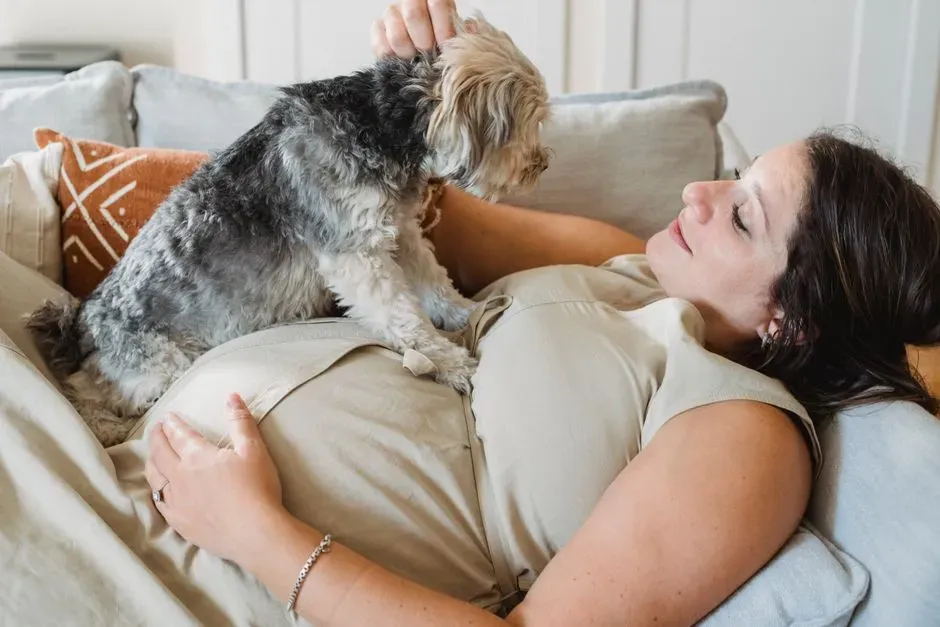
It sounds like superstition until you hear the same story repeated by strangers who’ve never met: the dog knew before the test did. Science is still catching up here, but there’s strong anecdotal evidence that many dogs notice hormonal and behavioral changes tied to pregnancy weeks or even months before a bump ever appears.
They often become extra protective, clingy, or strangely gentle around someone’s body, while others suddenly stop jumping on a previously rough-and-tumble owner. It isn’t mystical maternal instinct – it’s data. Your scent shifts, your routines shift, your sleep and appetite wobble, and dogs catalog every bit of it, sometimes refocusing their guarding from the whole house onto one specific person long before family or friends notice a thing.
At a Glance
- Dogs act as wonderful service animals for people with diabetes, as they can sense when blood sugar levels have dropped thanks to this super-sense.
- Hormonal shifts change the chemical makeup of sweat, breath, and skin oils, all of which dogs track closely.
- Sleep, appetite, and routine changes during pregnancy give an already scent-driven animal even more data points to notice early.
#11 – Detecting Emotional Manipulation and False Cheer
Here’s the controversial one: many dogs seem more unsettled by fake happiness than by honest sadness. When you plaster on a smile while seething underneath, your body language, scent, and micro-movements conflict with your face – and dogs hate conflicting data. They may avoid eye contact, pace, or turn oddly clingy in a way that feels almost suspicious.
When you’re openly sad instead, their read is cleaner; they calmly lean in, rest beside you, or lick your hands without hesitation. Some owners notice their dog acting differently around people who are “nice” on the surface but not trustworthy – refusing to approach, standing between you and that person, stiffening the moment they walk in. It isn’t proof of anything sinister, but dogs are genuinely skilled at spotting the gap between what’s shown and what’s actually felt.
#12 – Forming Long-Term Grudges and Deep Attachments

We love to declare dogs endlessly forgiving, and many are remarkably resilient. But some dogs absolutely hold grudges – and equally intense loyalties – built from repeated experience. A vet who was rough once might get a pass. A groomer who rushes and yanks every single time will turn that dog into a creature willing to fight the parking lot itself rather than go back inside.
What shocks owners is how long these emotional files stay open. Move houses, change routines, add new family members, and your dog will still react strongly to the sound, scent, or sight of someone who treated them very well – or very badly – years earlier. They don’t remember dates or reasons, but they remember exactly how someone consistently made them feel.
Dogs are our link to paradise. They don’t know evil or jealousy or discontent. To sit with a dog on a hillside on a glorious afternoon is to be back in Eden, where doing nothing was not boring – it was peace.
Milan Kundera
#13 – Knowing When You’re Truly Done, Not Just Pausing
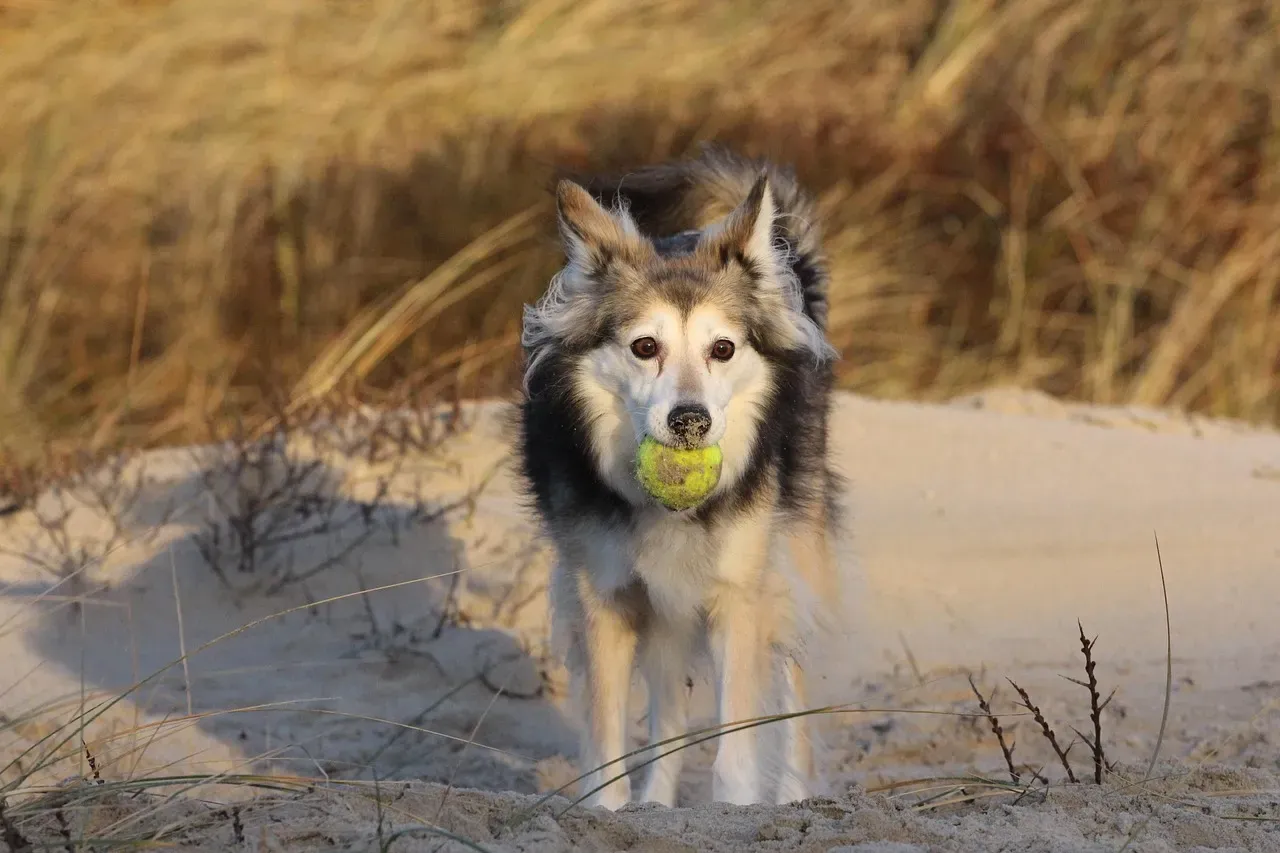
You say “last one” constantly, and your dog has no built-in concept of that phrase. Yet over time, many dogs show a startling ability to tell when a routine is genuinely over versus just paused. Watch a game of fetch: on some throws you stop and your dog keeps nagging; on others, you stop and after one half-hearted nudge, they wander off as if they already know it’s finished.
The difference is your energy, your posture, your subtle “closing” behaviors – maybe you sigh differently, maybe you set the toy down in a specific spot, maybe your stride changes on the last loop of the block. Your dog logs every one of those signals until “done for real” becomes its own distinct, recognizable pattern. We call them manipulative for pushing through pauses, but often they’re just accurately reading that you weren’t serious yet.
#14 – Anticipating Household Chain Reactions
You assume your dog is reacting to a single event – keys jingling, the doorbell, the microwave beep. In reality, they’re running an entire flowchart of “if this, then that” about your household. Keys jingling after 10 p.m. might mean bedtime; the same sound at 7 a.m. might mean a car ride.
Over months, dogs stop memorizing isolated events and start predicting entire sequences – sprinting to the window the moment you pick up your phone because the last ten calls ended with you leaving, or hiding when a certain closet opens because the vacuum always follows. When owners finally admit their dog “just knows what’s coming next,” what they’re really admitting is that the dog has quietly reverse-engineered the family’s entire routine.
#15 – Adjusting Their Play Style to Different People and Dogs
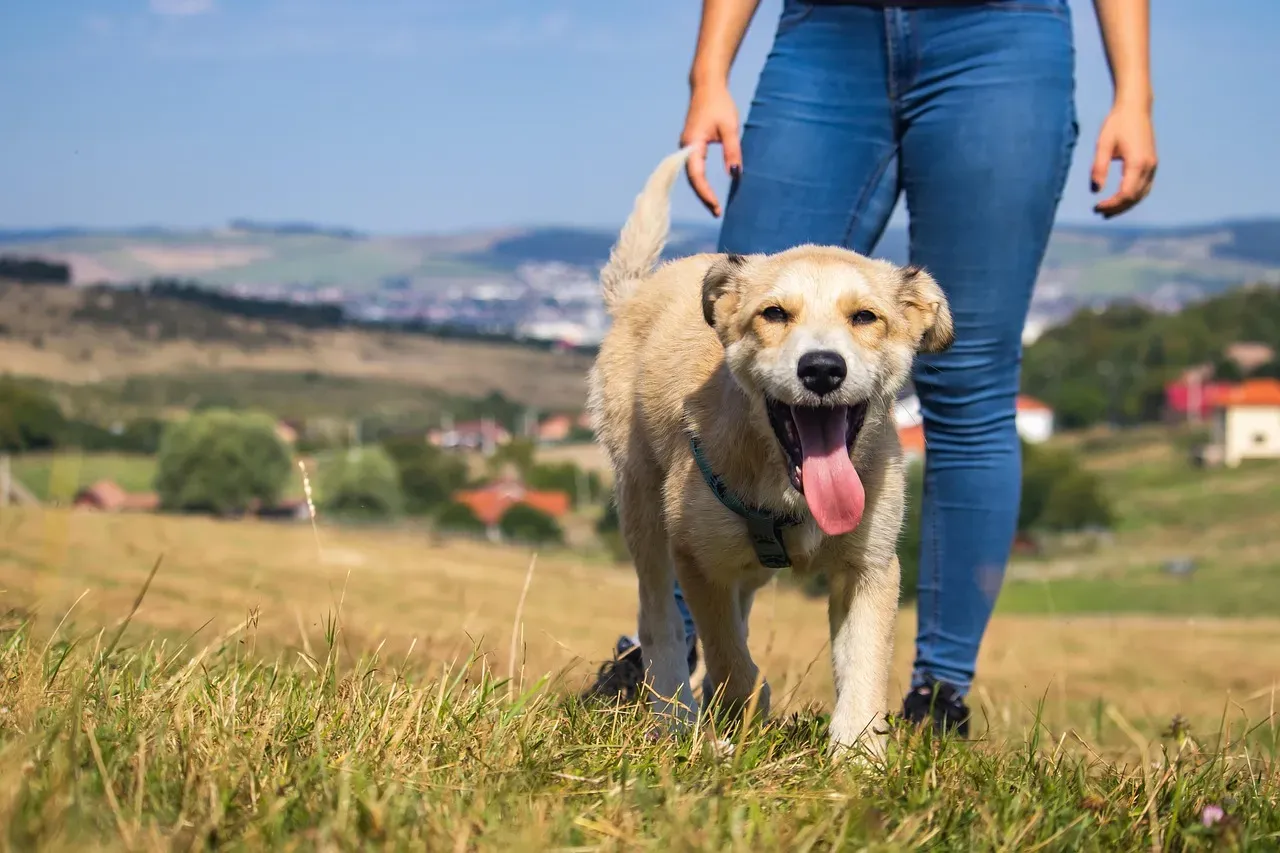
Most owners notice their dog is gentler with babies or smaller pets, but they underestimate how nuanced this actually is. Many dogs run completely different “play personalities” depending on who they’re with – rough wrestling with one adult, slow goofy bowing with kids, careful side-body wiggles with elderly relatives. None of it is random; all of it is calibrated.
Watch a socially skilled dog at a dog park test a bounce, read the other dog’s reaction, then instantly ramp up or tone down. Some will drop paw contact entirely with frail relatives, switching to gentle nose nudges and head leans instead. Catch the same dog play rough with a husky, soft with a toddler, and quietly reserved with a nervous guest all on the same afternoon, and “it’s just instinct” starts to sound like a lazy explanation.
Quick Compare
- With a rowdy adult: full-body wrestling, tug, and chase.
- With a toddler: slow bows, soft mouthing, careful pacing.
- With an elderly relative: gentle nose nudges, no paws at all.
- With an unfamiliar dog: a cautious sniff-test before any play begins.
#16 – Choosing a “Primary Human” for Very Specific Reasons

Every family insists “we all love the dog equally,” then quietly admits the dog has an obvious favorite. That choice is rarely random. It might be the person who walks them most, but just as often it’s whoever carries the calmest energy, the most predictable schedule, or the body language that simply feels safest.
Some dogs gravitate toward the person who doesn’t fawn all over them, reading calm, consistent boundaries as security rather than distance. It shows up in small moments – who they follow room to room, whose chair they lie beside, whose emotional shifts they respond to first. In new environments or moments of stress, they orient around that one person, and it isn’t a popularity contest; from the dog’s perspective, it’s a survival decision.
#17 – Quietly Testing Boundaries Like Tiny Behavioral Scientists
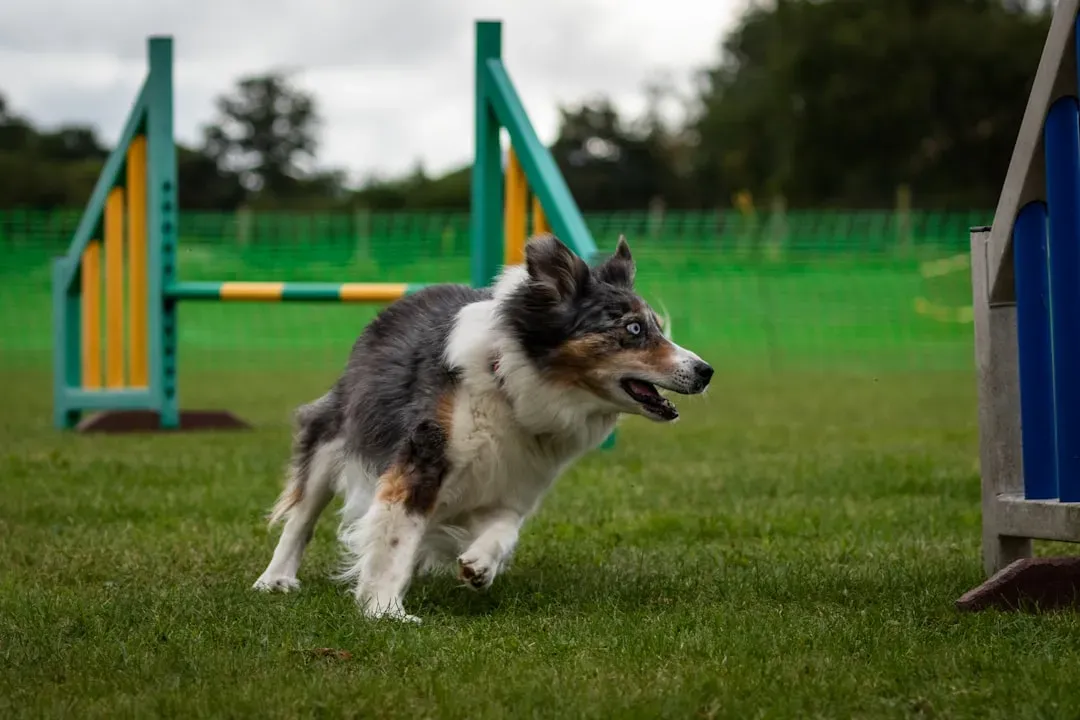
We call it “being naughty,” but look closer and it’s really an experiment. Many dogs test your rules the way a curious researcher tests a hypothesis – one paw edges onto the couch, they watch your reaction, then decide whether “no dogs on furniture” is an actual rule or just a suggestion.
They’re not trying to dominate you; they’re measuring which actions reliably produce attention, rewards, or freedom. This is exactly why inconsistent rules create chaos – if you sometimes laugh and chase and sometimes yell for the identical behavior, the dog can’t build a clean map, so they keep testing to find out which version of you shows up today. Treat them as pattern testers instead of villains, and their so-called misbehavior suddenly looks a lot more like careful data collection.
#18 – Sensing When You Need Them More Than They Need You
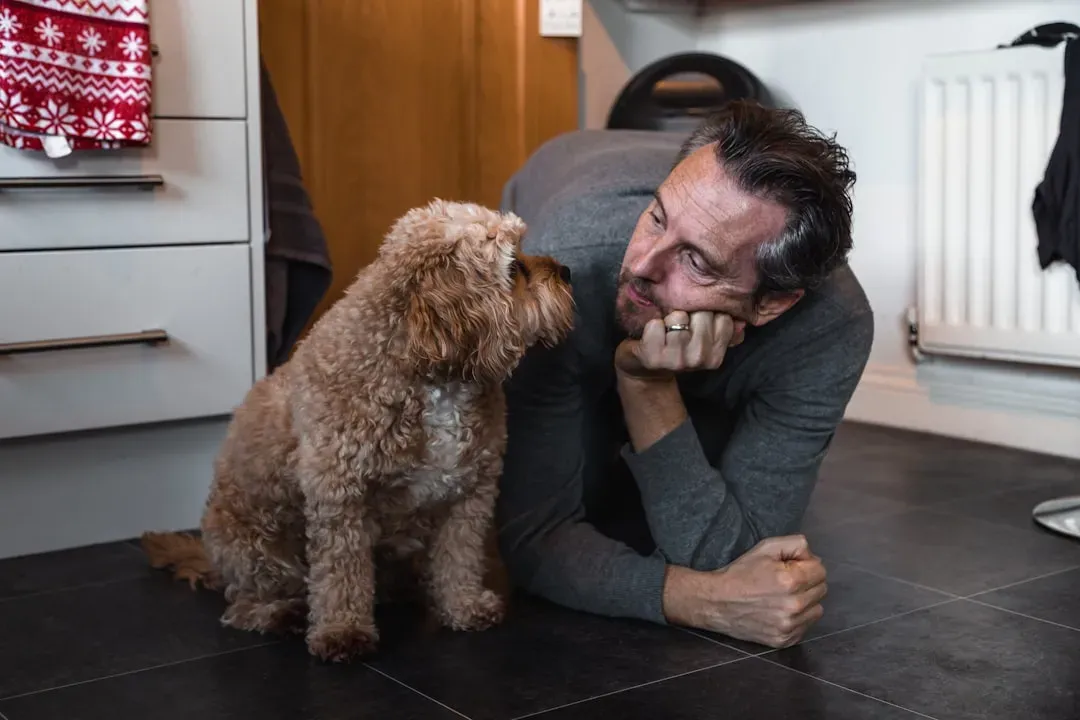
Here’s the one nearly every honest owner eventually admits: there are days your dog chooses to comfort you instead of doing what it would clearly rather be doing. They give up chasing the squirrel, ignore the toy, skip the nagging for a walk, because you are not okay – and somehow, they already know it.
They press their body against you mid-spiral, or lie quietly nearby demanding nothing at all, just to be present. There’s no treat waiting at the end of that behavior. Watch what a dog does during real grief, heartbreak, or illness – sleeping on your side of the bed for the first time, guarding the bathroom door, refusing to leave your room even when someone else calls them. For a species built entirely around movement and play, choosing stillness beside a broken person is one of the loudest statements they can make.
The Bottom Line

Strip away the cute captions and the “he’s just being a dog” excuses, and you’re left with something a lot less comfortable: dogs are perceiving and deciding far more than most owners are willing to admit. They track your emotions with brutal accuracy, remember exactly who treated them how, forecast household events before the first domino falls, and sometimes place your needs above their own instincts without being asked.
Calling all of that “instinct” is just a tidy way to dodge the bigger truth – you’re sharing your life with a hyper-observant, emotionally fluent partner who simply can’t argue back. Dogs aren’t mystical, and they aren’t infallible. But shrugging off their repeated behavior as coincidence isn’t skepticism, it’s laziness dressed up as reason. So which of these have you actually watched happen more than once, and which ones have you been talking yourself out of for years?