
14 Familiar Dog Breeds Experts Have Now Conceded Were Bred for Something Completely Different
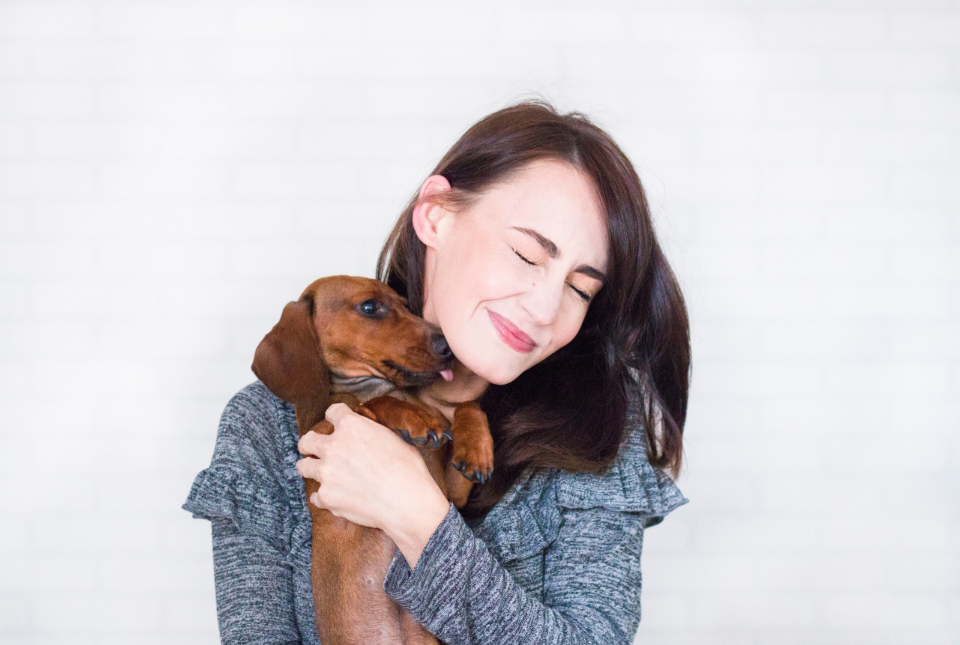
You look at a Golden Retriever and think “family dog.” You look at a Dachshund and think “funny little hot dog with legs.” You look at a Chihuahua trembling in someone’s purse and think “accessory.” According to breed historians and working-dog experts who’ve actually dug through old kennel records, you’re wrong on almost every count – and so is nearly everyone else.
What these dogs were actually built for ranges from grim to genuinely bizarre: blood sport, badger warfare, spiritual death rites, smuggled cash on a collar. The gap between what these breeds were engineered to do and what we now expect from them on a leash in the suburbs is enormous – and it explains a lot of “weird” behavior owners can’t figure out. Here’s what the record really says, breed by breed.
#1 – Golden Retriever: Not Just a Friendly Family Fetch Machine
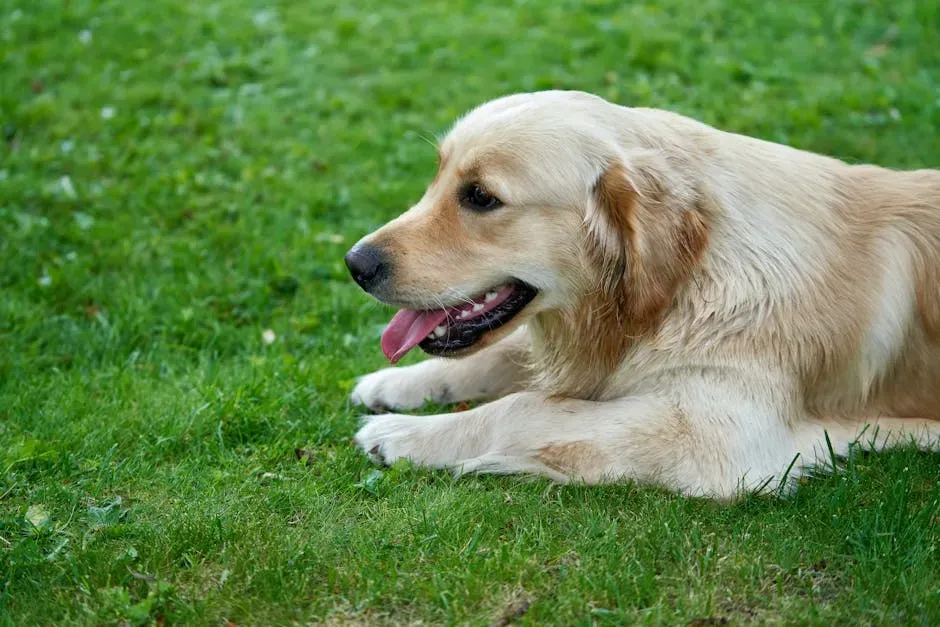
Most people assume Goldens were always generic “fetch-loving” family dogs, but their original brief was far more precise and a lot less cuddly. These dogs were developed in 19th-century Scotland as specialist waterfowl recovery tools for wealthy hunters, bred to slog through freezing bogs and carry shot birds without damaging the meat. That trademark soft mouth wasn’t meant for tennis balls; it was engineered for profit and status in elite hunting circles, where a bird ruined by teeth meant money lost.
Even their famous friendliness had a job attached to it – cooperating with strangers and multiple handlers during long, chaotic shoots. As suburban life exploded after World War II, breeders leaned hard into the “gentle, photogenic companion” side and quietly buried the grueling field-trial history. The result is a dog now marketed as the ultimate therapy pet, even though plenty of Goldens still carry relentless working drive that curdles into anxiety and destruction when they’re left under-stimulated. Trainers will tell you bored Goldens are some of the toughest clients they get.
#2 – Poodle: Never Meant to Be a Salon Ornament
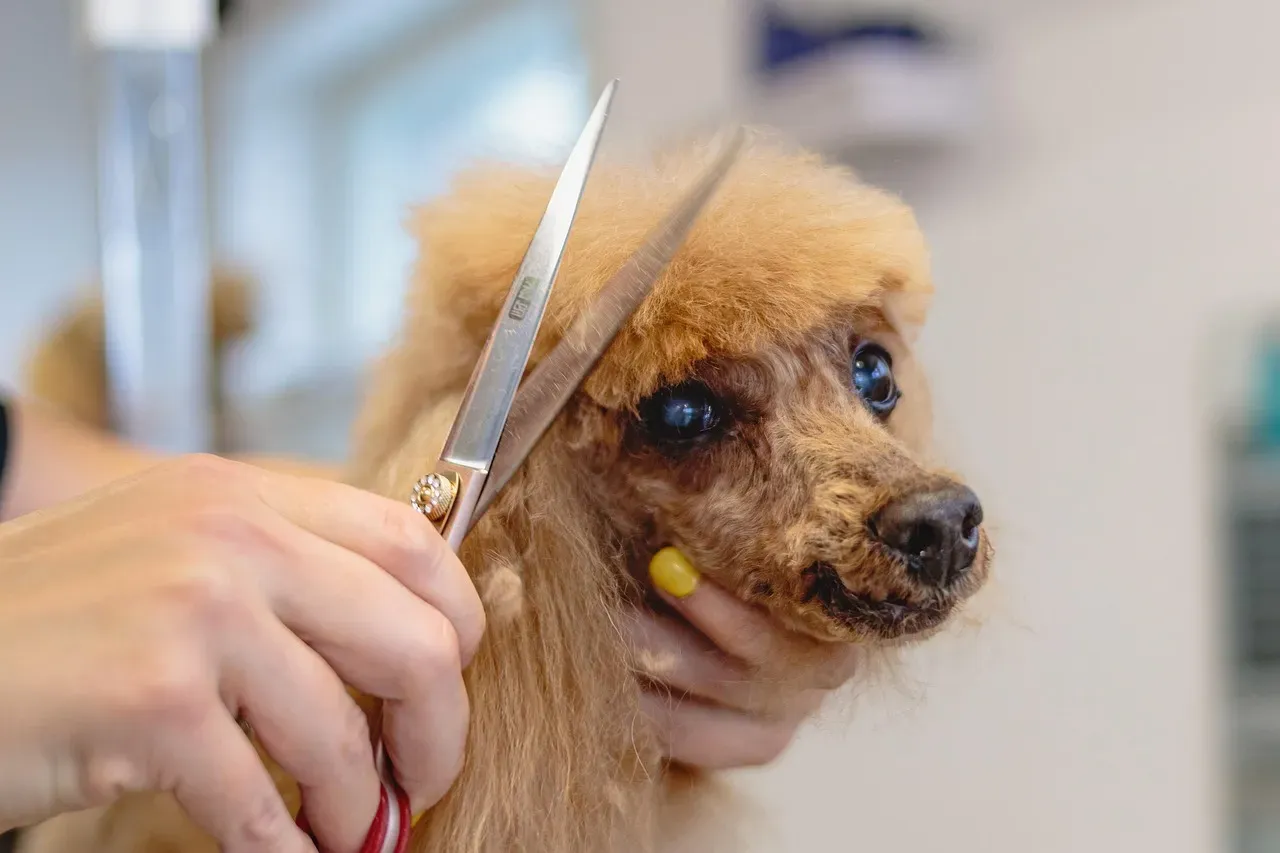
The Poodle might be the most misjudged dog on the planet. Instagram made them the poster child for frou-frou grooming and designer mixes, yet this breed started life as a hardcore European water retriever, closer in spirit to a modern duck dog than a couch accessory. The ridiculous-looking “continental clip” was never about fashion – it was survival engineering. Hunters needed a dog that could swim like a seal yet stay warm in icy lakes, so hair was shaved for mobility but left on the joints, chest, and organs for insulation.
Even their personality got repurposed. Early Poodles were prized for razor-sharp problem-solving and independence on chaotic hunts, and that same intelligence later made them stars in traveling circuses, where they were rebranded as entertainers. Fast-forward to today and most owners only see “hypoallergenic, cute, and smart,” never realizing they live with a dog built to work long, miserable hours in freezing water. That’s why bored Standard Poodles are infamous for outwitting baby gates, opening doors, and self-assigning jobs like “redecorating” your living room.
#3 – Bulldog: From Horrific Blood Sport to Couch Mascot
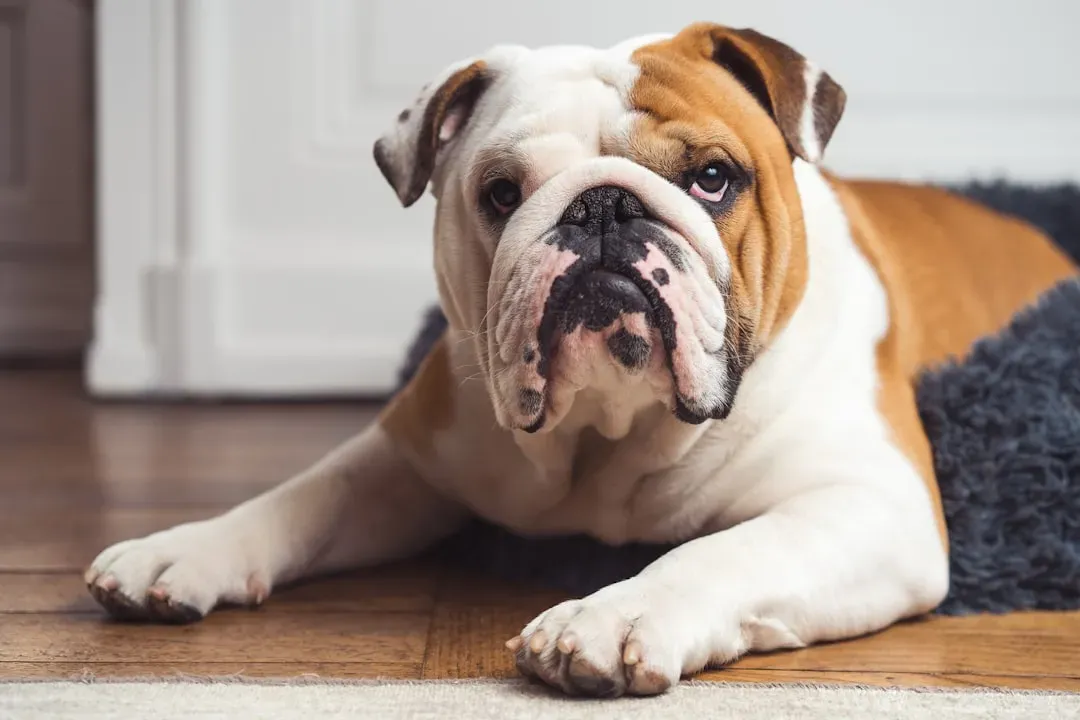
The modern Bulldog is marketed as a lovable, waddling mascot for everything from schools to snack brands. What people don’t want to talk about is that this breed was originally built as a specialized weapon for bull-baiting, a brutal gambling sport where dogs were set on tethered bulls for entertainment. Every part of the original Bulldog’s body had a job: wide jaws to latch on, a low center of gravity to avoid being thrown, and a pushed-in face so it could keep breathing while holding on. This was combat design, not a “cute squish-face.”
Here’s the twist – the Bulldog that did that work looked nothing like today’s version. As bull-baiting was outlawed and Victorian tastes shifted, breeders aggressively exaggerated the head, shortened the muzzle, and widened the body purely for show-ring aesthetics. In other words, the Bulldog wasn’t just repurposed from fighter to companion; it was re-engineered into a cartoon of its own violent past. Now we’ve got a breed celebrated for being “chill” that descends from athletes, yet many individuals can barely breathe or exercise normally. Fans call it charm. A lot of vets quietly call it a man-made welfare disaster in slow motion.
Worth Knowing
- Bull-baiting was formally outlawed in England under the Cruelty to Animals Act of 1835
- The original baiting Bulldog was leaner, longer-legged, and far more athletic than today’s show standard
- Many modern Bulldogs physically cannot swim because of their altered body proportions
- Head size relative to the birth canal is a major reason many litters require C-sections
#4 – Dalmatian: Not Born to Just Look Pretty in Disney Films
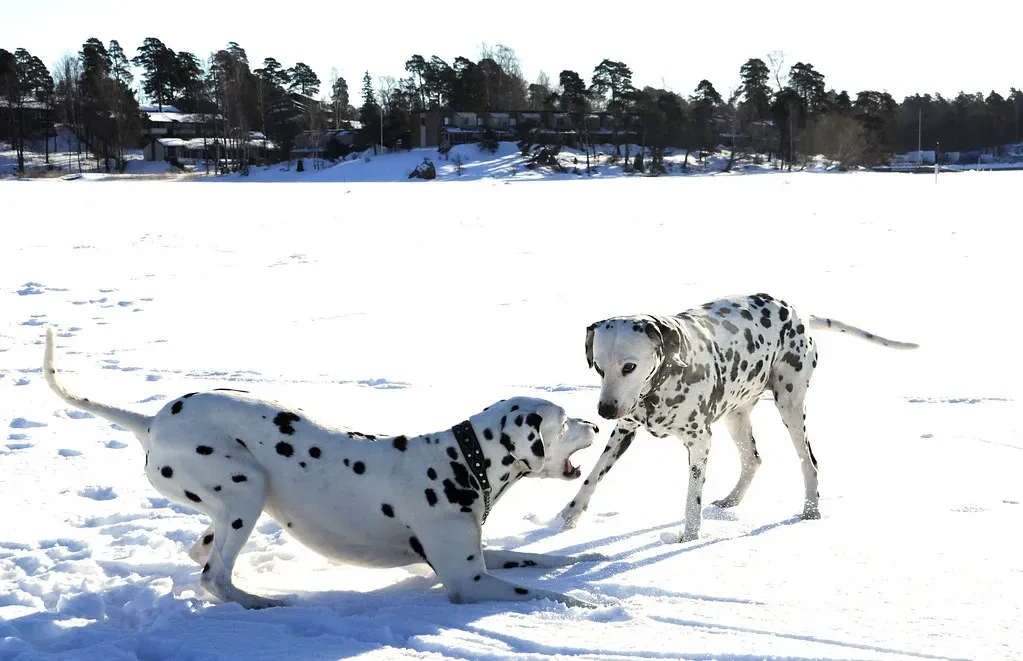
Ask most people why Dalmatians exist and they’ll vaguely mumble “firehouse dogs” or “spotted pets.” The truth is weirder and far more specific. Dalmatians were originally high-end carriage dogs, bred to trot long distances beside or under horse-drawn vehicles as living security systems and status symbols. Their job wasn’t to pose for paintings – it was to guard expensive horses and cargo on the road, scaring off thieves and stray dogs along the way.
Those high energy levels that drive modern owners crazy were essential for 20- to 30-mile days at a steady trot. Only later were they adopted by fire brigades, not as mascots but as functional escorts, running ahead of horse-drawn wagons to clear crowds and keep panicking horses focused. That’s miles away from the Disney image of a cute, slightly neurotic family dog. Ironically, many Dalmatians today go home with families who wanted a “unique-looking pet” and instead got an endurance athlete with intense guarding instincts – which is exactly why behaviorists quietly rank them among the most mismatched breeds in modern households.
#5 – Chihuahua: Less Purse Pet, More Spiritual Status Symbol
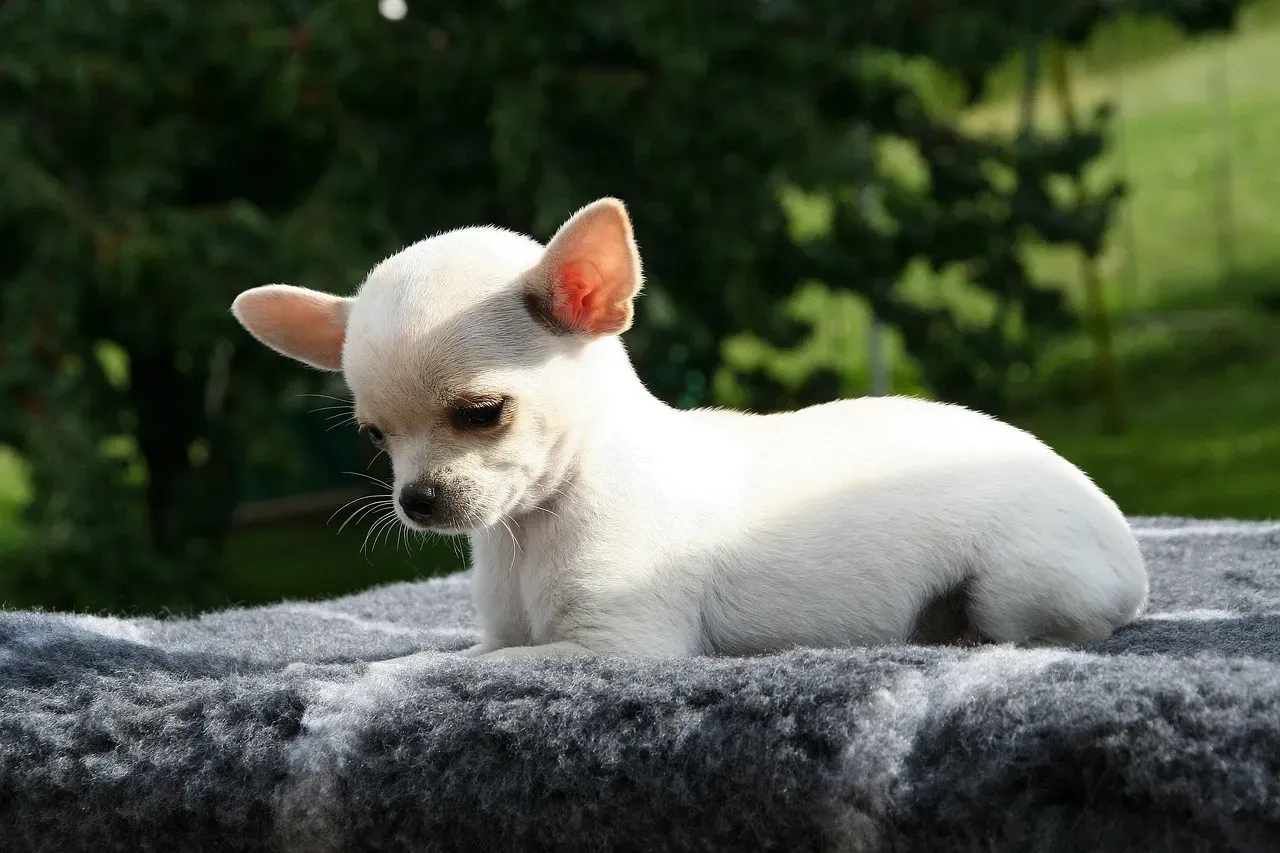
The Chihuahua is treated like a living fashion accessory – tiny, trembling, made for social media. Historically, that’s disturbingly off the mark. These dogs trace back to ancient Mesoamerican breeds like the Techichi, which were linked to ritual, spirituality, and even death rites, not brunch dates. In several pre-Columbian cultures, small companion dogs were believed to guide souls to the afterlife or absorb the sins of their owners.
Many were bred for symbolic and ceremonial roles first, companionship a distant second, and their size made them easy to keep in temples and homes as a constant presence in daily religious life. Even their temperament clues you in – the so-called “Napoleon complex” isn’t random, it reflects a dog historically wired to be alert, vocal, and tightly bonded to a small circle of humans rather than universally social. The modern purse-dog narrative ignores that intensity and mislabels reactivity as cuteness, which is a big reason so many Chihuahuas end up in shelters despite being massively popular.
#6 – Dachshund: Built for War Against a Single Animal
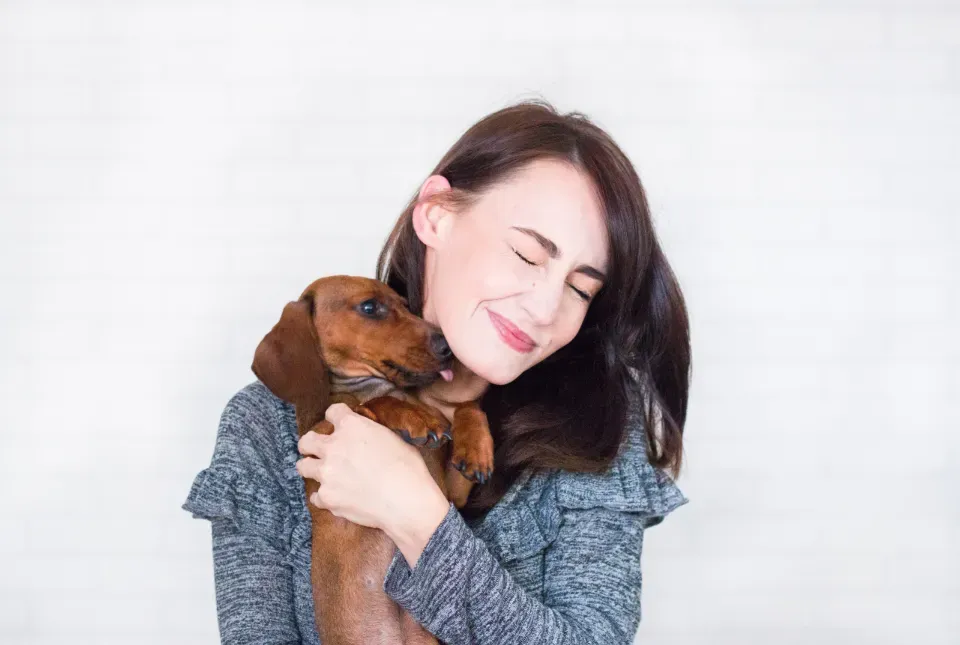
People love to joke about “wiener dogs” and hot-dog costumes, but the original Dachshund is closer to a specialized military unit than a punchline. The name literally means “badger dog,” and they were engineered for underground warfare against one of Europe’s nastiest, most dangerous wild animals. A badger can seriously injure or kill a dog, which is why that long, low body and powerful front end mattered – it let them dig into setts, wedge into tunnels, and fight in dark, cramped spaces.
Their loud, fearless temperament was part of the same design. Hunters needed a dog willing to dive into a pitch-black tunnel and confront something bigger and stronger, then either flush it out or die trying. Watered-down modern versions still carry those instincts, which is exactly why a 15-pound Dachshund will attack a vacuum cleaner like it’s a mortal enemy. We turned them into meme material, then act shocked when they behave like tiny soldiers – trainers routinely rank them among the most stubborn, intense little dogs in the pet world, precisely because they were bred to think and act alone underground.
Fast Facts
- “Dachshund” translates directly from German as “badger dog”
- Standard-size Dachshunds were built to enter badger setts, while later Miniatures targeted smaller quarry like rabbits
- Some working lines were also used to trail wounded boar over long distances
- Their signature bark was prized for helping hunters locate them underground
#7 – Siberian Husky: Less Sled-Dog Pet, More Lifeline for Isolated Peoples
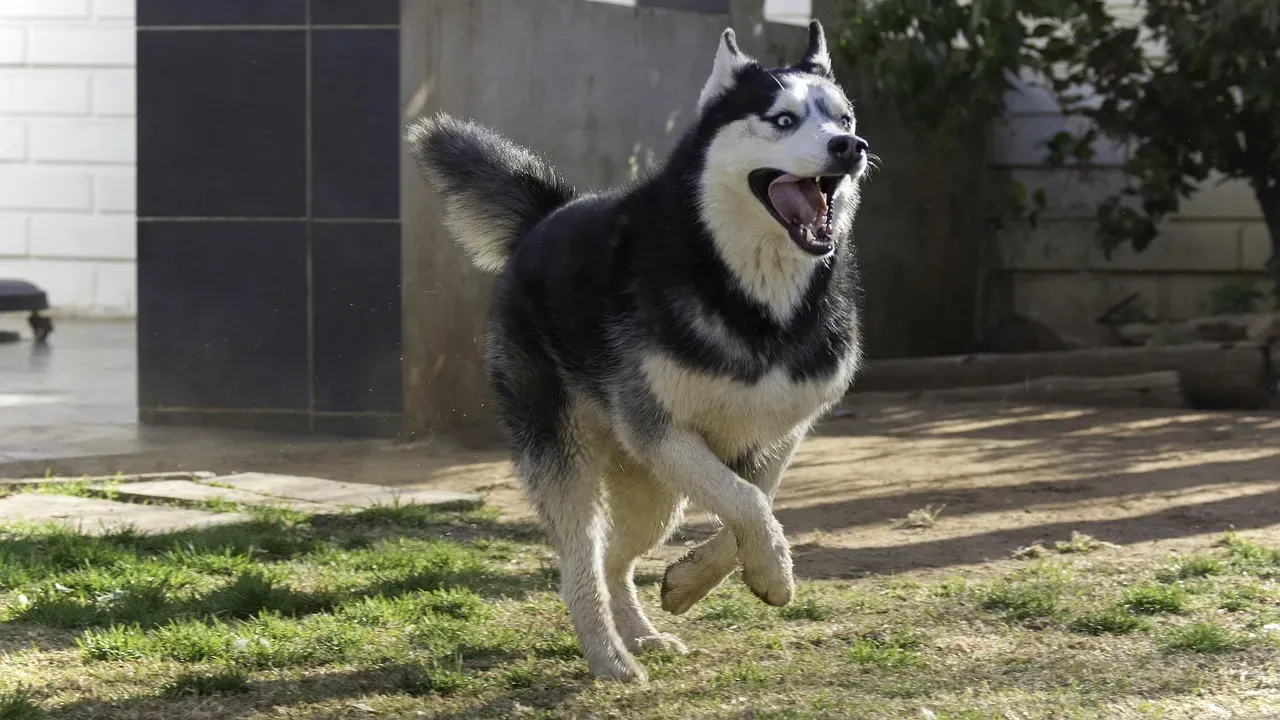
Most people casually describe Huskies as “snow dogs that like to pull sleds,” which is technically true but wildly incomplete. Originally developed by Indigenous Arctic communities like the Chukchi, the Siberian Husky was a multi-purpose survival partner, not a racing specialist. They pulled sleds, yes, but they also kept children warm at night, hunted in teams, and in desperate times were even kept as emergency food.
Their famous endurance isn’t a party trick – it’s the outcome of generations bred to move light loads over astonishing distances on almost no food. The modern pet Husky has been ripped out of that brutal context and dropped into apartments and suburbs that can’t meet a fraction of that workload. When people complain about destruction, escape attempts, or “drama,” they’re criticizing a dog bred to solve deadly problems entirely on its own. It’s no surprise so many end up surrendered once owners realize this blue-eyed beauty was bred to outwork them every single day.
#8 – Border Collie: Genius Farm Manager, Not a Trick Dog
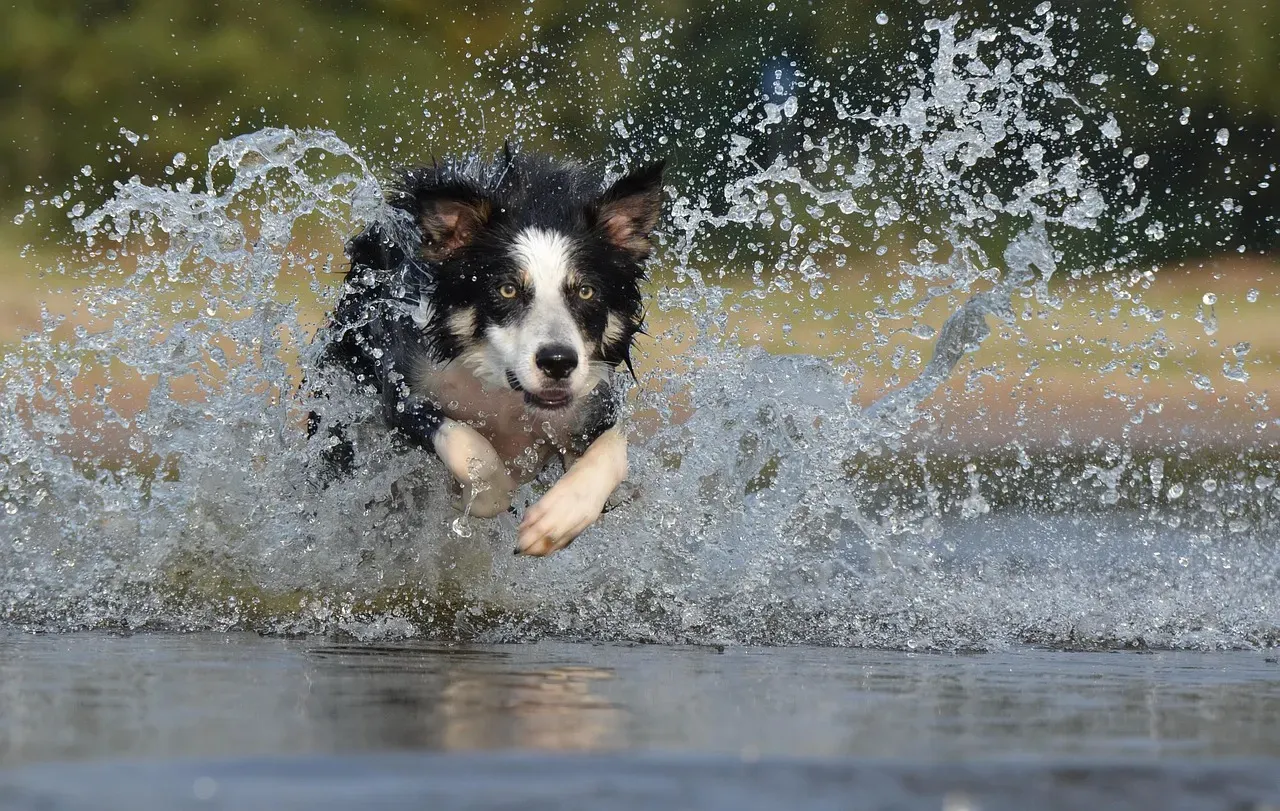
Border Collies are now social-media darlings, starring in “smartest dog” clips and agility reels. That visibility has obscured their real origin – they were bred as full-blown livestock managers on harsh borderlands, not as general-purpose smart pets. These dogs didn’t just chase sheep; they used controlled eye contact, flanking moves, and constant reading of stock behavior to manage large flocks across rough terrain with almost no human input.
That laser-focus stare, the famous “eye,” and the almost unnerving intensity were engineered to replace extra farm hands, not to win internet points. Modern owners often treat that intensity like a fun bonus, then panic when the dog starts herding kids, cars, or joggers. Historically, a Border Collie without obsessive work drive was useless; today that same drive is a liability in casual homes, which is how you end up with chronically under-worked Collies developing neurotic behaviors and severe anxiety.
A tired Border Collie is a good Border Collie – and almost nobody’s life is set up to tire one out properly.
Common refrain among herding-breed trainers
#9 – Shih Tzu: Not Just a Fluffy Lapdog, but a Moving Religious Icon
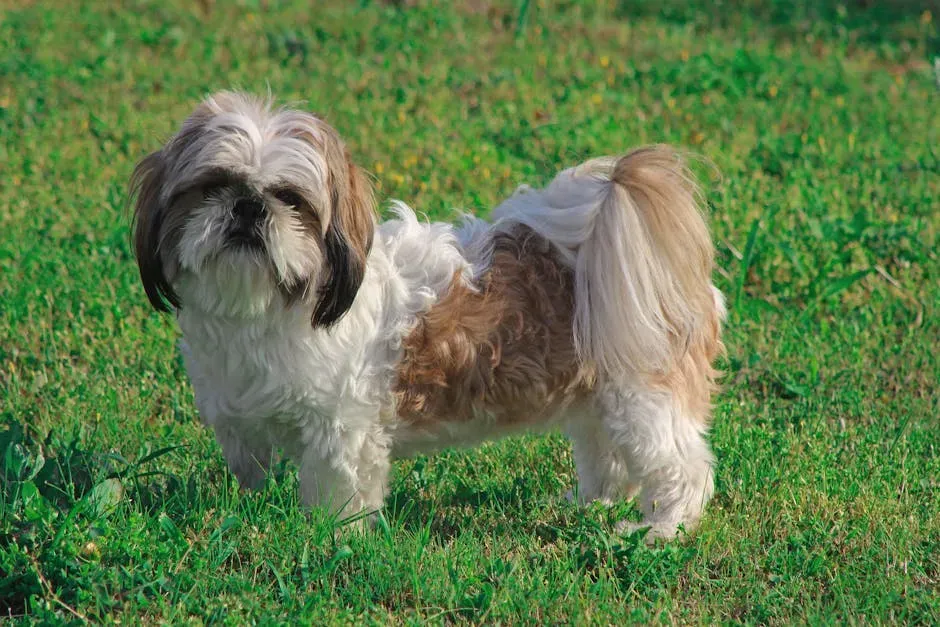
The Shih Tzu is usually sold as a cute, low-exercise apartment dog – basically a living throw pillow with a topknot. Historically, that’s almost offensive. In imperial China and Tibet, small lion-like dogs were bred as symbolic guardians and living representations of Buddhist lions, believed to ward off evil and bring luck. These weren’t lapwarmers; they were status-charged spiritual objects, often exchanged as diplomatic gifts between royal courts and monasteries.
Their extravagant coat and “lion” face were deliberate attempts to echo sacred imagery, producing a dog expected to be alert, dignified, and constantly underfoot in palaces and temples. The modern “spoiled lapdog” framing erases that role entirely and encourages owners to ignore the breed’s sharp awareness and watchdog instincts. That’s why so many Shih Tzus are yappier and more opinionated than people expect – they weren’t bred to be silent plushies, and the suspicious barking owners complain about would’ve been praised in their original context.
At a Glance
- Believed to descend from earlier Tibetan and Chinese palace dogs, including ancestors of the Lhasa Apso and Pekingese
- The name roughly translates to “lion dog,” tied to Buddhist symbolism
- Kept almost exclusively inside royal courts and monasteries for generations
- Only spread beyond China’s imperial circles in the early 20th century
#10 – Rottweiler: From Herding Accountant to Security Stereotype
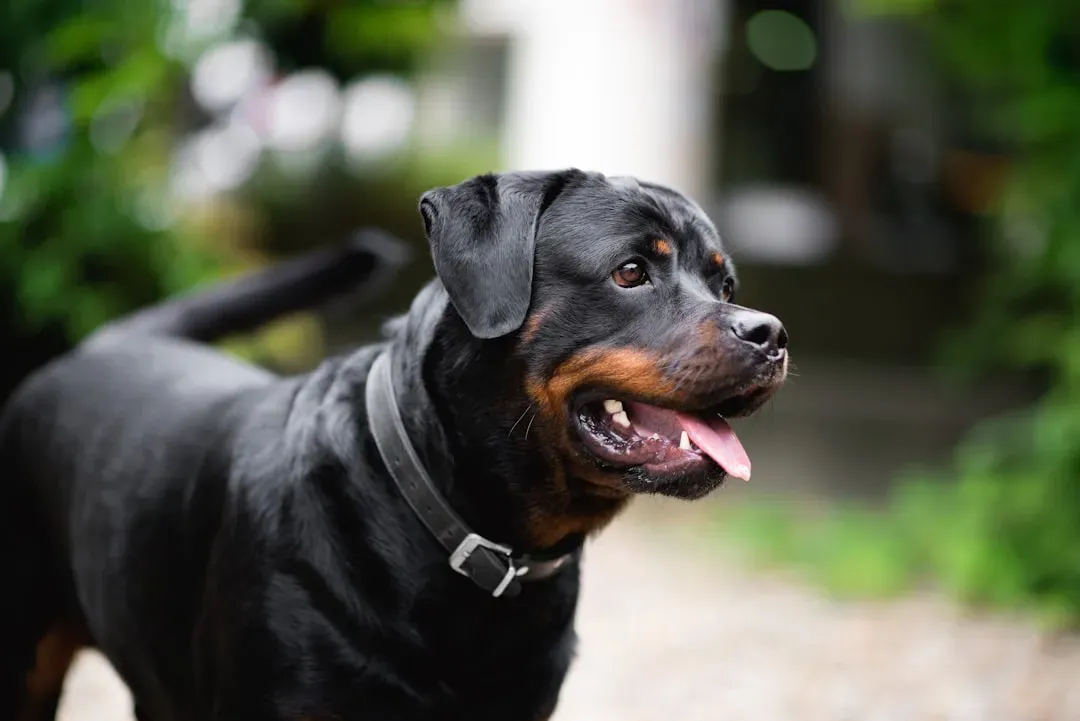
Today, Rottweilers are stereotyped as blunt-force guard dogs for property and police work. That image is so dominant that most people have no clue these dogs started as livestock drovers and mobile meat-market guardians. In southern Germany, early Rottweilers trotted behind cattle herds, nudging and controlling them on long journeys to market, then guarded the butcher’s earnings once they arrived – literally wearing money pouches on their collars.
That explains a lot: their calm confidence, body-blocking tendencies, and strong sense of “this is mine to manage.” The modern obsession with using them purely as guard dogs flattens that complex original role and sometimes pushes lines toward over-defensive temperaments. Experienced trainers argue we’ve taken a thoughtful working manager and turned it into a blunt alarm system, then blame the breed when poorly bred or poorly trained individuals react badly.
#11 – Bichon Frisé: Court Entertainer Before Couch Decoration
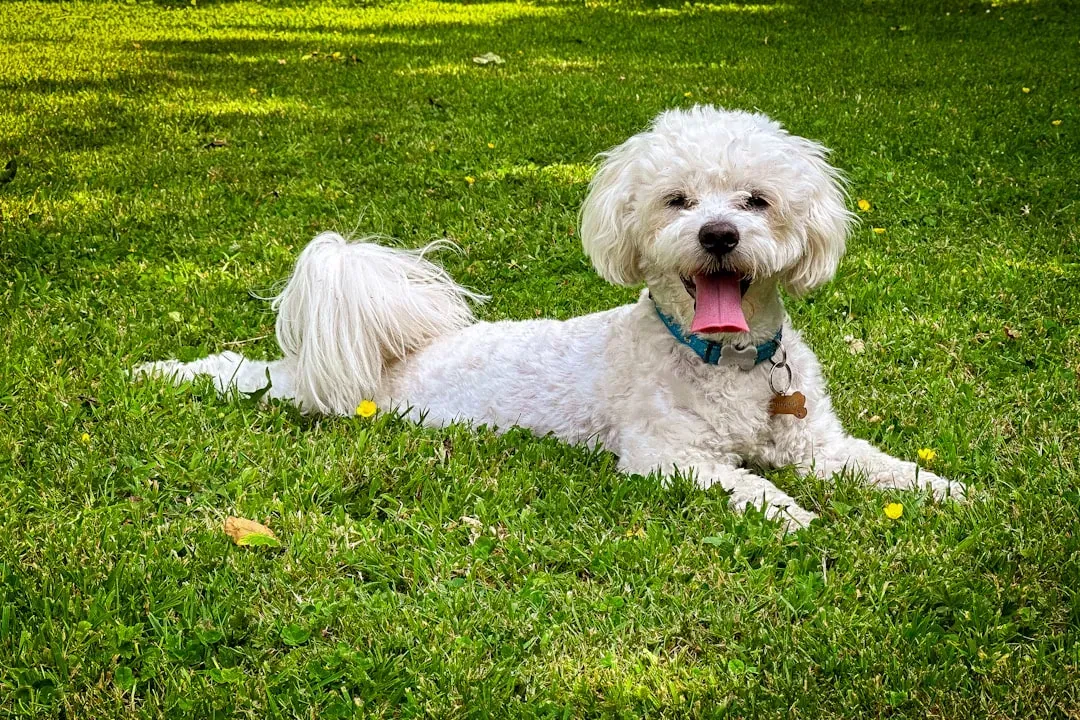
The Bichon Frisé reads today as the epitome of “fancy apartment fluff.” Walk into any urban groomer and you’ll see that powder-puff silhouette copied endlessly. But historically, this breed’s primary job was professional entertainer, not ornament – they worked European courts and streets as trick dogs, acrobats, and companions to traveling performers.
Their cheerful, people-obsessed temperament was intentionally reinforced so they could charm audiences and tolerate chaotic environments full of noise and strangers. Unlike true lapdogs, they were expected to earn their keep: dance, jump, balance, perform. The modern push to sell them as low-effort, hypoallergenic sofa dogs clashes hard with that heritage – many “badly behaved” Bichons are simply bored performers with no stage, so they invent one, barking at windows, spinning on the couch, or turning grooming sessions into full theater.
#12 – Great Dane: Estate Enforcer, Not Gentle Giant by Design
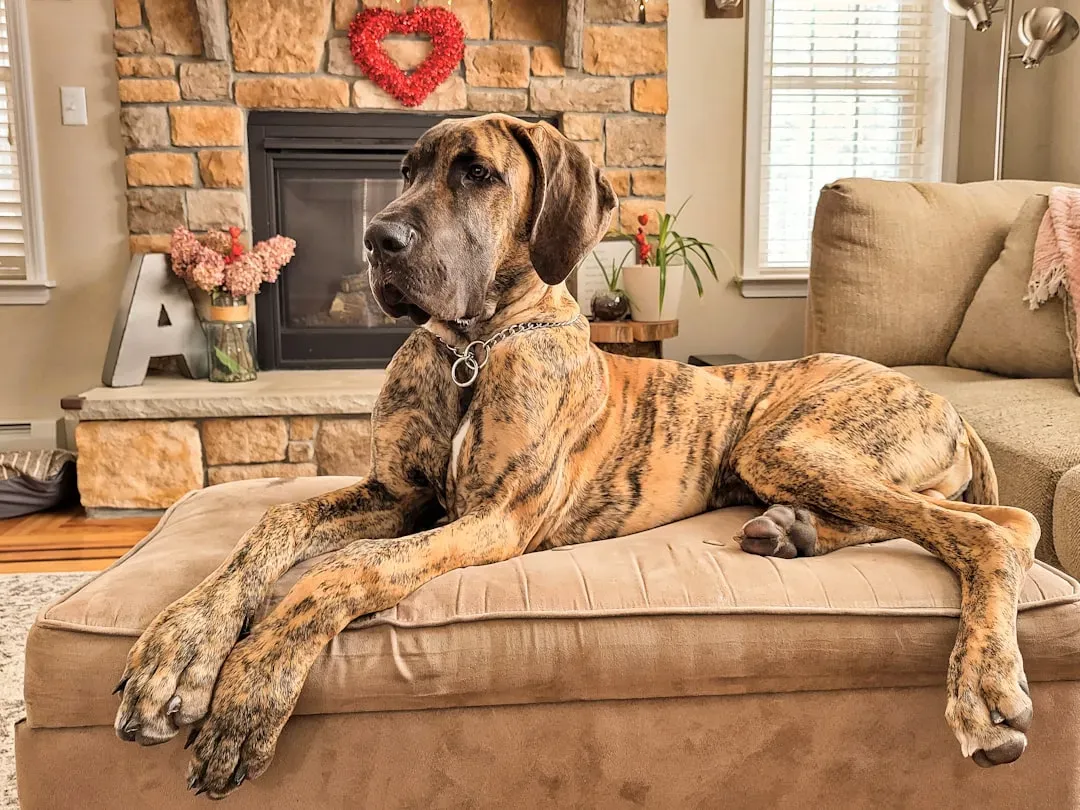
Great Danes are now sold under the very marketable label of “gentle giants,” and plenty of individuals do fit that description. Still, their original reason for existing was anything but gentle. These dogs were bred as boar-hunting and estate-guarding powerhouses, meant to confront dangerous game and intimidate intruders. Their sheer size, deep bark, and looming silhouette were functional tools, not aesthetic flexes – closer to armored bodyguards than oversized cuddle buddies.
As boar hunting declined among European nobility, breeders softened temperaments but kept the dramatic look for prestige. The result is a strange mismatch: a dog still physically capable of serious damage but mentally marketed as a sleepy couch partner. Many Danes remain sensitive, but their historical wiring for territorial awareness and protection hasn’t disappeared – it’s just suppressed or inconsistently expressed, which is exactly why responsible breeders obsess over stable temperaments in a breed that was never meant to be a harmless novelty.
#13 – Cocker Spaniel: Gun-Dog Workhorse, Not Just a Soft Family Pet
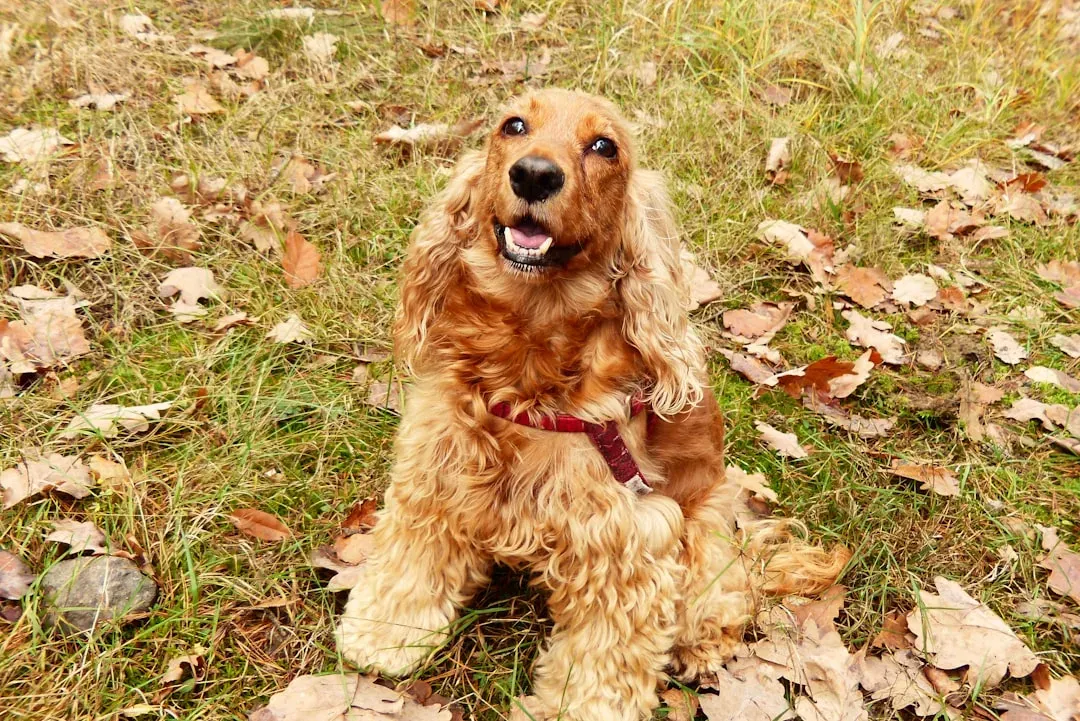
Cocker Spaniels are often marketed now as sweet, slightly soft-focus family dogs – good with kids, fluffy, gentle. Historically, they were single-purpose gun-dog specialists, bred to flush woodcock and other game birds from dense underbrush. Their compact size, silky but weather-resistant coat, and relentless nose were all tailored to slogging through wet, thorny cover all day, in miserable conditions, with gas left in the tank. The name “Cocker” literally comes from their job with woodcock, not from cuddling on a couch.
That intense drive and sensitivity are double-edged in modern homes. Strip away the job and leave the brain, and you get a dog that can be sound-sensitive, hyper-attached, and easily overwhelmed. The notorious “Cocker rage” discussions from past decades weren’t some genetic mystery – in many lines, they were the fallout of a working dog turned decorative, its purpose erased but its wiring left fully intact.
Quick Compare
- Then: flushed woodcock from thorny brush all day. Now: many rarely leave a fenced backyard
- Then: bred for independent, scent-driven decision-making in the field. Now: expected to be endlessly obedient and calm indoors
- Then: a practical, weather-shedding field coat. Now: a show coat that demands constant grooming upkeep
#14 – Labrador Retriever: The Ultimate Family Dog That Wasn’t Bred for Families
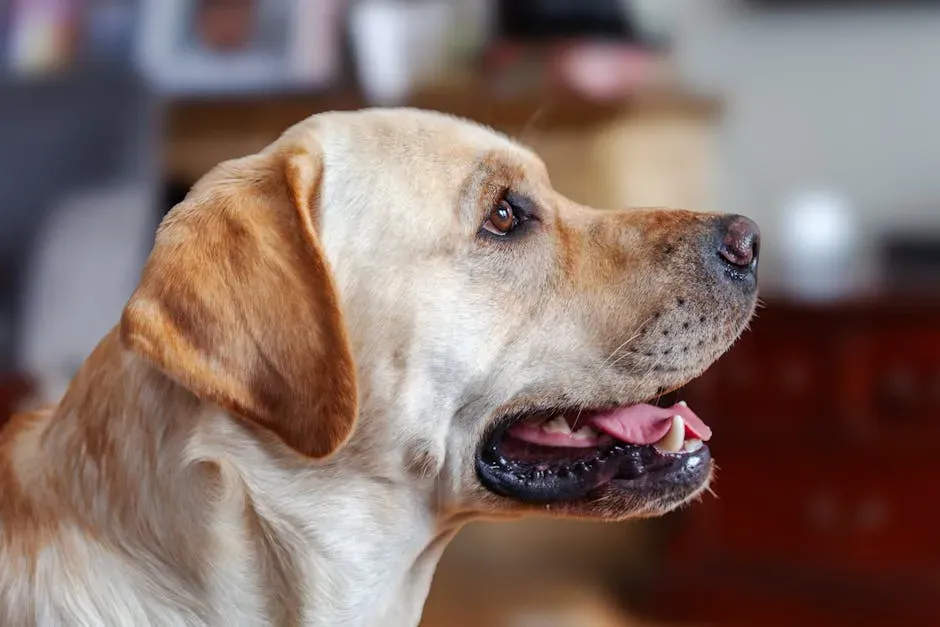
If you had to pick one breed people are convinced was “meant” to be a family dog, it’s the Labrador. They’re the default in commercials, stock photos, and adoption campaigns. Yet the original Lab was a cold-water working partner of fishermen in Newfoundland, hauling nets, retrieving fish that slipped hooks, and sometimes acting as living tow lines in rough seas. Their legendary love of water isn’t cute – it’s industrial.
Their dense double coat, otter tail, and powerful body were designed to survive tasks that could kill a weaker dog. British breeders later shifted that fishing dog into a refined gundog for waterfowl and upland birds, still demanding serious stamina and trainability. The “kid-proof family dog” angle came much later, especially once Labs began starring in guide-dog and service-dog programs. The problem is that many pet-bred Labs no longer have the structure or mental conditioning of true working lines, yet they still carry a diluted version of that relentless drive – which is exactly why suburbs are full of obese, frustrated Labradors coded for full-time jobs and reduced to occasional fetch in the backyard.
The Bottom Line
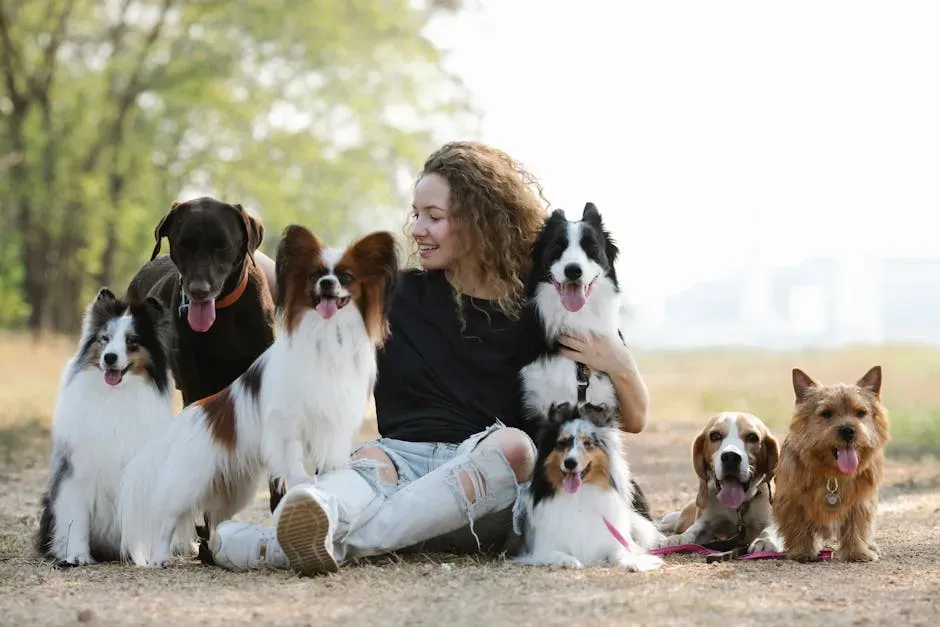
Peel back the marketing, the show-ring exaggerations, and the Instagram filters, and a blunt truth appears: most familiar dog breeds were not created for the roles we now force them into. Goldens weren’t bred for therapy work, Poodles weren’t born for the salon, Bulldogs weren’t meant to struggle for breath on a couch. They were precision tools for hunting, guarding, hauling, ritual, and performance, and those original blueprints are still running quietly under the hood of every one of them.
Here’s my honest take: a lot of what we call “behavior problems” are really job problems in disguise. We rewrote these dogs’ resumes without ever rewriting the dogs, and then acted baffled when a badger hunter destroys the couch or a herding genius loses its mind in an apartment. If that makes you look sideways at your own dog’s “quirks,” good – it should. Which breed on this list do you think got the rawest deal, and is there one whose real origin story would shock people even more than these fourteen did?