
17 Ordinary Routines That Make a Dog Trust a Household Faster Than Any Amount of Training Would
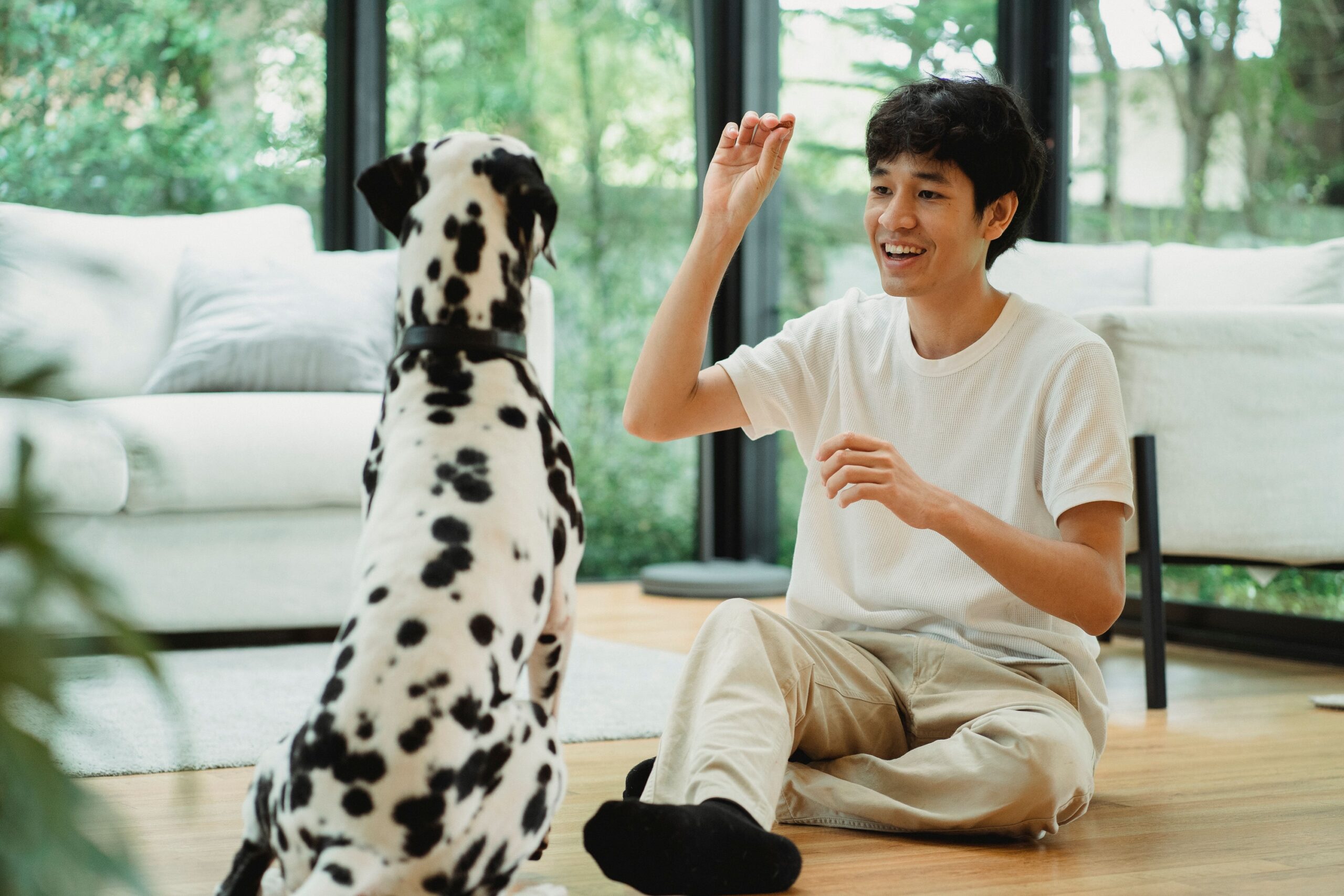
You can drill “sit,” “stay,” and “down” a thousand times, and your dog will still flinch when you reach for the leash, still freeze around strangers, still refuse to fully stretch out on the floor. That’s not a training failure. That’s a trust gap, and no amount of treats or repetition closes it on its own.
Here’s the part most owners never hear: the dogs who settle into a household the fastest usually aren’t the best-trained ones. They’re living with a handful of quiet, unglamorous habits nobody posts about online, the kind of routines so boring they barely register as “doing something.” Stick around, because #6 and #13 are the ones behaviorists say most people get backwards without ever realizing it.
#1 – The Boring Schedule That Calms a Dog’s Whole Nervous System
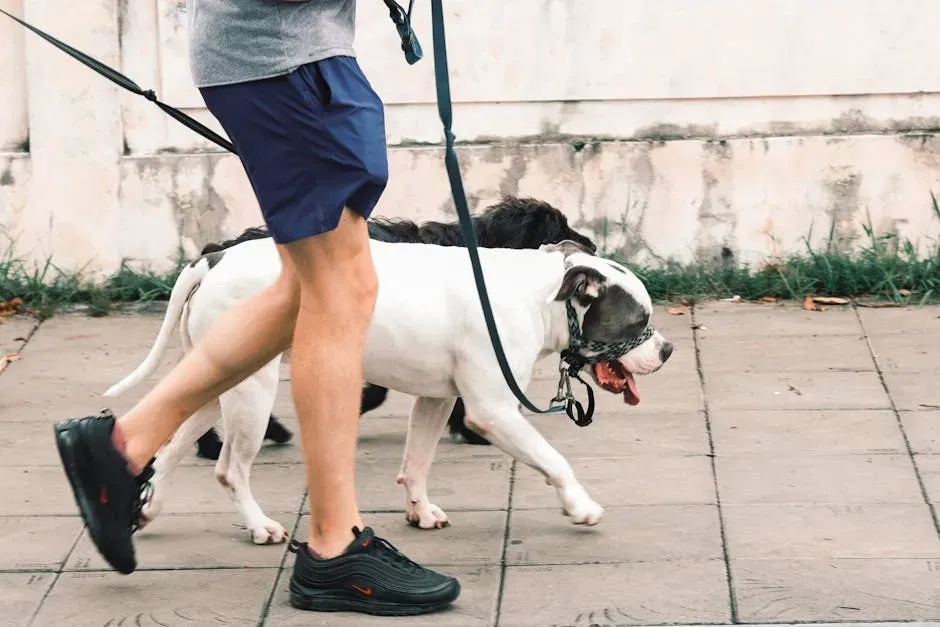
Dogs don’t need a perfect owner. They need a predictable one. A dog’s body actually settles when breakfast, walks, and bedtime land in roughly the same rhythm every day, because that rhythm is the fastest way to say “this place is stable.”
You don’t need military precision to pull this off. Aim for consistent patterns instead of exact minutes: a morning potty break around the same hour, meals inside the same windows, and quiet time that starts in a predictable range each night. For a lot of rescue dogs, this boring rhythm does more for trust than an expensive trainer ever could, because it teaches them one simple lesson: food always comes, walks always happen, and night is always calm.
Fast Facts
- Dogs read routine, not the clock – rough windows matter more than exact minutes
- Consistent feeding, walk, and bedtime patterns lower baseline stress
- Rescue dogs often respond fastest to predictable daily rhythm
- Stability signals safety long before any command does
#2 – A Home That Doesn’t Feel Like a Powder Keg
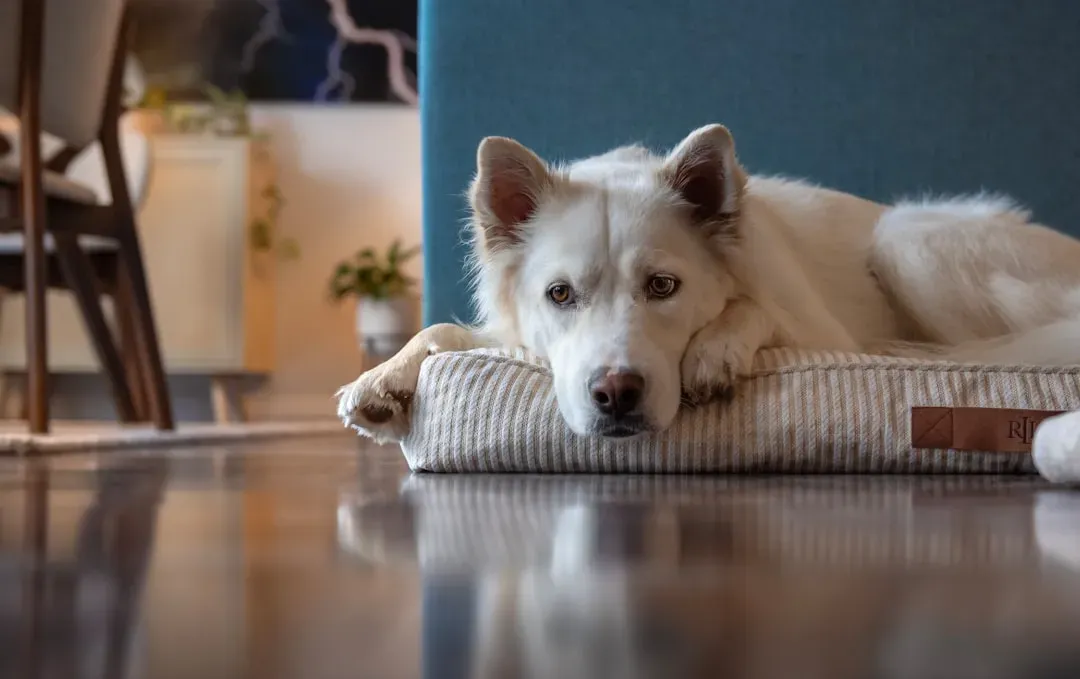
Most people underestimate how much slammed doors, raised voices at the TV, or a tense argument in the kitchen rattles a dog. Dogs are wired to track tone and energy spikes, so even if nobody ever yells directly at them, a high-conflict home feels like danger is always one second away.
You can nail every training cue in the book and still have a dog who won’t fully relax, simply because the emotional climate around them is too volatile. Dialing it down doesn’t mean going silent or faking cheerfulness. It means lowering the TV during intense scenes, moving loud arguments to another room, and keeping big emotional blowups away from the dog’s space. When the general vibe steadies out, a lot of “clingy” or reactive dogs stop scanning for threat and finally nap out in the open.
#3 – Touch That Always Lets the Dog Say No
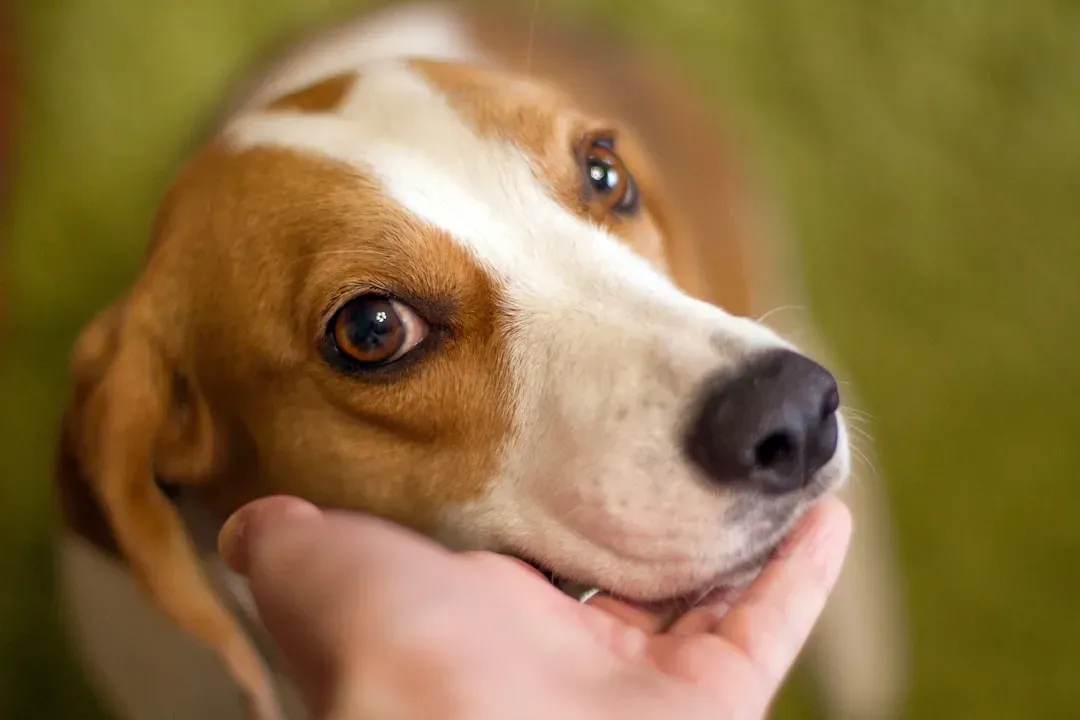
Most people assume more affection automatically means more trust, but for many dogs, especially rescues, the wrong kind of touch at the wrong moment reads as a threat. Trust builds fastest when the dog controls the interaction: you offer contact, and they get to choose whether to take it.
Reaching over a dog’s head, forcing a hug, or pushing through their hesitation can feel invasive no matter how loving your intentions are. Offer your hand low and to the side instead of over their head, pet along the chest or chin instead of patting the skull, and pause every few seconds to see if they lean in or step back. Once a dog learns you always stop the moment they say no with their body, something shifts. The dog you politely ignored at first often becomes the one who can’t stay off your lap later.
#4 – Letting the Dog Meet the World at Their Own Speed
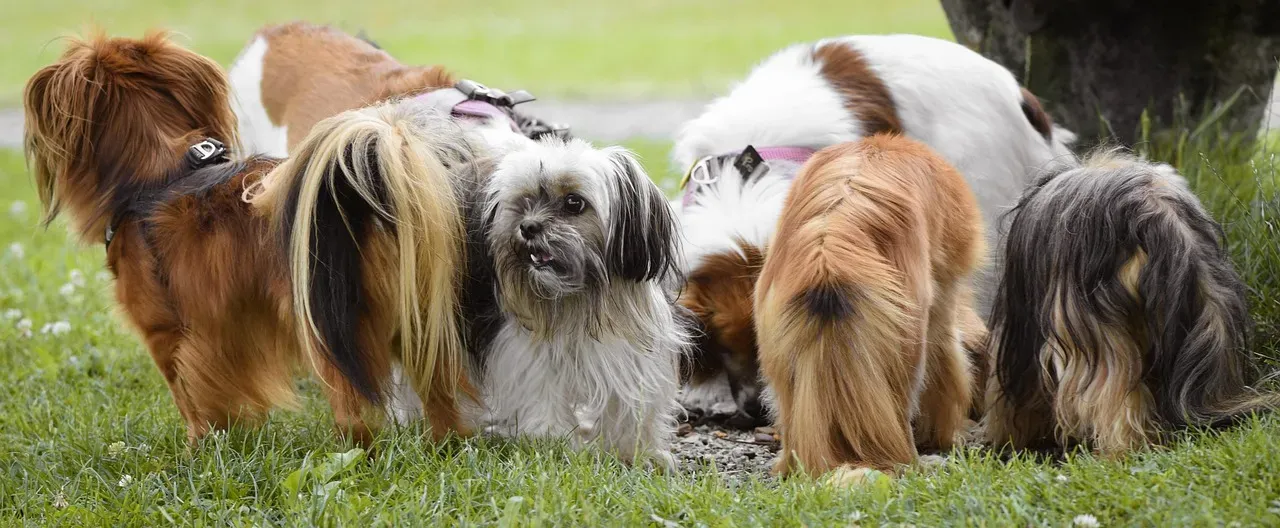
Most households rush socialization. They invite ten people over, put the dog in the middle of the crowd, and call it exposure. For a nervous or newly adopted dog, that’s not exposure, it’s an ambush.
Real trust grows when the dog sees you controlling how much of the world hits them at once. Let visitors ignore the dog at first, skip the high-pitched “Hiiii puppy!” greetings, and let the dog approach on their own terms before anyone praises or pets them. What you’re really teaching them is, “I won’t throw you into something you can’t handle.” Eventually the dog stops bracing every time the doorbell rings, and starts looking to you as the filter for stress instead of the source of it.
#5 – A Feeding Ritual So Simple It Feels Sacred
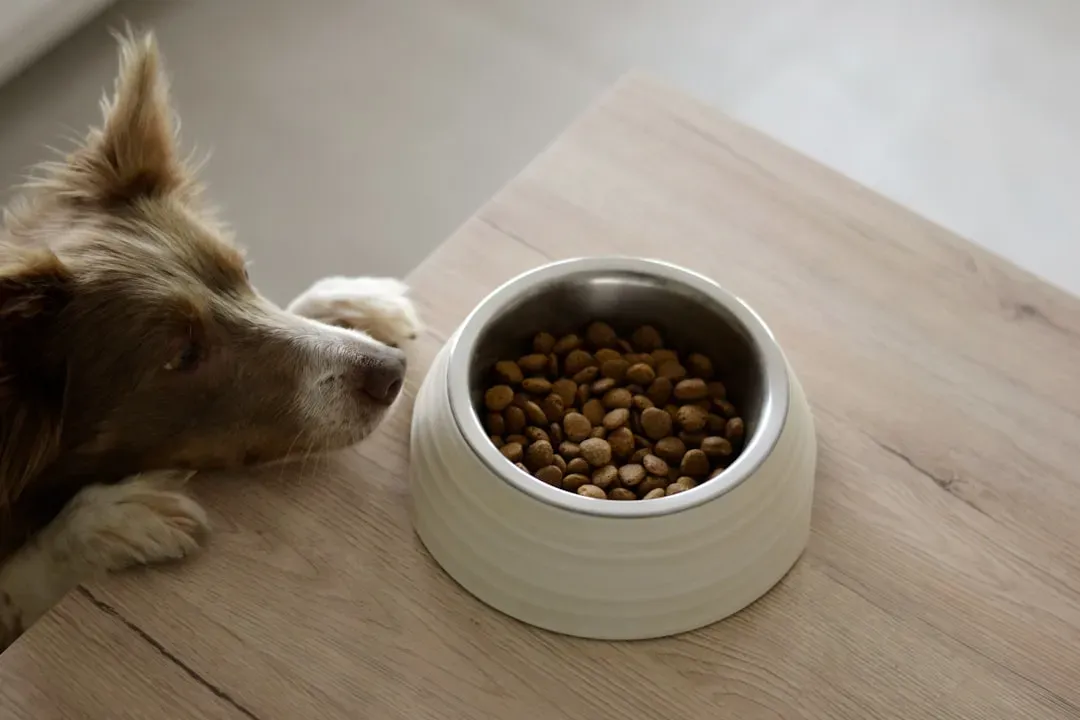
Food is survival, so how you handle mealtime is one of the loudest signals you send about safety. Dogs notice instantly if feeding is chaotic: kids grabbing bowls, people shouting, the location changing every day.
A tiny, repeated ritual around food can turn a worried dog into one who trusts their basic needs will always be met. Feed in the same quiet corner, use the same bowl and the same short phrase like “Dinner time!”, then step away so they can eat in peace. For dogs with a rough past, this is often the very first routine they relax around, because it proves nobody is going to snatch their food and your presence near the bowl is safe, not a threat.
#6 – Sniff Walks That Matter More Than a Perfect Heel
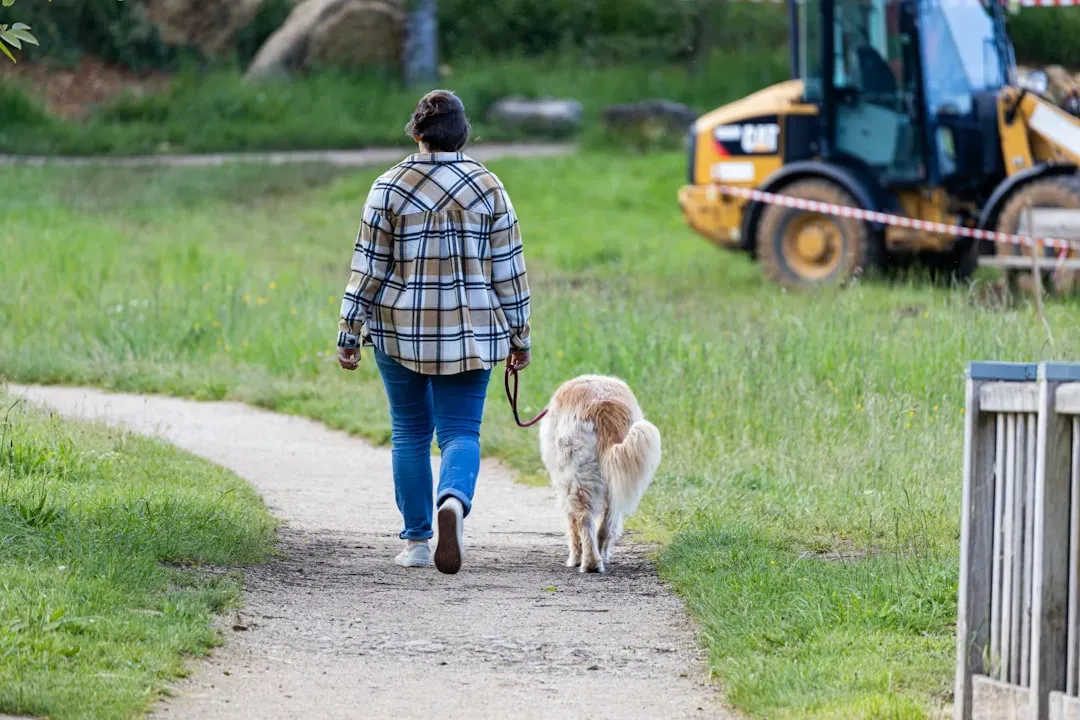
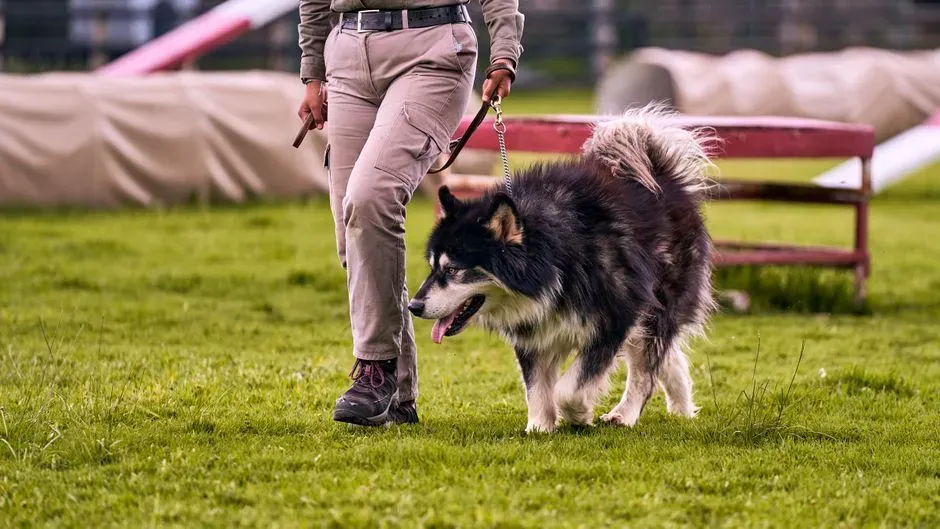
Here’s the uncomfortable part: many “model” leash walks actually make some dogs respect you more but trust you less. A dog dragged into a rigid heel with zero chance to sniff or choose direction learns that you control them, sure, but not that you care what they need.
Trust grows faster when you build in decompression walks where the only job is being a dog. Mix in some structured walks with plenty of unhurried “sniff walks,” try a long line in safe areas, and let them pick the route sometimes. When a dog realizes you consistently give them time to process smells and explore at their own pace, the relationship changes shape. You go from “the person who controls my body” to “the partner who actually listens.”
Quick Compare
- Structured heel: builds obedience, but limits choice and sensory input
- Sniff walk: builds partnership, lets the dog process the world at their own pace
- Best result: a mix of both, with sniff walks doing the heavier trust-building
#7 – Protecting Rest Like It’s Sacred Ground
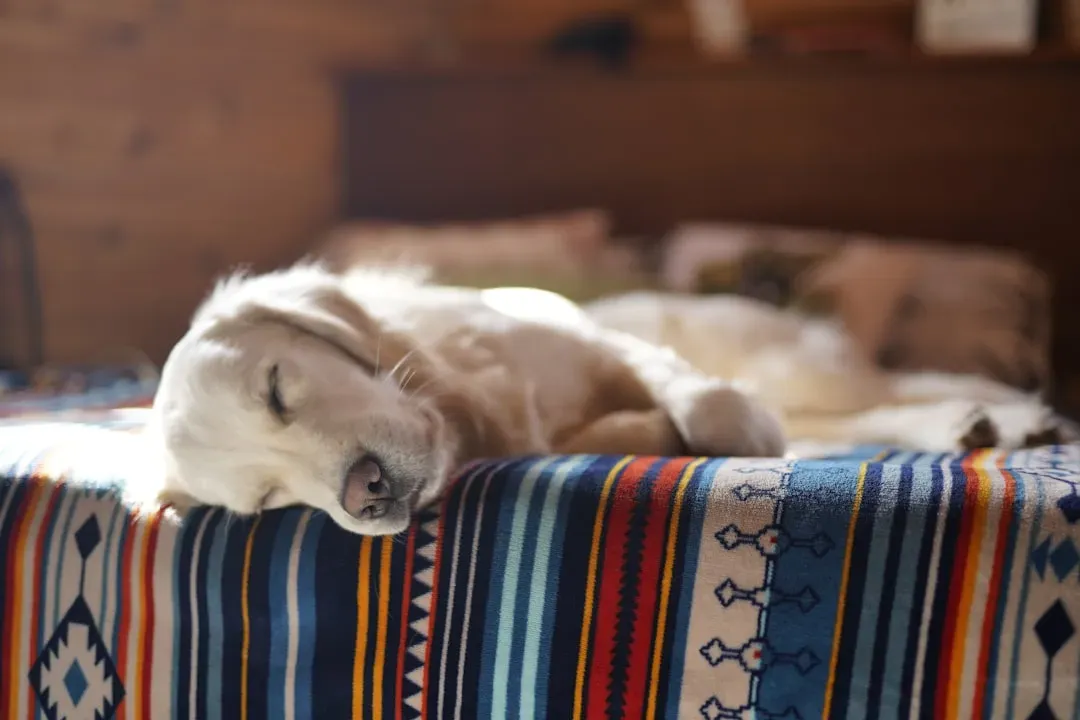
Most people say they want a relaxed dog, then constantly disturb them the second they finally lie down. Waking a dog to show them off, petting them every time they settle, or letting kids climb into their bed sends one clear message: you’re never fully safe here.
Dogs trust a household faster when their resting spot is treated like a do-not-disturb zone, whether that’s a crate, a bed, or a quiet corner nobody is allowed to poke or drag them from. Tell guests upfront the crate or bed is off-limits. When a dog can truly shut down and sleep deeply, their stress hormones finally get a chance to drop, and after a few weeks of uninterrupted naps, a lot of anxious dogs soften in ways training alone never touched.
#8 – The Voice That Never Ambushes Them
Owners obsess over the words: “sit,” “stay,” “no.” Dogs care far more about tone and consistency. A screaming “GOOD BOY!!!” can genuinely sound more alarming to a sensitive dog than a calm, low “ah-ah.”
A household where voices ping-pong between baby talk, shouting, and squeals feels unstable, especially to a dog already primed to be anxious. Keep your voice mostly moderate and low, use consistent key phrases like “all done” or “let’s go,” and avoid sudden volume spikes over small annoyances. This doesn’t mean you can never sound excited. It means your “no” always sounds roughly the same, so the dog can actually map your emotional weather instead of getting blindsided by it.
#9 – Five Undistracted Minutes That Outperform Hours Together
Most people think they’re “with” their dog for hours a day, but the dog mostly sees the back of a phone or a person rushing between tasks. What accelerates trust isn’t sheer time together, it’s small pockets of undivided attention.
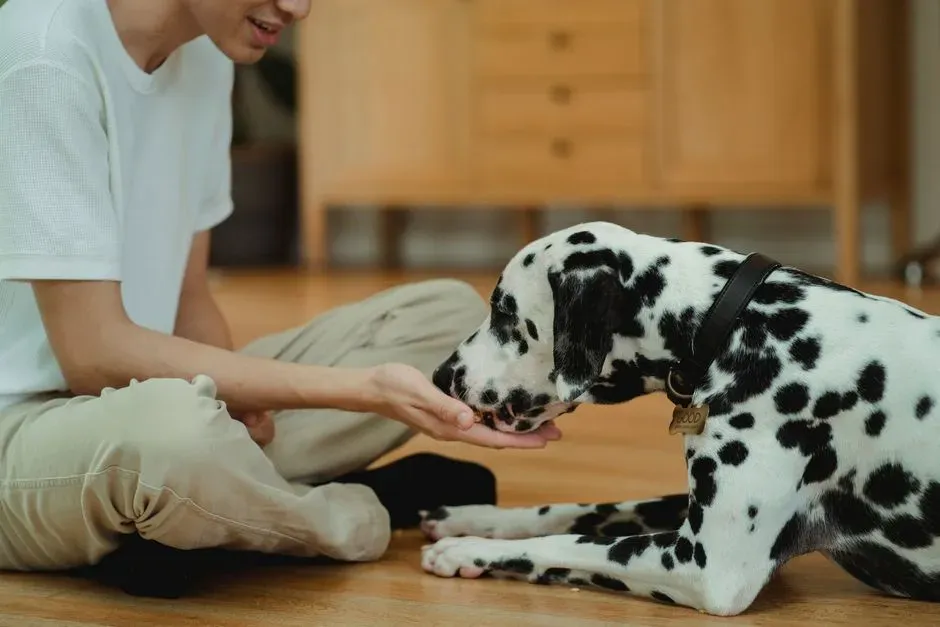
Five to ten distraction-free minutes daily can beat hours of half-present togetherness. Sit on the floor and hand-feed a portion of their kibble, brush them slowly while watching for stress signals, or play a simple “find it” game with total focus. In those minutes, the dog learns something rare: when you’re with them, you’re really with them. That’s usually when anxious dogs start offering voluntary affection, like leaning in or sighing against your leg, without being coaxed into it.
At a Glance
- 5–10 minutes of undivided attention can outweigh hours of passive togetherness
- Hand-feeding, slow brushing, and focused play all count
- Phone-free presence teaches a dog your attention is real, not occasional
- Voluntary affection often follows once this becomes routine
#10 – Rules That Never Change Depending on Your Mood
Here’s a hard truth: inconsistent rules damage trust faster than strict ones ever will. A dog allowed on the couch one day, yelled at for it the next, then invited back for movie night isn’t learning balance. They’re learning that humans are unpredictable.
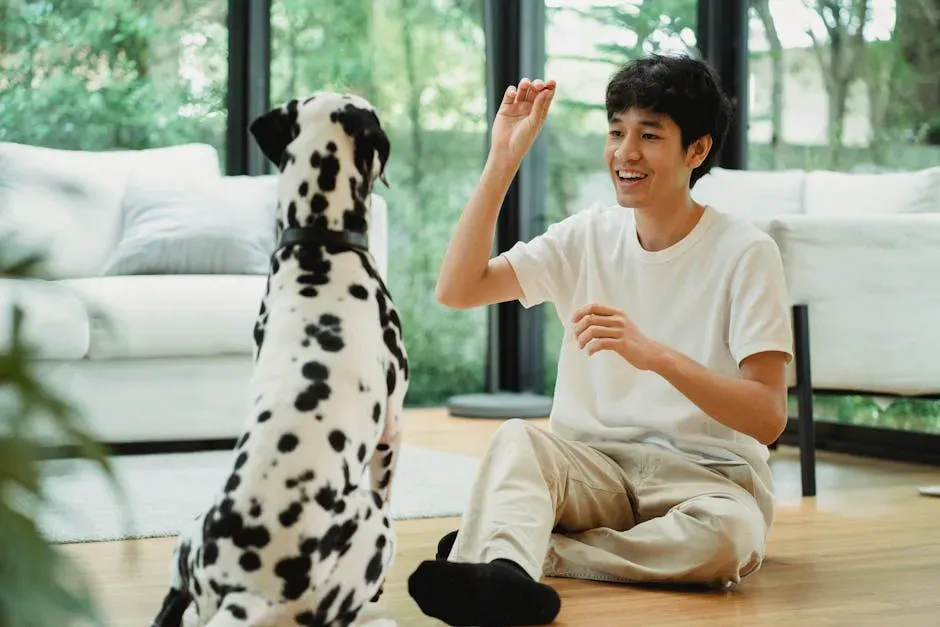
Dogs relax faster in homes where boundaries are clear, consistent, and enforced without emotional outbursts. Either the couch is allowed or it isn’t. Either begging at the table is always ignored or the dog is always sent to a mat, every single time, by every single person in the house. When consequences stop being a guessing game, a dog stops scanning for the trap, and that alone removes one of the biggest sources of household anxiety.
#11 – Teaching the Vacuum Isn’t a Monster, One Second at a Time
Vacuum cleaners, blenders, hair dryers, garbage trucks: these are horror-movie villains to a lot of dogs. Most owners either force the dog to “get used to it” or tiptoe around the fear forever, and neither approach builds trust.
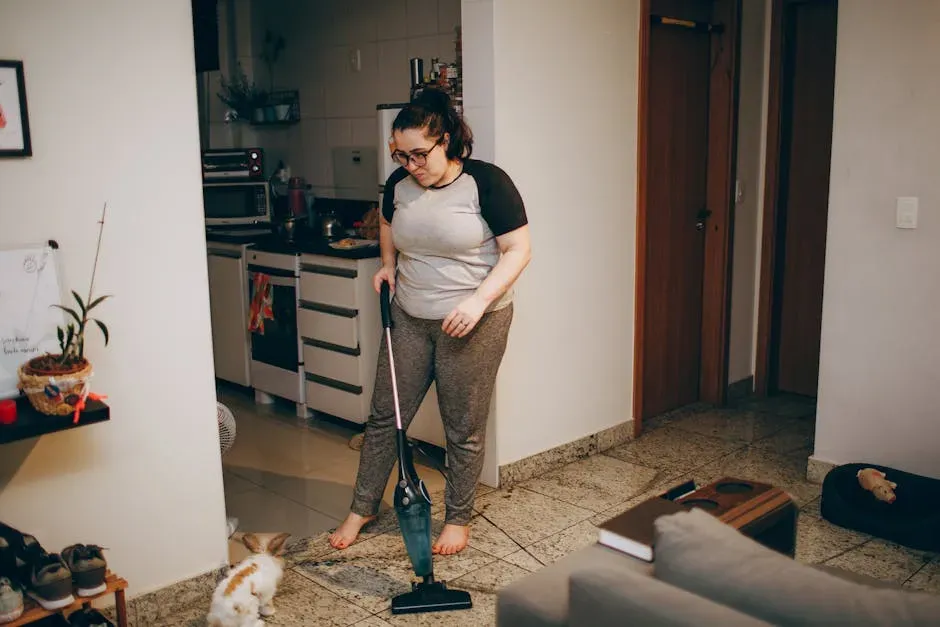
The fastest path is boringly simple: slow, structured exposure that proves you control the noise, not the other way around. Start with the vacuum off in the same room while tossing treats nearby, then turn it on for a few seconds in a distant room before it goes quiet again. Increase duration gradually while watching body language the whole time. When a dog learns that scary sounds begin and end under your calm control, they start borrowing your confidence instead of drowning in their own fear.
#12 – Skipping the Drama When You Leave and Come Home
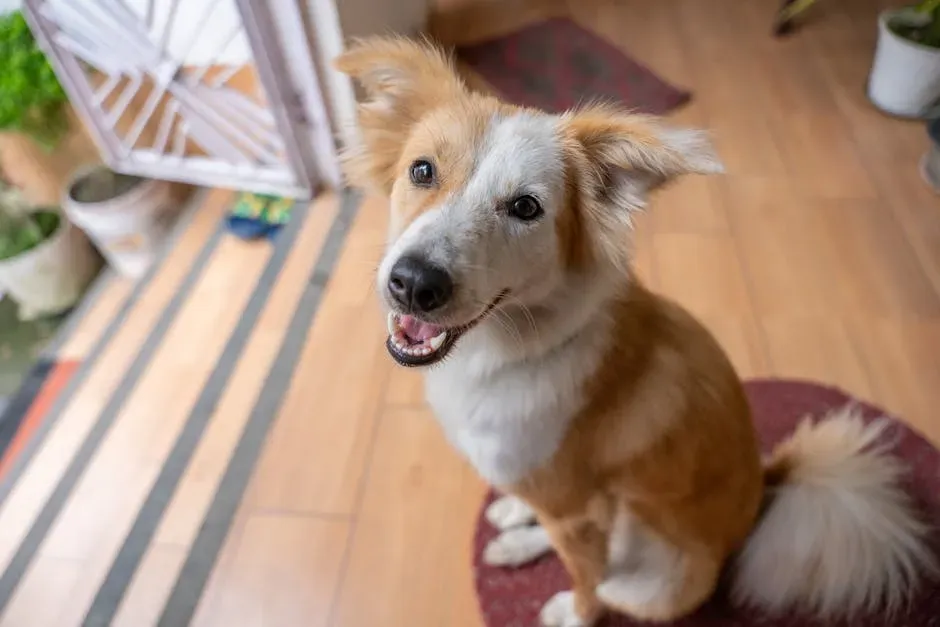
Many people turn every arrival and departure into an emotional rollercoaster: long apology speeches on the way out, wild celebrations on the way back in. To a dog, that turns every closing door into a potential crisis.
Dogs trust households faster when coming and going is short, boring, and consistent. Hand over a stuffed Kong and say the same low-key phrase before you leave, then ignore frantic jumping when you return until the dog calms down before greeting them. Skip the “Did you miss meeee?!” theatrics at the door entirely. Over time, separation anxiety often eases simply because the emotional swing shrinks, and the dog learns that doors opening and closing are just… life.
#13 – Actually Listening When a Dog Says No
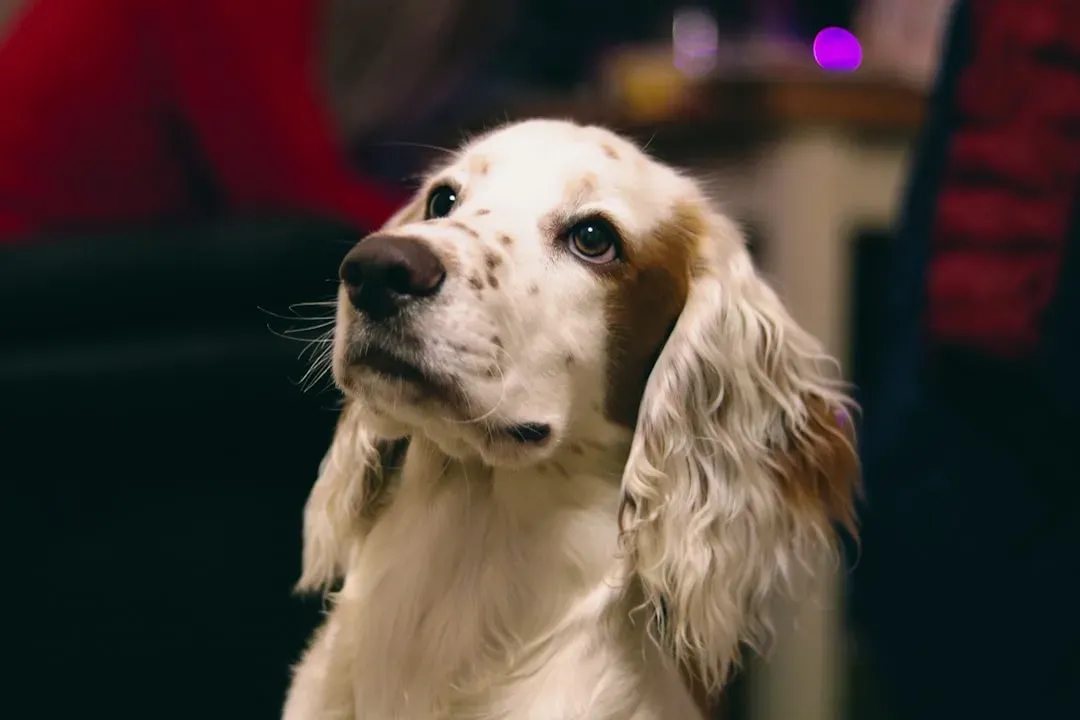
This is where a lot of owners quietly sabotage trust without noticing. The dog flinches from a stranger’s hand, balks at a hallway, or freezes before getting into the car, and the human response is to drag, force, or push through it. In dog language, that says one thing loud and clear: your signals don’t matter.
Trust skyrockets when you flip that instinct. If they back away from a stranger, you move away with them instead of pushing the interaction. If they hesitate at a doorway, you pause and let them sniff or pick a different route. You start reading lip-licking, yawning, and turning away as early stress signals instead of “stubbornness.” A dog who discovers you consistently honor their discomfort becomes noticeably braver in your presence over time, because they finally know you won’t throw them under the bus just to be polite to a stranger.
Dogs do speak, but only to those who know how to listen.
Orhan Pamuk
#14 – Sitting Around Doing Nothing, On Purpose
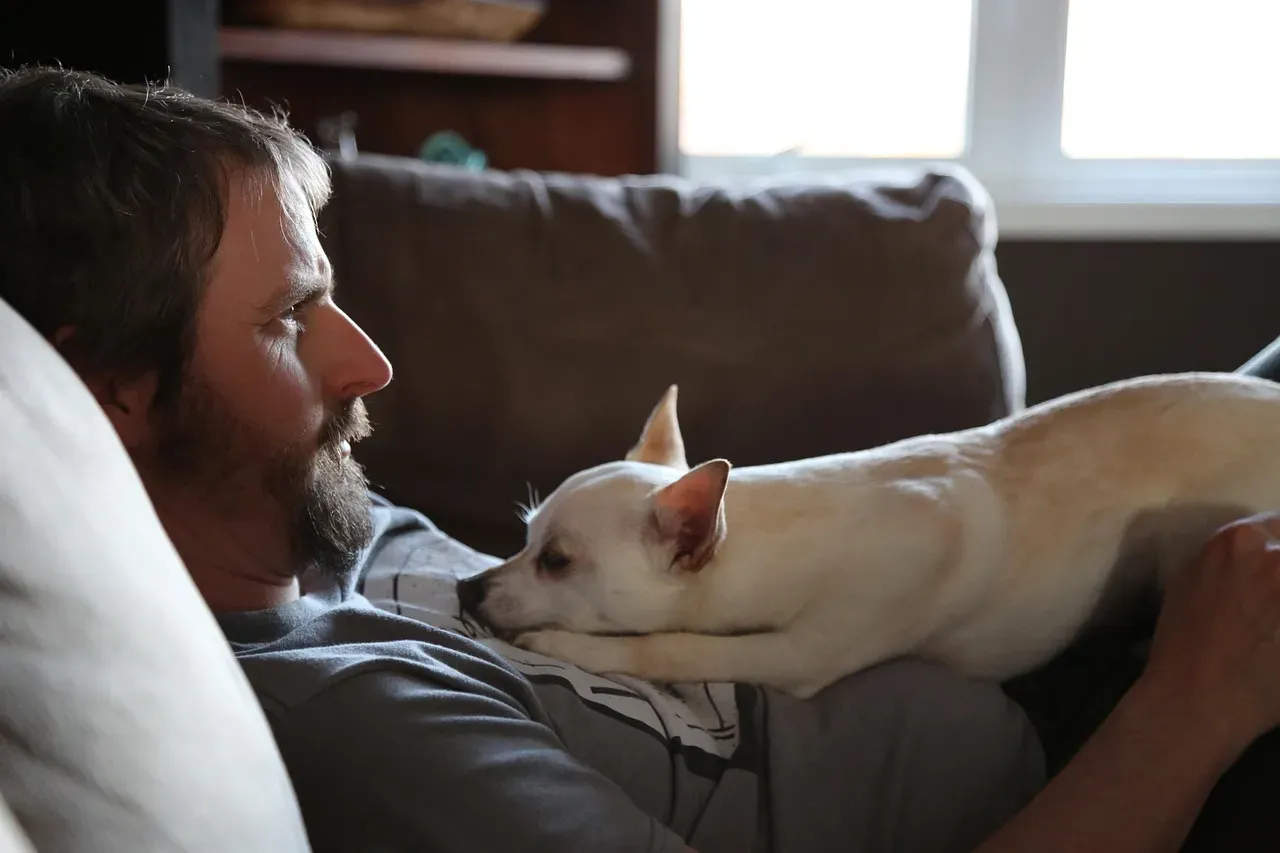
A lot of dog owners only interact with their dog during “events”: walks, feeding, play, training. The rest of the time, the dog is essentially alone in the room while humans live their human life around them.
What a lot of behaviorists quietly push instead is planned, boring togetherness, where nothing is expected of the dog except existing near you. Read on the couch while they chew on the floor beside you. Scroll your phone on the porch while they sniff the air next to your chair. No commands, no constant petting, just shared space. This low-pressure proximity teaches a dog that being near you doesn’t always mean work or excitement, and many dogs respond by inching closer and closer during these sessions, one of the clearest signs of trust earned rather than demanded.
Worth Knowing
- Shared “doing nothing” time removes pressure to perform or obey
- No commands, no constant petting – just calm proximity
- Dogs often inch closer during these sessions without being coaxed
- This is trust offered voluntarily, not trained into existence
#15 – A Nighttime Script That Never Changes

Nighttime is when a lot of dogs feel most vulnerable. The house goes dark, the humans disappear behind bedroom doors, and strange sounds start creeping in from outside. Constantly shuffling where a dog sleeps or changing their nighttime access keeps them on edge in a way daytime chaos never quite matches.
A steady evening script convinces a dog that every night ends the same safe way. Keep the last potty break around the same time, add a short wind-down with gentle petting or a chew, and use the same sleep arrangement every single night, whether that’s a crate in your room or a bed in another one. Plenty of anxious dogs relax dramatically just from being able to hear and smell their humans overnight. It’s not spoiling. It’s survival-brain reassurance, and it works.
#16 – Making Food and Play Feel Like a Promise, Not a Trap
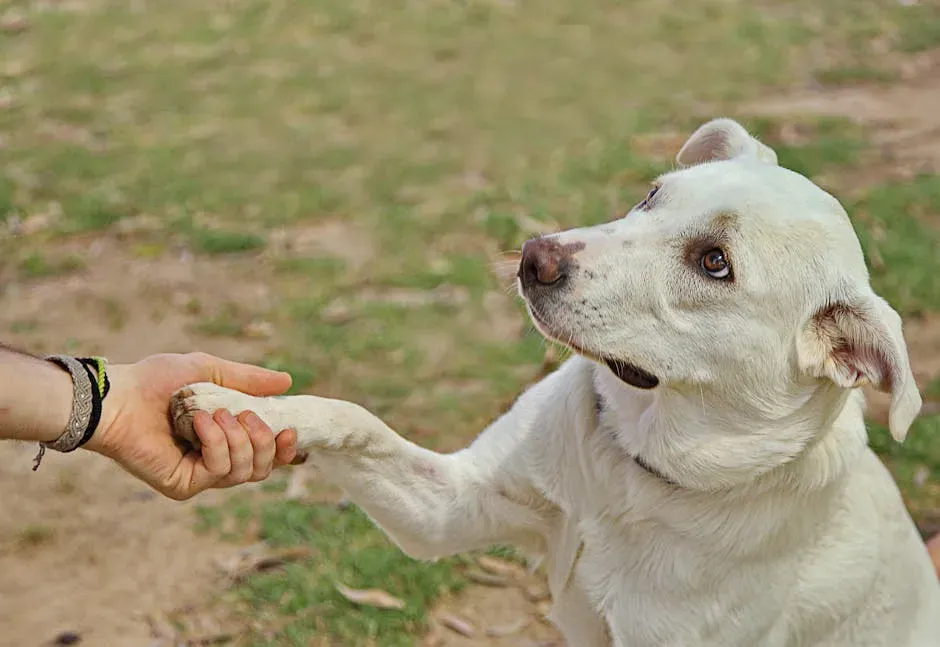
Most households treat food and toys as simple currency: do the thing, get the treat. But for dogs, how and when you hand out food and play sends a much bigger message about your reliability and fairness.
Trust deepens when these resources show up in ways that feel generous and predictable instead of manipulative. Feed a treat sometimes just because they came when called, not only for performances. End play sessions with a trade so giving up the toy always pays off, and never use food to lure a dog into something that consistently scares them, like tricking them into the bath. When good things start appearing reliably instead of being yanked away or used as bait, a dog stops bracing for the catch, and that’s where a surprising amount of deep trust quietly hides.
#17 – Repairing the Moments You Blow It
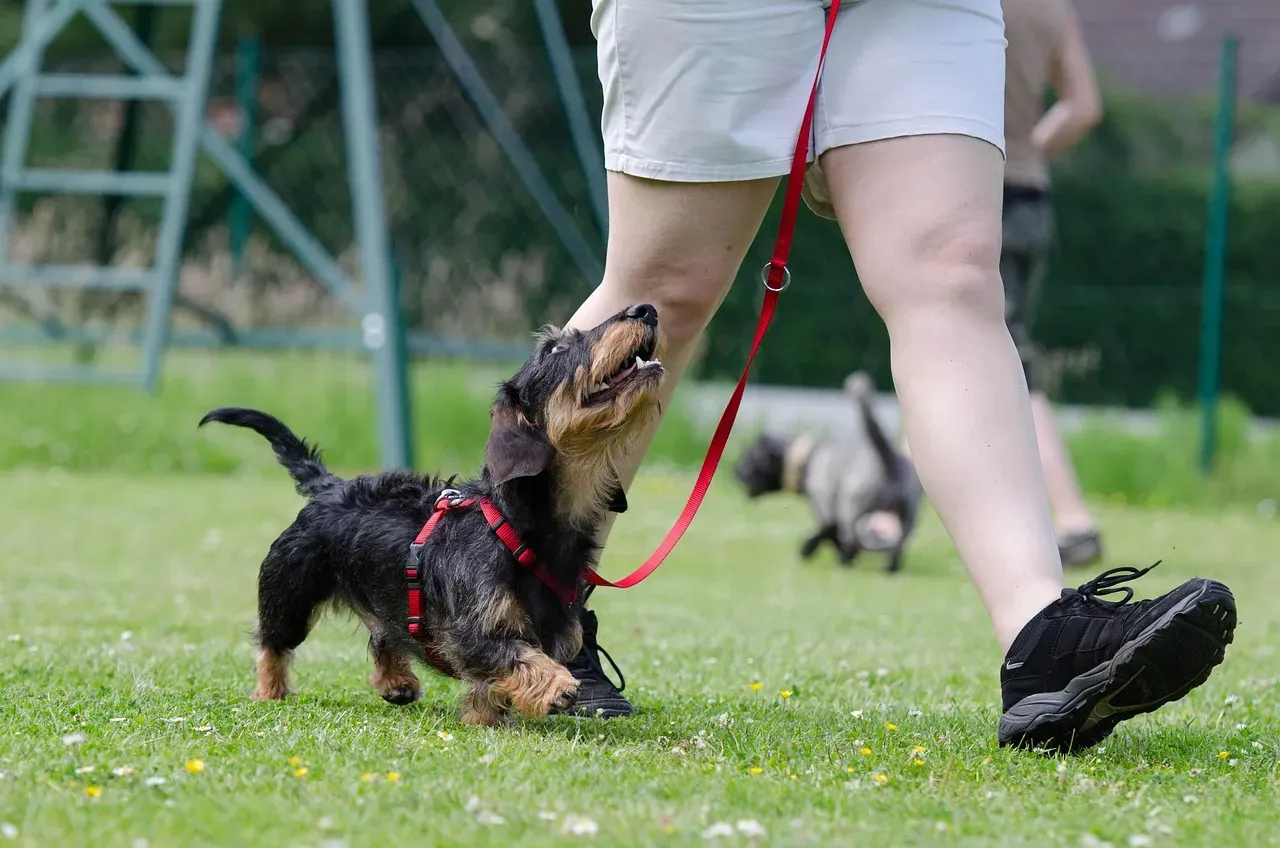
Here’s the uncomfortable truth nobody likes to admit: you will mess up. You’ll snap at your dog after a bad day, lose patience on a walk, or push them too hard around guests. The difference in a truly trusting dog isn’t that nothing bad ever happens. It’s that the humans actually repair the rupture afterward.
Repair looks like catching yourself mid-yell, softening your body, sitting down, and inviting calm contact if they want it. It looks like giving space after a too-intense moment, then offering a low-stress activity later like a sniff walk or hand-feeding. It looks like actually changing your behavior going forward, shorter sessions, fewer stressors, so the mistake doesn’t repeat itself. Over months, a dog learns you try to make it right and then actually adjust, and that turns you from “person who sometimes explodes” into “flawed but safe mammal who is on my side.” No training cue on earth competes with that.
The Bottom Line
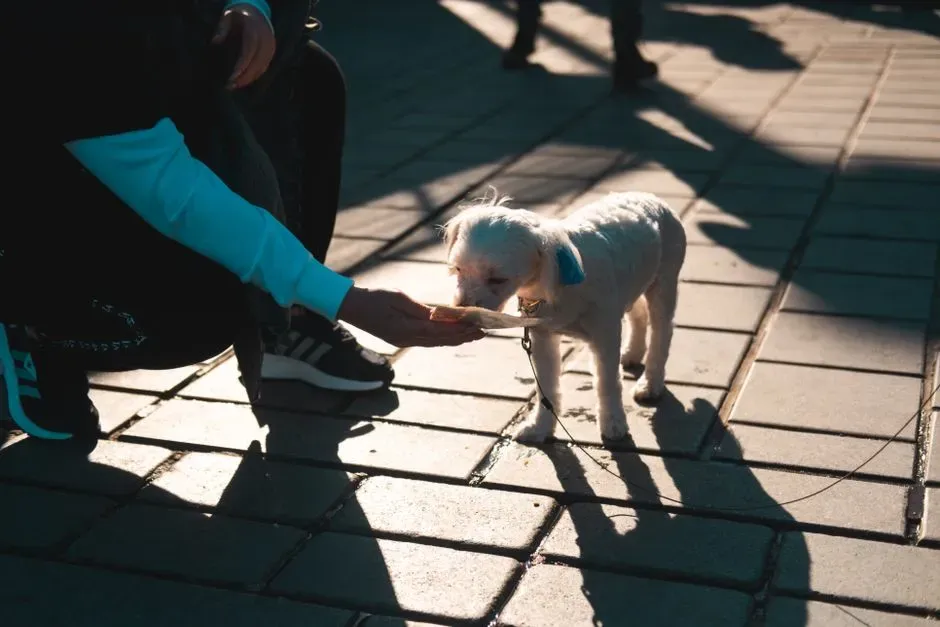
Strip away the fancy collars, the expensive trainers, and the viral “dog hacks,” and what’s left is a list of routines so ordinary they barely feel worth mentioning. That’s the whole point. Your dog’s trust is built less by what you teach on purpose and more by what you repeat without thinking about it at all.
Regular mealtimes, steady voices, rules that don’t shift with your mood, boring walks, protected rest, and honest repairs do more for a nervous brain than any flawless sit-stay ever will. I’ll say the unpopular part out loud: this was never about being the “alpha” or gaining total control. It was always about proving, day after boring day, that you’re safe to predict. Audit your habits before you audit your dog, and watch how fast the trust curve bends.