
17 Details Breeders Leave Off the Paperwork and Refuse to Discuss With Any Enquiring Buyer

You call. You ask the right-sounding questions. You get answers that sound thoughtful, warm, even reassuring. Health tested, home raised, lifetime support – it all checks out on paper.
Here’s the uncomfortable part: paperwork is a highlight reel, not a confession. The things that actually determine whether your puppy grows into a stable, healthy adult dog rarely make it into a contract or a first phone call. Below are 17 of those things – the ones breeders talk around, soften, or simply never bring up unless you know exactly what to ask.
#1 – The Real Genetic Risk Buried in the Bloodline

“The parents are health tested and clear” is the line every breeder loves to say. It sounds airtight. But genetic risk isn’t about two dogs with certificates – it’s about the whole bloodline behind them, and that part almost never gets mentioned.
A breeder can proudly list hips, eyes, and a DNA panel while quietly leaving out that three cousins in the pedigree developed epilepsy, severe allergies, or cancer before age seven. Serious breeders track which relatives died young and why, and which lines tend to produce anxiety or immune problems. Most buyers never see any of it – because once you know the family history, “excellent hips” doesn’t sound quite so reassuring.
#2 – How Much Inbreeding Is Actually Behind That “Champion Pedigree”

“Champion bloodlines” sounds exclusive. In practice, it can mean the same handful of dogs bred over and over, their names just rearranged on paper. High inbreeding quietly doubles up bad genes even inside a pedigree that looks impressive on a wall.
Almost no buyer has ever heard of a coefficient of inbreeding, let alone asked to see one before a litter is planned. Ask about it directly and you’ll usually get deflection – “all lines are related” or “this is standard for the breed.” Technically true. Still not the answer that protects your future dog.
Fast Facts
- Where possible, breeders should produce puppies with an inbreeding coefficient which is at, or below, the breed average, and ideally as low as possible, not just “low” in isolation.
- A recent study carried out by Imperial College showed breed averages for the 10 breeds studied of around 4%, with many dogs in the database showing COIs over 25% – roughly the same relatedness as a mother-son mating.
- The inbreeding coefficient is a measurement of risk and does not guarantee that puppies produced will, or will not, have any inherited health conditions – it’s not a substitute for DNA testing.
#3 – The Temperament Red Flags Getting Rebranded as “Quirks”

No contract ever says “the dam is fearful of strangers” or “the sire can be snappy.” Instead you get softer words – reserved, aloof, takes time to warm up. Those phrases can be doing a lot of heavy lifting.
Some breeders keep anxious dogs in quiet, low-stress settings so you never see them tested. If a parent won’t approach calmly, startles easily, or stays tightly leashed “just in case,” that’s real data – more reliable than any “good with kids” line on a website. Families who miss this often end up living with fear aggression that was predictable from day one.
#4 – How Hard That Dam Has Really Been Worked

You’ll see the dam’s name, maybe her age, maybe a title. What you almost never see spelled out is how many litters she’s already had and how close together they came.
Ethical breeders give females real recovery time between litters. Others treat a fertile dog like a production line – back-to-back heats, litter after litter, no real rest. “My vet cleared her” is a common line. “This is her fifth litter in a row” is not one you’ll find in writing, even though it directly affects pregnancy health, milk quality, and how sturdy the puppies turn out.
Worth Knowing
- Kennel Club guidance normally allows a bitch to produce a litter a maximum of four times in her lifetime, not before 12 months of age and not after age 8, and no more than one litter in a 12-month period.
- Any exception to that spacing is supposed to come only after a vet is consulted – not just a breeder’s own judgment call.
- In the United States there’s no legal cap on the number of litters a dog can have; organizations like the AKC and UKC only set voluntary guidelines, which means enforcement depends entirely on the breeder’s conscience.
#5 – The Early Deaths and Quiet Rehomings From Past Litters

Ask how previous puppies are doing and the answer is almost always “everyone loves them.” That’s rarely the whole picture. What doesn’t make it onto paper are the dogs quietly surrendered to rescue, rehomed twice, or gone before their tenth birthday.
Some breeders genuinely don’t track outcomes. Others do, and just post the agility champion instead of the dog with a bite history. Any line can produce problems – that’s normal. What separates honest breeders is whether they’ll actually say so and explain what they changed because of it.
#6 – What Puppy “Socialization” Actually Looks Like Behind the Camera

The photos are adorable: puppies in a basket, on a clean blanket, posed with a smiling kid. What you don’t see is how those puppies live the other 23 hours of the day. “Raised in the home” can mean full daily integration – or a side room the family walks through twice a day.
Real socialization means structured exposure to noise, surfaces, handling, and new people, not a single photo op. Some breeders run genuine early-experience programs; others barely touch the pups until vaccine day. The gap shows up later, in adult dogs that are either confident and adaptable or jumpy and stressed by ordinary life.
#7 – The Daily-Life Reality That Never Makes the Sales Pitch

Loyal, smart, family-friendly – that’s the version breeders lead with. What quietly disappears is the day-to-day reality that actually breaks homes: high-drive herding dogs that dismantle a house out of boredom, guardian breeds that don’t welcome a stream of visitors, toy breeds that scream the house down when left alone.
“Needs regular exercise” often really means will unravel without a serious job. “Protective of family” can mean won’t tolerate strangers, period. The best breeders will bluntly tell you this breed isn’t right for your life and turn down the sale. The worst just want the deposit to clear.
#8 – The Hours Puppies Actually Spend Alone

Nobody wants to admit puppies spend most of the day crated in a back room, so the language shifts to “constant supervision” and “raised in our home.” What almost never gets spelled out is the actual number of hours those pups spend alone and unstimulated.
Short, positive alone time paired with rich stimulation builds a dog that copes well later. Puppies left isolated for long stretches often grow into anxious, noise-sensitive adults – and puppies who are never once left alone can struggle badly the first time they are. You won’t find this in writing. Your dog’s nerves, years later, will tell you the truth instead.
#9 – What the Kennel Looks Like When No One’s Visiting
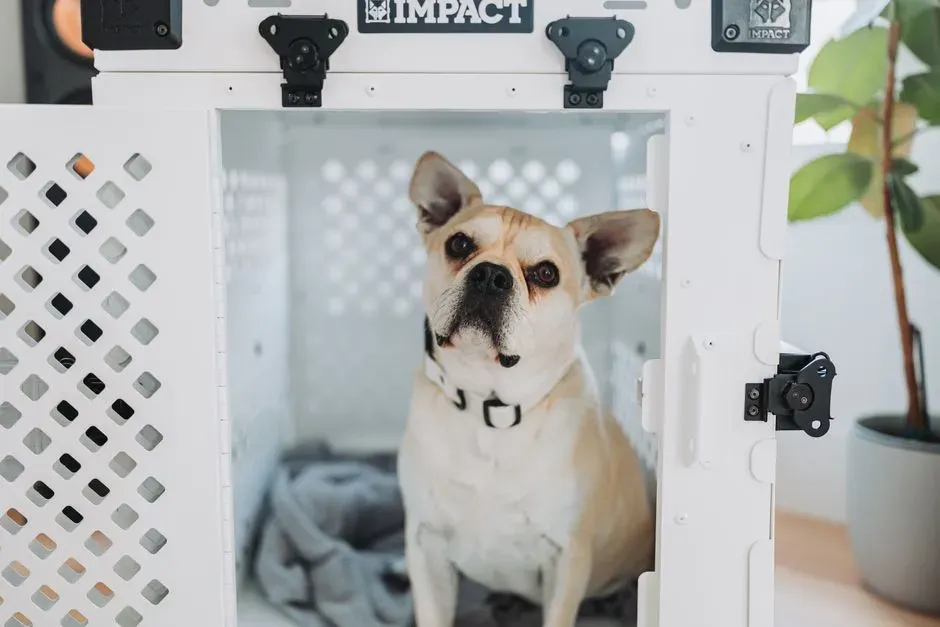
Every visit shows you the good stuff – a spotless whelping box, a tidy yard, a nice living room. What you almost never see is where the adult dogs live at 10 p.m. on a random Tuesday, or what things look like after a week of rain.
Some breeders keep dogs in separate buildings out of guest earshot, or in runs that photograph fine but feel crowded in person. A puppy pen can be staged. Years of stress in adult dogs cannot. Truly transparent breeders welcome unannounced visits – if the answer is “we don’t allow that,” ask yourself why.
Quick Compare
- Transparent breeder: welcomes drop-in visits and shows you the adults’ everyday living space, not just the staged puppy pen.
- Guarded breeder: insists on “by appointment only” and keeps adult dogs out of sight during your tour.
- Transparent breeder: answers direct questions about kennel conditions without getting defensive.
- Guarded breeder: changes the subject or gets irritated when you ask where the dogs actually sleep at night.
#10 – The Lifetime Costs They Know Will Scare You Off
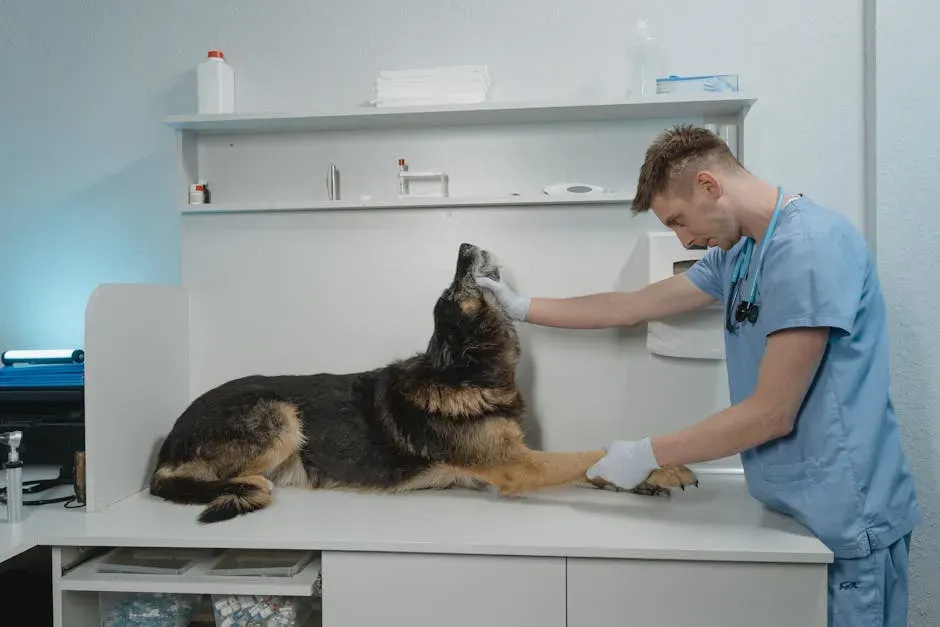
Contracts mention “owner responsible for vet costs,” but almost nobody spells out what that means for this specific breed and line. Experienced breeders know big dogs eat like small horses, certain lines are dental disasters, and some carry allergies that mean years of expensive treatment.
Say “budget $200 a month minimum” or “this line tends toward skin issues by middle age,” and a lot of buyers walk. So the answer stays vague: “every dog is different, just be prepared.” True and useless in equal measure – and exactly how a lot of buyers get financially blindsided later.
#11 – Which Contract Clauses They’ll Actually Enforce

Breeder contracts look official – spay/neuter clauses, return policies, health guarantees. What nobody tells you upfront is which parts are real and which exist mostly for optics.
“Must return the dog if you can’t keep it” sounds reassuring, until that call comes and nobody answers. “Health guarantee” can quietly require an expensive specialist diagnosis, or surrendering the dog just to qualify for anything. Ethical breeders tend to have simpler contracts and a track record of actually honoring them – you just won’t know the difference until something goes wrong.
#12 – The Behavioral Issues That Surface After the Puppy Phase

At eight weeks, nearly every puppy is adorable and easygoing. What breeders rarely discuss is what tends to show up between six and twenty-four months, especially in intense or guarding breeds – resource guarding, same-sex aggression, reactivity, nervousness with strangers.
Ask directly about dog-dog aggression or anxiety in the line and “no more than any other breed” is a common dodge. Some breeders know exactly which behaviors their lines produce and quietly reframe them as training failures instead. Owners end up blindsided by something that was, honestly, predictable.
#13 – How Many Dogs They Really Own, Co-Own, or Control

The website looks cozy – a couple of boys, a couple of girls, a small family program. Behind the scenes, some breeders run complex co-own networks with access to far more dogs than they’ll admit: females kept in guardian homes and bred the moment they’re eligible, stud dogs scattered across the country and used heavily.
Nobody says out loud, “I have reproductive control over ten-plus dogs.” That’s a large-scale operation wearing a small-program costume. Co-owning isn’t inherently wrong – but buyers deserve to know when “tiny and intimate” is actually a marketing choice, not a fact.
#14 – The Dogs That Quietly Disappear From Their Website
Scroll back far enough on some breeder pages and you’ll notice dogs once celebrated as “foundation stock” have simply vanished. No explanation, no retirement post – just gone.
Those missing dogs often carry the real story: chronic health issues, serious temperament problems, structural faults that showed up with age. Honest programs will tell you exactly why a dog was retired. When the history gets scrubbed instead, you’re not looking at a perfect kennel – you’re looking at an edited one.
#15 – Their Real Screening Standards, Not the Facebook Performance

“We carefully screen every home” is a common line, plastered across social posts about denying applications. In reality, for some breeders the only screening question is whether you have the money and can pick up on time.
“I don’t do a long questionnaire, I prefer to chat” can just mean a five-minute call and a deposit request. Ethical breeders actually say no – “this isn’t the right breed for you” – even when it costs them a sale. If every single applicant is somehow a perfect match, something is off.
At a Glance
- Real screening includes questions about your daily schedule, fencing, other pets, and past pet history – not just your ability to pay.
- Genuine breeders sometimes say no, even to buyers with cash in hand, because the match isn’t right.
- A rushed “just send the deposit” conversation after one quick call is a red flag, not a sign of trust.
- Waitlists, home checks, and reference calls take time – if everything happens in a single day, ask why.
#16 – How Fast “Lifetime Support” Turns Into Silence

“Lifetime support” sounds like a safety net. In practice, for some breeders it means a couple of friendly replies in week one, then nothing when things get complicated.
Many are warm and responsive right up until there’s a bite, a chronic diagnosis, or a contract dispute – then suddenly they’re too busy, or the blame shifts to your vet, your trainer, or you. The best breeders stay engaged for the dog’s whole life. The worst treat post-sale contact as a threat to their reputation.
#17 – The Dog They’d Actually Choose for Their Own Family

Here’s the question that gets the most honest silence: “Which puppy would you keep if you had young kids and a full-time job?” That hesitation is information. Breeders know exactly which lines are sharper, more fragile, or more “too much” for an average home – and those are often the ones that sell fastest because they look impressive.
Insiders know which studs get used only for show or performance homes, and which lines they’d never place with a first-time owner no matter how nice that person seems. Almost none of this makes it onto paper, because admitting it means turning deposits away. It’s also exactly the honesty that separates a real steward of the breed from someone just producing puppies.
The Bottom Line
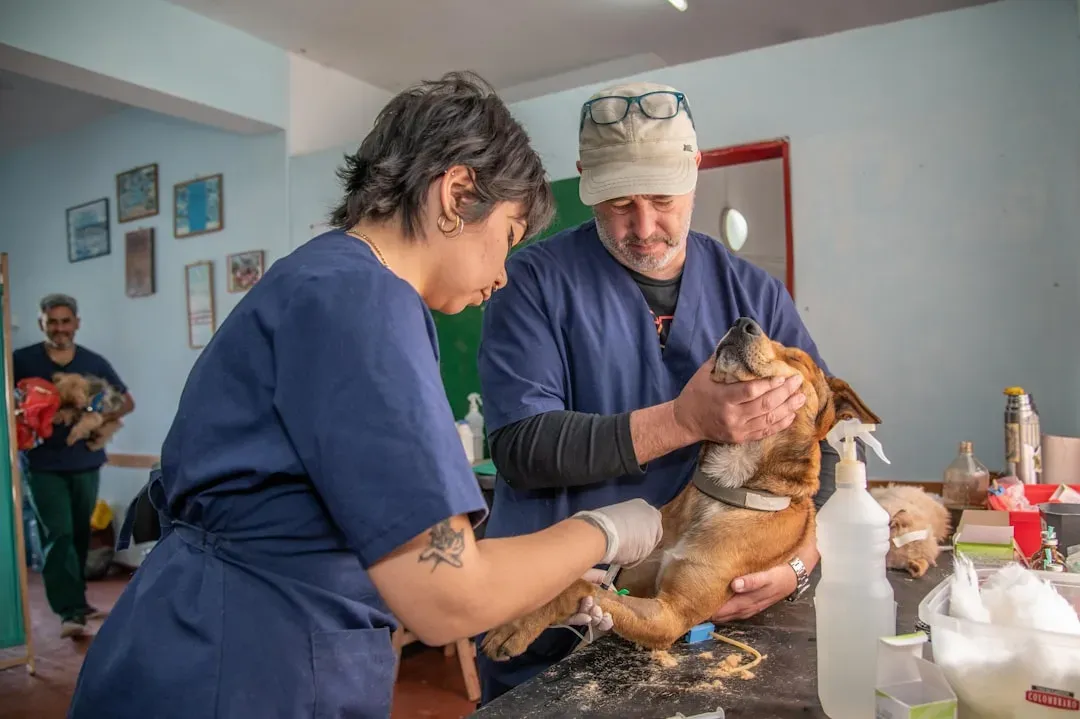
Strip away the polished photos and the “health tested” buzzwords, and you’re left with something uncomfortable: most of what actually matters for your dog’s health and behavior is exactly what many breeders would rather not discuss unless you push.
I don’t think this makes every breeder a villain. But I do think buyers have been trained to accept vague reassurance instead of specific answers, and breeders know it. Ethical ones won’t flinch when you ask about inbreeding coefficients, litter history, or what happened to a dog that vanished from their site. Defensive ones will get cagey, vague, or annoyed – and that reaction tells you more than any contract ever will.
So which of these seventeen would make you walk away the fastest?