
14 Moments a Dog Stores From an Ordinary Day Which Owners Never Realise Are Being Recorded at All
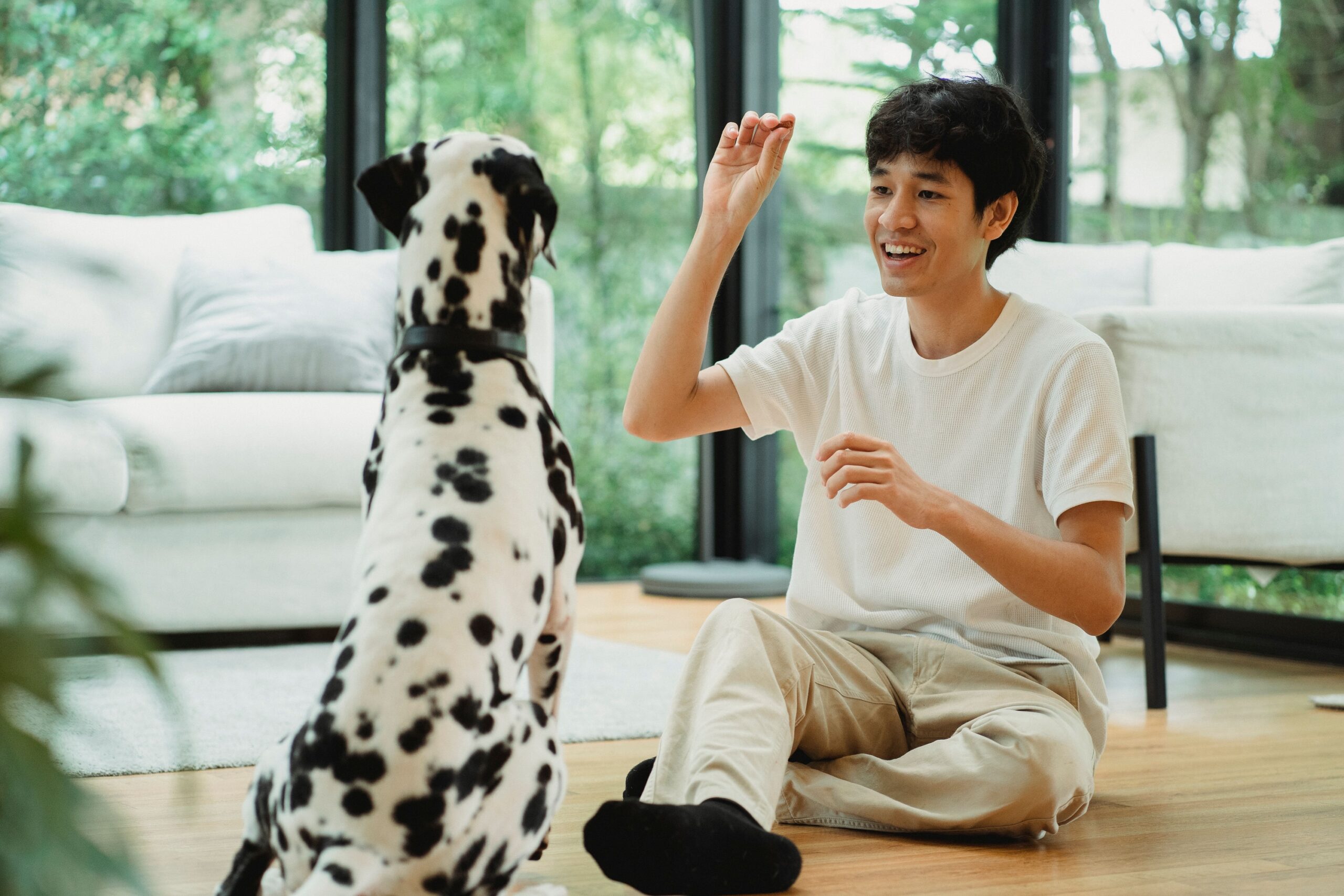
You probably think your dog forgot about breakfast the second the bowl hit the floor. Cute theory. Completely wrong.
Neuroscience and behavior research paint a very different picture: dogs form short, vivid mental snapshots of their day, tied tightly to emotion, smell, and routine. You’ll forget half of what happened by tonight. Your dog will still be filing it away with unsettling precision.
Here’s the part that gets under your skin, though. The moments they store aren’t the big ones you’d post online – the hikes, the birthday hats, the beach trips. They’re the throwaway seconds you never even clocked as “moments” at all. Below are the 14 ordinary scenes your dog is quietly recording while you’re busy scrolling past them.
#1 – The Exact Sound Of You Waking Up
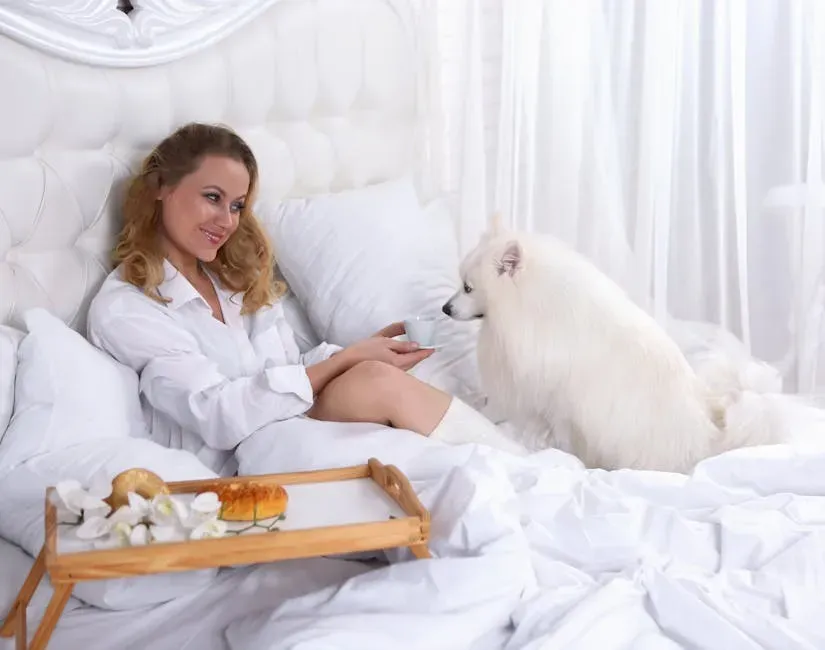
Your dog isn’t just waiting for your alarm. They’re memorizing the whole pre-wake ritual – the faint buzz of your phone, the way you sigh, the fabric sound when you flip the blanket back. These are cues your dog stores so they can predict exactly what happens next.
Dogs are pattern freaks. Over time they build a mental “morning script”: phone, then bathroom, then door, then food. That’s why they appear out of nowhere the second your feet hit the floor. And this script is deeply emotional for them, because morning is when the pack structure gets reaffirmed – you’re up, you’re moving, the day is safe. If your wake-up routine suddenly changes, many dogs show real stress behaviors: pacing, whining, shadowing you more closely, because their internal recording no longer matches the live scene.
#2 – The Smell Of Your Mood Before You Say A Word
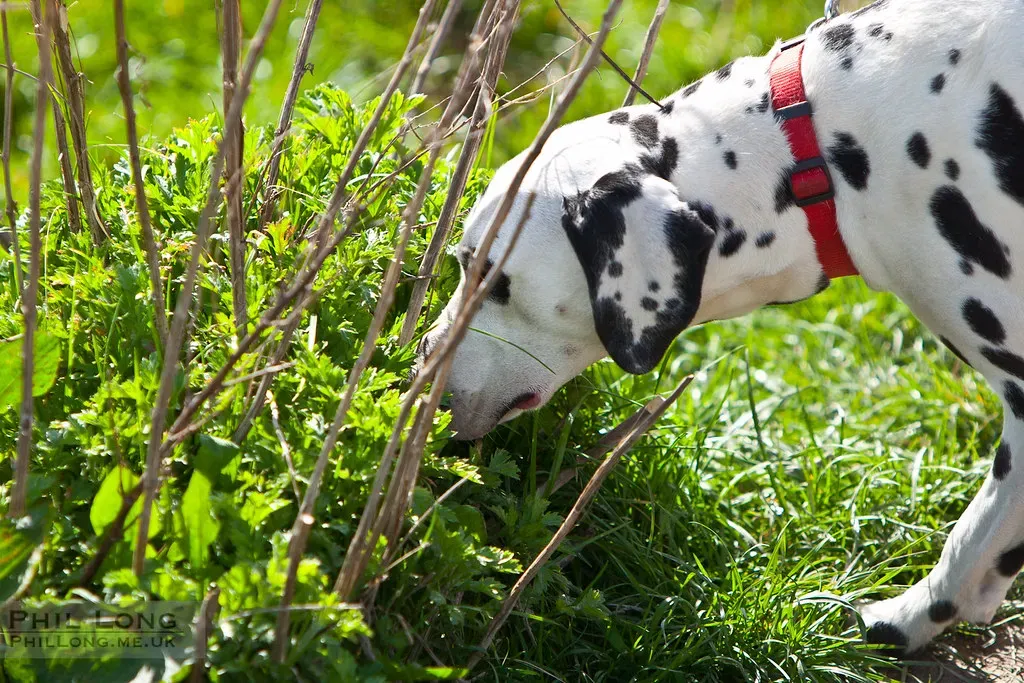
People assume dogs “just know” when we’re upset because they’re intuitive. The less romantic truth is even more impressive: they’re logging chemical and body-language changes long before you speak a word. When you wake up stressed, you breathe differently, move differently, and your sweat chemistry shifts.
Dogs can detect changes in human scent tied to stress, and even blood sugar, at astonishingly small concentrations. They quietly file those signals next to whatever usually happens afterward, building an emotional database: this smell plus this posture equals a good day; that smell plus that heavy walk means stay close, stay quiet. So on the mornings you drag yourself to the kitchen and your dog goes soft and careful with you, that’s not random empathy. That’s memory doing its job.
Fast Facts
- A dog’s nose is estimated to be tens of thousands of times more sensitive than a human’s.
- Dogs can have up to 300 million scent receptors, compared to roughly 5-6 million in humans.
- Some dogs can be trained to alert owners to drops in blood sugar by scent alone.
- Human stress can measurably change sweat and breath chemistry within minutes.
#3 – The Micro-Moment You Leave For Work
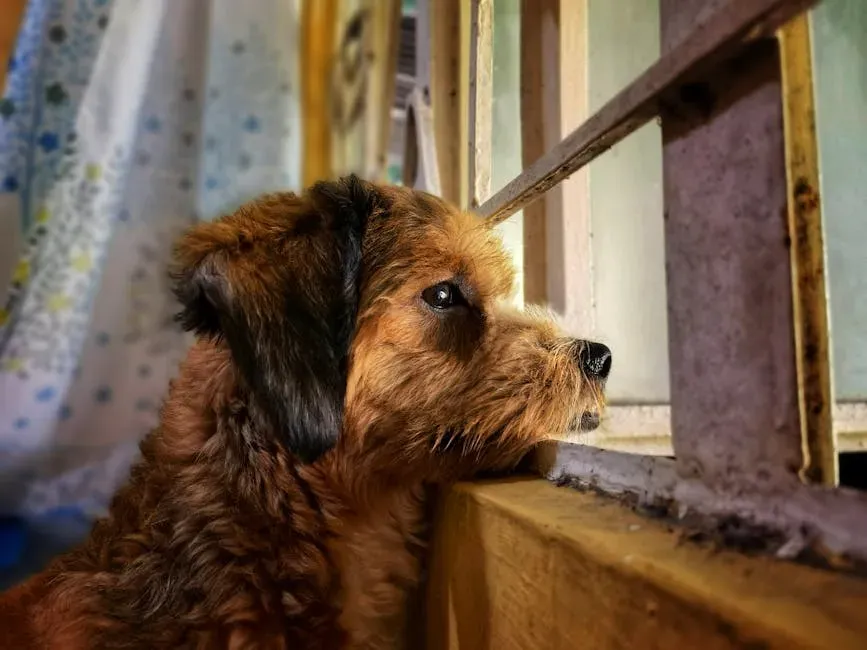
Most owners think the big emotional moment is the door slam. For your dog, it happens 10 to 60 seconds earlier, during the unconscious “leaving ritual.” Picking up keys, grabbing a certain bag, closing a laptop – dogs record this cluster like a trailer for the loneliness that’s about to start.
Studies on separation anxiety show dogs react physiologically – heart rate, cortisol – the moment these cues appear, not when the actual separation begins. And they categorize the cues ruthlessly. There’s a massive difference between “keys plus gym bag” and “keys plus suitcase.” Many dogs show visibly higher distress at the sight of luggage, because past recordings have taught them this absence lasts days, not hours.
#4 – The Way The House Feels When It’s Empty
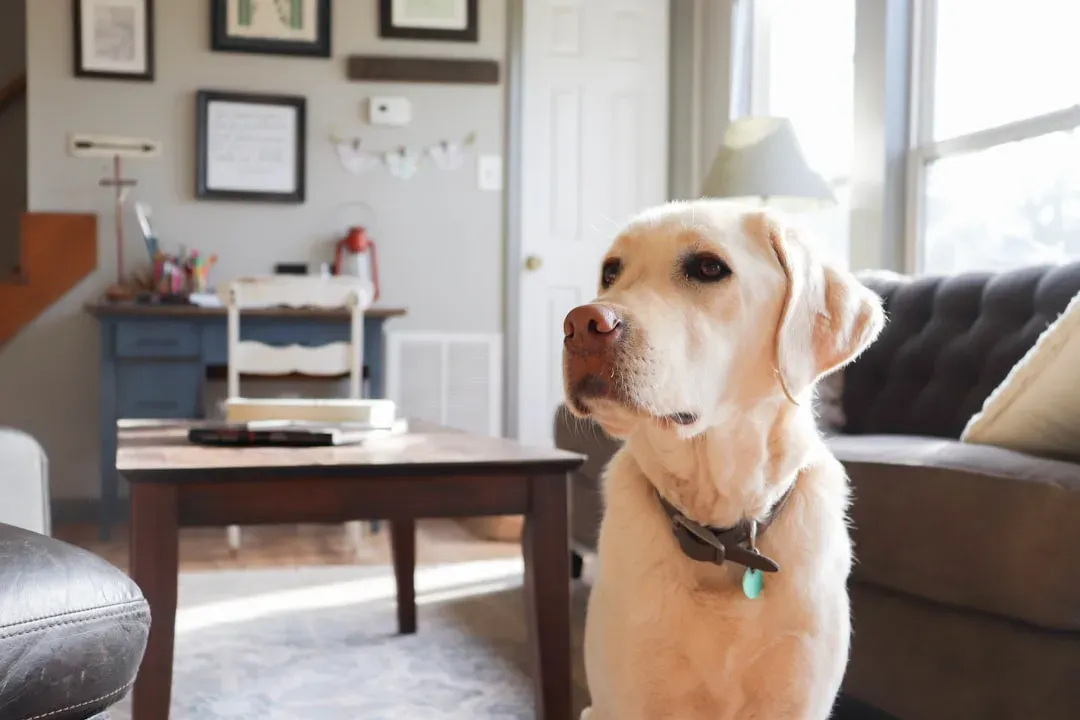
You picture your dog moping by the door. Sometimes that’s true. More often, they’re doing something far more complex: mapping the entire sensory landscape of the empty house. The distant street sounds are different. The fridge hum feels louder. The sunlight crawls across the floor in a predictable pattern, and your dog moves through three or four key checkpoints, recording exactly how “safe” feels while you’re gone.
Here’s the uncomfortable part – if anything in that map changes, many dogs notice instantly, and not in a good way. A neighbor starts renovations, a delivery truck idles outside more often, the upstairs toddler starts running. Dogs with even mild sound sensitivity quietly store those disturbances and later “overreact” seemingly out of nowhere, when really they’ve had weeks of micro-stress layered into their empty-house memory bank.
#5 – The Exact Spot Where The Sun Feels Best
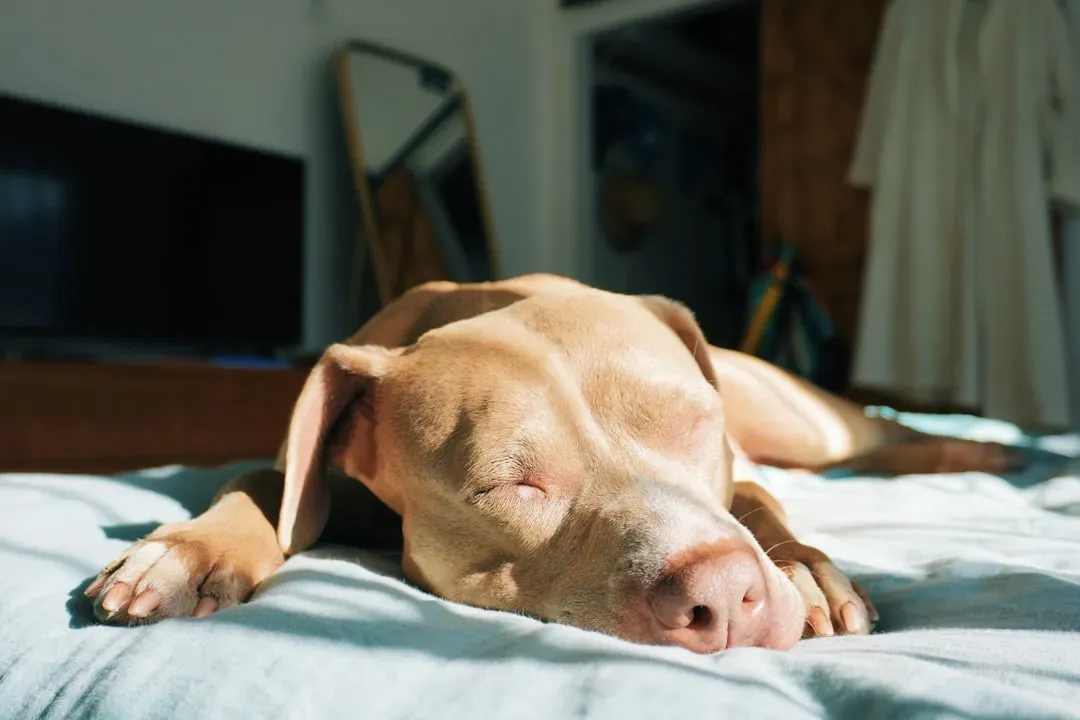
People assume the sun-puddle nap is just about warmth. It isn’t. For many dogs, that spot is a deeply encoded comfort location, linked to safety, drowsiness, and familiar smells. Your dog doesn’t just flop down anywhere – they track the sun’s path, test temperature with paw and belly, and eventually commit a handful of “perfect” spots to memory.
Those locations become default self-soothing destinations whenever your dog is bored, mildly anxious, or simply waiting on you. Move the furniture or close the blinds for a week and watch what happens: your dog will likely visit the old spot, pause, sniff, and look genuinely confused. That tiny hesitation is memory colliding with reality – and if they start choosing darker, more enclosed spots instead, that shift can be an early warning sign most owners miss completely.
#6 – The Unremarkable Walk You Barely Remember
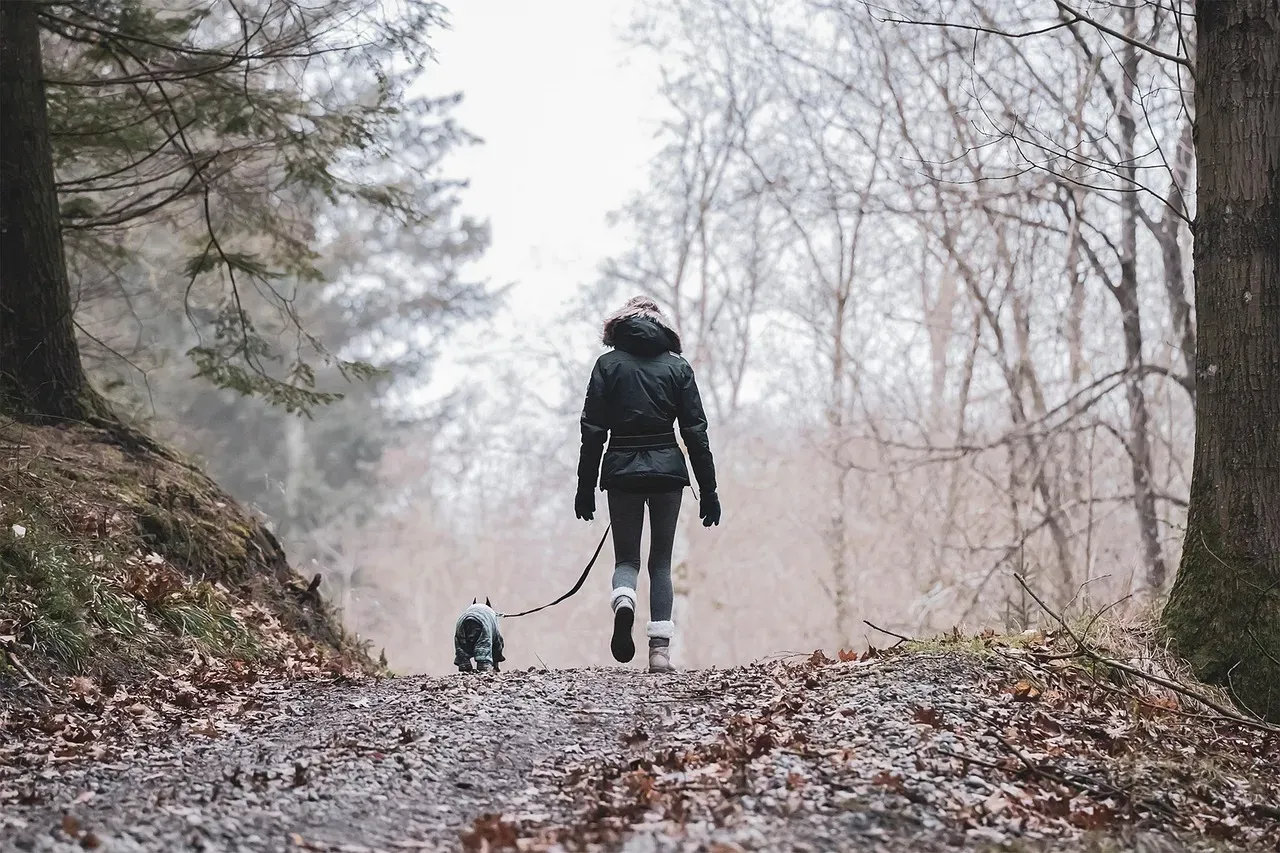
Ask an owner what they remember from today’s walk and you’ll get, “Nothing much, just the usual route.” Ask your dog – if they could answer – and you’d get a forensic report. On a routine walk, dogs log an insane amount of sensory data: which bush suddenly smells like a new dog, which gate has fresh fox scent, which neighbor left food scraps by the trash.
Every time you retrace the same path, your dog is running a quiet game of spot-the-difference. Did that dog behind the fence bark earlier than usual? Is the mail carrier wearing something new? Even a slight shift in wind direction changes the entire scent picture, and dogs absolutely notice. This is why your dog might suddenly balk at a driveway or drag you excitedly toward a lamppost they’ve passed a hundred times – to you it’s random, to them it’s a mismatch between today’s recording and the archive.
Worth Knowing
- Dogs experience the outdoor world primarily through scent, not sight.
- The area of a dog’s brain devoted to analyzing smell is proportionally far larger than in humans.
- Scent marking lets dogs pick up detailed “messages” left by other animals along a route.
- Wind, humidity, and temperature all change how far and how strongly a scent travels.
#7 – The Throwaway Phrases You Don’t Think They Hear
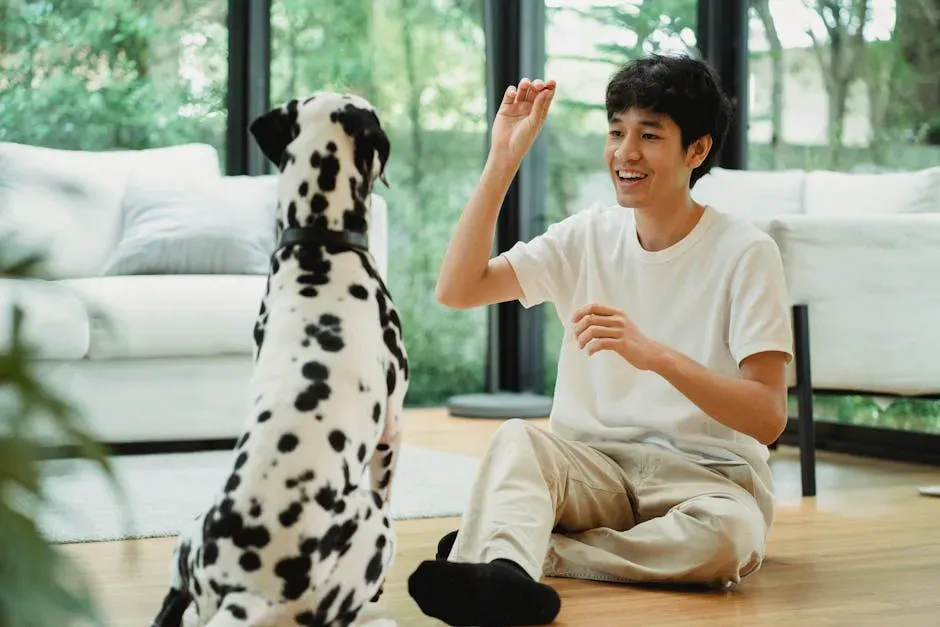
Most people obsess over “sit,” “stay,” and “walk.” Meanwhile, your dog is quietly storing dozens of throwaway phrases you never intentionally trained. “Be right back,” “just a sec,” “who’s that?” – these become background code, tagged to whatever happens next.
Here’s the twist: we accidentally teach our dogs emotional weight tied to these phrases. If “uh-oh” only ever appears right before you scold, grab the collar, or clean up a mess, your dog logs it as a threat cue, not neutral speech. That’s why their ears flatten the instant you say it, even as a joke. On the flip side, plenty of dogs visibly relax at “all done” or “that’s it,” because their recordings say the pressure is officially over. Our casual chatter is running as a subtitle track underneath their whole day.
#8 – The Moment The Energy In The Room Drops
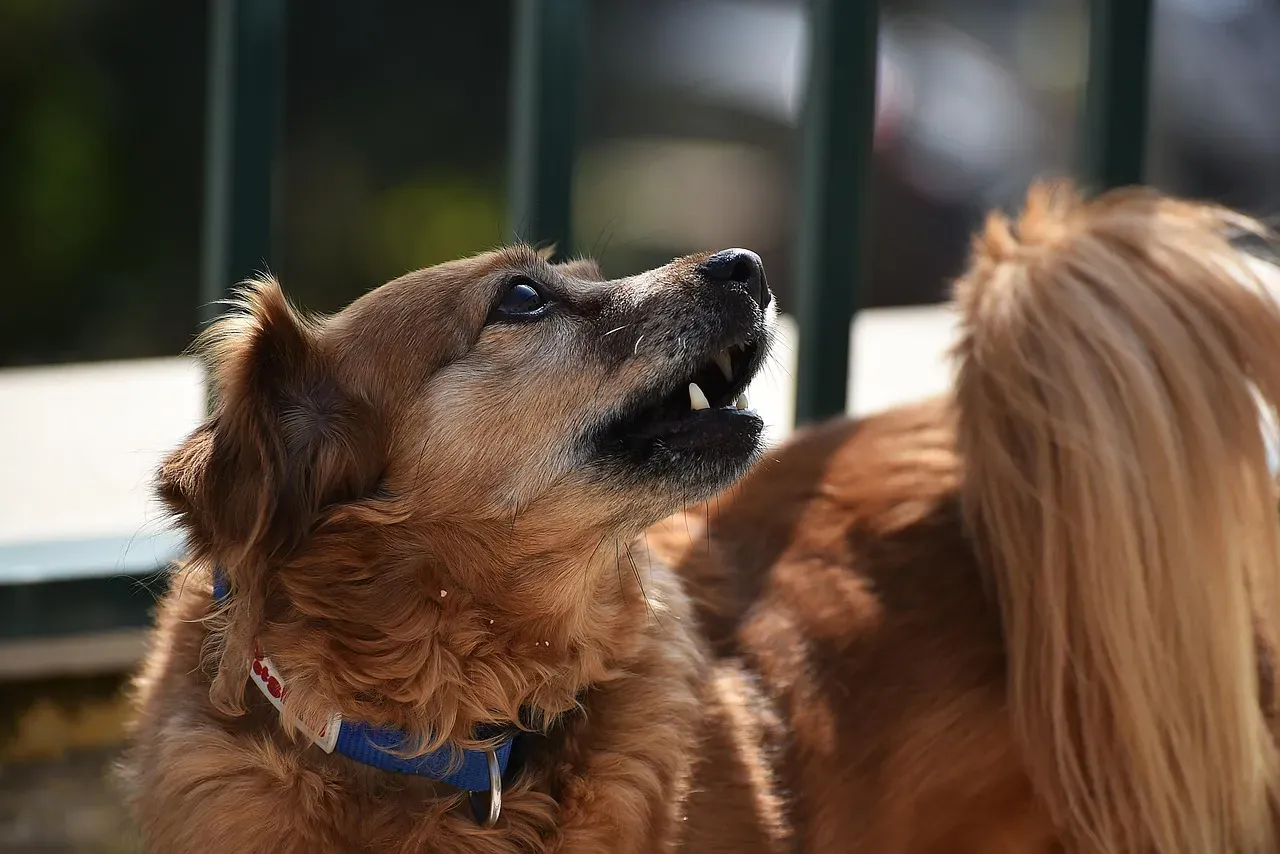
You know that afternoon crash where everyone goes quiet and conversation slows? Your dog knows the exact timestamp. They’re experts at tracking social energy and saving snapshots of what the room feels like when things turn calm, tense, playful, or hostile.
When you and your partner start arguing, you might think volume is the trigger. It’s usually not – your dog already logged ten seconds of tight shoulders and clipped replies before either of you raised your voice. Over months, they build a complex emotional weather report: this tone plus this posture plus this couch position equals a storm coming. That’s exactly why some dogs slip off to another room before a fight even starts, or wedge themselves between two people out of nowhere. They’re not reacting to the words. They’re referencing scenes that already ended badly once.
#9 – The Way You Smell After Different Kinds Of Days
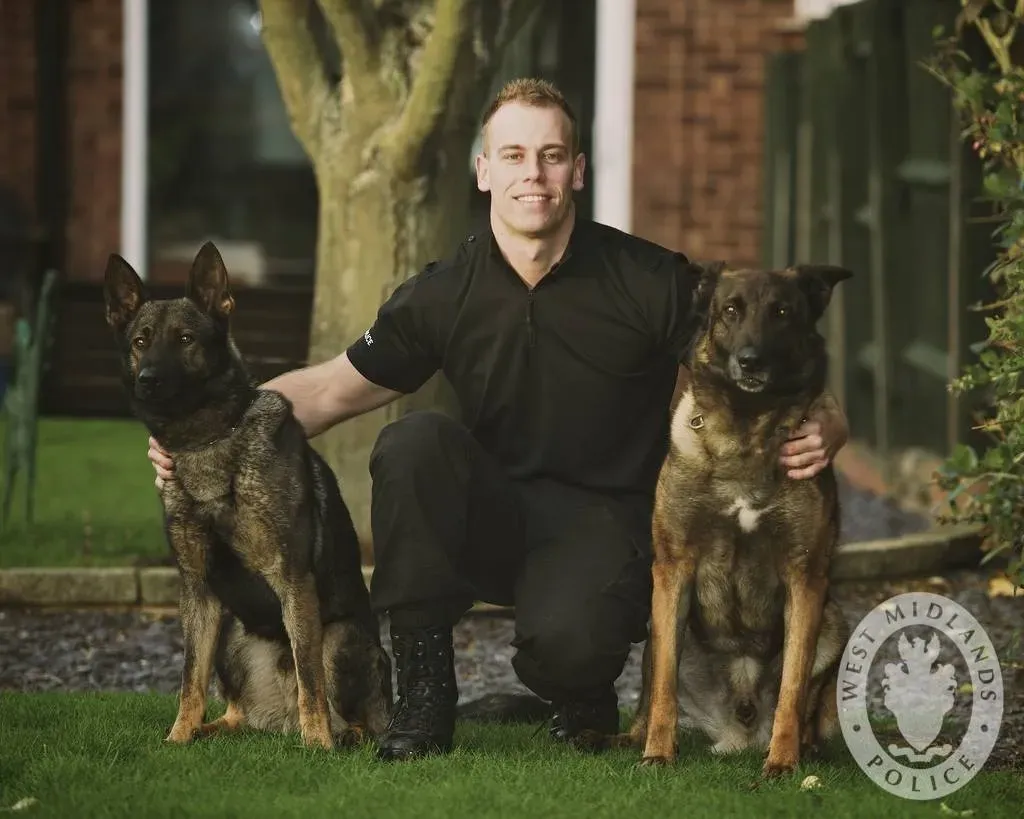
Here’s something almost nobody talks about: your dog can likely tell “gym sweat” from “anxious sweat” from “just hugged five strangers” scent, and they file each category next to whatever tends to follow it. Come home smelling like chlorine and rubber, and that usually precedes a shower, then the couch.
Come home smelling like other dogs and nervous sweat from the vet, and that might precede less play, more screen time, sharper responses. Over the long run, your dog’s brain stitches these threads into full emotional forecasts. Just from your arrival smell and gait, they can often predict whether tonight is fun-training night or leave-them-alone night – which is exactly why some dogs bolt for the toy box the moment you walk in, while others hang back and study your face first.
Quick Compare
- Human memory: relies heavily on conscious recall of full, connected events.
- Dog memory: leans on associative cues – a smell, sound, or object tied to an outcome.
- Human memory: tends to fade gradually and blur with time.
- Dog memory: emotionally charged moments can stay sharp regardless of how “big” the event actually was.
#10 – The Tiny Moments You Break The Routine
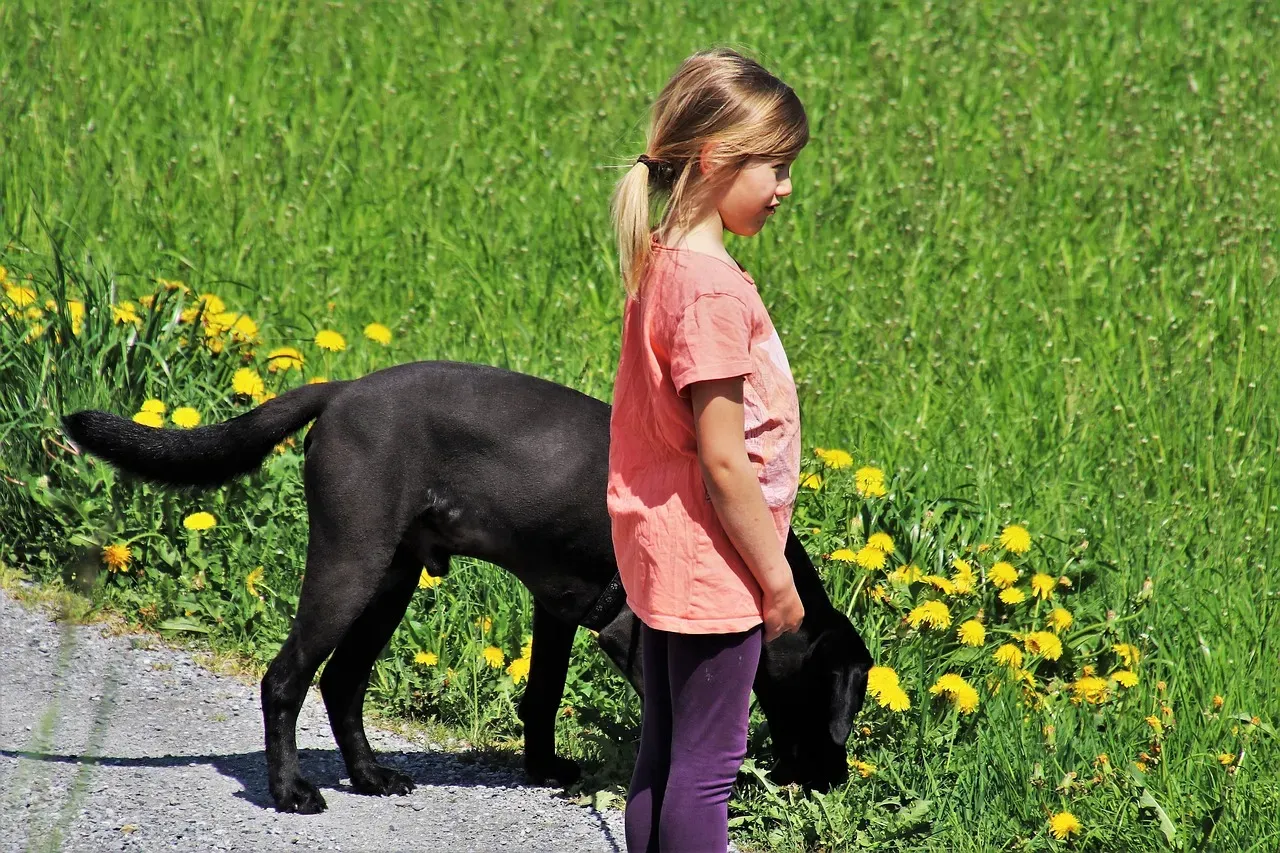
If there’s one thing dogs study like scientists, it’s deviations from the script. You put on shoes but skip the leash. You open the treat jar but don’t call their name. You walk toward the car at an odd hour. These micro-disruptions lodge in memory because they might signal something wonderful or something awful.
Some trainers argue that how a dog handles these little plot twists says more about their emotional stability than any obedience command ever could. Dogs with shaky confidence often overreact to routine breaks – spinning, whining, barking – not because of the moment itself, but because past breaks predicted vet visits or being left behind. Dogs who’ve had plenty of positive surprises instead treat routine breaks as opportunities. Every good curveball you throw in isn’t just fun; it’s quietly rewriting how their brain files the word “change.”
#11 – The Exact Way You Touch Them (And When You Don’t)
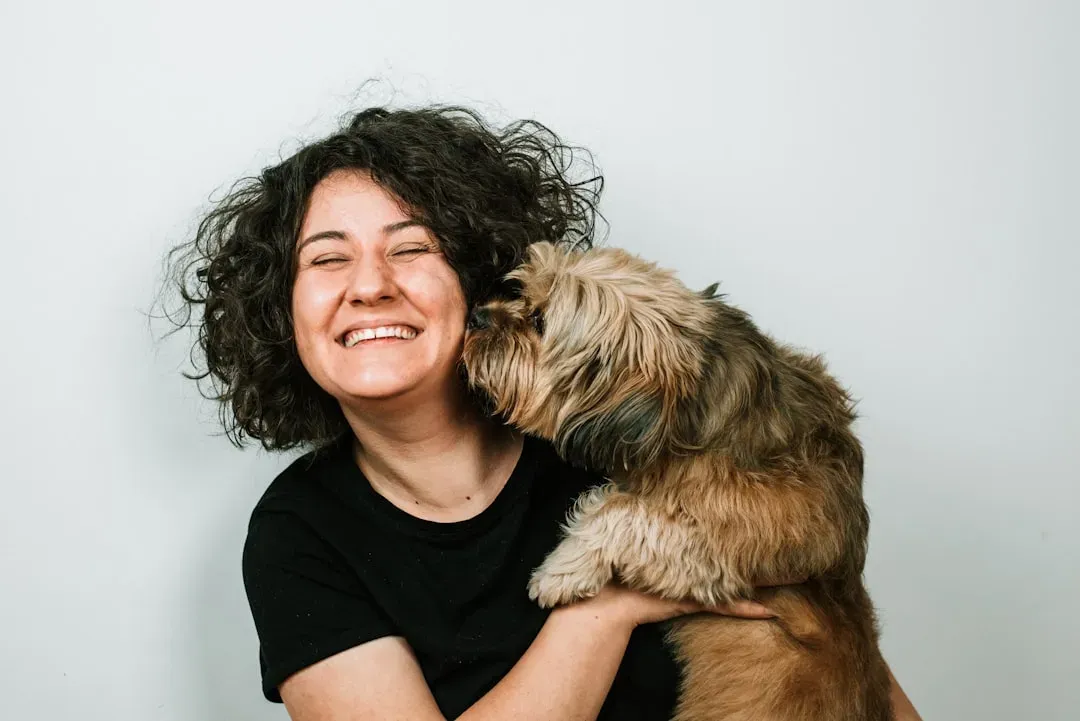
Owners obsess over how often they pet their dog. Dogs care far more about when and how. The same hand on the same fur can register as comfort, control, interruption, or pure joy, depending entirely on context – and your dog logs every version obsessively.
Here’s the part people don’t love hearing: your dog also records every time you pull away when they seek touch. Turning from a paw on your leg, shifting when they lean on you, nudging their muzzle aside while you’re on your phone – these all become data points on one question: how safe is it to ask for contact? Some dogs quietly stop asking. Others escalate, pawing harder or climbing into laps, because that strategy has worked before. Your affection isn’t just a daily dose. It’s an entire archive shaping how they see the relationship.
Dogs are not our whole life, but they make our lives whole.
Roger Caras
#12 – The Noise Of The House Winding Down At Night
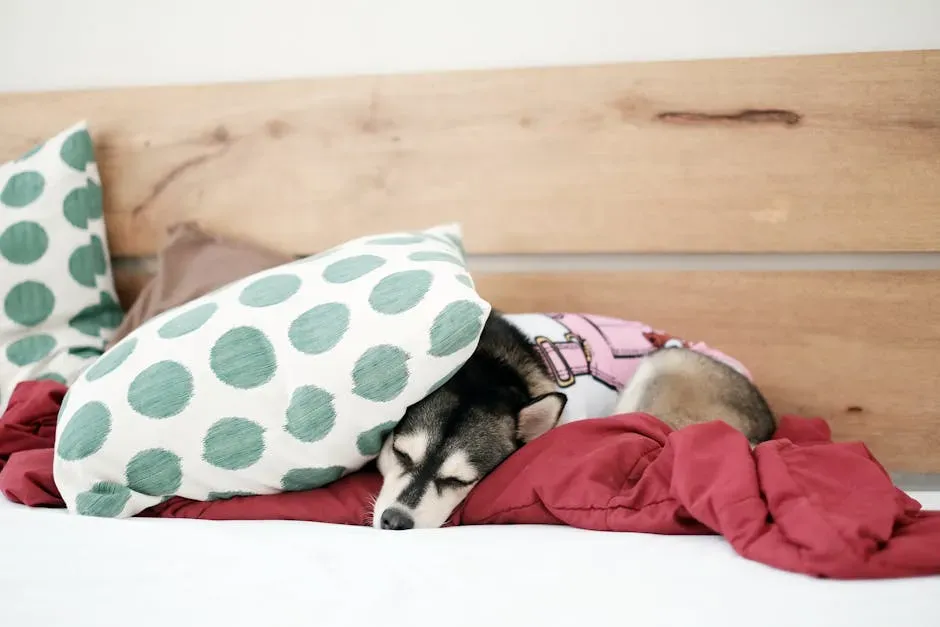
People assume bedtime for a dog is just lights off, everyone sleep. In reality, the pre-sleep soundtrack does most of the heavy lifting. Certain doors closing, the dishwasher starting, the last bathroom trip, the TV shutting off – your dog strings these together into a nightly lullaby, and once the pieces are in place, their body starts powering down.
Scramble that order too often and you’ll see dogs pacing or taking far longer to settle, especially the sensitive ones. Dogs in chaotic households – late-night visitors, random loud TV, inconsistent bedtimes – get labeled “hyper” or “restless,” but really their recordings of “safe to fully relax” are just fuzzy. Dogs in predictable homes, meanwhile, often head to bed before you do, because their internal clock plus the recorded evening pattern already told them it was coming.
#13 – The Last Thing You Do Before Saying “Goodnight”

Most owners badly underestimate this one. The final 30 seconds before you disengage for the night gets disproportionate weight in your dog’s memory, because it’s the emotional period at the end of the sentence. Did you ruffle their ears and speak softly? Did you snap “go lie down” because you were exhausted? Did you forget to acknowledge them at all?
Emotion scientists call this the peak-end rule in humans – we remember experiences by their most intense moment and how they finish. Dogs seem to follow a strikingly similar pattern, clinging to beginnings and endings far more than the mushy middle. You don’t need a five-minute bedtime ceremony. But a consistent, calm goodnight can anchor an entire day as safe, while regularly ending days on frustration or dismissal can slowly tilt a dog’s baseline anxiety upward.
At A Glance
- The peak-end rule was first popularized in human psychology by Nobel laureate Daniel Kahneman.
- It describes how we judge experiences mainly by their most intense point and their ending.
- Consistent nightly routines are widely linked to lower anxiety-related behaviors in dogs.
- A calm final minute before lights-out can shape how an entire day gets “filed away.”
#14 – The Feeling Of “Did I Do Okay Today?”
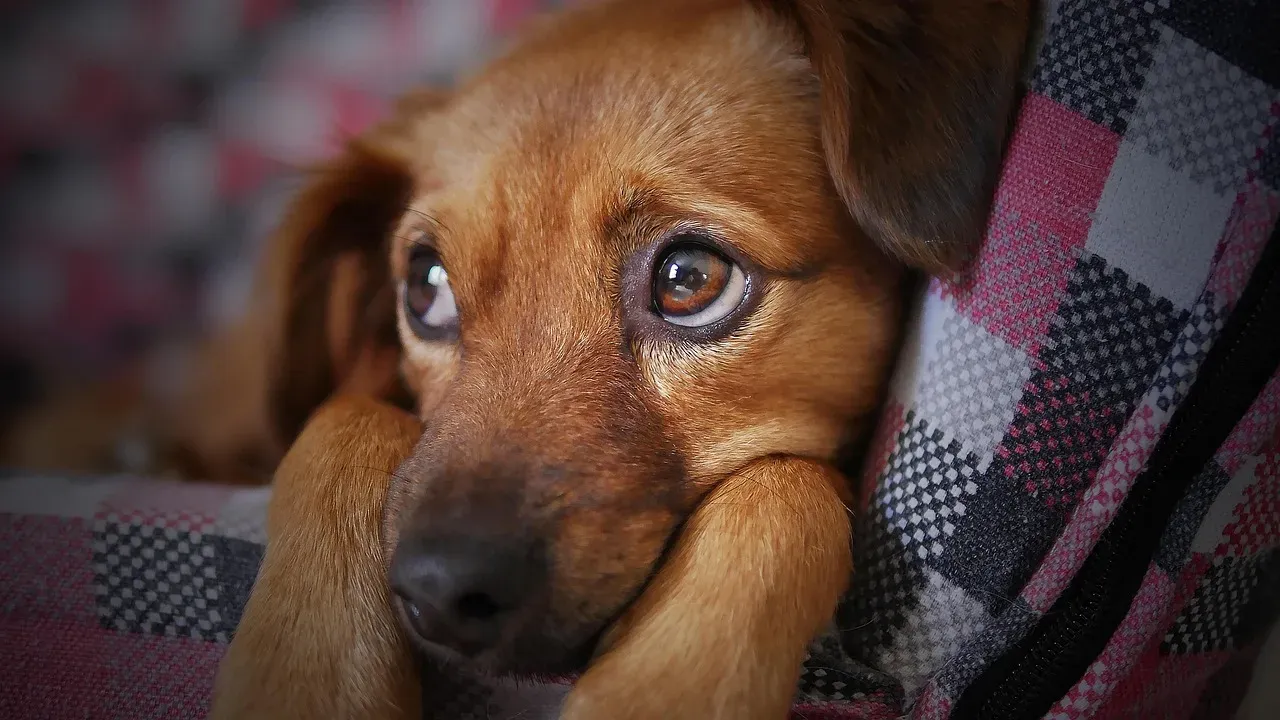
This is the one most people deny, and the one behavior confirms every single day. Your dog isn’t philosophizing about their life choices. But they absolutely keep a running tally of approval versus correction, and that tally shapes how they fall asleep. Was today mostly “good dog,” play, and gentle redirection – or mostly “no,” “stop,” and being ignored when they sought you out?
Their body gives away the answer: soft eyes and content sighs versus restlessness and sudden attention-seeking bursts late at night. Many “stubborn” or “guilty-looking” dogs are simply dogs whose daily recordings are heavily weighted toward confusion and mixed signals – they’ve gone to bed unsure so many times that they default to appeasement, ears back, the second you look serious. Dogs with clear, fair feedback and regular wins tend to rest deeper, bounce back from mistakes faster, and treat tomorrow like a solvable puzzle instead of a minefield.
The myth of the goldfish-brained dog is comforting because it lets us off the hook. It’s also completely wrong. Dogs are quietly recording hundreds of tiny, ordinary moments: the sound of your first morning step, the smell of your stress, the way you touch them when you’re distracted, the specific phrase you mutter before slamming the laptop shut.
Most of what gets stored isn’t the big park trip. It’s your daily predictability, your tone, your endings. That means the “ordinary day” you shrug off is literally writing your dog’s emotional operating system, one overlooked second at a time.
Here’s my honest take: this is exactly where most owners go wrong. We obsess over the big gestures – fancy toys, weekend hikes, the occasional grand outing – while completely ignoring the micro-scenes our dogs actually care about most. You don’t need to be a perfect owner. You just need to be consistent, fair, and a little more aware of what today’s recording will feel like when your dog replays it tomorrow night. So which of these 14 moments hit closest to home – and which one are you doing differently tonight?