
17 Small Habits Dogs Form After a House Move That Show What Unsettled Them Most
Everyone assumes a stressed dog after a move looks obvious: skipped meals, whining at the door, maybe a puddle on the new carpet. But most dogs are quieter about it than that, and that’s exactly why so many owners miss it completely.
The real tell isn’t the dramatic stuff. It’s the small, easy-to-brush-off habits, like where your dog chooses to nap, how close they stick to your ankles, or why a toy they used to love suddenly sits untouched in the corner. Keep reading, because once you know what to look for, you’ll never watch your dog wander a new house the same way again.
#1 – Suddenly Shadowing You From Room to Room
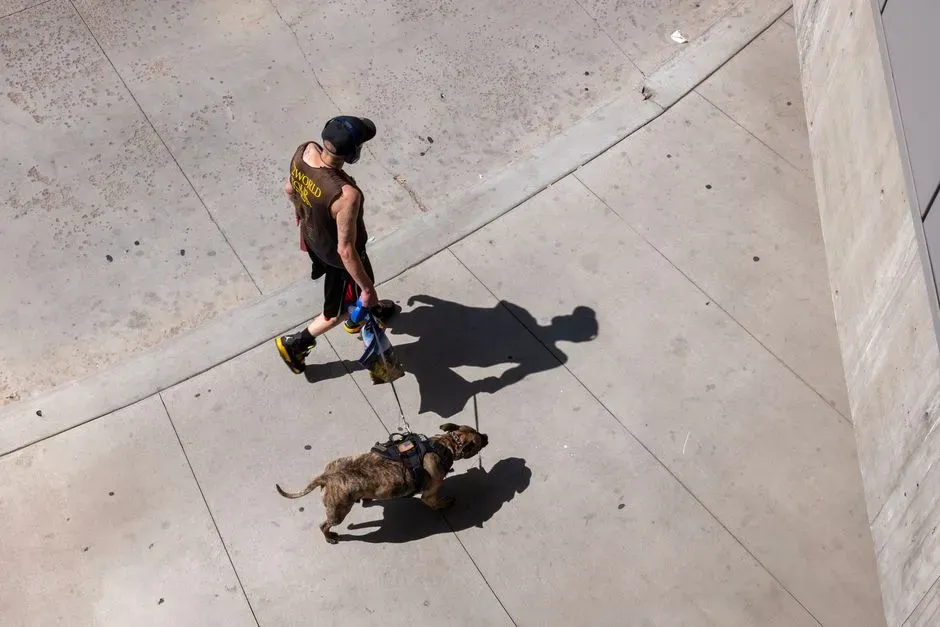
When a dog that used to nap solo turns into a furry shadow, it’s rarely “cute clinginess.” It’s insecurity talking. In a brand-new environment, you are the only familiar anchor your dog has, so they trail you like a moving safety blanket, doing silent room checks every time you shift position.
You’ll notice it most during quiet moments. Instead of sprawling out in another room like they used to, they hover in doorways, hesitate the second they lose sight of you, or get up every single time you move. Owners often secretly enjoy the attention, but left unchecked, this habit can slide into real separation anxiety. The tell? They can’t relax unless you’re in view. But that’s nothing compared to what’s happening in #2.
Fast Facts
- Separation anxiety is common, affecting between 13-28% of dogs, making shadowing one of the more measurable early warning signs.
- In an unfamiliar space, your dog treats you as their mobile safe base, the same way a toddler clings to a parent in a crowded room.
- Shadowing that fades within a week or two is normal adjustment. Shadowing that gets worse is the flag to watch.
#2 – Pacing the Same New Routes Indoors
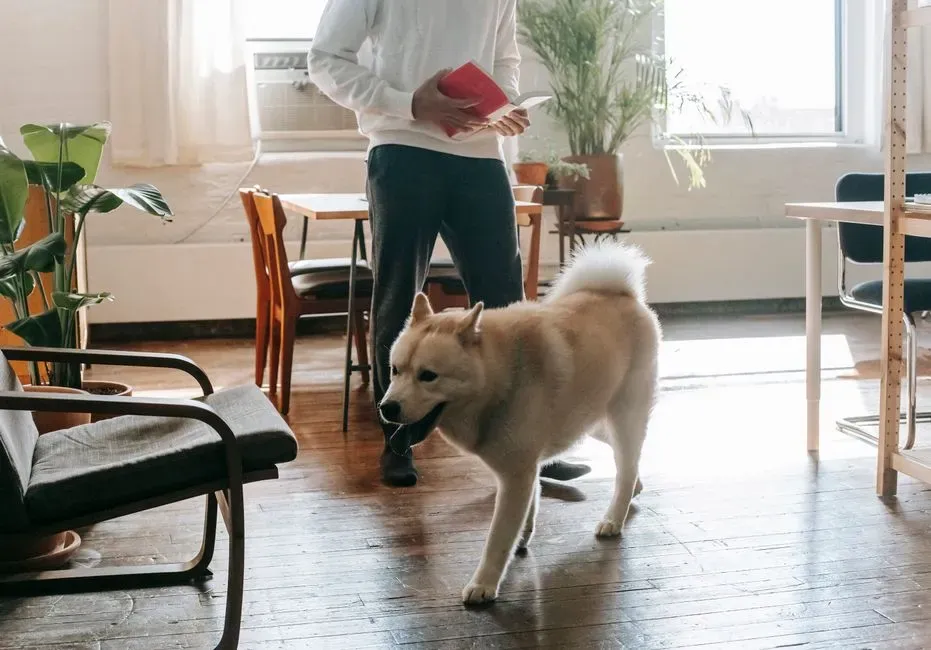
A lot of people write off post-move pacing as “extra energy,” but behaviorists see it as your dog running a mental map update. In the old house, their routes were automatic. In the new one, they walk the same short loop, hallway to kitchen to living room and back, because they don’t have a mental floor plan yet and it’s quietly stressing them out.
You’ll usually catch this at night or when the house goes still. They don’t trot with purpose, they float, checking corners, sniffing door gaps, pausing to listen. Interrupt them and they’ll stop for a beat, then drift right back into the same loop. It isn’t bad behavior, it’s uncertainty on four legs, and if it doesn’t fade with time, it can be an early warning sign of deeper anxiety. It still doesn’t top what happens in #3.
#3 – Ignoring Toys They Used to Love
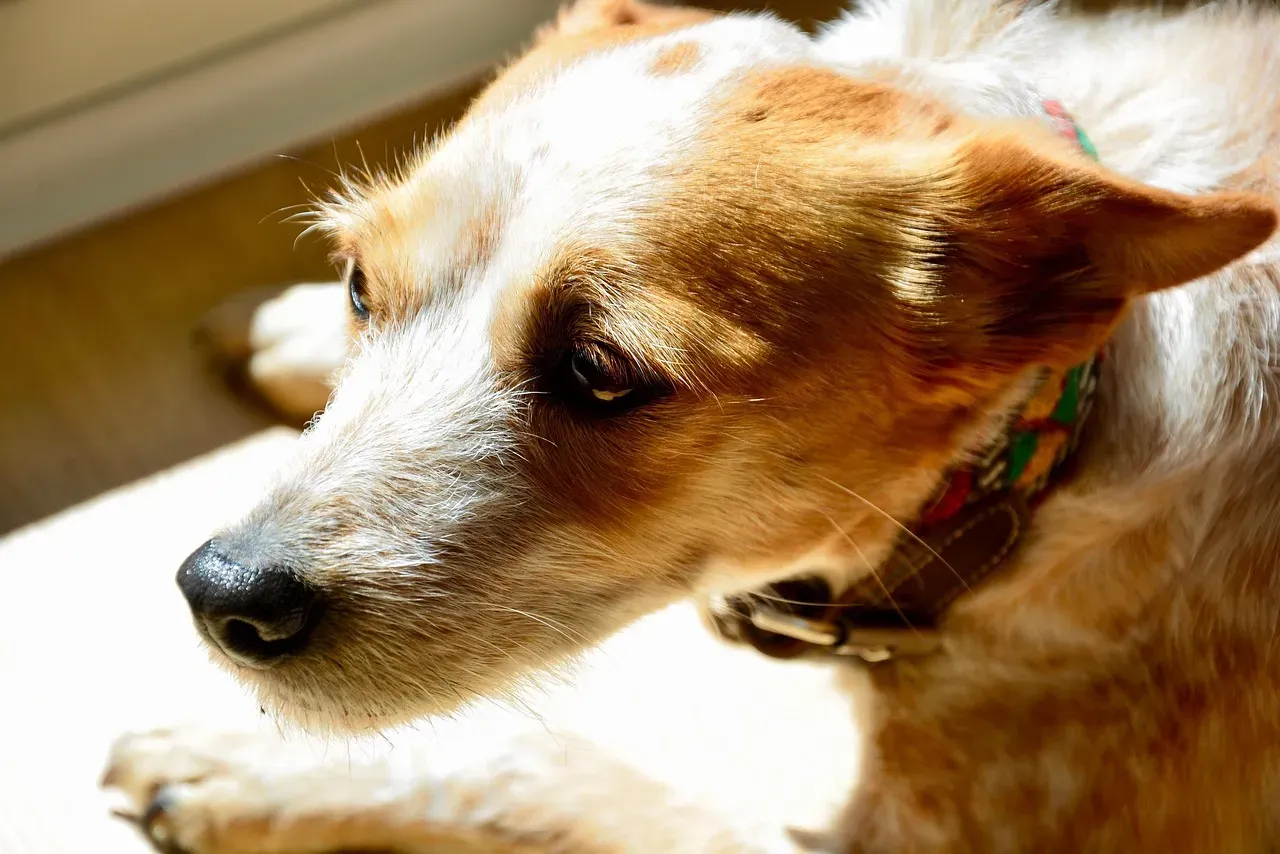
Most owners panic if their dog won’t eat in a new house, but they overlook a quieter red flag: toys suddenly mean nothing. A tennis ball that once triggered instant zoomies now gets a sniff and a walk-away. That’s not boredom, it’s your dog quietly saying “play doesn’t feel safe yet.” In survival mode, fun drops straight to the bottom of the priority list.
Watch what they do instead. Many unsettled dogs stash toys in odd corners, ignore old favorites, or freeze mid-play to listen to a new sound. Some won’t touch a toy unless you start the game yourself in a calm, quiet room. This isn’t a personality shift, it’s a temporary stress response, and once they truly relax, toy interest creeps back in short, hesitant bursts before turning into full-on play. If play drive stays flat for weeks, their stress is louder than you think. That’s nothing compared to the bathroom drama in #4.
#4 – New “Accidents” in Very Specific Spots
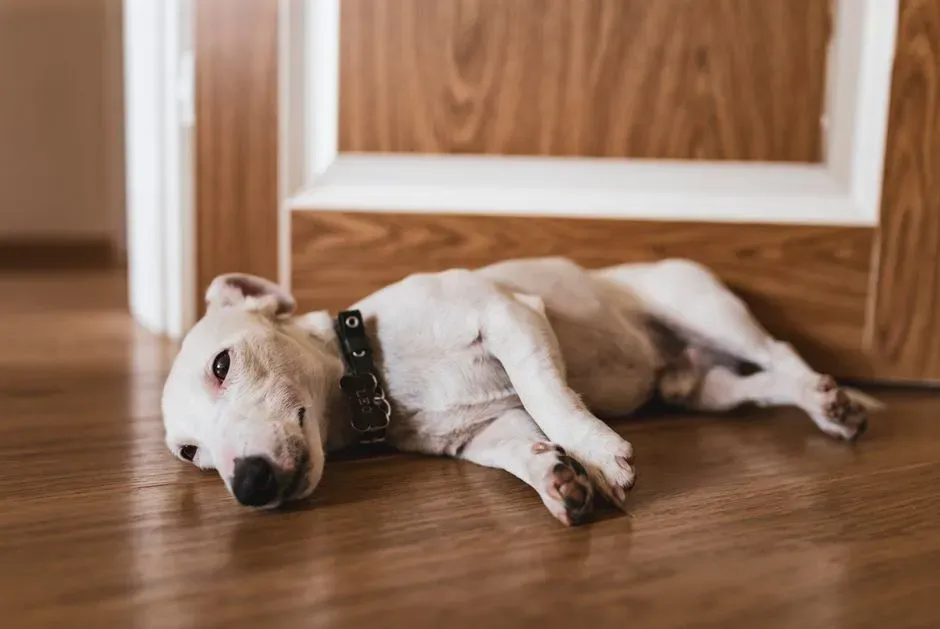
House-trained dogs don’t randomly forget where to go after a move. When a reliable dog starts having accidents, especially in the same new locations, it’s almost always stress plus confusion, not defiance. New smells, new surfaces, and leftover scent markers from previous pets can scramble their bathroom logic overnight.
Pay attention to the pattern. Is it always that one hallway corner? The spot near an exterior door? A room where another animal clearly used to live? They’re not being difficult, they’re trying to claim or understand that space with their own scent. Punishing them here is a mistake that tends to backfire into sneakier, more anxious behavior. Calmly cleaning, supervising, and re-teaching the routine like they’re a puppy again works far better. But that’s nothing compared to what happens with sleep in #5.
#5 – Sleeping in “Weird” New Guard Positions
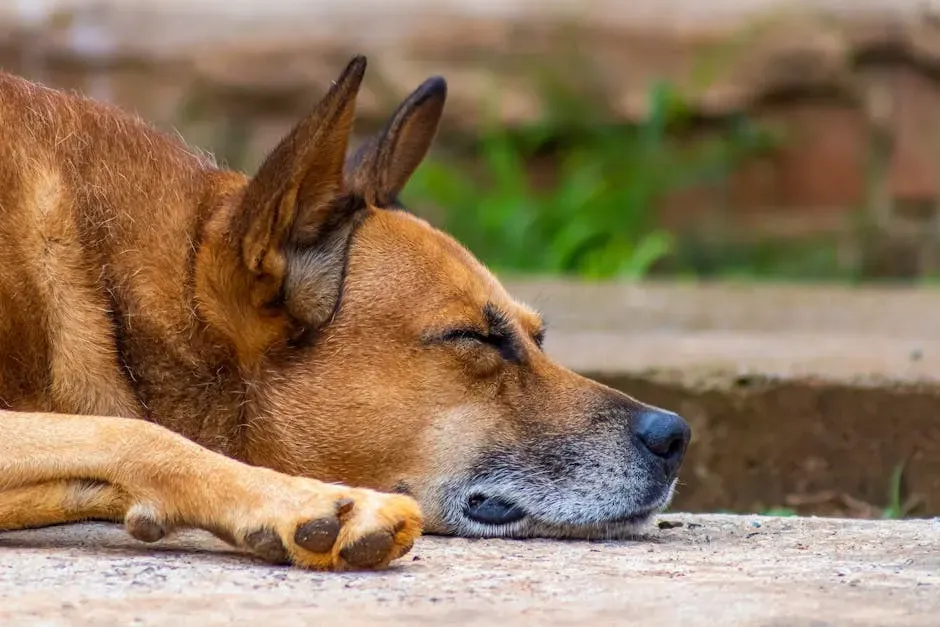
Where your dog chooses to sleep after a move is one of the loudest signals of how unsettled they feel. A dog that used to sprawl belly-up on the couch may suddenly curl into a tight ball behind furniture or on the bare floor near an exit. That’s not random. They’re choosing high-information, high-control spots, places where they can see or hear the most, or bail quickly if something feels off.
Many nervous dogs start sleeping in telling locations:
- In hallways between bedrooms
- Near the front door or stairs
- Wedged between the bed and the wall
These are classic guard positions. Deep relaxation, loose limbs, exposed belly, actual snoring, is often missing at first, replaced by light, restless sleep. When your dog finally flops back into their old goofy poses in the new home, that’s your sign their nervous system is starting to trust the space. But wait until you see what happens with staring in #6.
#6 – Staring at “Nothing” and Listening Too Hard
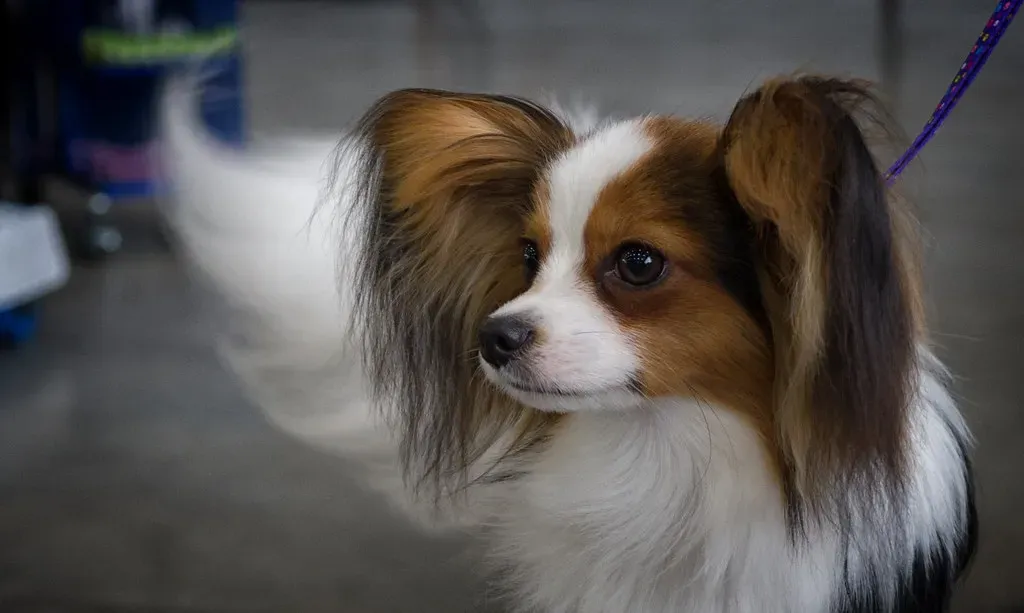
You might think your dog is seeing ghosts, but that hyper-alert staring is just their brain on overload. New pipes, unfamiliar neighbors, different traffic patterns, even your fridge’s hum, all of it is unknown. So they park themselves in one spot, ears flicking, listening like their life depends on it. They’re building a sound library from scratch.
You’ll see them pause mid-walk, fixate on a corner, or stare into a dark hallway like it personally offended them. Their ears and eyes are working overtime while their body stays tense, they’re not relaxed, they’re on duty. Some dogs will flat-out refuse to enter a room after a strange noise, even if you walk in first. Once those sounds become background noise, the staring drops off dramatically. But that’s nothing compared to the clingy eating patterns in #7.
Worth Knowing
- The average adult human cannot hear sounds above 20,000 Hertz, while dogs can hear sounds as high as 47,000 to 65,000 Hz.
- At high frequencies, dogs can also detect much softer sounds than we can, so a barely-there hum can sound loud to them.
- Every unfamiliar pipe knock, HVAC cycle, or floor creak in a new house is a data point their brain has to log before it stops reacting.
#7 – Needing You Nearby Just to Eat
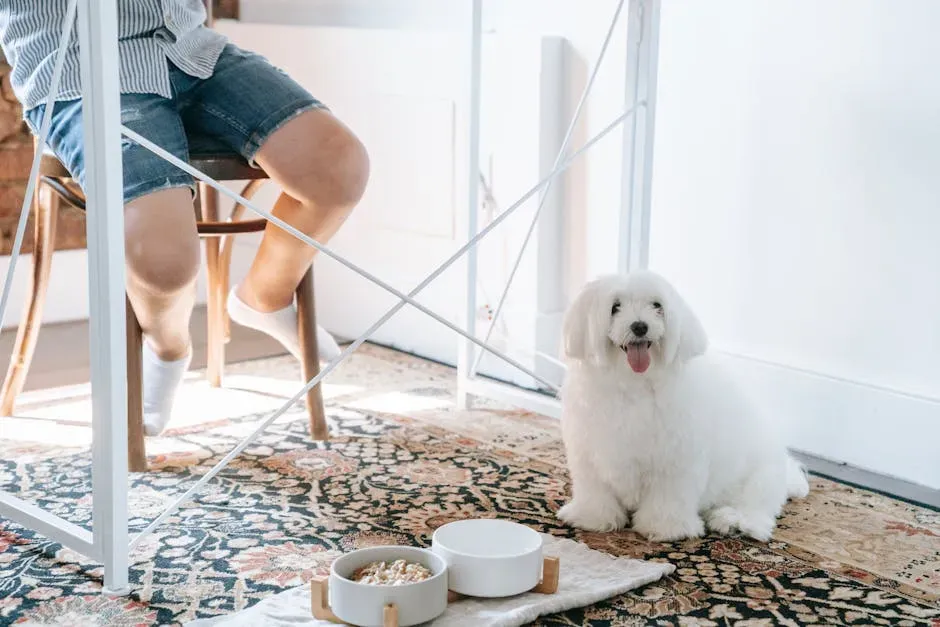
If your dog refuses to eat unless you’re standing right there, you’re not spoiling them, they’re unsettled. In a new space, many dogs won’t risk lowering their head and losing awareness of the room unless their safety person is close enough to guard them. That’s why some dogs carry the bowl in their mouth to follow you, or wait until you sit down before touching a bite.
Two clues this is anxiety, not pickiness:
- They eat normally on walks or at the vet, but not alone at home.
- They start eating, then abandon the bowl to go check where you are.
Food is a luxury in their stressed brain right now. Calm, predictable mealtime routines in the same spot every day help more than switching foods ever will. If they only eat overnight or when completely exhausted, their stress is running the show. But it still doesn’t beat the door drama in #8.
#8 – Hanging Back at Doorways or Thresholds
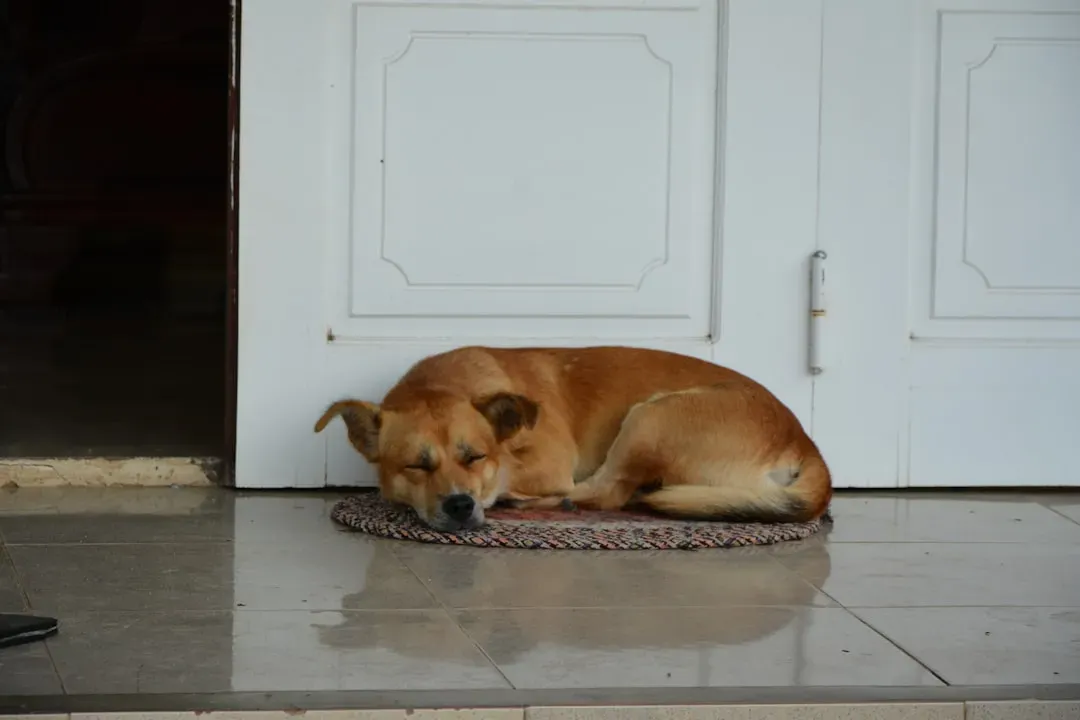
In your old home, your dog probably shot through doors without a second thought. In a new place, doorways can suddenly become “nope zones.” They stop, lean forward to sniff, maybe stretch their neck, but keep their paws firmly planted. That hesitation is your dog saying, “I don’t know what’s on the other side yet.”
You’ll see this most often with:
- Basements or garages
- Rooms with a flooring change, like tile to wood or wood to carpet
Some dogs will only cross if you go first, then stick so close they bump your legs the entire way. Don’t drag them through, that only pairs the space with more fear. Use gentle encouragement and treats instead. Persistent doorway anxiety is a clear sign they’re not fully settled. But that’s nothing compared to the sudden barking shifts in #9.
#9 – Overreacting to Every Little Noise Outside
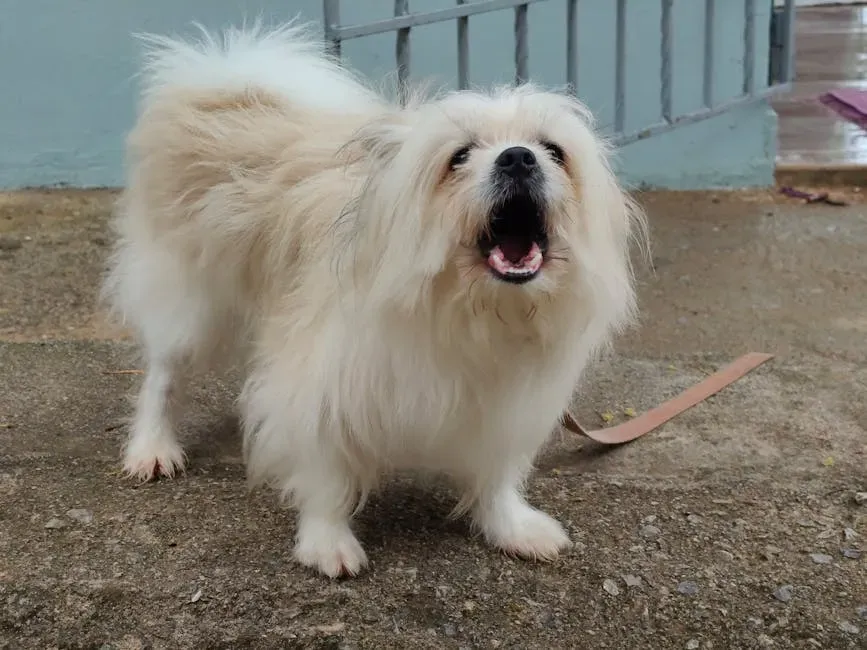
In a new neighborhood, your dog’s intruder radar is cranked up to 11. Garbage trucks, neighbor doors, kids playing, even a distant dog barking, none of it is filed as familiar yet. Many dogs go from calmly quiet in the old house to barking at every small sound in the new one, especially near windows and doors.
Owners call this “getting protective,” but it’s usually pure unease. Watch for patterns, they may station themselves at the same window, lunge-bark at the same passing car, or lose it specifically at the mail slot. It’s not that your dog suddenly turned aggressive, they just don’t know where the real threats are yet, so everything counts as suspicious until proven otherwise. If weeks go by and they’re still on edge at the slightest noise, their internal stress dial hasn’t come down. But the grooming changes in #10 are even sneakier.
#10 – Licking, Scratching, or Grooming More Than Usual
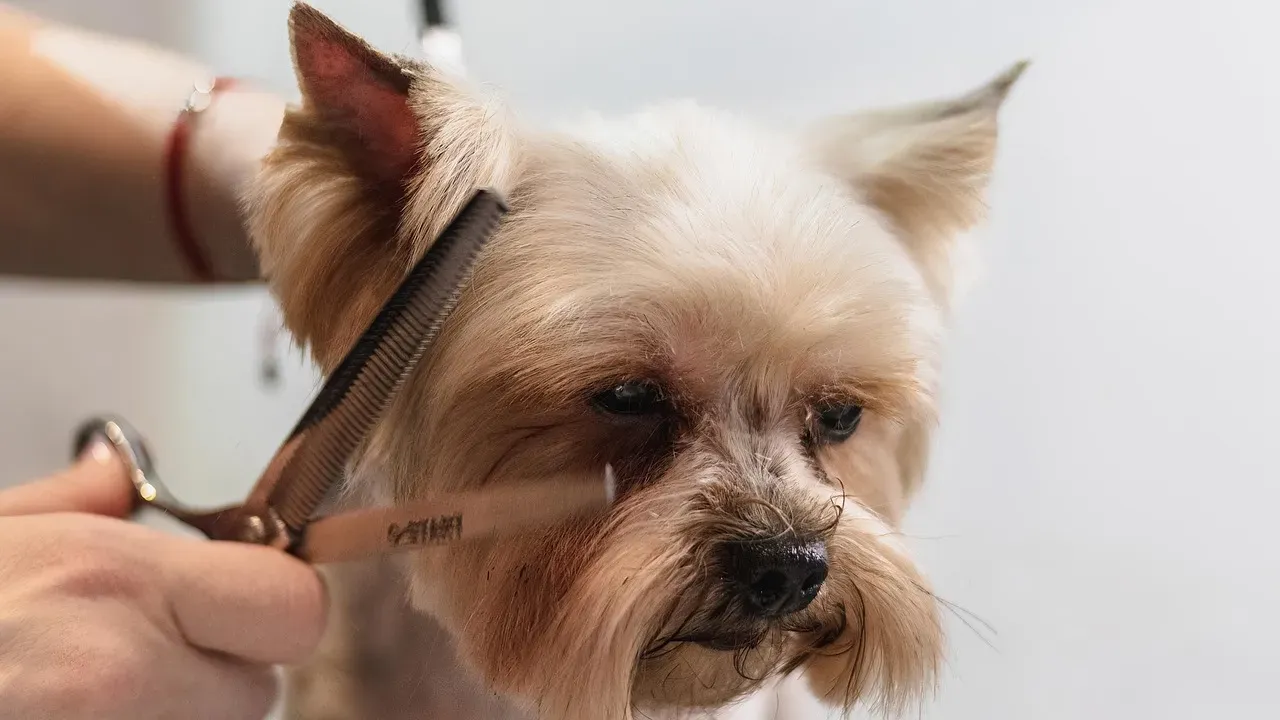
Some dogs skip the obvious nervous signs entirely and turn their anxiety inward instead. You’ll notice them licking their paws, scratching the same spot, or grooming far more than normal, especially during downtime when the house is quiet.
Medical causes should always be ruled out first, but a sudden jump in self-grooming right after a move is often stress-driven. Watch for it showing up as:
- Licking beds or cushions until they’re damp
- Chewing toenails more intensely than usual
- Scratching without any obvious skin issue
This is self-soothing, not unlike a person biting their nails, but it can snowball into irritated skin or hot spots if it continues. If the grooming only happens in certain rooms or at certain times, like nighttime, that’s your clue those contexts are stressing them most. Their sudden relationship to their favorite spots in #11 might surprise you even more.
#11 – Refusing to Use Their Old Bed or Favorite Spots
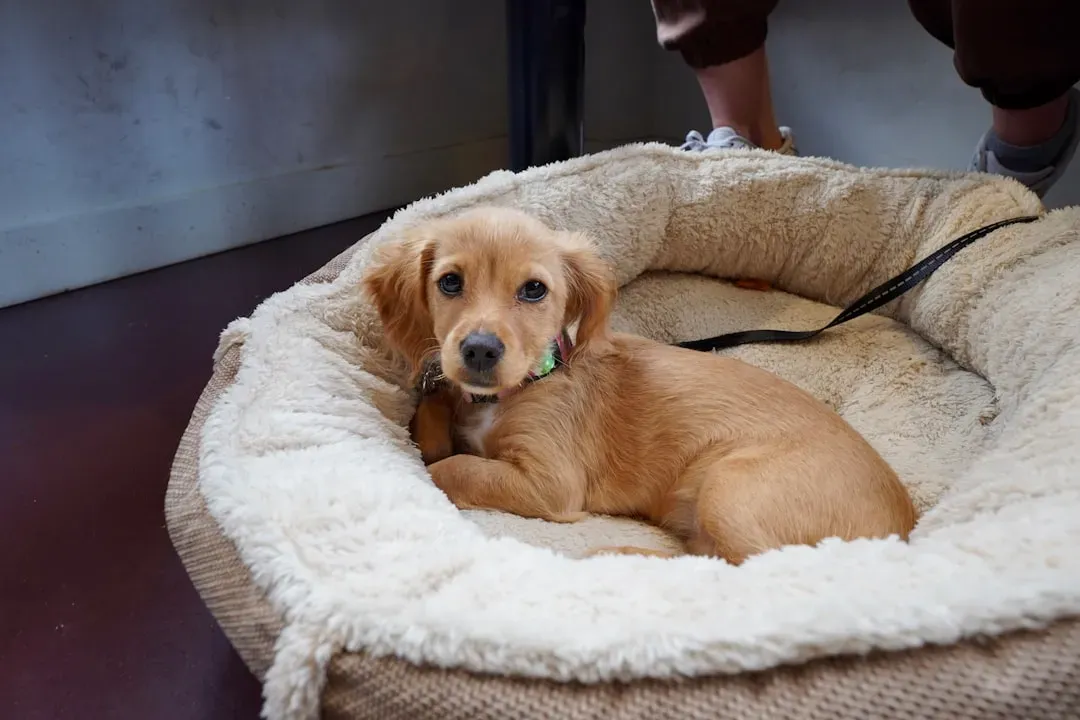
Some owners get genuinely offended when their dog abandons the expensive bed they loved in the old house. But this isn’t defiance, it’s a data point. Your dog’s sense of safety has less to do with the object and more to do with the energy, airflow, and sound of that specific location.
They may sniff their old bed, circle it, and then choose a completely different corner, or even the cold bare floor. Dogs are brutally honest critics of layout. If your dog avoids a certain corner or window no matter what comfy thing you put there, they’re telling you they don’t like the draft, the noise, or the foot traffic. If your dog keeps “re-homing” themselves to tight or hidden spaces, take that as a sign they’re still on edge. But their eating speed in #12 says even more.
At a Glance: The 3-3-3 Adjustment Rule
- First 3 Days: Pets may be stressed and overwhelmed, possibly showing anxiety or fear, favoring caution over curiosity.
- Next 3 Weeks: Pets start to settle in, and less stress helps their real personality show.
- First 3 Months: Pets are further adjusted to new surroundings, and they begin to trust, showing their true personalities.
#12 – Eating Way Faster… or Way Slower

Food speed is one of the easiest, most overlooked stress barometers after a move. Some dogs suddenly inhale meals like it’s a contest, while others pick slowly or wander off mid-bite. Both extremes can mean their nervous system hasn’t found its baseline yet.
Fast eaters may be in low-grade scarcity mode, unsure what this new routine means for them. Slow eaters may be uneasy dropping their guard long enough to actually focus on food. Ask yourself:
- Did your slow grazer suddenly become a frantic gulper?
- Did your old vacuum-cleaner dog now leave half the bowl untouched?
If the house is the only variable that changed, stress is the prime suspect. Leave it unchecked, and weird food habits can solidify into long-term anxiety rituals. But the cling-bark behavior in #13 really exposes how unsettled they are.
#13 – Barking or Whining Only When You Leave Certain Rooms
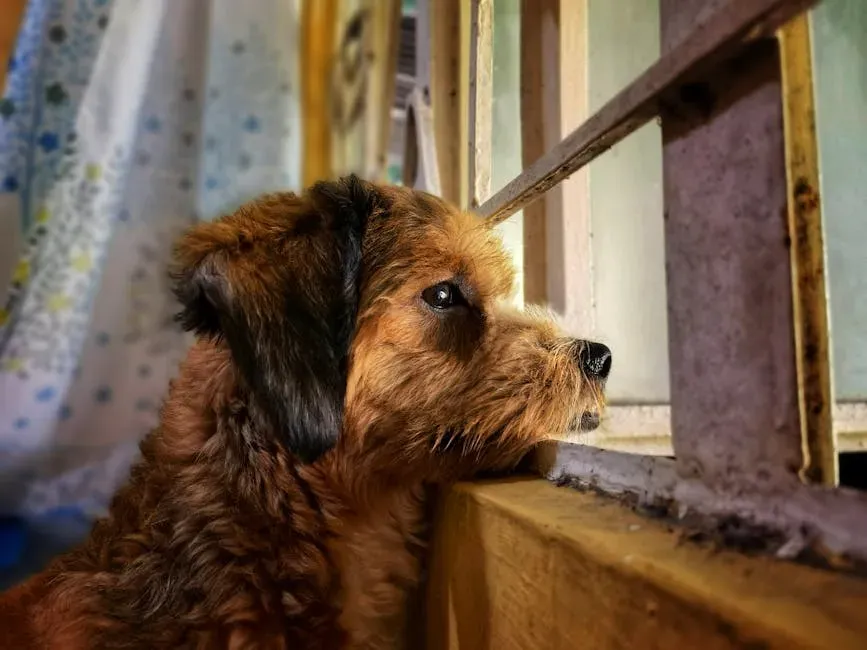
Separation anxiety isn’t always dramatic howling when you leave the house entirely. In a new home, it often starts small: your dog whines, barks, or paws at the door only when you disappear into specific rooms, the bathroom, the basement, the garage.
They’re not sure what those spaces mean yet, and every time you vanish behind a new door, their stress spikes. You might notice:
- They’re fine when you walk to the kitchen, but panic if you head down a staircase.
- They lie calmly in the living room, then start vocalizing the moment they hear a shower turn on.
This is their way of saying, “I don’t understand where you went or how to get back to you.” Shrug this off, and it can evolve into full-blown panic whenever you leave at all. But the way they act on walks in #14 tells you what’s really going on outside the house too.
#14 – Acting Overexcited or Overcautious on Walks Near Home
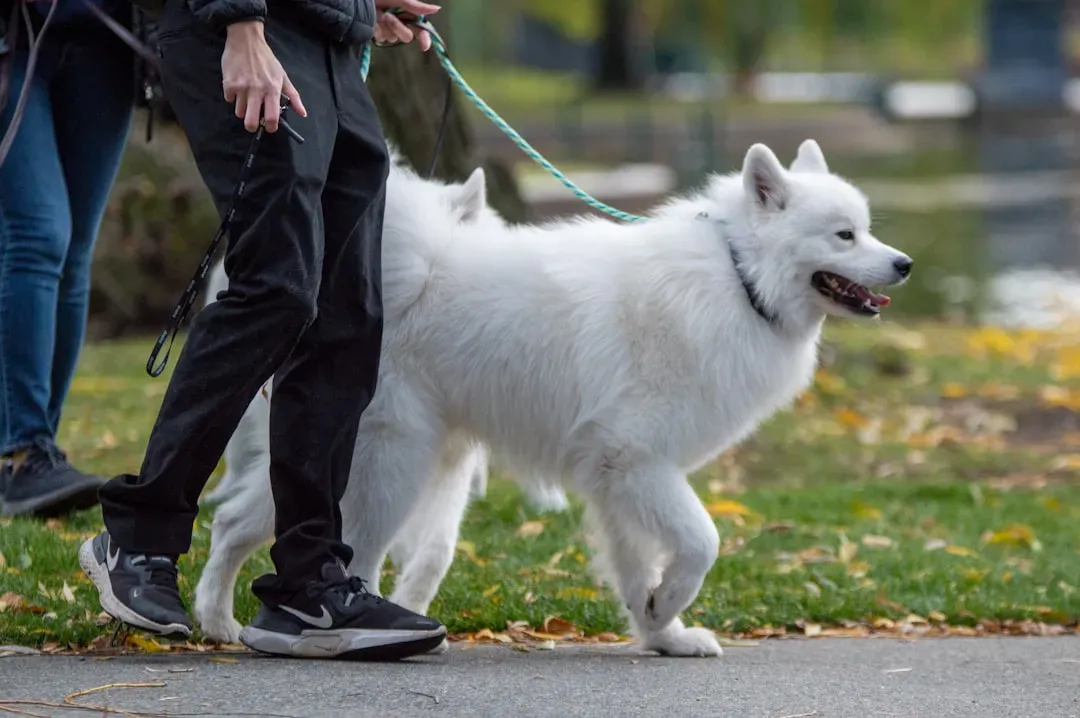
This is where many owners misread their dogs the most. After a move, dogs often seem either wildly hyper on walks, “Wow, they love it here!”, or strangely cautious. In reality, both can be versions of the same thing: they’re overwhelmed by new smells, new dog routes, and new territory rules. Their nervous system is drinking from a fire hose.
Some unsettled dogs pull hard, zigzag, and sniff obsessively, as if trying to memorize every inch at once. Others walk behind you, freeze at corners, or refuse to go beyond a certain block. Neither extreme is “well-adjusted,” what you actually want to see over time is moderate curiosity, sniffing with pauses to relax, walking with fewer sudden brakes. If your dog only acts normal far from home, on old familiar routes, they’re telling you the new territory still feels uncertain. But the subtle tail and ear shifts in #15 are even more honest.
Quick Compare: Settled vs. Unsettled Walks
- Settled dog: Moderate curiosity, sniffs with pauses, walks with fewer sudden stops.
- Unsettled and overexcited: Pulls hard, zigzags, sniffs obsessively like they’re memorizing everything at once.
- Unsettled and overcautious: Walks behind you, freezes at corners, refuses certain blocks entirely.
#15 – Tail and Ear Positions Quietly Shifting All Day
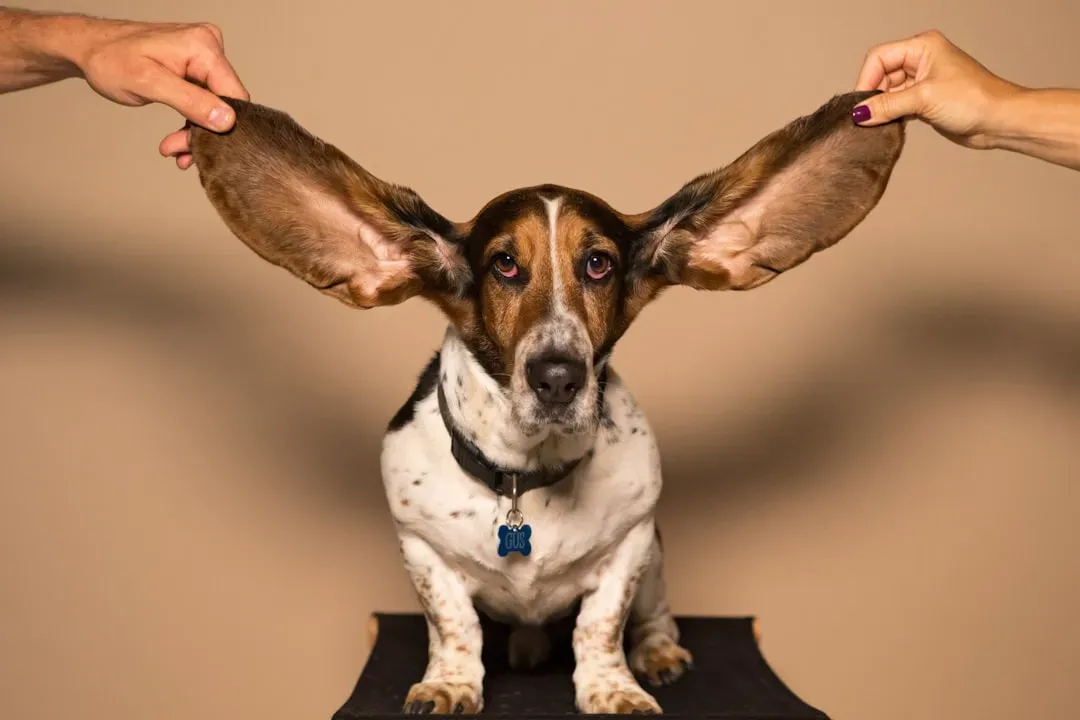
Most people only clock the obvious, tail tucked means scared, tail wagging means happy. Reality is messier. After a move, you might notice your dog’s tail carried lower than usual, ears slightly pinned back, or wags that are short and tight instead of loose and swoopy. These micro-changes are their emotional status updates, and they’re often the earliest sign of unsettlement.
Compare it to their old-house normal if you can remember it:
- Did they used to trot with a mid-to-high, loose tail, and now it hovers low?
- Were their ears usually neutral, but now tilt back more often indoors?
Context matters here. If their body softens and the tail lifts outside or around familiar people but droops again at home, that’s your answer, the house itself, not life in general, is what’s stressing them. Ignoring these subtleties is how owners miss early anxiety altogether. But the sniffing routine in #16 makes it even clearer.
#16 – Re-Sniffing the Same Spots Every Single Day
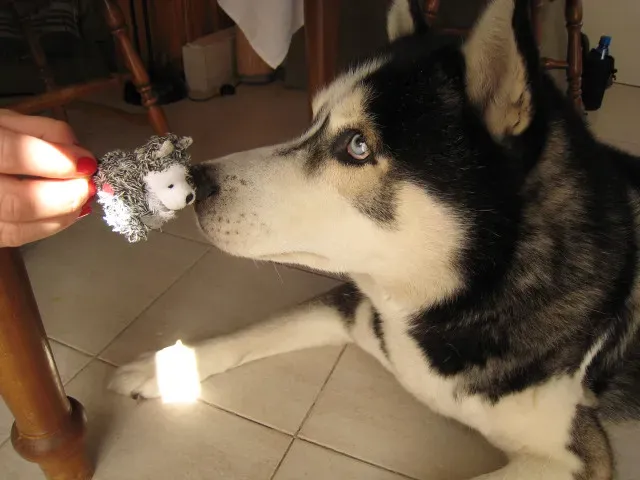
Sniffing is normal, but compulsive re-sniffing of the same corners, baseboards, and furniture legs day after day is your dog re-running a security check. They’re tracking old scents, new scents, and any changes like a forensic investigator who never closes a case.
Signs it’s more about unease than curiosity:
- They seem tense while sniffing, tail low, movement stiff, pausing to listen.
- They run the same lap around the house before relaxing, almost like a ritual.
Scent is how they make sense of chaos. As they feel safer, the intensity and frequency of these checks drop, replaced by casual, brief sniffs. If your dog can’t seem to settle until they’ve completed their daily scent circuit, it’s a strong hint their brain still doesn’t trust the environment. And the final habit in #17 is the one most people mislabel as “bad behavior.”
#17 – Being Extra “Naughty” Only in the New House
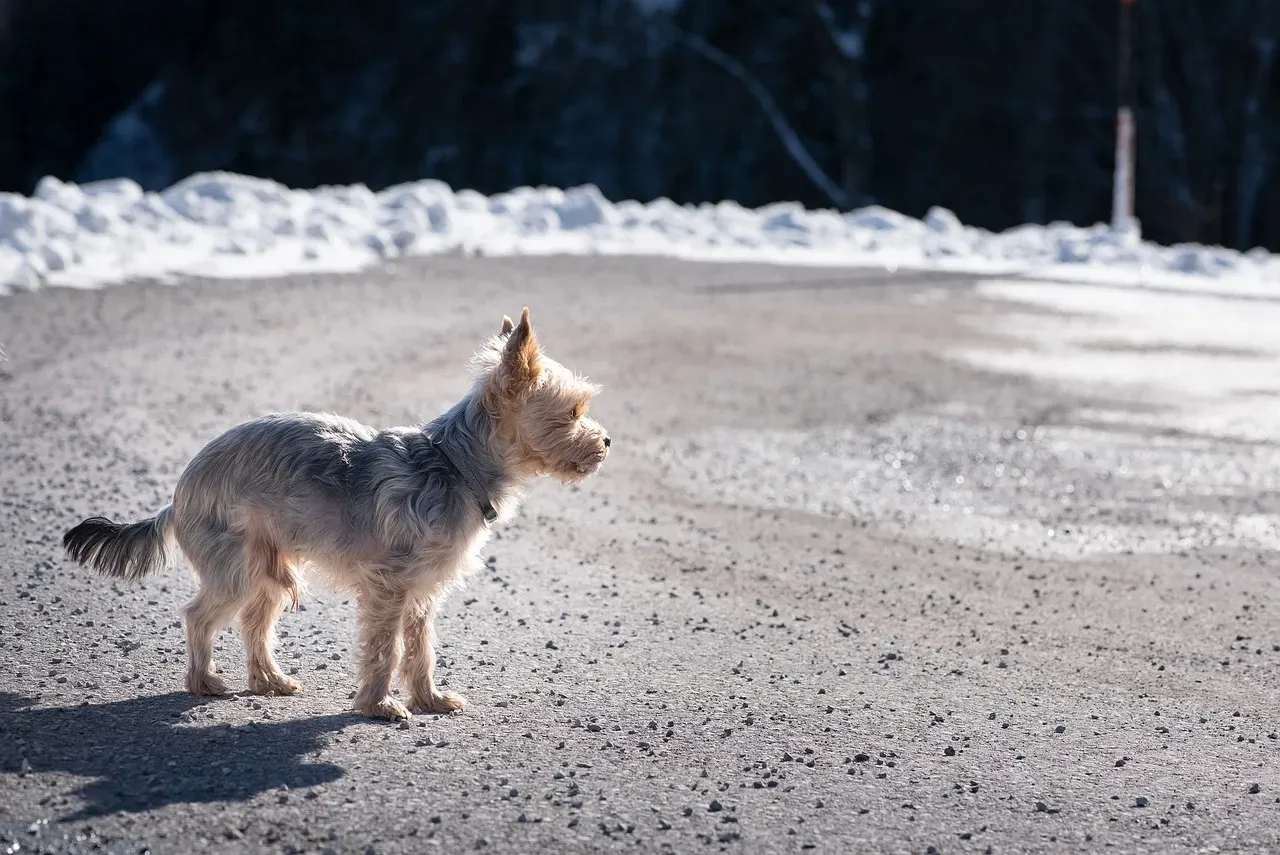
Chewing furniture, stealing socks, knocking over trash cans, owners assume this is their dog acting out after a move. In reality, a spike in mischief that appears only in the new home is often displaced stress. Your dog doesn’t have words or a journal. They have teeth, paws, and whatever object is closest when their anxiety peaks.
Look for patterns:
- They chew more when left alone in specific rooms.
- They raid the trash after a loud noise or visitors in the new house.
This isn’t revenge, it’s coping plus curiosity in a world that suddenly changed underneath them. Ironically, the dogs that look the “baddest” are often the least settled of all. When the chaos behaviors fade without you changing much else, that’s your proof the root issue was emotional, not moral.
The Bottom Line
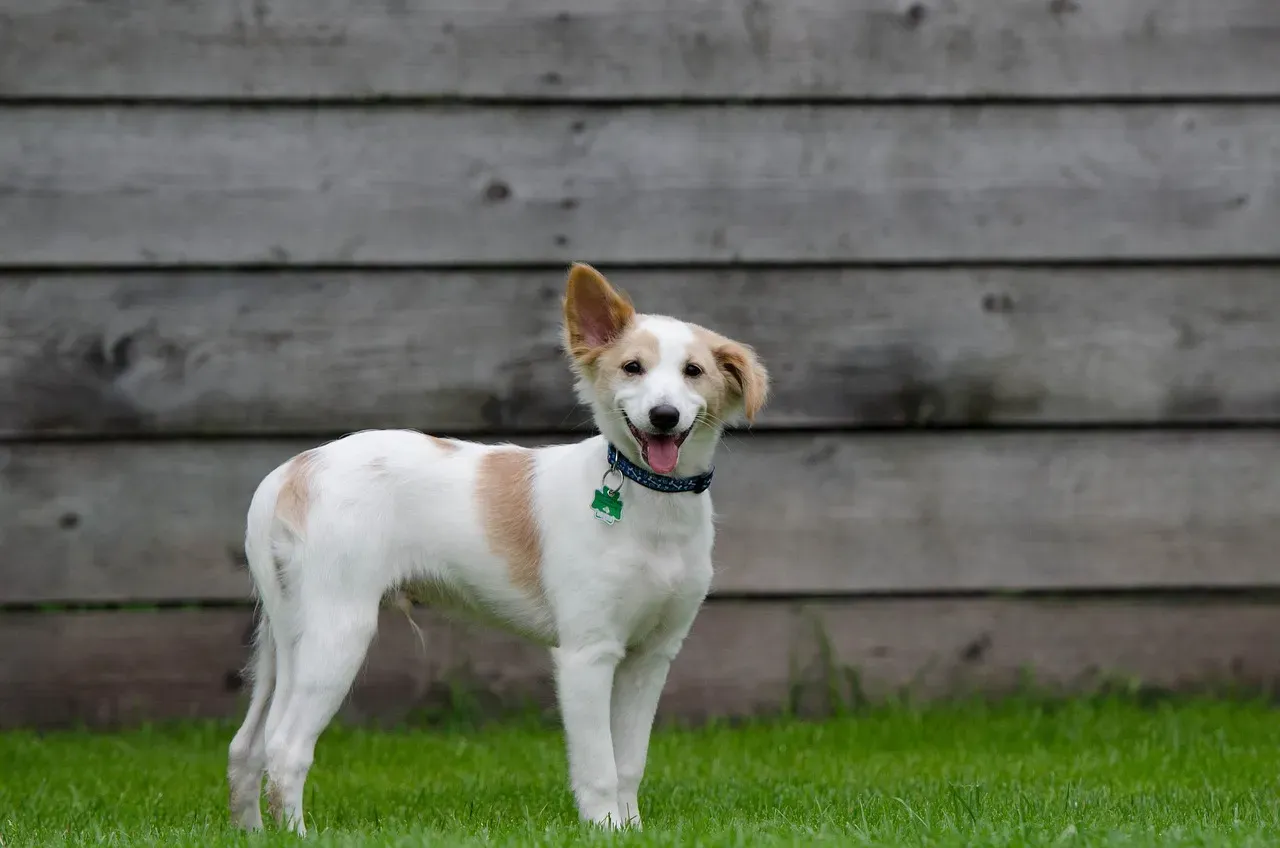
Dogs rarely announce that they’re unsettled after a move with one big dramatic sign. They whisper it through small, repeatable habits: following you too closely, pacing the same indoor loop, ignoring toys, freezing at doorways, barking at sounds that used to mean nothing. Each behavior on its own can look like quirk or stubbornness. Together, they spell one word: uncertainty.
Here’s my honest take: these are exactly the habits people laugh off or punish instead of reading correctly, and that’s the real tragedy. A move is one of the biggest emotional earthquakes your dog will ever go through, and they’re not being difficult when they act strange, they’re asking for stability. If you spot several of these at once, the fix isn’t more training, it’s more patience, routine, and time.
Did you catch your dog doing any of these after a move? Or do you think a few of these are just normal dog stuff? Tell me which ones you’ve seen, and which ones you’re not buying, in the comments.