
14 Things a Dog Picks Up on That No Sound or Scent in the Room Could Explain
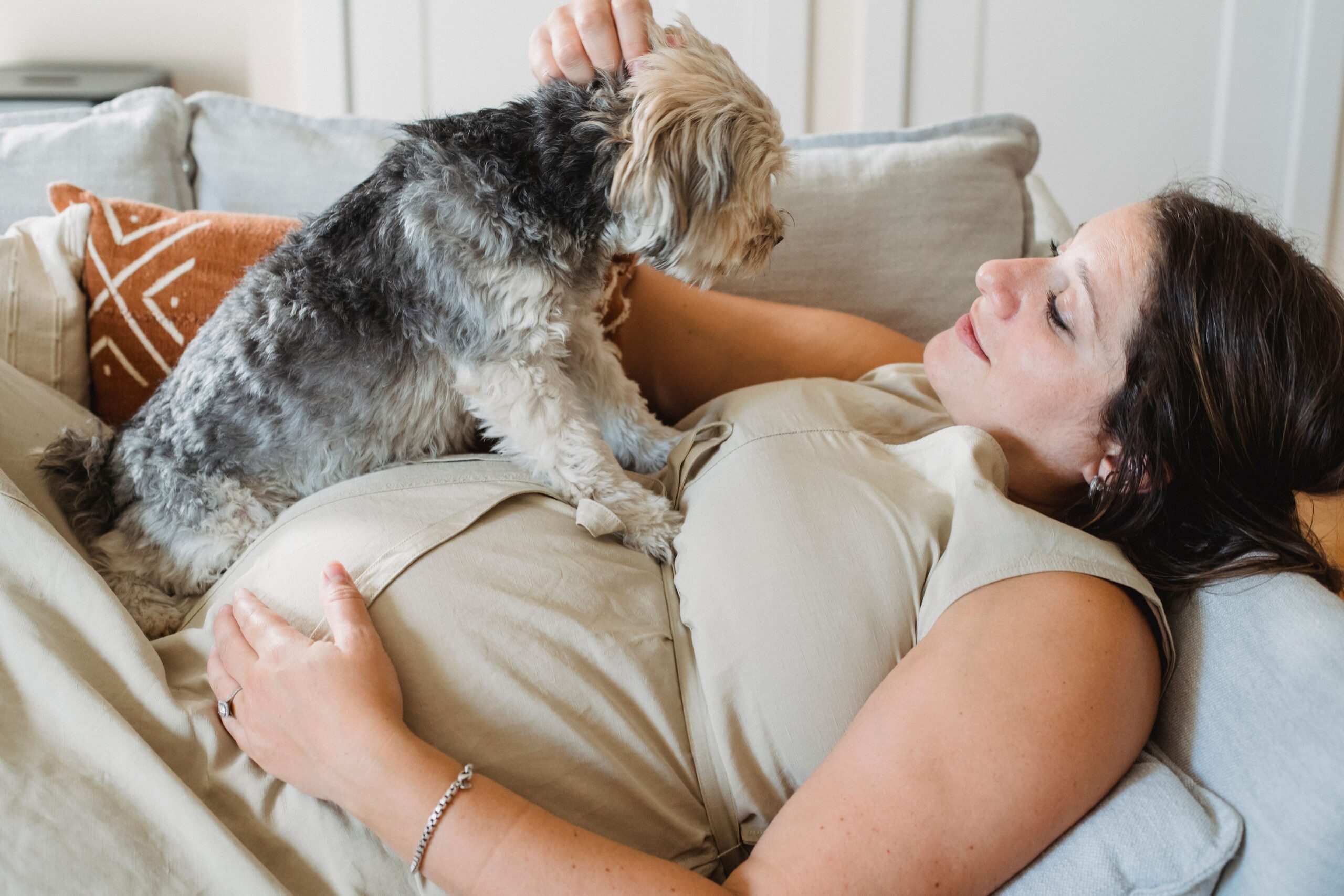
You didn’t cry. You didn’t sigh. You didn’t even move. But your dog got up anyway, crossed the room, and leaned into you like someone had paged them. No slammed door, no raised voice, nothing a microphone or an air sensor would ever catch. Most people chalk this up to “better hearing” or “a stronger nose,” and leave it there.
But if you’ve lived with a dog long enough, you already suspect that explanation is too small. Something else is happening in that gap between what you show and what your dog already knows. Behaviorists, trainers, and decades of shared couches suggest the real answer is stranger, and more moving, than sharp senses alone. By the time you get to #14, you’ll probably stop calling it a coincidence.
#1 – The Mood Shift You Haven’t Shown Yet

Your dog often clocks your mood before you’ve said a word or changed your expression. This isn’t a sound or a smell. It’s a whole-body weather change you’re broadcasting without realizing it.
Dogs are elite readers of human micro-behavior. Thousands of years of living alongside us tuned them into posture shifts, tension, and movement patterns that stay invisible to everyone else in the room.
Picture this: you’re just sitting there scrolling, silently spiraling, no tears yet, no sigh, nothing dramatic. Still, your dog quietly gets up and leans in like they’ve been summoned. They’re not reacting to one cue. They’re reading a whole cluster of them, your breathing, your blink rate, how still you’ve gone.
People love to say “dogs can smell sadness.” That’s a lazy shortcut. What they’re actually doing is reading your entire state, in real time, before you’ve even named it to yourself.
#2 – The Way Your Body Predicts Illness Before You Feel Sick
Most people assume illness arrives suddenly. In reality, the body starts shifting days before symptoms show up, and dogs often clock it first. Scent plays a part, but the timing is the strange piece.
We already know dogs can be trained to detect certain cancers and blood sugar crashes. What’s unsettling is how often untrained pets start hovering or acting clingy long before any diagnosis exists.
Your dog might sniff one spot on your body over and over, or refuse to leave your side at night. Owners usually brush it off as clinginess, until a test comes back and suddenly the behavior makes horrible sense.
Are they smelling microscopic chemical shifts? Almost certainly. Are they also reading subtle changes in your posture or skin temperature? Just as likely. It feels eerie mainly because you never noticed those shifts in yourself.
Fast Facts
- Dogs have been trained to detect certain cancers, seizures, and blood sugar changes through scent alone.
- Untrained pets frequently show “alert” behaviors, like fixating on one spot or refusing to leave a person’s side, before any diagnosis exists.
- Illness changes body chemistry gradually, giving a dog’s nose a head start long before symptoms are visible to humans.
- Repeated, focused sniffing at the same body area is one of the most commonly reported early-warning behaviors owners notice in hindsight.
#3 – Your Stress Levels Before You’ll Admit You’re Stressed

Here’s the uncomfortable part: dogs can often tell you’re stressed before you’re willing to say it out loud. You say “I’m fine.” Your nervous system says otherwise, in heart rate, muscle tone, and the tiny tension in your jaw.
Dogs live entirely in the present, so the contrast between your baseline and your current state stands out to them clearly, even while you’re still in denial about it.
Notice how your dog gets antsy or starts watching you closer on the days you “don’t know why you’re on edge.” That’s not random. They’re reacting to shorter breaths, faster steps, a different way your feet hit the floor.
People say “my dog can sense my anxiety” like it’s magic. To the dog, it’s just a visible change in the most important object in their environment: you.
#4 – The Tension in a Room Before Anyone Raises Their Voice
This is where it gets almost spooky. You and someone else can be sitting in total silence, both “keeping it together,” when your dog suddenly leaves the room or wedges themselves between you. No yelling, no obvious smell, nothing you could ever record.
Dogs are exceptional readers of social tension, posture angles, eye contact, the micro-freezes right before a fight. They don’t need a slammed door to know things are off.
This skill goes back to living in social groups where surviving conflict meant anticipating it early. In your living room, that instinct becomes “knowing a fight is about to start” before either of you has raised your voice.
Some dogs try to defuse the moment by bringing a toy or nudging a hand. Others simply vanish to another room. It looks like foresight, but to a dog, the build-up was loud the entire time.
#5 – The Exact Moment Your Routine Quietly Breaks
Most people think dogs just track time, like a furry alarm clock. In reality, they’re tracking patterns, not minutes, and they’re unnervingly precise about it.
You don’t have to say “walk” or touch the leash. The second you think about grabbing your shoes differently, or skip one small step in your usual ritual, your dog is already on alert.
Maybe you normally pour a drink, sit, check your phone, then stand. Change that order once, and your dog pops up like something’s happening, because to them, something is.
This is why they seem to know you’re leaving town before the suitcase even appears. To your dog, you’re a moving routine, and the smallest glitch signals a big change coming.
At a Glance
- Dogs track sequences, not clocks, so changing the order of everyday actions is often enough to trigger alertness.
- A skipped step in a routine can register as a bigger disruption than an entirely new activity.
- Packing, key-grabbing, or shoe changes rarely need to happen for a dog to sense a trip coming.
- To a dog, you function less like a person and more like a predictable pattern worth memorizing in detail.
#6 – Your Private Grief You Never Say Out Loud

This is where people start talking about ghosts and auras, and while you don’t need anything paranormal to explain it, you do need to admit this: dogs are uncannily sensitive to the quiet grief you think you’re hiding well.
No sobbing, no talking, sometimes not even a change in your daily tasks, just that hollow, checked-out version of yourself you only let show when you’re alone. Your dog still comes over, moves slower, and watches you like they’re on guard duty.
Grief sits in the body. Your shoulders cave differently, your face goes blank longer, your movements lose their bounce. A friend might miss all that if you’re still cracking jokes.
Your dog doesn’t miss it. They live inside your body language full-time, and when something deep shifts, they adjust too, less pushy play, more quiet checking in, sleeping closer to your door.
#7 – The Energy Drop Right Before You Burn Out
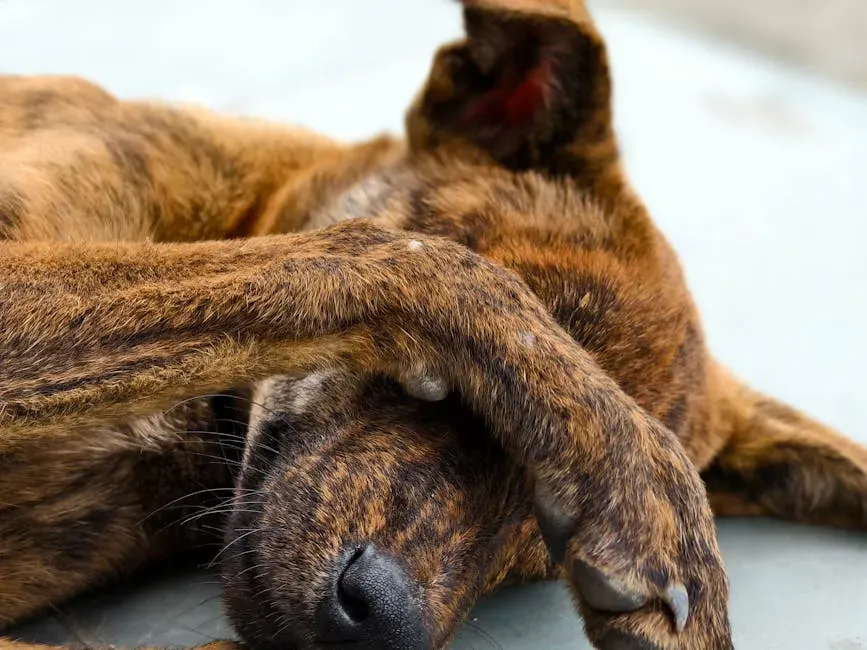
Burnout isn’t a single moment, it’s a long slide, and dogs often react to that slide well before you collapse. This isn’t about a sound or a smell in the room. It’s a slow-motion change in how you move through your own space.
They notice when you stop initiating play, delay walks, or move a little more mechanically, even while you’re telling yourself you’re just tired.
Some dogs get more demanding, pawing or dropping toys like they’re trying to snap you out of the daze. Others get strangely well-behaved, careful, almost like they’re walking on eggshells around you.
Over time, your dog starts predicting which version of you they’re getting that day just from how you walk down the hall. It looks mystical. It’s actually elite pattern detection paired with real emotional attunement.
#8 – When You’re About to Leave for Too Long, Even Without Luggage
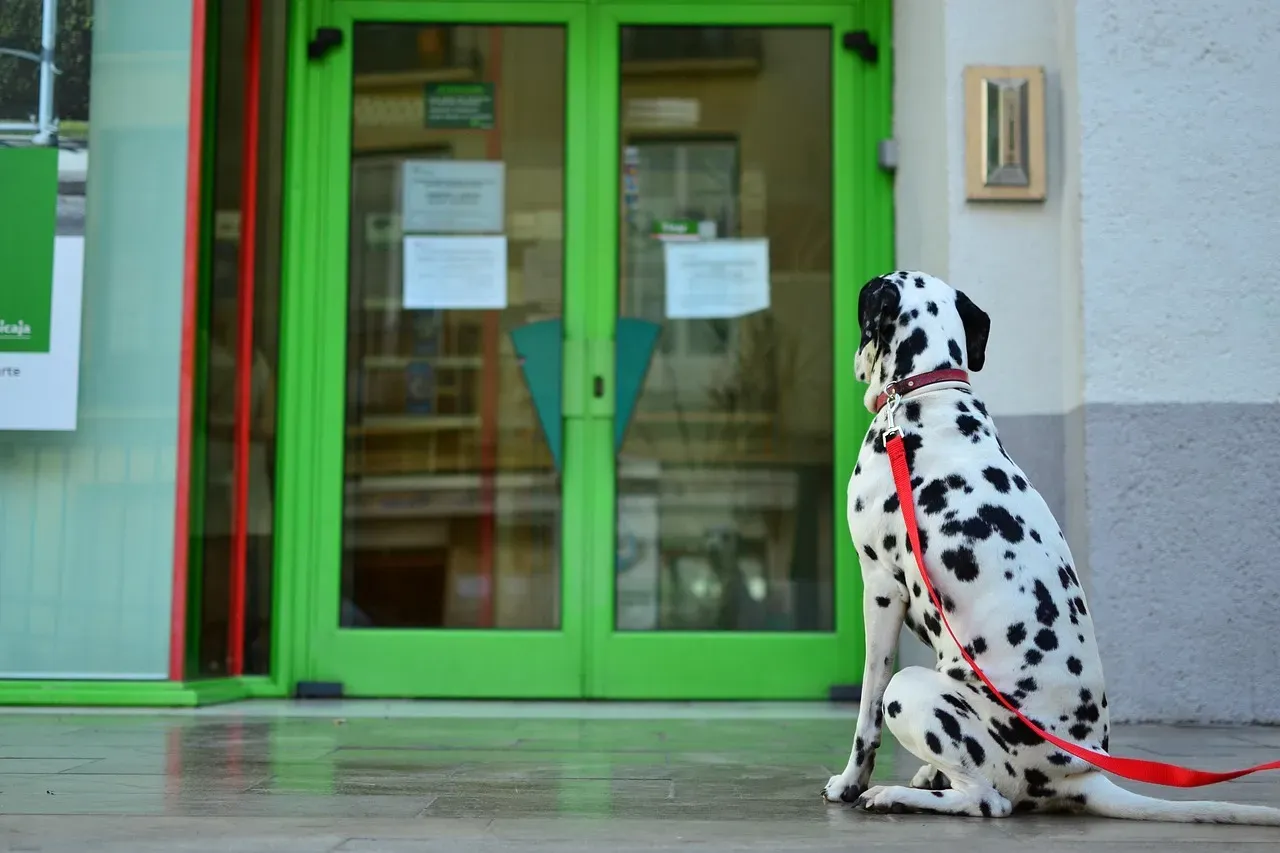
Most owners swear their dog “just knows” when a trip out will be longer than usual. No suitcase, no announcement, yet the dog starts pacing or blocking the door.
What’s really happening is your own internal sense of urgency leaking into your body language long before you step outside, and your dog reads that difference like a billboard.
Dogs keep something like an emotional ledger of your comings and goings. They know the difference between your “back in 20 minutes” energy and your “see you tonight” energy, even if you try to act casual.
You probably skip small things without noticing, less eye contact, a more clipped tone, fewer random touches. That’s why some dogs start whining or shadowing you well before you ever grab your keys.
#9 – The Invisible Hierarchy Shift Between People in the Room
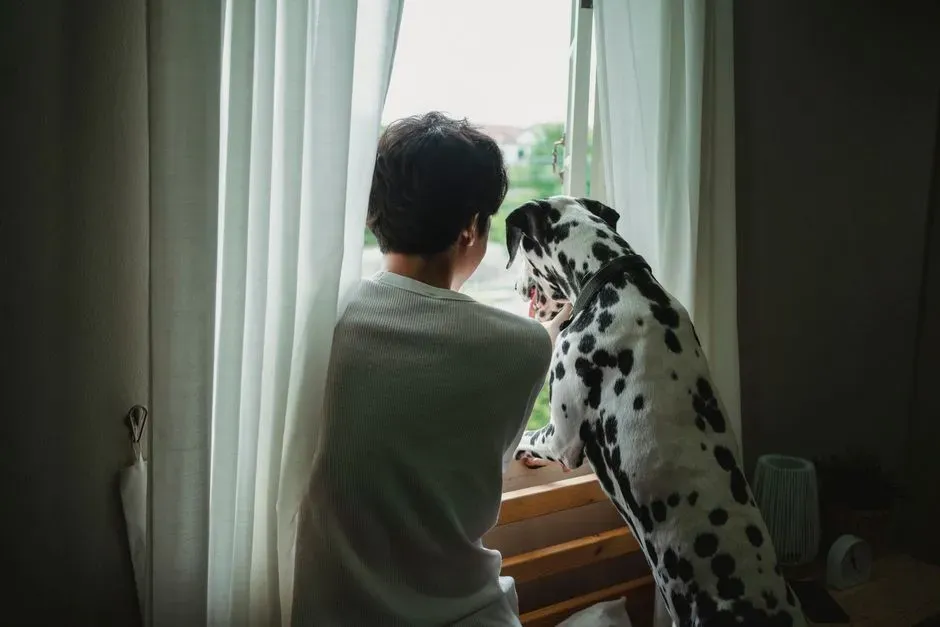
This one makes people uncomfortable: dogs notice power dynamics between humans long before anyone admits them out loud. No raised voices required. They watch who moves who, who yields space, whose commands actually get followed.
If a new partner enters your life, watch your dog closely after the honeymoon period ends. Do they defer more to that person now? Avoid them? Guard you instead?
They’re tracking who interrupts whom, who stiffens when someone else walks in, whose footsteps make you sit up straighter. “Dogs just like whoever feeds them” is honestly lazy thinking.
When a friendship sours or a relationship grows tense, dogs will often shift sleeping spots or greeting order without anyone saying a word. They’re not just sensing mood. They’re reading status changes in real time.
Worth Knowing
- Dogs often track who yields space or defers to whom, treating it as meaningful social data.
- A shift in sleeping spot or greeting order can signal a dog has picked up on tension between people before it’s spoken aloud.
- Guarding behavior toward one person and avoidance of another frequently maps onto real relationship changes, not random preference.
- This kind of tracking traces back to instincts built for reading group dynamics, not simple food-based loyalty.
#10 – Weather and Pressure Changes Before the Storm Ever Hits
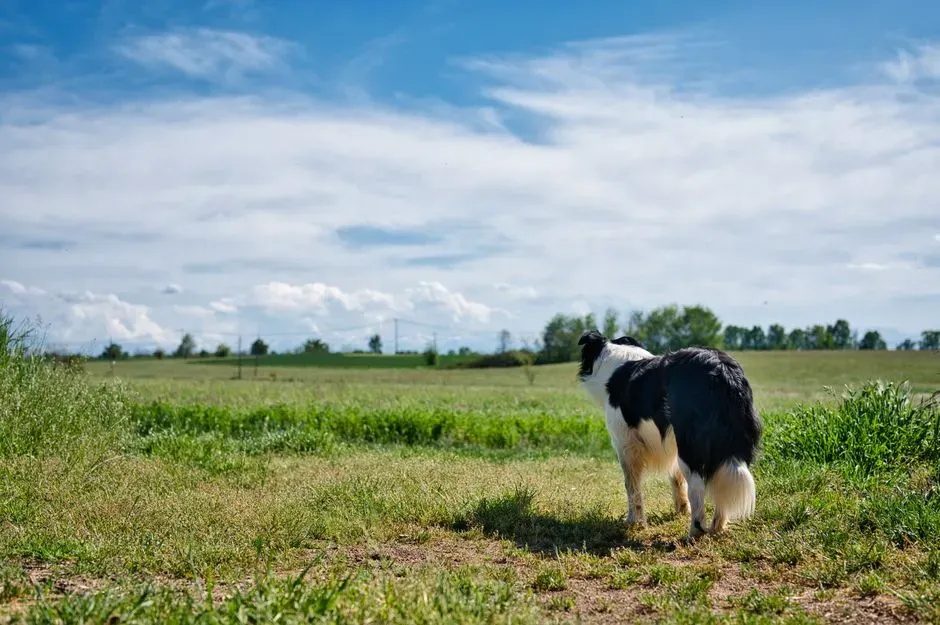
Yes, dogs hear thunder before we do and smell rain in the air. But the part people overlook is that they also seem to react to shifting barometric pressure and static long before any obvious weather event.
That’s why some dogs start pacing or hiding while the sky still looks perfectly clear and the room is completely silent. There’s no loud sound, no distinct scent, just an environmental shift most people never register.
Some researchers suspect dogs feel static building in their fur or pressure change in their ears. At home, it looks like random agitation, repositioning, hiding under a bed, refusing to settle anywhere.
Owners who dismiss it as a quirk usually change their mind the first time the storm hits exactly when the pattern predicted. To the dog, the storm already started long before the first flash of lightning.
#11 – The Baby You Haven’t Announced Yet
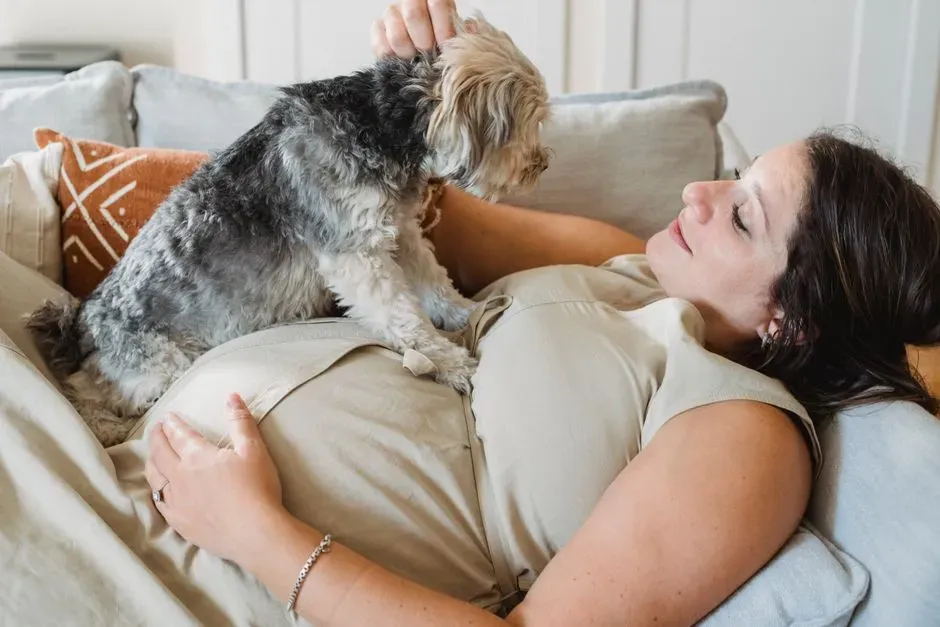
One of the most emotional “my dog knew before I did” stories revolves around pregnancy. There’s plenty of myth mixed in, but the core pattern holds up: dogs often change their behavior around a pregnant person surprisingly early, sometimes before any belly shows.
Scent likely plays a role, since hormonal shifts do alter body odor. But the behavior goes beyond basic sniffing.
Previously aloof dogs suddenly become velcro shadows, sleeping closer, acting extra gentle near the abdomen, or turning more protective around strangers, often with no nursery, no baby gear, and no conversations happening in front of them.
From the dog’s view, someone central to their world simply moves differently now, rests more, touches their own body in new ways. It feels mystical to us. To them, it’s just a pattern shift in the person they watch closest.
#12 – The Moment You’ve Checked Out Mentally
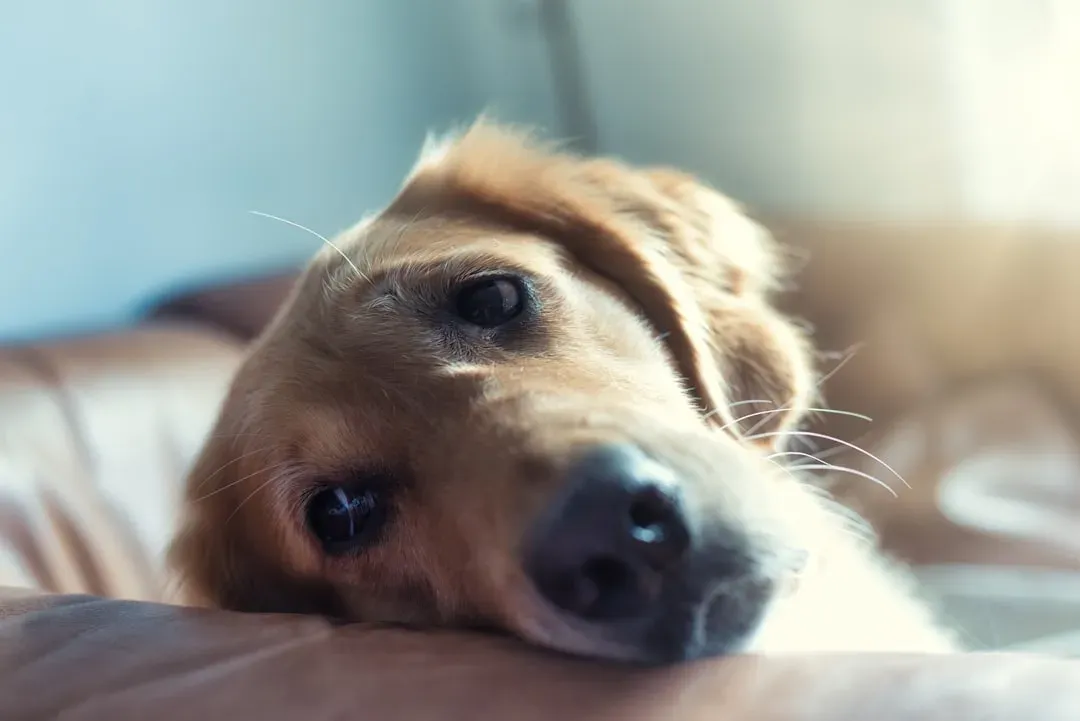
You can sit right next to your dog, hand on their fur, and still not really be there. Dogs notice. They know when your attention has left the room even though your body never moved.
No sound changes, no scent changes, just a subtle shift in how you touch, how your eyes move, or don’t, and how you respond to their small bids for connection.
Watch how differently your dog behaves when you’re deep in your phone versus fully present. They might nudge you, paw at you, or simply lie down with a kind of resigned distance.
Dogs live on contingencies: when I do X, you usually do Y. When they lick your hand and you don’t glance down, that pattern breaks, and over time they start predicting your mental absence before it even fully happens.
#13 – The Subtle Shift Right Before a Seizure or Blood Sugar Drop
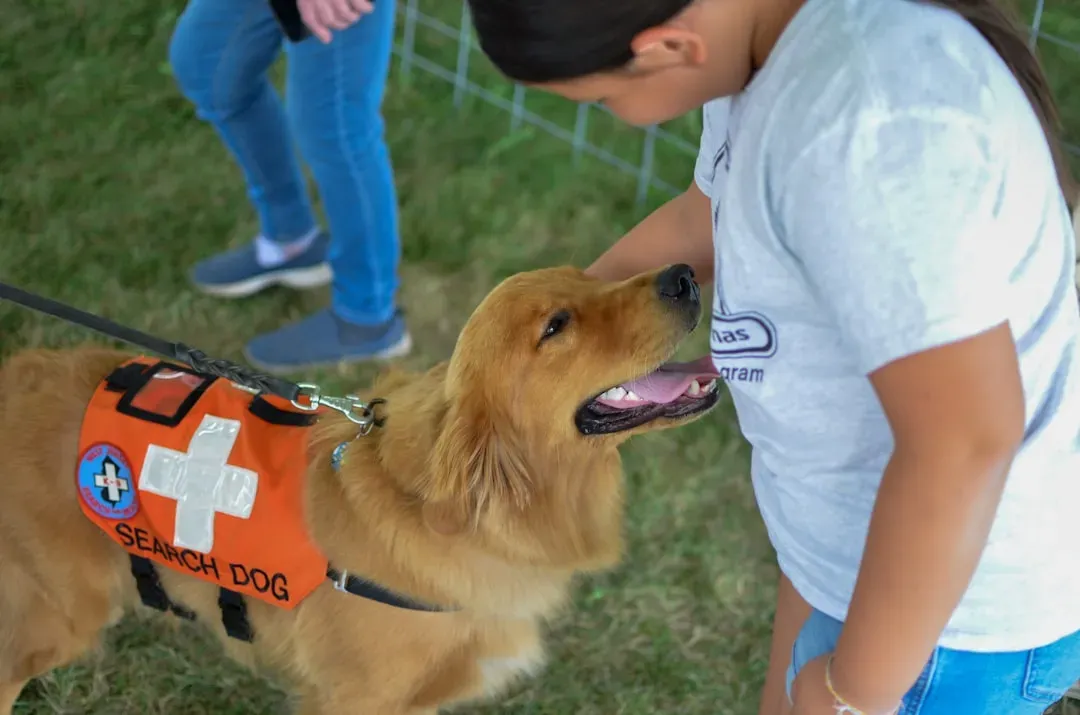
This is one of the most dramatic examples of a dog sensing something no sound or scent could fully explain. Trained medical-alert dogs get the credit, but many untrained pets start warning their owners before seizures or dangerous blood sugar drops on their own.
They may paw, whine, stare intensely, or refuse to leave, sometimes minutes before anything visible starts happening to the person.
Metabolic and neurological shifts change a person’s internal chemistry and micro-behavior in ways dogs may partly smell and partly see, through coordination, gaze, or subtle muscle control changes.
What’s genuinely frustrating is how often people dismiss these repeated, consistent alerts as coincidence. To the dog, it’s simple: their person’s state changed, so they responded.
Why It Stands Out
- Medical-alert dogs can be trained to flag seizures, diabetic blood sugar swings, and certain allergen exposures.
- Many owners report alert behaviors, pawing, whining, fixed staring, appearing before any human-visible symptom starts.
- The response often blends scent detection with visual cues like unsteady coordination or a changed gaze.
- Consistent, repeated alerts are one of the clearest real-world signs that a dog’s warning isn’t coincidence.
#14 – The Exact Second You Decide Something, Without Moving
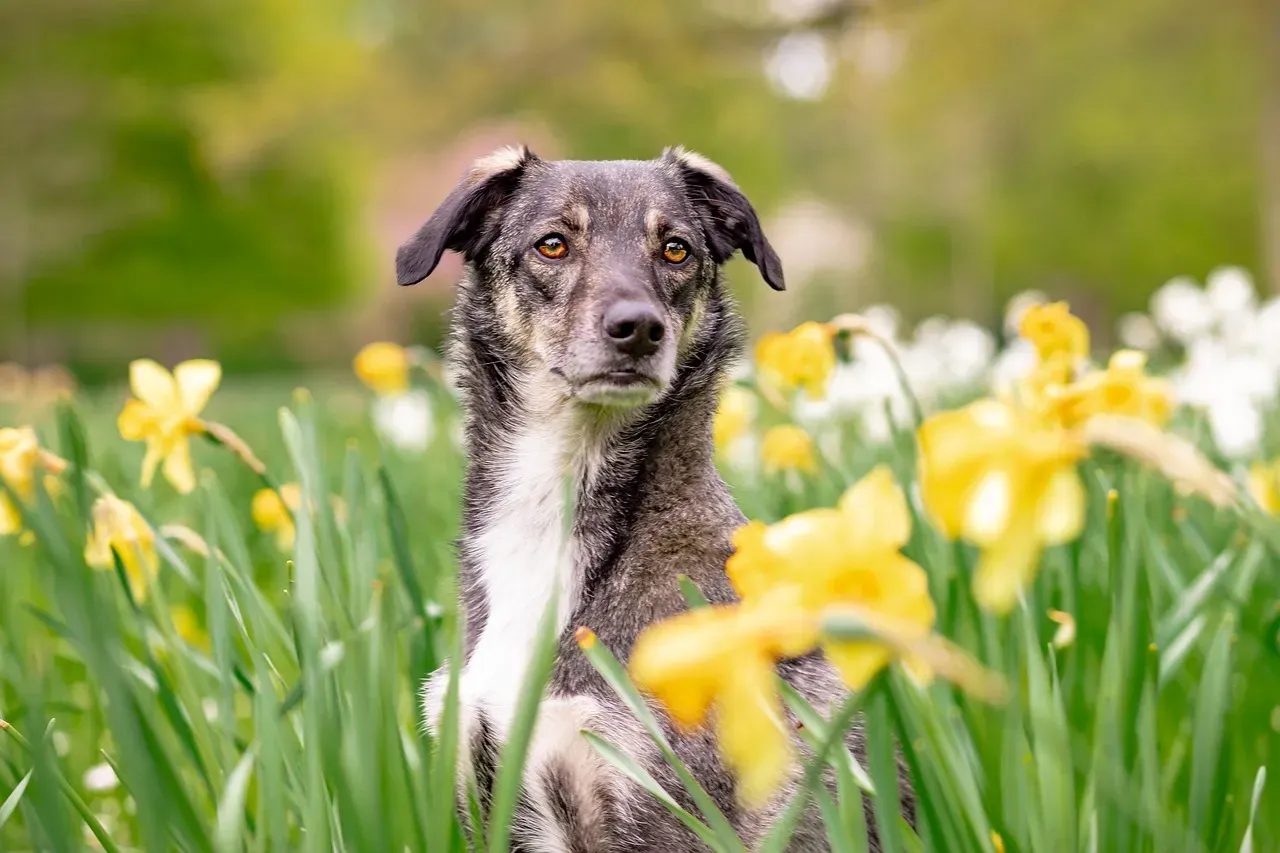
This one is the most unsettling, and the most relatable. Think about the last time you silently decided to get up and grab the leash. You hadn’t moved yet. No sound, no visual cue. And your dog’s head snapped up right then.
Dogs are tuned into pre-movement cues, the tiny muscle firings and posture preloads that happen in the split second between deciding to act and actually acting. It feels like mind reading because even you aren’t conscious of those micro-adjustments.
Before you stand, your weight shifts. Before you throw a ball, your shoulder loads. Before you grab your keys, your eyes flick there with a different intent than a casual glance.
Over years, dogs build a private library of your pre-actions. When they jump up “on your thought,” they’re really responding to the earliest physical echo of a decision you haven’t made yet, at least not out loud.
People reserve words like “sixth sense” for moments like this. What looks mystical from the couch is really just the result of hyper-sensitive bodies, ruthless pattern recognition, and an attentiveness we’ve mostly lost in ourselves.
Your dog isn’t hearing voices in the air. They’re reading shifts in you, in the room, and in the environment long before your conscious brain even catches up to what’s happening.
The uncomfortable part is that your dog often understands your state better than you do. They see the burnout coming. They feel the tension building before the first word is said. They sense the grief you’ve numbed past your own recognition.
Dogs are not our whole life, but they make our lives whole.
Roger Caras
You don’t need to believe in ghosts or auras to accept this. Living with a dog means living with a creature that is silently, faithfully tracking you all day, every day, with an accuracy most humans could never manage for each other. That’s not a party trick. That’s devotion with excellent eyesight and better instincts.