
Most people expect a dog’s final days to announce themselves loudly – a collapse, a dramatic refusal to eat, an unmistakable sign that something is terribly wrong. But that’s almost never how it happens. The week before a dog crosses the rainbow bridge is quiet. Heartbreakingly, almost invisibly quiet. And because the signs are so subtle, so easy to explain away as “just a bad day” or “probably the weather,” most owners don’t realize what they witnessed until it’s already over.
What you’re about to read isn’t a list of obvious symptoms. These are the patterns that veterinarians and end-of-life specialists see again and again – the ones that get missed in real homes, by real families who loved their dogs completely. Some of these will feel familiar. Some will stop you cold. Either way, knowing them might give you something most owners never get: a chance to be fully present for one of the most sacred weeks of your dog’s life.
#14 – Secretly Seeking Unusual Hiding Spots
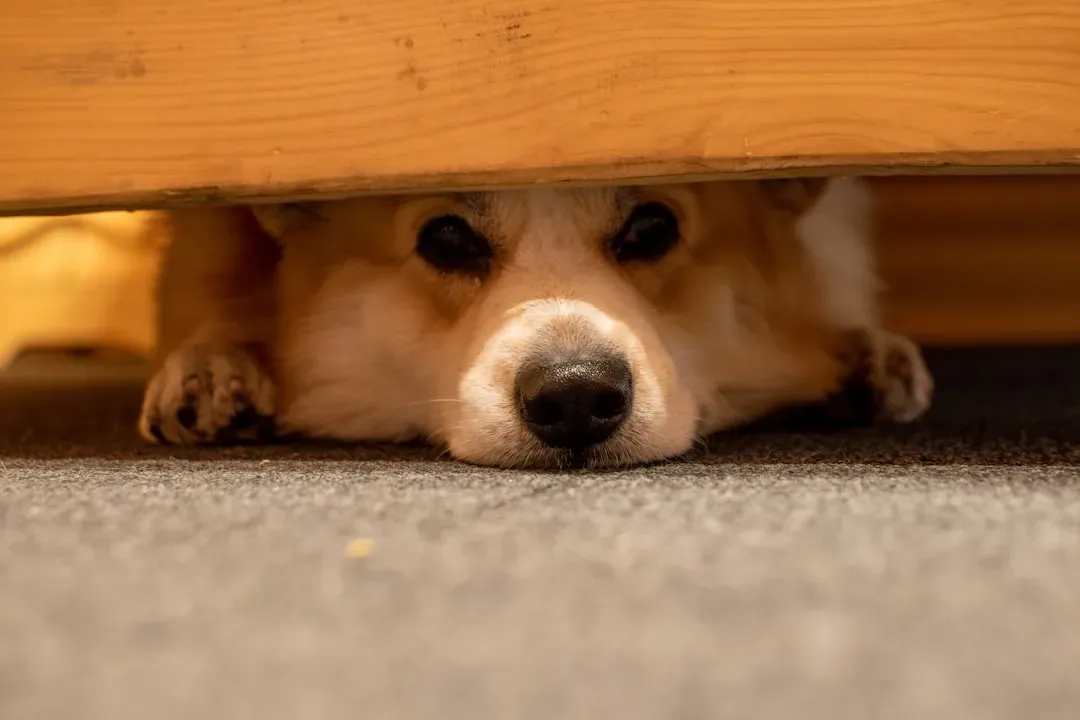
In the final days, a dog that once planted itself in the center of every room may quietly disappear behind the couch, under a bed, or into a corner of the house it barely visited before. It doesn’t look for attention when it moves there. It just goes, settles, and stays. Owners almost always chalk this up to wanting peace and quiet, which isn’t entirely wrong – but it misses the deeper shift happening underneath.
This withdrawal isn’t random, and it isn’t the dog giving up on you. It’s instinct. Dogs have an ancient pull toward stillness and safety when their bodies begin winding down, often gravitating toward cooler air, lower foot traffic, and quieter acoustics to conserve whatever energy remains. The most surprising part is how early this starts – sometimes three or four days before any other sign appears. If your dog has found a new favorite spot that feels a little off, it’s worth paying attention.
#13 – Subtle Nighttime Pacing That Looks Like Restlessness
You wake up at 2 a.m. to the soft sound of paws on hardwood – your dog making slow loops through the hallway, the living room, the kitchen, then back again. It’s easy to assume they need to go outside, or that their arthritis is acting up, or that they just had a strange dream. Most families roll over and go back to sleep. But in the final week, this nighttime wandering often signals something more significant than a simple sleep disruption.
Neurological changes and low-level internal discomfort tend to surface at night when the house is still and there are no distractions to push through. The dog isn’t restless from boredom – it’s restless because something internal has shifted and lying still has become harder than moving. Vets note that this pacing often appears as aimless loops, interrupted by brief pauses where the dog stares at nothing in particular, then continues. It’s exhausting for the dog and almost invisible to owners who are half-asleep when it happens.
#12 – Ignoring Once-Favorite Toys in a Very Specific Way
It doesn’t happen all at once, which is exactly why it’s so easy to miss. The toy your dog carried from room to room, dropped at your feet a hundred times, slept with curled up in its bed – suddenly gets a sniff and nothing more. No dramatic rejection. No obvious sadness. Just a quiet walk-away that feels almost polite. Families usually assume the dog is tired after a walk, or not in the mood. They expect the interest to come back tomorrow.
But in the final week, that tomorrow often doesn’t arrive. What’s especially disarming is that some dogs will chase a ball once or twice out of pure muscle memory – a ghost of the habit – before interest fades for good. That brief flicker is exactly what fools owners into thinking everything is fine. The selective disinterest usually begins mid-week, well before appetite loss or visible weakness, making it one of the earliest emotional signals a dog sends.
#11 – Drinking Less Water Without Obvious Dehydration Signs
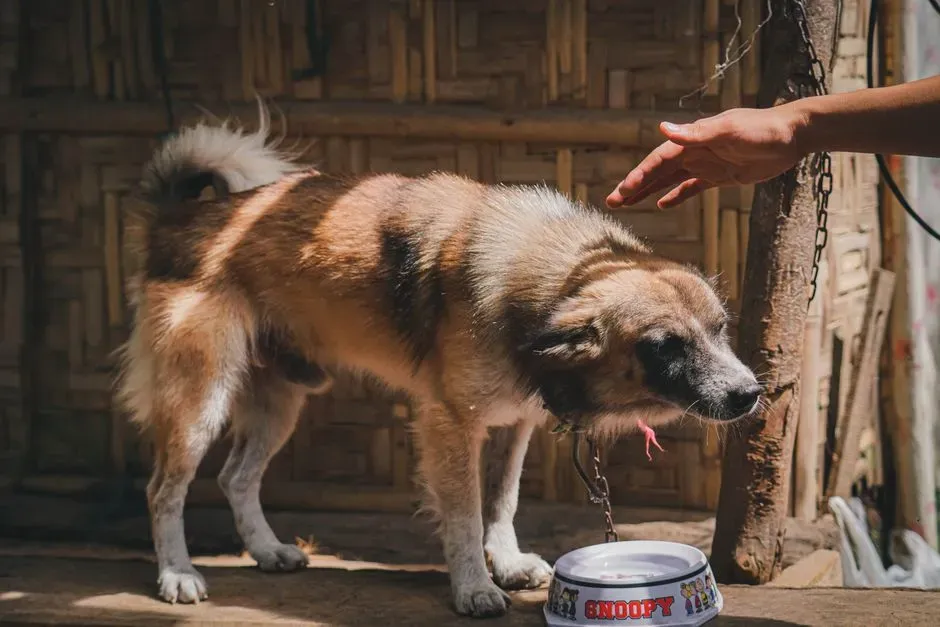
Nobody measures their dog’s water bowl with a measuring cup, which is exactly why this one slips by almost every time. The change isn’t dramatic – maybe a few ounces less per day, a bowl that used to need refilling twice that now lasts until evening. The dog still walks to the bowl. It might take one or two slow laps, look up briefly, then turn and walk away. Nothing about it looks like a crisis. Nothing about it looks like a goodbye.
But that quiet reduction in water intake is one of the earliest and most consistent signs that the body is beginning to pull inward. Circulation slows, core temperature drops slightly, and the drive to hydrate fades alongside it. Experts point out that this pattern frequently coincides with cooler paws and ears – which we’ll get to – as the body quietly redirects resources. Missing this sign means missing one of the earliest windows to begin comfort care, to sit with your dog a little longer, to simply be there while there’s still time.
#10 – Soft, Uncharacteristic Whining During Routine Moments

It’s not the whine of a dog in obvious pain. It’s something smaller – almost apologetic. A low sound that escapes when the dog stands up from a nap, or when you run your hand along its back in a spot that always felt good before. It lasts maybe two seconds. The dog doesn’t yelp, doesn’t freeze, doesn’t look at you with desperate eyes. It just makes that small sound and then goes quiet again, as if it didn’t mean for you to hear it.
That restraint is part of what makes this sign so easy to dismiss. Dogs are remarkably good at masking discomfort – it’s wired into them – and in their final days, many continue trying to protect the people they love from the full weight of what they’re experiencing. Families hear the soft whine, say “poor old guy” or “she must be stiff today,” and move on. It’s only later, looking back, that the pattern becomes visible: the same quiet sound, at the same vulnerable moments, day after day.
#9 – Choosing One Person for Extra, Quiet Closeness
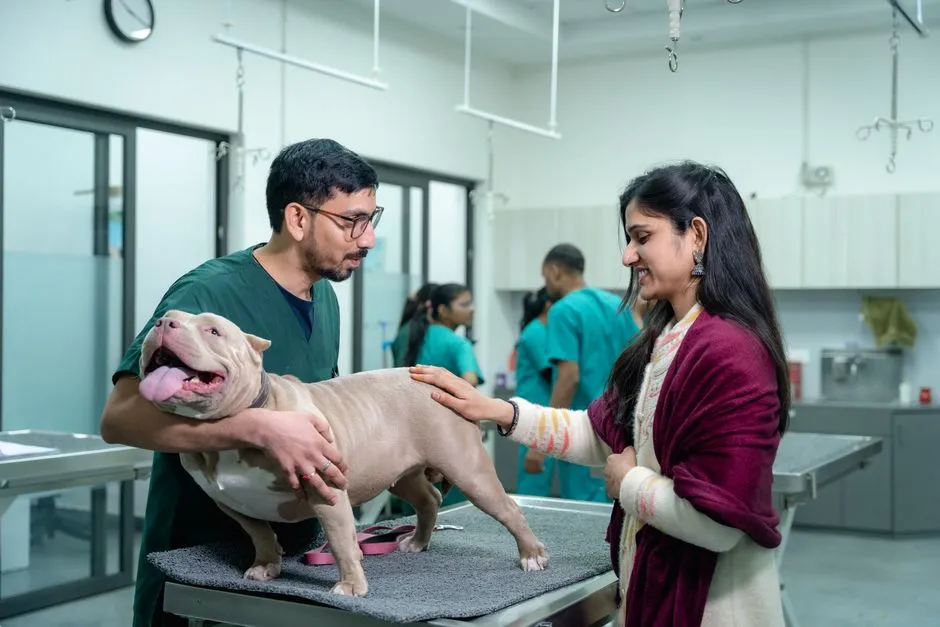
Where a dog once spread its affection evenly across a household – greeting everyone at the door, cycling through laps, distributing morning check-ins like a small furry ambassador – something shifts. It starts choosing one person. Not loudly, not desperately. It just follows that person from room to room with a kind of quiet determination, settles against their leg, rests its chin on their foot, and stays. The chosen person usually feels touched rather than alarmed. It feels like favoritism. It feels like love.
It is love. But it’s also something more specific. Vets who specialize in end-of-life care describe this focused bonding as one of the most tender and telling signs of the final week – a dog identifying its safest human anchor and staying close. What makes it easy to miss is that it can appear suddenly after days of withdrawal, so the increased closeness feels like improvement rather than transition. If your dog has picked you lately and won’t seem to let you out of its sight, hold that time carefully.
#8 – Dull Eyes That Still Track Movement Briefly
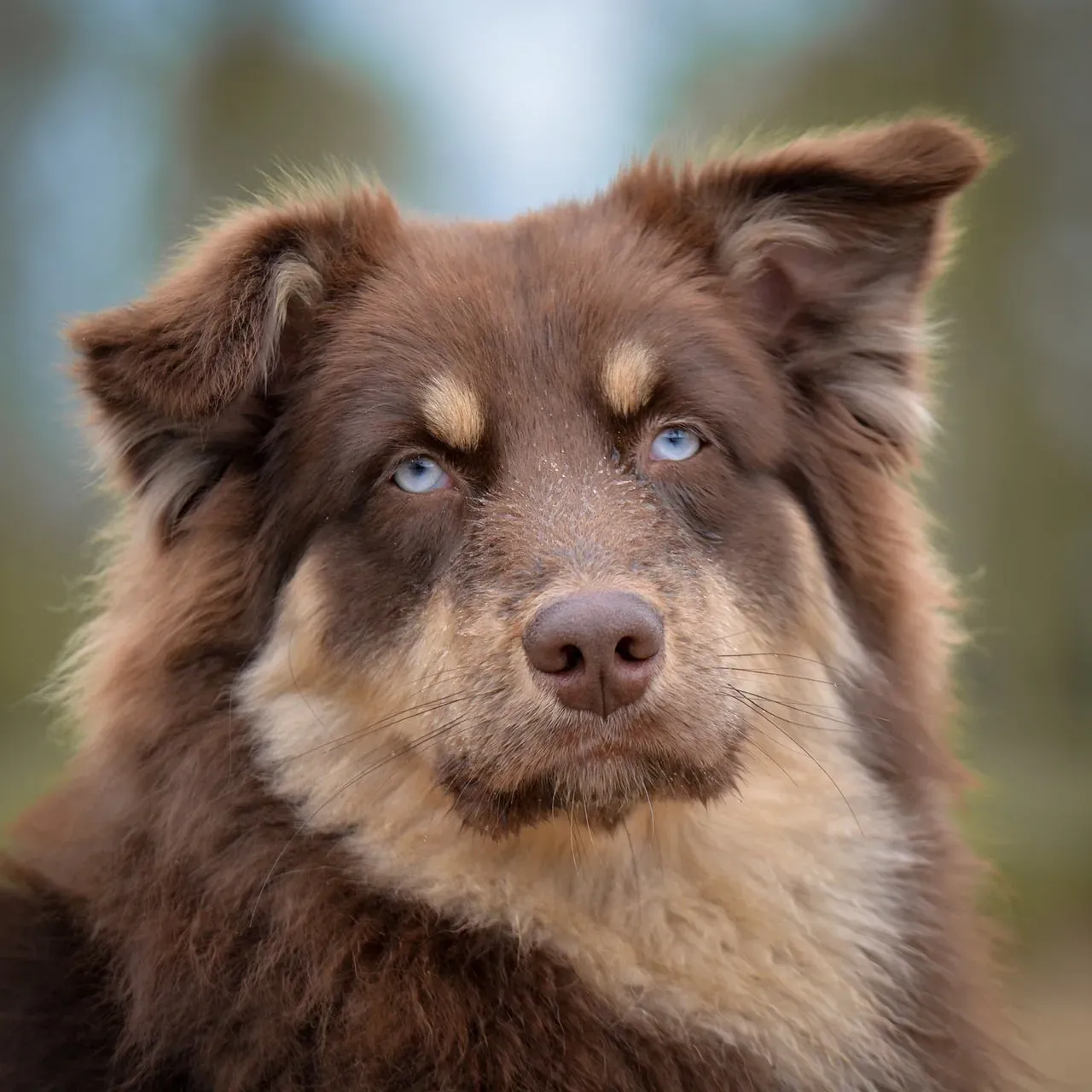
Eyes are one of the first places the body’s slowdown becomes visible – but only if you’re really looking. The usual brightness fades, replaced by something flatter, more distant, like a light left on in an empty room. But because the dog can still follow your hand for a second or two, can still glance toward a treat or a sound, it’s easy to convince yourself that vision is intact and everything is fine. The partial tracking creates just enough reassurance to close the question before it fully opens.
The change is most obvious in bright light, where healthy eyes catch and reflect it and aging ones seem to absorb it instead. The dog’s expression appears distant even when it’s clearly awake and aware of you. It’s not blindness – it’s dimming. One of the most overlooked physical details is how the eyes stop reflecting light the same way they used to, creating a flatness that’s hard to describe until you’ve seen it. It tends to appear days before other physical symptoms, which makes it one of the quietest early tells of all.
#7 – Accidents That Happen in Previously Clean Spots
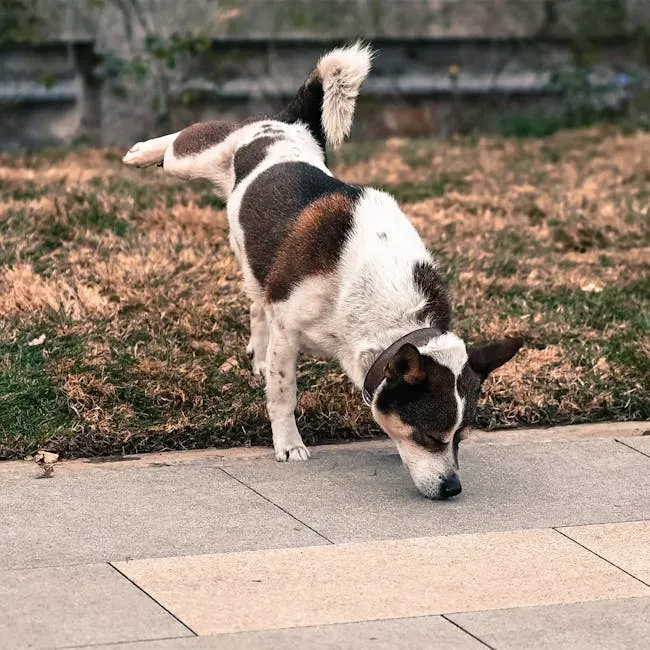
A dog that has been reliably house-trained for a decade suddenly leaves a small wet spot on the rug, or just inside the door, or in a corner it always avoided. It’s small. The dog doesn’t look ashamed the way it might have years ago after a younger accident. It may not even seem aware it happened. Families clean it up, figure it was an access issue or a side effect of medication, and move on. It doesn’t feel like a pattern yet – because it isn’t one yet.
But in the final week, muscle control fades long before full incontinence appears, and these early leaks are often the first physical evidence that the body is no longer fully in charge. What’s particularly easy to miss is when these small accidents happen right after the dog wakes from a nap – that vulnerable transition between sleep and wakefulness when the body hasn’t quite caught up. The episodes are too small to feel alarming, which is exactly why they become one of the most commonly missed signs on this list.
#6 – Breathing That Slows Then Quickens Without Panting

Nobody monitors their sleeping dog’s breath count. Why would you? But in the final week, something changes in the rhythm – a few slow, deep breaths, then a cluster of shallow quick ones, then slow again. No panting, no visible distress, no dramatic struggle. The dog just lies there, chest rising and falling in a pattern that doesn’t quite match what you’re used to seeing. Most people never notice unless they happen to sit quietly with the dog long enough to feel the irregularity.
This kind of breathing reflects organ systems beginning to wind down and the body adjusting its effort moment to moment. Vets highlight one detail in particular that families almost never catch: the brief pause between cycles, a half-second where the breath seems to stop entirely before resuming. It’s fleeting. It’s quiet. And it tends to emerge during sleep or peaceful lying down – the exact moments when you’re least likely to be watching closely. If you find yourself sitting with your dog in its final days, put your hand gently on its side and just feel.
#5 – Cooler Paws and Ears That Feel Normal at First Touch

You reach down and scratch behind the ears. The head feels warm, maybe even normal. You don’t think twice. But if you cup the paws in your hands – really hold them the way you might on a cold winter walk – you’ll notice something. They’re cool. Not cold, not alarming, just noticeably cooler than the rest of the body. The tail may still wag weakly when you touch them. The dog may lean into your hands. Everything looks okay. But the temperature tells a different story.
As the body begins conserving energy for its most vital functions, circulation quietly retreats from the extremities first – paws, then ears, eventually working its way inward. It’s one of the most consistent physical signs in the final days, and one of the easiest to miss because a quick pat on the head returns a normal temperature and the mind files “fine” before the body has been fully read. The ears especially can feel almost cold to the touch while the dog remains alert and responsive – a gap between appearance and reality that makes this sign so easy to overlook.
#4 – Brief Moments of Disorientation in Familiar Rooms

The dog stops in the middle of the hallway it has walked a thousand times and stares. Not at anything specific – just ahead, or at the wall, or at the leg of the kitchen table. The moment lasts three seconds, maybe five, then it passes and the dog continues on as if nothing happened. It’s so brief and so quiet that most families write it off instantly. Distracted. Getting old. Probably just saw a dust mote. Nothing to worry about.
But in the final week, these micro-moments of cognitive fog tend to increase in frequency even as they stay short in duration. They’re not the sustained confusion of a full neurological event – they’re more like a signal dropping for a second before reconnecting. Experts who work in animal hospice note that these episodes happen most often right after the dog wakes from sleep, in that hazy window before full awareness returns. Families don’t connect them into a pattern because each individual episode seems too small to matter. Taken together, they matter a great deal.
#3 – Turning Away From Family Meals Without Drama

Think about every dinner you’ve ever made with your dog nearby. The hover. The strategic positioning near the cutting board. The eyes that tracked every movement with professional-grade focus. The whine when you didn’t move fast enough. In the final days, that dog is simply… somewhere else. In another room, lying down, not interested. There’s no dramatic food refusal, no turning away from a full bowl with visible sadness. Just an absence where a presence used to be.
The quiet retreat from food smells is one of the earliest appetite changes – and because it lacks the drama of obvious food refusal, it almost never triggers concern. What makes it particularly disarming is that some dogs will still accept a single offered bite, chewing it slowly before turning away from anything further. That one acceptance is enough to convince most owners that appetite is intact and the dog is just “not as hungry today.” It masks the larger withdrawal happening underneath, which is exactly why this sign lands so high on the list.
#2 – Seeking One Last Favorite Outdoor Spot
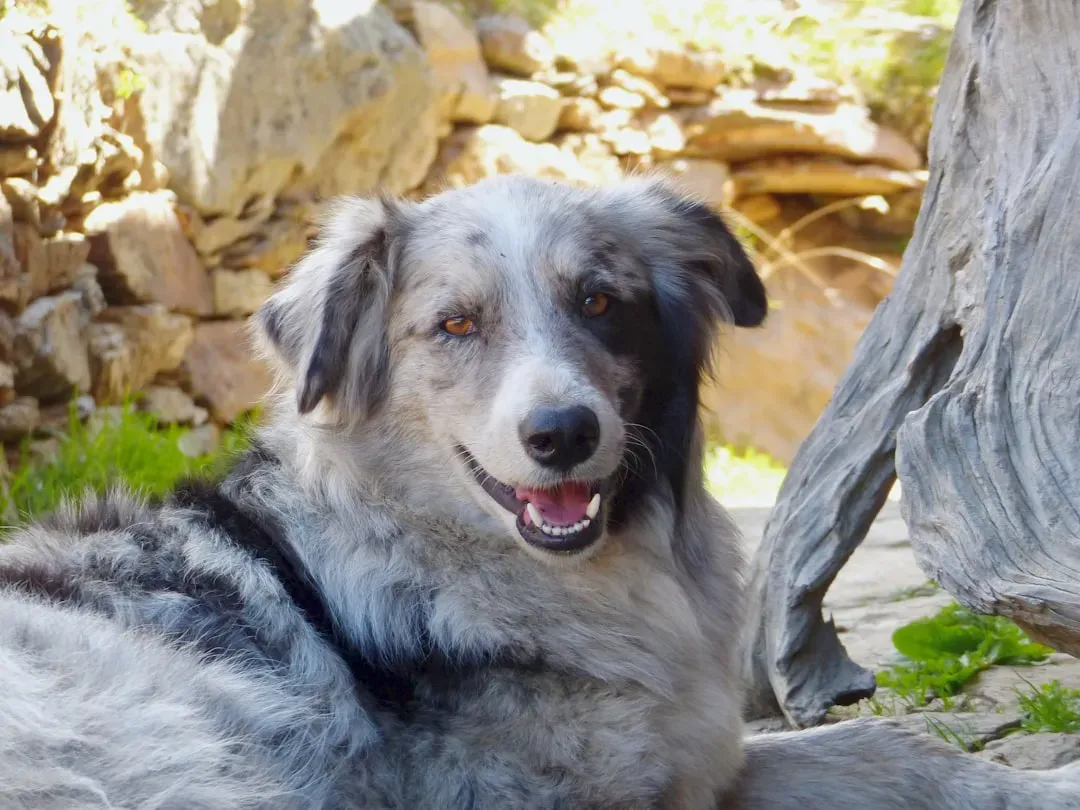
Despite visible weakness, despite the slower mornings and the shorter walks, the dog stands at the back door with surprising purpose. Or it leads you, with more determination than you’ve seen in days, toward that particular patch of yard it has always loved – the sunny corner by the fence, the spot under the old tree, the stretch of sidewalk where all the best smells seem to gather. The outing is short. But the dog knows exactly where it wants to go, and it goes there with everything it has left.
This final pilgrimage is one of the most frequently misread moments in the entire final week because it looks like improvement. The energy, the direction, the sense of purpose – families feel hope when they see it. Vets who work in end-of-life care describe it as one of the most quietly heartbreaking patterns they witness: a dog making one last request to touch the world it loved before letting go. The dog may sniff the same spot for a long time, then seem genuinely at peace with returning inside. If your dog leads you somewhere with that kind of quiet determination, follow. Stay a little longer than you think you need to.
#1 – A Sudden, Peaceful Calm That Replaces All Previous Restlessness

After days of subtle signs – the wandering, the hiding, the soft whines, the cooler paws – something shifts. The dog stops. Not in the worrying way, not in a collapse. It just settles. Lies down with its eyes half-closed, breathing slowly and evenly, body relaxed in a way it hasn’t been in days. The pacing is gone. The restlessness has lifted. The expression is soft, almost serene. Families feel their shoulders drop with relief. Finally, they think. Finally some peace. It must be getting better.
This is the sign that breaks the most hearts in retrospect, because it feels like an arrival when it is actually a departure. Veterinarians describe this profound stillness as one of the most consistent markers in the hours before the end – a kind of biological grace that settles over a dog when the body has finished its long work of holding on. The calm can last for hours. The breathing stays quiet and even. The dog may not lift its head when you enter the room, but if you put your hand on it, you’ll feel it lean into you one last time. If your dog reaches this place, don’t leave. Sit down beside them. Be the last thing they feel.
The week before a dog crosses the rainbow bridge rarely looks the way we expect it to. There’s no single dramatic moment that announces itself clearly – just a slow, quiet unraveling of small habits, small warmths, small presences that we took for granted because they were always there. The dogs who are leaving us are not suffering loudly. They are fading gently, doing their best to protect us from the weight of what’s coming, right up until the end.
What breaks my heart about this list isn’t the signs themselves – it’s the fact that most owners only recognize them in hindsight, after the house has gone quiet and the water bowl is still full. We owe our dogs better than that. We owe them the gift of being truly seen in their final days, not just cared for but witnessed. So if something feels off with your dog this week – if it’s hiding somewhere new, or following you with unusual devotion, or standing at the back door with that quiet purpose – put the phone down. Sit on the floor. Let them find you. You may not know exactly what week it is. But they do.


