
14 Things a Vet Notices About a Dog’s Owner Before the Appointment Properly Starts
You probably think the appointment starts when the vet walks in with a clipboard and a stethoscope. It doesn’t. It starts the second your car door opens in the parking lot, and by the time you’ve made it to the front desk, the staff already has a working theory about your dog – and about you.
Nobody says this part out loud, because it sounds a little uncomfortable. But veterinary teams are trained observers, and the quiet read they do in those first sixty seconds often shapes the entire visit – the tone, the honesty level, even the treatment plan. Here’s exactly what they’re clocking before the “real” appointment ever begins.
#1 – How You Walk Through the Door

Before a single word is exchanged, your entrance has already told a story. Do you burst in tangled in the leash, apologizing loudly while your dog drags you sideways into a stranger’s lap? Or do you pause at the threshold, let your dog take a breath, and scan the room before moving? Vets and techs read this in seconds flat, and they read it every single time.
Dogs that tow their owners through the lobby usually live with very few boundaries at home, which often means more stress in the exam room and a harder time sticking to treatment plans. Walking in calm doesn’t mean your dog is flawless – it usually means someone’s put in the work. Staff also notice whether you step aside for other pets or barrel through like the lobby belongs to you, because that split-second behavior tells them exactly how much they can lean on you to help keep everyone safe once the real exam starts.
#2 – Your Leash Grip and Body Language

Most people don’t realize the vet is analyzing their posture before they’ve even glanced at the dog. Are you white-knuckling the leash, wrapped three times around your wrist like you’re bracing for a rodeo? Or is your grip loose, your shoulders down, your voice easy? A tense, rigid owner almost always has a tenser, more reactive dog on the other end of that leash – your body is basically your dog’s weather report, and the whole clinic can feel the storm rolling in from across the room.
They’re also watching whether you instinctively become a buffer between your dog and the front desk, or whether you let your dog charge up to every animal in the room “to say hi.” Someone who understands personal space is easier to coach through a fearful moment or a tricky procedure. Someone who laughs off lunging as “he’s just friendly” forces the whole team into defense mode before anyone’s even opened a file.
#3 – What You Brought With You (and What You Conveniently Forgot)
The stuff in your hands when you walk in is basically a cheat sheet for how you manage your dog’s health. Did you bring old records, a written list of medications, a baggie of the actual food? Owners who show up with notes and real data almost always get better medical outcomes, because they’re handing the vet facts instead of fuzzy guesses. It quietly says, I take this seriously.
On the flip side, staff notice instantly when you’ve forgotten the stool sample for the third visit in a row, or when the medication is just “the little white pill,” or when you genuinely don’t know what brand of food your dog eats. None of that makes you a bad owner – but it makes the vet’s job harder and the care less precise. Forgetting a muzzle for a known biter or a harness for a dog with neck problems tells them just as much as anything you’ll say out loud.
Fast Facts
- Vaccine records and any recent bloodwork results
- A written list of current medications and dosages
- A fresh stool sample if one was requested for this visit
- The exact food brand and daily amount fed
- A muzzle or harness if your dog has known handling needs
#4 – The First Thing You Say at the Front Desk
Your opening line at check-in is often more revealing than the entire “reason for visit” written on the intake form. There’s a real difference between “He’s a little nervous, so we might need to go slow,” and “He hates the vet, good luck with this one.” One signals partnership. The other signals a fight the staff didn’t sign up for.
When owners pre-apologize for their dog’s behavior but show zero interest in changing anything, vets know exactly what kind of appointment they’re walking into. Reception staff quietly track how you describe your dog – “crazy,” “stupid,” “my baby” – and whether you minimize real issues, like brushing off a bite as “not a big deal.” Those few sentences influence handling plans, safety decisions, and sedation choices long before the vet even walks in the room.
#5 – Your Dog’s Weight (and How Fast You Get Defensive About It)
Technically, the scale is for the dog. Realistically, it’s for you too. The second your dog steps up, staff are reading the number and your face at the same time. Most vets can spot a dog that’s 10-20% overweight from across the room – the scale just confirms what they already suspected. What they’re really studying is whether you look surprised, defensive, or genuinely worried when it comes up.
Plenty of owners laugh it off with “he’s just big-boned,” while others get visibly offended, as if their parenting was just insulted. That reaction tells the vet exactly how honest they can be about diet, exercise, and long-term risks like arthritis or diabetes. And it goes both ways – plenty of dogs come in quietly underweight too, especially anxious or chronically ill pets, and some owners never even notice.
#6 – Coat, Nails, and Grooming That Tell the Real Story
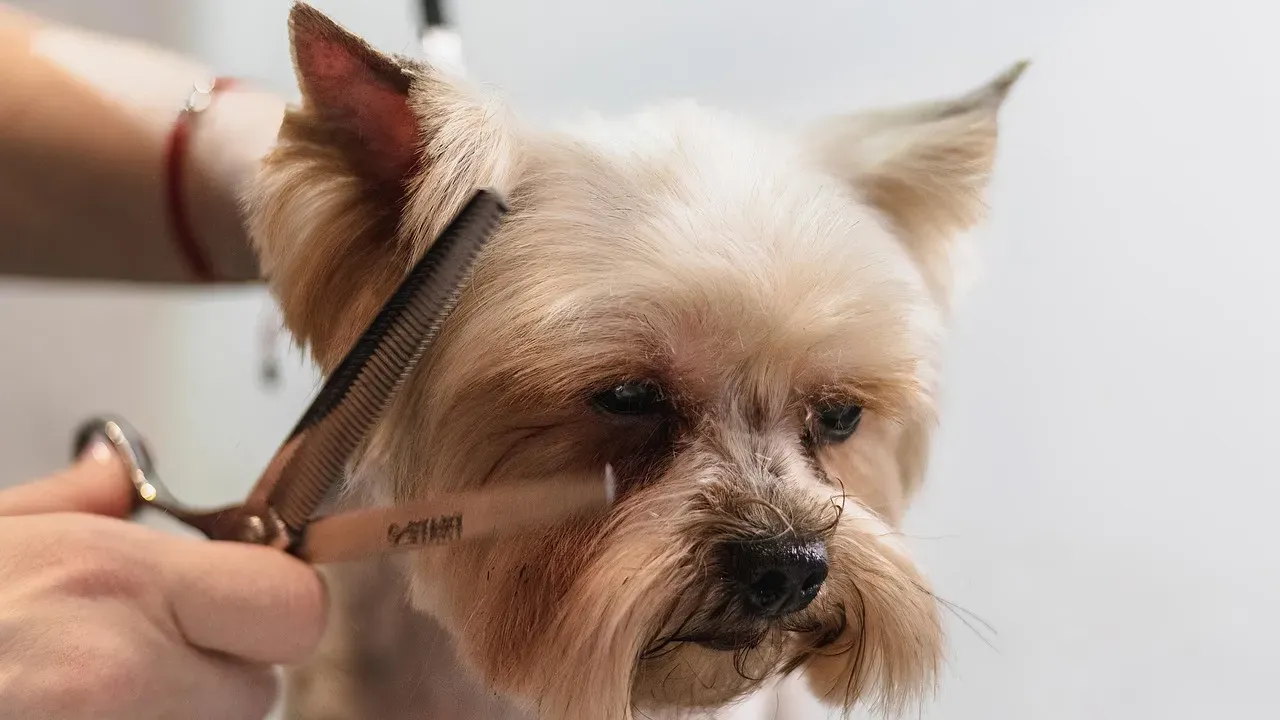
Long before the exam starts, most vets have already read your dog’s coat like a report card. Is the fur glossy or dull? Matted behind the ears? Are the nails clicking on the floor because they’re overdue for a trim? Overgrown nails and heavy matting are often the first quiet sign of neglect – not cruelty, just a mismatch between the dog’s needs and the owner’s time or awareness. It’s an uncomfortable observation, but it’s a reliable one.
They’re clocking chronic ear gunk in floppy-eared breeds, tear stains from constant licking, even a collar sitting so tight it’s left permanent grooves in the fur. None of it means you don’t love your dog – it usually just means life got busy, or nobody ever showed you what good grooming looks like for your dog’s specific coat. But if the mats are pulling at the skin or the nails are curling into the paw pads, your vet is already mentally prepping for pain control before the “official” exam even begins.
#7 – Whether You’re Early, On Time, or Chronically Late
People swear their timing is just “traffic” or “life,” but clinics see the pattern every week. If you’re constantly rushing in breathless or rescheduling last-minute, vets pick up on a lot more than a chaotic calendar. Chronic lateness tends to line up with skipped vaccinations, overdue bloodwork, and symptoms that got ignored a little too long.
Showing up early or right on time signals that you respect the process – and it usually predicts you’ll actually follow through on time-sensitive treatment. Show up fifteen minutes late insisting “it’ll just be quick” while the lobby is packed, and staff already suspect you’ll resist dental cleanings or recheck visits too, simply because they “take too much time.” That expectation quietly shapes how much the vet tries to squeeze into the limited minutes they actually get with you.
Quick Compare
- On time or early: signals respect for the process and predicts follow-through on treatment
- Chronically late: often lines up with skipped vaccines and delayed symptom reporting
- Rushed and dismissive: suggests future resistance to time-intensive care like dental cleanings
#8 – How You Handle Your Dog Around Other Pets and People

The waiting room is a stress test, and you’re being graded without ever knowing the rubric. Do you let your dog bounce up to every stranger’s face while announcing “he’s friendly!” as another dog visibly stiffens? Or do you give space, read the room, and ask before approaching anyone? Vets pay very close attention to owners who ignore obvious discomfort signals, because that’s exactly how bites and scuffles start.
They notice if your dog is growling or hiding behind you and whether you comfort them or scold them for it. They notice if you laugh when your dog lunges at the cat carrier, or if your retractable leash is stretched clear across the lobby. Owners who manage space thoughtfully are almost always easier to coach through muzzling, sedation conversations, or behavior referrals later on – and owners who treat the lobby like a dog park tend to dismiss those same suggestions as overreacting.
#9 – The Way You Talk To Your Dog – and About Them
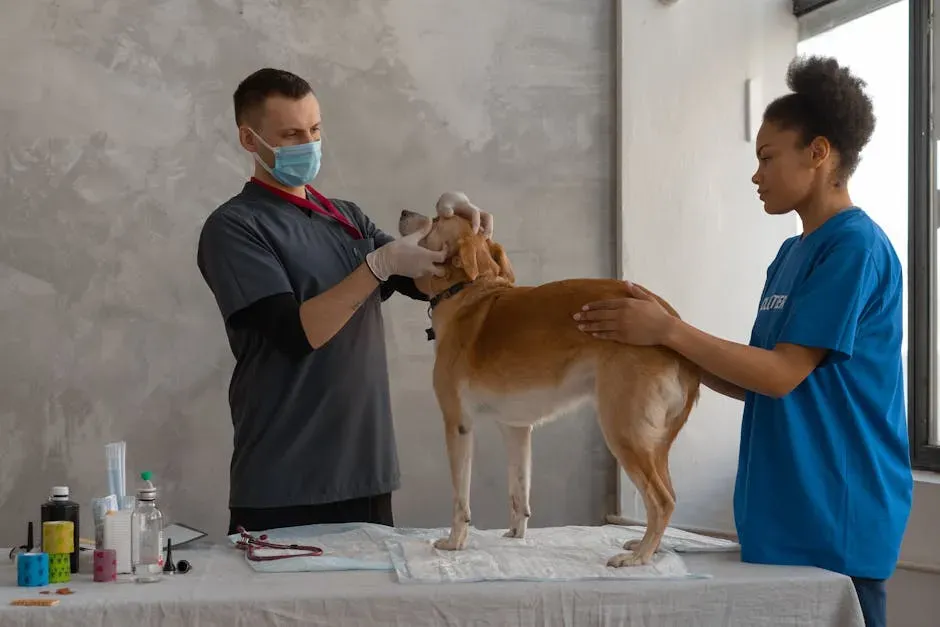
Your vet isn’t only listening for symptoms. They’re listening for respect. Do you call your trembling dog “psycho” or “my idiot,” or do you soften your voice and use their actual name? The language you casually use about your dog is one of the fastest tells for how you actually see them – a burden, a toy, or family.
They also catch the contradictions: insisting “he’s fine” while your dog is panting and shaking, or calling a ninety-pound power breed “a baby” while ignoring real strength and control issues. Vets aren’t the feelings police, but they use this to gauge how bluntly they can speak and how much education you actually need. It matters even more in end-of-life conversations – owners who can’t say the word “suffering” out loud often struggle the most when it’s time to make the hardest call.
#10 – Your Facial Expressions and Emotional Temperature
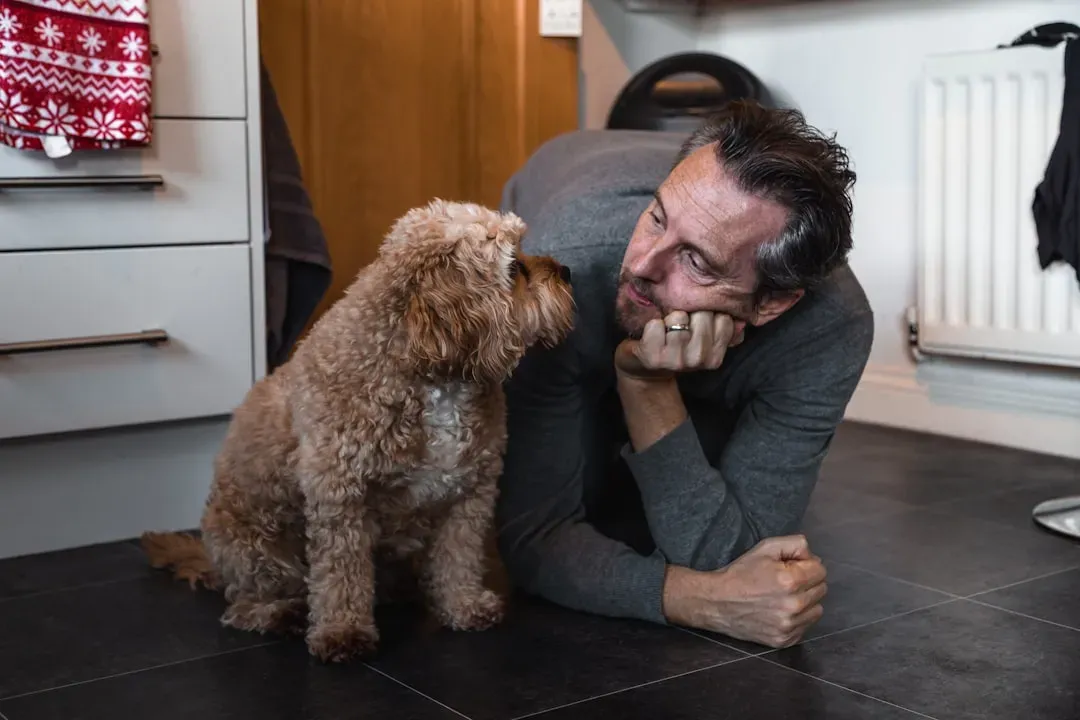
Most people walk in thinking they look neutral. They don’t. Stress leaks out through the jaw, the shoulders, the eyes – and vets and techs are watching all of it the entire time you’re in the lobby. Are you scanning the room anxiously? Arms crossed, foot tapping, lips pressed thin? Owner anxiety is one of the strongest predictors of how stressed the dog will be once the exam starts, because dogs use us as their emotional barometer – and so, quietly, do vets.
They notice the owner who looks guilty, often because care got delayed or money got tight. They notice the one scrolling their phone while their dog is visibly panicking beside them. They notice the eyes that are already glassy, hinting this visit might be carrying bad news before a single word is said. That emotional read decides whether you get more time, gentler delivery, or a more detailed conversation about long-term options.
#11 – How You Bring Up Money (or Refuse To)
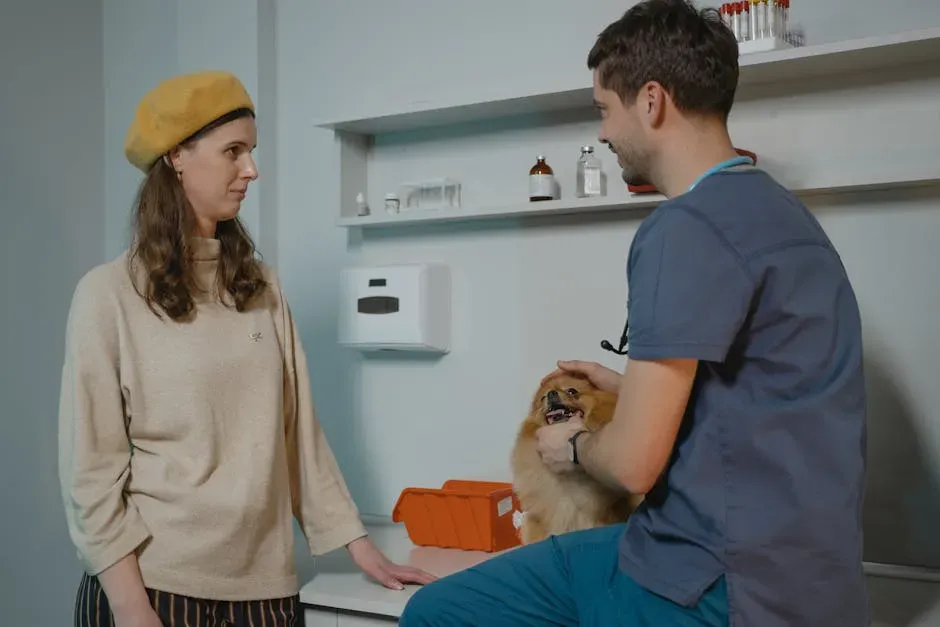
No topic shifts the temperature of a room faster than cost. The way you talk – or avoid talking – about money tells your vet almost everything about how realistic the treatment plan can actually be. Some owners say “do whatever it takes” and mean every word. Others say the exact same sentence, then flinch hard at the first estimate.
Vets are constantly balancing ideal medicine against what you can genuinely afford, and your attitude toward money is their compass for that balance. Asking for a rough range before tests are run, or looking relieved when a lower-cost option comes up, tells them you’re being honest. Saying “I have $300 today – what’s the smartest way to spend it?” gets you noticeably better care than nodding along to a $1,200 plan you already know you’ll decline at checkout.
Worth Knowing
- Asking for a cost range upfront usually gets you more tailored treatment options
- Vets can often phase care into affordable steps if you’re honest early
- Staying silent about budget can lead to a one-size-fits-all plan that doesn’t fit your wallet
- Many clinics offer payment plans or financing if you simply ask
#12 – Whether You Own Your Part in the Problem
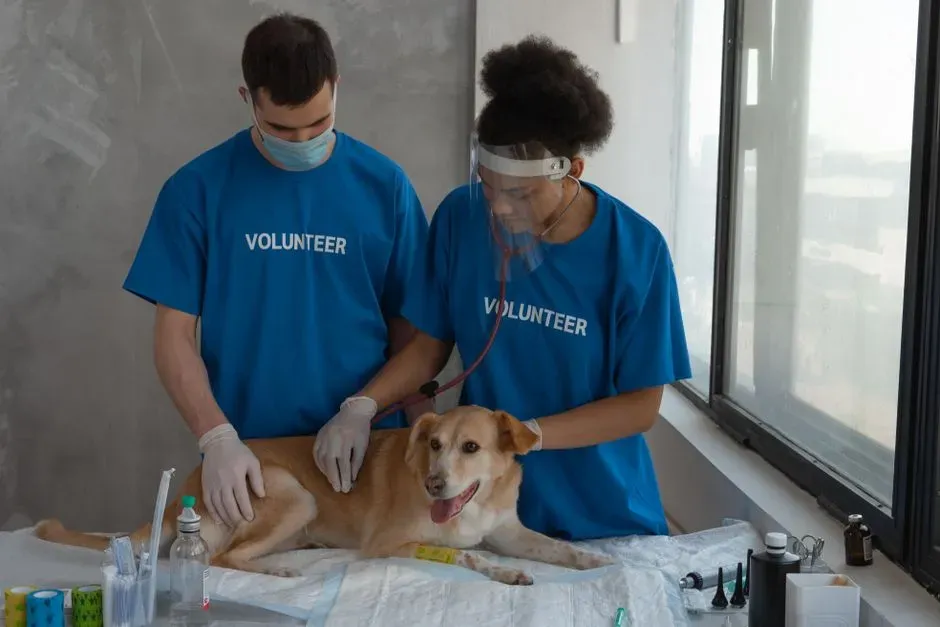
Every vet can tell within minutes whether an owner is capable of saying “I messed up.” If you open with “he just started limping today,” but his nails are curling into his paw pads from months of neglect, the story and the evidence don’t match – and vets notice that gap immediately. Rewriting history to protect your ego doesn’t protect your dog; it just makes diagnosing them harder.
If having a soul means being able to feel love and loyalty and gratitude, then animals are better off than a lot of humans.
James Herriot
On the flip side, vets deeply respect the owner who says, “I know I waited too long – I was scared, and money was tight. What can we do now?” That kind of honesty lets them shift instantly from ideal-world medicine to compassionate damage control, and it quietly signals you might actually follow through this time around.
#13 – Your History of Follow-Through With This Clinic
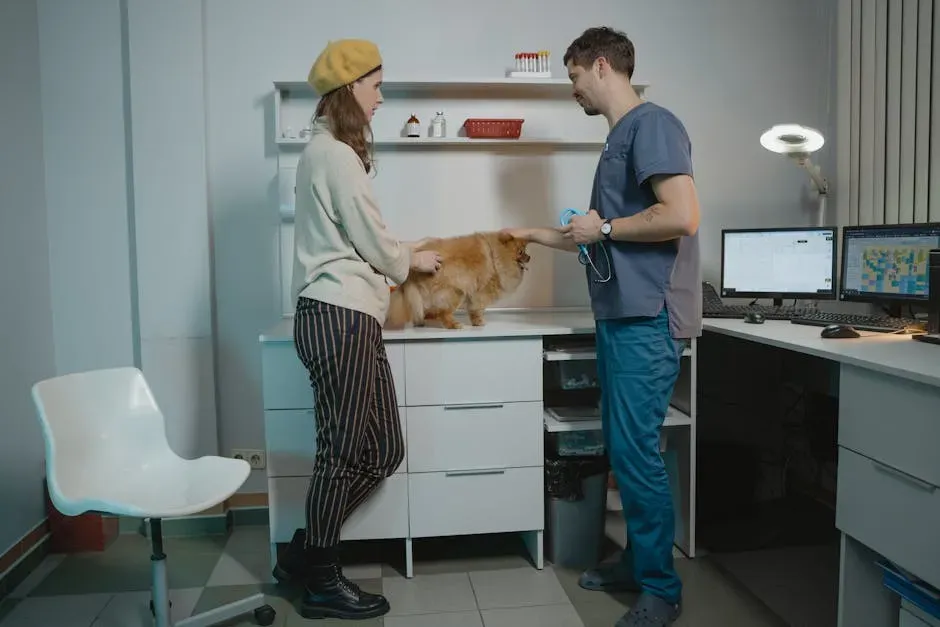
Before the vet even steps into the exam room, they’ve already scanned your dog’s chart. Missed rechecks, overdue vaccines, canceled dental cleanings, declined bloodwork – it’s all sitting right there in black and white. Your follow-through history is one of the single most powerful predictors of your dog’s future care, and it silently steers the entire strategy for today’s visit.
If every recommendation for the past two years reads “declined,” your vet isn’t going to waste your fifteen minutes pitching a ten-step gold-standard plan you’ll never accept. Instead they’ll prioritize the one or two things that truly can’t wait. Owners who consistently show up, bring the stool sample, and give meds as prescribed build a quiet kind of trust that gets them squeezed in during emergencies – the kind of loyalty that isn’t written on any chart, but is very much remembered.
At a Glance
- Missed rechecks and declined bloodwork are visible the moment your file opens
- A pattern of “declined” notes shifts the vet toward only the most urgent recommendations
- Consistent follow-through often means faster scheduling when a real emergency hits
#14 – Whether You See Your Dog as a Pet, a Child, or a Possession
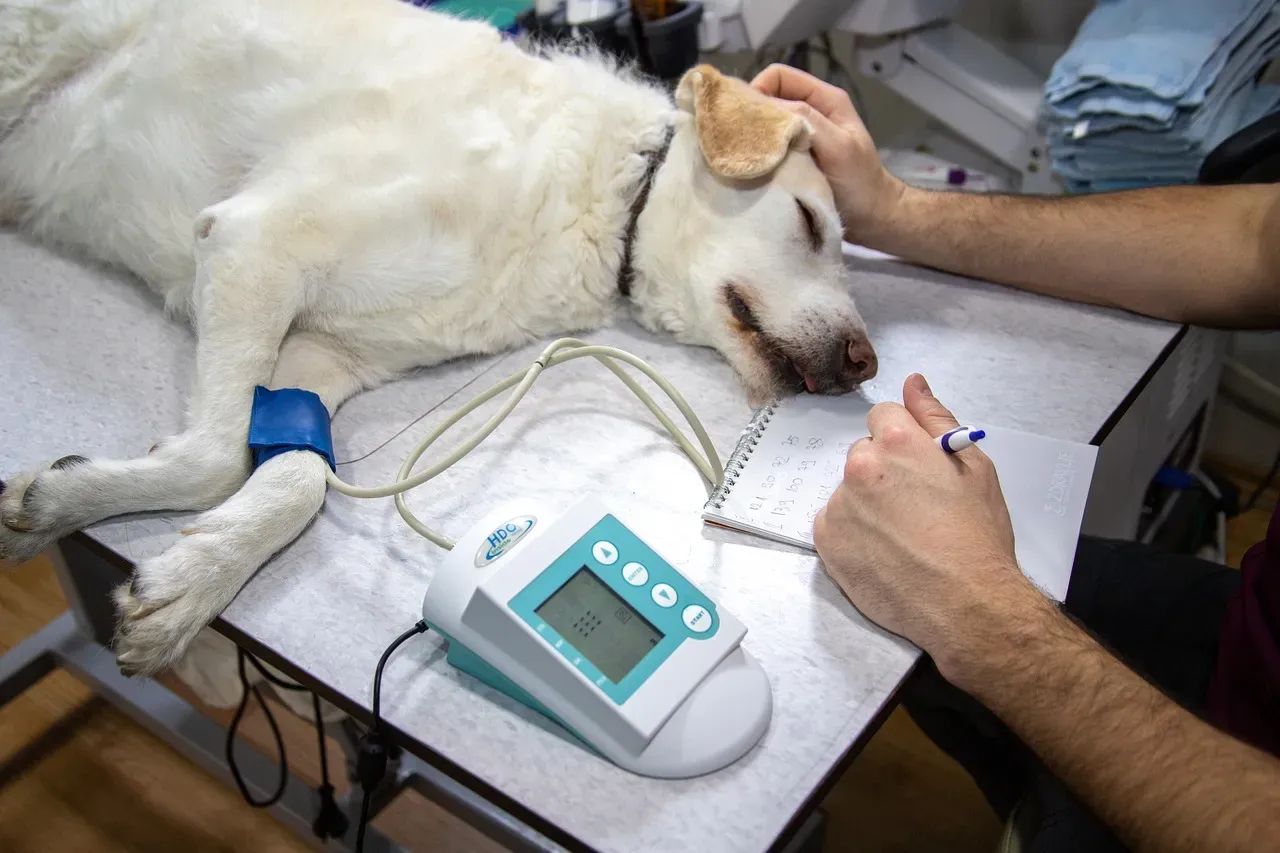
This one almost never gets said out loud, but every vet feels it in the room. Some owners treat their dog like replaceable property – “he’s just a dog.” Others treat them like an eternally fragile toddler who should never feel a moment of discomfort, ever. The biggest problems tend to happen at either extreme, and vets can usually tell which camp you’re in within the first few minutes.
Watch how you react to necessary discomfort – a blood draw, a muzzle, a hard conversation about euthanasia – and you’ll see exactly where you land on that spectrum. Owners who see their dog as a sentient being with real needs, even inconvenient ones, are almost always the easiest to partner with. They tolerate short-term discomfort for long-term wellbeing, and they’re able to face hard decisions early, before tragedy forces their hand.
Here’s the part that’s a little hard to hear: vets aren’t mind-readers, but by the time you think the appointment has “started,” they’ve already quietly clocked your timing, your honesty, your money talk, and how you treat your dog when you think nobody’s watching. Those split-second impressions don’t replace medicine – but they absolutely shape how blunt, how gentle, and how urgent your dog’s care turns out to be.
My honest take? The appointment was never really about the dog alone. It’s about the human-dog team walking through that door together, and the humans who show up prepared, honest, and willing to own their part give their dogs an advantage that no medication can replicate. Some people, without ever meaning to, are quietly their own pet’s biggest health risk – and if any of these fourteen things made you squirm a little, that’s not an insult. That’s just your vet, seeing you clearly, maybe for the first time.