
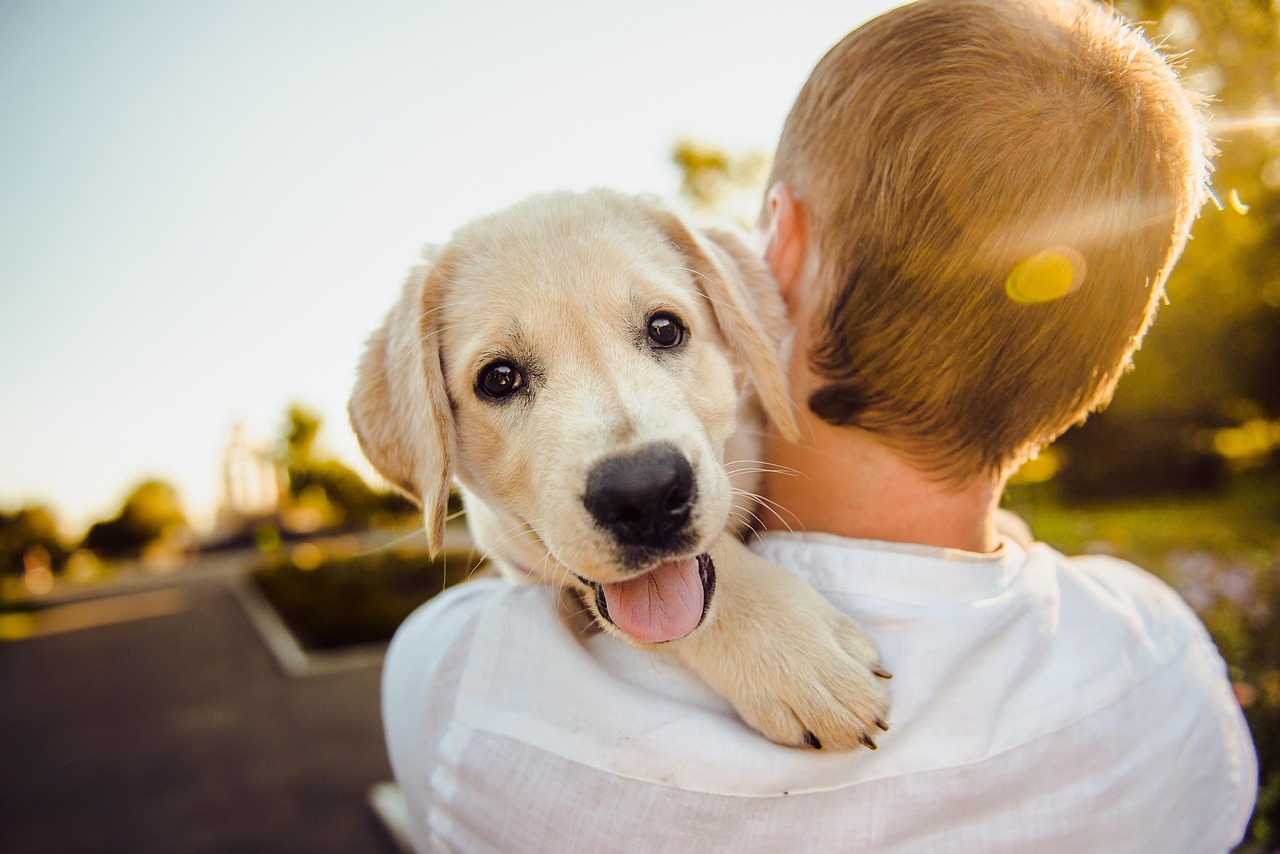
Everyone tells you dogs live purely in the moment – no past, no future, just tail wags and food bowls. It’s a comforting idea. It’s also mostly wrong.
Underneath that goofy, present-tense grin, your dog is quietly holding onto a lifetime of sensory snapshots: the first voice that ever soothed them, the first hand that ever shook with fear, the first storm that ever made them shiver. Some of these memories fade to background noise. Others never leave. Here are 15 moments dogs seem to carry with them, from their wobbly first weeks to their final gray-muzzled years.
15 – The Shape of Their First Bed
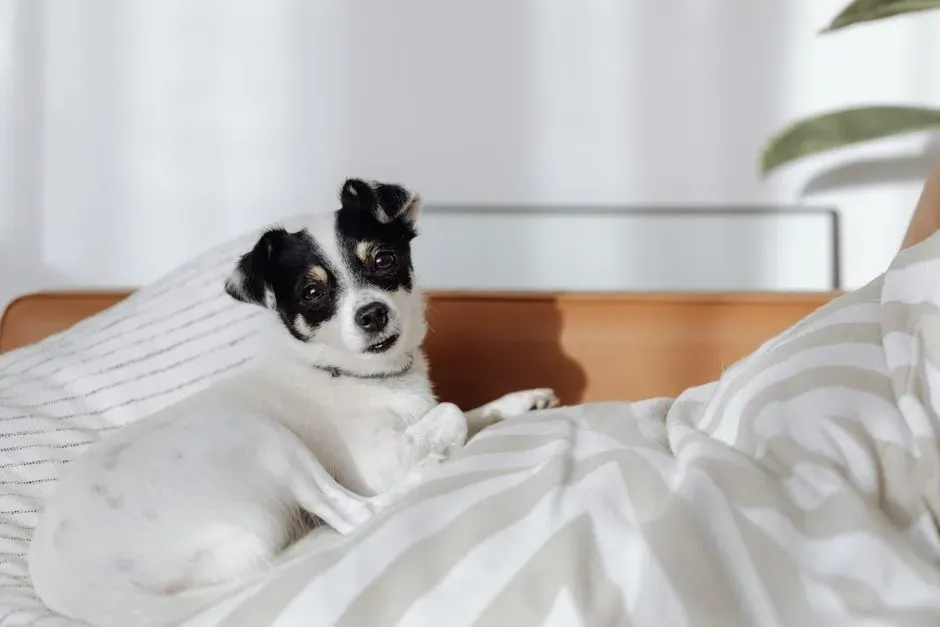
Long before a dog understands words like “home,” they understand the exact dip and curve of the first bed they ever slept in. The smell of it, the way it held their body heat, the softness under their paws – all of it gets wired in early as the definition of safe.
That’s why so many adult dogs circle three times before lying down, or dig at a blanket like they’re still trying to recreate that original nest. They’re not being weird. They’re chasing a feeling that’s decades old in dog-years, and it never fully lets go.
Fast Facts
- Newborn puppies sleep roughly 18 to 20 hours a day, and most of that early wiring happens while they’re curled up asleep.
- A puppy’s eyes stay closed for about the first two weeks, so touch, warmth, and smell do the early work that sight will later take over.
- Circling before lying down is widely believed to be a leftover instinct from wild ancestors flattening grass or checking the ground for danger.
- Digging or “nesting” at blankets often intensifies in the days before a nap, storm, or stressful event – a small echo of den-building behavior.
14 – The Flavor of Their First Treat
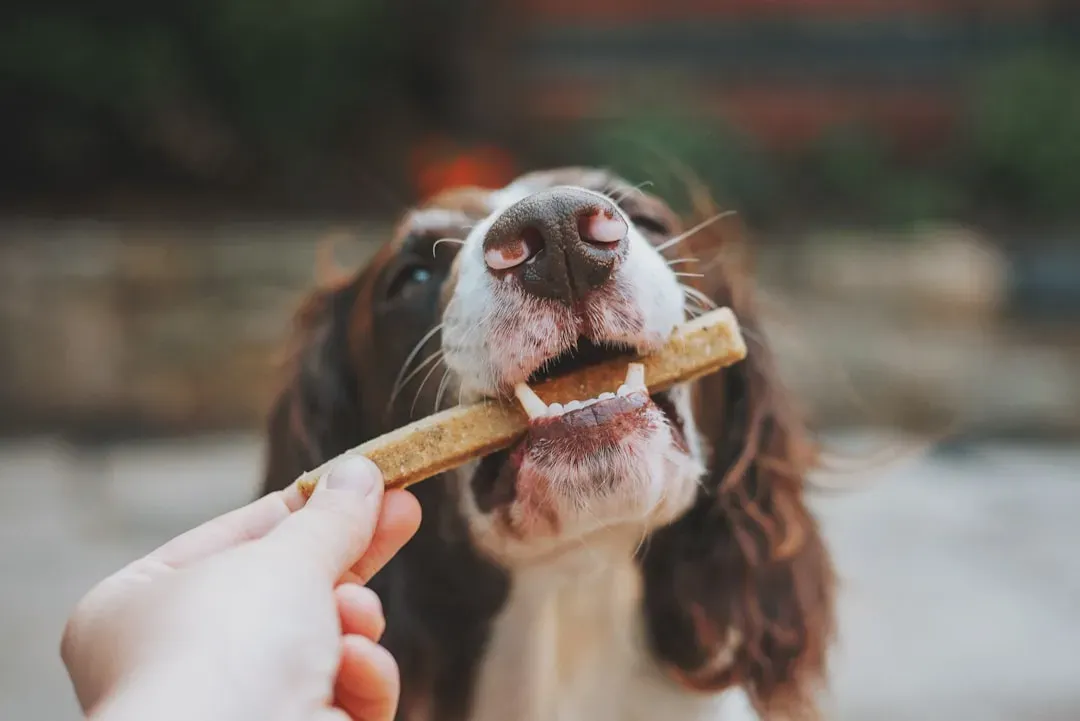
A puppy’s first taste of something delicious isn’t just a snack – it’s practically a religious experience. That flavor gets stamped into memory alongside the rush of excitement and the person who handed it over.
It’s a big part of why grown dogs go absolutely feral for one specific treat brand and ignore all the rest. Somewhere in there, an old emotional file is still open: this flavor means good things happen.
13 – The Sound That Meant Safety
From the very first days, a puppy starts tuning their ears to one particular voice. Long before they understand a single word, they understand tone – and that tone becomes their anchor.
This is why dogs can be left with sitters, boarded for weeks, or separated by an entire deployment, and still light up the instant they hear their person’s voice again. The memory doesn’t fade with distance. If anything, absence seems to sharpen it.
12 – The Scent of the Siblings They Left Behind
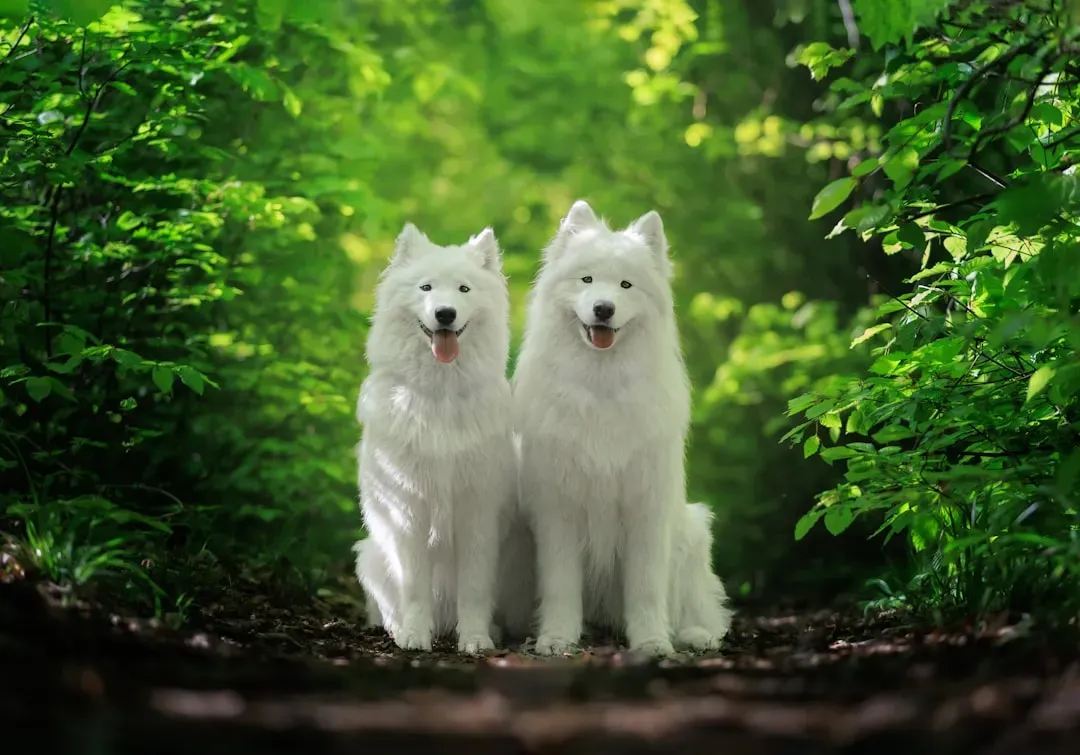
A dog’s nose is arguably the most powerful memory device in the animal kingdom, and one of the very first things it locks onto is the smell of their littermates. That scent gets filed away with a kind of primal, wordless recognition.
There are documented cases of dogs, reunited with siblings years later at chance meetings or breeder events, reacting with an intensity that looks a lot like joy. Whether it’s “remembering” in the way we think of it or something more instinctual, the reaction is real – and it’s hard to watch and not feel something.
11 – The Weight of Their First Collar
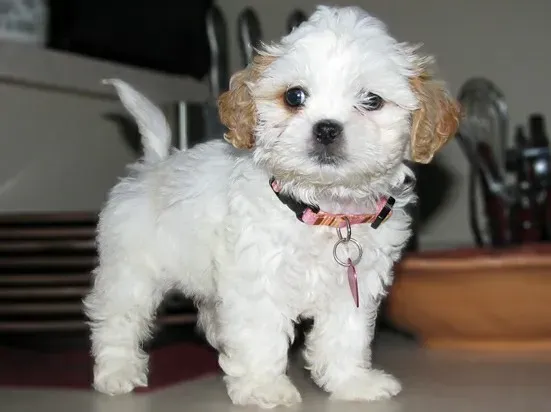
That first collar is more than a piece of gear – it’s a puppy’s introduction to the idea that being loved sometimes comes with structure. The strange new pressure around their neck, the jingle of a tag, the tug of a leash for the first time: it all gets filed as data about what life with humans is going to feel like.
Dogs who had a calm, patient first experience with a collar tend to grow into adults who tolerate harnesses, leashes, and even costumes with far less fuss. The ones who panicked that first day? You can often still see a flicker of that old tension every time the leash comes out.
10 – The Storm That Changed Everything
Every dog has a first rain. For some, it’s a joyful discovery – puddles to splash in, a new smell in the air. For others, it’s the first time the sky ever felt unsafe.
That single afternoon can echo for years. The dog who got soaked, cold, and startled by thunder as a puppy is often the same dog who trembles under the bed a decade later at the first distant rumble. Weather memory runs deep, and it rarely negotiates.
9 – The First Stranger Who Reached Out a Hand
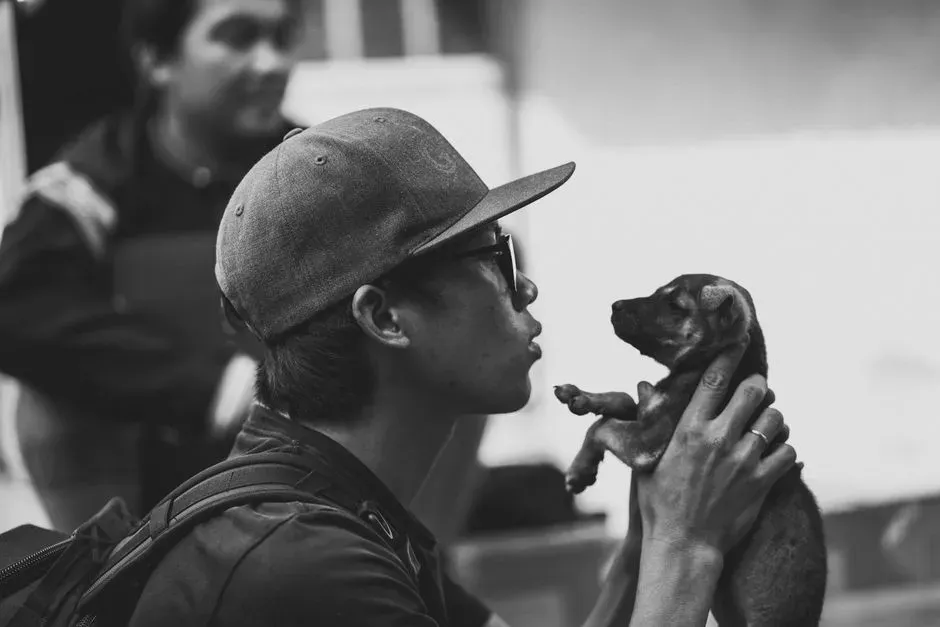
Before a puppy has any real judgment to rely on, they’re already forming opinions about people outside the family – based almost entirely on one early interaction. A gentle stranger who let the puppy approach on their own terms leaves behind a template: new people are usually fine.
A rough grab, a loud voice, or a startling first meeting leaves a very different template. That’s often the invisible root of a grown dog’s stranger-danger reaction at the vet, the mail carrier, or a friend’s front door – a memory with no name attached, just a feeling.
8 – The First Time the House Went Silent
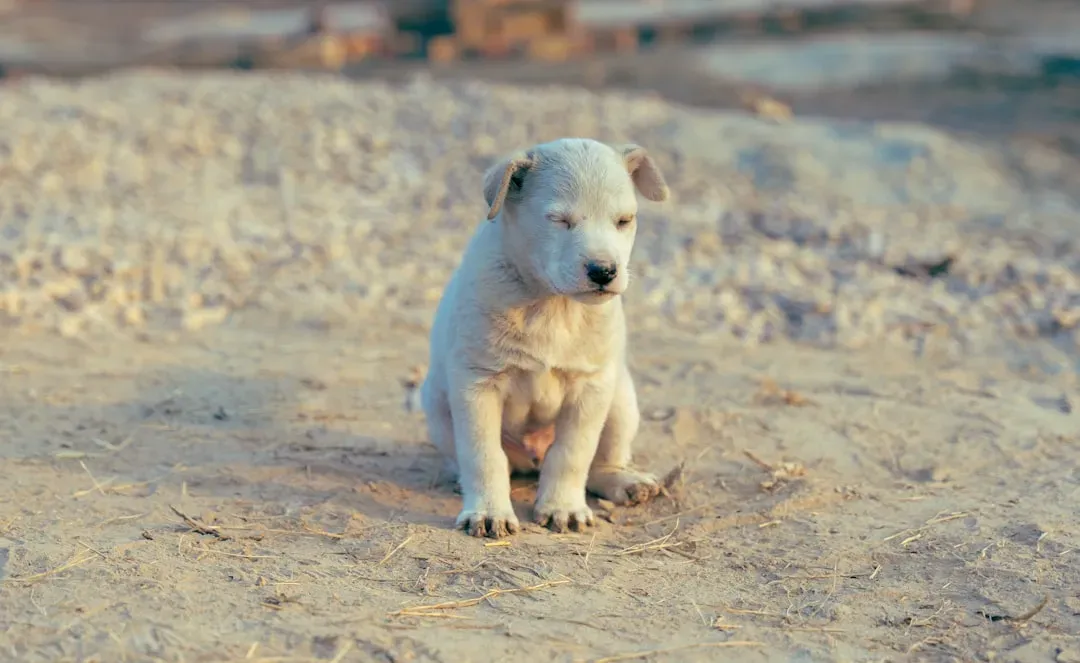
Being left alone for the first time is one of the rawest experiences in a puppy’s early life. One moment there’s noise and warmth and company; the next, silence. How that moment resolves – whether comfort came quickly or fear stretched on too long – leaves a mark.
Dogs who had a smooth, low-stress introduction to solitude tend to settle into it easily as adults. Dogs whose first experience was frightening or prolonged often carry a harder version of that memory forward, showing up later as full-blown separation anxiety that seems to come out of nowhere – except it doesn’t.
Worth Knowing
- Separation anxiety is one of the most commonly reported behavior concerns among dog owners, often surfacing in adulthood with no obvious new trigger.
- Typical signs include pacing, drooling, destructive chewing, or vocalizing within the first few minutes of being left alone.
- Gentle, gradual practice being alone – starting with seconds, not hours – is the standard approach trainers use to reshape that early memory.
- Dogs introduced to short, low-stress alone time as puppies tend to handle solitude far better later in life than those who weren’t.
7 – The Song That Still Calms Them Down
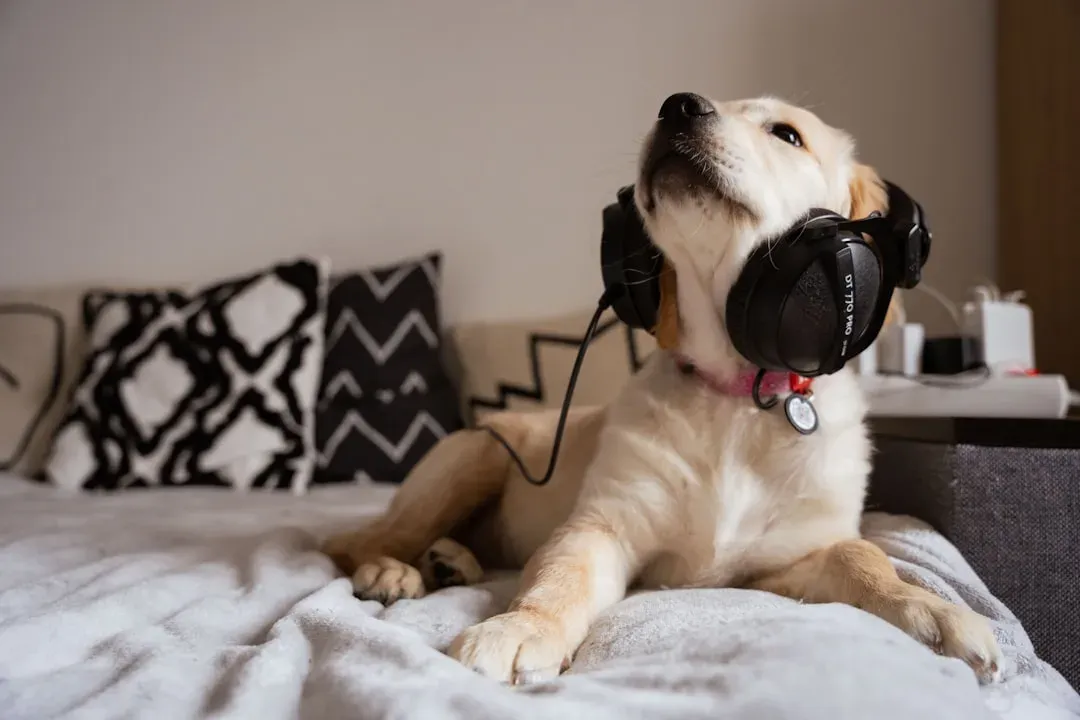
Dogs respond to music far more than most owners realize, and the very first songs or sounds they hear as puppies can become emotional shortcuts for life. A particular tone, rhythm, or even a specific vacuum-cleaner hum can trigger an oddly specific reaction years later.
Shelters and vet clinics have caught onto this, often playing soft classical music to calm anxious dogs – and it works often enough that it’s become standard practice. Somewhere in that response is an old, half-buried memory of safety.
6 – The Day They Met Their Own Reflection
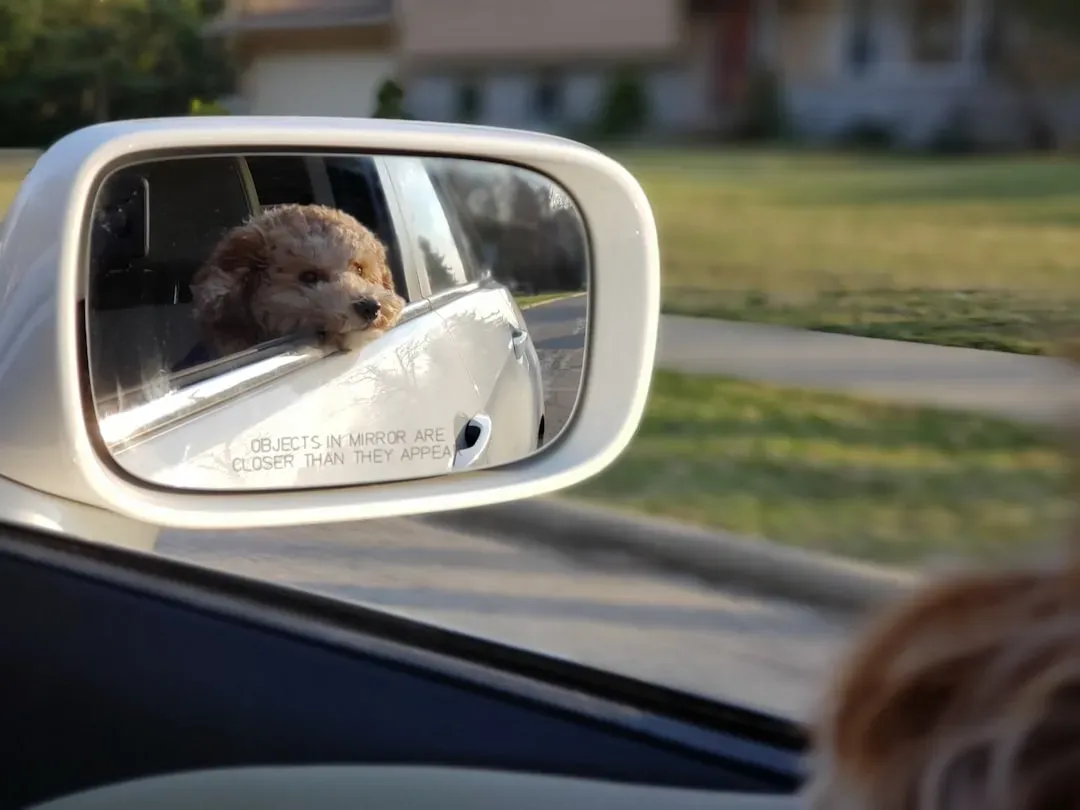
Most puppies meet a mirror at some point and have absolutely no idea what to do with it. Some bark at the “intruder.” Some try to play. Some just stare, confused, trying to figure out why this other dog won’t respond.
Dogs don’t experience mirror recognition the way humans or great apes do, but that first confusing encounter still shapes how they react to reflective surfaces for the rest of their lives – windows, phone screens, shiny floors. Some dogs never fully stop double-taking.
5 – The Ride That Set the Tone for Every Car Trip After
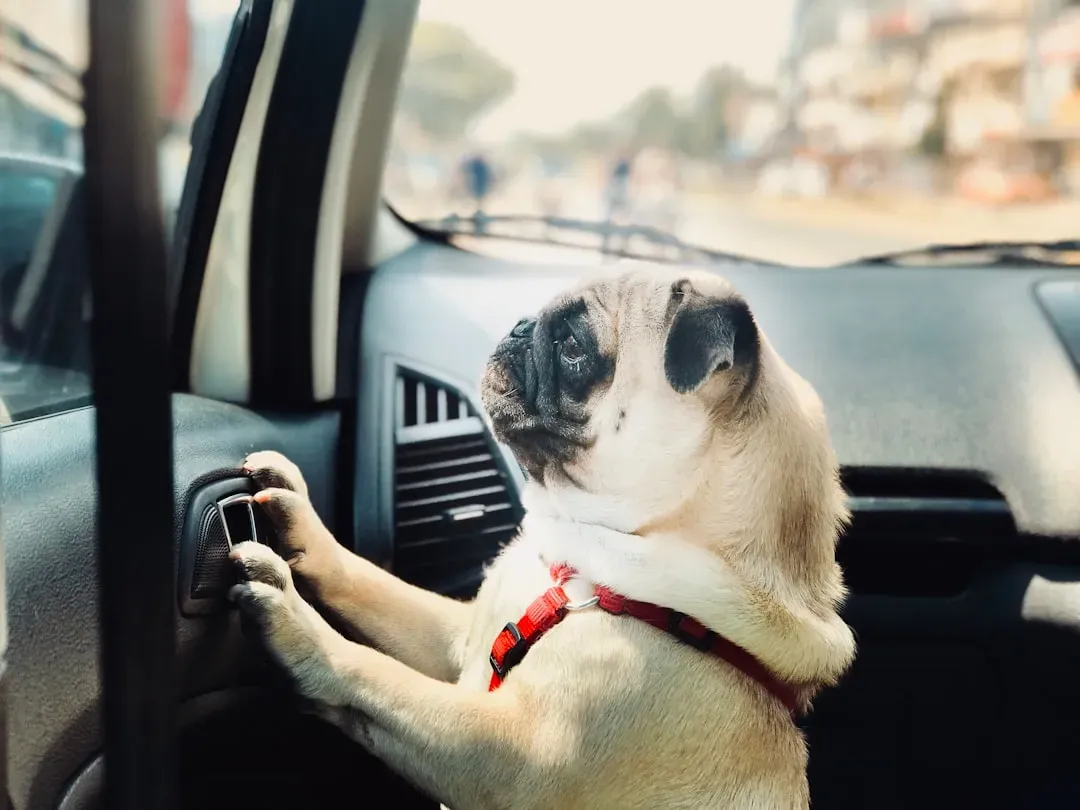
A puppy’s first car ride is a coin flip. It’s either an exciting blast of new smells and motion, or a nauseating, terrifying ordeal that ends with a very unhappy stomach. Whichever version happens tends to become the template.
That’s why some dogs launch themselves into the back seat with pure joy for the rest of their lives, while others need to be coaxed, lifted, or bribed into a car well into their senior years. The first ride writes the rulebook.
4 – The Game That Became Their Love Language
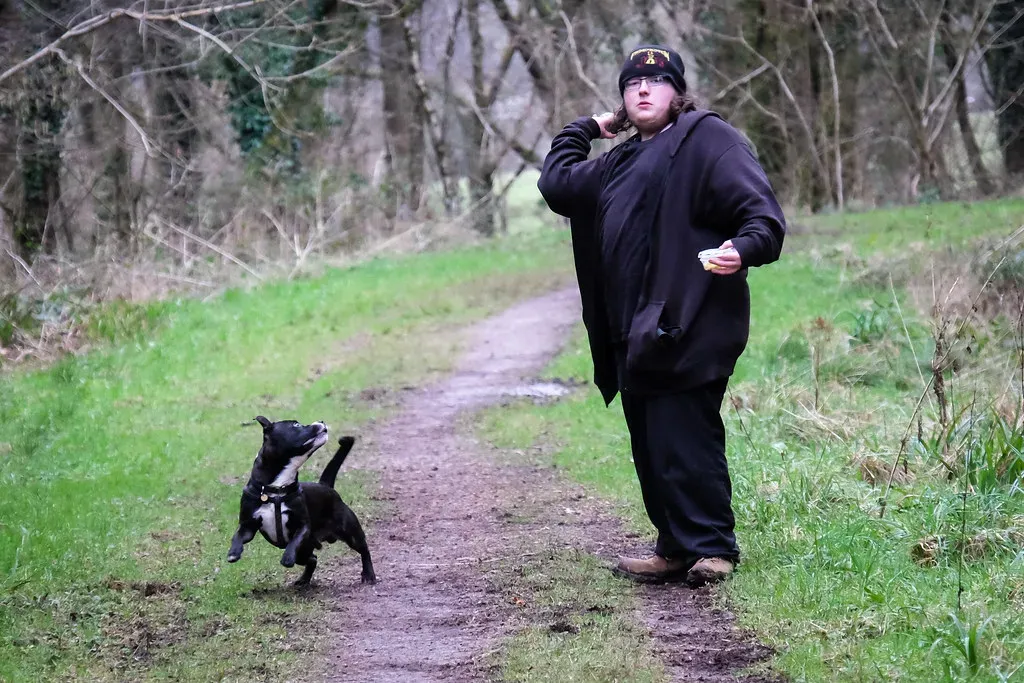
The first game of fetch does something a treat or a nap never can – it teaches a puppy that play with a human can be genuinely thrilling. That rush of chasing, catching, and returning becomes tied directly to the person who threw the ball.
It’s no accident that fetch remains a favorite well into old age, even when arthritis slows the sprint to a determined limp. The memory isn’t really about the ball. It’s about the connection that first game created.
3 – The Winter That Felt Like Magic
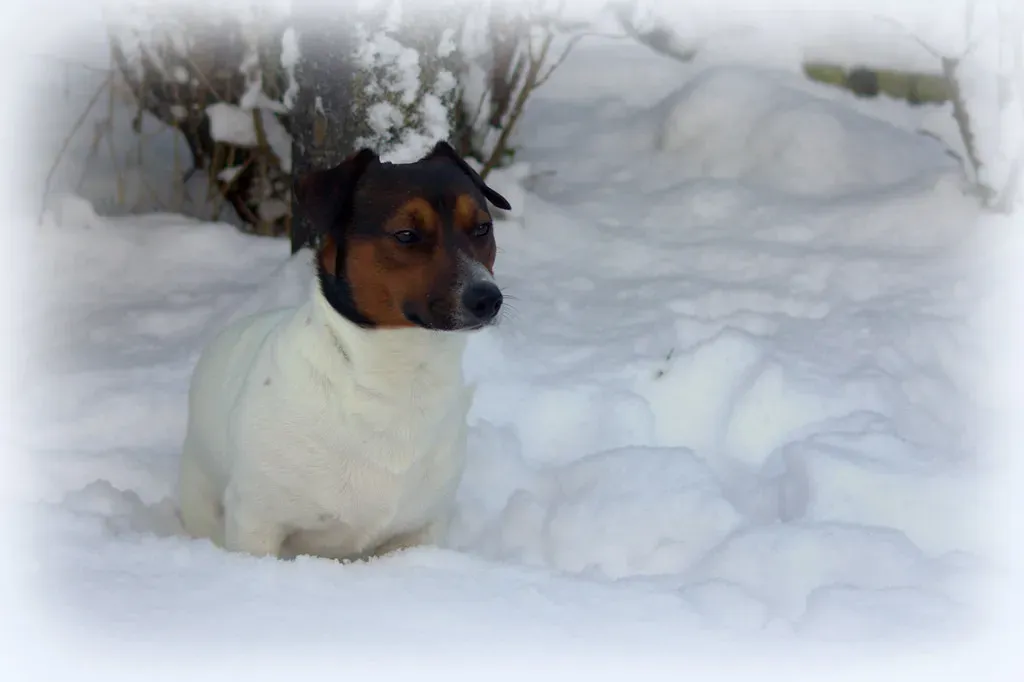
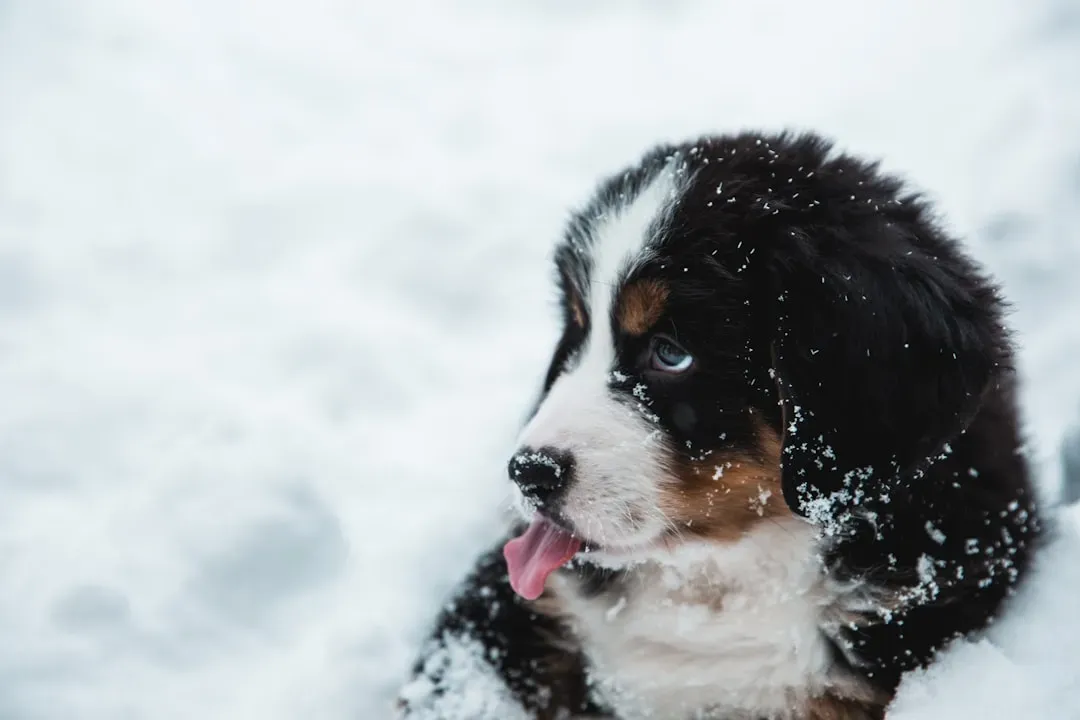
A puppy’s first snowfall tends to produce one of two reactions: full-body joy, or wide-eyed confusion about why the ground disappeared and got cold. Either way, it’s rarely forgotten.
Dogs who fell in love with snow early often turn into adults who go a little feral every winter, and the ones who found it unsettling as puppies often stay cautious about it for life. It’s a small, seasonal memory that resurfaces every single year, right on schedule.
Quick Compare
- Thick double-coated breeds like Huskies, Malamutes, and Bernese Mountain Dogs tend to thrive in snow and often stay eager well into old age.
- Short-haired or small-bodied dogs, including Chihuahuas and Greyhounds, chill quickly and often shy away from repeat encounters with snow.
- Senior dogs and those with joint issues frequently grow more cautious around snow and ice, regardless of how they felt about it as puppies.
2 – The Moment Someone Made the Fear Stop
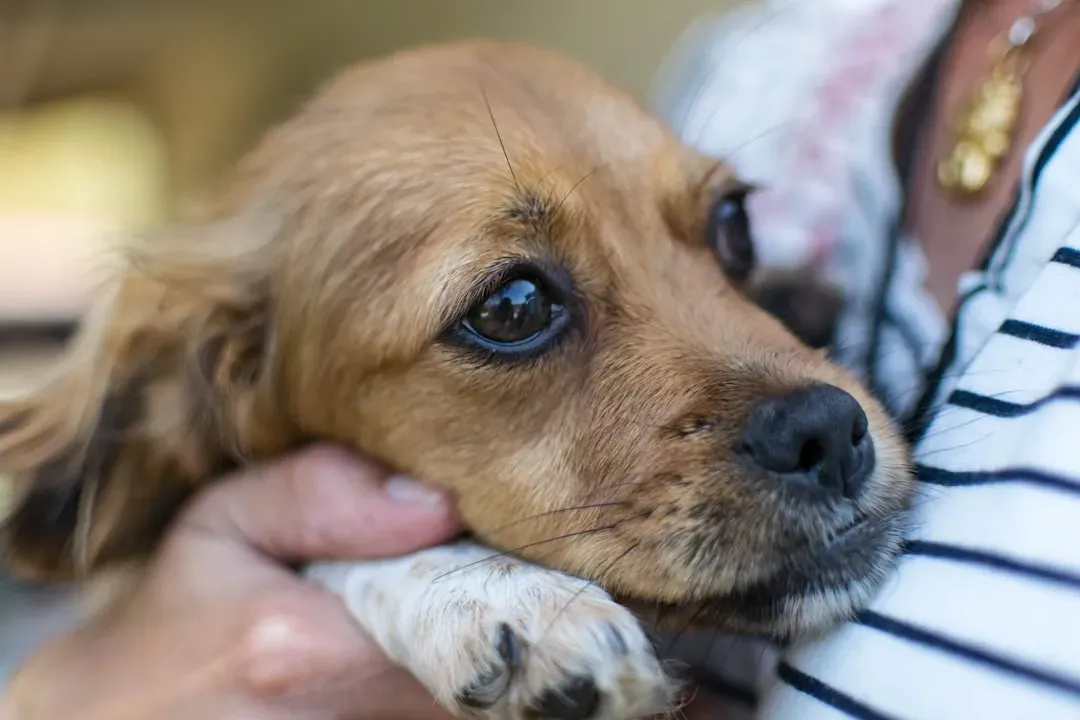
At some point, every puppy hits a moment of real distress – a scary noise, a bad dream, an overwhelming new place – and someone shows up to make it stop. That first successful comfort becomes a template for trust itself.
It’s the earliest lesson in the idea that humans can be a safe harbor, not just a source of food and walks. Dogs who experience this consistently tend to become adults who seek out comfort instead of hiding from fear alone, and that difference can shape an entire personality.
1 – The First Time They Felt Truly Loved
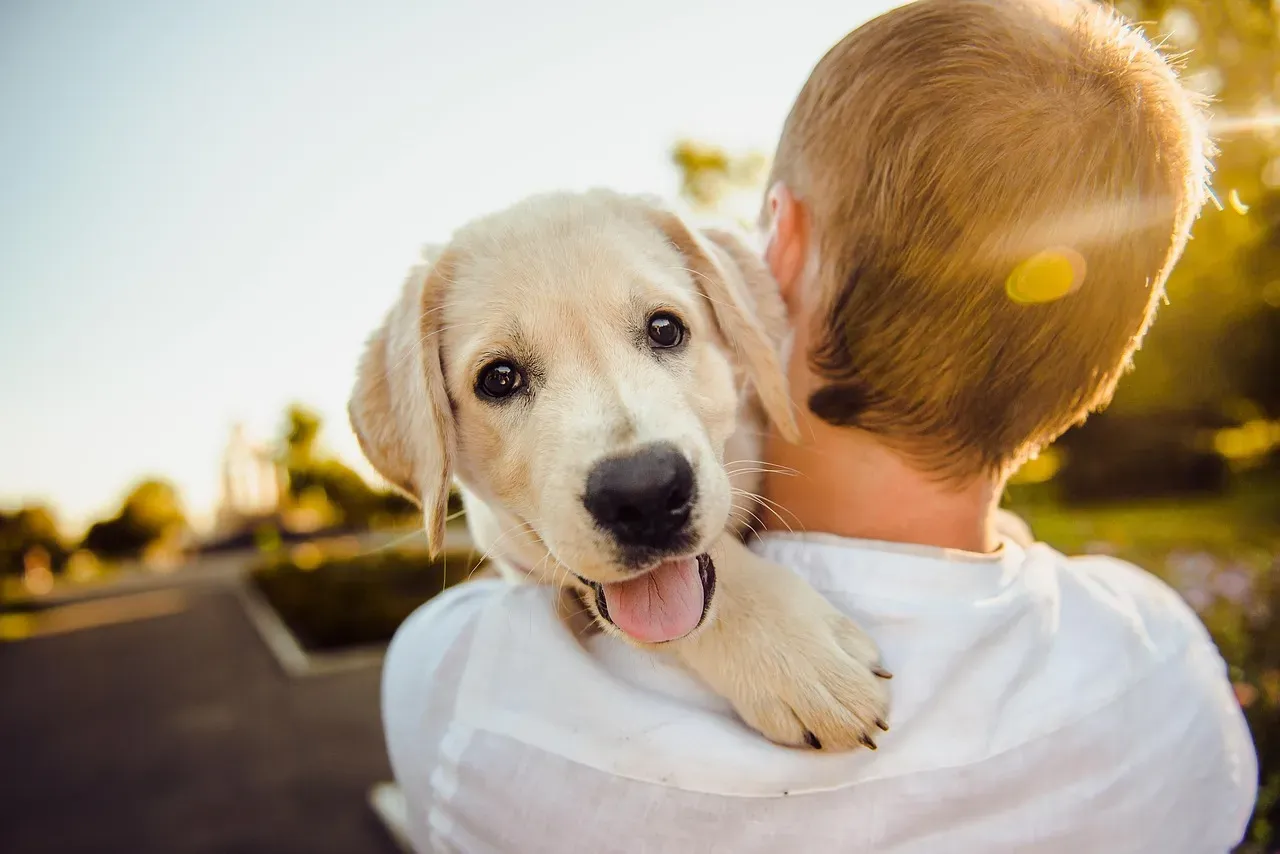
Underneath every other memory on this list sits one that outranks them all: the very first time a puppy felt genuinely, unmistakably loved. Not fed. Not sheltered. Loved – through a gentle hand, a soft voice, a moment of being chosen and held.
That single memory becomes the emotional foundation everything else gets built on. It’s why dogs are capable of forgiving so much, trusting so quickly, and loving so completely for the rest of their lives. It’s arguably the most human thing about them.
The Bottom Line
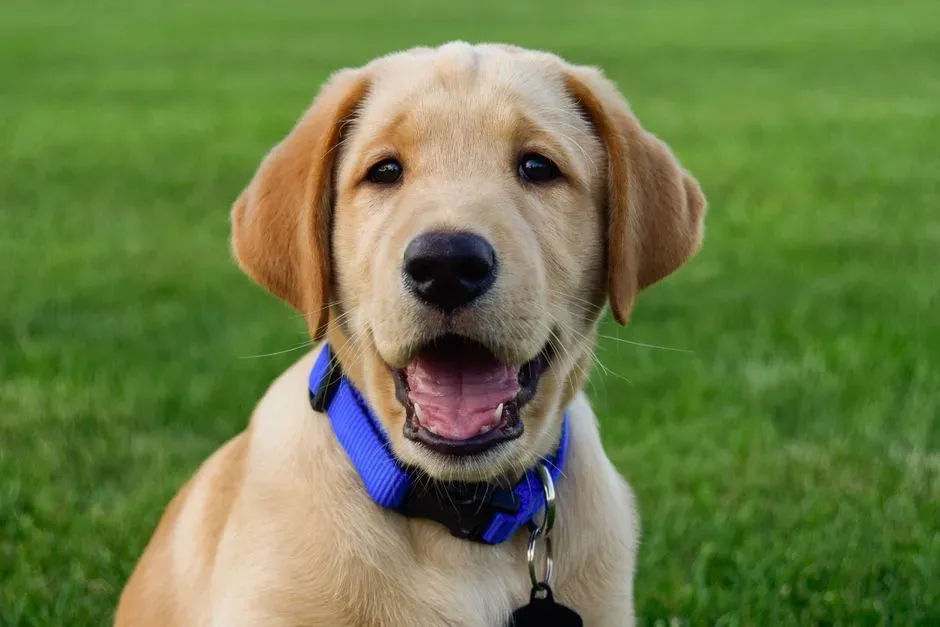
Dogs aren’t the blank slates we sometimes make them out to be. They’re walking archives of first experiences, quietly shaped by moments they can’t explain and we often don’t even remember causing.
At a Glance
- Early sensory memories – beds, sounds, scents – often outlast almost everything else a dog experiences.
- How a puppy’s first scary moment gets resolved tends to predict how they’ll handle fear as adults.
- Small, gentle firsts – collars, car rides, time alone – quietly shape lifelong habits and reactions.
- The single most powerful memory of all isn’t a place or a sound – it’s the first time they felt loved.
If there’s one honest takeaway here, it’s this: the small stuff isn’t small to them. The first collar, the first storm, the first time you scooped them up when they were scared – none of it disappears. It just becomes who they are. Did we miss a memory that shaped your dog? Tell us about it in the comments.


