
15 Things a Dog Trainer Notices in the First Session That Owners Never Mention
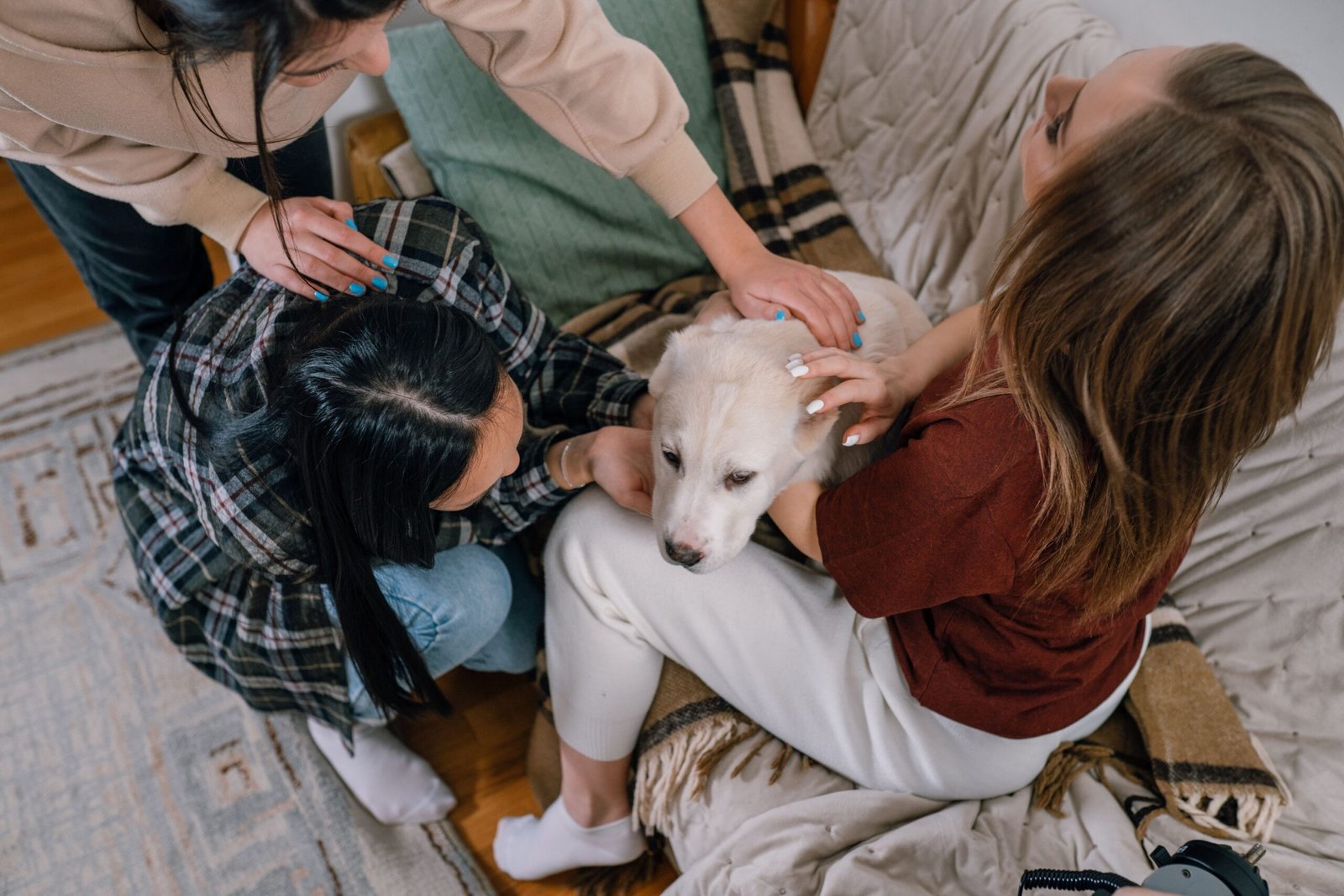
You booked the session expecting to talk about “sit,” “stay,” and maybe finally fixing that leash-pulling problem. But the real evaluation started the moment you walked through the door – and you had no idea you were being read that closely. A skilled trainer isn’t just watching your dog. They’re clocking the leash grip, the doorway entrance, your tone of voice, even the words you use to describe your own pet, and quietly building a game plan before a single command is given.
Most owners never mention any of this because they don’t realize it matters. They walk in worried about barking or jumping, and walk out a little stunned that the trainer nailed things about their dog – and about them – that they never said out loud. Here are the 15 things experienced trainers spot in that first session, whether you bring them up or not.
#1 – How Your Dog Enters the Room Tells Almost the Whole Story
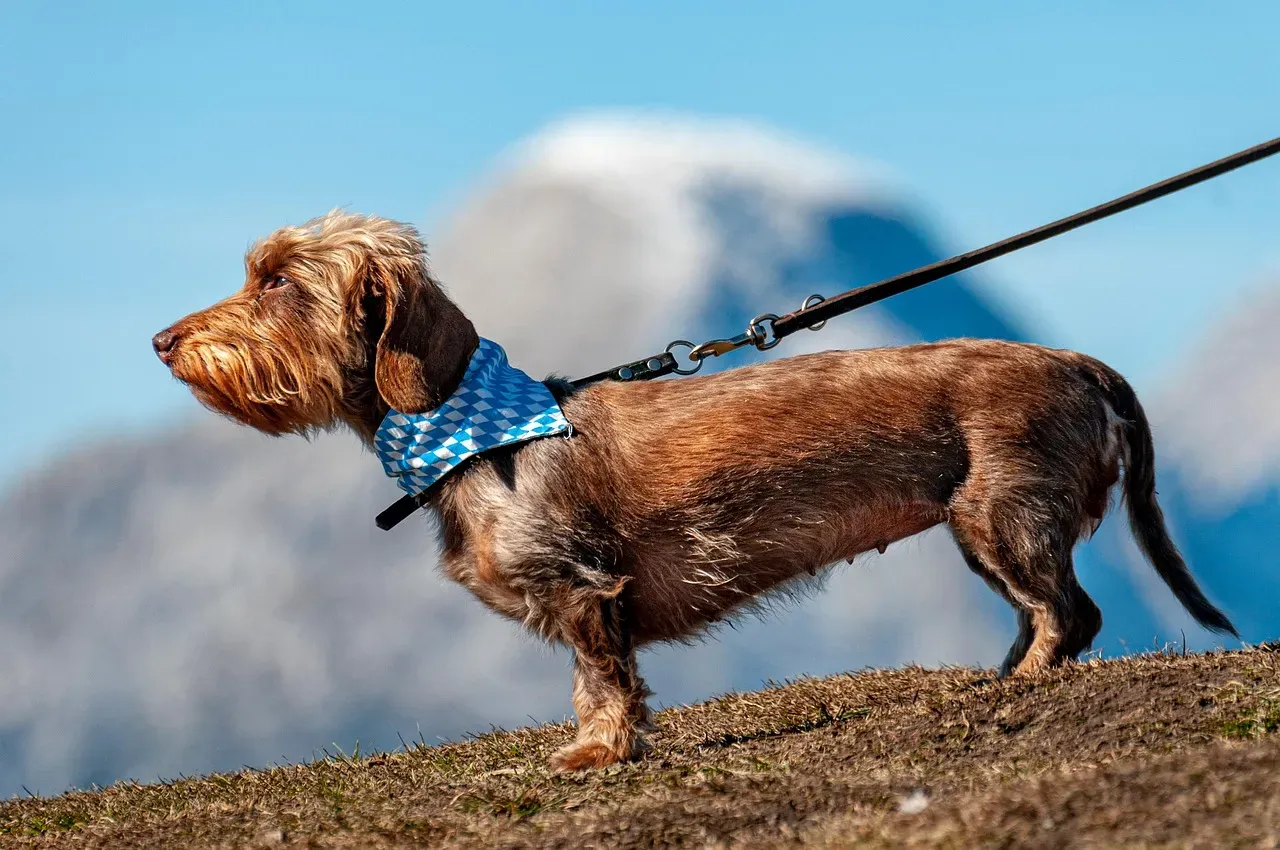
Before you say a single word, a good trainer is already clocking that doorway moment. Is your dog dragging you in, creeping in low and hesitant, or strolling in like they own the building? Owners usually laugh it off with “oh, he’s just excited,” but trainers hear “excited” as often meaning “zero impulse control.”
If your dog hits the end of the leash like a freight train, that’s not a one-time thing – it’s a pattern rehearsed every single day. On the flip side, the dog that pancakes to the floor or hides behind your legs isn’t “shy.” They’re overwhelmed, and what they need is confidence-building, not corrections.
- Does the dog immediately pull toward the trainer or the door?
- Do they scan the whole environment, or lock onto one person and shut everything else out?
#2 – Who Your Dog Actually Checks In With When Things Get Weird
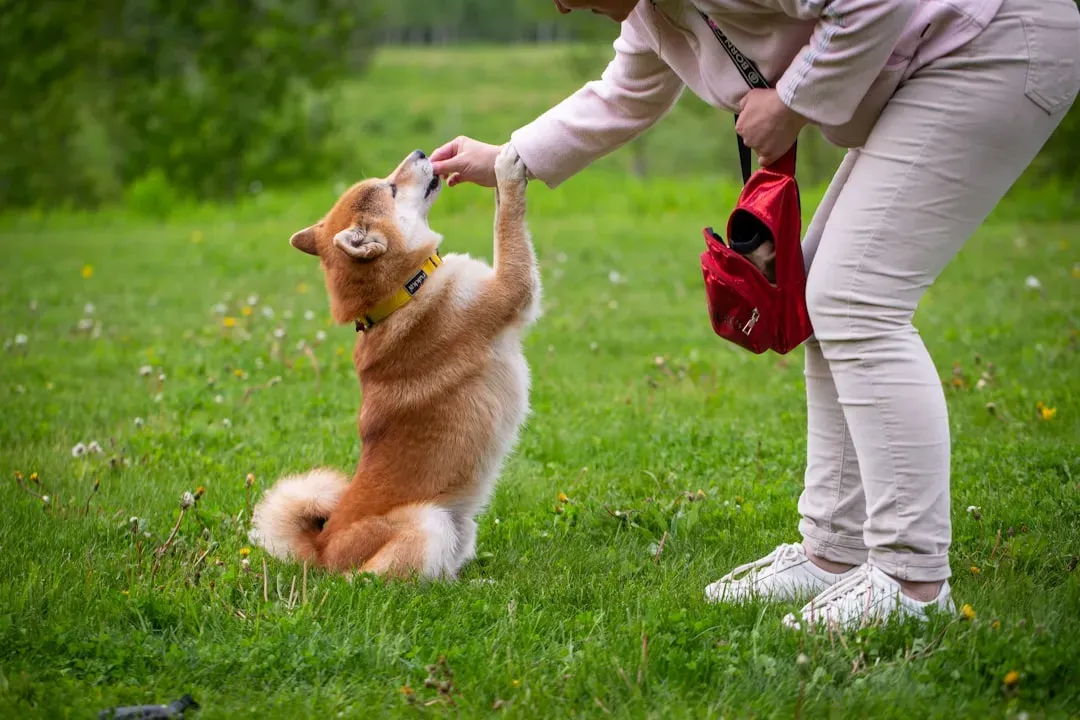
Most owners insist, “oh, he’s very attached to me.” Trainers test that claim within minutes. When there’s a strange noise, does your dog glance your way for guidance, or spiral straight into barking, lunging, or pacing without a single look back?
If your dog ignores you in a mildly stressful moment, that’s a real red flag – it usually means the relationship is more “roommate” than “leader.” Affection and influence are not the same thing. Your dog can adore you and still not actually take direction from you, and that gap is exactly where a trainer starts.
- They may step closer or farther away to see if your dog seeks you out.
- They may shift their voice or posture just to see if your dog looks to you for the answer.
#3 – The Leash Grip That Screams “We Have a Control Problem”
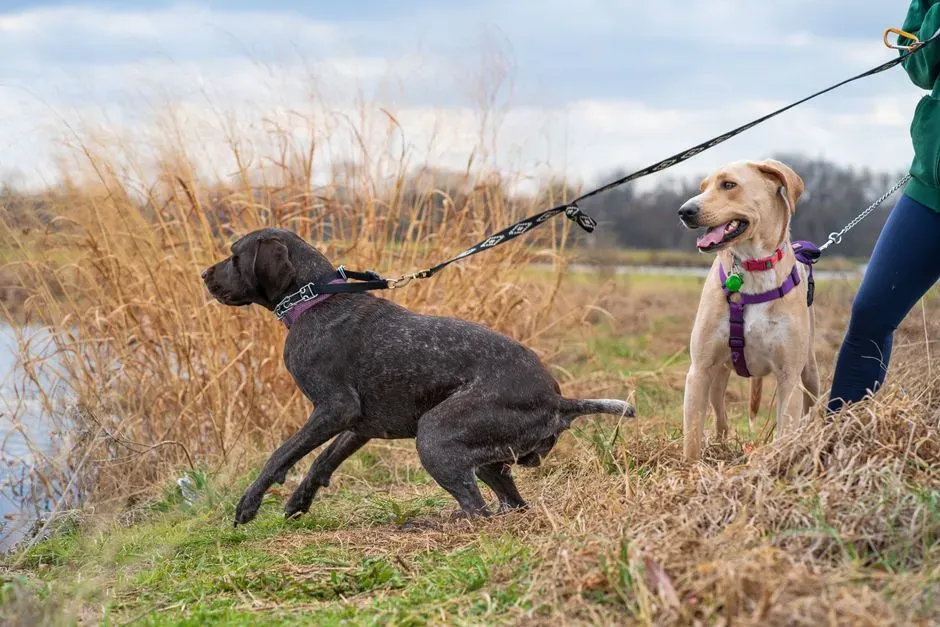
Most people think the leash is just a tool. Trainers treat it like a live data feed. A death-grip wrapped five times around your fist tells a trainer, “we’re both bracing for a fight.” A slack, forgotten leash tells them the dog has been running its own show for a while.
A chronically tense leash usually means you’ve been managing the pulling for months, not training it – your dog has learned that pressure on the collar is just background noise, not a signal to slow down. That makes loose-leash work harder, because you’re undoing thousands of repetitions. Both extremes predict, almost instantly, how long real walking manners will take to install.
- Is the leash tight even when your dog is standing perfectly still?
- Are you constantly reeling your dog in without even noticing you’re doing it?
#4 – The Treat Test That Exposes What Your Dog Really Wants
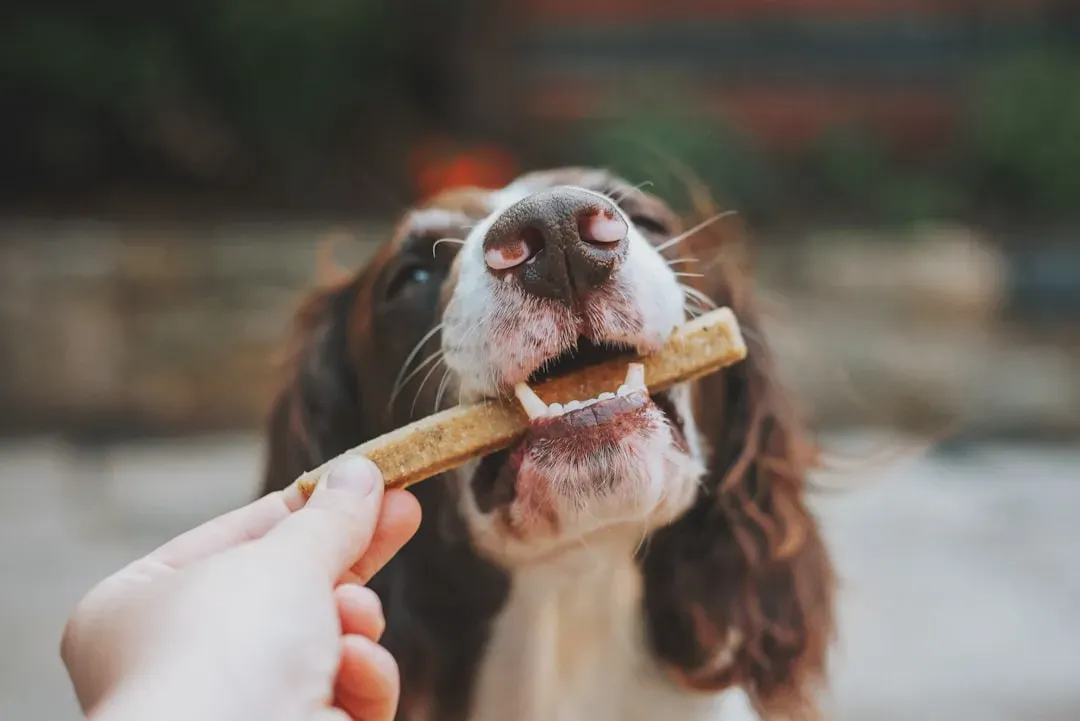
Owners love to insist, “he’s not food motivated,” right up until a trainer pulls out real roast chicken and the dog transforms. A trainer is constantly reading what your dog genuinely finds rewarding – not what you assume they like.
Refusing food in a new place doesn’t always mean “picky eater.” It often means stressed, and a dog too anxious to eat is a dog too anxious to learn well right now. A dog who takes treats but spits them out, or only nibbles when nothing else is happening, simply doesn’t find that reward valuable enough to compete with everything else going on.
Quick Compare
- High-value treats: chicken, cheese, hot dog bits – save these for tough distractions and new places.
- Everyday treats: dry kibble or plain biscuits – usually fine in a calm, familiar living room.
- Rule of thumb: the harder the environment, the higher-value the reward needs to be to compete.
- Does the dog take treats gently, or snatch like it hasn’t eaten in days?
- Will they eat at all in an unfamiliar room?
#5 – The Nervous Chatter That’s Quietly Teaching Your Dog to Ignore You
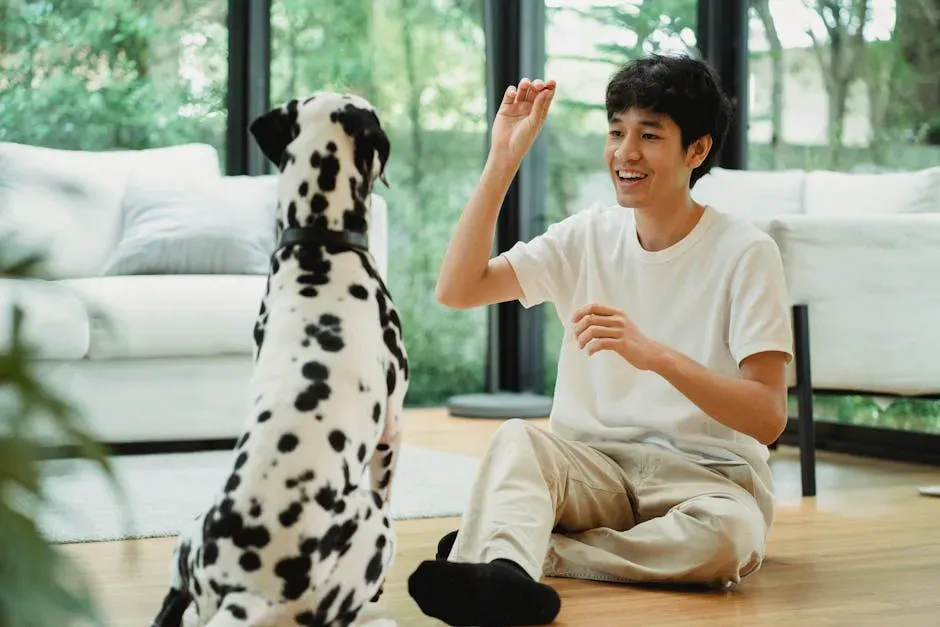
Here’s an uncomfortable truth: most owners accidentally train their dogs to tune them out. “Sit… sit… sit… hey, I said sit… sit.” That’s not training. That’s noise your dog has learned to filter.
Every cue you repeat without a consequence quietly tells your dog, “my words don’t matter.” Every time you soothe frantic behavior with “it’s okay, it’s okay” instead of redirecting it, you risk reinforcing the very panic you’re trying to calm. Trainers spot this in minutes and often realize the human, not the dog, needs the bigger habit change – which is exactly why so many say they “train people, not dogs.”
- Repeating cues without waiting for any response.
- Random leash pops that don’t actually change the behavior at all.
#6 – How Fast Your Dog Bounces Back After a Scare
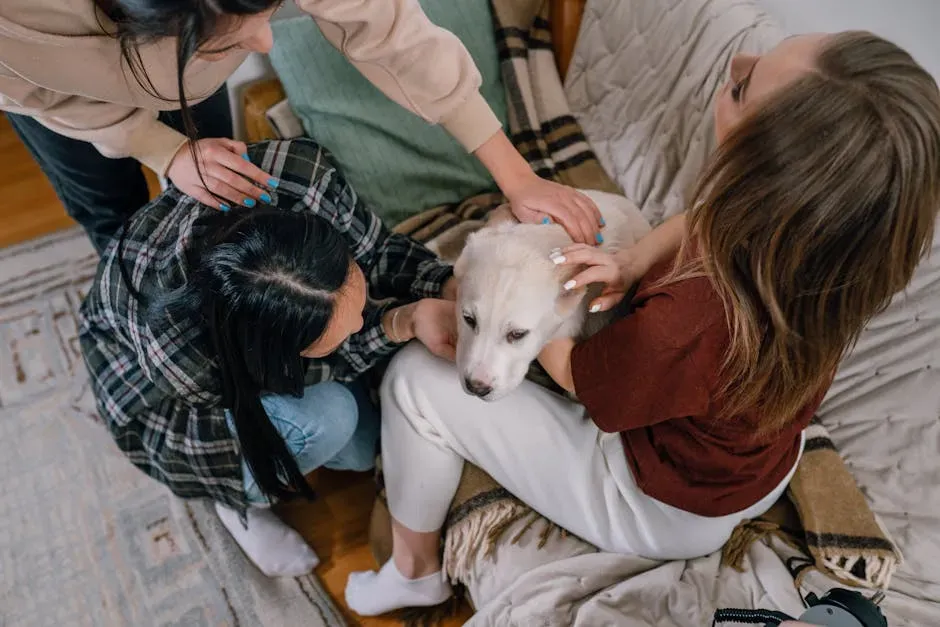
Most owners fixate on whether their dog reacts to something – a bang, a stranger, another dog barking. Trainers care just as much about how quickly the dog recovers. A dog that startles and checks back in with you within seconds is saying, “I can handle life with a little support.”
A dog who spirals – hackles up, pupils blown, panting hard for several minutes – needs a slower, more deliberate plan. Chronic slow recovery usually signals underlying anxiety, not stubbornness and definitely not spite. That single detail shapes the pace of exposure and what’s realistically achievable for that dog.
- How long from “startled” back to reasonably calm?
- Can the dog re-engage with food, play, or a cue right after the scare?
#7 – The Silent Signs of Pain Owners Swear Isn’t There
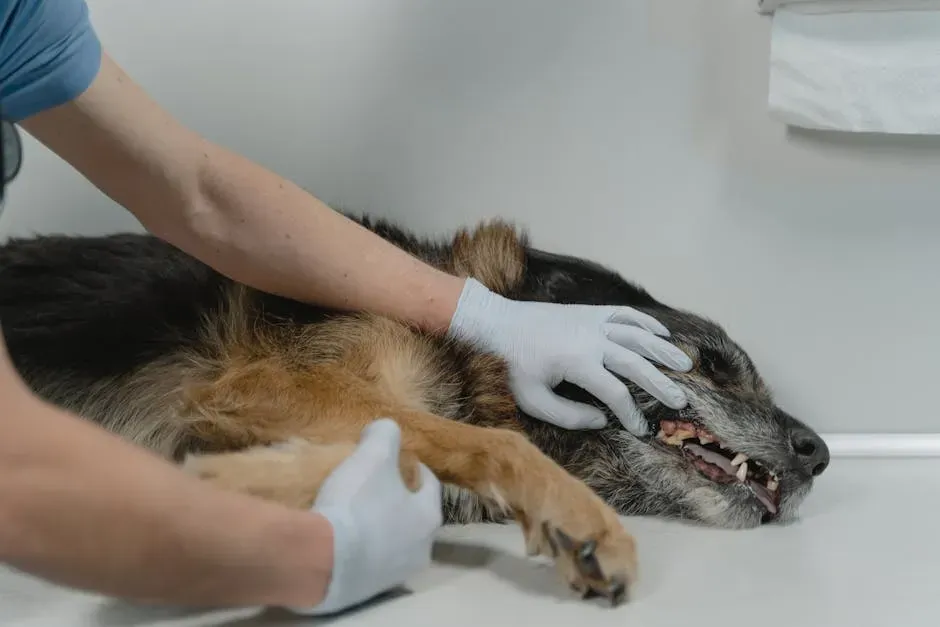
Most owners insist, “he’s healthy, the vet said so,” but trainers often spot flags in the first 15 minutes worth a second look. A subtle limp, stiffness when sitting, constant licking, or a sudden refusal to jump can scream pain, not bad behavior. Dogs are experts at compensating, and owners are experts at normalizing it without realizing.
The dog who “won’t” go down on cue might find hardwood floors genuinely uncomfortable. The dog who “refuses” to walk nicely may be managing joint pain that makes any leash pressure miserable. No amount of obedience work fixes a behavior rooted in physical discomfort, which is why good trainers will gently suggest a vet visit before pushing training any harder.
- Crooked sits or a consistently sloppy posture.
- Reluctance to hold certain positions on specific surfaces.
#8 – Your Dog’s Real Energy Budget, Not the One You Assume
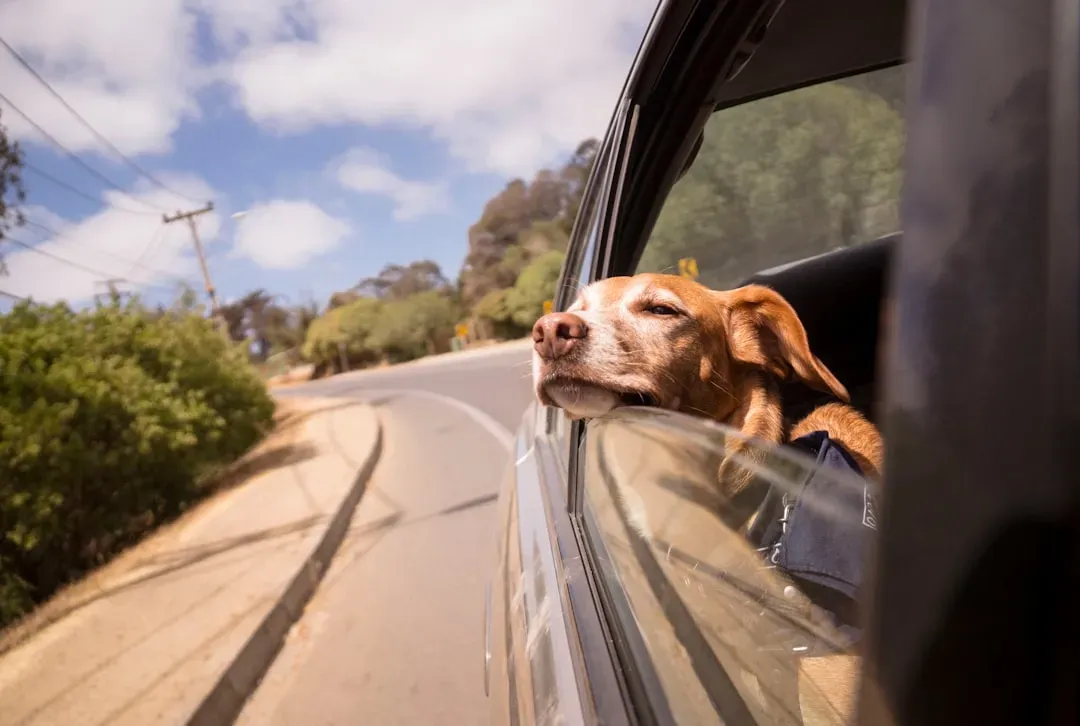
Almost every owner mislabels their dog’s energy. High-drive dogs get called “naughty,” and low-energy, stressed dogs get called “lazy.” A truly high-drive dog doesn’t just run around – they need a job, or they will invent one, usually one you won’t love.
A dog that never stops moving, even when nothing is happening, may be under-exercised and under-structured. But a dog that sprints hard for three minutes and then crashes into avoidance may be overwhelmed, not athletic. Trainers know the difference between a dog needing more physical outlets and a dog needing better nervous system regulation, and that difference decides whether the plan is more fetch or more decompression.
- Is the dog pacing nonstop, or able to settle between exercises?
- Do they escalate with more activity, or calm down with a little structure?
#9 – The Way You Touch Your Dog Is Either Calming Them or Winding Them Up
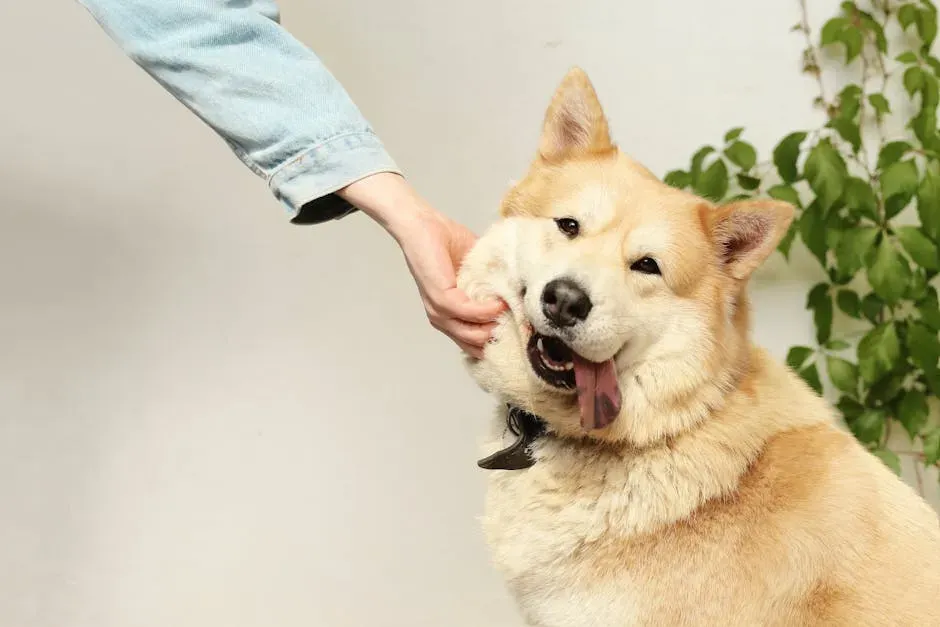
Most people assume love is love, and petting is just petting. Trainers know better. That frantic head-patting when your dog jumps on a guest? Often gasoline on the fire, not a correction.
Many owners unknowingly reward clingy, insecure behavior with maximum contact at exactly the wrong moment – the dog learns that a meltdown earns cuddles. Meanwhile, some dogs get plenty of affection when they’re calm and none at all, until they act up. Trainers use touch strategically: rewarding relaxed states, pausing when the dog escalates, and this single shift often changes the emotional dynamic faster than any command ever could.
- Do you stroke the dog repeatedly while they’re anxious or barking?
- Does your dog lean into touch, or flinch and simply tolerate it?
#10 – Who’s Actually Training Whom in Your House
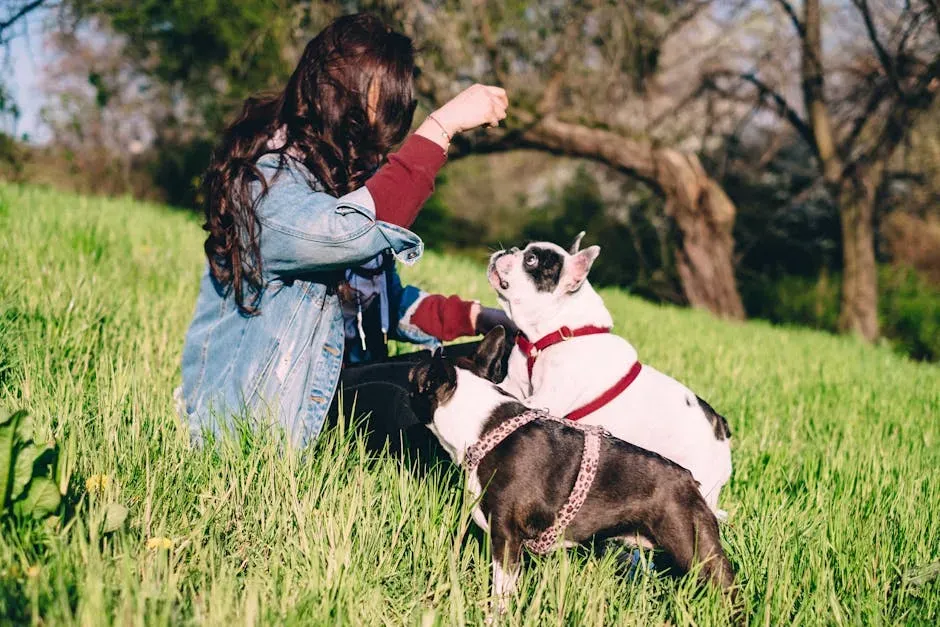
Every trainer has watched it happen: the dog barks once, and the human jumps to fix it. Dogs are master behaviorists – they’ve been quietly shaping your responses for years, and the first session is where a trainer watches that dance play out in real time.
Dog whines, owner offers a toy. Dog nudges a hand, owner starts absent-minded petting. Dog refuses to come inside, owner tosses higher-value treats to bribe them in. From the dog’s perspective, this is a flawless system: behavior, then payoff. If your dog can predict and control your response, they have zero reason to change their own behavior – and good trainers start flipping that script in session one.
Fast Facts
- Whine → toy appears: the dog learns whining reliably gets attention.
- Nudge → petting: the dog learns a nudge is basically a remote control.
- Stall at the door → treat bribe: the dog learns stalling earns a bonus reward.
- Each loop repeats dozens of times a week, quietly rehearsing the exact habit you’re trying to fix.
#11 – Your Dog’s Default State When Absolutely Nothing Is Happening

Most owners only notice behavior during “events”: barking at the door, jumping on guests, pulling on walks. Trainers are obsessed with the boring in-between moments, because a dog’s baseline reveals more truth than any dramatic outburst ever could.
A dog that can lie down and simply exist near you is already halfway to being easy to live with. A dog that never stops scanning, pacing, or demanding engagement – even in a totally neutral room – is telling the trainer, “I’ve never been taught how to turn off.” That’s exactly why so many pros prioritize calmness and place training before anything flashy; a stable off switch beats a hundred tricks.
- Can the dog lie down and simply hang out unprompted?
- Do they self-assign jobs – guarding the window, pacing, pestering?
#12 – The Household Rules Your Dog Has Already Rewritten
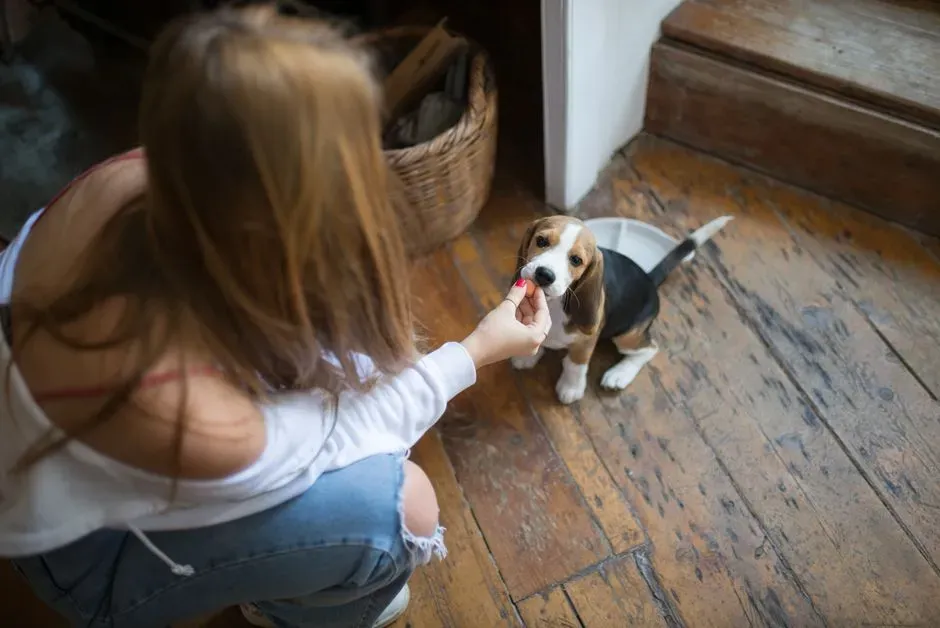
Ask owners about their rules and you’ll get vague answers: “he’s not supposed to jump,” or “we try not to let him on the couch.” Trainers don’t go by what you say – they read what your dog actually believes, and those are often two very different rulebooks.
If your dog barges through doors, steals food, and hops on furniture without hesitation, the real rulebook has already been written, and it isn’t yours. Many households run on “sometimes”: sometimes the bed is fine, sometimes it isn’t; sometimes jumping is cute, sometimes it’s embarrassing in front of guests. Dogs thrive on black and white, humans love gray, and in session one a trainer is already deciding exactly where to draw crystal-clear lines.
- Does the dog wait at doors, or blast straight through?
- Will they move off furniture when asked, or brace and argue?
#13 – Your Dog’s Social Skills Are Almost Never What You Think
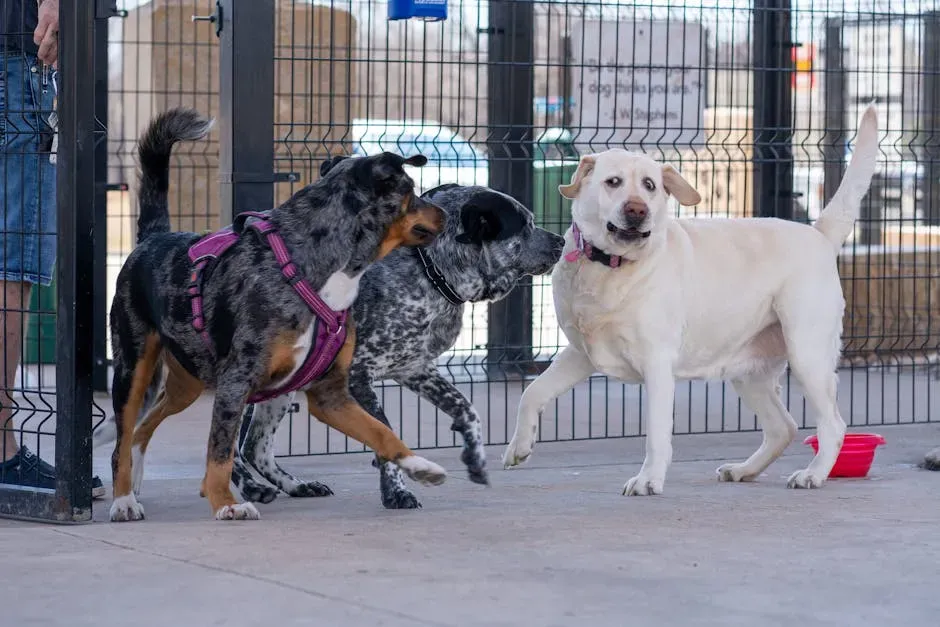
Almost every owner says either “he loves all dogs” or “he hates other dogs.” Both are frequently wrong. A dog that rushes every other dog with stiff legs and a hard stare isn’t “loving everyone” – they’re being socially rude, if not outright pushy.
A dog that barks at a distance and then avoids eye contact up close might not be aggressive at all – just terrified and under-practiced with real dog-to-dog manners. Many “friendly” dogs are actually bullies that have been rewarded for over-the-top greetings for years, and many “reactive” dogs would do just fine with the right, carefully chosen calm partner. The trainer’s first-session read on this shapes every future exposure plan.
Worth Knowing
- Loose, wide, “helicopter” tail wag: generally relaxed and friendly.
- Stiff, fast, high tail whip: tense, aroused, or on the edge of trouble.
- A curved, side-on approach: a polite, low-pressure greeting.
- A straight-on, head-high rush: rude or pushy, even when the owner insists it’s “friendly.”
- Tail carriage – the loose helicopter wag versus the tight, fast whip.
- Whether your dog respects other dogs’ space or simply bulldozes it.
#14 – The Story You Tell About Your Dog Is Quietly Running the Show
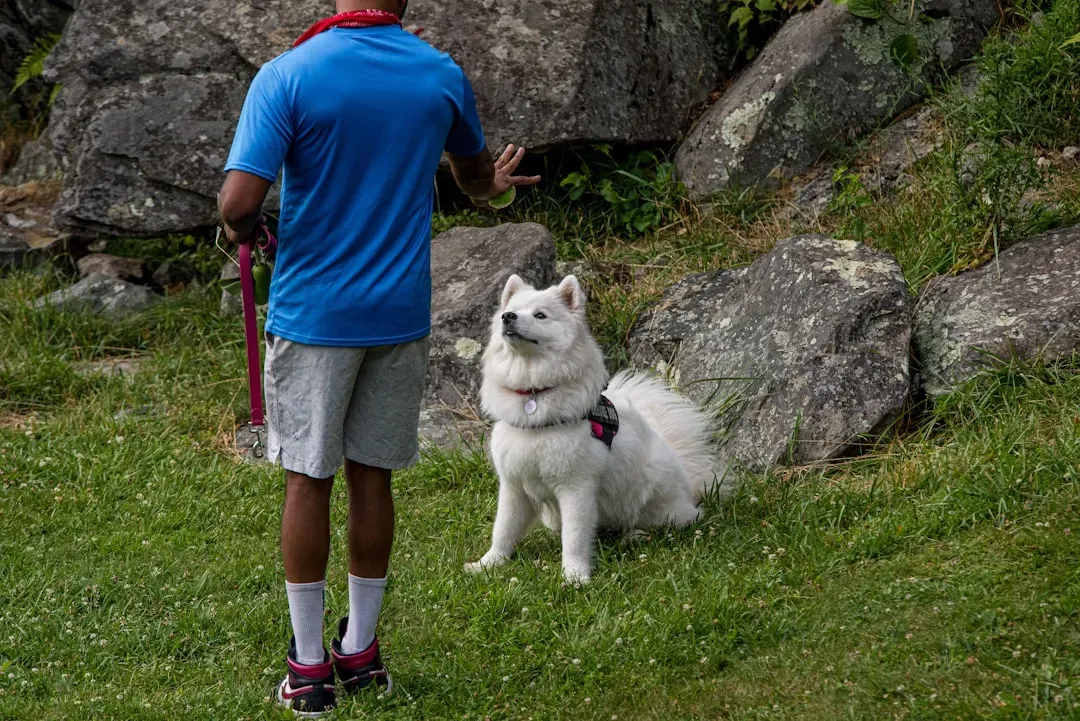
One of the most underrated things a trainer notices isn’t the dog at all – it’s your words. “He’s stubborn.” “She’s spiteful.” “He’s a rescue, so…” These aren’t neutral descriptions. They’re excuses or accusations dressed up as facts, and they become the exact lens you use to interpret everything your dog does next.
If you’re convinced your dog is broken or mean, you’ll handle them with frustration or pity instead of clarity. If you over-romanticize every struggle as “trauma,” you might be too scared to set any boundary at all. Good trainers gently challenge these narratives right in session one, because mindset is genuinely half the battle.
- Fixed labels versus flexible descriptions of behavior.
- Emotionally loaded phrases like “he knows better” or “she’s doing it to annoy me.”
#15 – Whether You’ll Actually Do the Homework
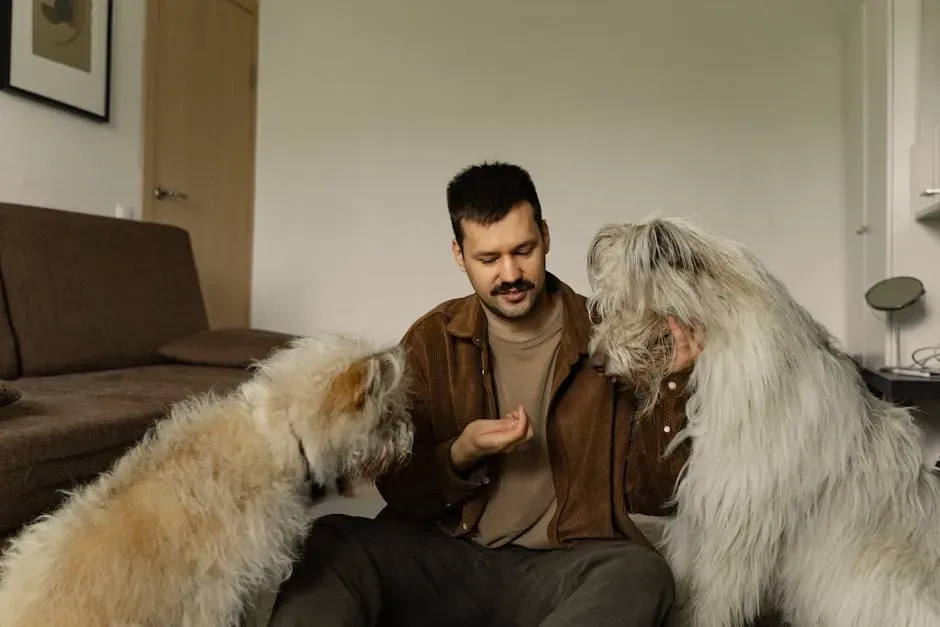
Here’s the part almost no one wants to hear: the biggest thing a trainer notices in that first session isn’t the dog – it’s you. Your body language, your questions, and your reactions tell a trainer instantly how likely you are to follow through once you’re home alone with the dog, and yes, they adjust the entire plan around that read.
A trainer can usually sense within minutes whether you want a quick fix or you’re genuinely ready to change daily habits. That doesn’t mean they give up on you – it means they decide how simple or ambitious your program can realistically be. Dogs, it turns out, are remarkably trainable. Humans are the wild card.
- Do you take notes and ask specific questions, or just nod vaguely?
- Do you get defensive with feedback, or genuinely curious?
The Bottom Line
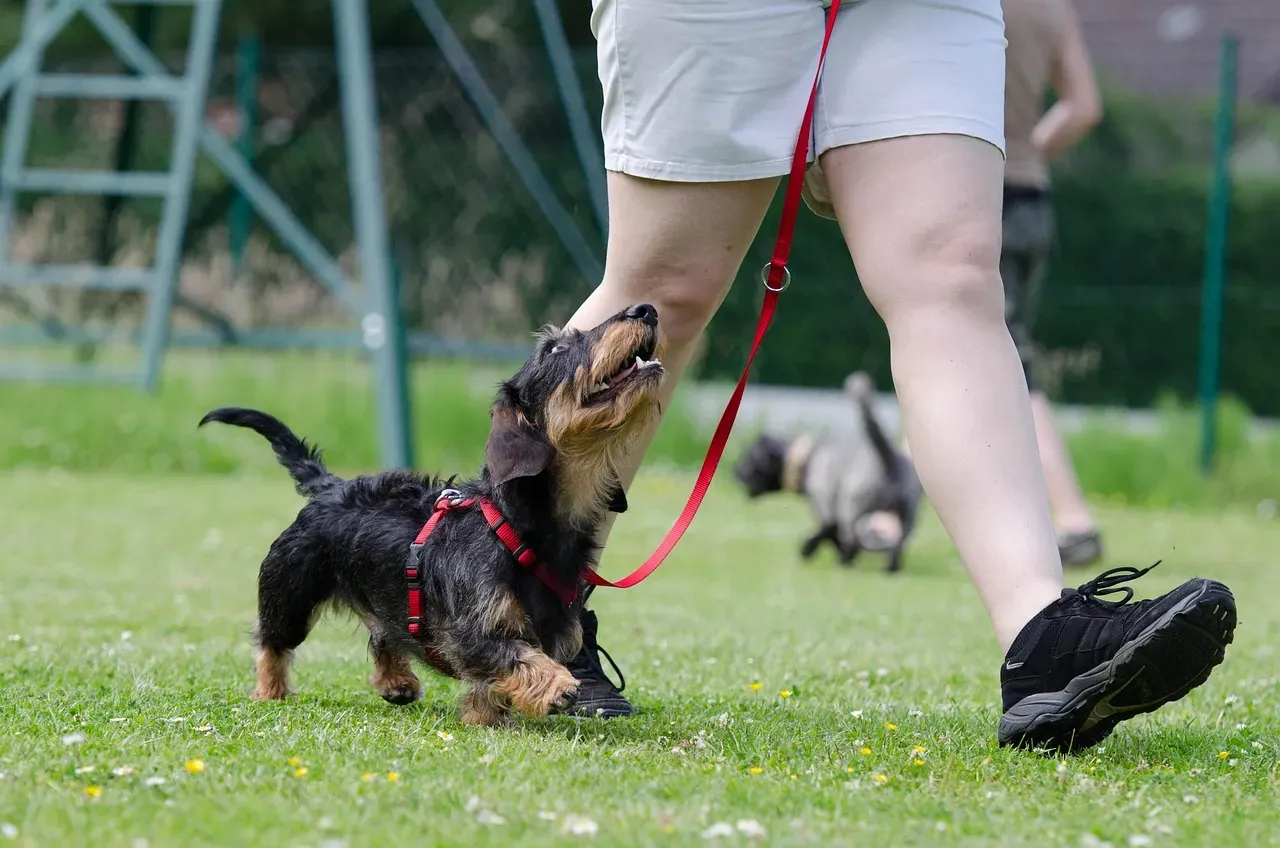
Dog trainers aren’t psychic. But by the end of a first session, they’ve quietly mapped your dog’s stress levels, social skills, resilience, motivation, household rules – and yes, your own habits and mindset too. Most of what actually matters shows up in the tiny, unmentioned details: how your dog enters a room, how you grip a leash, the careless words you use to describe them.
Here’s the uncomfortable part I’ll say plainly: in most homes, the dog was never really the project. You were. That’s not an insult, it’s the whole point – because unlike a lot of hard truths, this one is fixable starting tonight, long before your next session. Which of these hit closest to home, and what do you suspect your trainer noticed about you but never actually said out loud?