
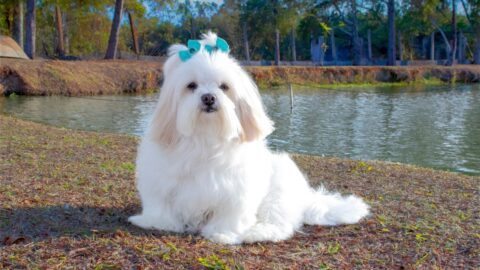
You know that moment when you’re about to leave the house, and your dog gives you the eyes? Maybe yours watches you go with complete calm, yawning and stretching before settling back into their favorite spot. Or maybe, just maybe, yours starts following you room to room the second you pick up your keys, ears pinned back, already anticipating the heartbreak of your departure.
Here’s the thing: not all dogs are wired the same way when it comes to being alone. Some breeds are perfectly content with solo time, while others genuinely struggle when their favorite human walks out the door. Understanding your dog’s emotional wiring isn’t just interesting trivia. It’s essential for their wellbeing and yours.
Let’s dive into which breeds handle solitude like champions and which ones would follow you into the bathroom if they could.
The Basenji: The Barkless Loner
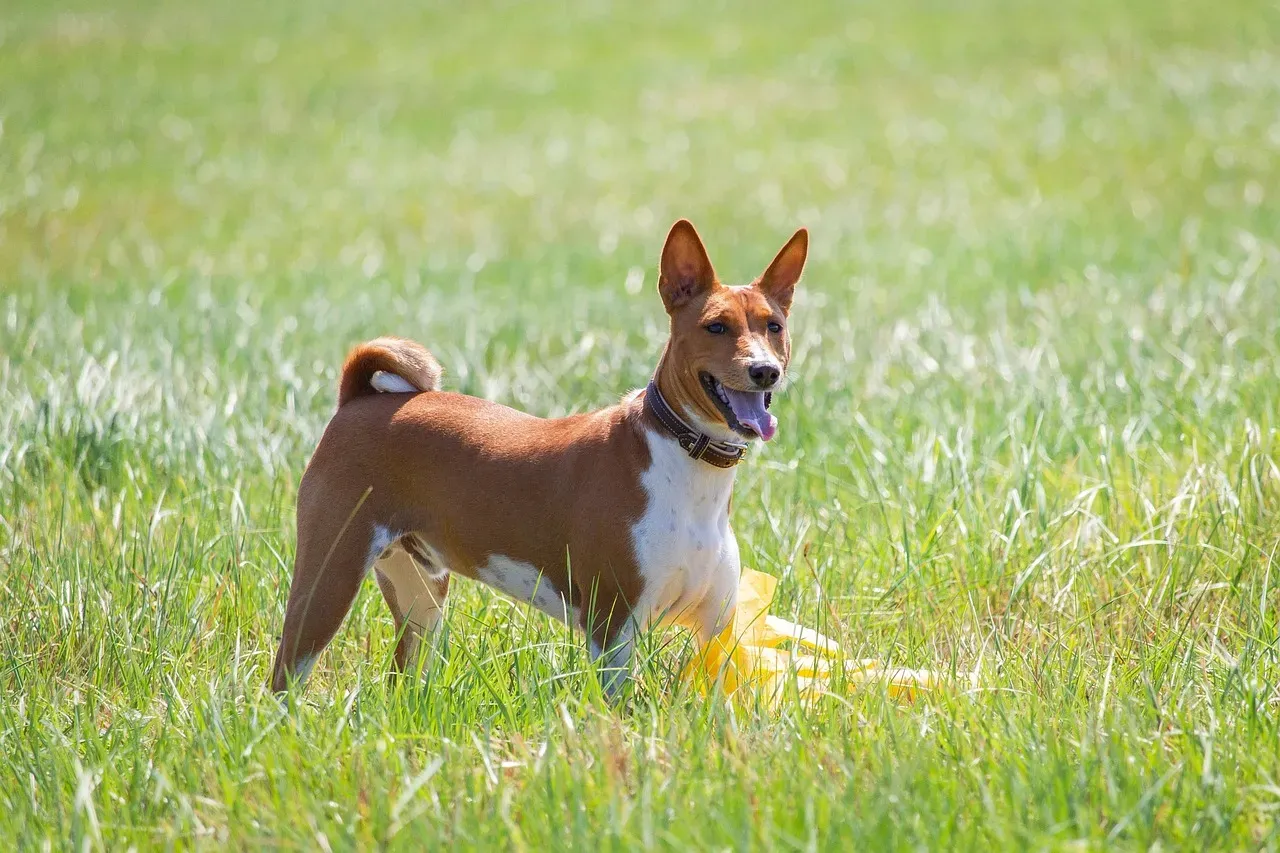
Often referred to as a cat-like dog, the Basenji has a lot in common with its feline counterparts and these dogs were important in ancient Egyptian society. These fascinating pups groom themselves like cats and have an independent streak a mile wide.
Though they do have higher exercise and mental stimulation needs, these smart and sometimes aloof pups are definitely happy to do their own thing for a few hours each day once they get tuckered out. Their independence doesn’t mean they don’t love you. It just means they don’t need constant reassurance that you’re coming back.
The Basset Hound: The Couch Potato Champion
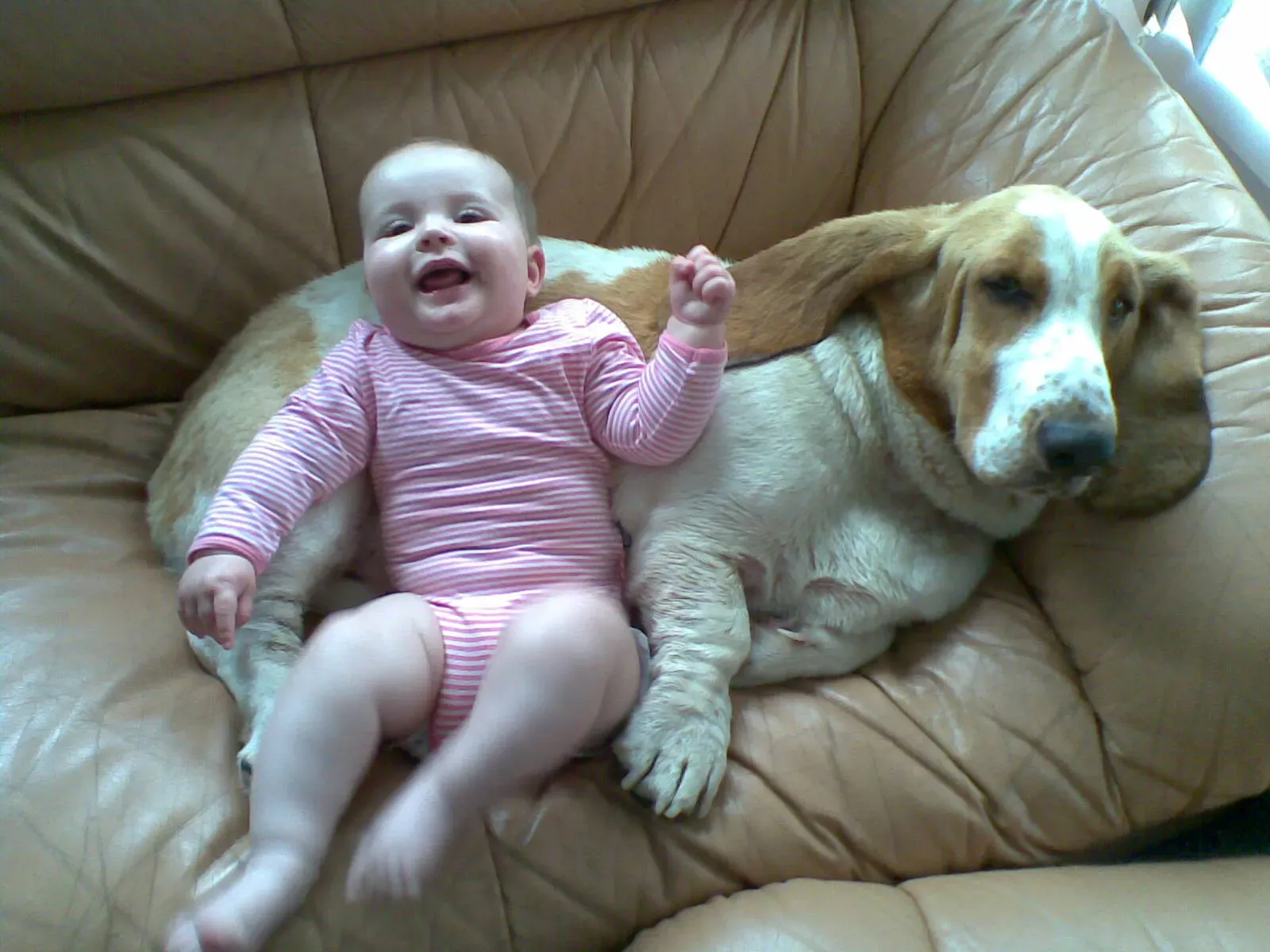
If laziness were an Olympic sport, the Basset Hound would take gold. Big fans of snoozing around the house, Basset hounds are known to be quite stubborn and to have a mind of their own, and as they were bred to hunt solo, they’re quite capable of managing things alone.
Basset hounds are perfectly content with a quiet afternoon snoozing or chewing on a toy – their love for naps and minimal exercise needs make them adaptable to periods of solitude. Their droopy eyes might make you feel guilty leaving, but honestly, they’re probably relieved to get back to their nap schedule without your interference.
The Shiba Inu: The Dignified Independent
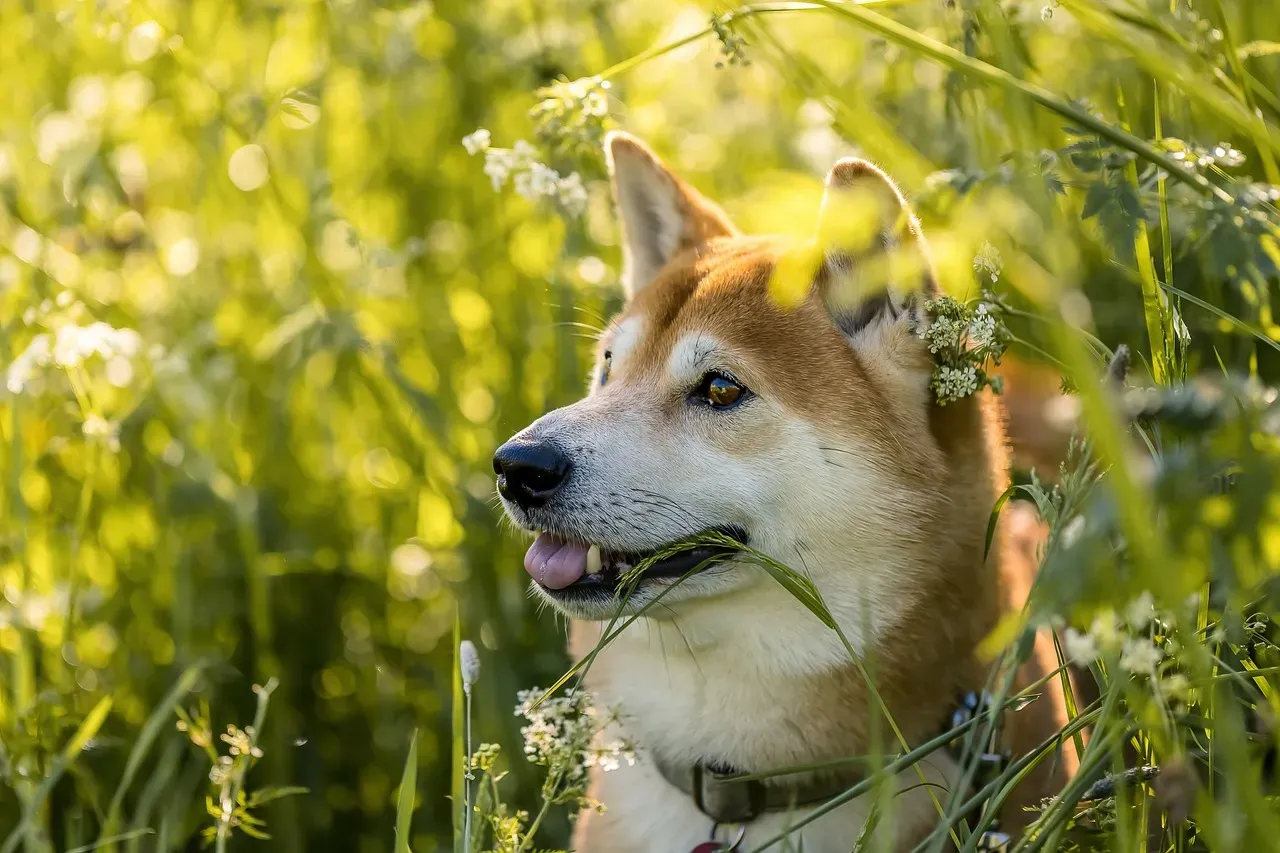
The Shiba Inu is confident, independent, and perfectly capable of managing its own space, originally bred in Japan for hunting. These dogs carry themselves with a certain dignity that makes clingy behavior seem beneath them.
They are alert and intelligent, using their downtime productively – whether exploring toys or watching the world from a window, and their curious nature means they don’t require constant engagement to stay happy. Shibas are naturally clean and quiet, which makes them wonderful apartment companions for people with full schedules. They’ll greet you when you return, but they won’t act like you’ve been gone for years.
The Chow Chow: The Aloof Guardian
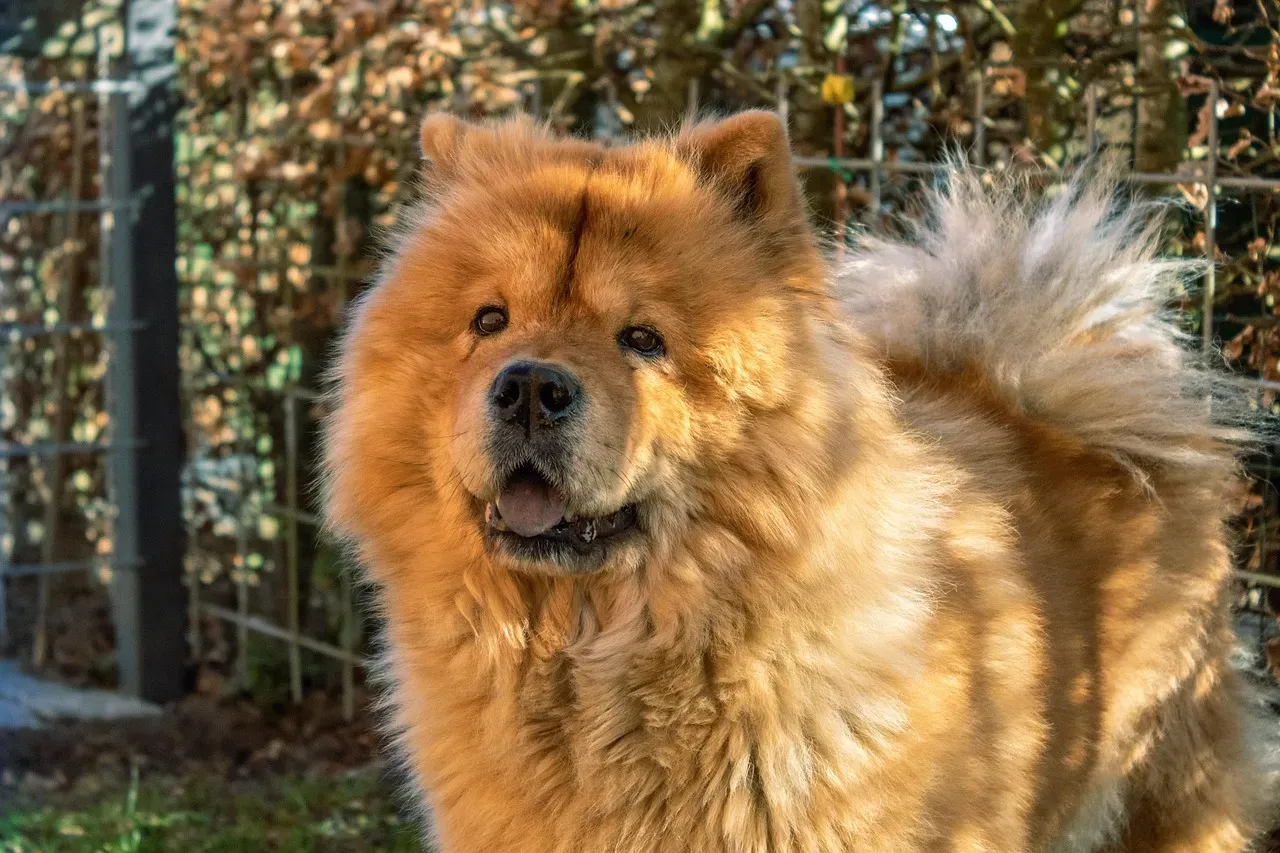
Chow Chows are known for their independent and somewhat standoffish personality, which makes them well-suited to being left alone for extended periods, and these dogs are not particularly needy or attention-seeking, preferring to keep to themselves most of the time, and Chow Chows are aloof with strangers and even with their own families.
The lion-like Chow Chow is always clean, refined, and dignified, meaning they’ll do just fine unsupervised in your home. Think of them as the introvert of the dog world. They love their people, but they also deeply value their personal space.
The Greyhound: The Gentle Napper
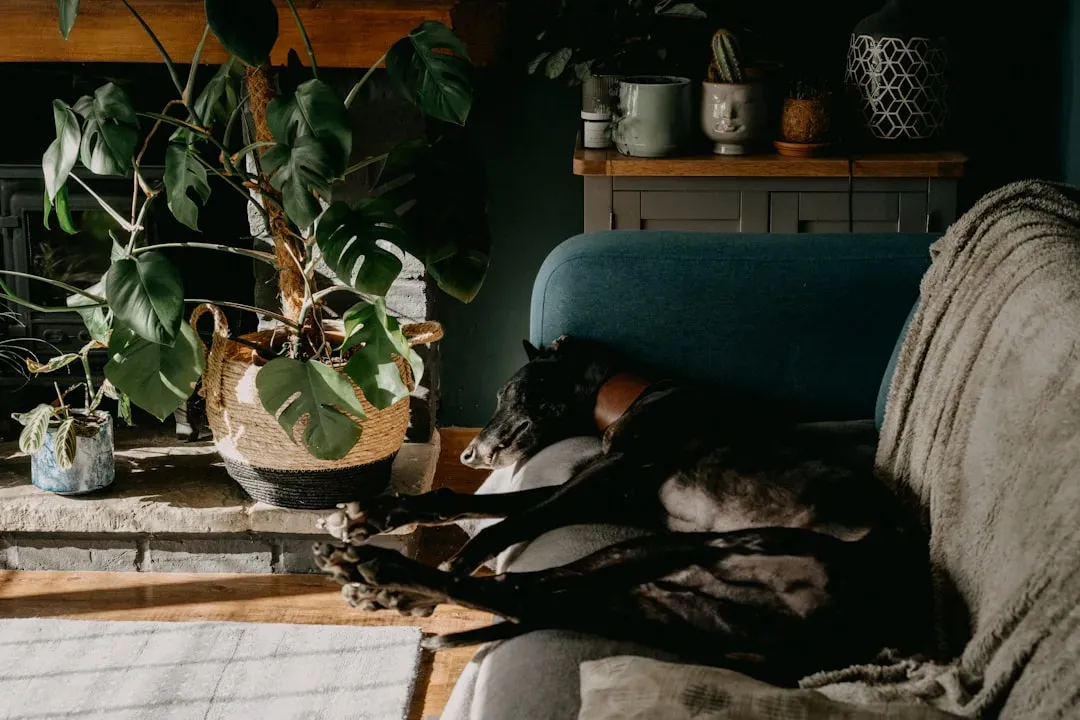
Surprising, right? You’d think a racing dog would be bouncing off walls. When alone, a Greyhound tends to nap peacefully rather than seek mischief, and their gentle, independent nature means they rarely bark excessively or show anxiety if they’ve had proper exercise beforehand.
Greyhounds may be known for whipping around a racetrack, but these big dogs are perfectly happy to lounge around the house all day. Give them a good run in the morning, and they’ll spend the rest of the day in blissful rest. Their calm demeanor makes them surprisingly low maintenance for their size.
The Lhasa Apso: The Confident Watchdog
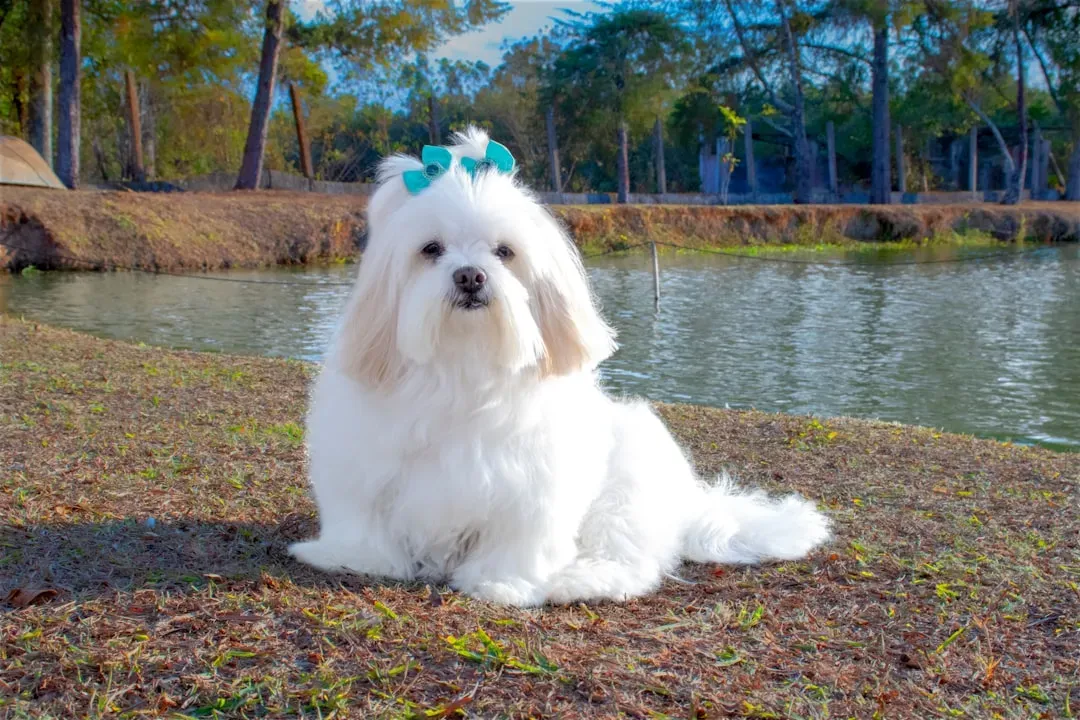
While naturally alert, the Lhasa Apso does not overreact to every sound or movement, and this steady, confident demeanor helps them feel secure in solitude. Originally bred as palace guardians in Tibet, these little dogs take their job seriously but don’t panic when left alone.
Lhasa Apsos are independent enough to spend half a day home alone – even longer with a walk partway through the day. They’re perfectly happy entertaining themselves, patrolling their territory, and keeping watch from the window.
The Shar Pei: The Reserved Thinker
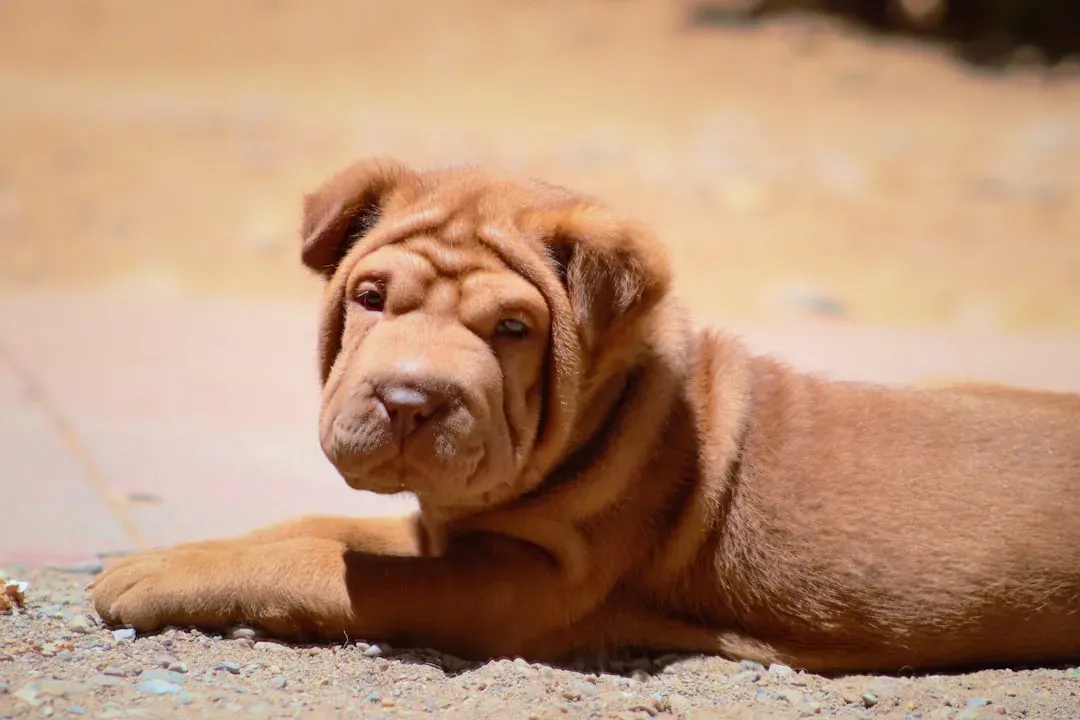
The Shar Pei is an independent and somewhat aloof breed that doesn’t mind spending time alone, and these dogs are known for their dignified and calm demeanor, often preferring to relax rather than seek constant attention.
Their wrinkled faces might make them look perpetually worried, but they’re actually quite self-sufficient. Shar Peis are naturally reserved, making them less likely to develop separation anxiety when left alone, and while they can be loyal and affectionate with their families, they’re also quite self-sufficient. They appreciate quality time but don’t need you hovering constantly.
The Vizsla: The Velcro Dog
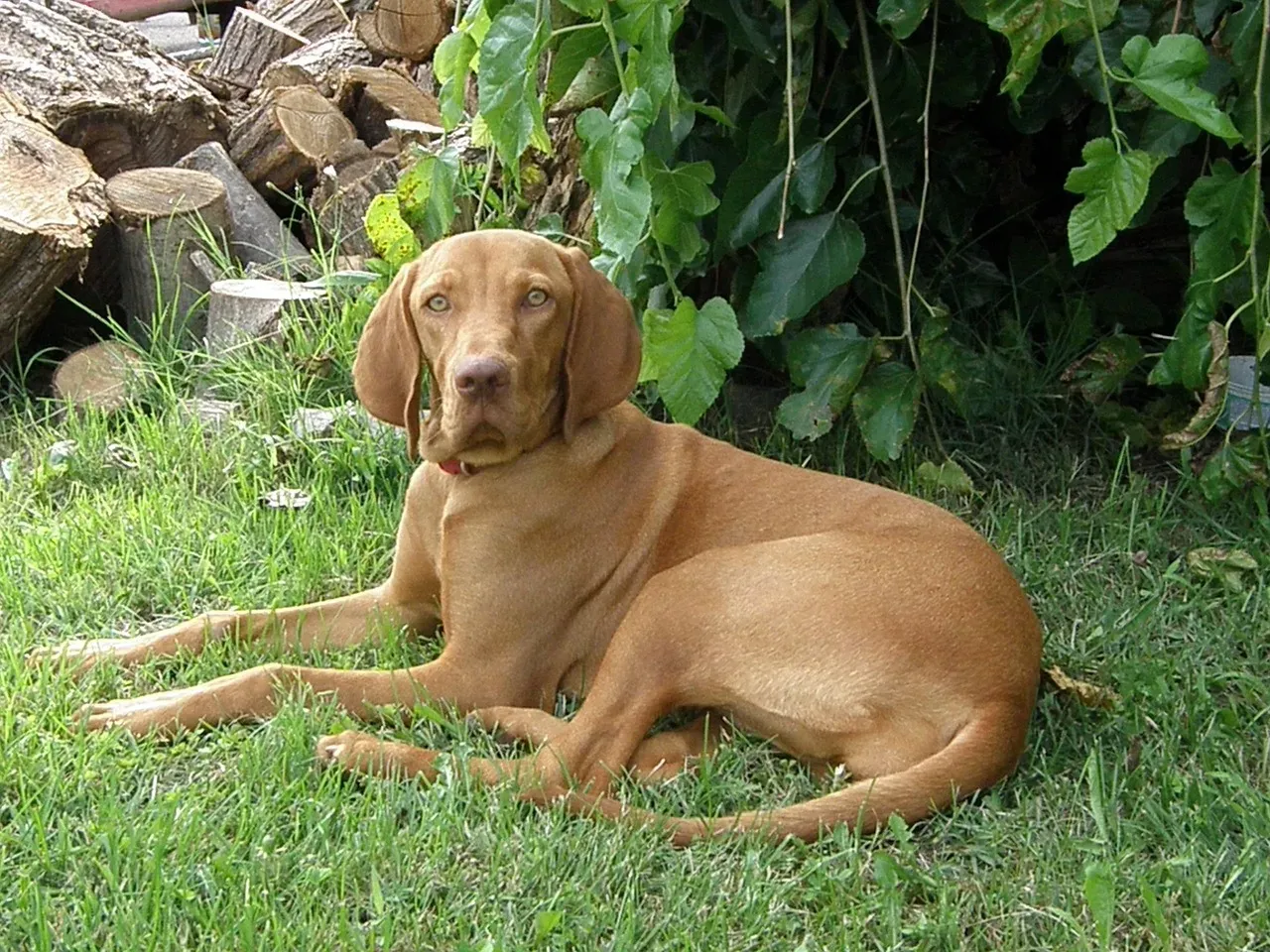
Now we’re switching gears to the breeds that would genuinely prefer to be surgically attached to you. The hunting breed is widely recognized to be among the most dependent on human companionship, and should not regularly be left alone, and the Vizsla is perhaps the clingiest dog breed, as they rarely leave their owners’ sides.
These gorgeous dogs were bred to work alongside hunters in constant contact. That translates to a modern pet who follows you everywhere. Bathroom? They’re waiting outside. Kitchen? Right by your feet. Honestly, they’d crawl into your skin if they could.
The Labrador Retriever: The Friendly Shadow
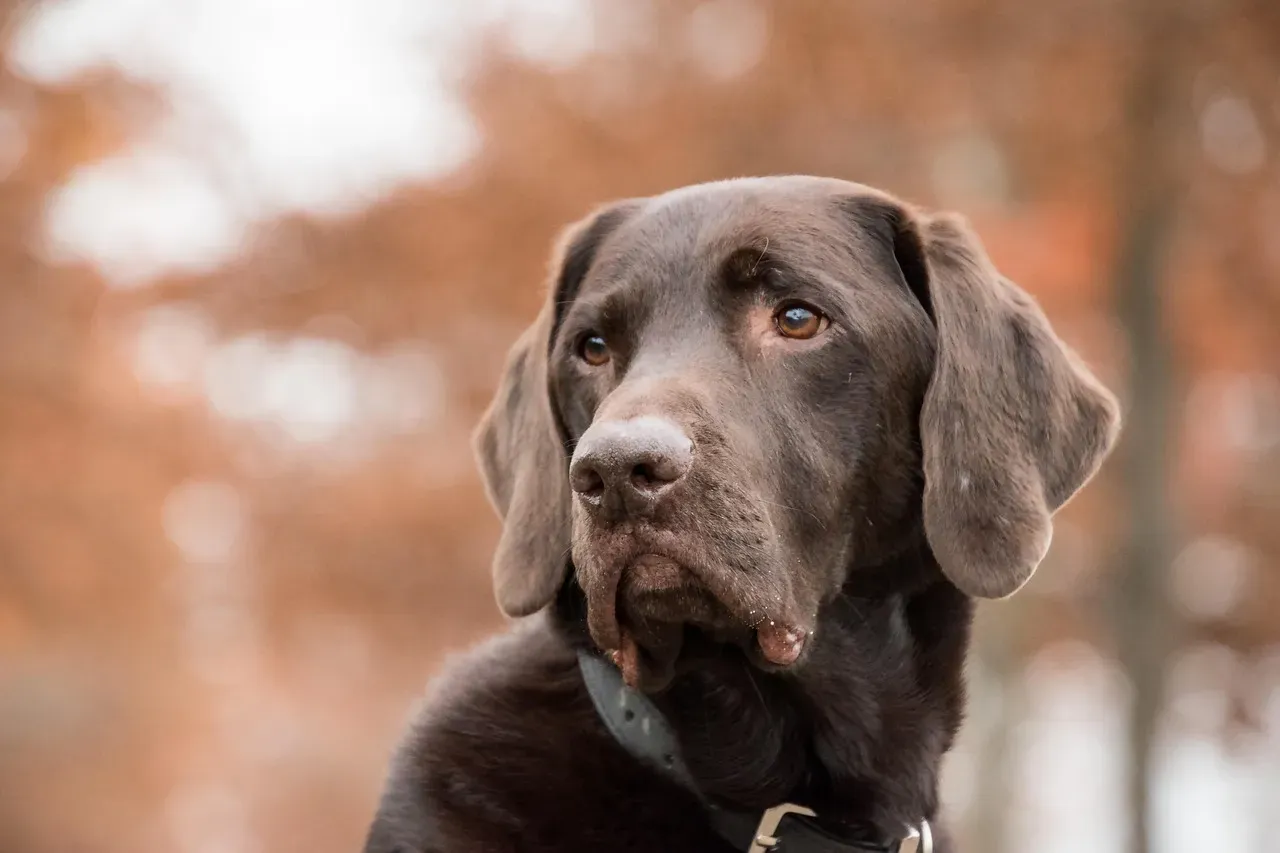
Endlessly affectionate and famously friendly, the Labrador Retriever is the most popular breed in the United States for good reason, but many people don’t realize that this social butterfly can be on the needy side.
Labs are so friendly and people-oriented that being alone genuinely stresses them. Labs simply love being around people, and, as a result, struggle when left alone for long periods of time. They’re not destructive out of spite. They’re anxious because their entire world revolves around being with their pack.
The French Bulldog: The Attention Demander
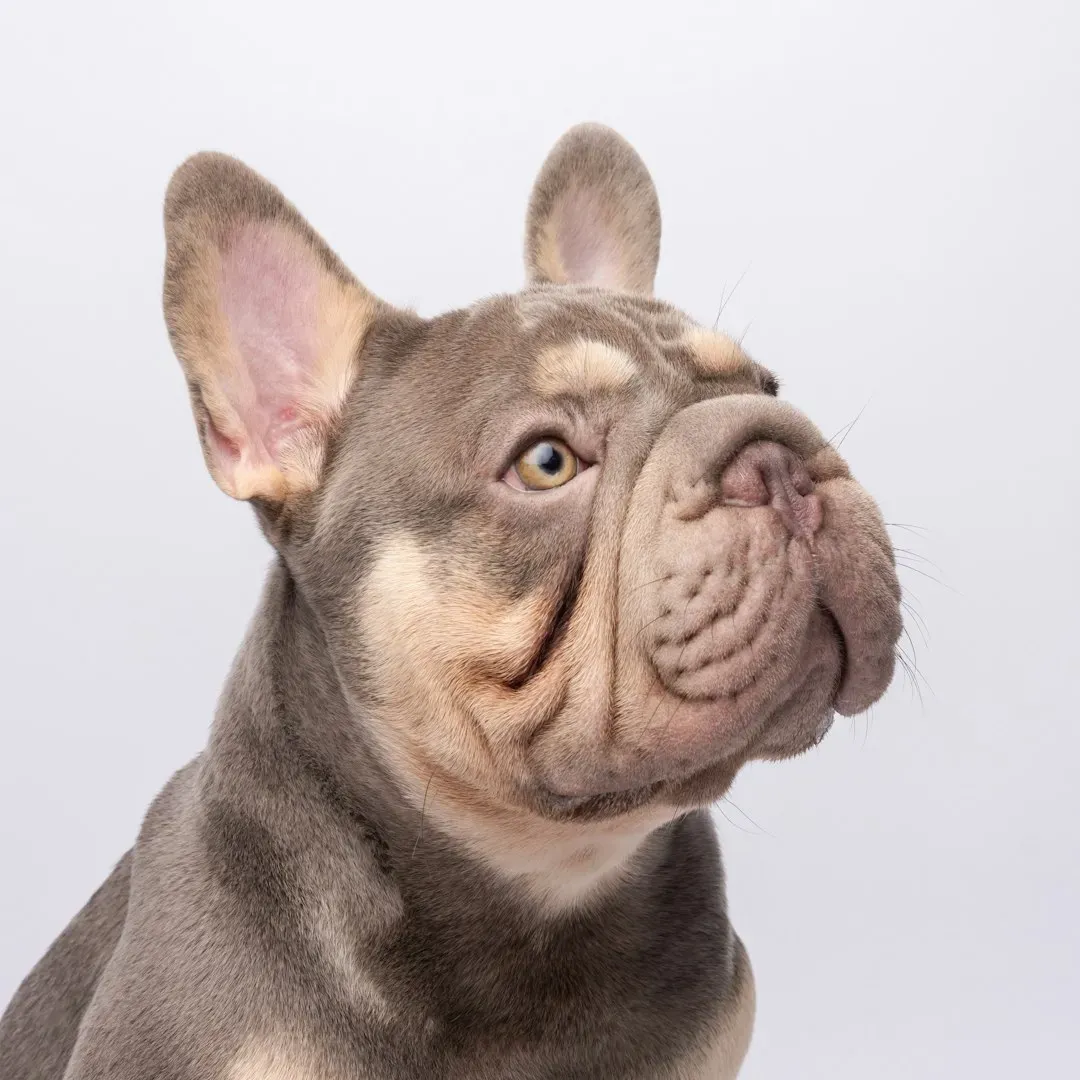
The French Bulldog is as adorable as it is clingy, and best known as the Frenchie, this breed is known for having a stubborn streak and for craving human attention, and the Frenchie nearly demands affection.
Known for their distinctive bat-like ears, French bulldogs are known for their charming personalities, and they form deep bonds with their families and are always eager to stay by their side, and these clingy pooches crave constant companionship and attention. Leaving a Frenchie alone for long stretches isn’t just hard on them. It’s genuinely distressing.
The Chihuahua: The Tiny Tyrant
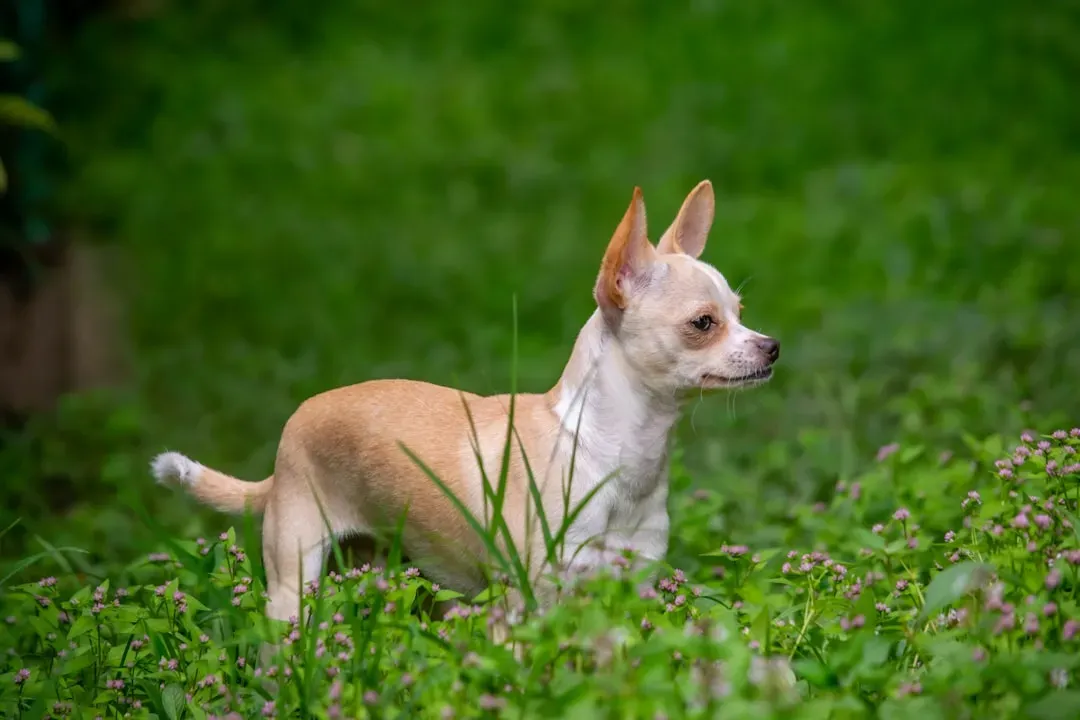
Chihuahuas might be small, but their attachment levels are huge, and they often latch onto one person and become their personal bodyguard and best friend, and they’re bold, sassy, and incredibly affectionate.
These small pooches crave constant companionship and become anxious when left alone for extended periods. Despite their tiny size, their emotional needs are massive. Separation isn’t just inconvenient for a Chihuahua. It’s borderline traumatic.
The Border Collie: The Intense Worrier
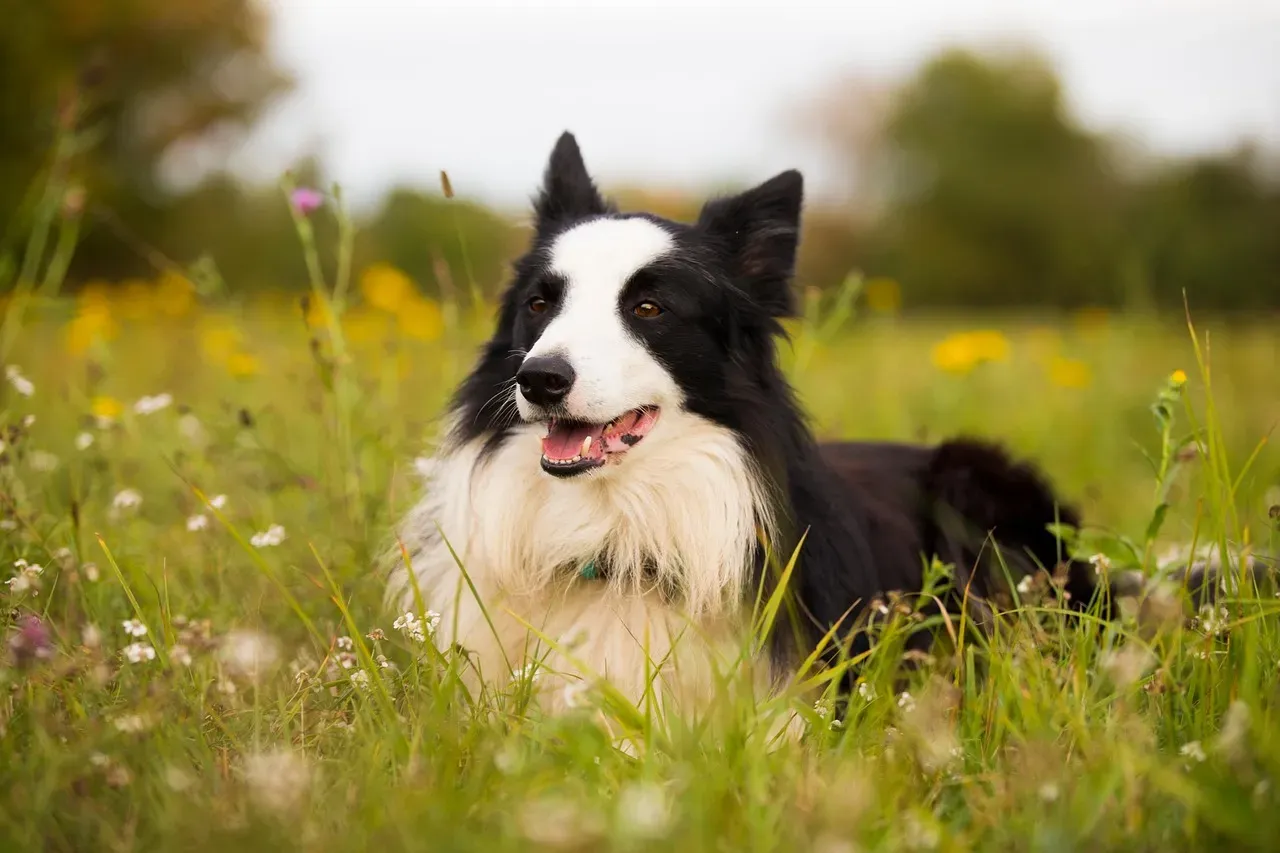
Border Collies are smart, energetic, and emotionally wired, and they read your body language like a book and respond to your every move, and these dogs need mental and physical stimulation, but they also crave connection.
Famous for their intelligence and work ethic, Border Collies often fool people into thinking they’re too focused on tasks to care much about snuggles, but the truth is they bond deeply with their people and feel lost without mental engagement or human interaction, and these dogs are emotional sponges. Leave them alone too long without proper outlets, and you’ll come home to a very anxious, potentially destructive dog.
Understanding Separation Anxiety: The Warning Signs
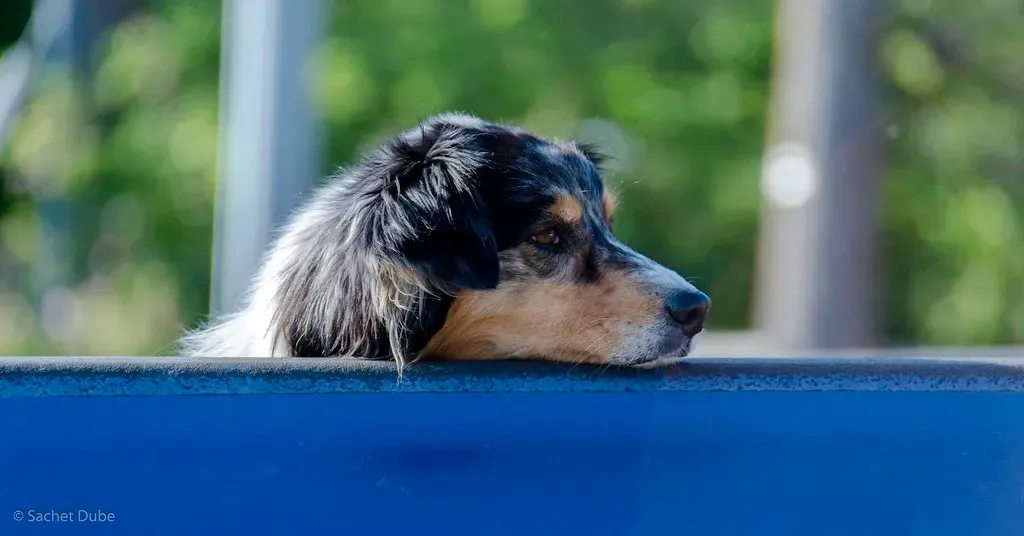
Let’s be real for a second. Some clinginess is normal and even endearing. However, separation anxiety is triggered when dogs become upset because of separation from their guardians, the people they’re attached to.
Their dogs might urinate, defecate, bark, howl, chew, dig or try to escape. If your dog is pacing, panting, drooling, or showing signs of distress before you even leave, that’s a red flag. Usually, right after a guardian leaves a dog with separation anxiety, the dog will begin barking and displaying other distress behaviors within a short time after being left alone – often within minutes. This isn’t just missing you. It’s panic.
Conclusion: Know Your Dog, Love Them Better
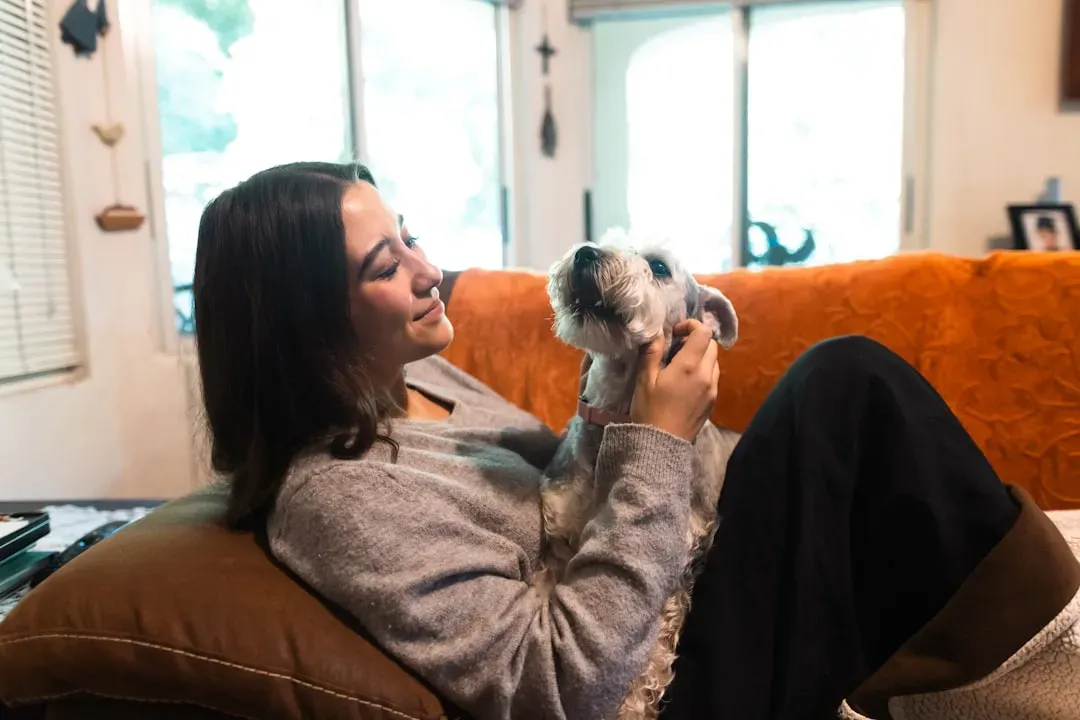
At the end of the day, understanding whether your dog thrives in solitude or needs constant companionship isn’t about labeling them as easy or difficult. It’s about meeting them where they are emotionally. Some dogs genuinely enjoy their own company and see your departure as an opportunity for a good nap. Others experience real fear and distress.
If you’ve got an independent breed, you’re lucky in some ways, but don’t mistake independence for not caring. They still need love, exercise, and mental stimulation. If you’ve got a Velcro dog, it’s not a flaw. It’s how they’re built, and with patience, training, and sometimes professional help, you can help them feel safer when you’re apart.
What kind of dog do you have? Does your pup barely notice when you leave, or are they already stressed just watching you put on your shoes? Understanding their unique needs is one of the most loving things you can do.


