
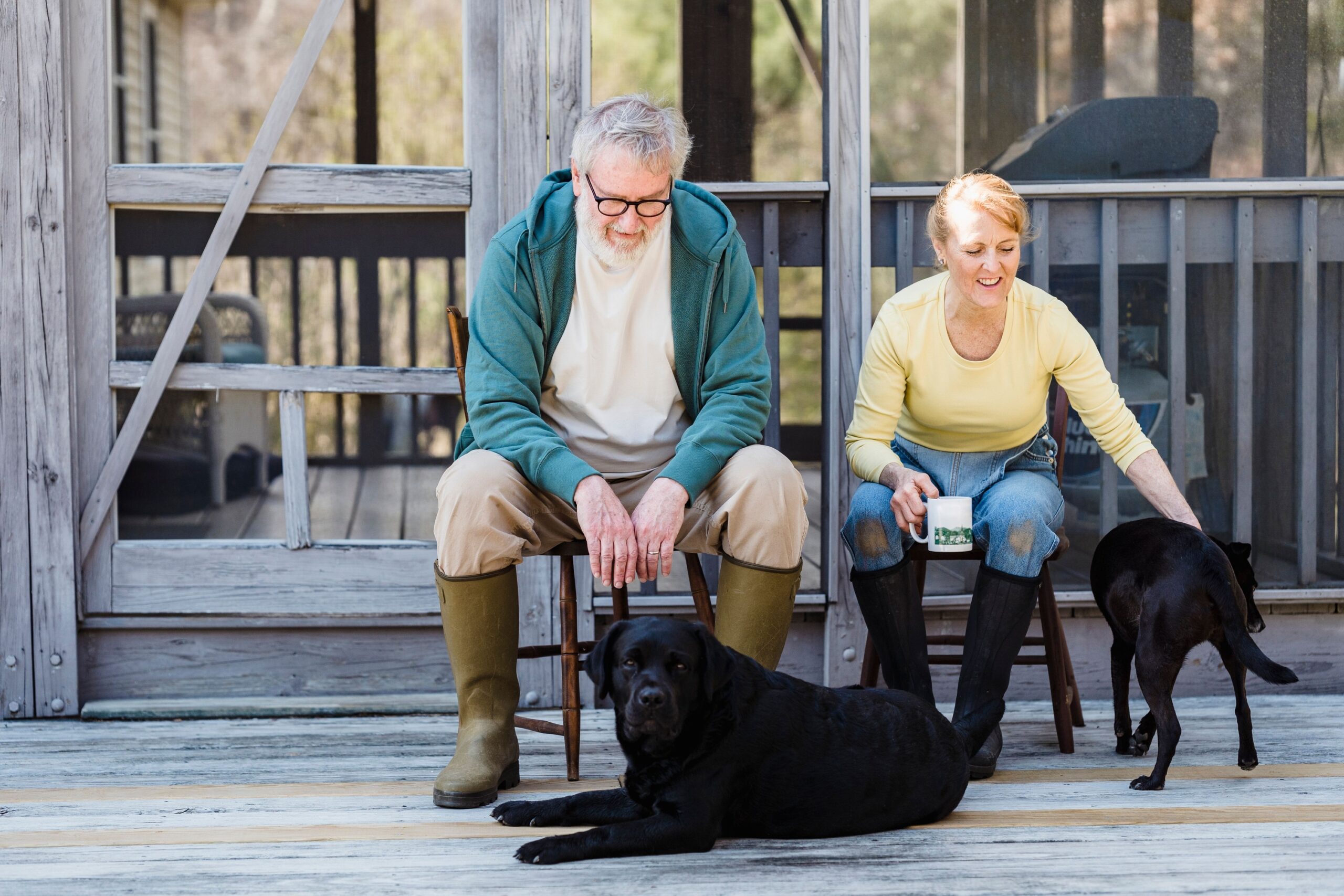
Share a home with a senior dog for even a week and you realize something quietly mind‑blowing: they are living the same ordinary routines as your puppy, but in a completely different body. That wag at the door might hide aching joints, fading hearing, or a heart that tires faster than before. The needs of an older dog sneak up on us, often so gradually that by the time we notice, they’ve been politely coping for far too long.
I learned this the hard way when my own dog, who once bounced off furniture like a pinball, suddenly refused to jump into the car. I thought he was just being stubborn; in reality, he was in pain. That moment still makes me wince. Older dogs rarely complain loudly, so it’s on us to read between the lines and adjust. Here are seven things our senior dogs need from us that most puppies simply don’t – and how to give it to them without wrapping them in bubble wrap or losing the fun you both love.
1. Pain Management, Not Just Energy Management
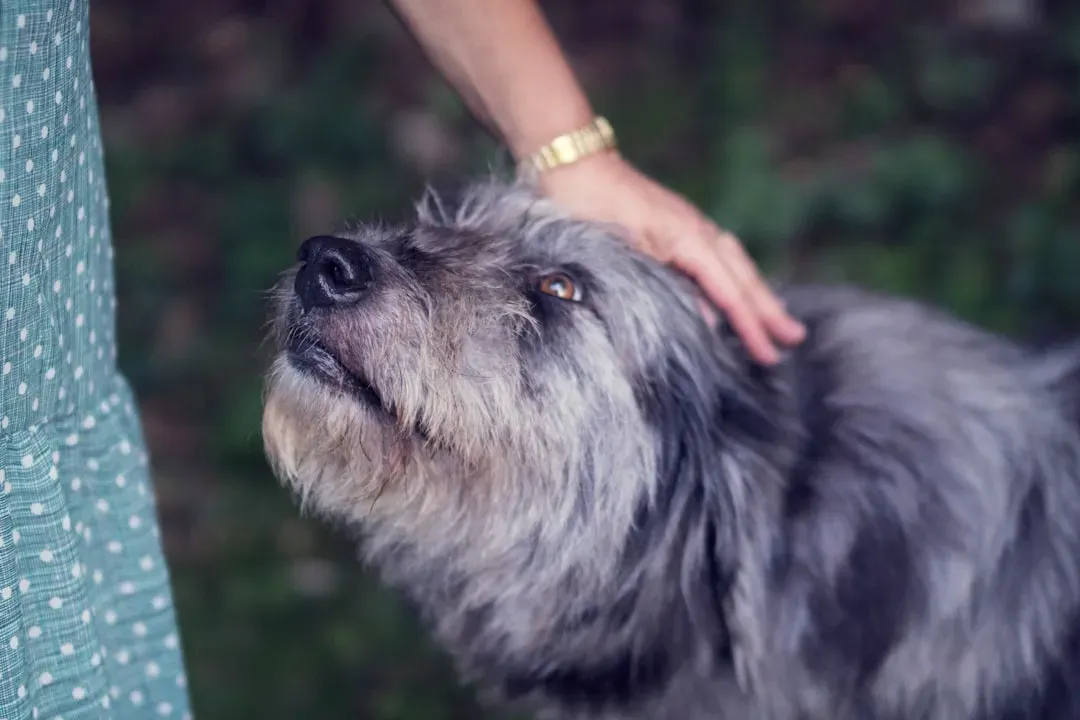
Puppies are basically chaos with paws; our main job is burning off their energy so they don’t eat the couch. Older dogs flip that script: they often have less visible energy, but more invisible pain. Arthritis, spinal changes, dental disease, and old injuries can all simmer quietly in the background, turning everyday activities like stairs or jumping off the couch into mini athletic events.
This is where your role shifts from personal trainer to pain detective. If your senior hesitates before doing things that used to be effortless – jumping into the car, getting on the bed, climbing stairs – that’s often pain, not attitude. Regular vet visits, anti‑inflammatory medications when appropriate, joint supplements, weight control, and sometimes physical therapy or acupuncture can change their whole world. You’re not “spoiling” them with ramps, softer beds, or shorter walks; you’re leveling the playing field so life still feels good.
2. Slower, Smarter Exercise Instead of Endless Zoomies
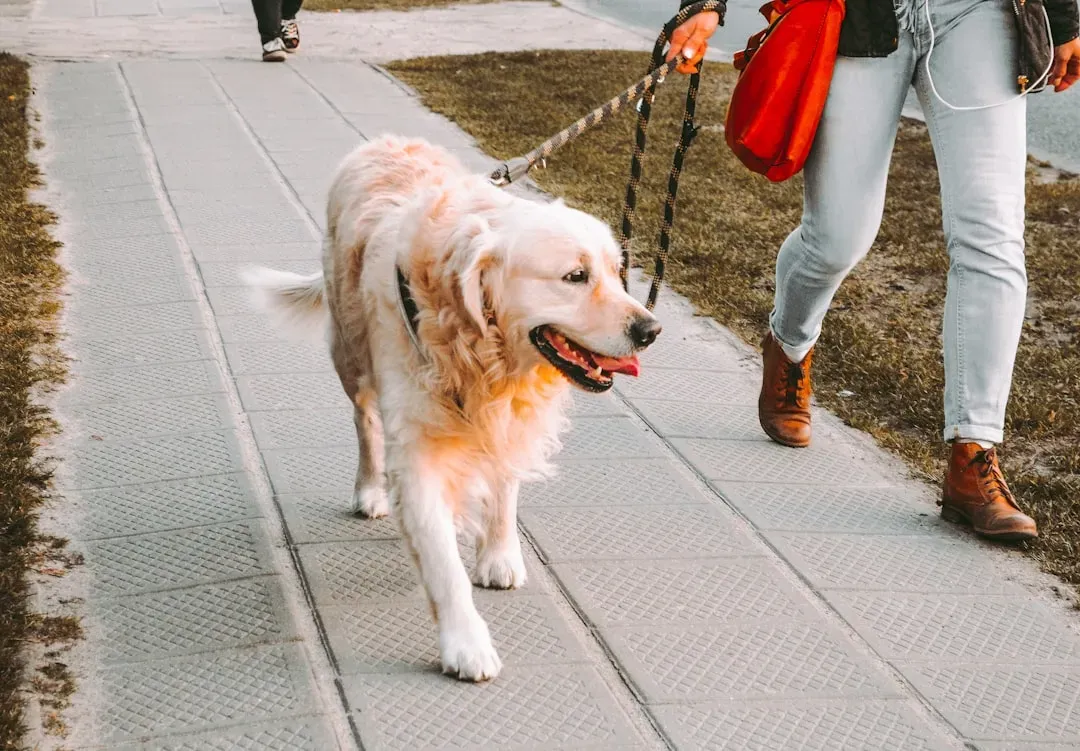
Puppies thrive on wild, unstructured play; they’ll sprint, skid, crash, and then do it all again. Older dogs still need movement, but the goal shifts from wearing them out to keeping them moving safely. Their muscles lose mass more quickly, their joints are less forgiving, and their hearts may not tolerate long bursts of intense exercise the way they used to.
That means your senior dog needs you to think more like a coach and less like a playmate with a ball launcher. Shorter, more frequent walks, sniffy “strolls” instead of power hikes, and low‑impact activities like swimming or gentle hill walking can keep them strong without overloading their bodies. It might feel strange at first to cut a walk short when they’d happily keep going, but pacing them now can prevent painful flare‑ups later. You’re trading the thrill of one big adventure for the comfort of many more good days.
3. Environmental Tweaks That Turn Your Home Into a Senior‑Friendly Space
A healthy puppy can turn almost any house into a playground; they’ll leap on slick floors, launch off furniture, and bounce down stairs without thinking about tomorrow. Older dogs live in the same environment, but every slippery step or big jump can feel like a potential accident. Their balance is a bit weaker, their vision may not be as sharp, and their reaction time is slower, so small hazards now matter a lot more.
Simple changes can make a huge difference. Non‑slip rugs on hardwood floors, night lights in dark hallways, ramps or steps to couches and beds, and raised food bowls can turn your home from an obstacle course into a comfort zone. Think of it like baby‑proofing in reverse: instead of protecting your stuff from their energy, you’re protecting their bodies from your house. Most puppies do not need this level of adjustment, but for seniors, it can be the difference between moving confidently and slipping into a serious injury.
4. More Frequent, More Focused Vet Care
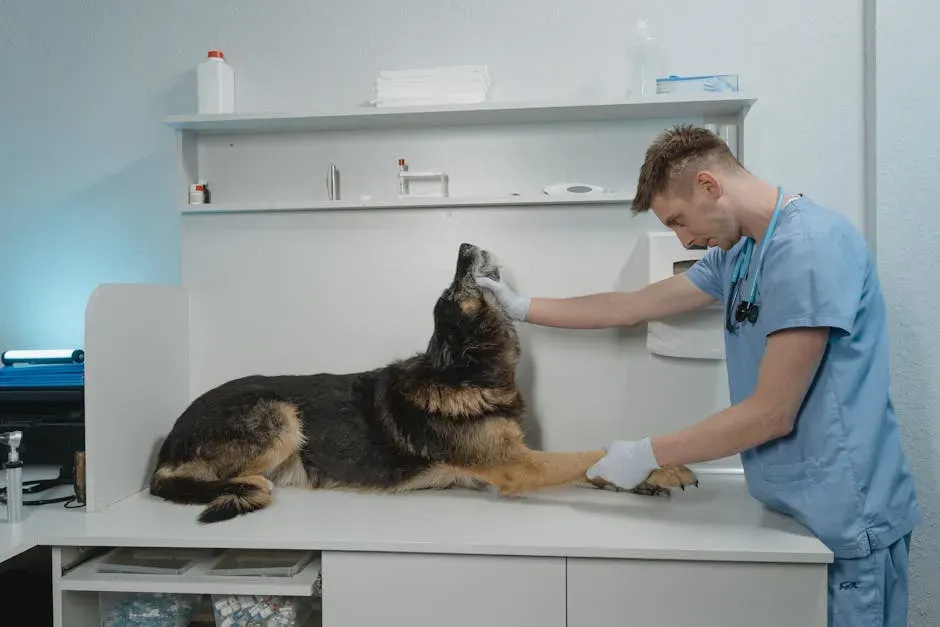
With a healthy puppy, annual checkups can feel almost optional; you go for vaccines, a quick once‑over, and you’re out. Older dogs play by different rules. Their risk of kidney disease, heart issues, dental problems, tumors, and endocrine disorders rises as the years stack up, and many of these conditions are easier to manage when caught early, long before your dog looks truly “sick.”
Most senior dogs benefit from seeing the vet more often – often every six months instead of once a year – and from periodic bloodwork, urine tests, and physical exams aimed specifically at age‑related changes. This is not about chasing every tiny abnormality; it’s about having a clearer map of what their aging body is doing so you can adjust food, meds, and activity appropriately. Puppies rarely need this level of medical monitoring, but for older dogs, you become less of a casual client and more of a long‑term health partner with your vet.
5. Mental Enrichment That Respects a Slower Body
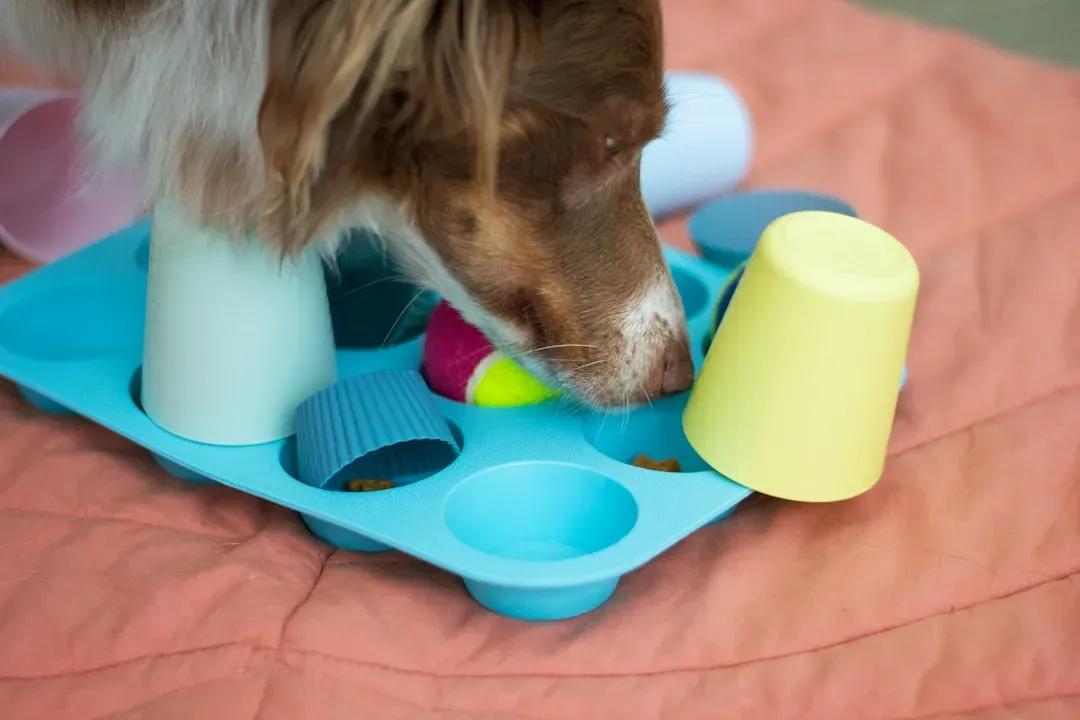
People tend to assume that an older dog wants nothing more than a warm bed and a quiet corner, but their brains often crave more than their bodies can safely do. Many seniors are mentally sharp, easily bored, and still very tuned into their environment, even if they nap more. The catch is that you cannot just throw the same high‑impact games at them that you use to tire out a puppy.
This is where your creativity matters. Food puzzles, snuffle mats, gentle scent games, short training refreshers using low‑impact tricks, and calm social time can all satisfy their mind while going easy on their joints. Teaching a ten‑year‑old dog a new cue like “touch” or using simple nosework at home can light them up in a way that a long jog never could at that age. Puppies need enrichment to drain wild energy; senior dogs need it to stay engaged, confident, and mentally bright despite a slowing body.
6. Extra Patience With Sensory Loss and Cognitive Changes
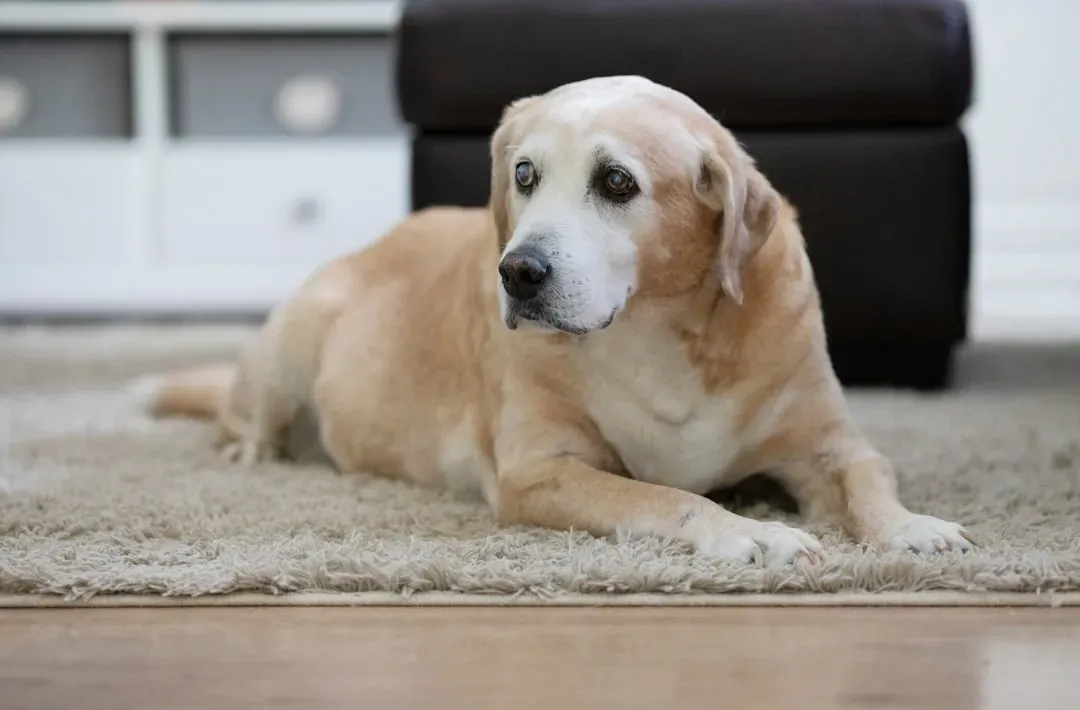
Puppies are sponges; they see, hear, and absorb absolutely everything, and we tend to assume that all dogs move through life this way forever. Older dogs quietly rewrite that picture. Hearing may fade, vision can cloud, and some dogs develop changes in memory, sleep patterns, or orientation that look a lot like human cognitive decline. They may startle more easily, seem clingier at night, or stand in a room and appear unsure of why they walked in.
What they need from you now is more patience and less blame. A dog who does not come when called from across the yard might not be ignoring you; they may simply not hear you. A dog who has an accident indoors after years of being perfectly house‑trained may be confused or physically struggling, not misbehaving. Speaking with your vet about cognitive support, using more visual cues, keeping routines consistent, and gently guiding them instead of scolding can preserve both their dignity and your bond. Puppies need boundaries; seniors need understanding.
7. Honest End‑of‑Life Advocacy and Emotional Presence
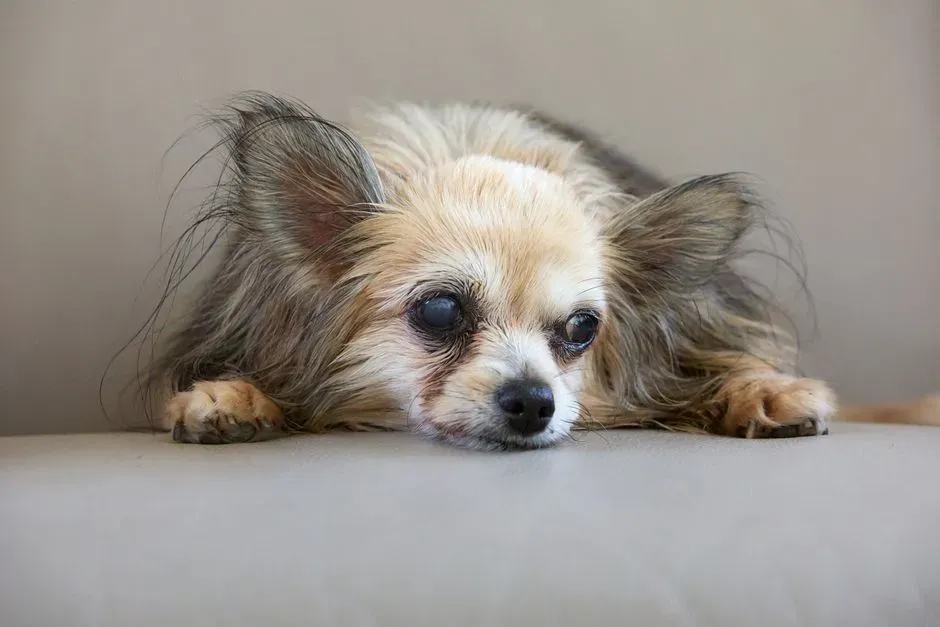
Puppies pull us into the future; we picture hikes, holidays, and years of memories. Older dogs quietly push us toward one of the hardest roles we will ever take on: being their advocate when the finish line comes into view. They need humans who will honestly assess quality of life, notice when the bad days are starting to outnumber the good, and be brave enough to have those raw conversations with the vet instead of clinging to “one more month” at all costs.
This is the part no one wants to talk about, but it might be the most profound gift we ever give them. Sitting on the floor with an aging dog, doing nothing but resting your hand on their fur, matters more at twelve than flashy toys did at twelve weeks. Decisions about palliative care, pain relief, or euthanasia are deeply personal, but our dogs rely on us to weigh their comfort above our fear of loss. Puppies need you to dream big; senior dogs need you to love them enough to let them go kindly when their body has clearly had enough.
Conclusion: The Quiet Privilege of Growing Old Together
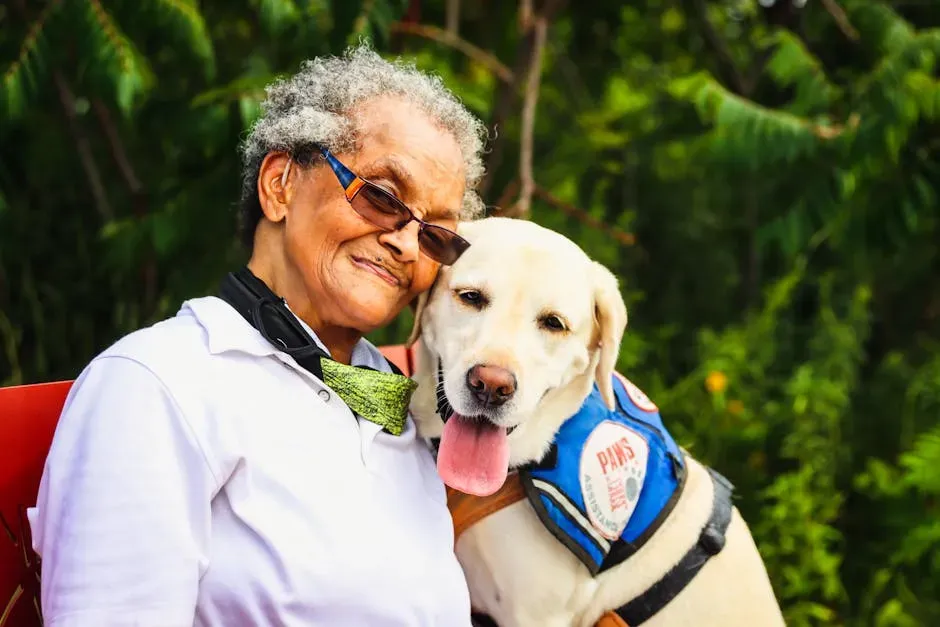
Living with an older dog feels, to me, like holding a well‑worn book whose pages you know by heart but suddenly read with a new tenderness. The goofy chaos of puppyhood is fun, but the slow, intentional care of senior years forces you to notice the small things: the careful way they lower themselves onto a bed you thoughtfully made softer, the spark in their eyes when an easy game still makes them feel clever, the deep exhale when they realize you understand their limits and will protect them.
If there is an opinion I have earned over years with gray‑muzzled sidekicks, it is this: aging dogs do not make life sadder; they make it sharper, more honest, and strangely more complete. They need more from us – more planning, more patience, more medical attention, more courage – but what we get back is a kind of trust you simply cannot rush. One day, you will look at your senior dog and realize that caring for them in these specific, thoughtful ways has changed you too. When that day comes, will you be able to say you met their aging needs as faithfully as they met your need for unconditional love?


