
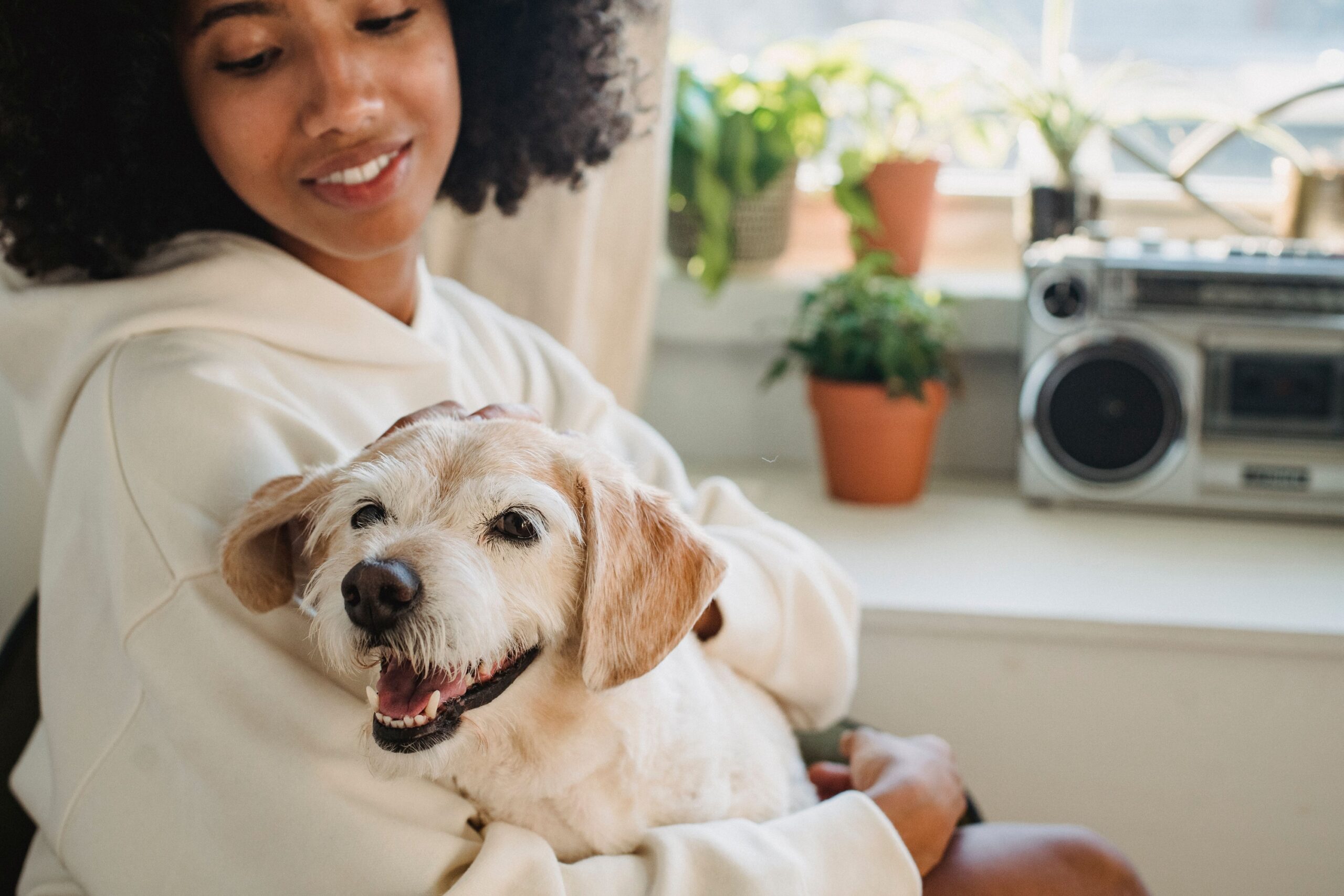
You know that strangely sweet moment when your dog walks into the room, looks around, and then quietly flops down a few feet away from you instead of right in your lap? A lot of people secretly wonder if that means their dog’s a bit… emotionally distant. In reality, modern canine psychology suggests the opposite: your dog may be showing you a calm, confident kind of love that is every bit as strong as constant cuddling.
Once you understand how dogs use space, body language, and quiet presence to communicate, that not-quite-touching nap spot starts to look a lot like a compliment. Instead of chasing reassurance, your dog might be telling you that they feel safe enough to relax without clinging. Let’s dig into what researchers and behaviorists have figured out about this subtle but powerful way dogs show attachment – and how you can respond in a way that strengthens your bond even more.
The Science Of Attachment: Why Proximity Still Counts As Affection
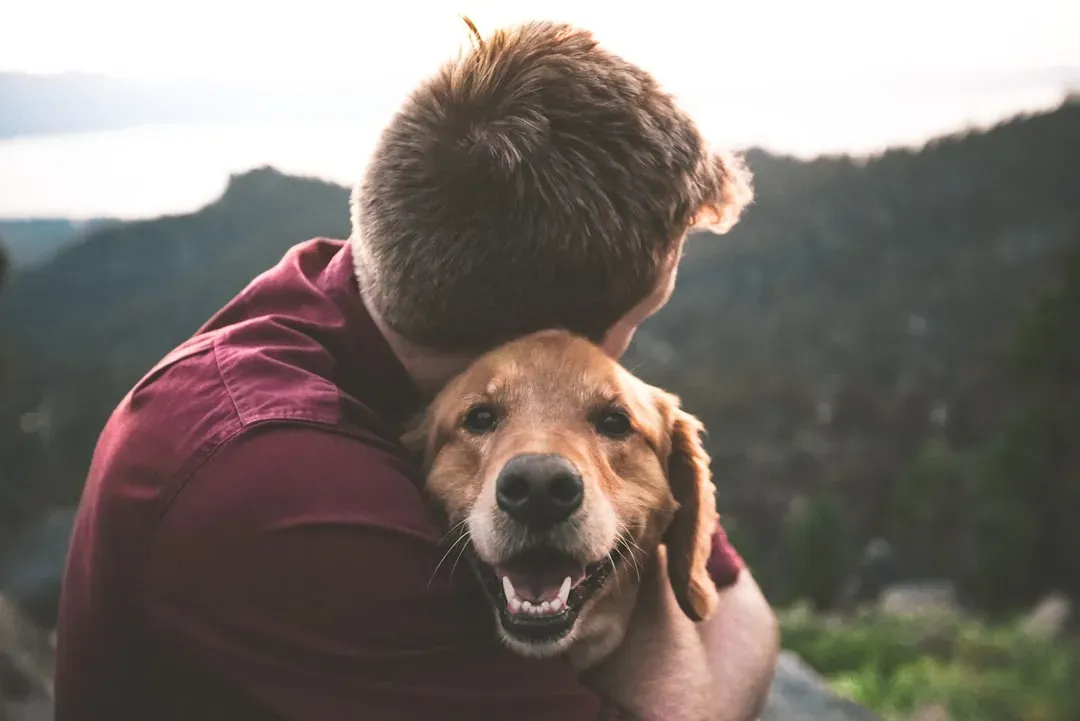
In animal behavior research, one of the simplest ways to measure social attachment is to watch where an animal chooses to be when it has options. Studies on dogs and their guardians have shown that many dogs naturally gravitate to the same room as their person, even when they are not being called, fed, or petted. That quiet choice to share space is a strong sign of social bonding, not an accident of convenience.
Researchers looking at attachment styles in dogs often focus on patterns that look a lot like human relationships: seeking proximity, checking in visually, and relaxing more easily near a trusted figure. A dog that chooses to lie near you, even without physical contact, is essentially saying that your presence helps them feel secure. The closeness itself is meaningful, even if no one is actually touching.
Comfortable Distance: How Secure Dogs Use Space Differently
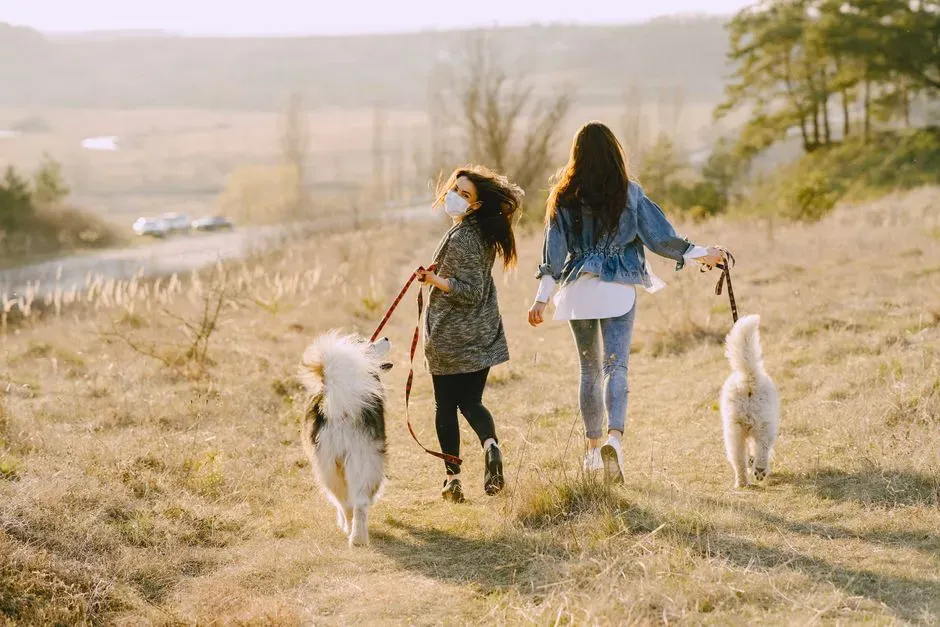
Dogs with a secure attachment to their person often do not feel the need to be glued to them at all times. Instead, they can settle a short distance away, where they can rest comfortably while still keeping you within sight, sound, or scent range. That “comfortable distance” varies by dog, but the psychology behind it is the same: they trust the relationship enough not to monitor you anxiously.
Think of it like a friend you feel totally at ease with: you can hang out in the same room, doing your own thing, without needing constant conversation to feel close. Many dogs operate the same way. Lying nearby – but not touching – can be the canine version of quietly sharing a couch with someone you feel deeply safe around.
Subtle Signs Your Nearby-But-Not-Touching Dog Is Deeply Bonded
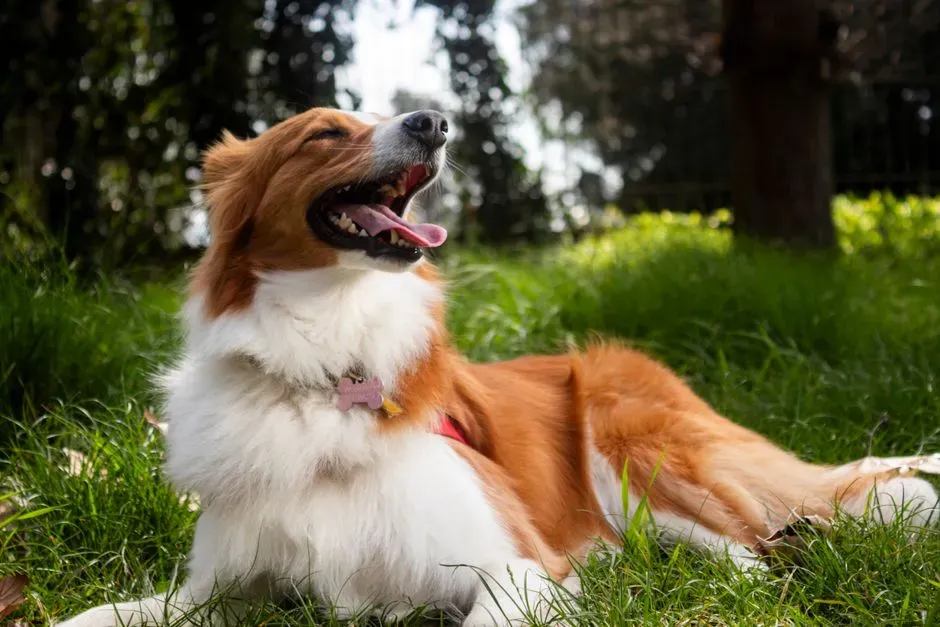
If you look beyond whether your dog is physically leaning on you, there are lots of small signals that reveal strong attachment. Some dogs will position themselves so they can see you easily, lifting their head to check when you move or speak, then settling back down once they know everything is fine. Others keep one ear tilted in your direction, ready to notice if you call or change rooms.
Soft eyes, a loose jaw, slow breathing, and a relaxed body while your dog rests near you are powerful indicators of emotional safety. They are not guarding, begging, or seeking constant reassurance; they are just peacefully existing in your presence. That level of ease is not typical around strangers, which is why many behaviorists view it as a clear sign of a trusted, secure bond.
Independence Versus Neediness: Why Clinginess Is Not The Only “Love Language”
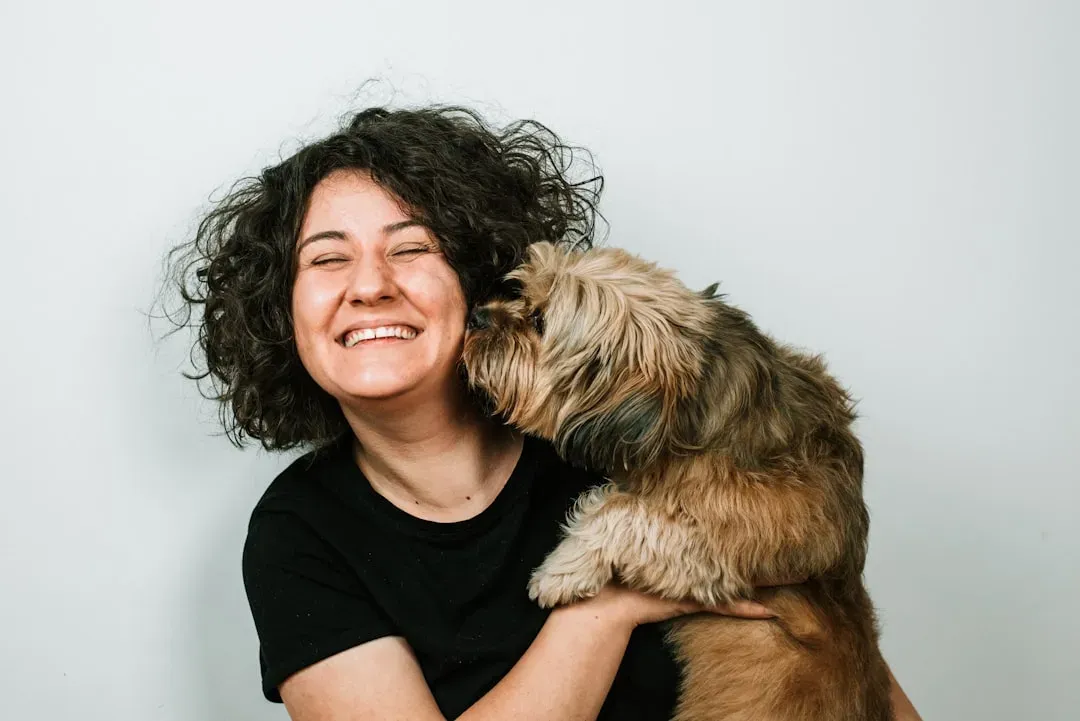
It is easy to assume that the dog who insists on being a living weighted blanket is more attached than the one who naps a few feet away. But clingy behavior can sometimes be linked to insecurity, boredom, or anxiety rather than pure affection. A dog that panics when you are out of sight may be very attached, but not necessarily in a comfortable or healthy way.
By contrast, the dog who can choose to be near you without constantly demanding contact is often showing emotional balance. They are bonded enough to want your company and stable enough not to need nonstop physical reassurance. It is a quieter love language, but in many cases it reflects a more confident and resilient relationship.
Breed, Personality, And History: Why Not All Dogs Cuddle The Same Way
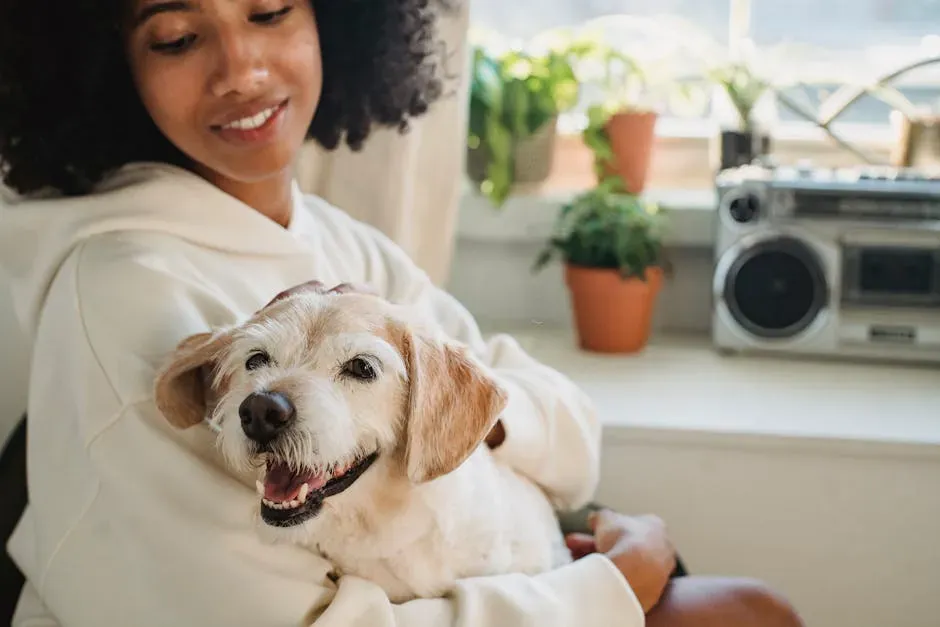
Just like people, dogs have individual preferences and personalities shaped by genetics, early life experiences, and socialization. Some breeds and mixes have been selected for close physical work with humans, which can make them more touchy and hands-on in their affection. Others are more naturally reserved, expressing closeness through following, watching, and simply being present in the same space.
Past experiences also matter. A dog that did not grow up with a lot of gentle handling, or that had to learn to self-soothe, may be slower to seek constant touch, even if they are deeply attached. For these dogs, lying near you instead of across your chest can be a big emotional step forward. The key is to read the whole dog – not just whether they like to be a lap warmer.
How To Respond When Your Dog Chooses “Near But Not Touching”

When your dog chooses a spot close to you and settles in without physical contact, one of the best things you can do is quietly respect that choice. You can offer a soft look, a calm word, or a gentle pat if they seem receptive, then let them return to their comfortable position. This teaches them that being near you is safe and predictable, not always a signal that intense interaction is about to start.
You can also strengthen this kind of secure attachment by being consistent and kind in your daily routines: regular walks, relaxed play, clear boundaries, and low-drama reactions. Over time, many dogs become even more comfortable choosing that “nearby chill” spot because they associate your presence with calm, not chaos. You are building a shared rhythm where closeness is easy, not pressured.
When Distance May Signal Discomfort Rather Than Attachment
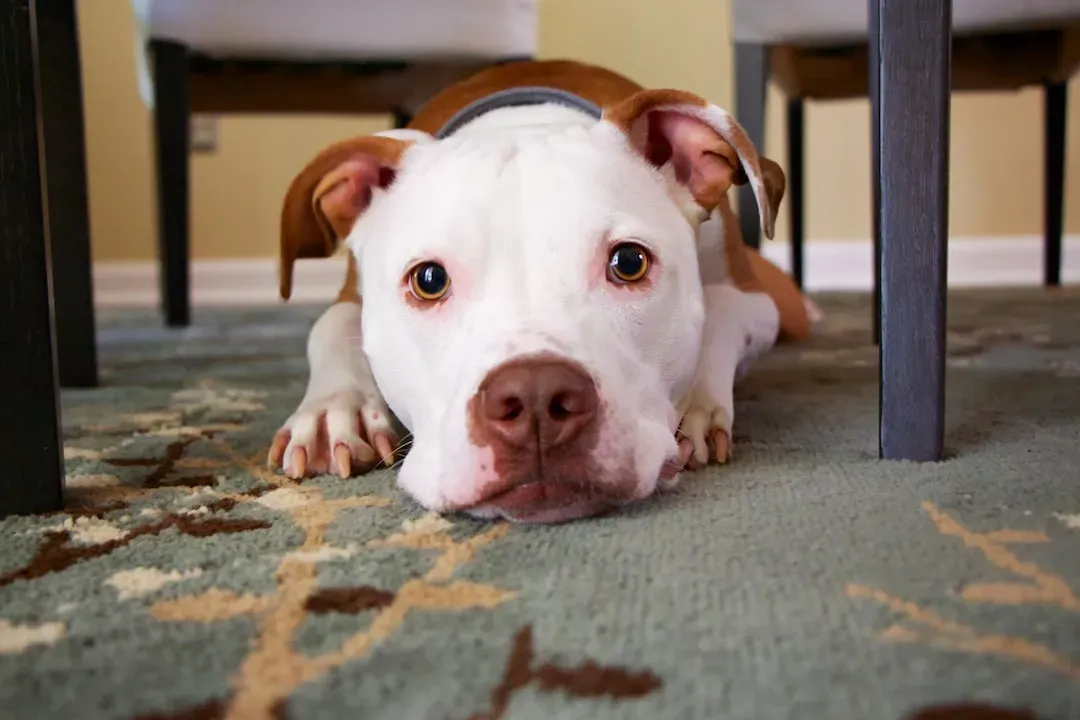
Of course, not every dog lying away from you is quietly expressing love. If your dog consistently avoids being in the same room, startles when you move, stiffens when you approach, or seems tense rather than relaxed, that distance may be about fear, pain, or unease instead of healthy independence. Changes in where your dog chooses to rest can sometimes be an early flag for stress or medical issues.
It is worth paying attention to patterns: has your dog always preferred a little space but otherwise seems loose, happy, and engaged, or is this new, withdrawn behavior? If you notice sudden shifts, more hiding, or obvious anxiety, a check-in with a veterinarian or qualified behavior professional is wise. The goal is not to force cuddling, but to make sure your dog’s choices come from comfort, not distress.
Conclusion: A Quiet Kind Of Love Deserves More Credit
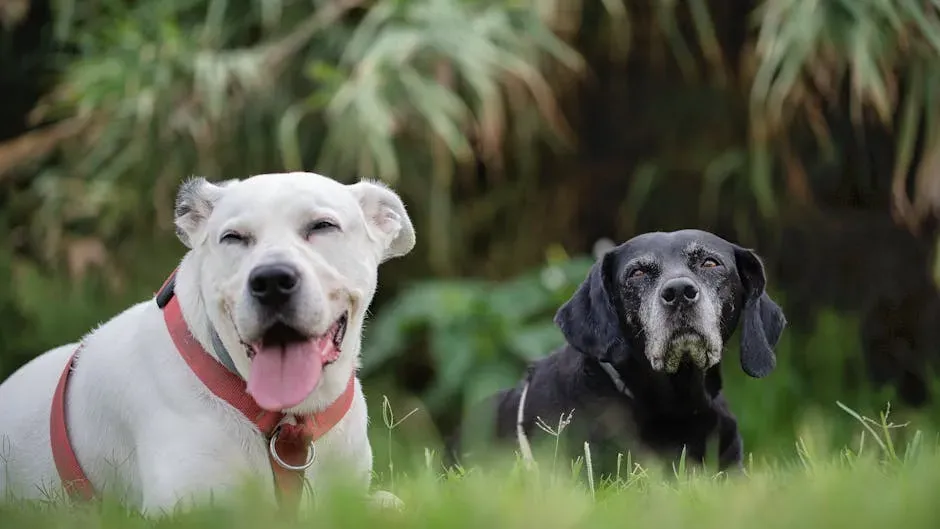
I will admit something personal here: I used to secretly feel a tiny sting when a dog chose the floor nearby instead of my lap. It felt like a lukewarm review of my snuggle skills. The more I learned about canine psychology, the more I realized that many of those dogs were paying me a huge compliment – they trusted me enough to relax on their own terms, without clinging or worrying about where I was every second.
Dogs who lie near you without touching are often practicing a calm, secure, quietly confident kind of affection that can be just as deep as the most dramatic cuddle sessions. They are choosing you, over and over again, in a way that is steady rather than showy. Maybe the real question is not why they are not on top of you, but what it says that they feel safe enough to simply share your space. The next time your dog stretches out a few feet away, will you see distance – or a different shape of love?


