

Picture this: you pull into the driveway with your new rescue dog in the back seat, tail wagging tentatively amid a sea of unfamiliar scents. That mix of excitement and nerves is totally normal – rescue dogs often carry the weight of past uncertainties, making those first hours crucial for building trust. Many owners rush the process, only to face setbacks like hiding or anxious behaviors.
With the right approach, though, you can turn this into a smooth transition. Drawing from expert advice, these steps focus on patience and preparation to help your pup feel secure from day one.[1][2]
Prepare Your Home in Advance

Your new dog deserves a safe, predictable space right away. Start by dog-proofing the house – secure cords, remove small objects, and set up boundaries with baby gates if needed. Stock up on essentials like a collar, leash, food bowls, and high-value treats to avoid last-minute scrambles.
A quiet room works best for initial settling. Place a cozy bed or blankets there, along with fresh water, to mimic the comfort of a shelter crate. This setup prevents overwhelm and lets your pup explore at their own pace, reducing stress signals like pacing or whining.[3][4]
Set Up a Decompression Zone

Rescue dogs need time to unwind after the shelter chaos – think of it as their personal reset button. Designate a crate or quiet corner with soft bedding where they can retreat without pressure. Keep the door open at first, so it’s inviting rather than confining.
Limit interactions for the first 24 to 72 hours. Watch for calming signs like relaxed ears or a loose tail, versus stress cues such as lip licking or avoidance. I’ve noticed pups who get this breathing room bond faster, skipping the shutdown phase many new owners dread.[5][6][7]
Book a Vet Check Immediately
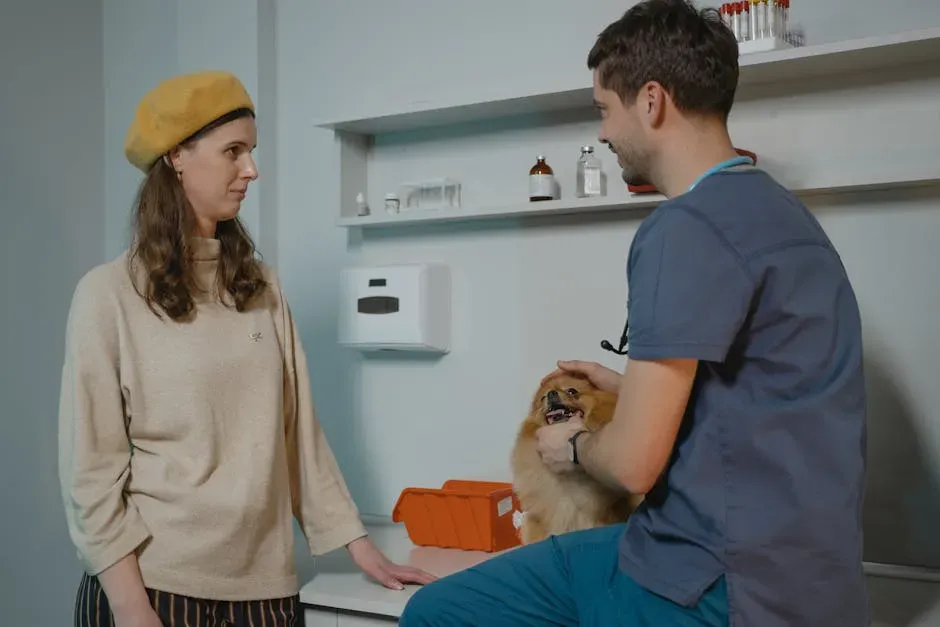
Before full home integration, prioritize a veterinary exam. Rescue dogs might hide parasites, injuries, or heartworm risks from their past. Early detection prevents health issues from escalating, like lethargy mistaken for shyness.
Discuss vaccines, flea prevention, and spay/neuter status during the visit. Bring shelter records if available. This step reassures everyone and clears the way for safe playdates later, keeping your household healthy.[8][9]
Establish a Daily Routine Early

Consistency calms anxious minds – feed, potty, and walk at set times from day one. Use the same commands gently, rewarding successes with treats or praise. This builds security, especially for dogs with unstable histories.
Short, leashed potty breaks outside prevent accidents indoors. Avoid diet switches to dodge tummy upset. Over time, your pup will anticipate these rhythms, showing in eager tail wags instead of hesitation.[10][1]
Introduce Family Gently and Gradually

Keep kids and adults calm – no sudden hugs or loud games at first. Let your dog approach on their terms, perhaps starting with treats from a distance. Teach children to respect space, avoiding the dog’s bed or food area.
Watch body language: yawning or turning away signals overload. Short sessions build positive associations over days. Families who ease in like this often share stories of their once-timid dog becoming the family shadow.[11][12]
Manage Multi-Pet Introductions Carefully
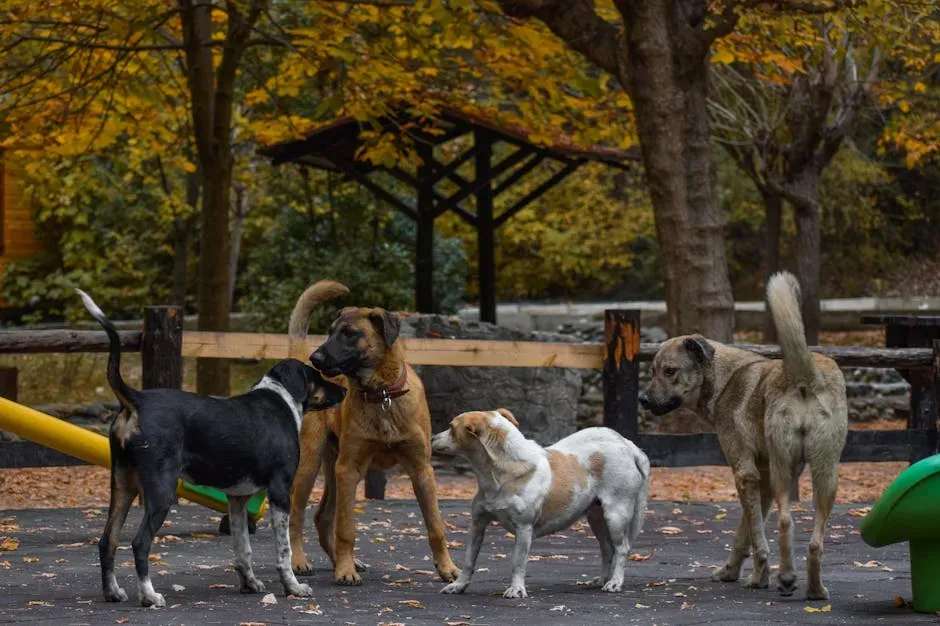
If other pets are present, start on neutral ground like a park walk. Leash both dogs loosely to observe postures – relaxed bodies good, stiff tails or staring not so much. Separate them at home initially, swapping scents via blankets.
Feed in crates apart to curb resource guarding. Supervise all meets, ending on a high note. Patience here avoids fights; many rescues thrive in multi-dog homes once trust forms slowly.[13][14]
Embrace Patience with Positive Reinforcement

Progress isn’t linear – some days bring shutdowns, others breakthroughs. Skip punishment; focus on rewards for calm behaviors like sitting quietly. Crate training reinforces good habits without force.
Track small wins, like accepting a gentle pet. If anxiety persists, consider a trainer. Your steady support turns wary rescues into confident companions, proving time heals most wounds.[15][16]
Wrapping It Up: A Strong Start Leads to Lasting Bonds

Bringing home a rescue dog tests your empathy but rewards it tenfold. These tips, rooted in proven strategies, ease the adjustment for everyone involved. Stay observant, adjust as needed, and celebrate the trust you’re building.
Your patience now paves the way for years of tail-wags and adventures. That nervous newcomer? They’ll soon be your loyal shadow, reminding you why rescues steal hearts every time.


