
8 Moments When Your Dog Is Watching Your Reaction Before Deciding What They Should Do Next
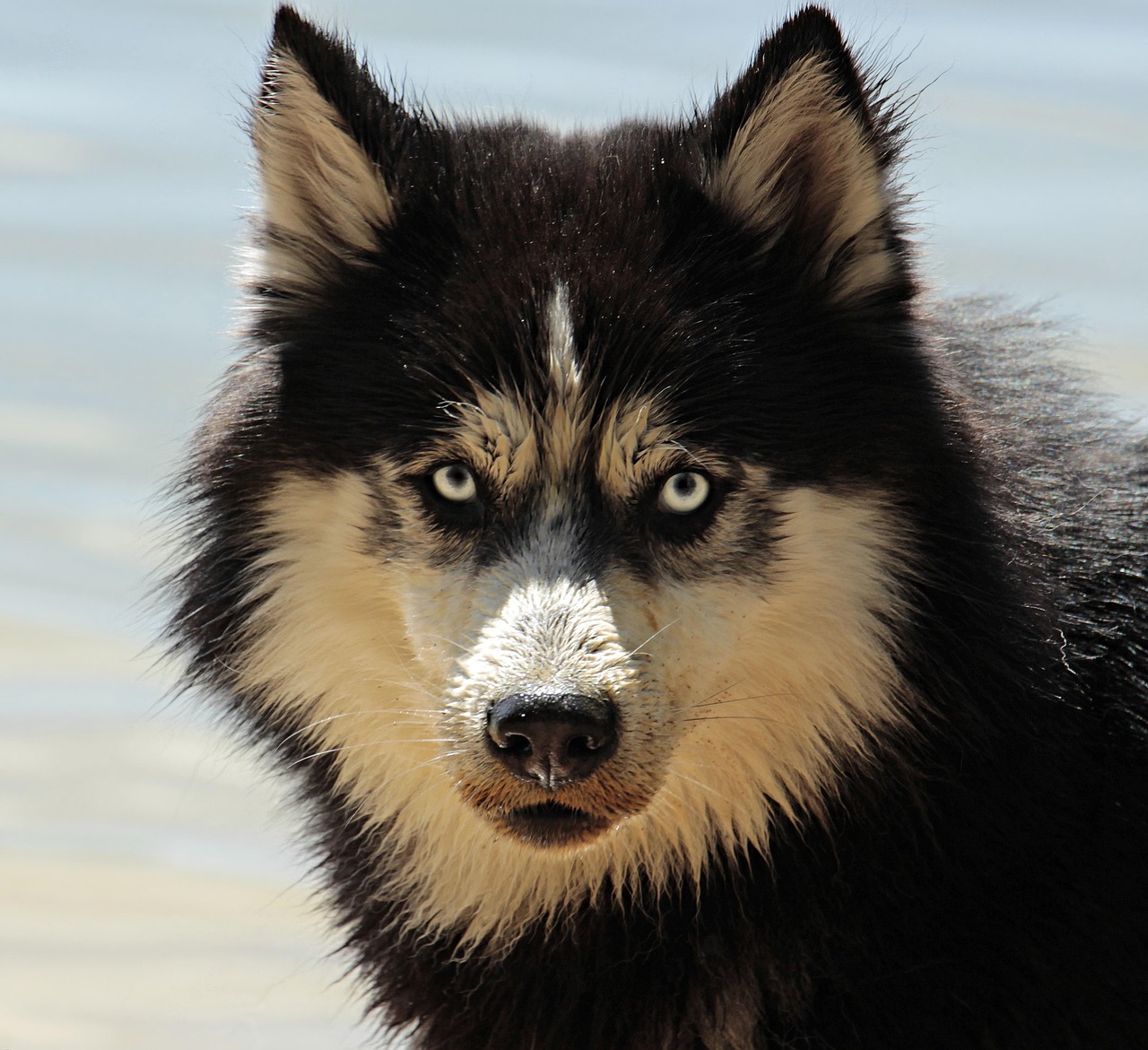
You know that feeling when you suddenly realize your dog is just staring at you, absolutely still, eyes locked on your face like you’re the season finale they’ve been waiting for? That’s not random. Dogs are experts at reading human reactions, and in some moments they actually pause and wait for your response before they choose their next move. It looks cute on the surface, but behind those big eyes is a brain quietly running a little social experiment: “What’s the human going to do… and what should I do about it?”
Researchers have spent years studying how dogs read our gaze, body language, and tone, and it turns out they’re far more tuned in than most people realize. They do not just react to what happens; they often check in with us first, as if we’re their emotional GPS. Let’s walk through eight everyday moments when your dog is silently studying your reaction before making a choice – moments that can strengthen your bond, improve training, and honestly, make you see your dog as the thoughtful, slightly sneaky roommate they really are.
1. When Something Suddenly Scares Them
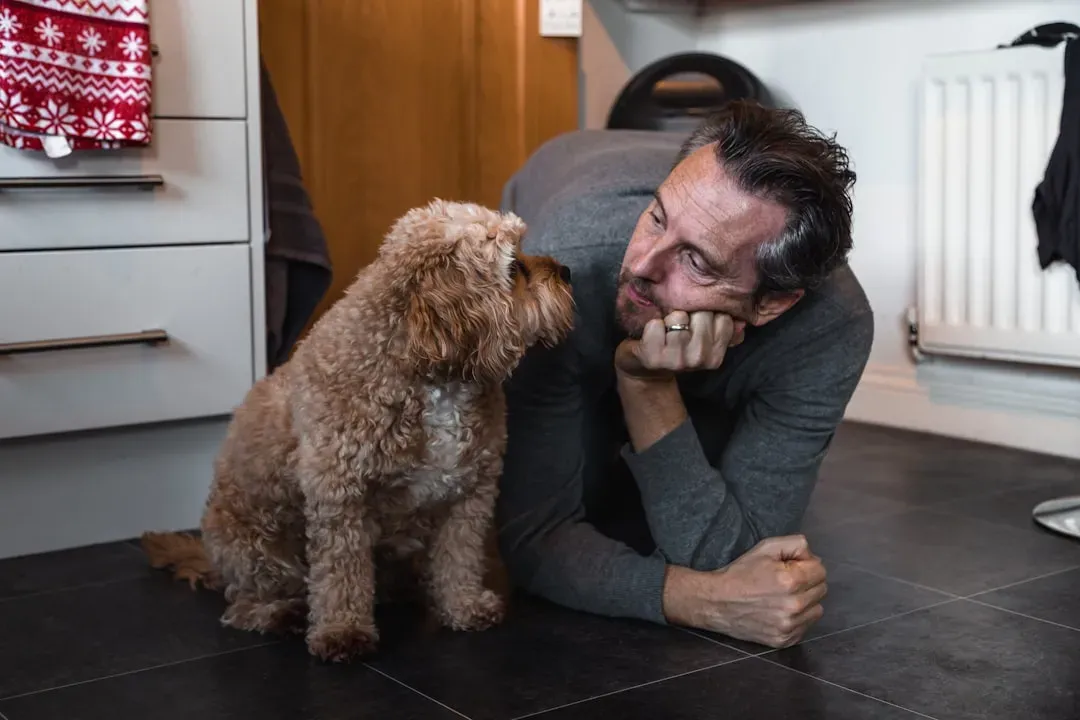
A door slams, a pan crashes to the floor, or fireworks pop outside – and your dog freezes for a split second, then turns to you. That glance is not just fear; it’s a question: “Is this danger, or is this fine?” Many dogs will look straight at their person after a startling sound, scanning your face and posture for clues about how serious the situation is.
If you stay relaxed, move normally, and maybe carry on with what you were doing, your dog is more likely to settle, too. On the other hand, if you gasp, rush to the window, or tense up, they may decide the noise really is a threat and spiral into barking, pacing, or shaking. Your reaction becomes their emotional weather report, and in that tiny pause, they’re deciding whether to ride out a passing cloud or brace for a storm.
2. When They’re Unsure If Something Is Allowed
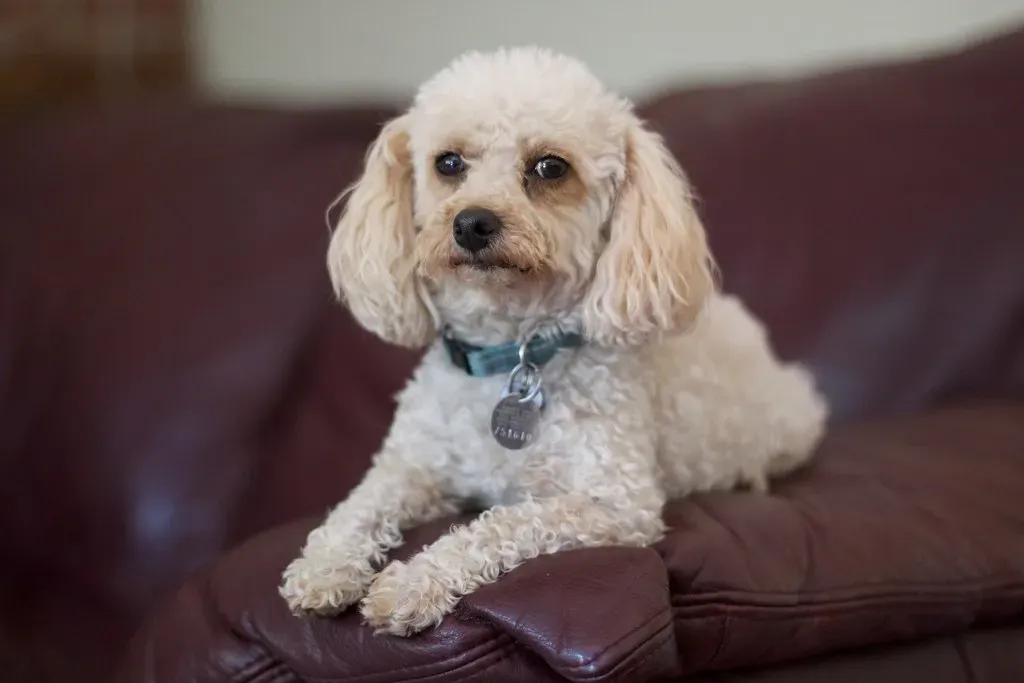
Picture this: your dog is standing near the couch, or right beside the kitchen counter, or inching toward that sock on the floor. They look at the item, then at you, then back again. That little back-and-forth gaze is not an accident; it’s them weighing the odds like a furry poker player. They’re trying to read your micro‑expressions and posture to see if this is one of those “okay sometimes” or “absolutely not” moments.
Dogs quickly learn that human rules are not always consistent, which honestly is our fault. One person in the house lets them on the couch, another doesn’t. Sometimes the counter is a jackpot, sometimes it’s a scolding. So they watch your eyes, your tone, even the way you’re holding your shoulders. In that second of hesitation, they’re deciding if the risk of breaking the rule is worth the reward – or if it’s smarter to play innocent.
3. When You Meet a New Person or Dog Together
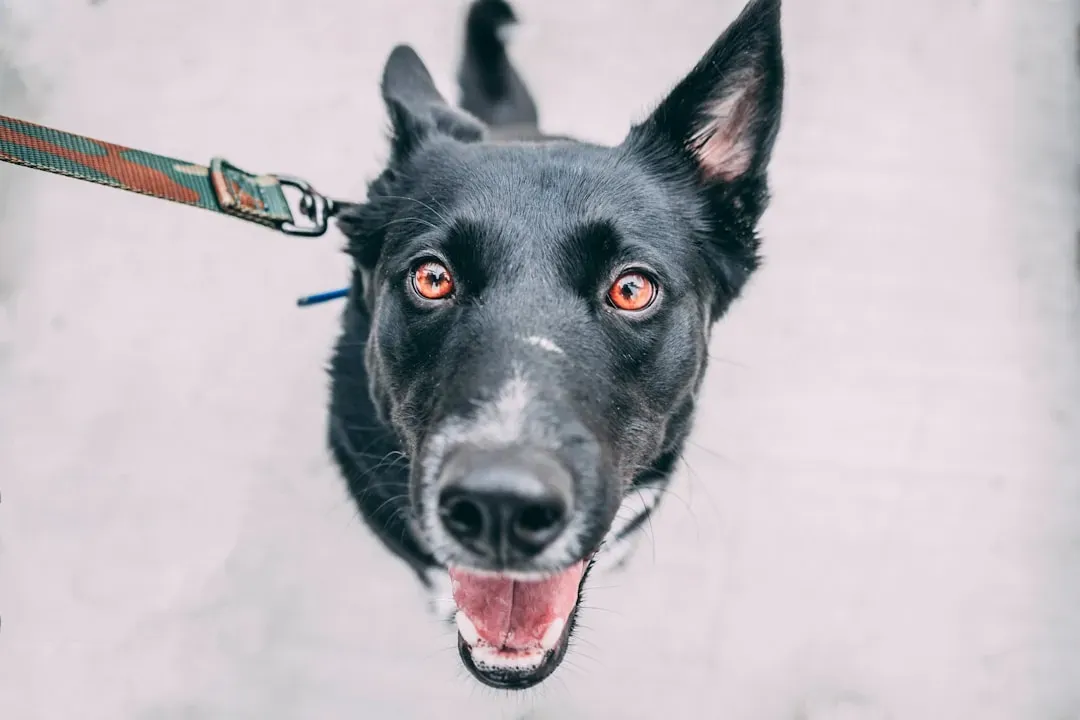
When a stranger approaches on a walk, many dogs glance up at their person before deciding whether to wag, hang back, or sound the alarm. This is especially common with dogs who are a bit cautious or who rely heavily on their owner’s guidance. To them, your body language is basically a safety rating system for new social encounters.
If you greet the newcomer with relaxed shoulders, a calm voice, and an easy smile, your dog is more likely to loosen up and approach. But if you tighten the leash, step between them, or sound tense, your dog may decide this new figure is suspicious or unwanted. Over time, these tiny check‑ins teach your dog whether the world is mostly safe and friendly… or something to be met with suspicion and big, noisy opinions.
4. When They’re in Mild Trouble and Gauging the Damage
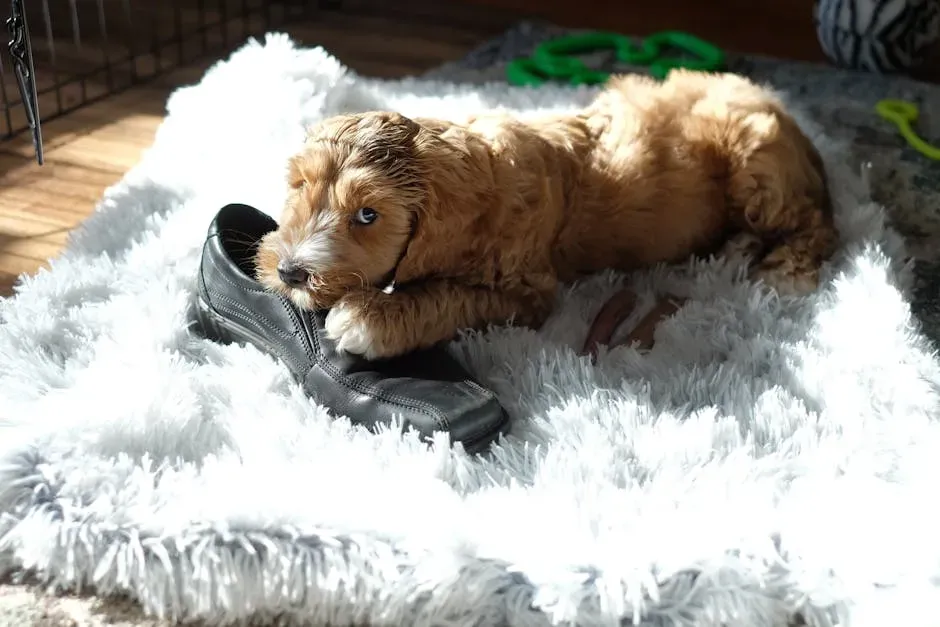
There’s a particular look dogs give when they suspect they’ve messed up: ears slightly back, eyes shifting between you and the scene of the crime, body just a little lower than usual. Contrary to popular belief, that “guilty look” is not proof that they understand the moral weight of chewing your shoes; it’s them responding to your tone, posture, and vibe in the moment – and trying to predict what happens next.
When your voice sharpens or you move abruptly toward a knocked‑over trash can, your dog reads that tension and immediately starts watching you. They are not thinking in terms of right or wrong; they are thinking in terms of safe or unsafe, calm or conflict. In that quiet second where they stare at your face, they’re deciding whether to bolt, freeze, offer appeasement signals, or stay put and hope the storm passes quickly.
5. When You Pause During Training or Give a New Cue
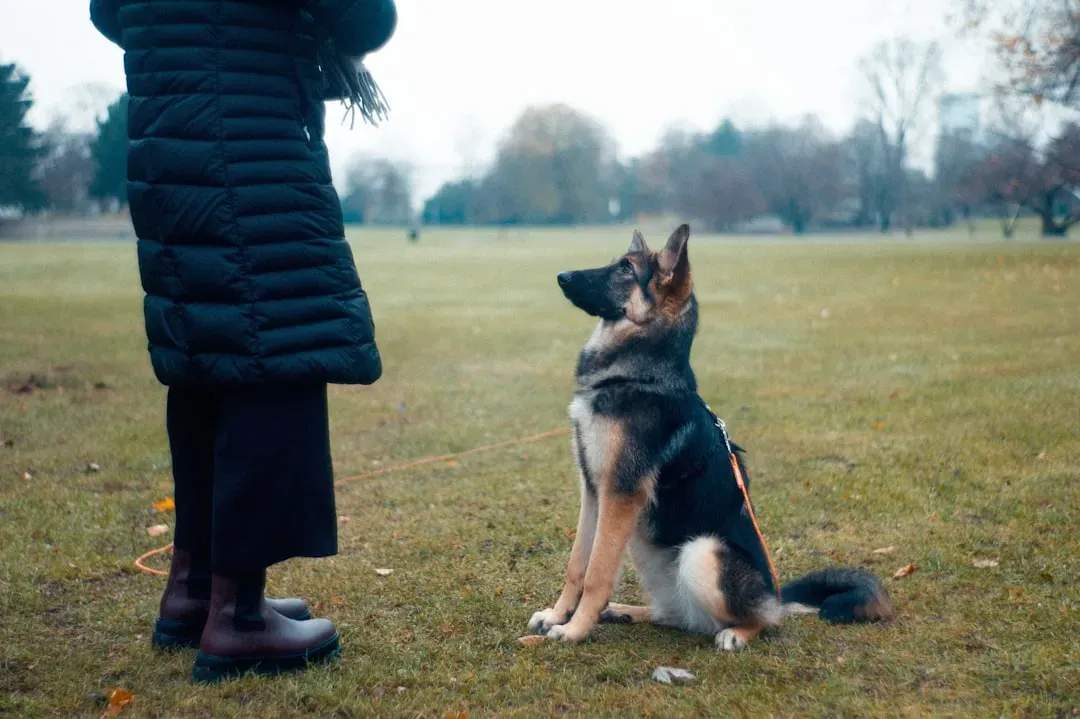
During training sessions, dogs often become hyper‑focused on your face, hands, and voice, especially when you introduce a new cue or change the pattern. You might notice them tilt their head, squint slightly, or shift their weight while they study you. They’re trying to solve a puzzle: “What is the human asking for, and what will get me that reward?”
This is one of the clearest situations where your reaction literally shapes their next move. A tiny nod, a slight lean forward, or the way your eyes brighten can signal to a dog that they’re on the right track. If you look confused or impatient, some dogs will hesitate, offer a different behavior, or even shut down. The more clearly and calmly you respond, the more confident they become – and the more they learn that checking in with you pays off.
6. When They Want Something but Aren’t Sure How You’ll Respond
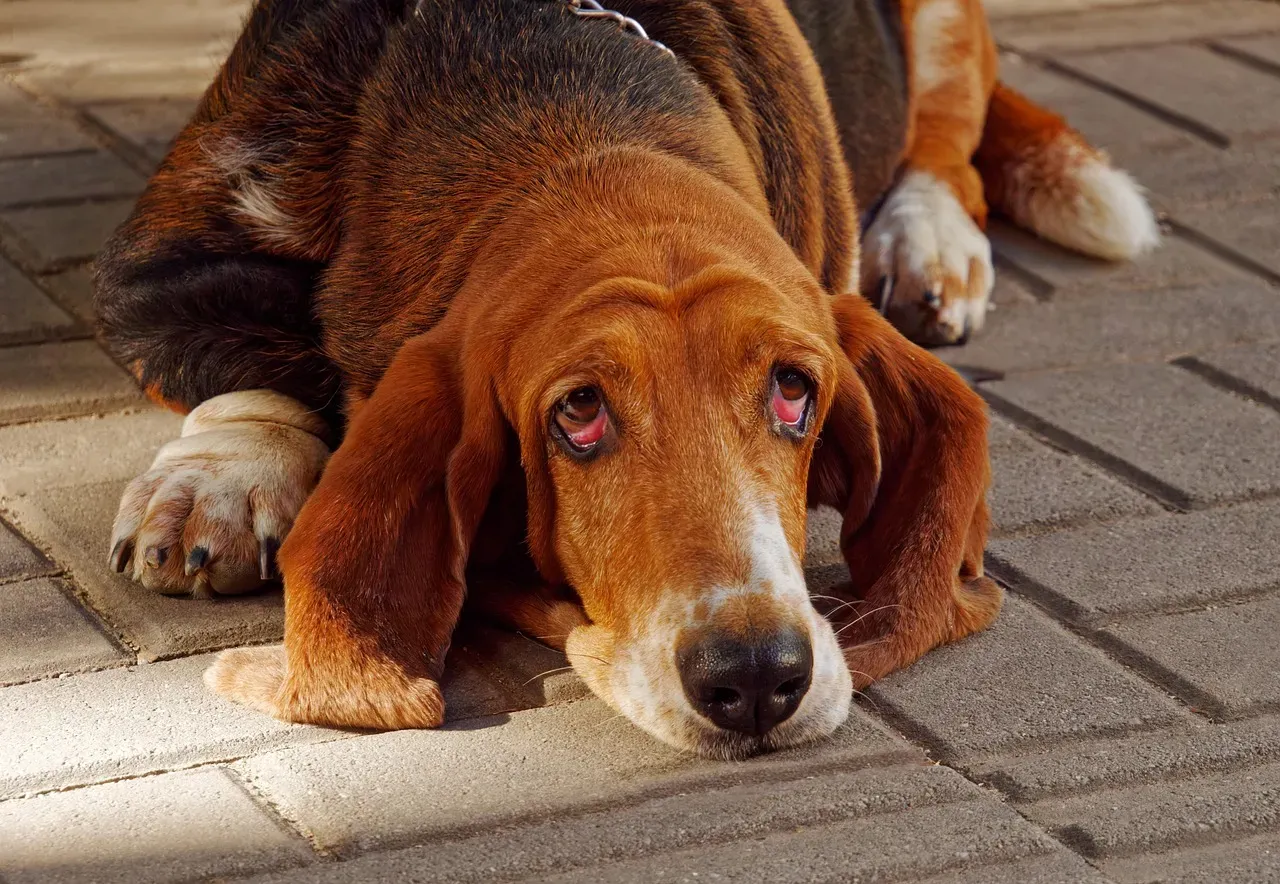
There’s a special look dogs give when they’re about to ask for something: maybe a walk, dinner, playtime, or your spot on the bed. They might stand quietly nearby, eyes fixed on you, waiting for any tiny sign that this is a good moment to make their move. That stillness is not laziness; it’s strategic. They’re reading your mood like a weather app before deciding whether to push their luck.
If you seem busy, frustrated, or focused on a screen, many dogs will hold off or switch to more subtle strategies, like lying a bit closer or softly nudging your hand. If you glance their way with a soft expression or talk to them in a warm tone, they might instantly burst into wagging, spinning, or leading you toward what they want. In that brief waiting period, your dog is doing a kind of social math: “Is now a good time to ask, or should I wait for a sunnier forecast?”
7. When Something in the Environment Is Confusing or New
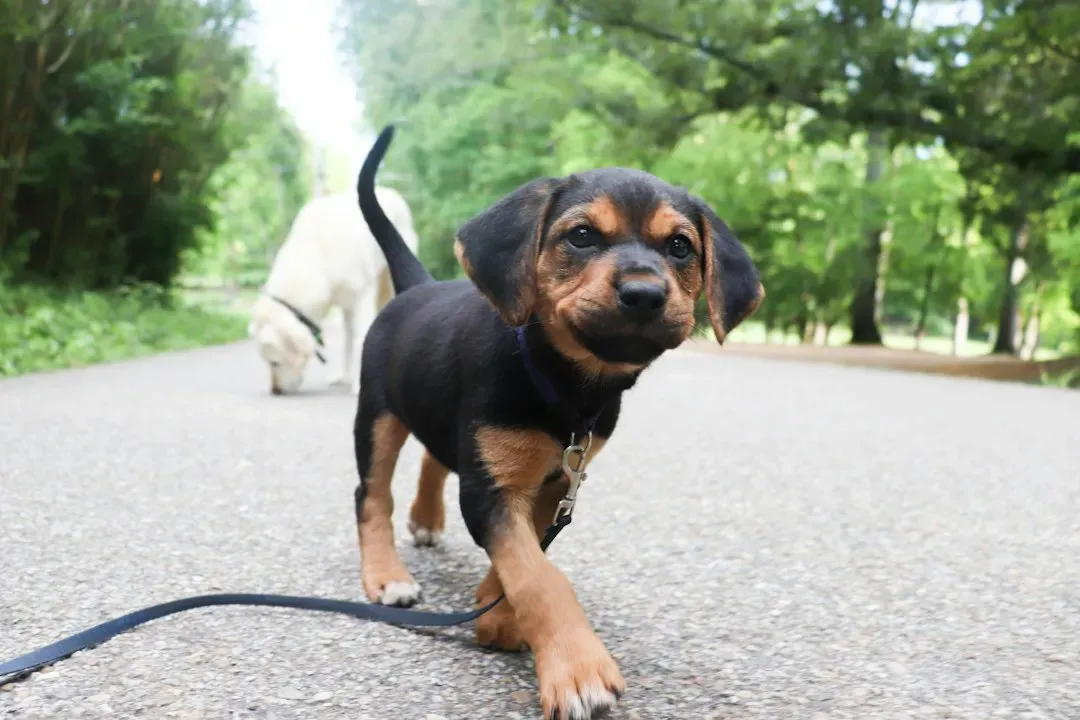
A strange object in the yard, a person wearing a big hat, a wobbling scooter, a plastic bag blowing down the street – dogs notice all of these things, and many will immediately look back at their person for guidance. This is often seen in younger dogs and puppies, who are still building their mental map of what is normal and what is weird enough to worry about.
How you react in those moments can shape their long‑term confidence. If you laugh, walk calmly past, or even interact briefly and casually with the strange thing, your dog is more likely to follow your lead and move on. If you tense up, yank the leash, or avoid it dramatically, they may store that memory as “scary,” making future encounters more stressful. That quick glance at your face is your dog asking a simple but powerful question: “Do we fear this… or just keep walking?”
Over time, dogs who consistently see their humans respond calmly to unusual sights and sounds tend to become more resilient. They learn that surprises are just part of the background noise of life, not constant threats. That little check‑in glance becomes less frantic and more like a quiet, shared joke: “Well, that’s weird… but you seem fine, so I guess I’m fine too.”
8. When They Sense a Big Emotion in You
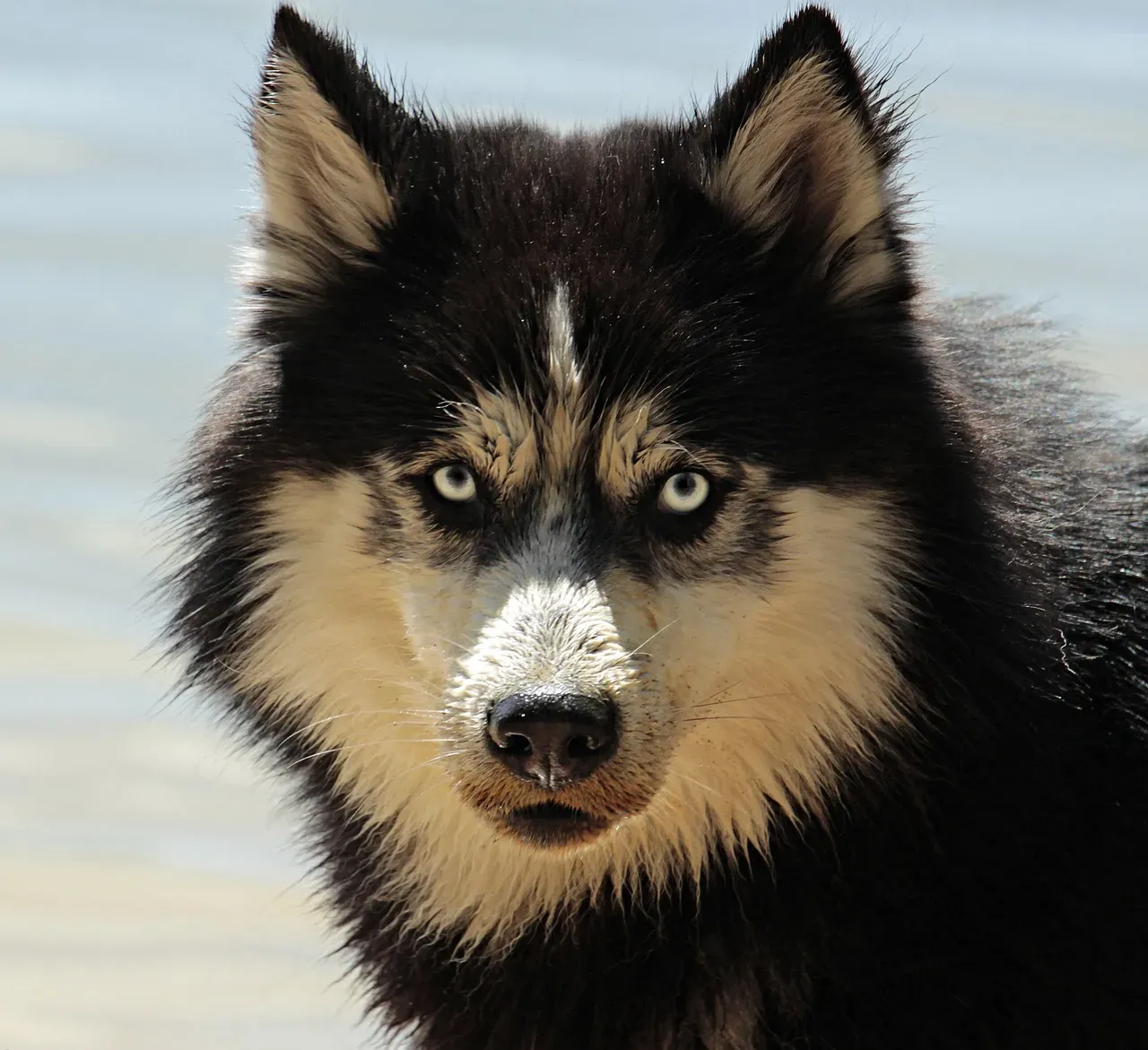
Dogs are incredibly sensitive to human emotion. If you’re crying, angry, anxious, or even laughing in a way that sounds unfamiliar, many dogs will pause and just watch you. They may look back and forth between your face, your hands, and your overall posture, trying to decode what this emotional shift means for them and for the household.
Some dogs respond by coming closer, leaning on you, or licking your hands, as if to offer comfort or reduce tension. Others may choose to give you space, settling nearby but keeping a watchful eye. In that moment of stillness before they act, they are making a decision based on your cues: “Is it time to soothe, stay quiet, or prepare for something unpredictable?” Whether they’re right beside you or quietly observing from across the room, they are not ignoring you – they’re processing you.
Conclusion: Your Dog Is Not Just Watching You, They’re Choosing With You
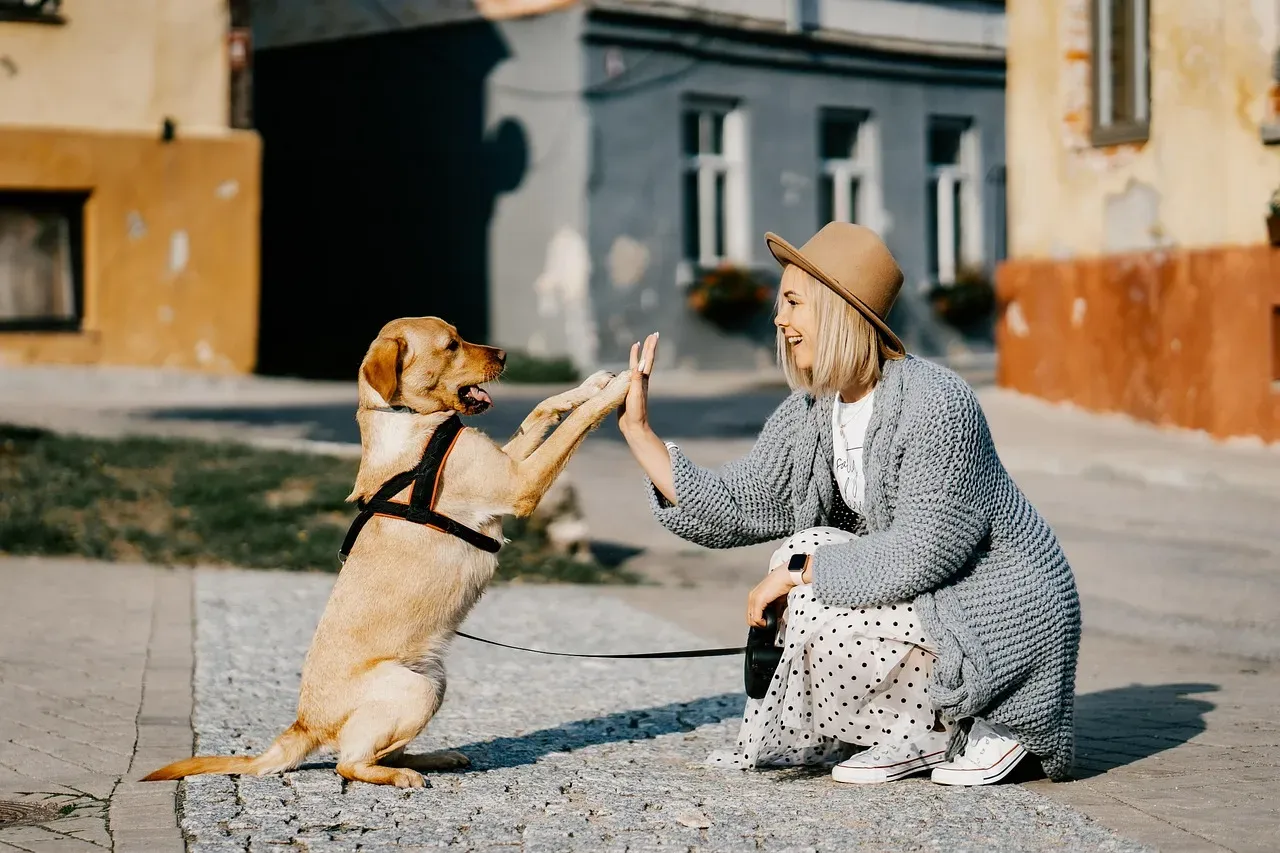
Once you start noticing these check‑in moments, it’s hard to unsee them. Your dog is not simply reacting to the world in a vacuum; they are constantly consulting you, like a friend glancing over during a movie to see if you found that scene as intense or funny as they did. In my own life, I’ve realized that my dog’s “random” stares are often anything but random – they’re tiny crossroads where my reaction nudges her toward confidence, anxiety, boldness, or calm.
The opinion I’ve landed on is pretty clear: if we treat dogs as thoughtful partners rather than furry robots, we owe it to them to be more intentional with the signals we send back. Our tone, posture, and expressions are not background noise; they are instructions our dogs use to build their version of reality. So the next time you catch your dog quietly watching your face, ask yourself: what story am I telling them right now – and if I were in their paws, is that the story I’d want to follow?