
Research Says Dogs Who Suddenly Become Interested in Your Clothes May Be Responding to the Familiar Scent You Leave Behind
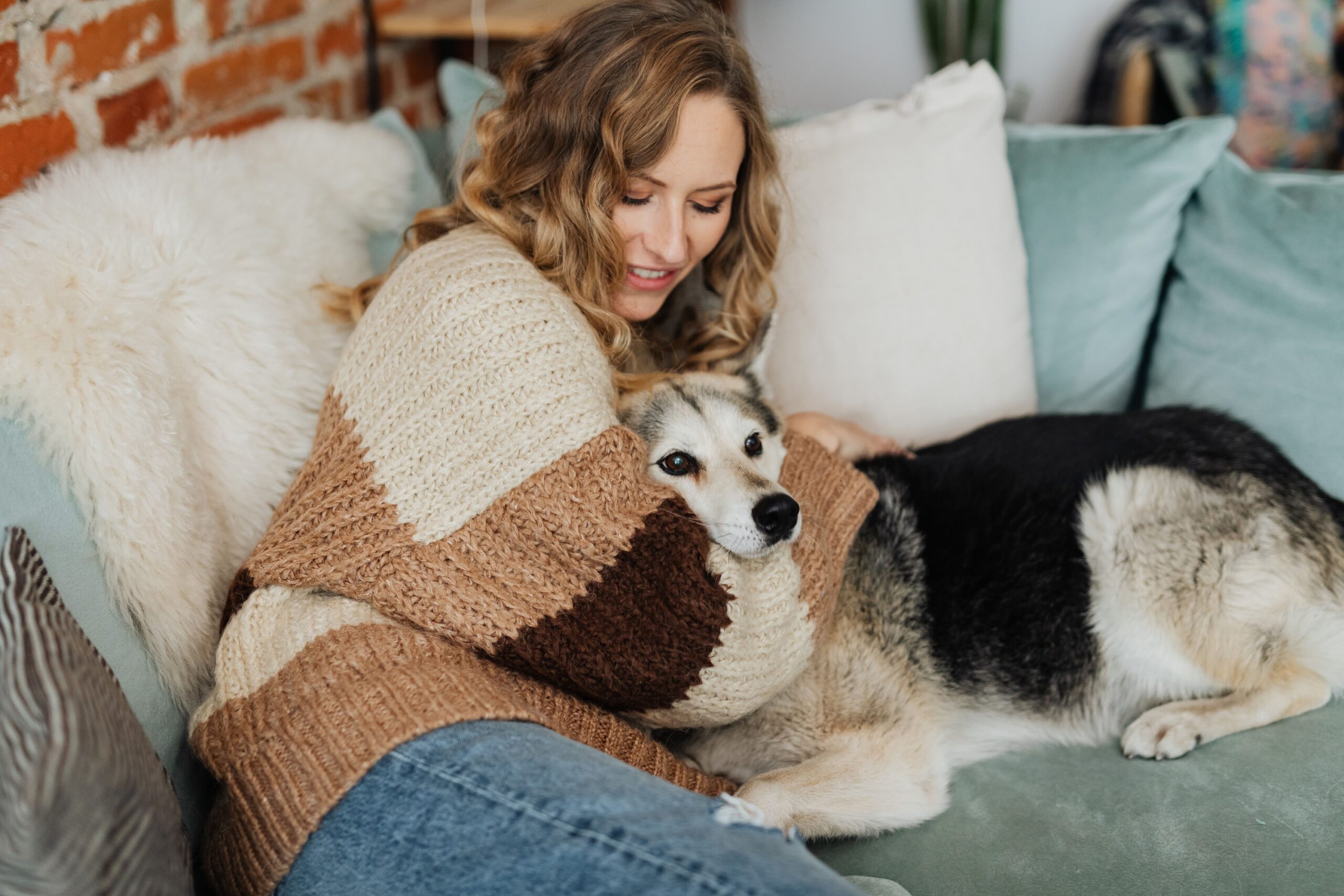
Ever caught your dog rooting through your laundry basket like it’s a treasure chest, then proudly trotting off with your T-shirt? It can be funny, slightly gross, and oddly touching all at once. A lot of people brush it off as random “dog weirdness,” but there’s actually something surprisingly deep and scientific going on under that pile of socks.
Dogs live in a world of scent the way we live in a world of screens. Your clothes are basically a highlight reel of everywhere you’ve been and everything you’ve done. When your dog suddenly seems obsessed with them, it might not be mischief at all, but a powerful, emotional response to your smell. Let’s unpack what research suggests is really going on when your dog goes all in on your laundry.
1. The Science of Scent: Your Clothes as a Chemical Love Letter

Dogs experience smell on a completely different level than we do; scientists estimate their sense of smell is tens of thousands of times more sensitive than ours. Where you might think, “this shirt smells like detergent,” your dog is picking up tiny traces of your skin cells, sweat, hormones, diet, and even your mood encoded in scent. To your dog, your clothes are not just “dirty laundry” – they are a concentrated, portable version of you.
Researchers using brain imaging have found that the reward centers in dogs’ brains light up when they smell their owner’s scent, even when the person isn’t physically present. In other words, your smell is emotionally loaded information, not background noise. So when your dog suddenly starts sniffing or carrying your clothes around, it could be responding to that invisible chemical message like a love letter written in scent instead of words.
2. Emotional Comfort: Why Your Scent Feels Like a Security Blanket
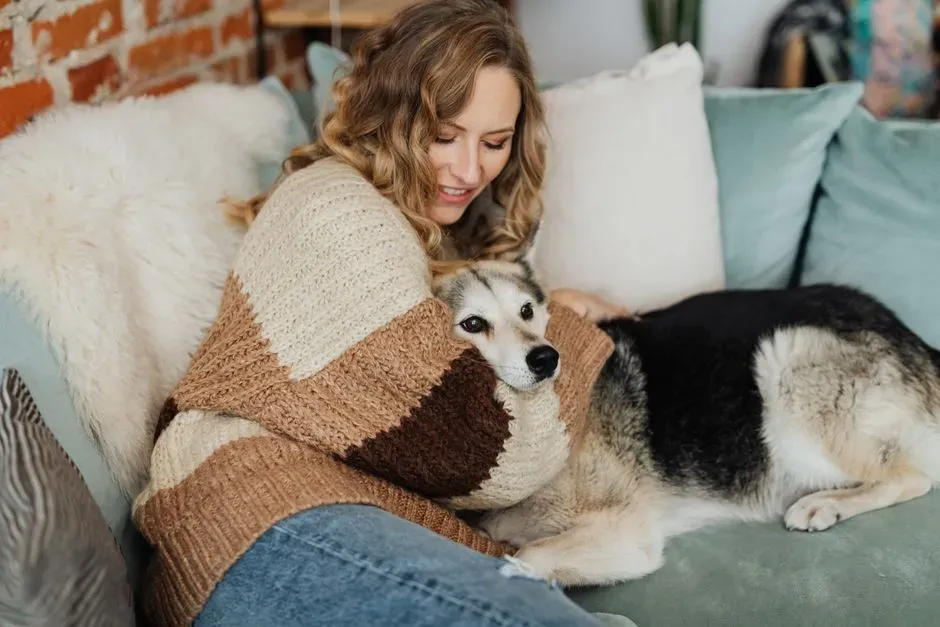
Think about what you reach for when you feel stressed or lonely: maybe a hoodie from someone you love, or something that reminds you of home. Dogs do something very similar, except their comfort object is often anything that smells intensely like you. Your worn T-shirt or pajamas can act like a security blanket, offering reassurance when you’re gone or when the household routine shifts.
Studies on separation-related behaviors in dogs show that many will gravitate to items with their owner’s scent when left alone. It doesn’t magically erase anxiety, but it can soften the edge. So if your dog curls up on your sweater when you travel, or steals one of your socks to nap with, that might be its way of saying, “This makes me feel safe. This smells like my person.” It’s not bad manners; it’s emotional regulation in a dog’s language.
3. Sudden Interest: What Changed in Your Dog’s World?
When a dog that never cared about clothes suddenly starts hoarding, sniffing, or guarding them, it can be a clue that something in its environment shifted. Maybe your work schedule changed, a new baby arrived, a roommate moved in, or there has been more chaos and noise at home. Dogs often respond to these invisible pressures by clinging to familiarity, and your scent is one of the most familiar things in their life.
It can also be tied to changes in how you smell. New perfume, a different laundry detergent, or even hormonal shifts in your own body (from stress, illness, or life stages) subtly alter your scent profile. Your dog might be investigating this new version of “you” through the most intense source it can access: your recently worn clothes. So that sudden obsession may not be random at all; it could be your dog’s way of checking in and asking, “Are you still the same you?”
4. Memory and Attachment: How Dogs “Replay” You Through Smell
There’s growing evidence that dogs form rich, multi-sensory memories of the people they’re attached to, and scent is a major part of that mental picture. Your clothes can work like a replay button, triggering memories of your presence, your voice, and shared routines. When your dog noses into a pile of your laundry, it may be revisiting a mental scrapbook of walks, cuddles, and daily rituals.
This helps explain why some dogs become more drawn to their person’s belongings after that person has been away for longer stretches. They’re not just bored; they’re reconnecting with a part of their emotional world. From this angle, a dog nestling into your hoodie isn’t just being “cute” – it’s using your scent to reinforce its bond and keep your relationship alive in its mind, even when the house feels too quiet.
5. Stress, Separation, and When Clothes-Stealing Signals a Problem

Here’s where it gets more complicated: sometimes a dog’s fixation on your clothes is less about comfort and more about distress. If your dog is destroying your clothes, frantically searching laundry baskets, or showing other signs like pacing, whining, or bathroom accidents when you leave, this could be part of separation anxiety rather than just a sweet quirk. In those cases, your scent becomes a double-edged sword – comforting but also a reminder that you are gone.
Behavior specialists often look at context: Is your dog calm and sleepy while cuddling your shirt, or does it seem panicky, desperate, or obsessive? A relaxed dog gently carrying your sock to its bed is very different from a dog shredding your jeans every time you close the front door. I think we do dogs a disservice when we dismiss intense, destructive behavior as “they just love me so much,” instead of recognizing that they might be struggling and need help.
6. How to Respond: Encouraging Healthy Scent-Based Comfort

If your dog is calmly sniffing or napping with your clothes, you generally don’t need to shut that down; in fact, you can harness it in a healthy way. Some trainers suggest intentionally giving the dog an old T-shirt or pillowcase you do not care about as a designated comfort item, especially if you know you will be away for longer than usual. This lets your dog enjoy your scent safely while keeping your favorite outfits out of the danger zone.
On the other hand, if you see anxiety, guarding, or destruction around your belongings, it’s worth setting some boundaries and getting curious about the bigger picture. That might mean storing laundry out of reach, building more predictable routines, using enrichment toys when you leave, and, if needed, consulting a qualified trainer or vet. To me, the best approach is not to punish the behavior outright but to ask, “What is my dog telling me with this?” and then respond with structure, empathy, and a bit of strategy.
7. What This Says About Us: A Personal Take on Dogs, Scent, and Love

Watching how dogs respond to our scent is a humbling reminder that we matter in their world in a way that’s raw and unfiltered. I still remember realizing my own dog would sleep on my sweatshirt every time I traveled; at first I thought it was just convenient padding, but the pattern was too clear to ignore. There’s something both slightly heartbreaking and deeply beautiful about knowing that, for your dog, the smell of your worn clothes is sometimes the next best thing to having you there.
In my view, the research does not just confirm that dogs recognize our scent; it underlines how intertwined our lives have become. When your dog dives into your laundry, it might be annoying, sure, but it is also a tiny, everyday proof of how attached they are. Maybe the real question is not, “Why is my dog so obsessed with my clothes?” but “What does it say about our bond that a crumpled T-shirt can mean so much?” Did you ever imagine a pile of laundry could be that powerful?