
Your Dog Doesn’t Need to Understand Why You’re Having a Bad Day to Notice That Something About You Has Changed

You come home exhausted, your mind racing with unfinished tasks, awkward conversations, or bad news you can’t quite process yet. Before you’ve even dropped your keys, your dog is there, watching you differently. Maybe they walk up slowly instead of bouncing with excitement. Maybe they stick to you like Velcro, or curl up quietly at your feet instead of demanding playtime. They don’t know about office politics or bank balances, but they know something about you is off.
That gap between what your dog understands and what they notice is fascinating. They do not understand the concept of a deadline, but they feel your tension. They have no idea what a break-up is, but they can sense when your energy collapses. This is where science, emotion, and thousands of years of human–dog coevolution collide – and it’s the reason your dog might be the first one in the room to notice you’re not okay.
1. Dogs Read Your Body Like a Living Mood Ring
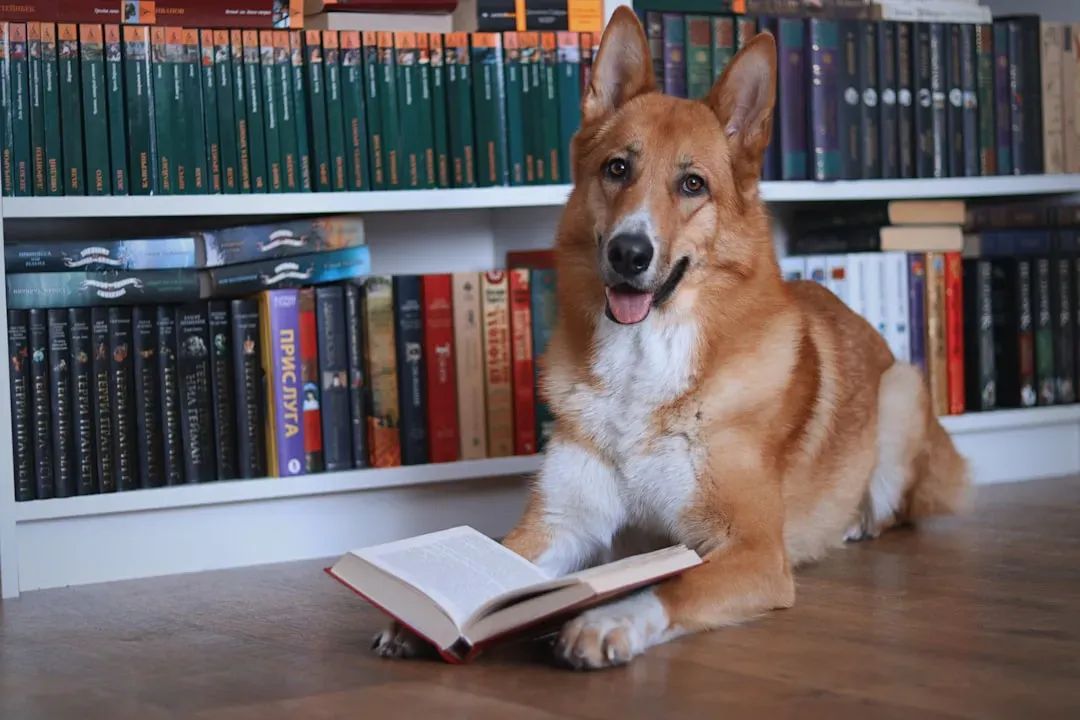
One of the most surprising things about dogs is how obsessively they study us. Long before you say a word, your dog has already clocked your posture, the speed of your walk, the way your shoulders sit, even how you hold your phone or your bag. When you’ve had a bad day, your movements tend to shift: you slump a little more, move a little slower, avoid eye contact, or sigh more often. To your dog, those changes are like bold, flashing signs that something in their world – meaning you – has changed.
Think of it like this: you might not consciously notice when a close friend’s smile is just a bit tighter than usual, but some part of you feels that something’s wrong. Dogs operate that way all the time, except they’re far more tuned in to visual cues than we are when it comes to their humans. Studies over the past couple of decades have shown that dogs are remarkably good at reading human gestures and attention, often better than even our closest primate relatives. So when your whole physical vibe shifts after a rough day, your dog does not need to know the story behind it. They simply see a pattern that doesn’t match your usual self.
2. Your Scent Quietly Broadcasts Your Stress Levels
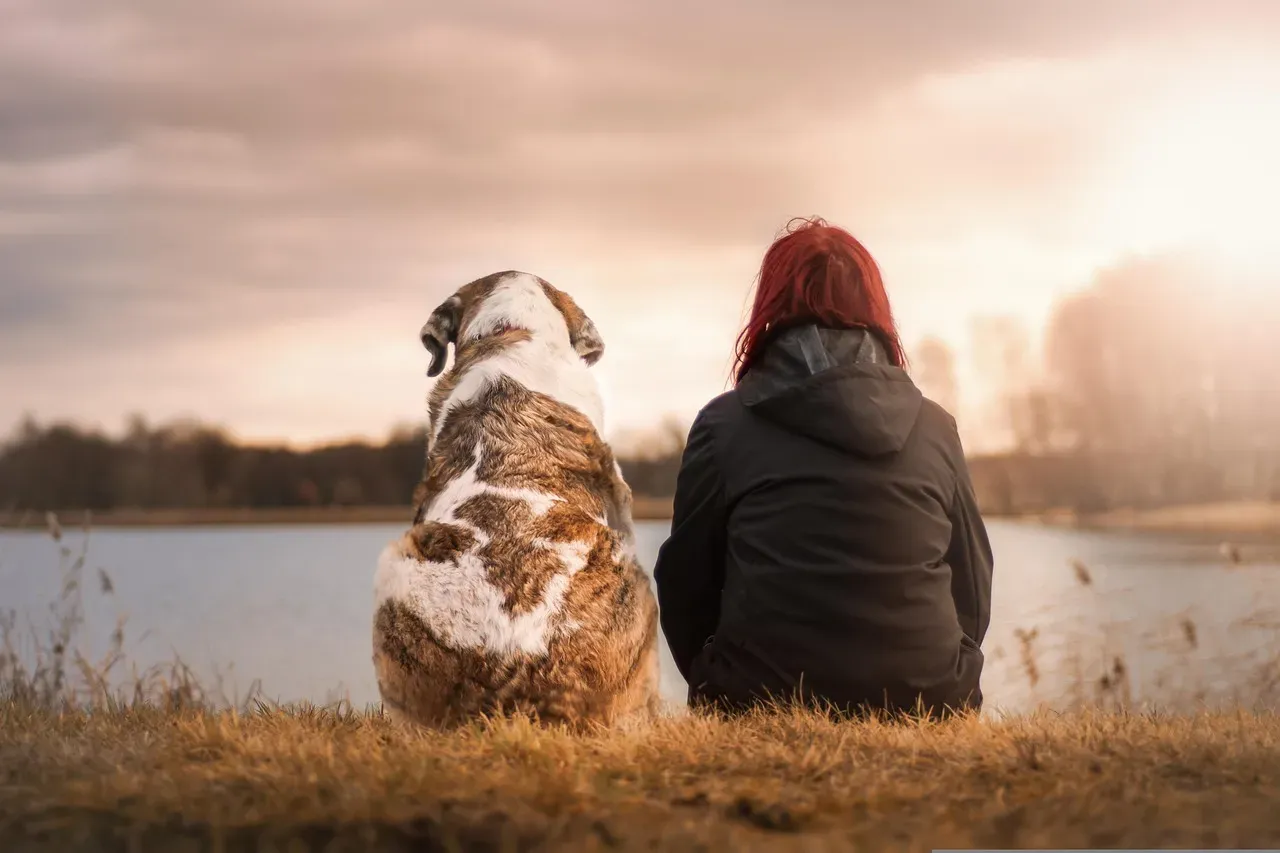
To your dog, you don’t just look different when you’re stressed – you smell different. Dogs live in a universe of scent we can barely imagine. While numbers vary by breed and individual, it’s widely accepted that their sense of smell is magnitudes more sensitive than ours. When you go through a stressful experience, your body chemistry changes: hormones like cortisol and adrenaline shift, your sweat composition alters, and even your skin’s bacteria can react in ways that slightly change your odor.
For us, those scent changes are invisible. For your dog, they’re information. Various experiments have shown that dogs can distinguish between sweat samples from people who are calm and people who are stressed. They can even be trained to detect things like low blood sugar or incoming seizures based on subtle chemical changes in the body. So when you drag yourself through the door after a brutal day, your dog’s brain automatically notes that you smell less like “relaxed you” and more like “something’s wrong you.” They’re not thinking in words, but they’re picking up a clear cue that the emotional weather around you has shifted.
3. Dogs Tune In To Your Voice, Not Your Vocabulary

We often assume our pets understand the content of what we say, when in reality they’re experts at reading how we say it. Your tone of voice, pitch, rhythm, and volume carry an emotional soundtrack that your dog is constantly listening to. On a normal, easy day, you might speak in a brighter, more melodic way without even realizing it. When you’re drained or upset, your tone tends to flatten, your voice might drop, and your speech can get shorter and sharper.
Research into how dogs process human speech suggests that they can distinguish emotional tones like happiness, anger, or fear, even when they don’t understand the meaning of the words themselves. That means your dog does not need to understand what “I had the worst meeting” means. To them, it’s enough to hear the dullness in your voice, the edge of frustration, or the heaviness in your sighs. Those elements become emotional signals they’ve learned to associate with certain states in you, long before anyone ran an experiment to prove it.
4. Emotional Contagion: Your Dog Feels the Echo of Your Mood
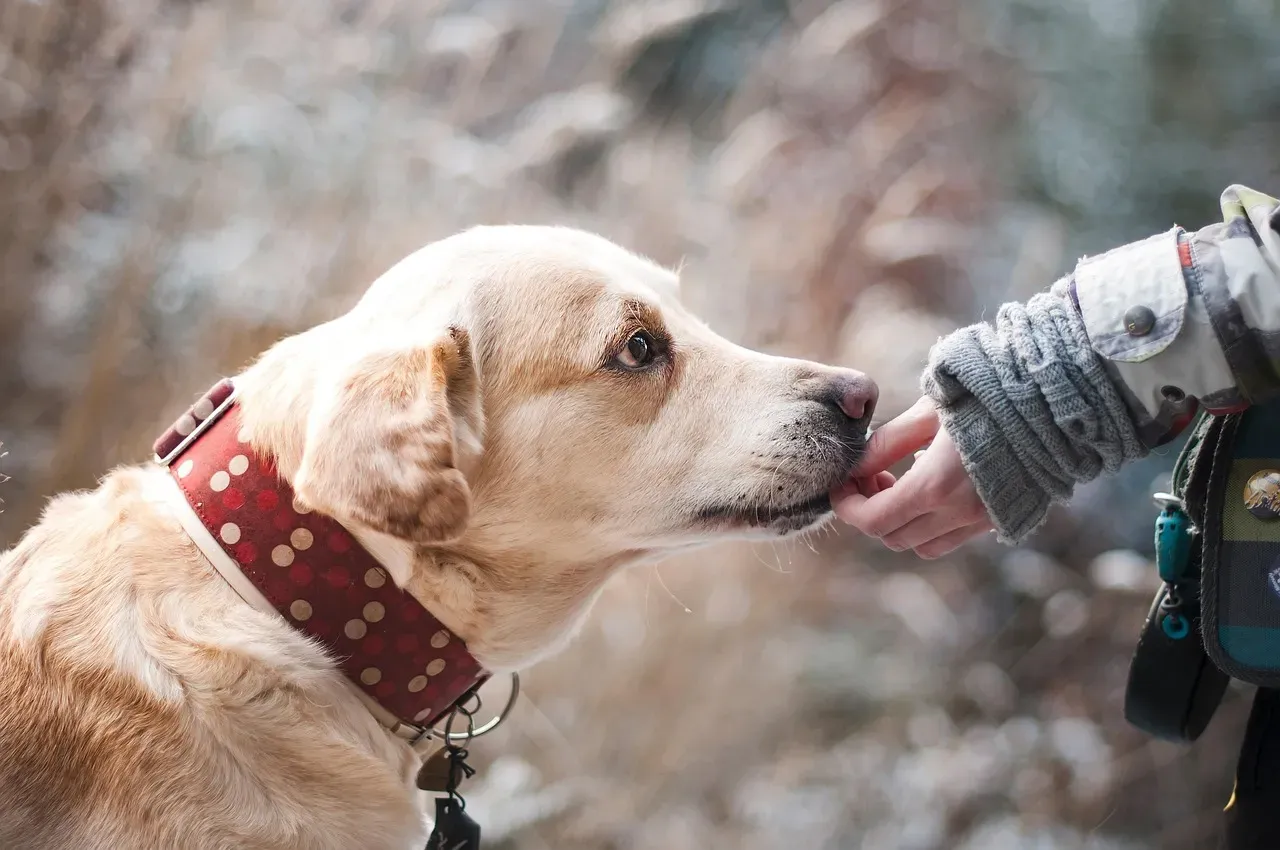
There’s a powerful idea from psychology called emotional contagion – the way moods can spread from one individual to another, even without explicit communication. Something very similar seems to happen between humans and dogs. When you’re anxious, on edge, or deeply sad, your nervous system is not operating in isolation. Your gestures, breathing, and micro-reactions all subtly change and your dog’s nervous system, shaped by years of living with you, tends to react in sync.
Some studies have found that dogs and their owners can show related patterns in stress hormones over time. That doesn’t mean your dog fully understands what you’re going through. It means they’re emotionally resonating with you, like two instruments picking up each other’s vibrations. This helps explain why some dogs pace, whine, or become clingy when their humans are upset, while others grow unusually quiet and still. They are not just observers of your mood; in their own way, they’re participants in it, feeling a version of your distress in their own bodies.
5. Attachment and Routine: When Your “Normal” Disappears
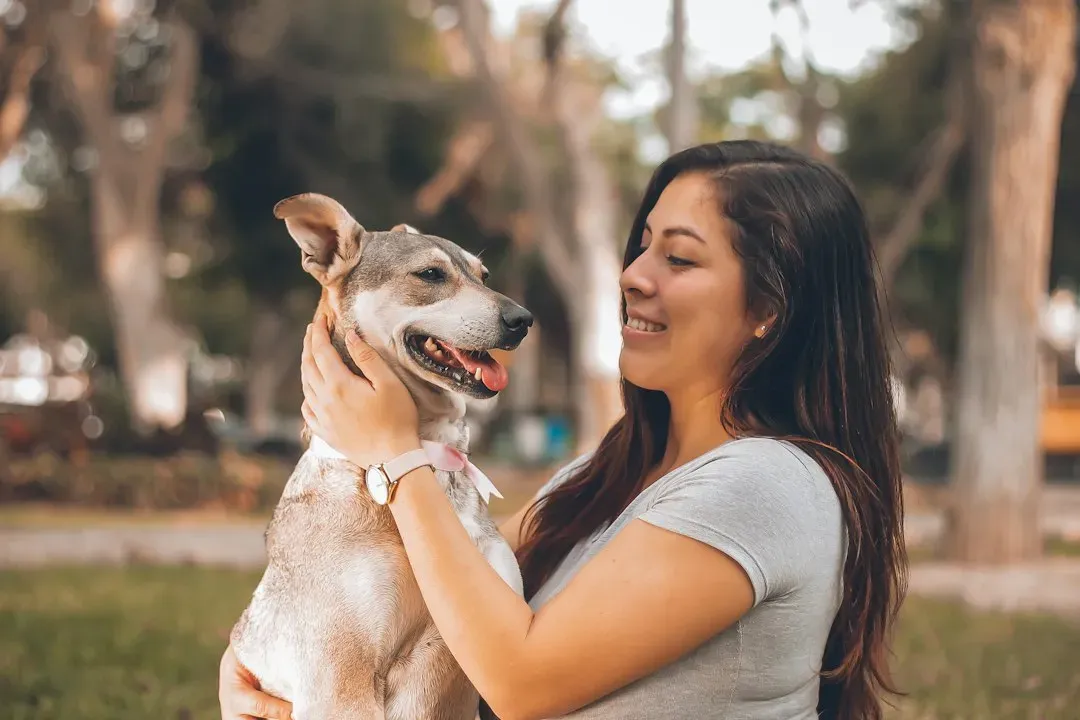
From your dog’s perspective, life is built on patterns: what time you wake up, how you move through the house, the little rituals before walks, meals, or bedtime. When you’ve had a bad day, you often disrupt those patterns – maybe you skip playtime, forget a walk, eat at a different time, or retreat to your bedroom instead of hanging out in the living room. For a dog who is securely attached to you, those disruptions can feel like small earthquakes in their daily world.
Over time, dogs learn an internal template of what “normal you” looks and acts like. When you veer off that template because your mind is somewhere else, their attachment system lights up. They might shadow you more closely or, in some cases, give you space if they’ve learned that approaching you in certain moods leads to less reward or gentle pushback. They still don’t get the concept of emails, layoffs, or traffic jams, but they absolutely notice that the predictable rhythm of “my person and me” has skipped a beat, and that alone is often enough to trigger a change in their own behavior.
6. Comforting You Is Also About Comforting Themselves
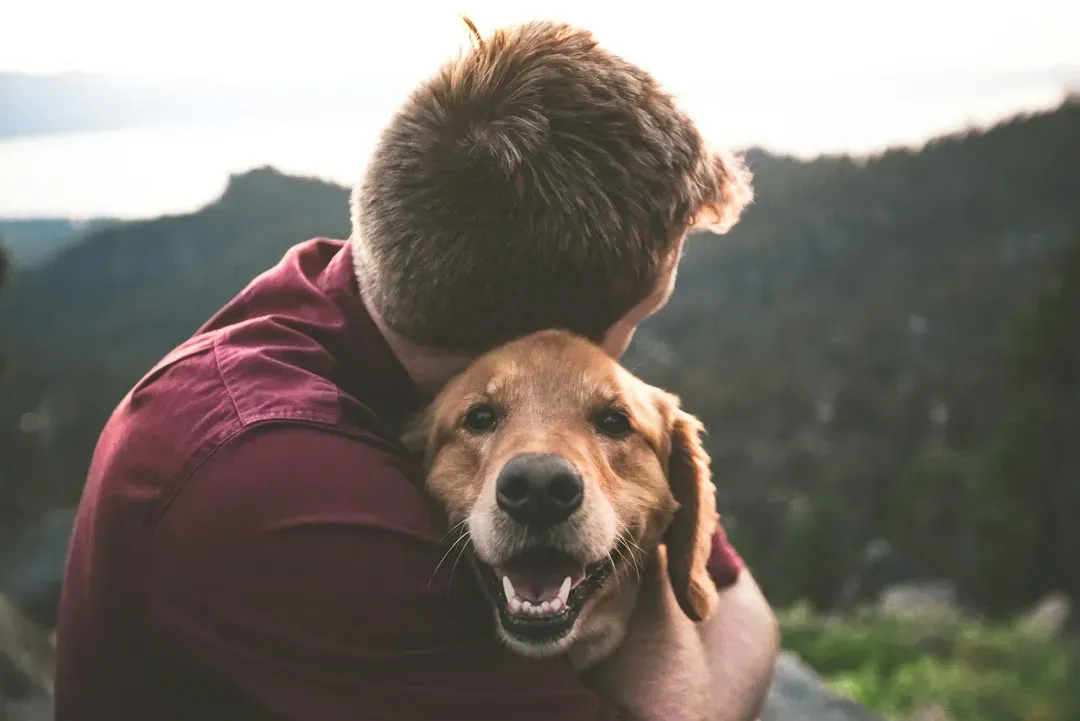
We like to imagine our dogs as pure, selfless emotional support engines, and in many ways they are astonishingly generous animals. But there’s another layer to it that makes them feel even more real: when your dog nudges your hand, leans against your legs, or curls up beside you on a hard day, they’re not just comforting you – they’re also calming themselves. Your distress unsettles their sense of safety because you are their home base. Seeking proximity is their way of re-establishing stability in your shared little universe.
This is not selfish in a negative sense; it’s deeply relational. Your dog has learned that when they are close to you, good things usually happen: warmth, touch, calm breathing, maybe a gentle rub. So when your mood shifts and their internal alarm bells go off, moving toward you is both a check-in and a way to regulate their own emotional state. In my own life, I’ve noticed that on nights when I’m wired with stress, my dog settles faster when he can press his back against my leg, almost like he’s anchoring both of us at once. He has no idea why my brain is spinning – but he clearly knows we both feel better when we are touching.
7. What We Owe Dogs When They Sense Our Bad Days

It’s tempting to think, “My dog knows when I’m upset, and that’s enough.” But if we step back for a second, there’s a real responsibility hidden inside that comfort. Our dogs are constantly absorbing fragments of our emotional lives without getting any of the explanation. They feel the storm, but never get the weather report. When your bad days become frequent and intense, your dog’s stress can quietly rise too, even though they don’t understand the cause. That alone is a powerful argument for taking your own mental health seriously – not just for you, but for the animal who orbits your life.
On a practical level, that might mean building small rituals to reassure your dog even when you’re not okay: a calm five-minute cuddle before you disappear into your room, a short walk where you let them sniff a little longer, or simply speaking in a softer tone to let them know they’re still safe with you. In my opinion, one of the most underrated acts of love is being emotionally honest with yourself so you don’t accidentally turn your dog into a sponge for your unprocessed stress. Your dog doesn’t need to understand why you’re having a bad day – but they do feel the weight of it. The least we can do is recognize just how closely they are walking that emotional road with us and choose, whenever we can, to make it easier for both of us. Did you expect your dog to be paying that much attention to your inner world?