
8 Things Senior Dog Owners Should Prepare Before Winter Temperatures Arrive
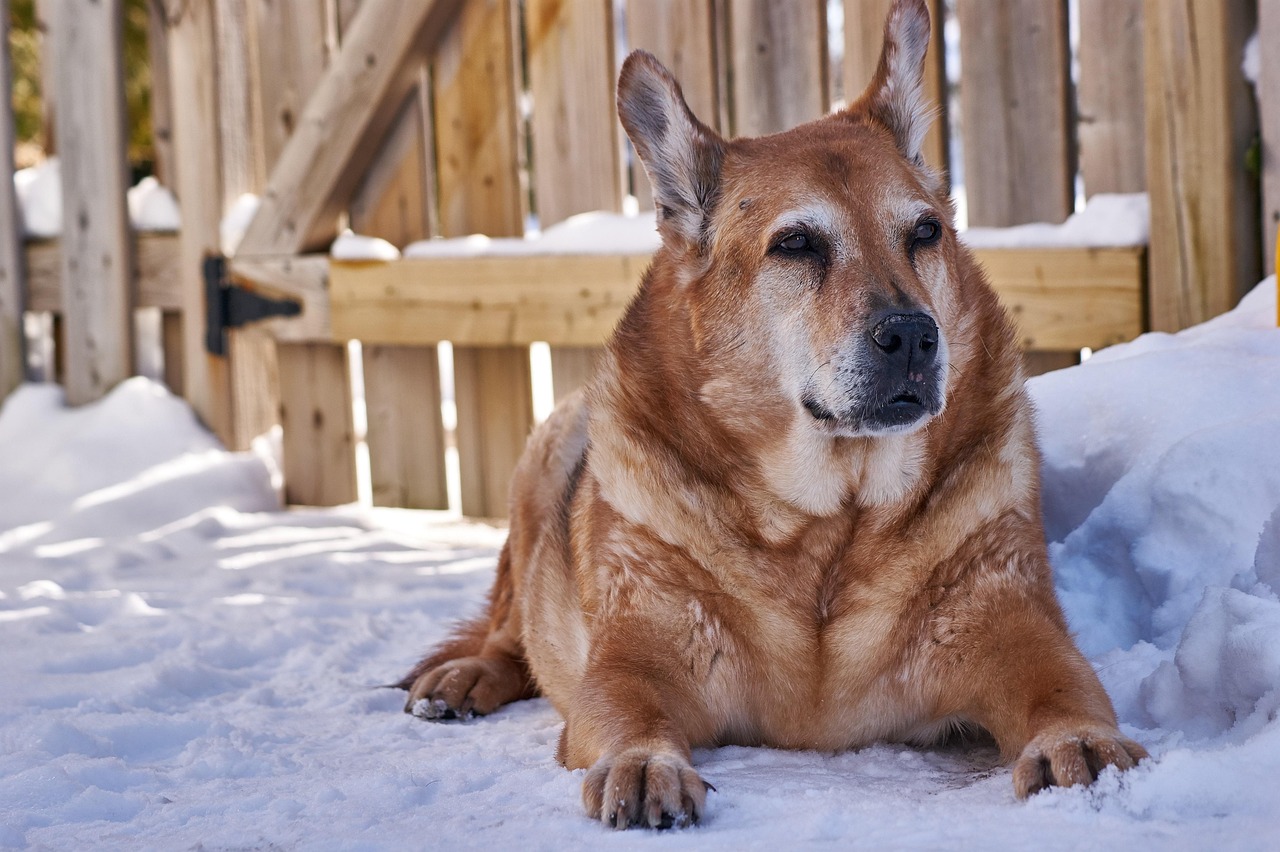
There’s a quiet moment every autumn when you suddenly realize the air has changed. Maybe your older dog hesitates before stepping onto the frosty grass, or curls up tighter at night than they did a month ago. That tiny shift is your early warning: winter is coming, and for senior dogs, it is not just a season, it is a stress test for their joints, heart, and comfort.
I still remember the first year my senior dog started shivering in weather she used to love. It hit me hard because I’d always thought of her as tough and “used to the cold.” But aging changes everything. Preparing for winter with a senior dog is not about being paranoid, it is about being intentional. A little planning now can mean fewer vet emergencies, less pain, and a much cozier, calmer winter for both of you.
1. A Warm, Supportive Sleeping Setup (Not Just a Cute Bed)
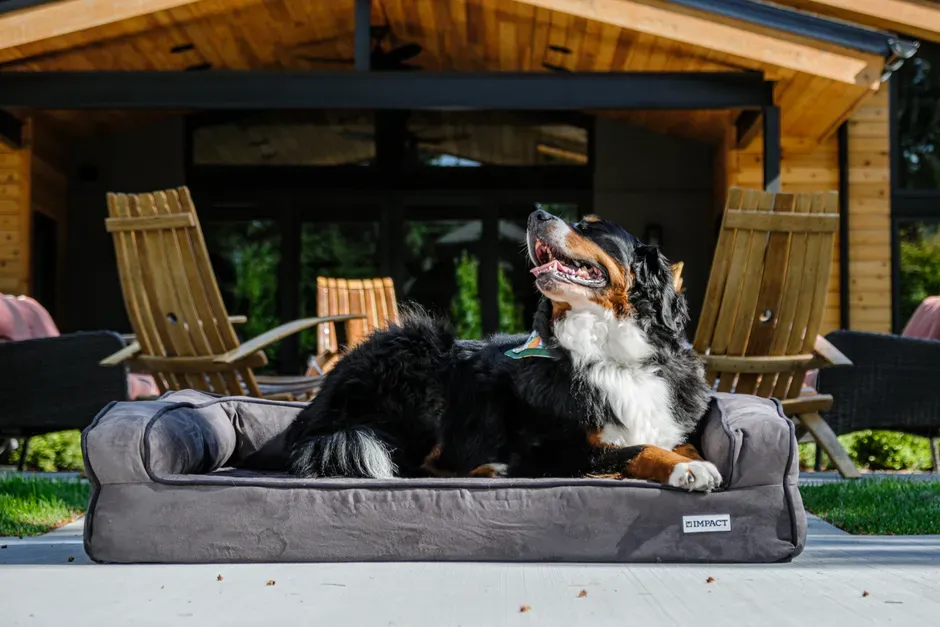
Senior dogs lose body heat more easily, and many struggle with arthritis or stiff joints, which get worse in cold, damp weather. A flimsy, flat bed on a drafty floor is basically the worst-case scenario for them. What they really need is a warm, supportive sleeping area that protects them from the cold below and the air around them.
An orthopedic or memory foam bed with some thickness can make a surprisingly big difference in how easily they get up and how stiff they feel in the morning. Place it away from doors, windows, and vents where cold drafts sneak in, and consider adding a soft blanket or even a self-warming mat. Think of their sleeping area like you’d think of a bed for an older relative: cushioned, stable, and comfortably warm, not just “good enough.”
2. Winter-Safe Walks and Mobility Support
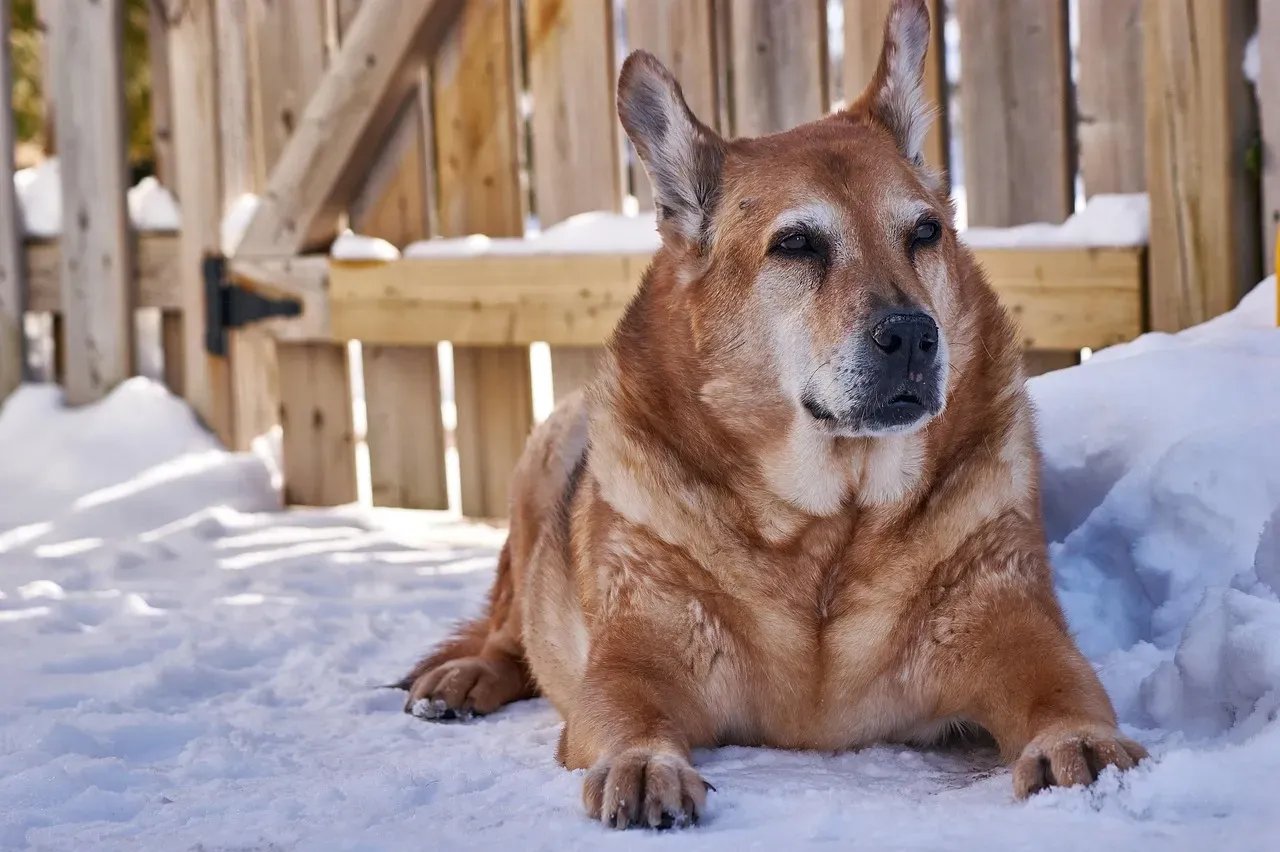
Winter walks are where many senior dogs get into trouble: icy sidewalks, frozen ruts, and slick steps are a recipe for slips and painful strains. Older dogs are already less coordinated and often have weaker muscles, which means one bad slide can lead to weeks of soreness or even a serious injury. Waiting until the first storm hits to figure this out is a risky strategy.
Prepare by getting non-slip booties or paw grips if your dog tolerates them, and consider using a harness with a handle so you can offer extra support on stairs or icy patches. You can also shorten walks during the coldest snaps and replace some outdoor time with gentle indoor “sniff games” or slow-paced training to keep their mind and body active. You are not being overprotective; you are simply adjusting to the reality that their balance and resilience are not what they used to be.
3. Temperature-Appropriate Clothing (Even if They Never Needed It Before)
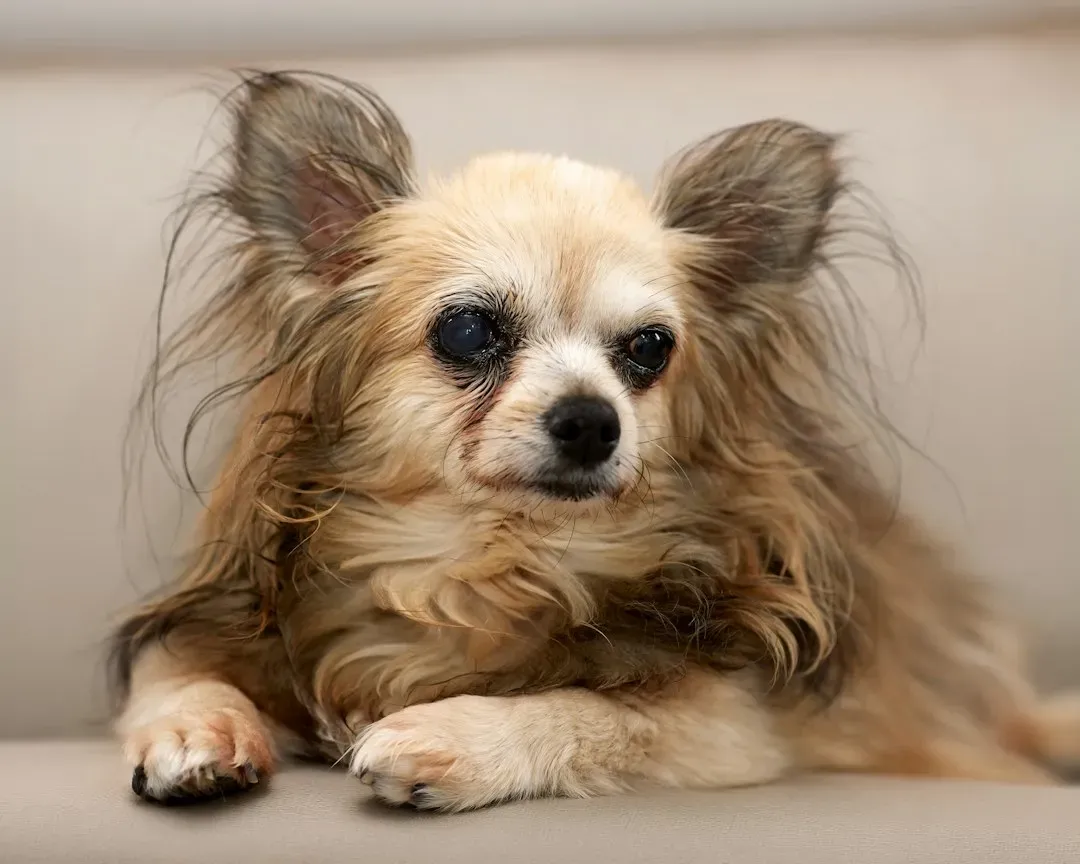
Many dog owners resist the idea of coats or sweaters because it feels fussy or unnecessary, especially if their dog handled winters fine when they were younger. The catch is that senior dogs often have thinner muscle mass, slower circulation, and sometimes underlying heart or thyroid issues that make staying warm much harder. What used to be “refreshing cold” can quietly turn into real discomfort or even hypothermia risk.
A well-fitting dog coat or sweater is not a fashion statement; it is a piece of winter equipment, like your own parka. Look for something that covers the chest and belly, is easy to put on, and does not rub at the shoulders or armpits. Short-haired, thin, or small senior dogs often benefit the most, but even large breeds can need extra protection as they age. My rule of thumb: if I need a serious jacket, my senior dog at least deserves the option of a warm layer too.
4. Joint, Pain, and Medication Planning Before It Gets Bitterly Cold
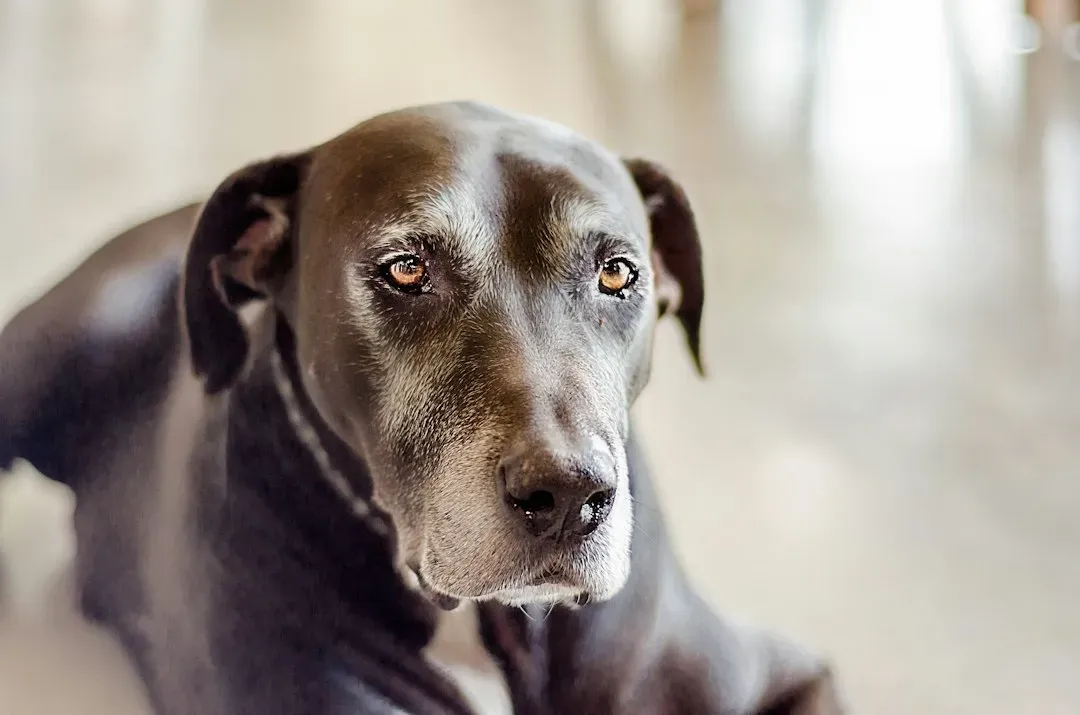
Cold weather often brings out aches and pains that were easy to ignore in summer. Dogs with arthritis, hip dysplasia, spinal issues, or old injuries can become noticeably stiffer, slower to rise, or more reluctant to climb stairs or jump into the car when the temperature drops. Waiting until they are suddenly limping badly on a freezing morning is a miserable way to realize you needed a better plan.
Before winter hits, have a conversation with your vet about your senior dog’s joints and any existing conditions. Ask whether adjustments to pain medications, joint supplements, or therapies like laser treatment, acupuncture, or physical therapy might help during the colder months. You can also tweak their daily routine to include more gentle warm-up time before walks and a bit of light movement throughout the day so they do not get locked up from long periods of lying still. Think of it as creating a “winter playbook” for their comfort instead of scrambling after problems show up.
5. Winter Nutrition, Weight, and Hydration Check-In
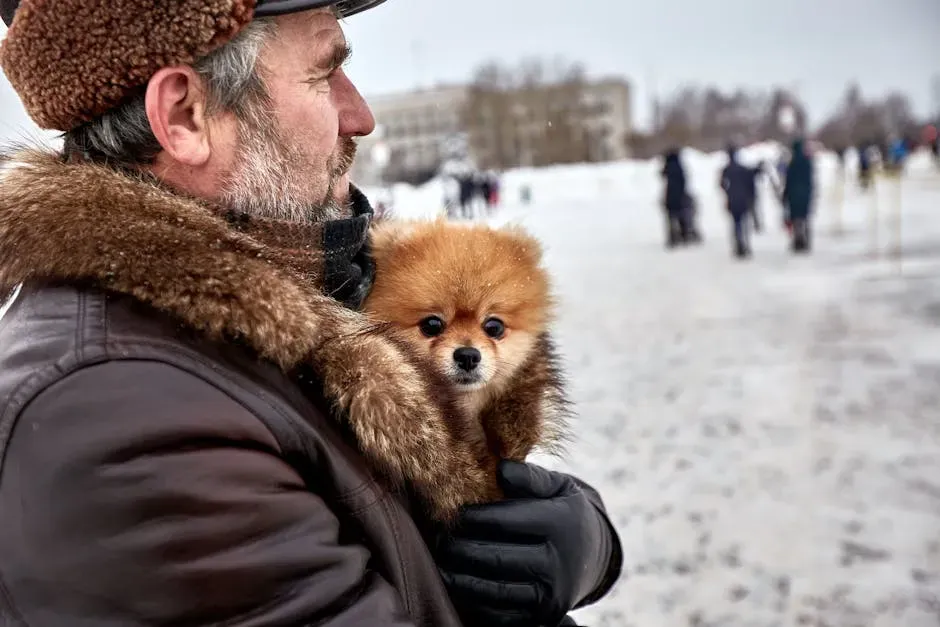
Older dogs often have more fragile digestion, slower metabolism, and specific health issues like kidney disease, heart problems, or diabetes that can all be influenced by winter habits. Some dogs naturally move less when it is cold, which can lead to unhealthy weight gain, while others burn more energy staying warm and quietly lose weight. Both directions can be harmful for a senior dog whose body is already working harder to cope with age.
Before the season fully kicks in, talk with your vet about your dog’s current weight, body condition, and diet. You might need very subtle adjustments: a tiny increase in calories for the dog who shivers easily, or a slight cutback plus more low-impact movement for the dog who barely wants to leave the couch. Hydration also matters more than most people realize in heated, dry indoor air, so make sure water bowls are fresh, easy to reach, and placed where your dog actually spends time, not just in one far corner of the kitchen.
6. A Stable, Draft-Free Indoor Environment
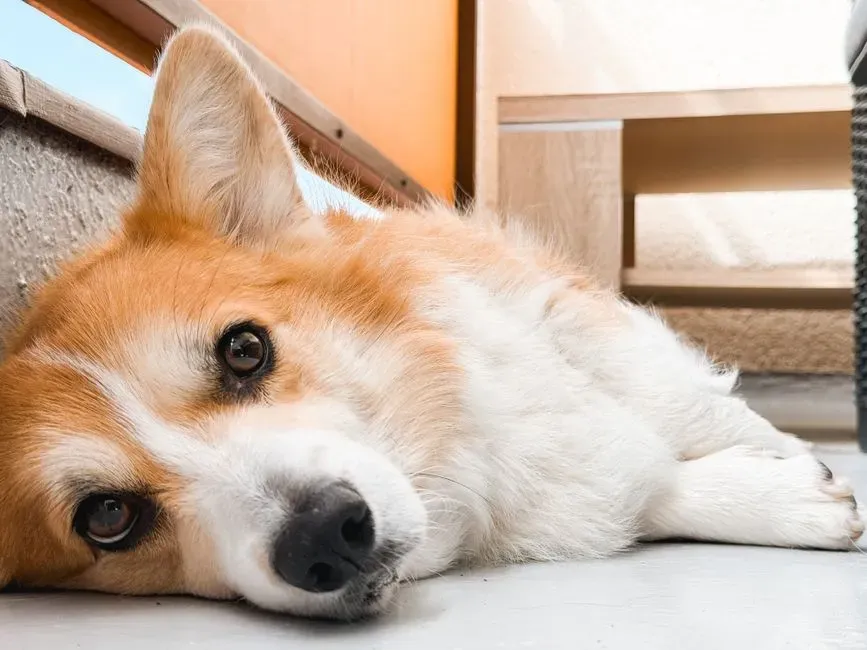
Senior dogs are less able to regulate their temperature and may be more sensitive to extreme heat or cold. Blasting the heat on and off, letting indoor temperatures swing wildly, or ignoring drafts from windows and doors can all put extra stress on an older dog’s body. They may shiver in one room and overheat in another, especially if they have thick fur or breathing issues.
Try to keep your home’s temperature reasonably steady, especially in the areas where your dog sleeps and hangs out most. Use draft stoppers, rugs, or curtains to minimize cold air leaks and avoid placing their bed directly next to radiators or space heaters, which can cause overheating or burns. If your dog has respiratory or heart problems, ask your vet about ideal room temperatures and humidity levels, especially if you rely heavily on central heating or wood stoves that dry the air out.
7. Emergency and Power-Outage Preparedness for Cold Snaps
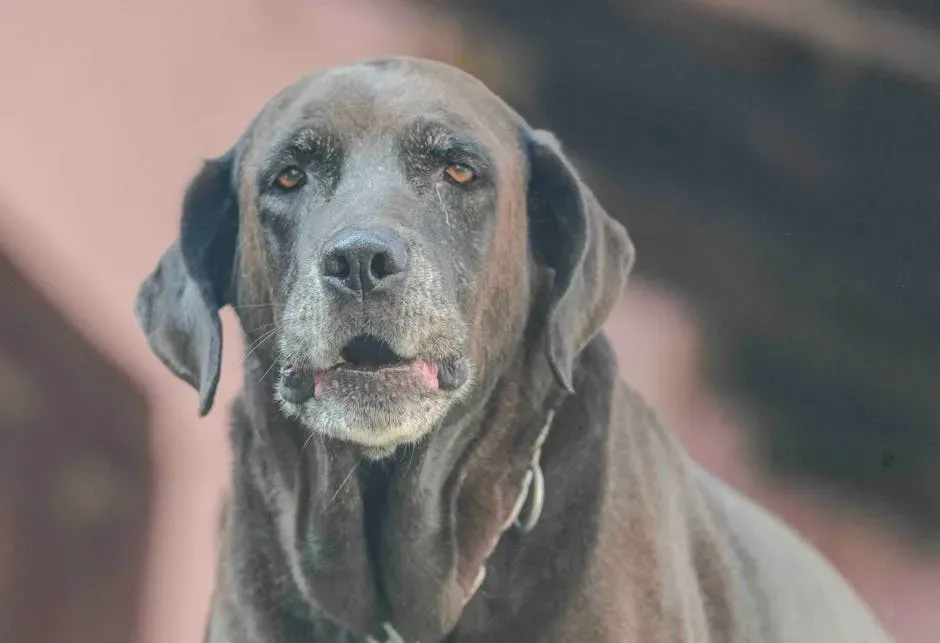
Harsh winter weather often brings power outages, road closures, and delayed access to veterinary care. A healthy young dog may cope with a cold house for a while, but a senior dog with heart disease, arthritis, or limited mobility is much more vulnerable. If you have ever watched an older dog shiver and struggle to get comfortable when the heat is off, you know how quickly “inconvenient” can turn into “scary.”
Before winter, stock at least a couple of weeks’ worth of your dog’s medications, prescription food, and basic supplies. Put together a simple winter kit with extra blankets, a backup way to keep them warm that does not rely on electricity (like layered bedding and insulated sleeping spots), and a printed list of emergency vet numbers and nearby clinics in case your usual one is closed. Planning for the worst-case scenario does not mean you are catastrophizing; it means you have decided your old friend will not be an afterthought in a crisis.
8. Vet Check, Senior Screening, and Lifestyle Adjustments
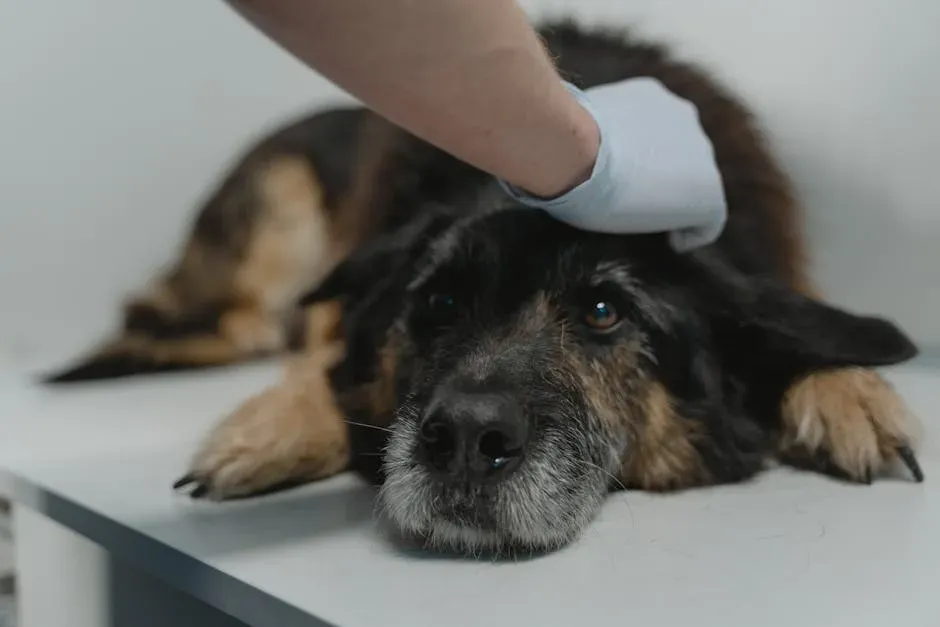
The transition into winter is the perfect trigger for a thorough senior check-up if your dog has not had one recently. Many age-related issues that winter makes worse, like heart disease, kidney problems, or early arthritis, can be easier to manage when caught early. Waiting until you see dramatic changes – like heavy coughing after a short walk or clear difficulty breathing in cold air – puts you both on the back foot.
Ask your vet about a full senior panel if appropriate for your dog’s age and health history, and then actually use what you learn to tweak your routines. Maybe that means shorter but more frequent walks, more frequent potty breaks so they are not forced to hold it in the cold, or rearranging furniture so they do not have to navigate slippery stairs. Winter with a senior dog is not about clinging to how things used to be; it is about being honest about who they are now and changing the world around them to fit.
Conclusion: Winter As a Season of Softness, Not Fear
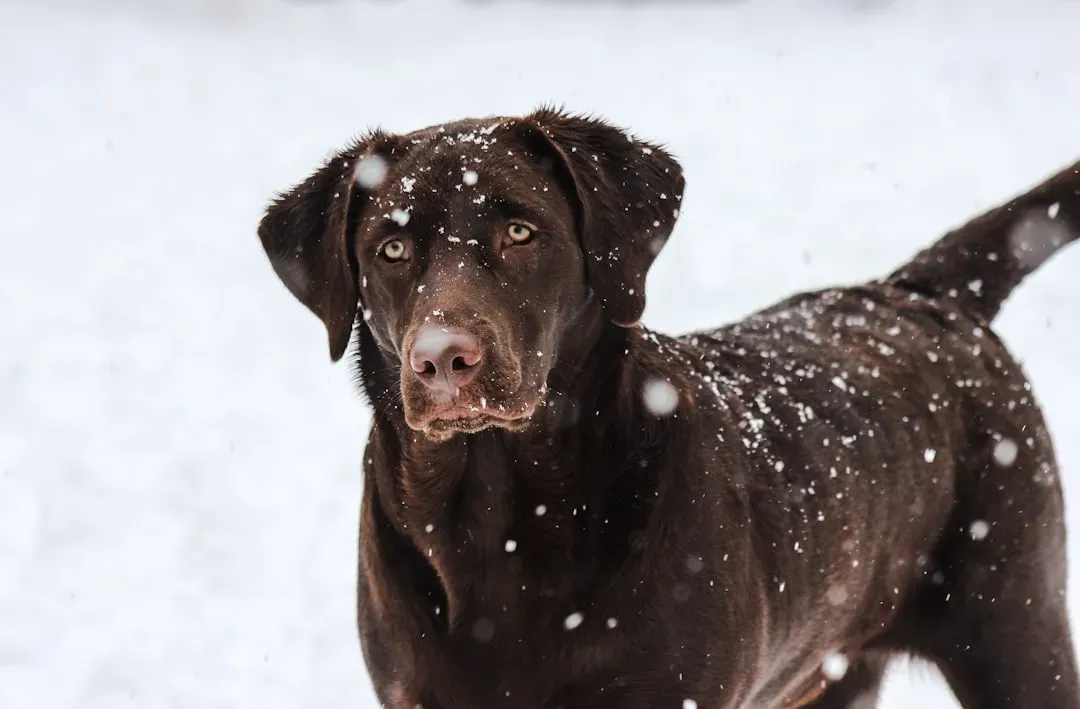
I am firmly convinced that winter with a senior dog can be one of the most tender seasons you share, if you are willing to prepare instead of just react. It is not about bubble-wrapping them or never letting them feel a chilly breeze again; it is about removing unnecessary suffering so the moments you do share – slow walks, long naps, quiet evenings – are as comfortable as possible. Ignoring the impact of cold weather on an older body is not toughness; it is denial.
When you stock the meds, warm the bed, adjust the walks, and plan for emergencies, you are really doing one thing: choosing to show up for your dog in the stage of life when they need you most. Winter will always bring challenges, but it can also deepen your bond in ways that sunny days never quite do. As the temperatures start to drop, the real question is not whether your senior dog can handle another winter; it is whether you are willing to meet this season with the care and intention they have already earned a hundred times over – are you?