
10 Signs Your Dog Is Feeling the Change From Warm Fall Days to Cold Winter Weather
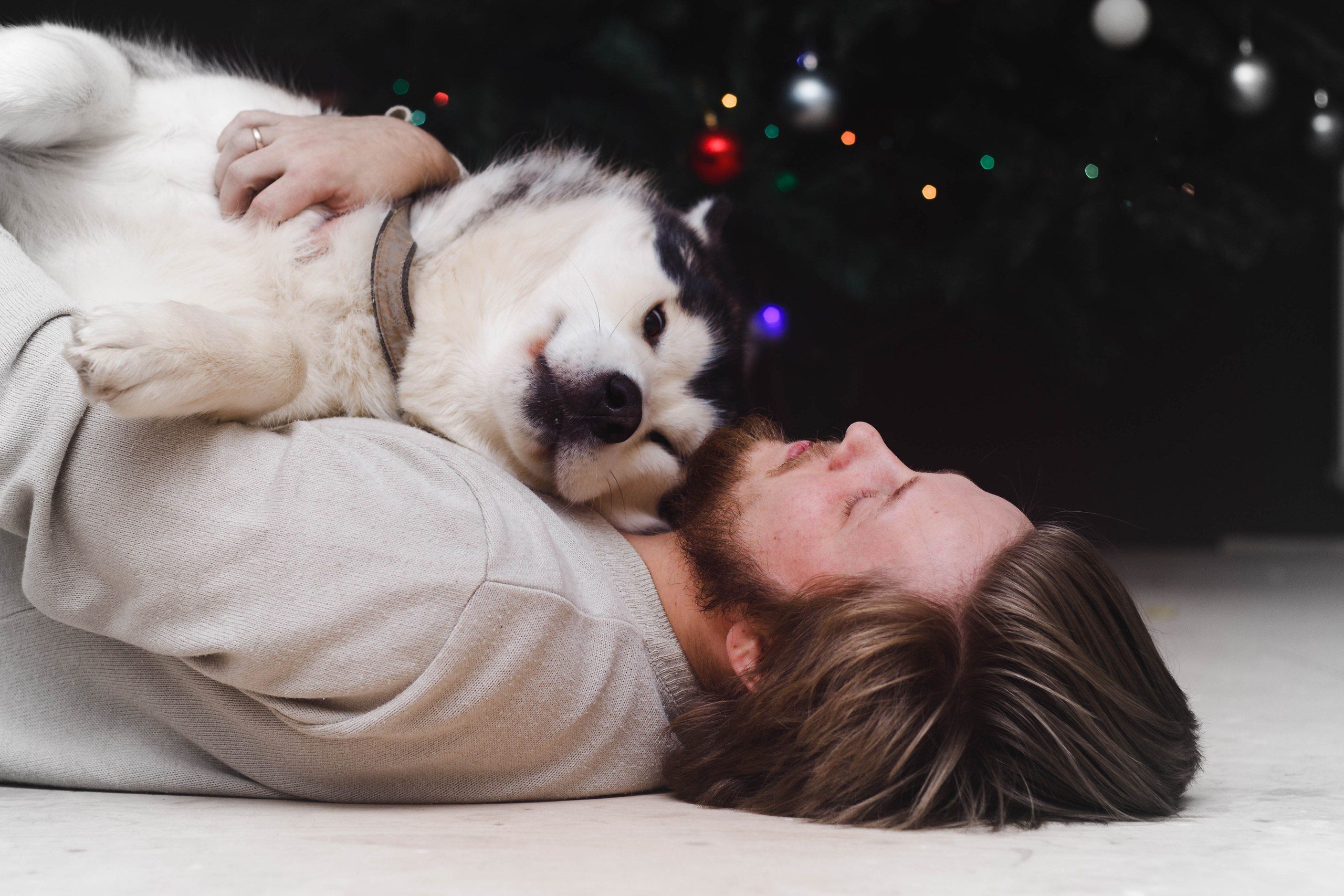
That first icy gust hits your face, you pull your jacket a little tighter… and your dog? They feel it too, just in quieter, doggier ways. The shift from those last warm fall walks to frosty winter mornings is more than just a wardrobe change for you; it can subtly reshape your dog’s mood, energy, sleep, and even how their body feels.
Once I started really paying attention to my own dog each November, it felt like watching a season change inside a living, breathing creature. One week he was rolling in crunchy leaves, the next he was glued to the radiator like it was his long‑lost soulmate. If you know what to look for, your dog will absolutely “tell” you that winter is coming. Here are the clearest signs they’re feeling that seasonal shift – and what those changes are trying to say.
1. Your Dog Becomes a Certified Blanket Burrito
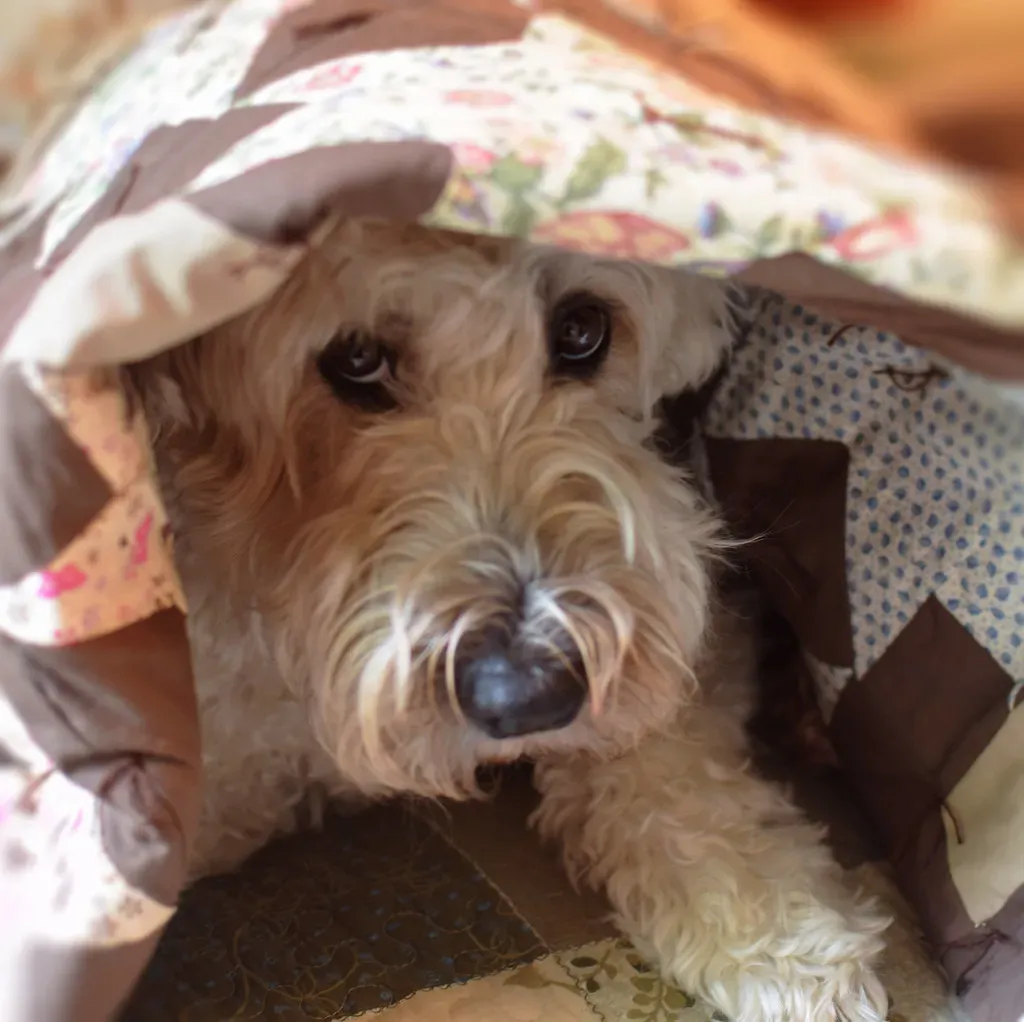
Ever notice how your dog suddenly turns into a professional burrower the moment the temperature drops? One day they’re sprawled out on the cool tile, and the next they’re tunneling under your blankets, curling into impossibly tight little donut shapes, and refusing to come out from their favorite throw. That dramatic switch from seeking cool spots to hunting down every scrap of warmth is a classic sign they’re really feeling the cold.
This isn’t just “being cozy for the vibes” either. Curling up into a tighter ball helps them conserve body heat, especially for smaller breeds, lean dogs, or those with shorter coats. If you’re finding your dog pressed against heaters, vents, or sun patches much more than they were in fall, their body is basically waving a little flag that says, “Hey, winter is here, and I’m doing damage control.” That’s your cue to consider warmer bedding, a winter coat, or even just moving their bed away from drafty windows.
2. Walks Turn From “Let’s Go!” to “Do We Have To?”
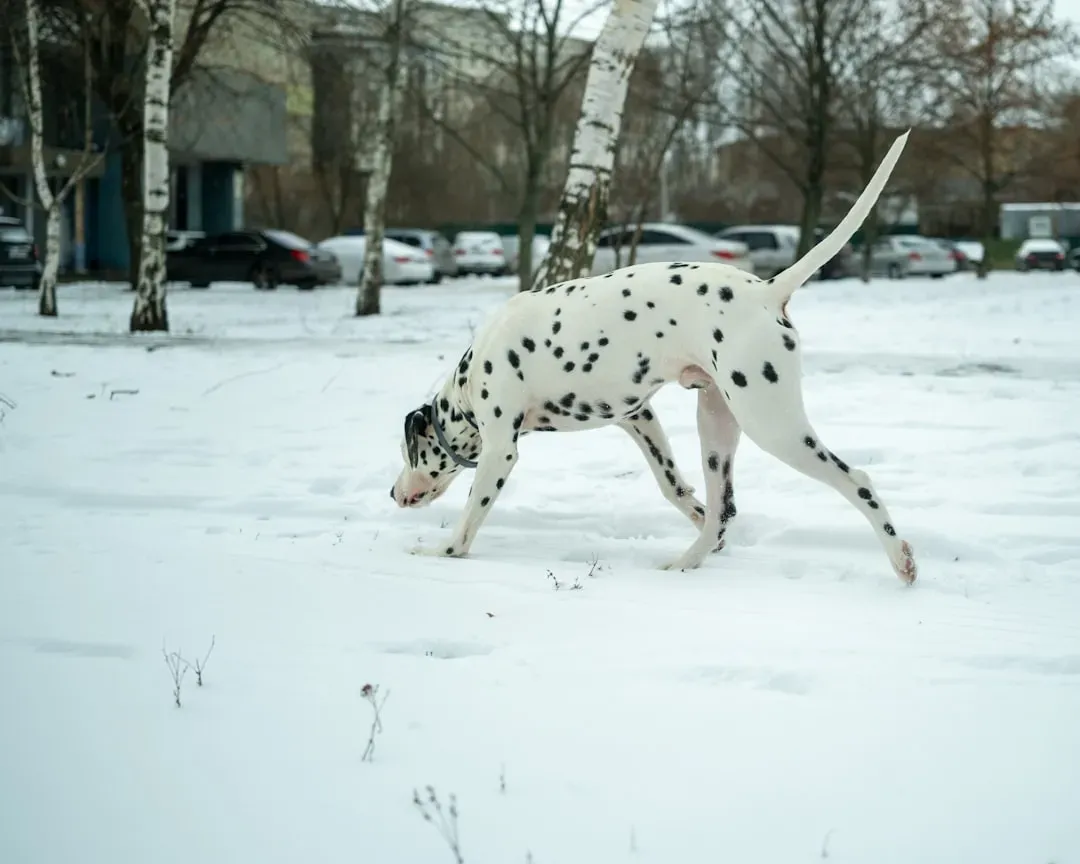
When fall is still mild, many dogs act like you’re offering front‑row tickets to their favorite show every time you pick up the leash. As the air gets sharper and the sidewalks get colder, that enthusiasm can suddenly dip. Maybe they start hesitating at the door, pulling back a little, or giving you that look that says, “It’s freezing. Have you lost your mind?”
This shift is especially common when temperatures suddenly drop, or if your dog has sensitive paws, a thin coat, or is older. They might walk more slowly, stop more often, or try to head back home sooner. It’s not always laziness; sometimes it’s discomfort from cold air in their lungs or icy ground under their feet. If your once‑eager walking buddy starts acting like you’re dragging them to a meeting that could’ve been an email, it’s a good sign winter is hitting harder for them than for you.
3. Paw Licking, Paw Lifting, and Sidewalk Drama
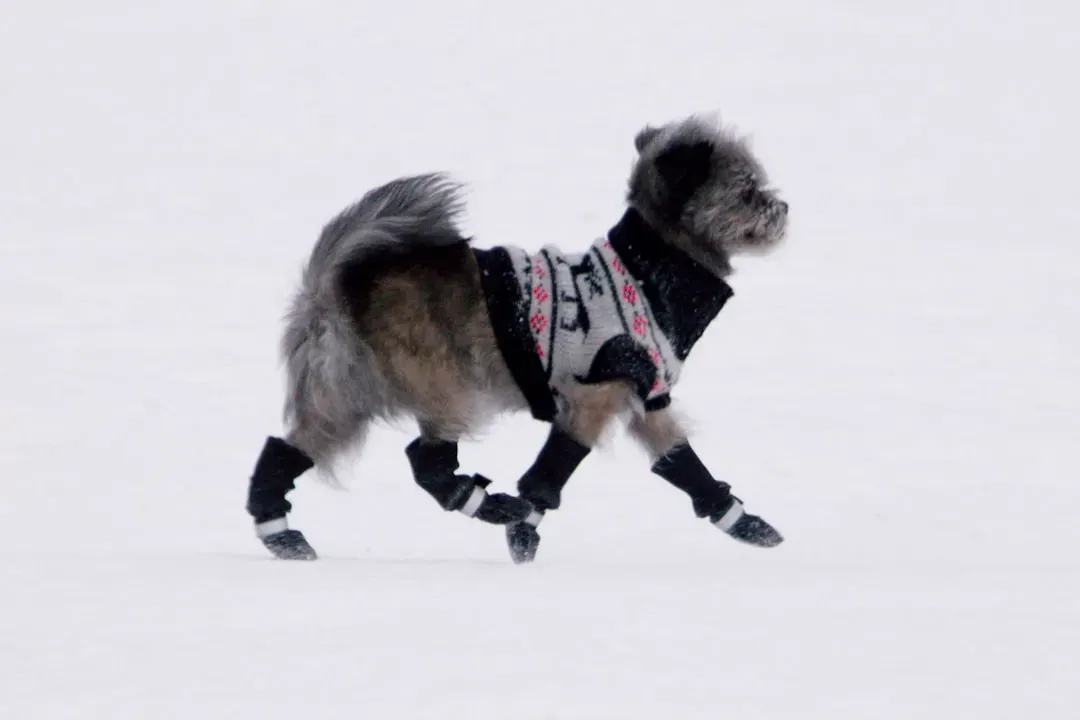
As fall turns to winter, sidewalks turn from “nice and crunchy leaves” to “cold, wet, salty nightmare.” If your dog starts lifting their paws frequently, hopping from foot to foot, or begging to be carried on cold walks, they might be feeling the bite from frozen ground or road salt. Back at home, you might see more paw licking than usual, especially between the toes where ice, salt, and moisture can build up.
Cold, damp conditions can dry out the paw pads, making them cracked, sensitive, or even slightly painful. Road salt and de‑icing chemicals can sting and irritate the skin, and licking them off is not exactly great for a dog’s stomach either. If the change from warm fall days to gritty, icy sidewalks has turned your dog’s walk into a low‑key soap opera of drama and paw theatrics, that’s your sign to look into booties, paw balm, or shorter, more frequent outings.
4. Energy Levels Swing: Zoomies or Total Couch Potato
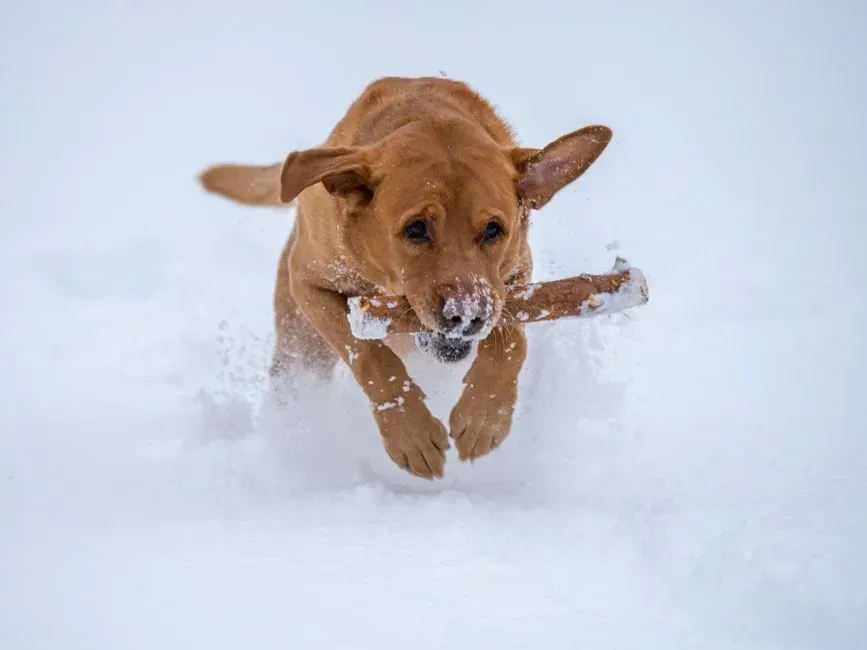
The seasonal shift doesn’t hit every dog the same way. Some dogs perk up in the cold like they’ve just had an extra shot of espresso – sprinting, hopping through frost, and acting like the chilly air is their personal power‑up. Others do the exact opposite, drooping into full couch‑potato mode, moving slower, and generally seeming less interested in play or exercise.
Both patterns can be normal responses to the transition from mild fall to harsher winter. Cold weather can be invigorating for certain breeds that were historically bred for chilly climates, while for more heat‑loving dogs or those with joint issues, it can be draining and uncomfortable. The key is noticing what has changed compared with your dog’s usual fall behavior. A noticeable jump or dip in energy around the time the weather turns may be less about personality and more about how their body and mind are reacting to the season.
5. Stiff Joints and Slower Get‑Ups on Chilly Mornings
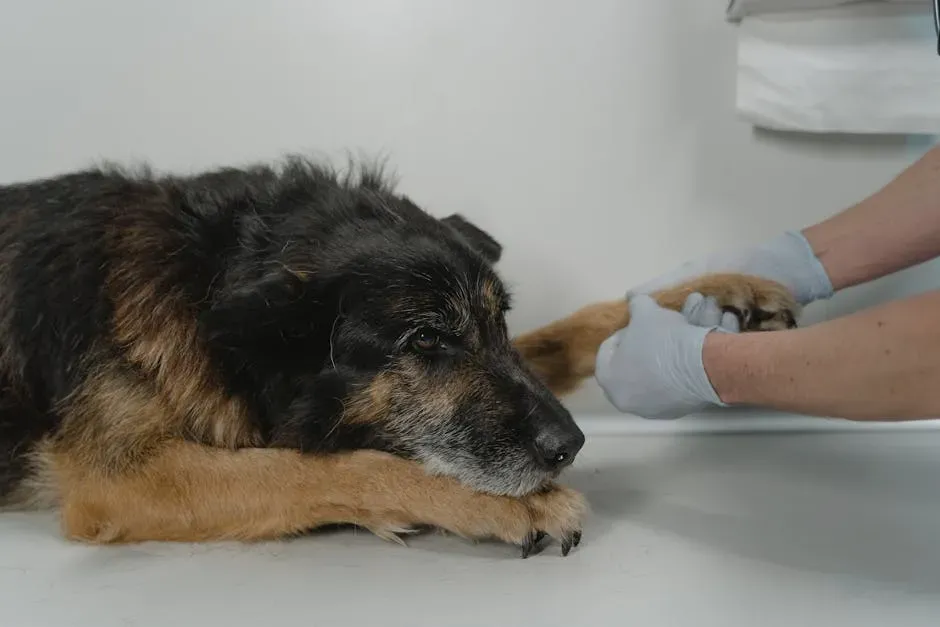
If your dog is older or has any history of joint problems, the switch from warm, soft fall days to cold winter air can feel like someone secretly replaced their kneecaps with rusty hinges. You might see them take a little longer to get up in the morning, hesitate before jumping onto the couch, or sit down more often during walks. Sometimes they will lick or nibble a specific joint or shift their weight to avoid putting pressure on sore spots.
Cold, damp weather tends to make joint stiffness and pain more noticeable for many dogs, very much like it does in humans. If these signs only really flare when the temperature drops, that seasonal change is probably not a coincidence. It’s your dog’s body quietly asking for softer bedding, more gentle warm‑ups before walks, maybe a sweater to keep muscles warm, or a chat with your vet about extra joint support as winter settles in.
6. Appetite and Weight Start to Drift
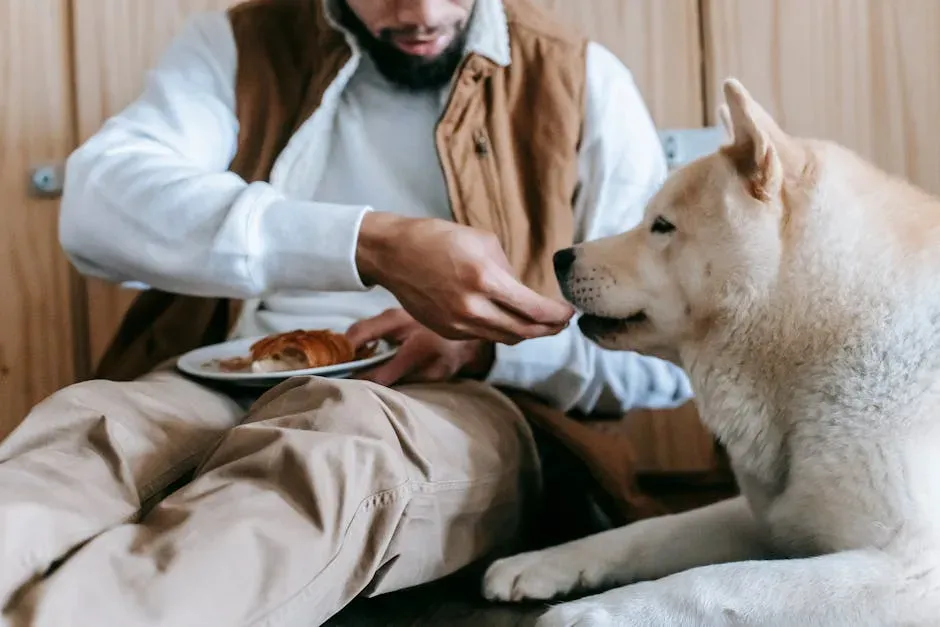
When the days turn shorter and colder, some dogs suddenly seem to discover a deep, spiritual connection with their food bowl. They may finish meals faster, hang around the kitchen more, or beg with renewed intensity. In cooler weather, the body can burn a bit more energy to stay warm, and some dogs naturally lean into that by eating a little more. Others, especially if they are less active due to the cold, may actually leave more food behind or seem less bothered about mealtimes.
The trap many of us fall into is feeding the same way we did in fall while walks get shorter and playtime moves indoors. Over a few chilly months, those little changes can quietly add up to weight gain. On the flip side, a dog that is uncomfortably cold or stressed by the season might nibble less or appear fussier with food. Watching how your dog’s appetite and body condition shift from late fall to deep winter gives you a valuable window into how the change in weather is affecting their comfort and metabolism.
7. Clinginess, Restlessness, or a Subtle Mood Shift
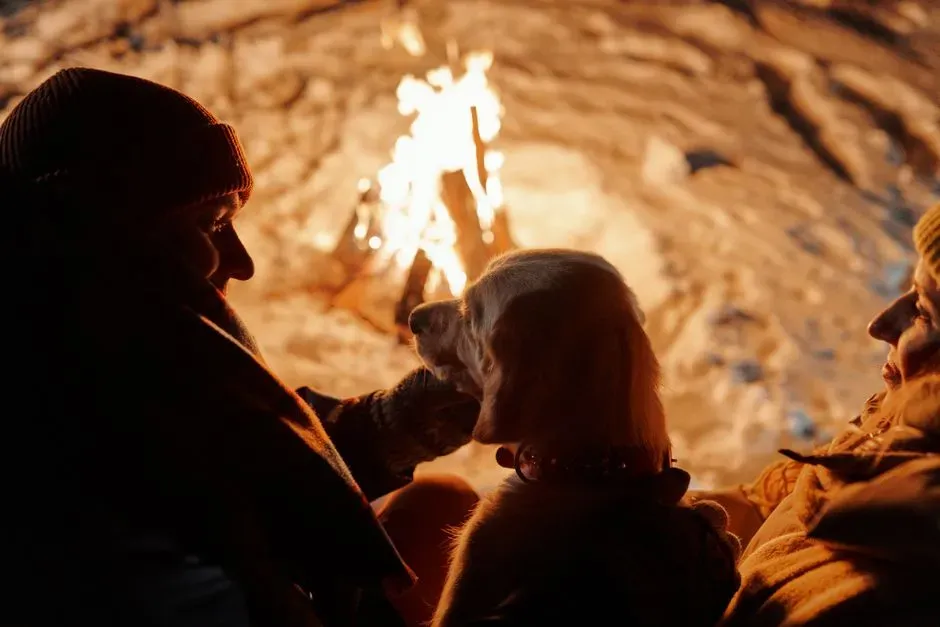
Seasonal change is not just a physical thing; for some dogs, it is emotional too. As warm, bright evenings give way to cold, early darkness, your dog may suddenly stick to you like Velcro. They may follow you from room to room more than usual, whine when you leave, or choose to sleep closer to you at night. That extra closeness can be their way of seeking both warmth and reassurance as their environment changes.
On the flip side, some dogs get a little restless or edgy in winter. Less outdoor time, fewer smells and sights, and more time inside four walls can leave them pacing, barking more at noises, or acting mildly “off.” If the timing of this mood shift lines up neatly with that transition from crisp fall air to true winter chill, your dog is probably telling you that the season is affecting their mental world, not just their body. That is your nudge to tweak routines, add more enrichment, and make home feel even safer and more interesting.
8. Sleep Habits Change With the Shorter Days
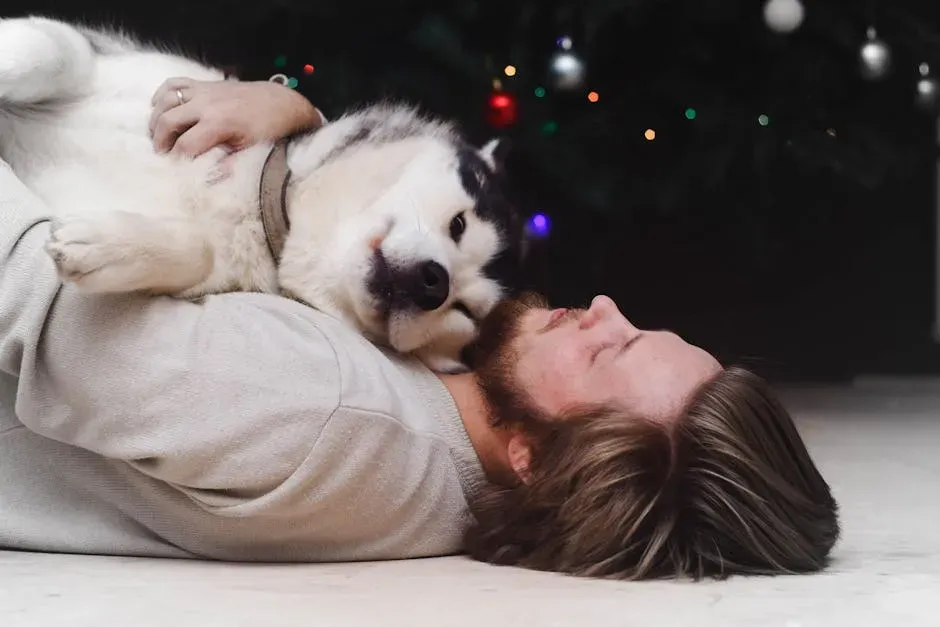
As the daylight shrinks, many dogs’ sleep patterns quietly shift right along with yours. You might notice your dog heading to bed earlier, curling up for longer stretches, or snoozing more deeply during those dark winter evenings. They might be slower to rise on cold mornings, lingering in their bed instead of bouncing up the second your alarm goes off.
This can be partly linked to the natural light cycle and partly to the simple comfort of staying warm and still. While an extra nap or a bit more sleep is usually nothing to stress over, the key is noticing the before‑and‑after: how did they sleep back on those milder fall days? If winter suddenly turns your playful evening companion into a dog who crashes hard right after dinner, that’s yet another sign the season’s shift is sinking in. It’s a reminder to balance rest with gentle movement and mental play so winter does not become one long nap.
9. Coat, Skin, and Shedding Start Acting Different
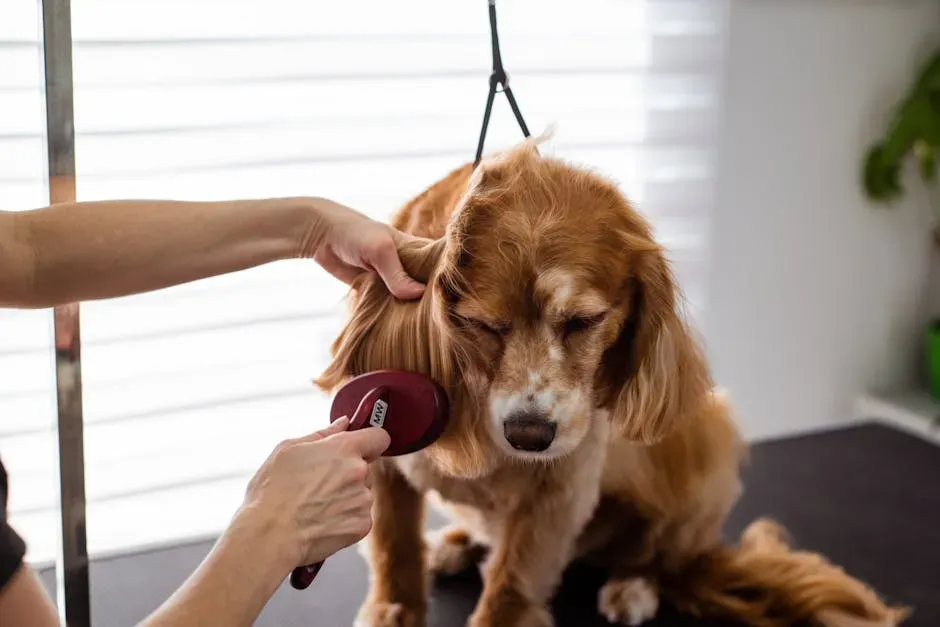
As fall gives way to winter, your dog’s coat is doing its own seasonal wardrobe swap behind the scenes. You might notice more shedding for a while as they transition from a lighter coat to a thicker, denser one meant to trap warmth. For some dogs, the fur along the neck, chest, and back may feel fuller or fluffier, almost like they are wearing a built‑in vest.
At the same time, indoor heating and cold outdoor air can dry out the skin, leading to more dandruff, itchiness, or mild flakiness than you saw during warm fall days. If brushing sessions suddenly create more fuzz clouds or you see more white flakes against darker fur, that seasonal shift is probably the culprit. It is your cue to step up gentle grooming, consider using a humidifier at home, and talk with your vet if the itching or irritation seems more than just winter dryness.
10. Bathroom Routines Shift With the Cold
The bathroom changes are not glamorous, but they are telling. As temperatures drop, some dogs decide that speed is the name of the game: they rush through potty breaks, pee quickly, and bolt back to the door as if the yard is made of ice needles. You might also notice they are less willing to wander around to find “the spot,” especially on windy or wet winter days, compared with their slow exploratory sniffing back in fall.
On the flip side, indoor accidents may pop up in dogs who dislike cold surfaces or hate going out when it is dark and freezing. It can look like stubbornness, but often it is discomfort or reluctance wrapped in dog logic. If bathroom habits noticeably shift right as warm autumn grass turns into frosty ground, your dog is giving you useful feedback about how the chill is affecting their basic routines and sense of security outdoors.
Conclusion: Winter Is Not Just Weather – It’s an Experience for Your Dog
The move from warm fall days to blunt, cold winter is not a small background detail in your dog’s life; it is one of the biggest environmental changes they feel all year. From joint stiffness and clingy moods to blanket burrowing and sidewalk drama, every little sign is a message about how their body and mind are coping with that shift. Ignoring those signals turns winter into something your dog just has to endure. Paying attention turns it into a season you navigate together.
Personally, I think we underestimate how sensitive dogs are to these transitions simply because they cannot complain the way we do about frozen fingers and gloomy evenings. When you notice the patterns – how they walk, sleep, cuddle, eat – you start to realize winter is not just happening outside; it is happening inside them too. If we are willing to adjust routines, add a bit more warmth, and protect their comfort as much as our own, winter can feel less like a test and more like a shared ritual. Looking at your dog today, which of these signs do you see written in their winter story already?