
13 Things a Dog’s Gums Say Before Any Test Is Run
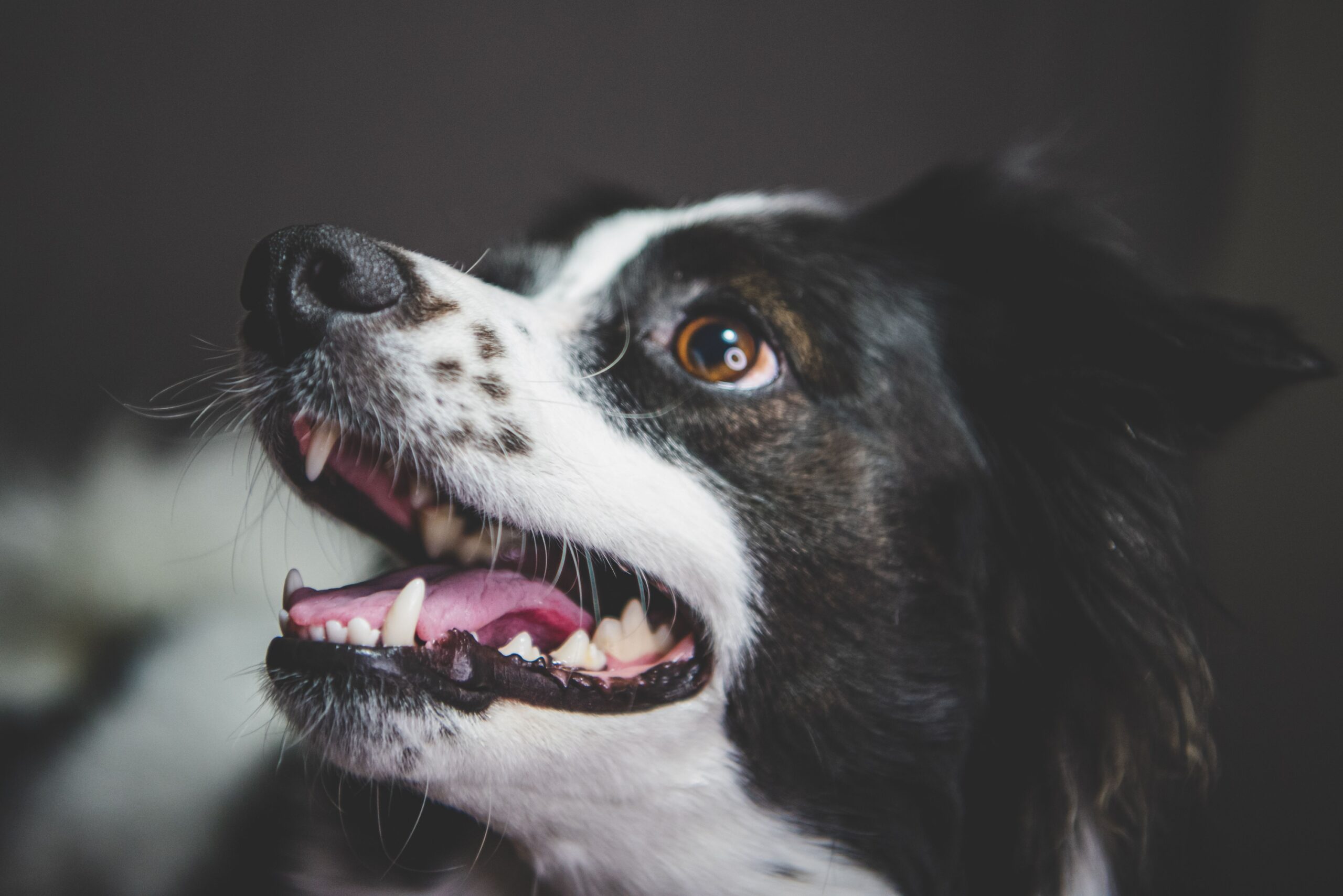
Most dog owners scroll right past their pet’s mouth like it’s just where the teeth live. Vets see it completely differently – to them, a dog’s gums are basically a live health monitor, flashing warnings long before bloodwork, X-rays, or ultrasounds ever confirm a diagnosis.
Vets read gums in the first ten seconds of an exam, and what they see there often predicts the lab results before the needle ever goes in. Most people think gum color only matters for bad breath or a dental cleaning. That’s not even close to the full story, and once you know what to look for, you’ll never glance at your dog’s mouth the same way again.
#1 – The “Bubble-Gum Pink” Baseline Everyone Gets Wrong
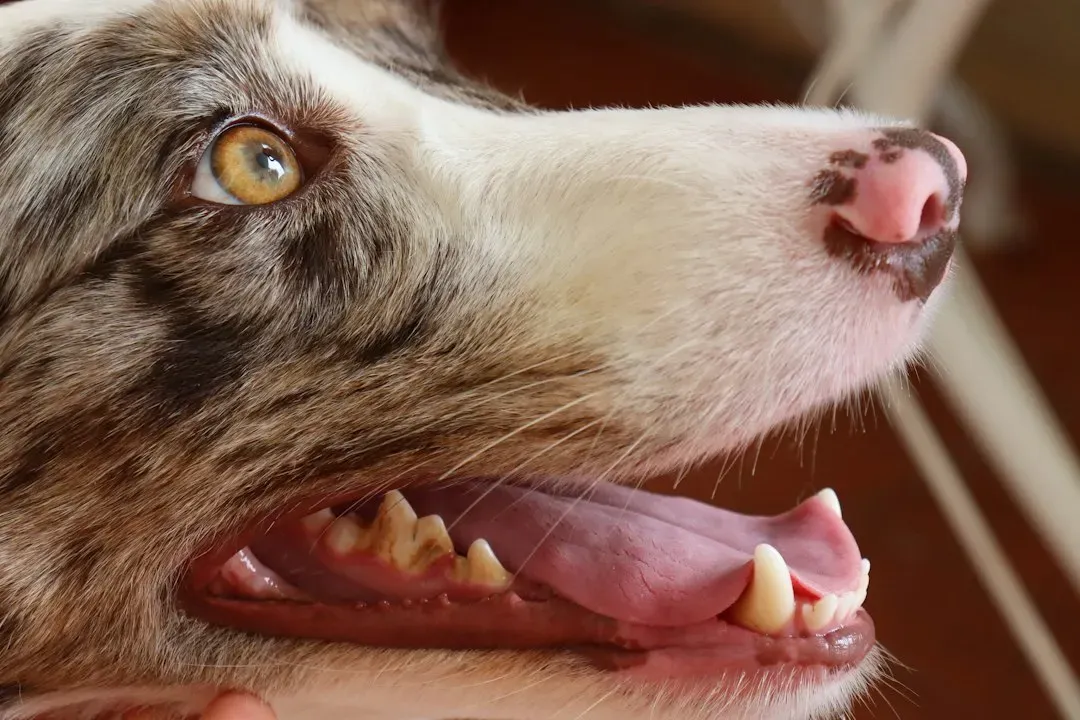
Healthy gums have a very specific color, and it’s not just “pink.” Vets describe it almost like a food comparison, because that’s genuinely the easiest way to picture it.
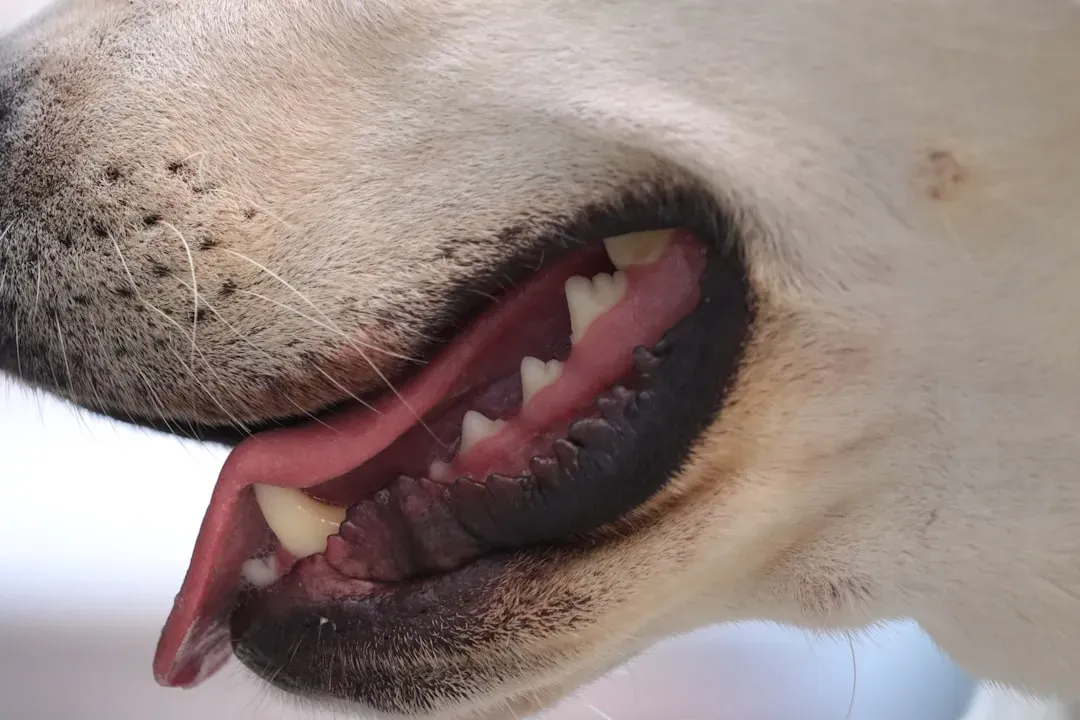
Healthy dog gums are usually a light, powdery pink, often compared to the color of cooked shrimp – a shade that signals normal blood flow and oxygen levels. That comparison isn’t random. It’s the exact tone vets are trained to look for in the first three seconds of a physical exam.
Here’s the part most owners miss: this baseline can shift by breed. Some dogs naturally have pigmented or spotted gums that are still perfectly normal. So before you panic over a dark patch, learn your own dog’s “normal” first. Vets don’t diagnose off one glance – they compare current color to what’s typical for that specific animal, and that habit alone has caught problems weeks before a formal test ever confirmed them.
Fast Facts
- Healthy gum color: light, powdery pink, similar to cooked shrimp
- Vets check gum color within the first 3 seconds of an exam
- Normal capillary refill time: 1 to 2 seconds
- Some breeds naturally have pigmented or spotted gums – not automatically a warning sign
#2 – The Two-Second Finger Test Vets Do Before Anything Else
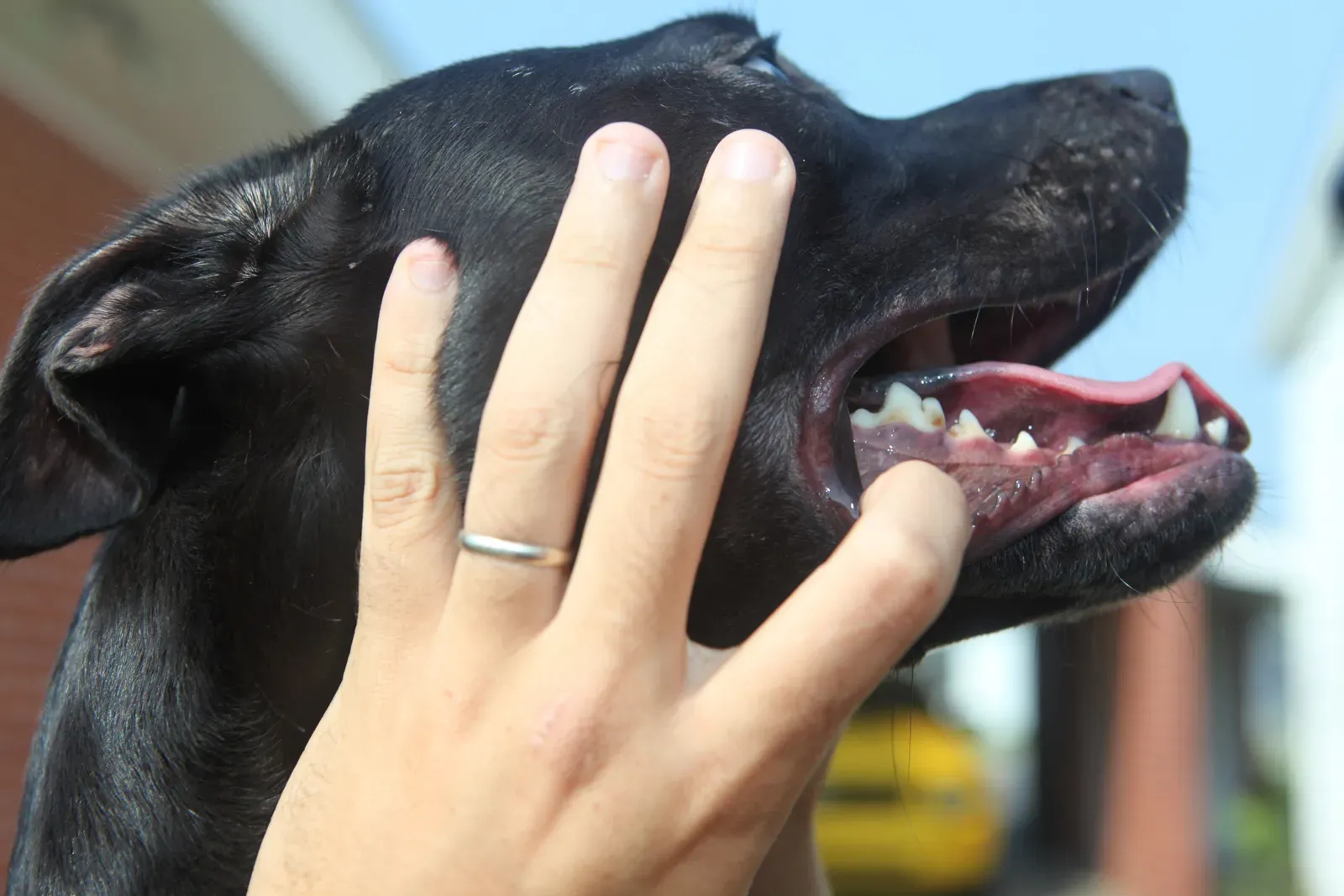
Before a single vial of blood gets drawn, vets are already pressing on the gums and quietly timing it in their head.
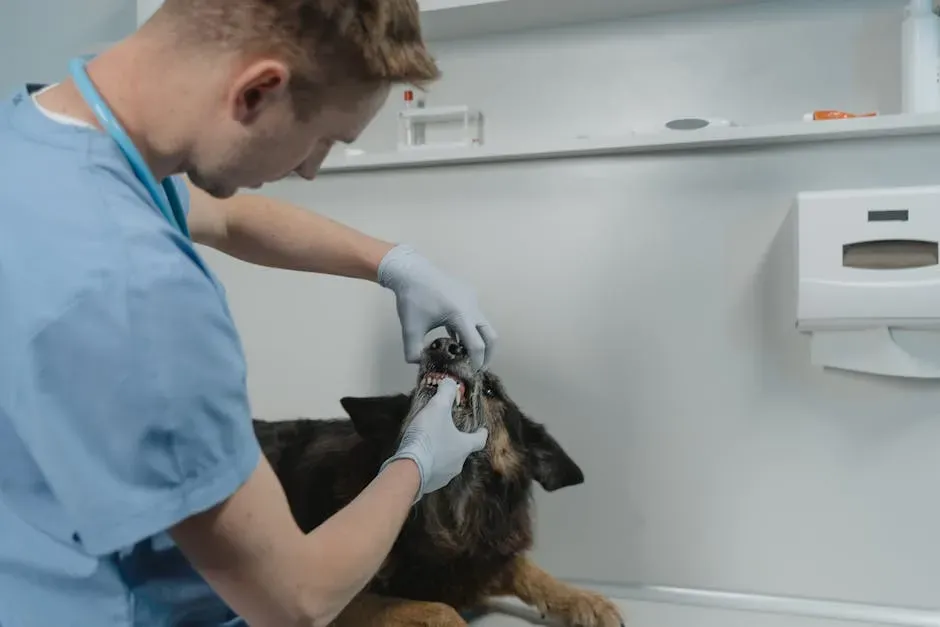
It’s called capillary refill time, and it’s one of the fastest ways to check circulation without any equipment at all. Press a finger lightly on the gum, release, and watch. The spot should turn pale and then flood back to pink within 1 to 2 seconds. It costs nothing, takes five seconds, and reveals more than most owners would ever guess.
Anything slower than that window is a red flag vets take seriously, often before they’ve ordered a single lab panel. It’s one of the cheapest, fastest diagnostic tools in all of veterinary medicine – and most pet owners have genuinely never heard of it. The next color change on this list, though, is the one that sends owners straight to the emergency room.
#3 – Pale or White Gums: The Anemia Warning Sign

This is arguably the single most alarming gum color change, and vets treat it as an emergency until proven otherwise.
Pale pink or white gums are the most obvious clinical sign of anemia, often paired with weakness, lethargy, poor appetite, or shortness of breath. Left untreated, anemia can be fatal. This is never a “wait and see” situation – it’s a same-day vet visit, full stop.
The tricky part is where the blood loss comes from. It can be trauma, but it can also be a severe flea or tick infestation. Most owners assume fleas are just itchy and annoying. It turns out that in severe cases, fleas alone can drain enough blood to turn a dog’s gums white – a fact most pet owners never connect until a vet explains it mid-emergency.
#4 – Sticky or Tacky Gums Mean Dehydration Nobody Noticed
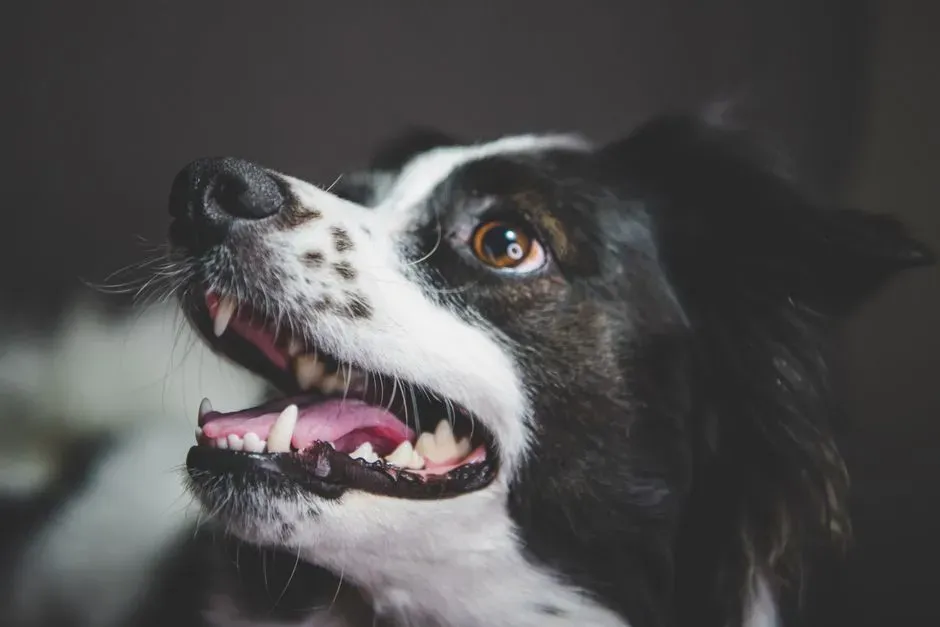
Texture matters just as much as color, and this is one vets check with a bare finger, not just their eyes.
Gums that feel sticky or dry can point straight to dehydration, while bleeding gums usually suggest dental disease or trauma instead. Most people assume dehydration only shows up through lethargy or a dry nose. Actually, sticky gums often show up first, before the dog’s behavior changes at all.
Healthy gums feel completely different to the touch – moist, smooth, and tight against the tooth line. If a dog’s gums feel like they’re dragging against your finger instead of gliding, that’s often the earliest physical clue something’s wrong, well before bloodwork ever confirms an electrolyte imbalance.
#5 – Cherry-Red Gums Aren’t a “Healthy Glow”
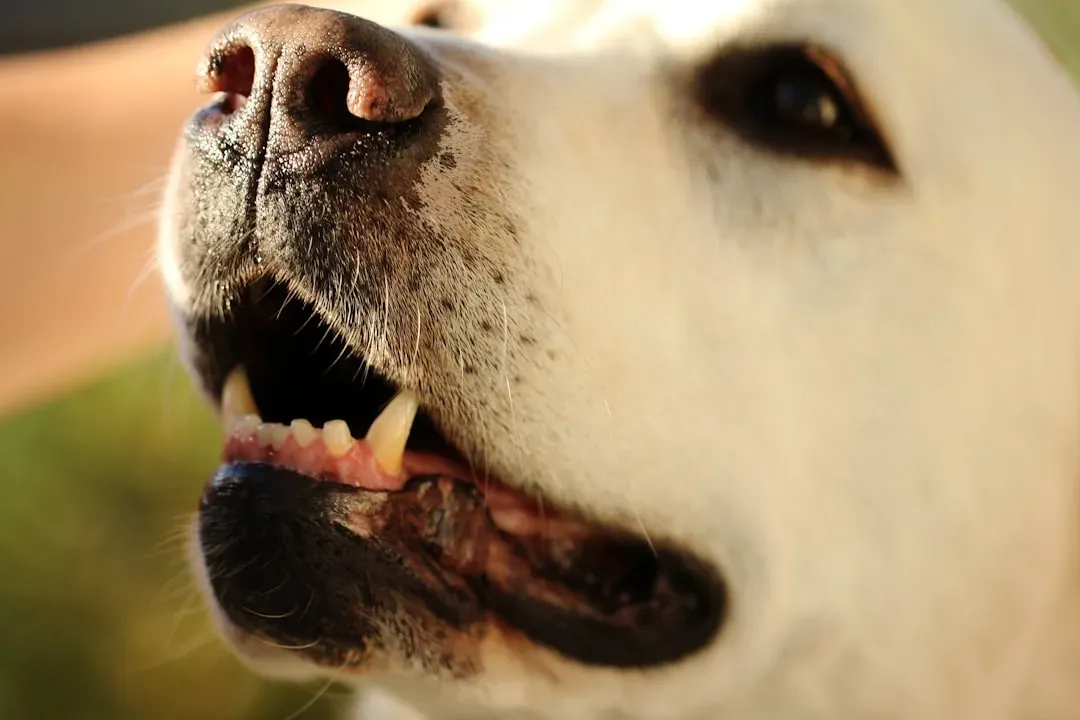
A lot of owners assume redder gums mean better blood flow. Vets say the opposite is often true.
Cherry-red gums can signal toxin exposure, heatstroke, carbon monoxide poisoning, or dangerously high blood pressure. This isn’t a subtle shade difference. It’s often described as unmistakably vivid, almost alarming in person, and it doesn’t take a trained eye to notice it.
Most people don’t realize heatstroke shows up in the mouth before it shows up in behavior. By the time a dog is visibly panting and struggling outside, the gums may have already been screaming trouble for several minutes.
#6 – Yellow Gums Are Screaming About the Liver

Jaundice doesn’t just affect people. Dogs show it in almost the exact same visible way, right in the mouth.
Yellow gums can indicate liver disease or immune-mediated conditions affecting red blood cells. This yellow tint isn’t subtle once it appears – it’s often visible even in dim lighting, which is exactly why vets check gums under a flashlight during routine exams.
The causes go well beyond a simple liver problem, too. Yellowing can point to liver shunt, hepatitis, leptospirosis, or the destruction of red blood cells. Secretly, this one color change can point to five or six completely different diagnoses, which is exactly why vets never guess – they move straight to bloodwork the moment yellow gums appear.
Quick Compare
- Liver disease – gradual yellowing, often paired with low energy
- Immune-mediated blood cell destruction – fast onset, needs urgent bloodwork
- Leptospirosis – yellow tint plus fever or muscle soreness
- Liver shunt – more common in young or small-breed dogs
#7 – Blue or Purple Gums Mean the Body Is Suffocating
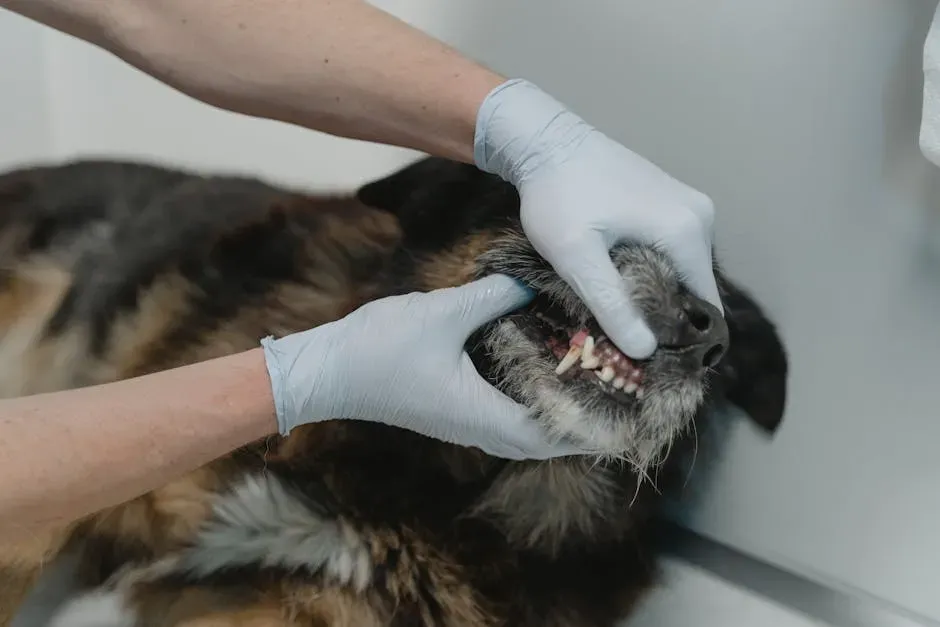
This is the color that makes even calm veterinarians move fast, no hesitation involved.
Gums that turn blue or purple signal oxygen deprivation, known as cyanosis, usually caused by respiratory issues, heart problems, or an airway blockage. This isn’t something anyone monitors overnight. It’s treated as a true emergency in nearly every clinical setting, every single time.
Most owners have never even heard the word cyanosis until a vet says it out loud in a room that suddenly feels very tense. By that point, oxygen therapy – not a diagnostic test – is usually the very first move.
#8 – Gray Gums Point to Shock, Not Just “Being Tired”
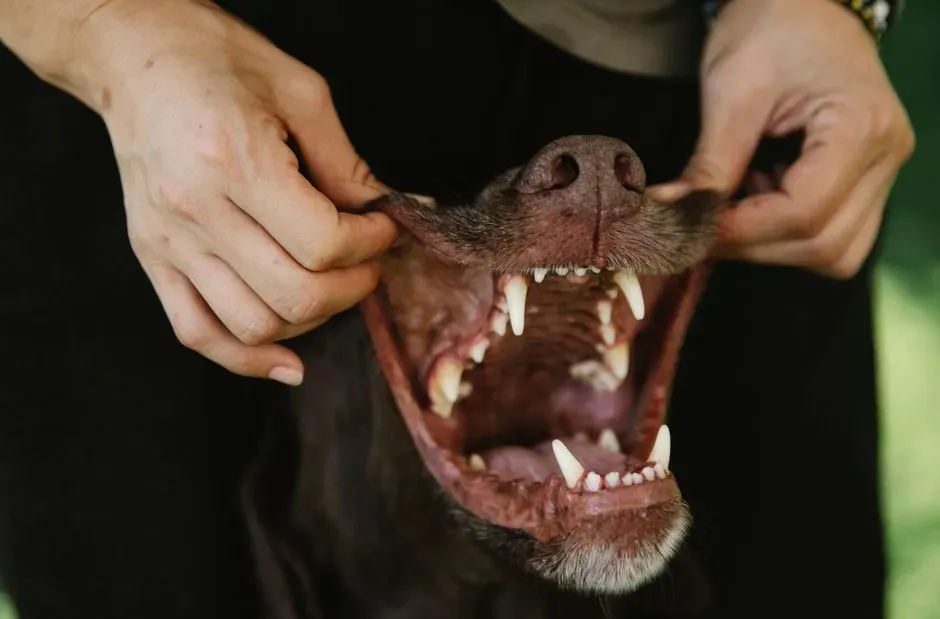
Gray is one of the most overlooked gum colors, mostly because owners mistake it for plain paleness at a glance.
Gray gums are a possible sign of shock or poor blood flow, potentially linked to severe dehydration or cardiovascular collapse. This distinction matters – gray and white aren’t the same warning, even though they can look nearly identical in a quick check.
It turns out the exact shade of gray often tells vets whether they’re dealing with a cardiovascular issue versus a blood-loss issue, and that distinction changes the entire treatment plan before a single test result even comes back.
#9 – Bleeding or Swollen Gums Signal More Than Bad Breath
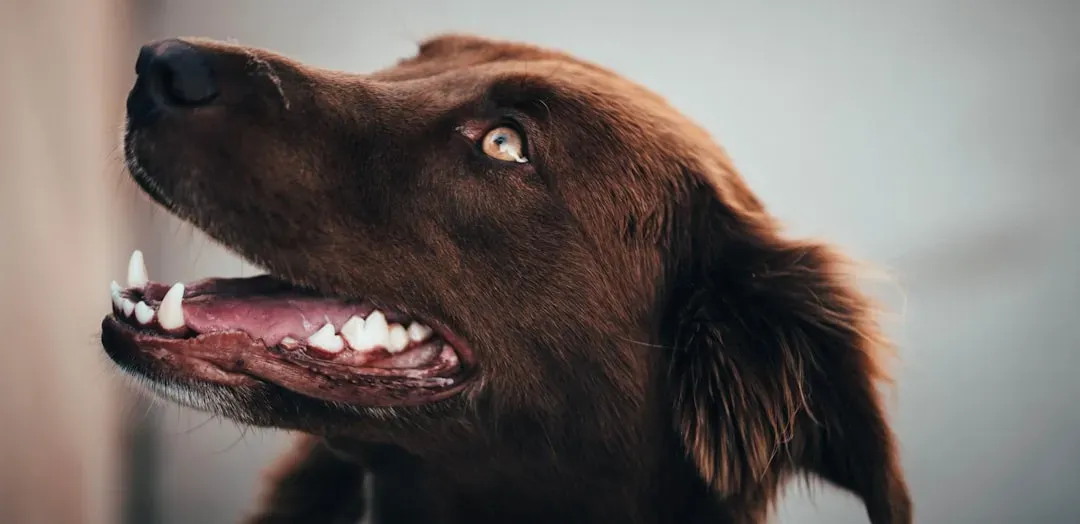
This one gets dismissed constantly, mostly because owners assume it’s just tartar buildup and nothing more.
Redness usually reflects irritation or infection – dogs with red gums often have inflammation linked to plaque, tartar, or an immune response, and the tissue may look glossy, swollen, or tender. That glossy texture is the detail most owners never notice until a vet points it out directly.
But bleeding isn’t always dental. Bleeding and inflamed gums usually point to gingivitis, but they can also signal a clotting disorder. Most people don’t realize a clotting problem can look almost identical to simple gingivitis, which is exactly why vets never rely on visual inspection alone when bleeding shows up.
Worth Knowing
- Glossy, swollen tissue – usually plaque or tartar-related inflammation
- Bleeding with no visible tartar buildup – possible clotting disorder
- Chronic bad breath plus bleeding – classic gingivitis combination
- Sudden, unexplained bleeding – worth a same-week vet check, not a wait-and-see
#10 – Tiny Red Spots (Petechiae) Are a Hidden Bleeding Disorder Clue

This is one of the most commonly missed warning signs, simply because the spots themselves are genuinely tiny.
Spotted or mottled gums can be normal in some dogs, but if new spots suddenly appear, it could be petechiae – little dark-red dots that indicate a bleeding disorder. The keyword here is “suddenly.” Long-standing spots are usually harmless pigmentation and nothing more.
That distinction is exactly why vets always ask owners, “Has this always looked like this, or is it new?” Secretly, that one question often does more diagnostic work than the entire physical exam, because a timeline change is one of the strongest predictors of a real bleeding disorder versus normal breed pigmentation.
#11 – Normal Pigmentation vs. Changing Spots: The Line Vets Actually Care About
This one exists because so many owners panic over completely harmless gum coloring that was never a problem to begin with.
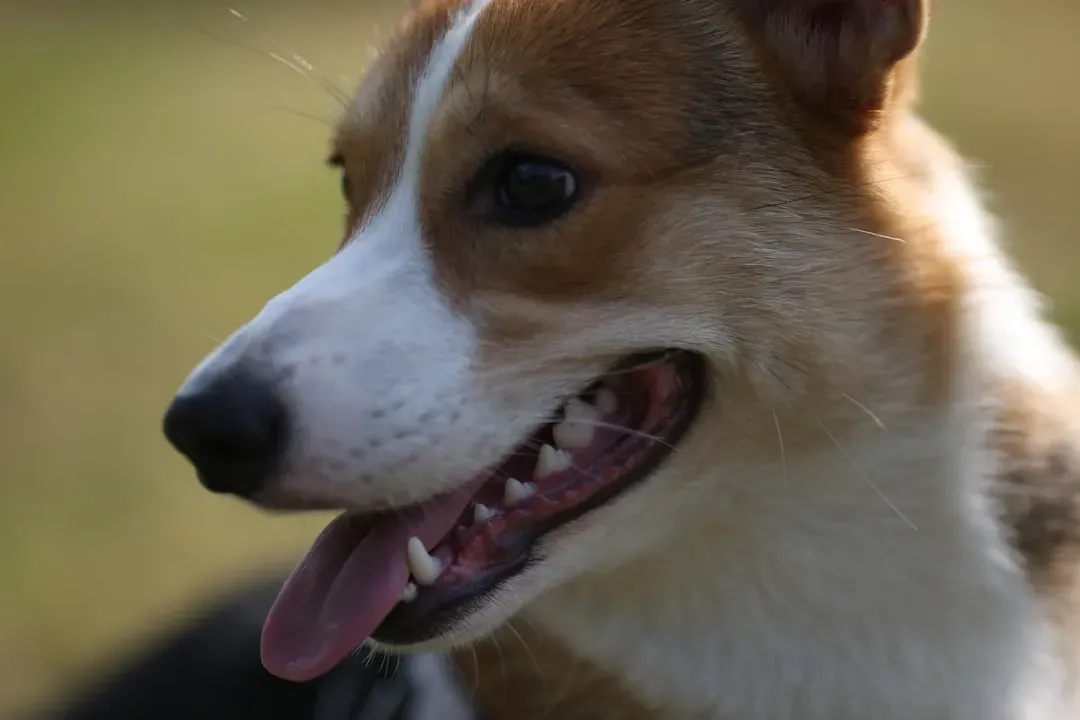
Gum color naturally varies with age and breed – puppies often have lighter gums, older dogs may darken over time, and certain breeds have spotted or pigmented gums as a normal trait. This is one of the most reassuring facts in veterinary care, yet it rarely gets mentioned outside a clinic.
Brown or black spots can be totally normal in certain breeds, but new or changing spots deserve closer attention. The slightly controversial take here: most “OMG my dog’s gums look weird” panic posts online are just normal pigmentation. The real concern was never the color itself – it’s whether it’s changing.
#12 – Receding Gums Are a Silent Countdown to Tooth Loss

This one is about texture and structure, not color, and it’s the sign vets say gets ignored the longest.
When the gum recedes and more of the tooth becomes exposed than usual, it’s a sign of underlying disease. It’s also a slow, quiet process. Dogs rarely show pain until the damage is significant, which is exactly why owners miss it for months at a time.
Here’s the mildly controversial part: plenty of pet owners treat “dog breath” as just a personality quirk instead of an early symptom. Odor combined with gum recession is one of the clearest non-invasive predictors of periodontal disease vets see – and it’s almost always visible well before an X-ray ever confirms bone loss underneath.
#13 – Abnormal Refill Speed Is the Ultimate Pre-Test Red Flag
This is the single most telling sign on this entire list, and it’s the one vets trust most before ordering labs.
If color takes longer than 2 seconds to return after a gentle press, that’s a prolonged capillary refill time – a sign blood isn’t moving adequately through the body, possibly pointing to dehydration, anemia, shock, or certain heart conditions. And a refill that’s nearly instant, under 1 second, can be just as abnormal, sometimes signaling fever or very early circulatory changes.
That second detail is the one almost nobody knows. Most people assume faster is always better, but a refill that’s too fast can be just as concerning as one that’s too slow. This single test, done with nothing but a finger, often predicts what an entire blood panel will later confirm. It’s the closest thing to a diagnostic crystal ball that costs absolutely nothing.
At a Glance
- Under 1 second – possible fever or early circulatory change
- 1 to 2 seconds – normal, healthy circulation
- Over 2 seconds – possible dehydration, anemia, shock, or heart trouble
The Bottom Line
A dog’s gums aren’t just mouth tissue. They’re a real-time readout of blood flow, oxygen levels, hydration, and organ function, updating constantly whether anyone’s paying attention or not.
Pale, blue, yellow, or gray gums each point to a distinct emergency, and something as simple as a two-second finger press can reveal circulation problems before any lab result ever does. Most owners never check gums unless something already seems wrong – but vets say this five-second habit catches issues earlier than almost anything else you can do at home for free.
The uncomfortable truth is that most “weird gum” panic online is just normal pigmentation, while the real red flags – sudden spots, slow refill, sticky texture – quietly get ignored for months. Learn your dog’s normal now, while nothing is wrong, because that’s the only way you’ll actually notice the moment something changes.