
12 Things a Vet Nurse Notices Between the Door and the Table
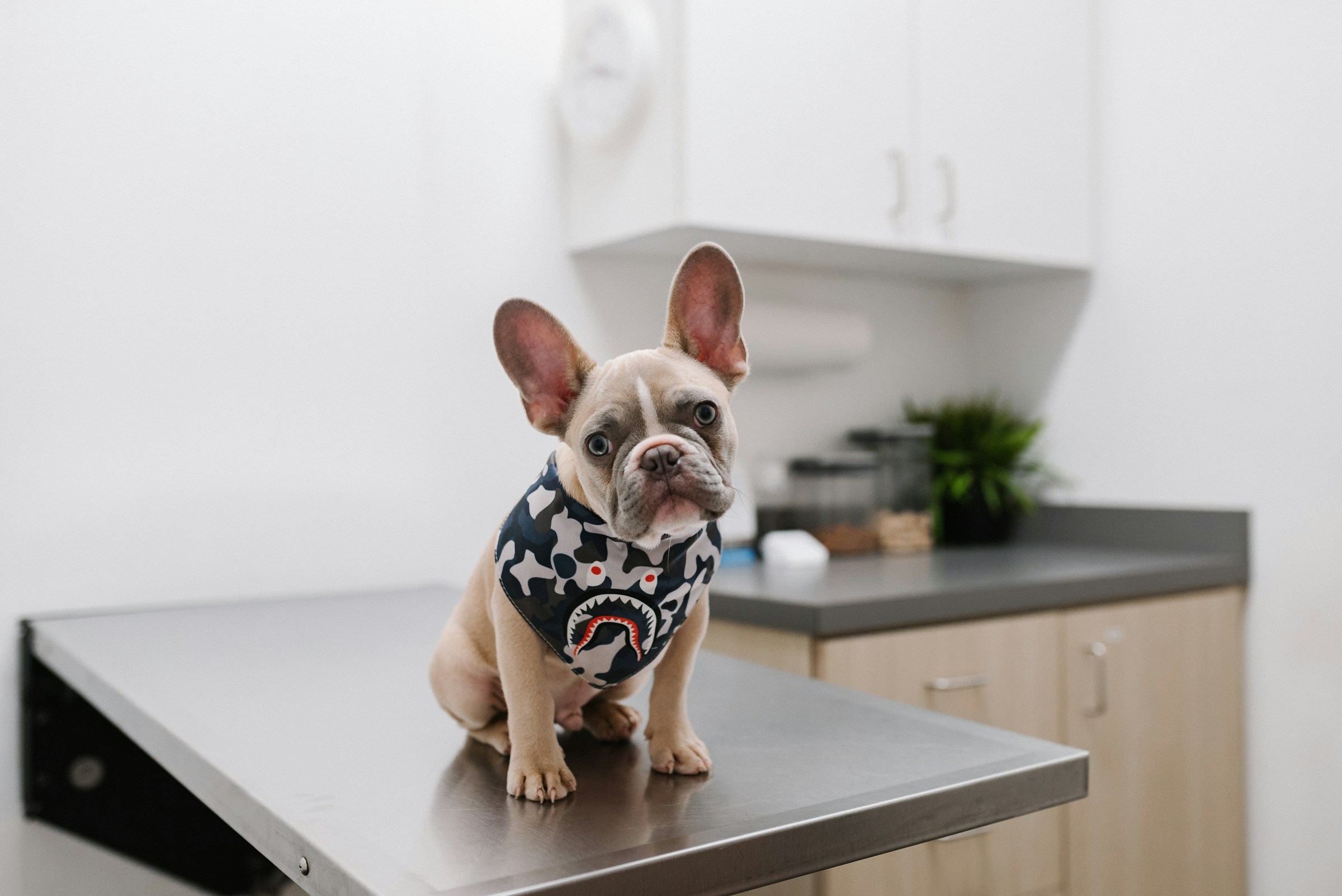
You probably think the appointment starts the moment the vet walks in holding a stethoscope. It doesn’t. By the time you’re sitting in the exam room, the vet nurse has already run a silent read on your pet – and quietly clocked a few things about you, too.
Ten to fifteen seconds. That’s roughly how long it takes to cross a waiting room floor, and for a trained eye, it’s often more revealing than the physical exam that follows. Gait, breathing, posture, even the way you’re gripping the leash – it’s all information, and none of it waits politely for you to explain why you’re there. Here are the twelve things a vet nurse notices before anyone even says hello, and why a few of them matter more than most owners realize.
#1 – The Rhythm of the Walk
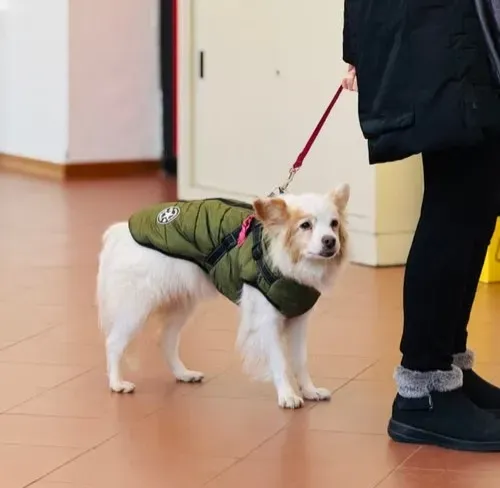
A vet nurse’s eyes go straight to the legs before they even say hello. Gait tells a story that owners often miss entirely, because they see their pet every single day and slowly normalize small changes without noticing.
A slight head bob, a shortened stride, or weight quietly shifted onto three legs can point to early arthritis, a soft tissue injury, or even a neurological issue. Most owners don’t clock a limp until it’s moderate to severe, but nurses are trained to catch asymmetry from across a room. That’s why “he’s been a little slower lately” so often turns into a much bigger conversation once someone actually watches the animal move.
- Uneven stride length between left and right
- Reluctance to bear weight fully on one limb
There’s a slightly controversial belief floating around clinics: many nurses think carpeted waiting rooms actively hide early lameness, because pets compensate differently on soft surfaces than they do on tile or pavement. It’s part of why some clinics now ask owners to walk pets across hard flooring right before check-in. But that’s nothing compared to what we found about #2…
#2 – Breathing Before Anyone Touches Them
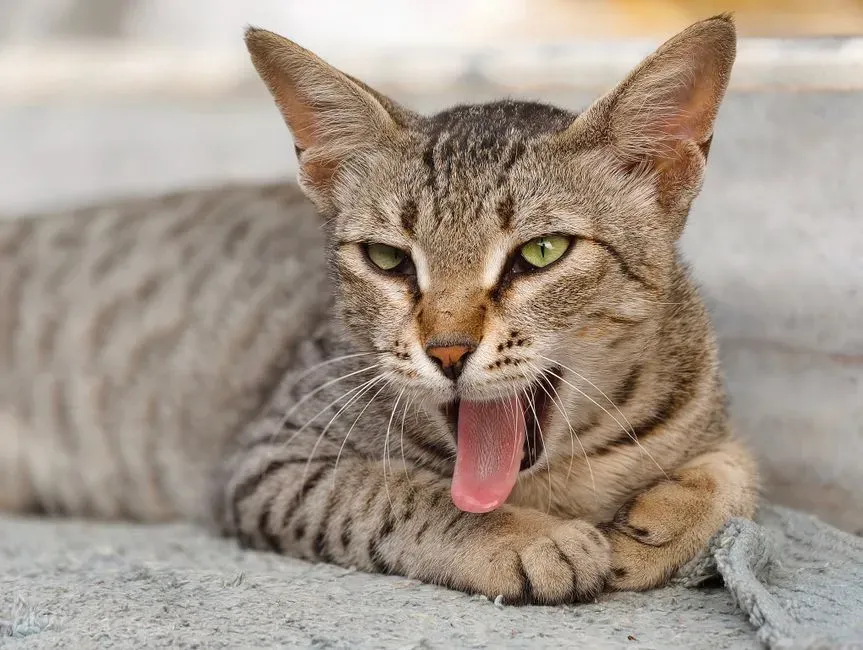
Respiratory effort is one of the fastest, most honest indicators of internal trouble, and it’s visible from several feet away. Vet nurses count breaths per minute almost unconsciously the second an animal walks in, long before any hands-on exam begins.
Rapid, shallow breathing, exaggerated abdominal effort, or open-mouth breathing in cats – which is almost never normal – are red flags that can turn a routine visit into an urgent one in seconds. A cat panting in the lobby gets treated as a potential emergency, not a quirky behavior, because feline respiratory distress can escalate faster than most owners expect.
Fast Facts
- Normal resting rate: roughly 15-30 breaths per minute in dogs
- Normal resting rate: roughly 20-30 breaths per minute in cats
- Open-mouth breathing in cats is almost always treated as urgent
- Panting in dogs can be perfectly normal after heat, excitement, or exercise
Dogs are a little more forgiving, since panting can simply mean heat or excitement. Still, nurses cross-reference it against posture and gum color before the pet has even sat down. Owners rarely think to mention breathing changes because they assume “he’s just excited” – an assumption that has quietly masked heart disease and airway obstruction more often than most people would guess.
#3 – The Tension on the Leash
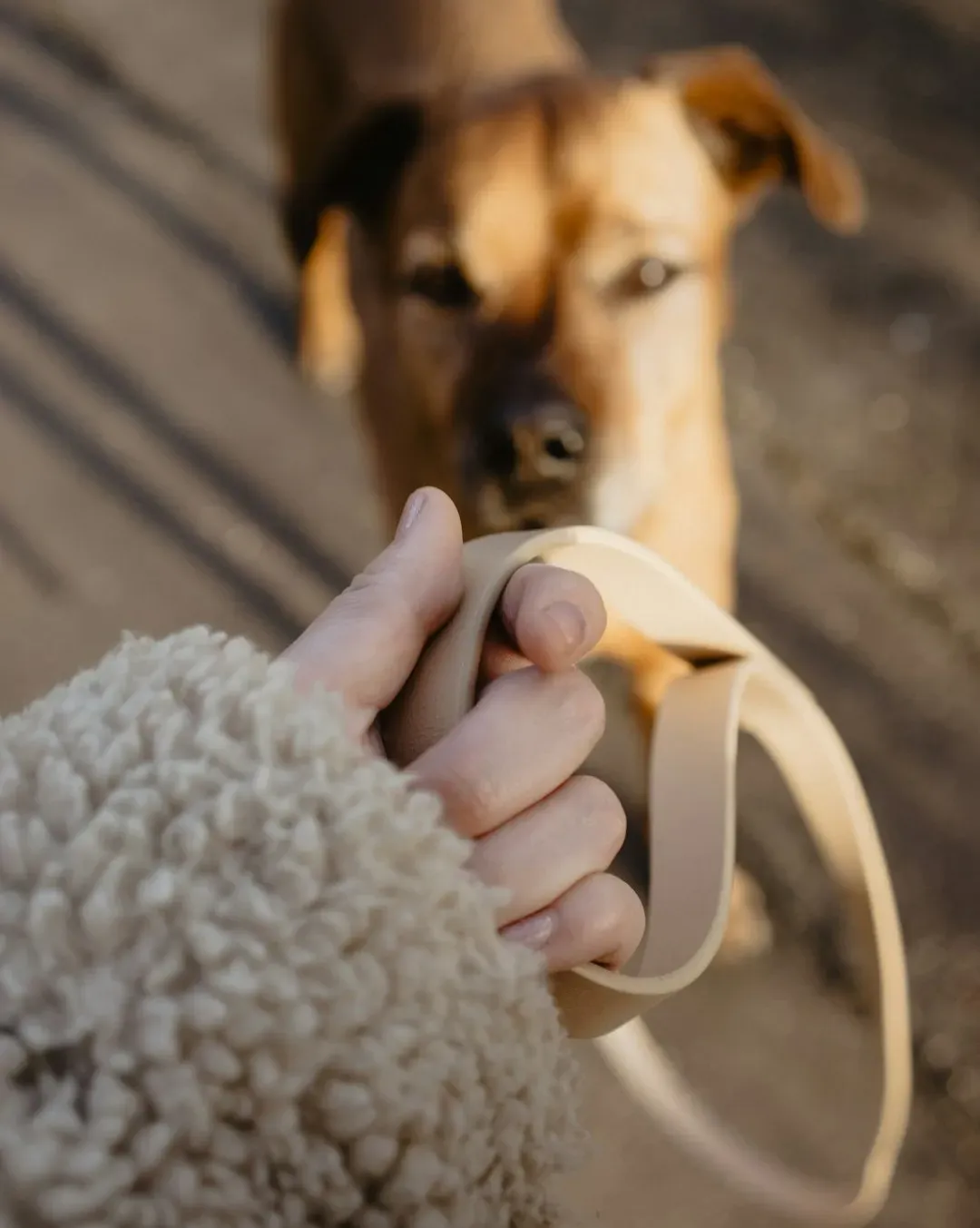
It’s not just the pet being assessed – it’s the human on the other end of the leash. A white-knuckle grip, constant tightening, or an owner physically leaning away from their own dog tells a nurse a lot about the temperament they’re about to handle.
Owner anxiety transfers directly to the animal, and experienced nurses know this better than almost anyone else in the building. A tense human hand often predicts a tense, reactive pet, regardless of breed or size. It’s one of the quietly controversial truths of the job: many professionals privately believe owner behavior causes more handling difficulty than the animal’s actual temperament ever does.
Loose leashes, relaxed shoulders, and a calm voice from the owner almost always mean an easier, faster appointment. Nurses use that read immediately to decide whether extra staff, a muzzle, or calming techniques will be needed before the exam even starts.
#4 – Body Condition at a Glance
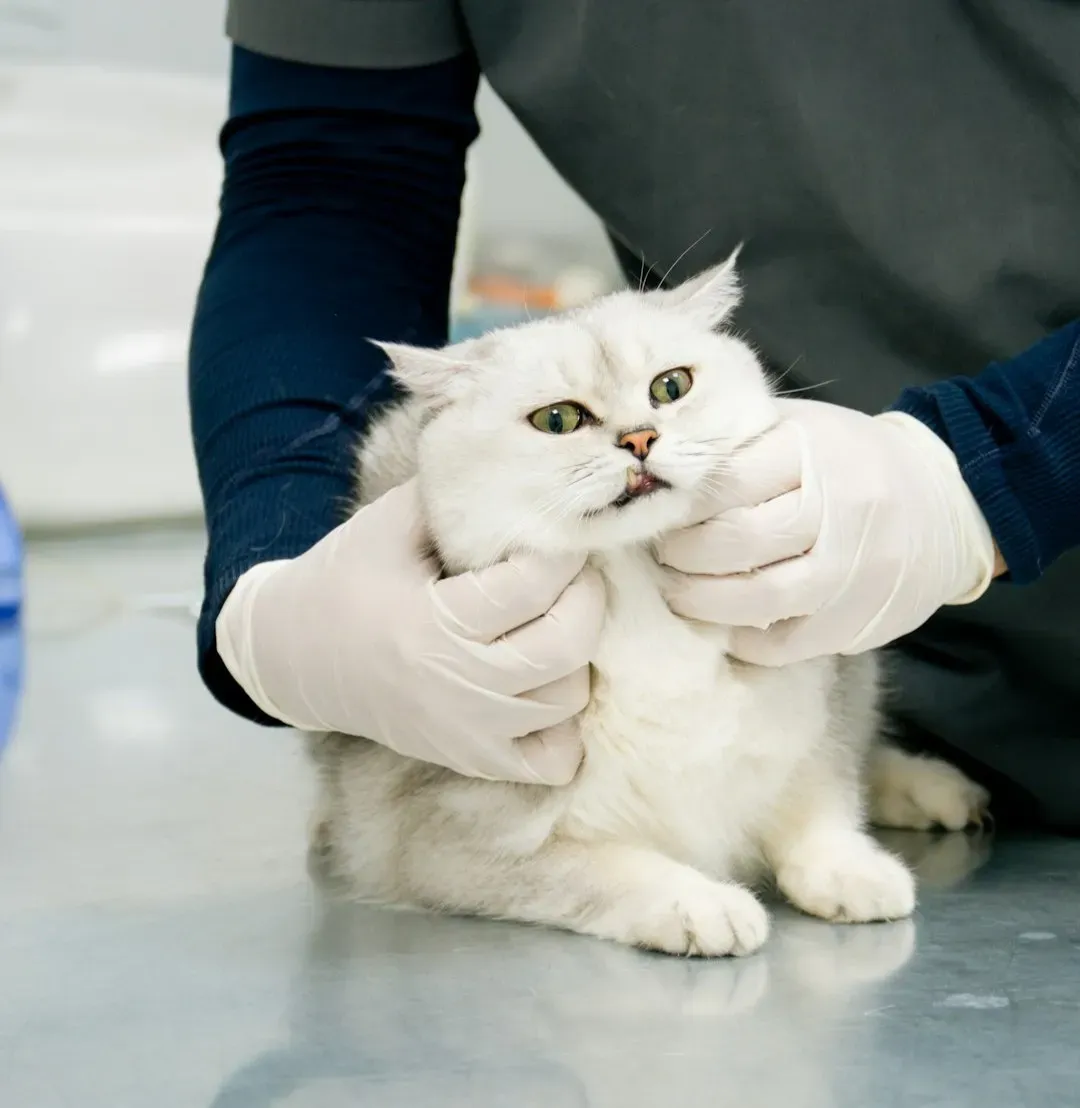
Weight assessment doesn’t wait for the scale. A trained eye scans the ribs, waistline, and abdominal tuck within seconds of a pet entering the building.
Fat padding over the ribs, a sagging belly, or a completely vanished waistline get noted immediately, often before the appointment reason is even confirmed. On the flip side, prominent hip bones, a tucked abdomen, or a visible spine can suggest chronic illness, parasites, or nutritional neglect. Body condition is scored visually first, then confirmed with hands-on palpation later.
Quick Compare
- Underweight: ribs, spine, and hip bones visible with no fat cover
- Ideal: ribs easily felt under a thin layer of fat, visible waist from above
- Overweight: ribs hard to feel, waist and abdominal tuck disappear
This quiet scan matters because owners consistently misjudge their own pet’s weight. Ask any nurse and they’ll tell you the same thing: a pet that’s carried extra weight for years starts to look “normal” to the person who sees it every day, which is exactly why that outside eye at the door catches what conversation alone would miss.
#5 – Coat and Skin Clues
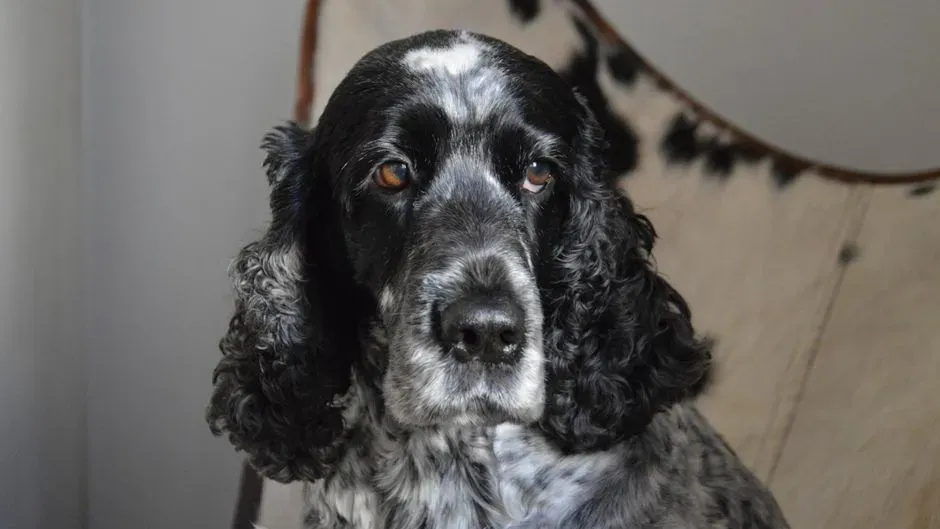
The condition of fur and skin is basically a walking history report. A dull, brittle coat, excessive shedding, or patchy fur loss can point toward thyroid issues, allergies, or nutritional gaps long before any lab work gets ordered.
Nurses are trained to notice greasy coats, flaky skin, or a “moth-eaten” texture almost instinctively, cataloguing it mentally as the pet crosses the room. Redness around the ears, paws, or belly is another early flag, often hinting at allergies or parasites that owners assume is “just seasonal itching.”
- Excessive shedding beyond normal seasonal loss
- Visible hot spots or self-inflicted bald patches
This matters because skin and coat issues are some of the most under-reported problems in general practice. Owners tend to treat itching as background noise rather than a diagnostic clue – but that’s nothing compared to what we found about #6…
#6 – The Smell That Speaks First
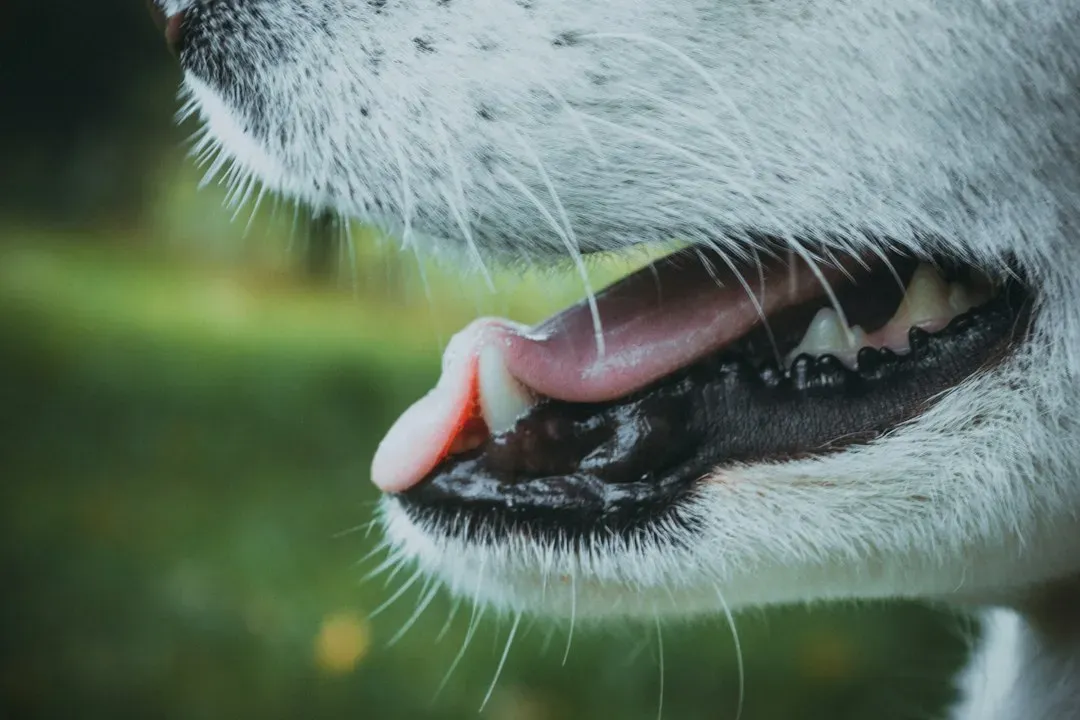
Scent hits before sight sometimes, and vet nurses have learned to treat unusual odors as clinical data rather than something to simply tolerate. A sweet, fruity breath can signal diabetes. A yeasty, musty smell often points to an ear or skin infection. A sharp, ammonia-like odor can hint at kidney trouble.
Most owners go “nose-blind” to their own pet’s smell over time, which is exactly why a fresh set of nostrils in the room catches things that go unnoticed at home. It’s one of the more surprising truths of veterinary triage – smell is treated as real information, not just an unpleasant side effect of pet ownership.
Dental odor is another big one. A foul smell from the mouth is rarely “just bad breath.” It frequently signals periodontal disease, which, left untreated, has been linked to broader health problems in both dogs and cats.
#7 – Eyes and Nose Tell the Truth
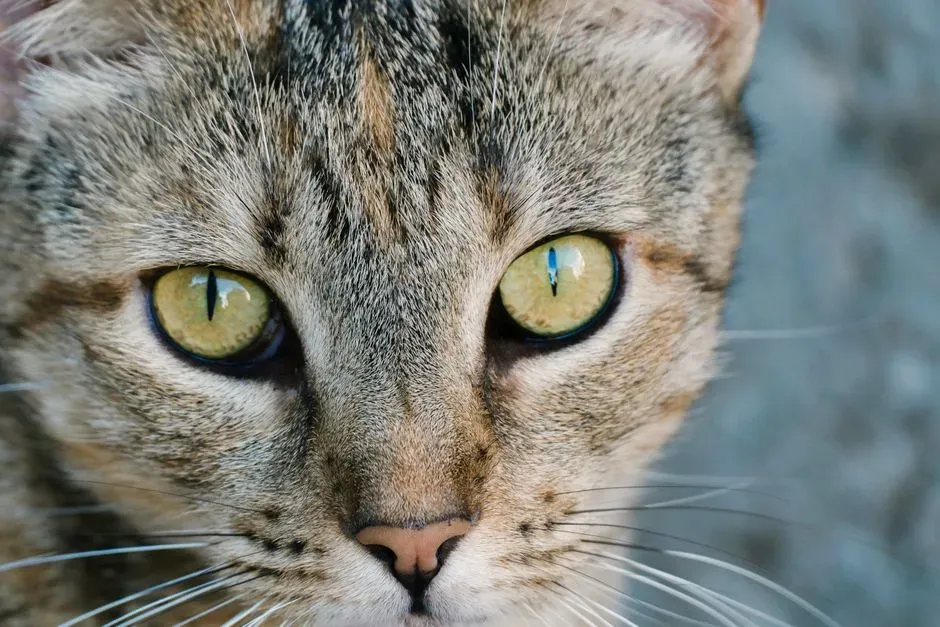
Discharge from the eyes or nose is one of the fastest visual cues a nurse catches on approach. Clear discharge might suggest mild allergies, while thick, colored discharge usually points toward infection.
Squinting, excessive tearing, or a visibly cloudy eye gets flagged immediately, because eye issues can progress fast and sometimes threaten vision if ignored for even a day or two. Nasal discharge paired with sneezing is treated differently depending on whether it’s one-sided or affects both nostrils, since one-sided discharge can point to a foreign object or even a mass.
Worth Knowing
- Clear, watery discharge often means mild irritation or allergies
- Thick yellow or green discharge usually signals a bacterial infection
- One-sided nasal discharge can point to a foreign object or mass
- Sudden squinting or a cloudy eye warrants same-day attention
This is an area where opinions get a little sharp among veterinary professionals: many nurses argue that owners wait far too long to deal with eye issues specifically, often assuming redness will just resolve on its own. In reality, delayed treatment for something like a corneal ulcer can mean the difference between a quick fix and emergency surgery.
#8 – Ears, Tail, and Body Posture
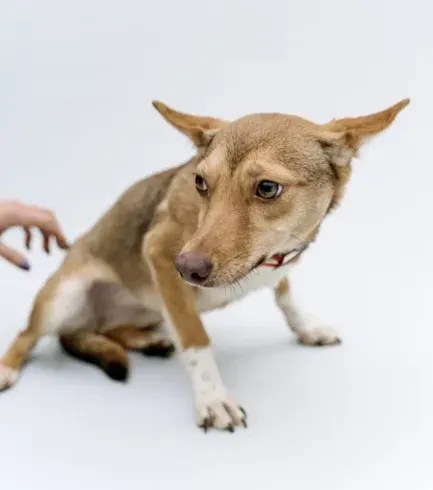
Fear and stress don’t hide well in animals, and posture gives it away instantly. Pinned ears, a tucked tail, a lowered head, or a crouched walking stance are all silent signals of anxiety that a nurse reads before a single word is exchanged with the owner.
A stiff, frozen posture is actually more concerning than an animal that’s visibly trying to flee, because freezing often precedes a defensive bite. That’s counterintuitive to most owners, who assume a “calm-looking” pet is a safe one. Tail position alone can change how a nurse approaches handling entirely – a high, stiff wag reads very differently than a low, loose one, despite both technically being “wagging.”
Recognizing these signals early lets staff adjust their approach on the spot, using slower movements, treats, or extra handling support to keep a stressful visit from turning into an unsafe one for the pet or the people around it.
#9 – The Sounds Before the Symptoms
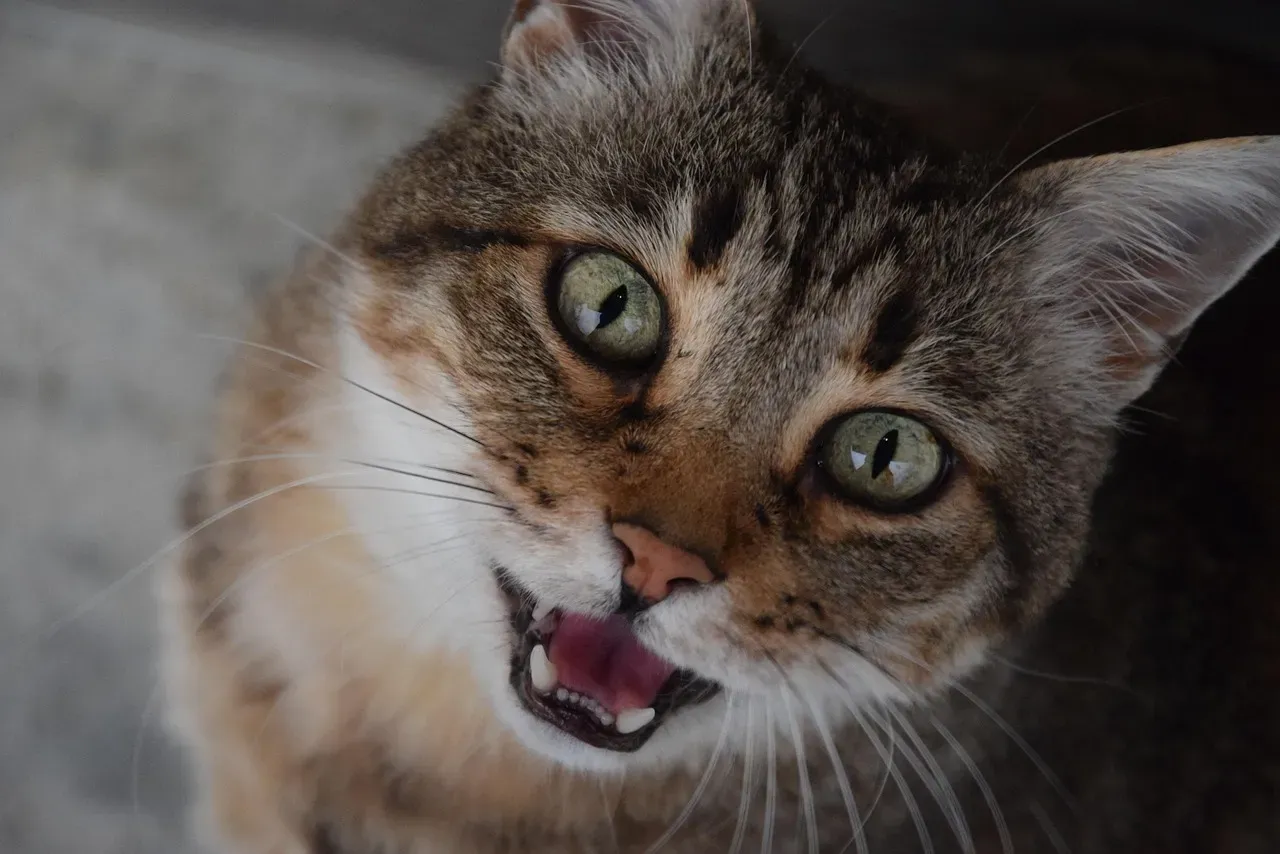
Vocalization patterns carry diagnostic weight that many owners dismiss as personality quirks. Sudden vocal outbursts when touched in a specific spot, or unusual silence from a normally chatty animal, all get noted as the pet moves through the building.
A cat that suddenly goes quiet is often more concerning than one that’s yowling, because pain and illness frequently cause animals to withdraw rather than announce distress loudly. It’s one of the more misunderstood parts of animal behavior – silence is not automatically a good sign.
Dogs that yelp when picked up or shifted a certain way are handing over a direct, unmistakable clue about localized pain, and nurses mentally log the exact moment and body area involved before the appointment even officially begins.
#10 – How Confidently They Enter the Room
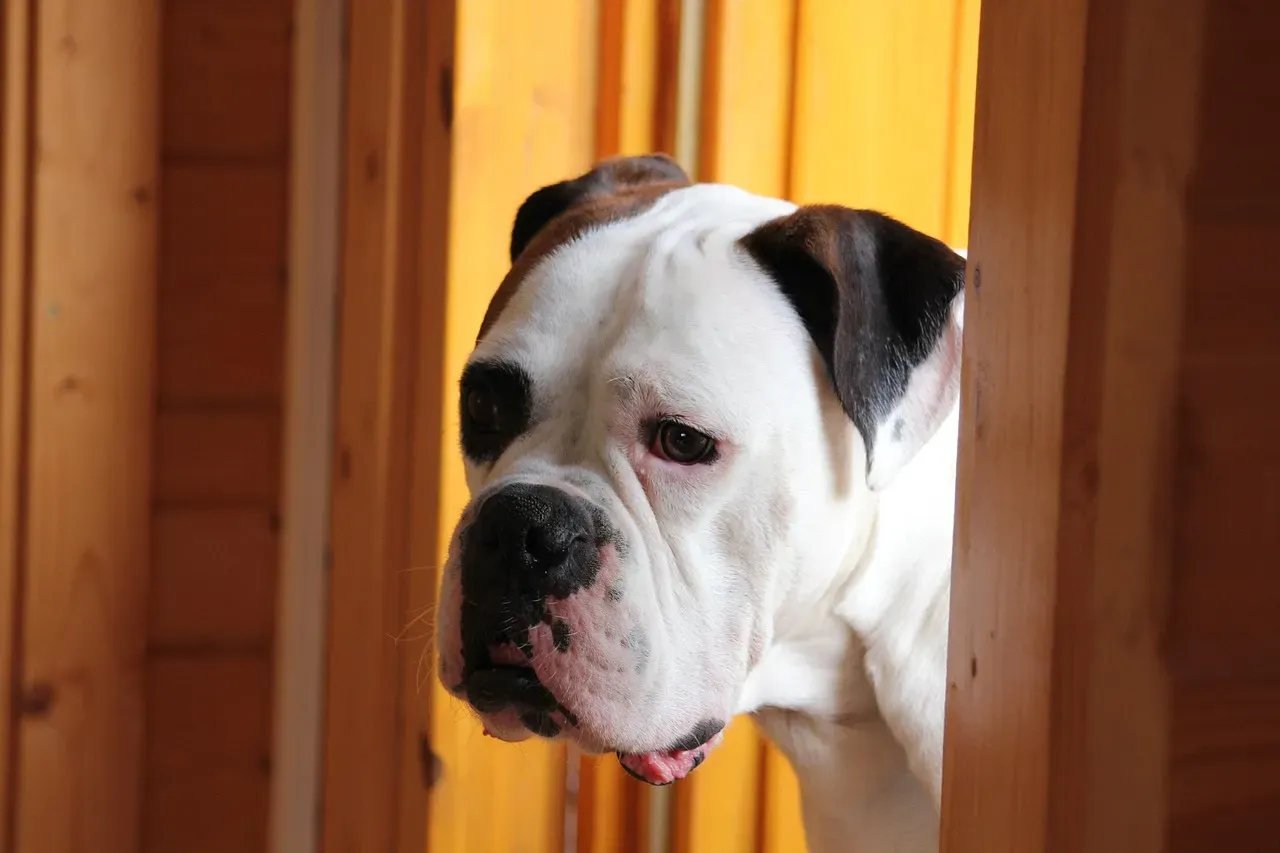
The difference between a pet that trots in curiously and one that has to be coaxed, carried, or dragged says a lot about both temperament and physical comfort. Reluctance to walk forward isn’t always behavioral – it’s frequently physical, especially in older pets developing joint pain.
At a Glance
- Confident pets: relaxed tail, forward ears, sniffing the surroundings
- Hesitant pets: hugging walls, freezing at the threshold, glancing back at the owner
- Physical reluctance: stiff gait, slow to sit, avoiding stairs or ramps
- Behavioral reluctance: pulling toward the exit while still moving fluidly
Confident, exploratory behavior generally suggests a comfortable, low-stress animal, while hesitation, hugging the wall, or repeatedly glancing back at the owner suggests anxiety that will need a gentler, slower approach during the exam.
This single observation shapes the entire rest of the appointment. A nurse who notices hesitation at the door will often adjust room setup, lighting, or even pacing before the veterinarian ever steps in – something most clients never realize is happening behind the scenes.
#11 – What the Owner Says Versus What the Nurse Sees
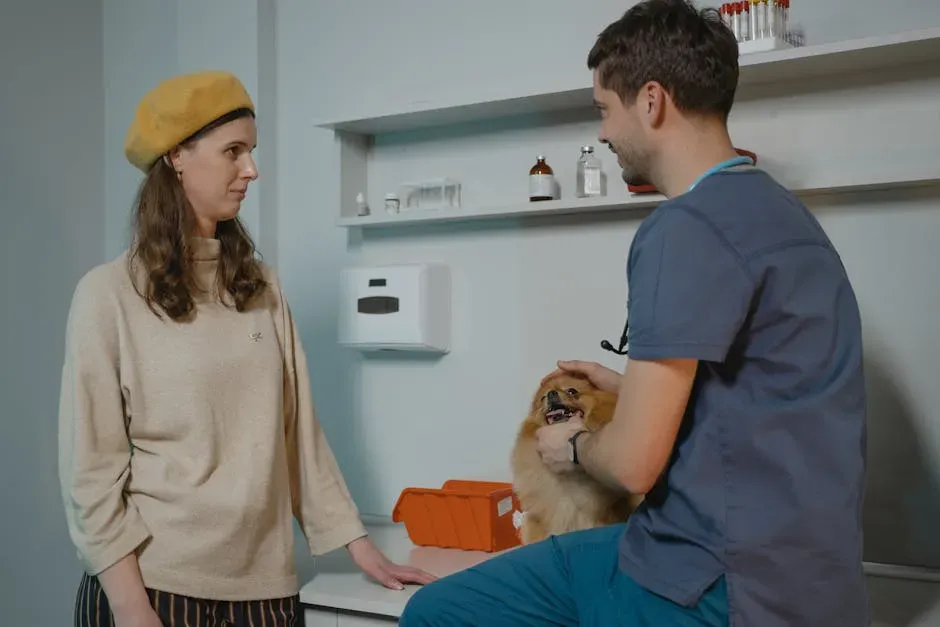
There’s often a real gap between the reported reason for a visit and what’s actually happening physically. An owner might say “just here for a nail trim,” while a nurse simultaneously clocks labored breathing, a skin lesion, or a limp that was never mentioned once.
This mismatch happens far more often than people expect, and it’s one of the quietly controversial realities of veterinary care: many professionals believe owners under-report symptoms not out of neglect, but because chronic conditions develop so gradually that they become the pet’s “new normal” at home.
Nurses are trained to gently probe further when this gap shows up, asking specific follow-up questions that often uncover additional issues the appointment was never actually booked for – turning a simple visit into a far more useful health check.
#12 – The Overall “Gut Feeling” Assessment
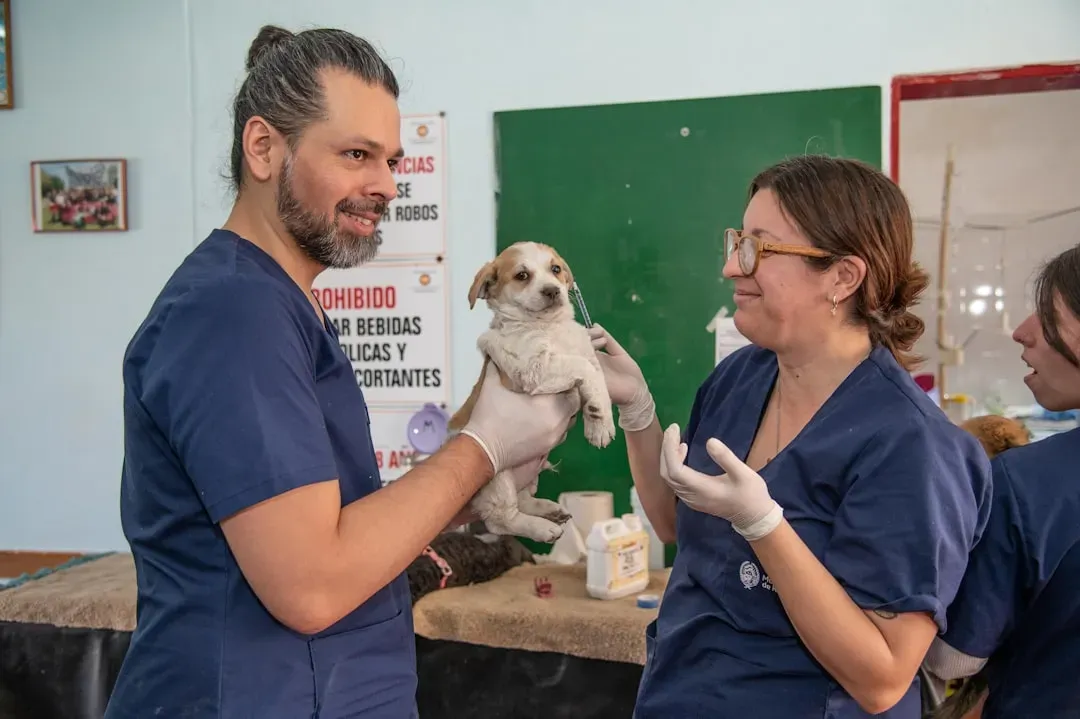
After years of repetition, experienced vet nurses develop an almost instinctive first impression that fuses every observation above into a single read: something is either fine, or something is off. It isn’t mysticism – it’s pattern recognition built from thousands of prior cases.
This “gut feeling” is frequently the single most accurate predictor of how serious a case will turn out to be, even before a single diagnostic test is run. Veterinary professionals often describe walking into a room and immediately sensing whether a pet is “systemically sick” versus simply anxious or mildly unwell, based purely on the composite of gait, breathing, posture, and coat condition observed in those first few seconds.
Trust the animal in front of you more than the history in the chart.
Common teaching in veterinary triage training
This instinct is exactly why triage in veterinary medicine works the way it does. The door-to-table walk isn’t a formality – it’s often the most information-dense moment of the entire visit, compressed into a matter of seconds.
The Bottom Line
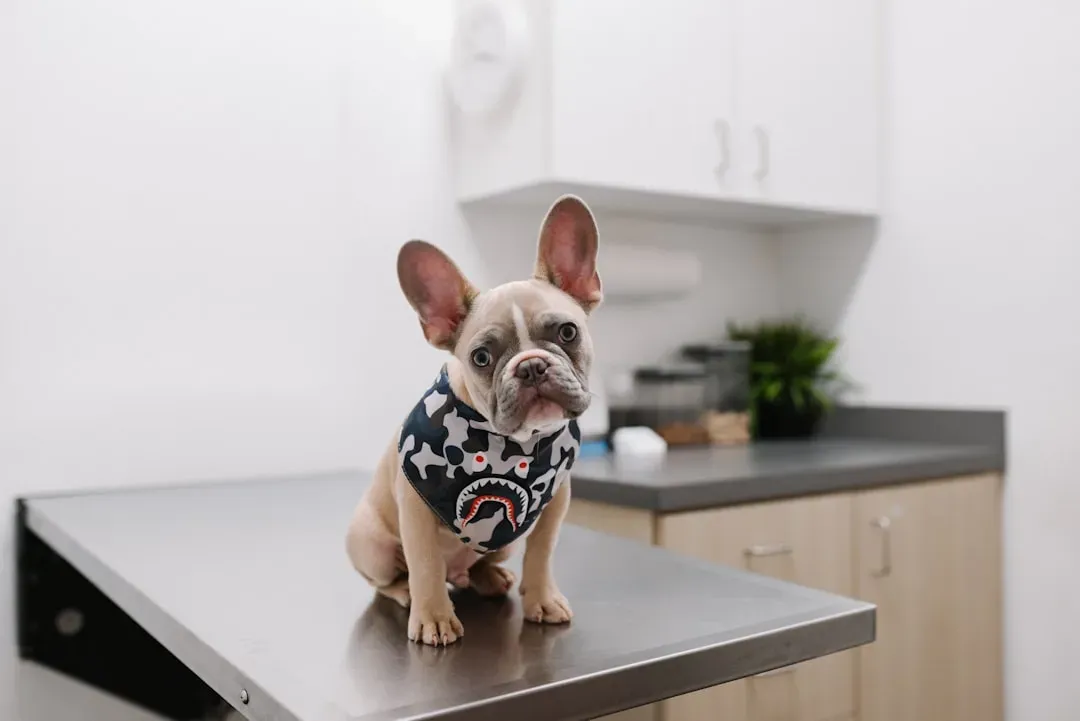
The walk from the door to the exam table isn’t dead time – it’s a full diagnostic window most owners never realize is running. Gait, breathing, coat condition, posture, even smell, are all being silently catalogued before a single question gets asked out loud.
Owner behavior matters just as much as the animal’s does, and that quiet “gut feeling” nurses build over years of repetition is often shockingly accurate. If there’s one opinion worth taking from all of this, it’s this: your pet hasn’t had time to perform for anyone by the time it crosses that lobby, which means the gap between what you say and what actually gets noticed is exactly where most conditions get caught early – or missed entirely.