

You know your dog better than anyone. That is why those small changes – the hesitation at the stairs, the longer naps, the new little quirks – can feel both subtle and heartbreaking at the same time. Aging sneaks up on our dogs, and often the earliest signs that everyday life is getting harder look less like drama and more like a quiet shift in their routines.
This is where paying close attention really matters. Senior dogs rarely “complain” in ways humans easily understand, so they show us instead: through their movement, their sleep, their appetite, even their bathroom habits. The more you recognize these patterns, the sooner you can adjust their world, ease their discomfort, and give them a softer landing in the later chapters of their life. Let’s walk through eight common behaviors that often appear when daily life starts to feel like a challenge for an older dog – and what those changes might be trying to tell you.
1. Slowing Down on Walks and Hesitating at Stairs
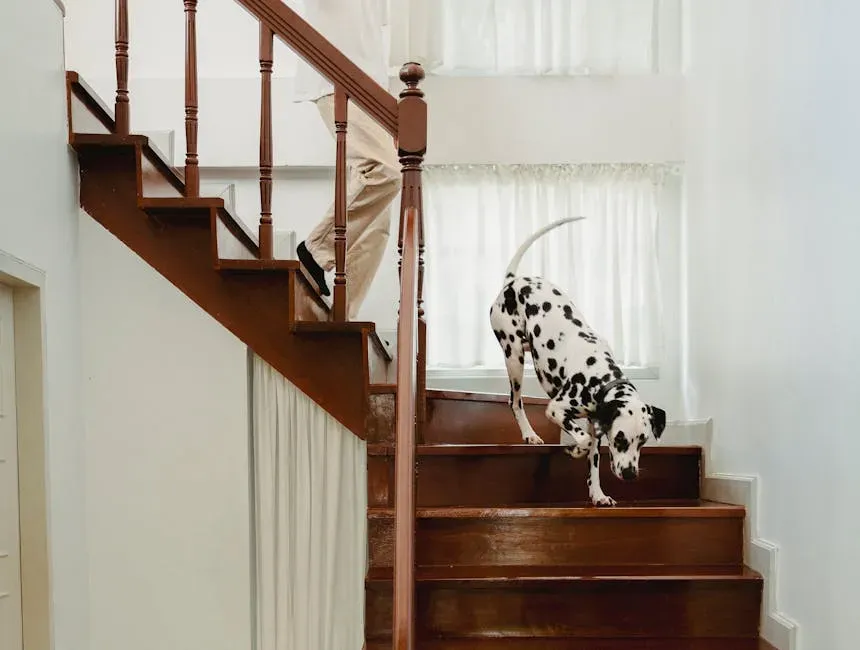
One of the first things many people notice is that their dog is no longer dragging them down the sidewalk like a furry freight train. Instead, senior dogs may lag behind, stop to rest more often, or take much longer to cover the same distance. This can be due to joint pain, muscle loss, heart issues, or simply reduced stamina that comes with age.
Stairs and jumping are another big clue. A dog that once flew onto the couch or leapt into the car may now pause, calculate, or outright refuse. Often this is because going up or down puts pressure on arthritic hips, knees, or a stiff spine. It is not stubbornness; it is self-protection. When you see this, think of it as your dog whispering that they need a different setup: ramps, carpet runners, shorter walks, or more gentle routes.
2. Sleeping More, But Not Always Sleeping Well
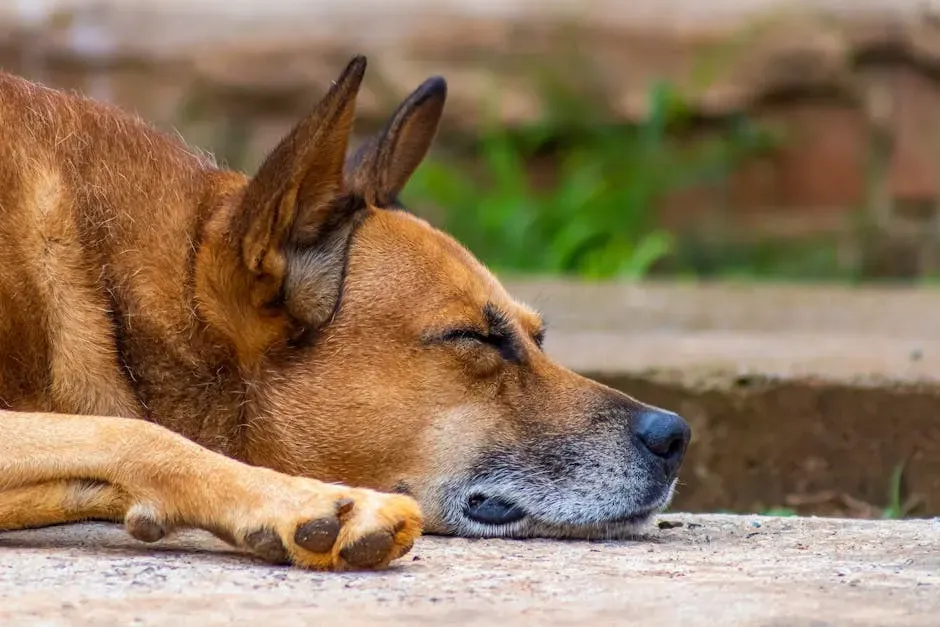
Senior dogs frequently start to sleep more hours in a day, much like older humans. Their bodies need more rest to recover from even ordinary activity, and their metabolism often slows with age. You may notice they choose quieter spots, nap more deeply, or seem less eager to get up and greet you at the door.
At the same time, aging can disrupt the quality of their sleep. Pain, cognitive decline, and changes in brain chemistry can lead to restless nights, pacing, or waking up and wandering. You might hear more nighttime panting or see them switching positions repeatedly as they try to get comfortable. It can be tempting to chalk this up to “just old age,” but sometimes better pain management, a more supportive bed, or adjusting feeding and potty schedules can make a surprisingly big difference.
3. Becoming Clingier, Anxious, or Oddly Distant
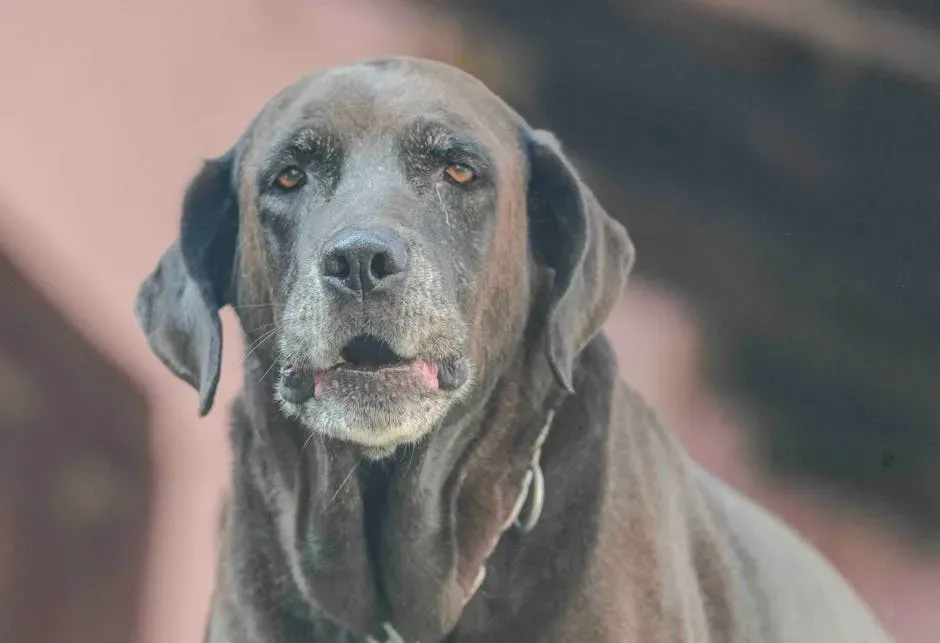
As everyday life gets harder, many older dogs start acting different socially. Some become velcro dogs, following their humans from room to room, unwilling to be alone. Age-related anxiety, hearing or vision loss, and cognitive changes can all make the world feel confusing, so they lean harder on the one thing that still feels safe: you.
Other dogs, though, may do the opposite and withdraw. They spend more time alone, seek quiet corners, or seem less interested in family chaos or younger pets. This can be a sign of pain, fatigue, or early cognitive decline, but it can also be a normal shift in personality as the dog ages. The key is noticing when the pattern changes and asking yourself if something in their body or environment might be stressing them. Emotional changes are often the surface layer of a deeper physical or cognitive issue.
4. Struggling With Jumps, Getting Up, or Simple Movements
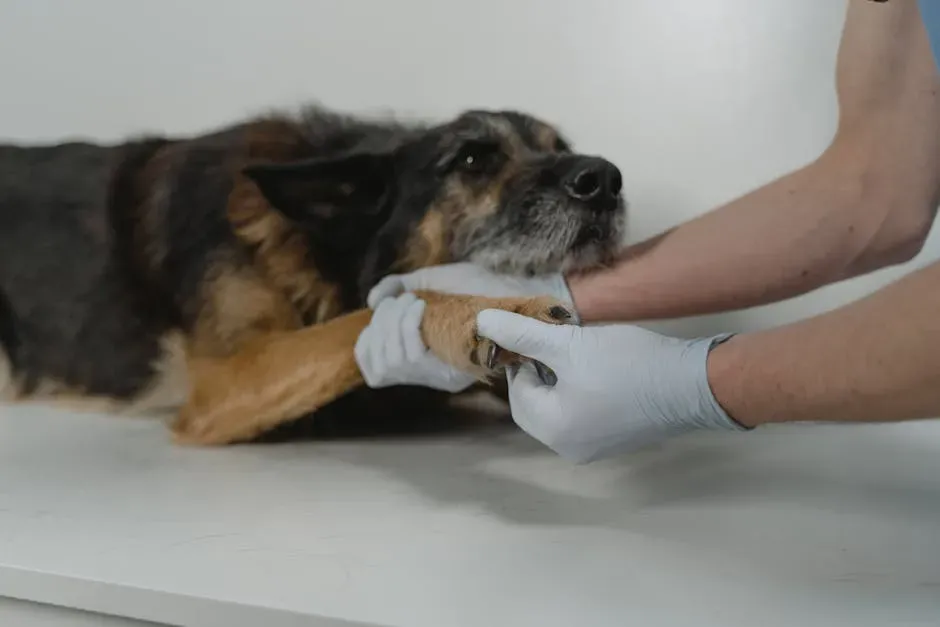
When everyday life becomes physically harder, you will often see it in the little movements your dog used to do without thinking. Getting up from the floor may take more effort and a few extra seconds. They might push with their front legs while their back end seems slow to follow, or they may slip on smooth floors that never gave them trouble before.
Jumping onto the bed, into the car, or even over small obstacles like a doorstep can start to look like a big athletic event. Dogs with arthritis or joint disease will sometimes do a little “preparation” ritual: pacing, circling, or bracing themselves before they finally make the move. To us it can look like fussiness, but in reality they are trying to find a way to do the task with the least pain. Ramps, non-slip rugs, and raised food bowls are not spoiling them; they are disability aids for a body that has done a lot of living.
5. Changing Eating Habits and Developing Picky Preferences
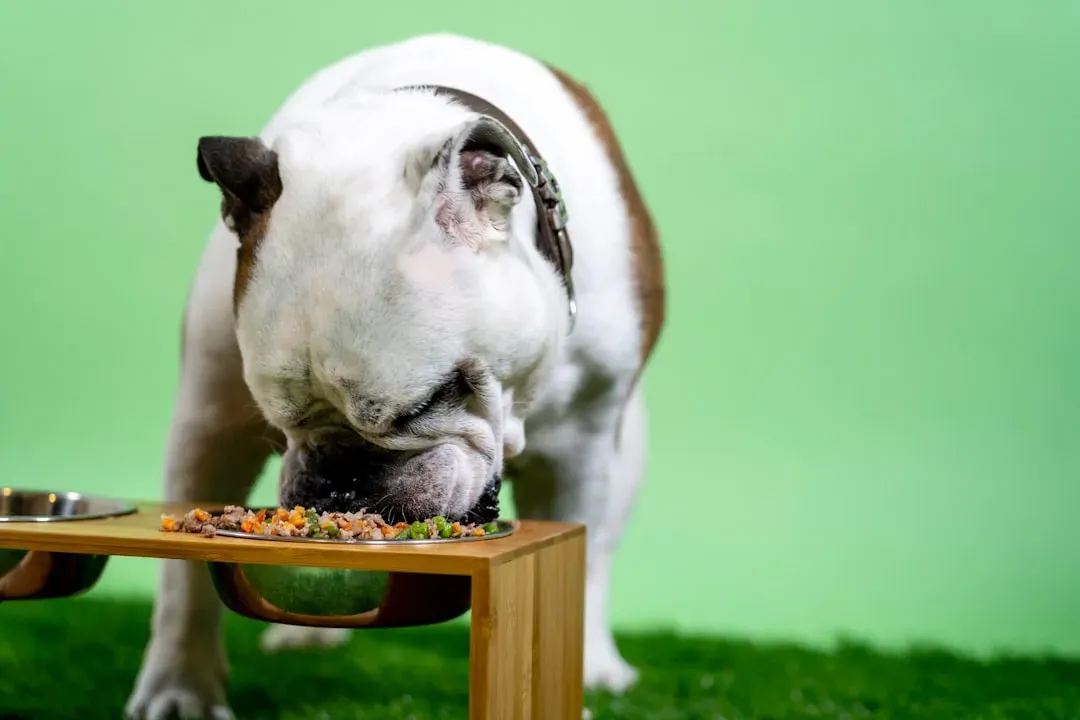
A senior dog who once inhaled every meal in seconds may begin to slow down, pick at food, or skip meals altogether. Dental disease, nausea, pain when chewing, and changes in smell or taste can all make eating less enjoyable. Sometimes it is as simple as the bowl being too low, making it uncomfortable for a sore neck or spine to bend.
On the other hand, some aging dogs suddenly seem hungrier, begging more or waking you up early for breakfast. Hormonal changes, reduced activity, and certain medications can all play a role. Either direction – eating less or demanding more – is a message. When everyday life becomes harder, food can turn into both a comfort and a challenge. Adjusting texture, temperature, bowl height, and portions, under guidance from a vet, can help put joy back into one of your dog’s favorite daily rituals.
6. Having More “Accidents” or Asking Out at Odd Times
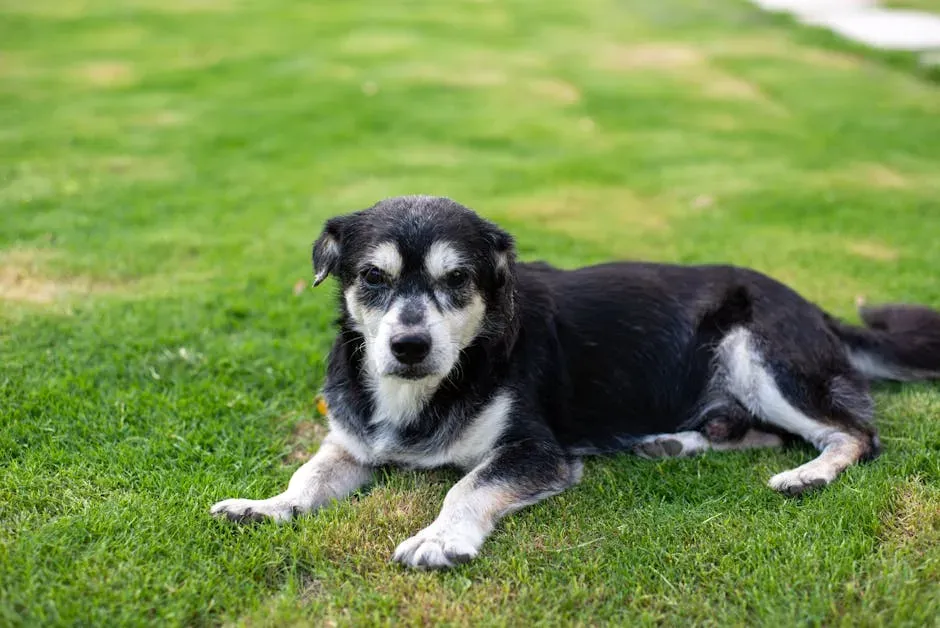
Bathroom habits are one of the clearest windows into how well your senior dog is coping with daily life. A dog that was reliably house-trained for years may suddenly start having accidents indoors. This can be due to weaker bladder control, kidney disease, urinary infections, or simply not being able to hold it as long as before. Cognitive decline can also make them forget old routines or fail to reach the door in time.
You may notice your dog needing to go out more often, especially at night, or drinking more water than usual. Getting outside itself may be harder if there are stairs or a long distance to the yard, which only adds to the problem. It is easy to feel frustrated, but accidents in a senior dog are almost always a medical or physical issue, not a behavioral failure. Puppy pads, more frequent potty breaks, and easier access to outdoor spaces can make life less stressful for both of you.
7. Bumping Into Things, Startling Easily, or Seeming “Confused”
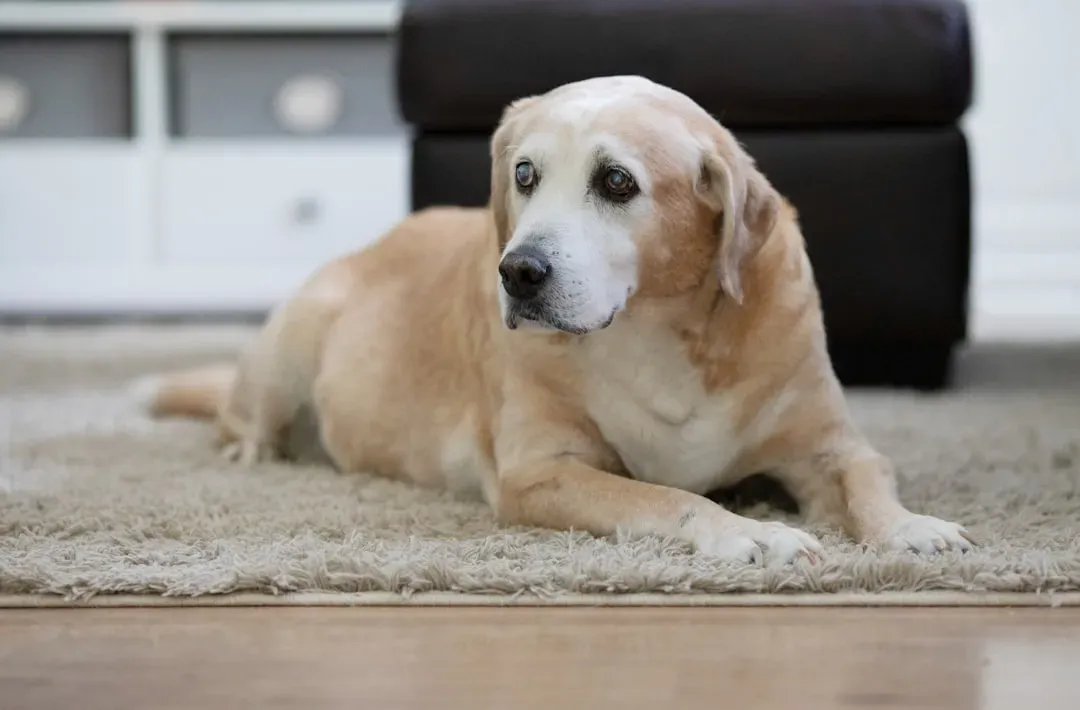
When daily life gets harder for a senior dog, it is often because their senses and brain are not working quite like they used to. Vision and hearing naturally decline with age, and you may see your dog start to bump into furniture, misjudge doorways, or hesitate in low light. They might not hear you call their name, or they may startle when you approach because they did not notice you coming.
Cognitive changes can also show up as getting stuck in corners, staring at walls, pacing aimlessly, or looking lost in familiar places. Some dogs begin to mix up day and night, napping more during the day and wandering anxiously after dark. It can be scary to watch, but it is also a powerful signal that their brain is working harder to make sense of the world. Gentle routines, clear paths through the house, night lights, and calm handling can help them navigate with more confidence.
8. Playing Less, But Seeking Comfort and Connection More

Everyday life for a senior dog is often less about chasing balls and more about quiet companionship. When play becomes physically demanding or uncomfortable, many older dogs simply opt out. They may ignore toys they used to adore or stop joining in with younger dogs. This does not always mean they are miserable; it can also mean their definition of fun has shifted.
What many senior dogs do instead is lean into softer forms of connection. They might seek more gentle petting, slower cuddles, or just lying near you while you work or watch TV. It is a trade: less rough and tumble, more emotional closeness. If you meet them where they are – with brain games instead of high-impact fetch, scent-based enrichment instead of long runs, and lots of calm touch – you will see that their need for joy is still there. It just wears a different costume now.
Conclusion: When Your Dog Starts Whispering, Listen Closely
Older dogs rarely shout their struggles; they whisper them through tiny changes that are easy to brush off as “just getting old.” Slower walks, restless nights, clinginess, accidents, or confusion are not moral failures or signs your dog is being difficult. They are signals that the world has become a bit heavier to carry in that aging body and brain.
From my own experience with senior dogs, the turning point always comes when you stop wishing for the dog they used to be and start designing life around the dog they are now. Softer beds, shorter walks, easier stairs, gentler games, and faster vet visits are not giving up; they are acts of respect for everything your dog has given you over the years. In the end, the real question is not how long we can keep them young, but how kindly we can walk beside them as they grow old. When your dog starts whispering with these small changes, are you ready to listen and answer back with compassion?


