
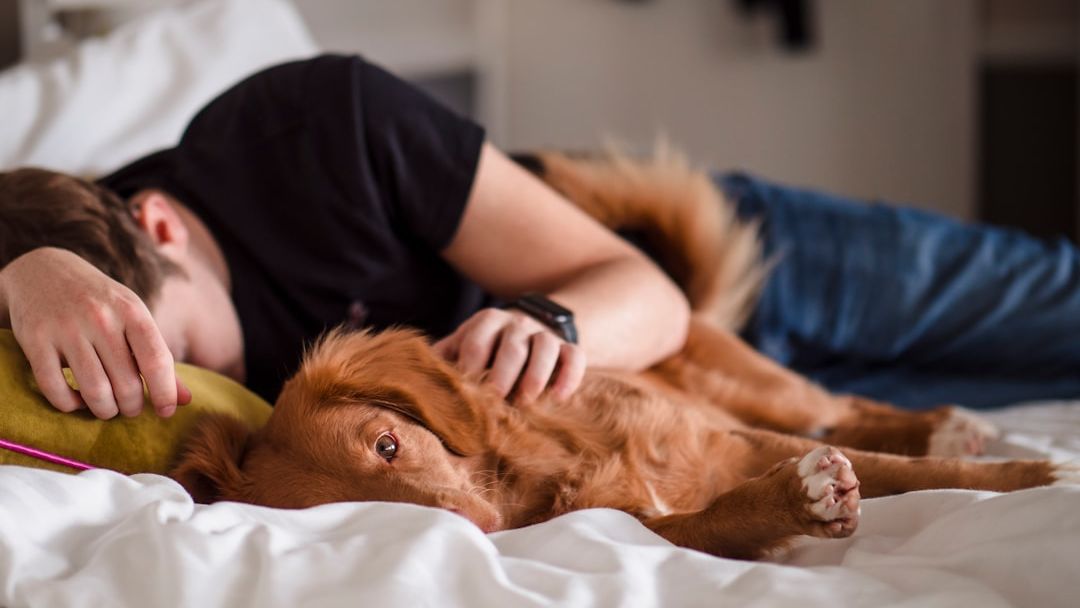
Most dog owners notice the obvious signs of affection, like a wagging tail or excited greeting at the door. Yet some of the deepest expressions of trust show up in quieter moments that are easy to overlook if you are not paying close attention.
These subtle cues reveal how safe your dog feels in your presence, often tied to behaviors that leave them vulnerable. Spotting them can strengthen the connection you already share.
Exposing Their Belly
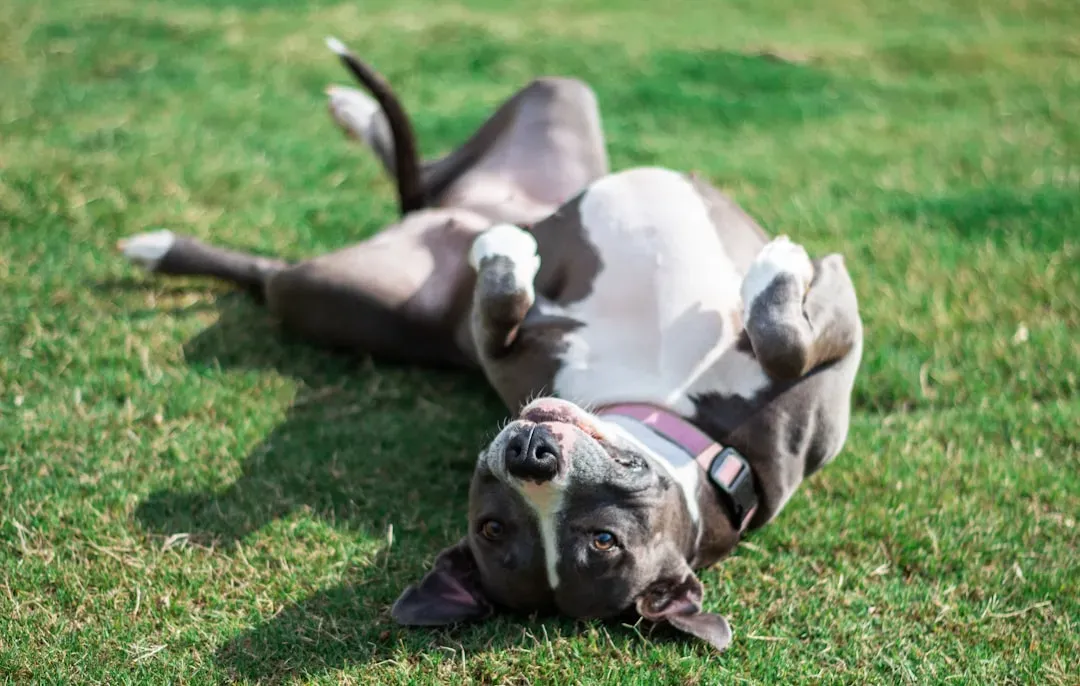
Dogs who roll onto their backs and show their stomach are offering one of the most vulnerable parts of their body. This posture leaves them unable to defend themselves quickly, which only happens when they feel completely secure with the person nearby.
Watch for a relaxed expression rather than tense muscles or quick glances around the room. The gesture often comes with slow breathing and no attempt to scramble back up right away. Over time these moments become more frequent as the bond grows stronger.
Leaning Their Full Weight Against You
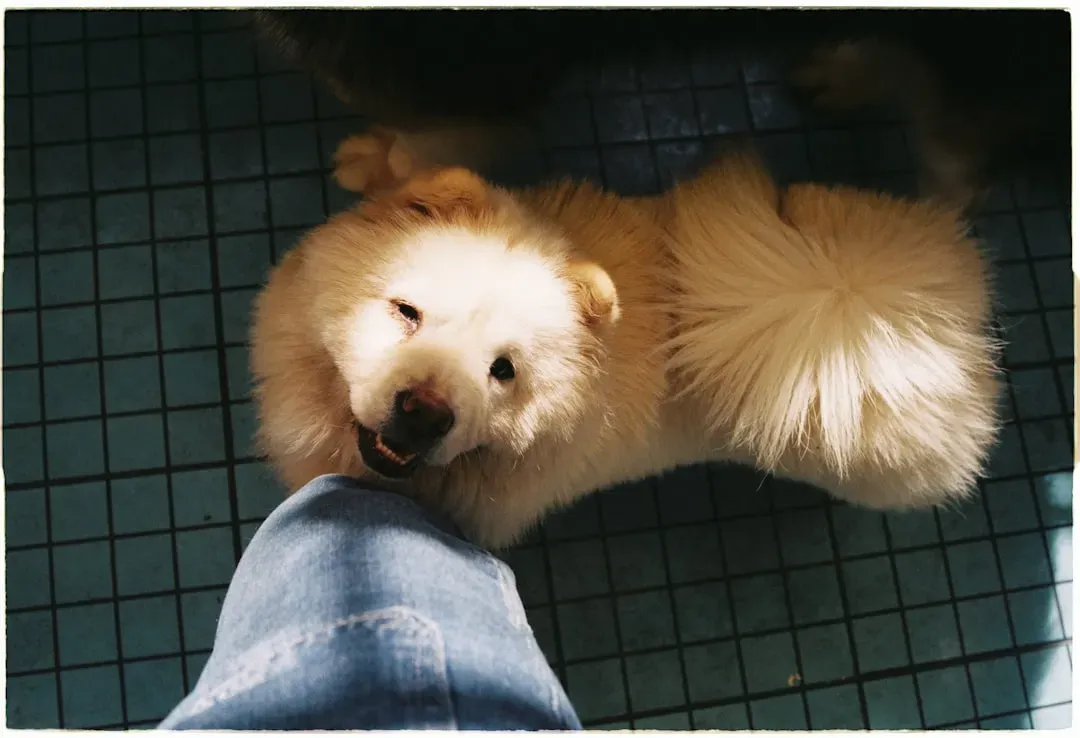
When a dog presses their entire body into your leg or side and stays there, they are using you as a source of stability. This physical closeness requires them to let down their guard and rely on your presence for comfort.
The lean often lasts longer than a quick brush past, and the dog may even close their eyes or sigh softly. It differs from attention seeking because the dog seems content simply to rest rather than demand play or food. Such contact builds gradually in dogs who have learned you will not move away suddenly.
Holding Soft, Prolonged Eye Contact
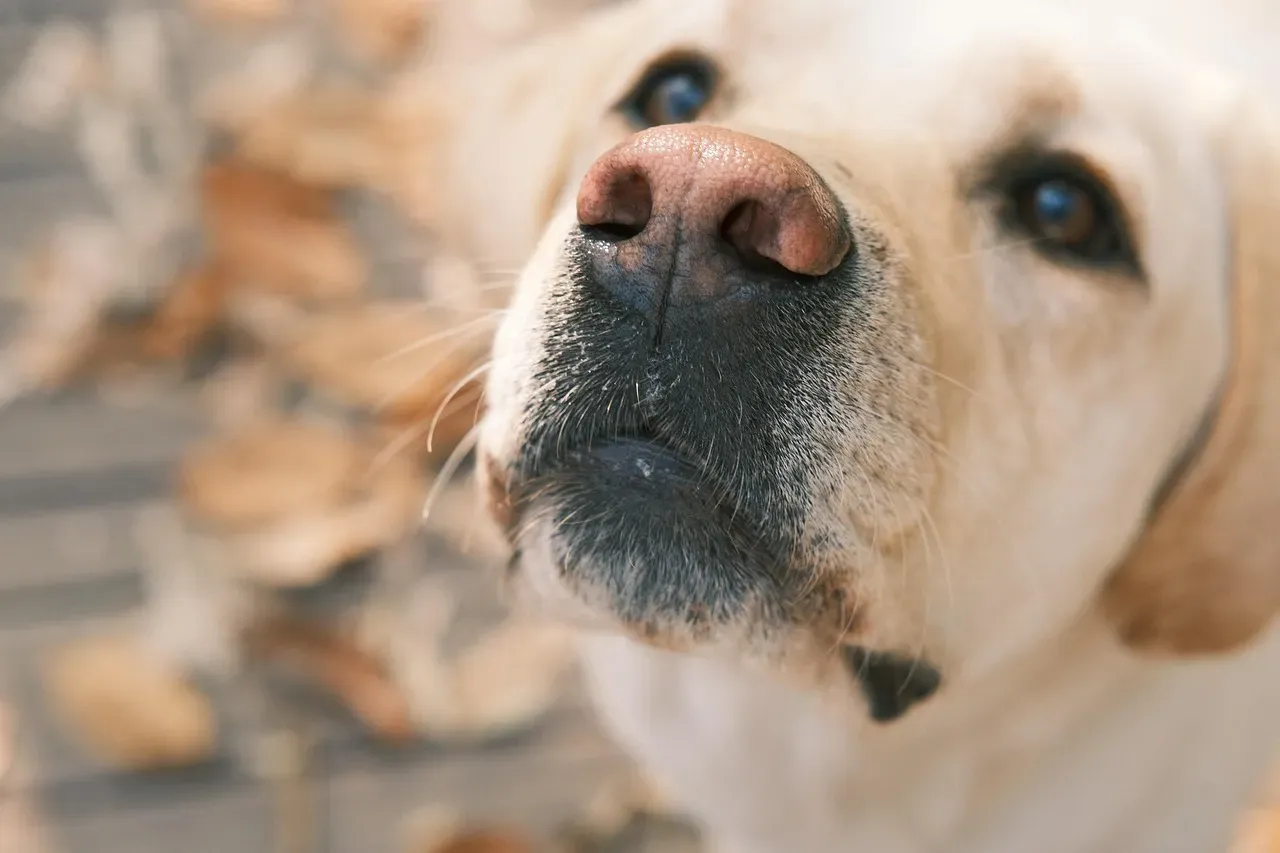
Direct eye contact in dogs can signal challenge, yet a gentle, half lidded gaze held for several seconds communicates something very different. Your dog is choosing to look at you without tension or the need to look away quickly.
This look often appears during quiet times on the couch or while you are reading. The eyes stay relaxed and the rest of the face remains soft rather than alert. Many owners notice this gaze deepens after months or years of consistent, calm interaction.
Following You at a Calm Distance
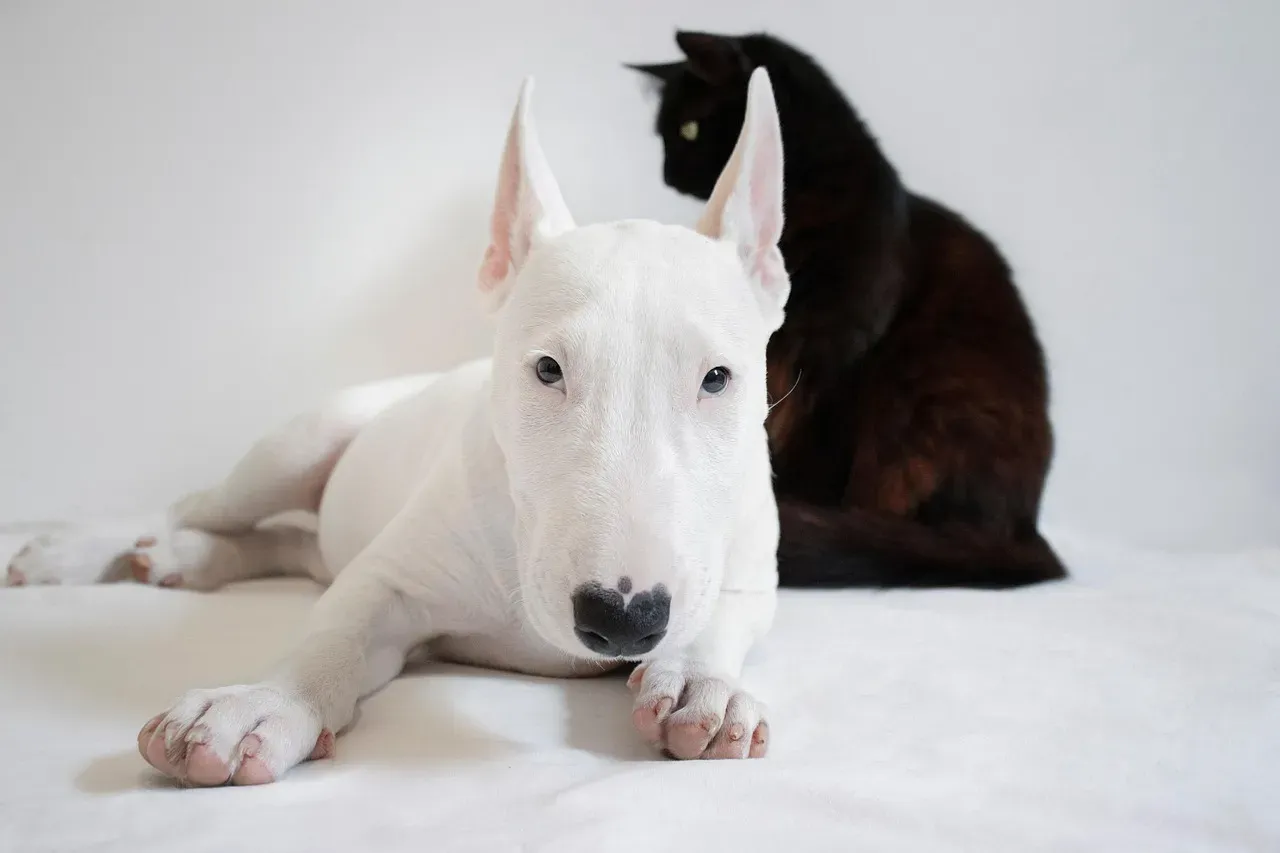
Some dogs trail their person from room to room without barking or jumping for attention. They simply move when you move and settle nearby once you stop. This quiet shadowing shows they prefer your company over exploring on their own.
The pace stays relaxed with no signs of anxiety if you step out of sight briefly. Ears remain in a neutral position and the tail hangs loosely. Over repeated days this pattern becomes a steady rhythm rather than an occasional event.
Bringing You a Toy Without Expecting a Game
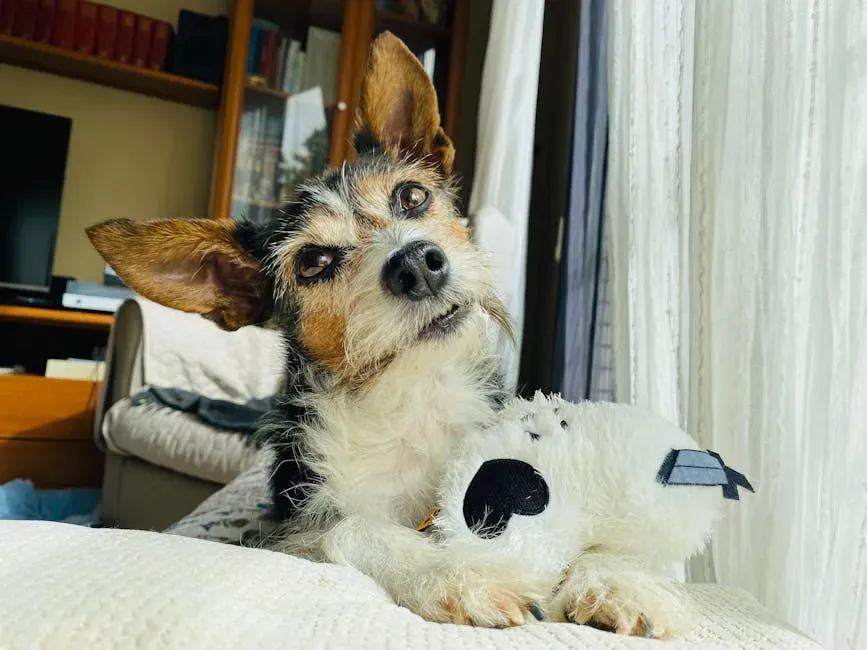
A dog that drops their favorite toy at your feet and then lies down nearby is offering something valuable. They are not asking for fetch or tug, they are simply placing an important item in your care.
The action often repeats during calm evenings when the household is quiet. The dog watches your reaction with interest but does not push for play unless you initiate it. This sharing of prized objects grows more common once trust has been established through daily routines.
Sleeping With Their Back or Belly Turned Toward You
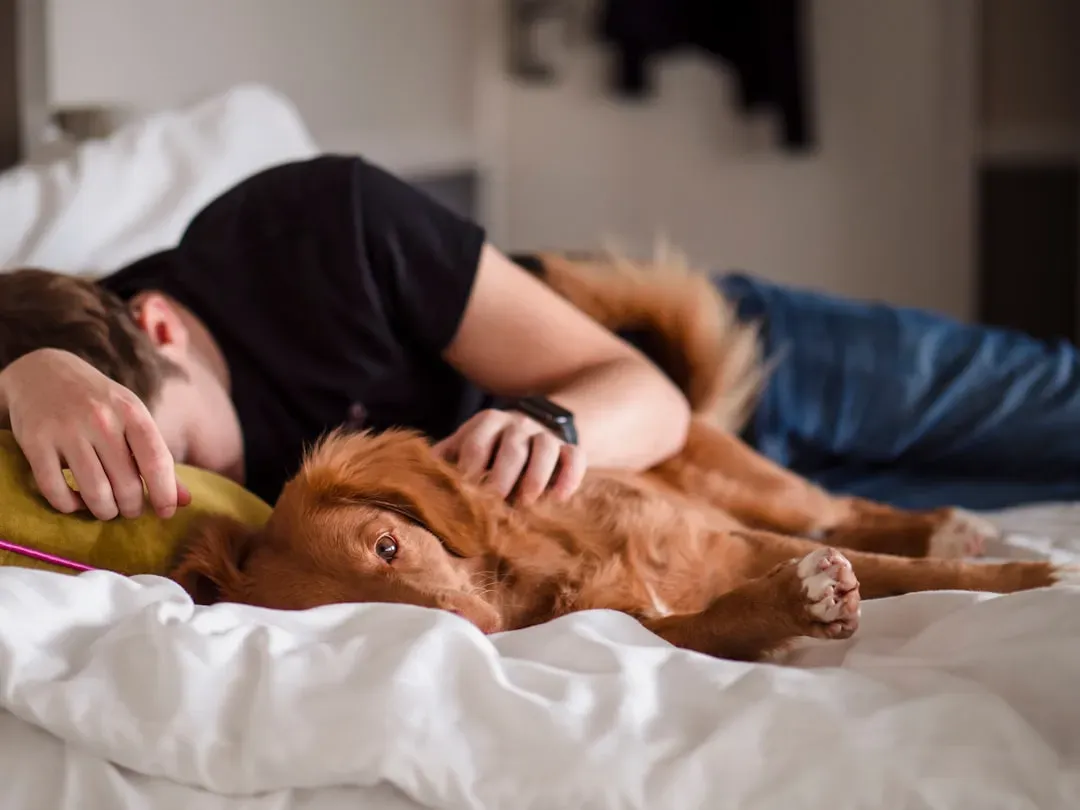
Choosing to nap with their most vulnerable side facing you means your dog has decided you will watch over them while they rest. The position leaves them unable to see approaching threats, so they depend on your awareness instead.
Breathing stays deep and even, and the dog rarely startles at small sounds in the room. Many dogs shift into this posture only after circling a few times to find the perfect spot close to their person. The habit strengthens as the relationship matures.
Allowing Gentle Handling of Paws or Ears
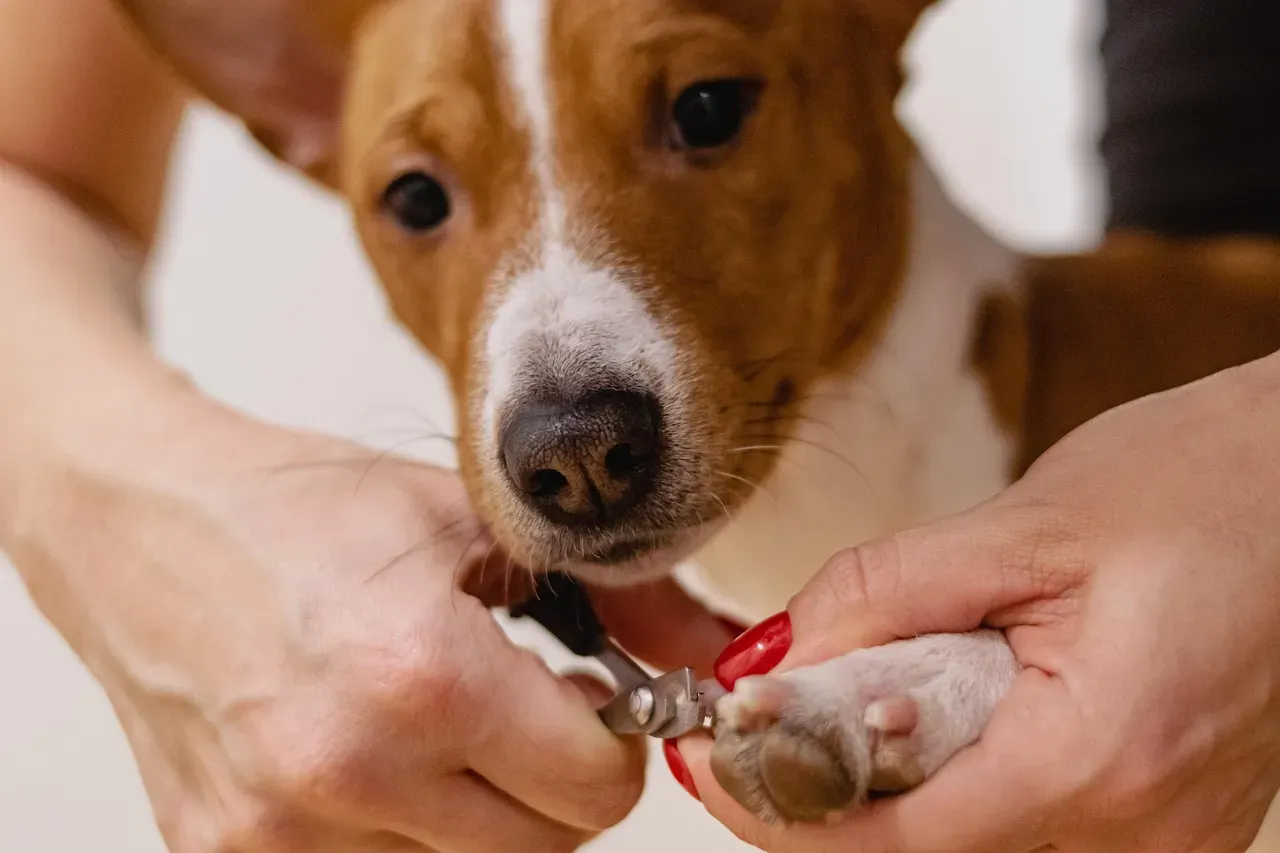
Dogs guard their paws and ears because those areas feel exposed during grooming or checks. When your dog stays still and relaxed while you touch them there, they are granting permission rather than tolerating the contact.
Muscles remain loose and there is no attempt to pull away or lick nervously. The behavior appears consistently during routine care rather than only when treats are offered. This level of acceptance usually develops after repeated positive experiences over time.
Responding With a Contented Sigh or Yawn
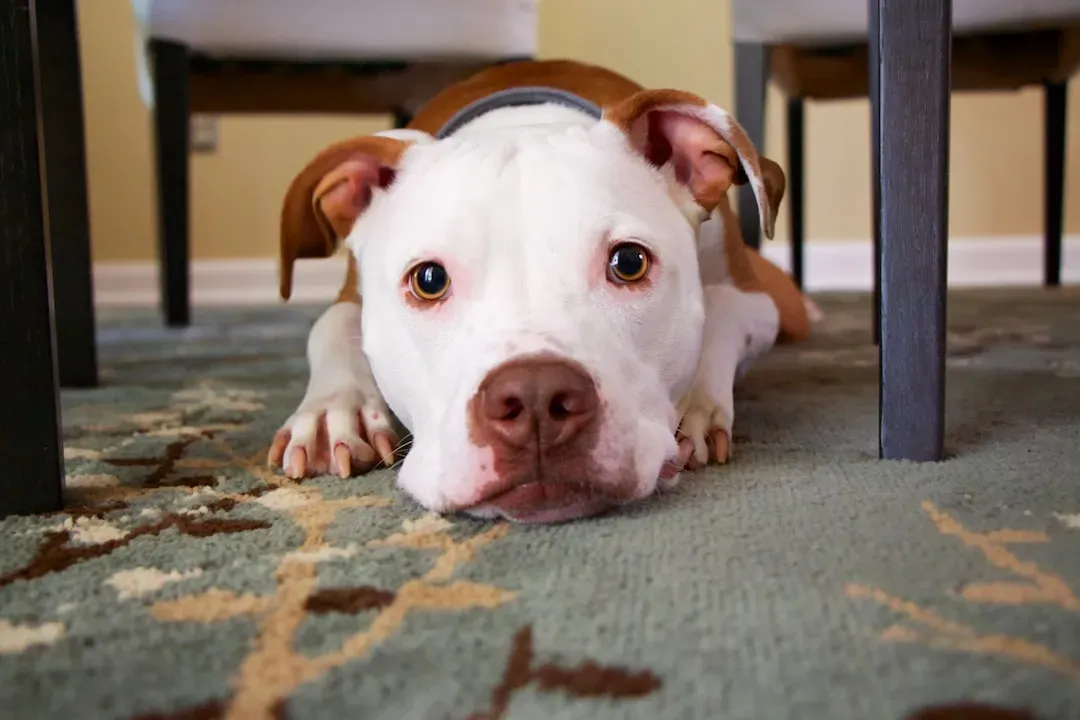
A deep sigh or slow yawn in your presence often signals the release of tension. The dog is letting go of any remaining alertness because they feel safe enough to do so.
These sounds tend to occur when you settle down after a busy day or during quiet evenings together. The body language around the sigh stays loose with no sudden movements afterward. Owners frequently notice the sighs increase once daily life has settled into a predictable pattern.
Mirroring Your Calm Energy
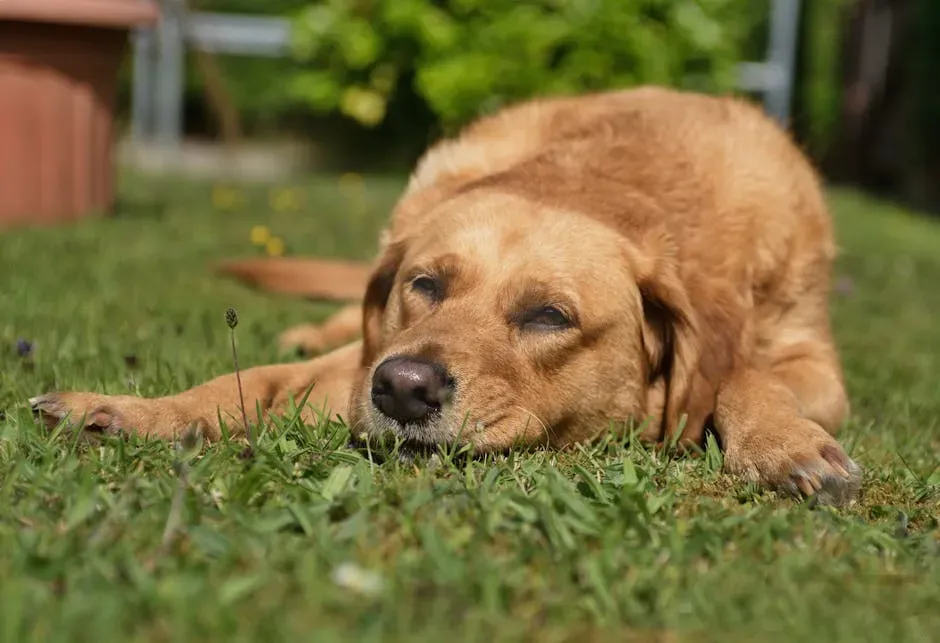
Dogs who match your slower pace and relaxed posture are demonstrating they trust your lead. When you sit quietly they choose to rest rather than pace or seek stimulation elsewhere.
This mirroring shows up in shared spaces where the dog adjusts their activity level to yours without prompting. Heart rates and breathing often settle into similar rhythms during these times. The alignment becomes more noticeable after consistent periods of peaceful coexistence.
These small signals add up to a powerful message that your dog feels safe enough to let you protect them completely. Paying attention to them turns ordinary days into quiet confirmations of the bond you share. Over months and years the trust deepens in ways that words could never capture.


