
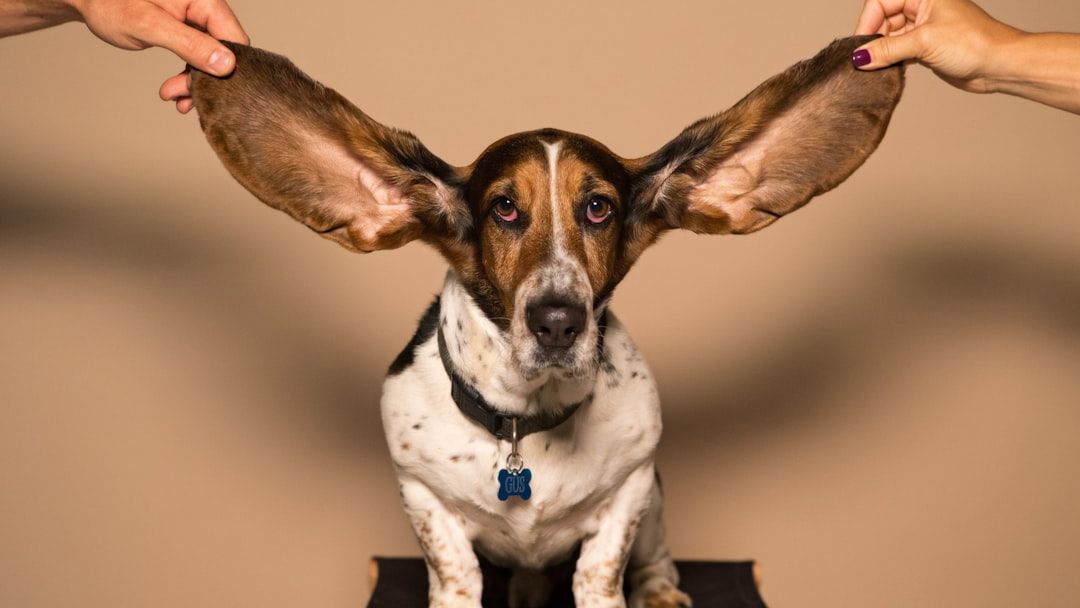
Dogs have a way of communicating that often flies under the radar, especially when tension starts to build. What looks like a quirky habit or a moment of distraction might actually point to something deeper going on beneath the surface.
Spotting these early cues can make all the difference in how you support your companion before things escalate. Here are nine understated signals worth watching for in everyday situations.
Lip Licking That Comes Out of Nowhere
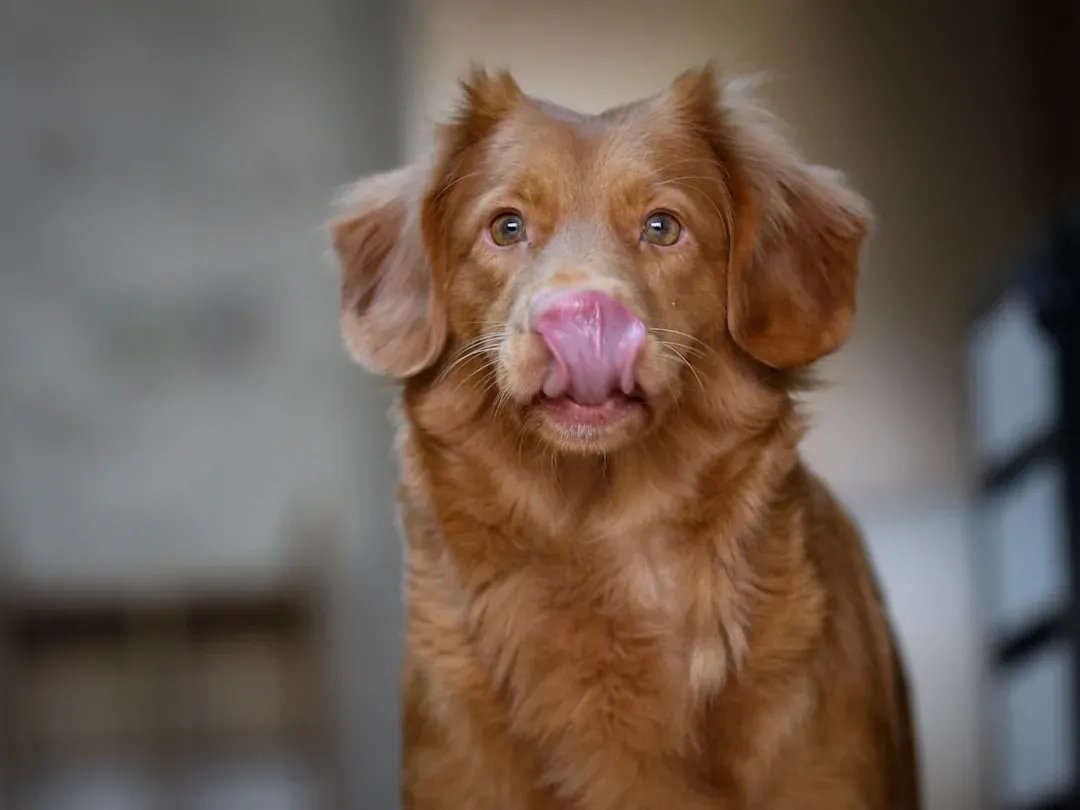
Dogs lick their lips for many reasons, but when it happens without food nearby or after a drink, it often signals unease. This quick flick of the tongue serves as a calming signal they send to themselves and others around them. You might notice it during car rides, visits to the vet, or even when a stranger approaches the house.
Pay attention to the context, because repeated lip licks in quick succession tend to build as stress rises. It is one of those small movements that owners sometimes mistake for thirst or simple grooming. Over time, recognizing the pattern helps you step in with reassurance before the feeling grows stronger.
Yawning When Rest Is Not the Reason
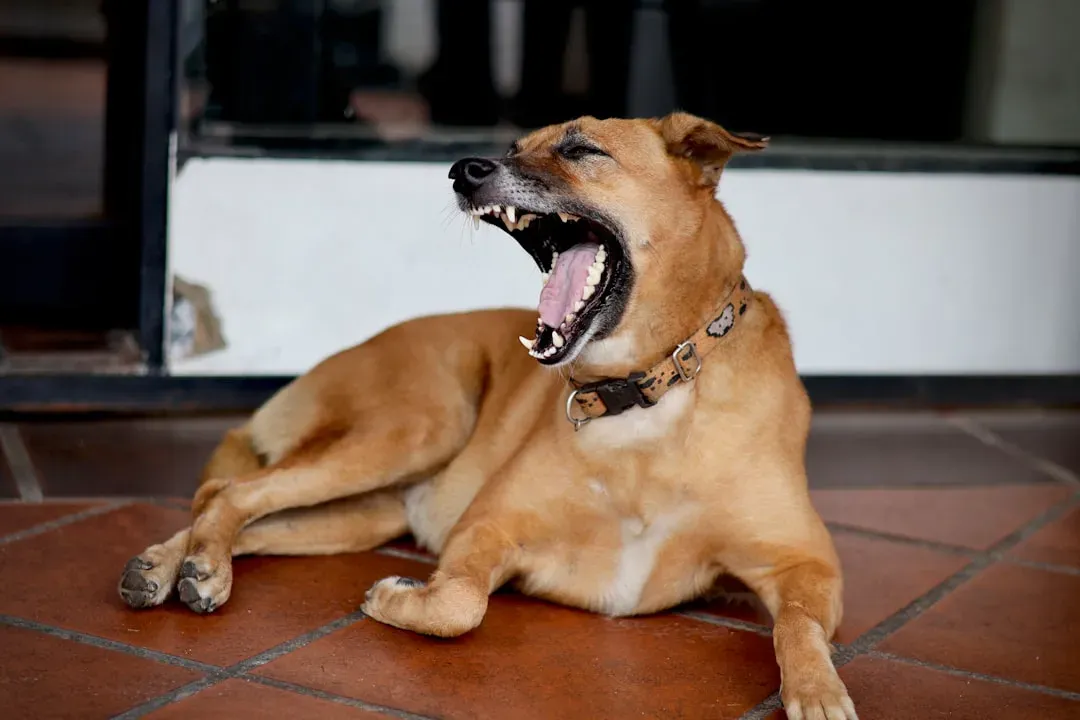
A yawn in the middle of an active moment or right before something new happens can reveal more than simple tiredness. Dogs use this action to release tension and reset their emotional state. It appears frequently in waiting rooms or when family members raise their voices slightly.
The yawn often looks slower and more deliberate than the sleepy version you see first thing in the morning. Owners who learn to read this cue find they can ease the situation with a calm voice or a short break. It becomes a reliable early warning that your dog is processing discomfort rather than just feeling bored.
Excessive Panting Without Obvious Heat or Exercise
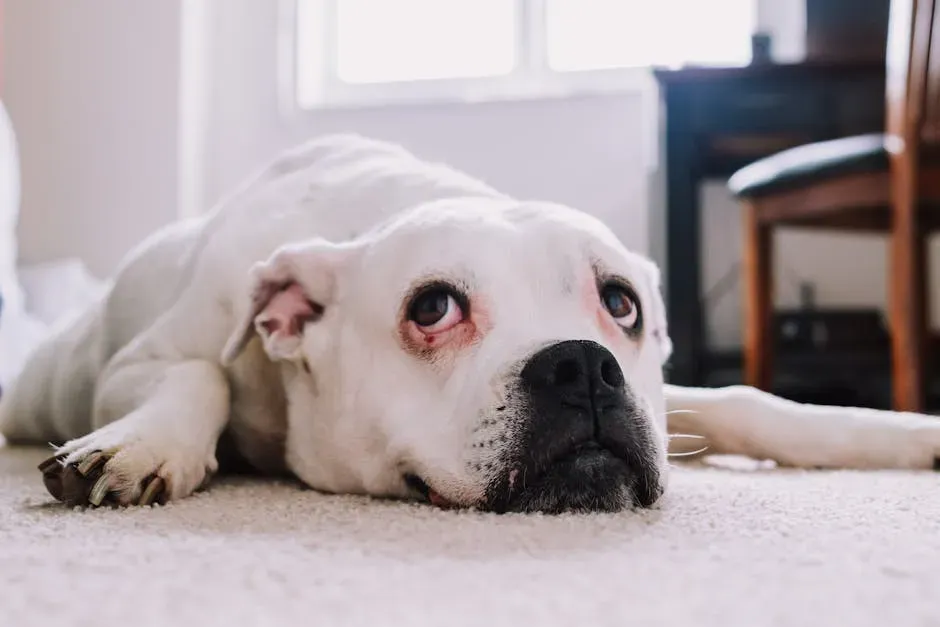
Panting helps dogs cool down, yet it also kicks in when their nervous system activates under pressure. You may see the tongue curled tightly or hear faster breaths even in a comfortable room temperature. This sign shows up during thunderstorms, when suitcases appear, or right before guests arrive.
Unlike normal panting after play, stress related breathing tends to continue even after the dog settles in one spot. Watching how long it lasts gives you a clearer picture of whether your companion needs extra support. Many owners report that offering a quiet space helps the breathing return to normal more quickly.
Showing the Whites of the Eyes
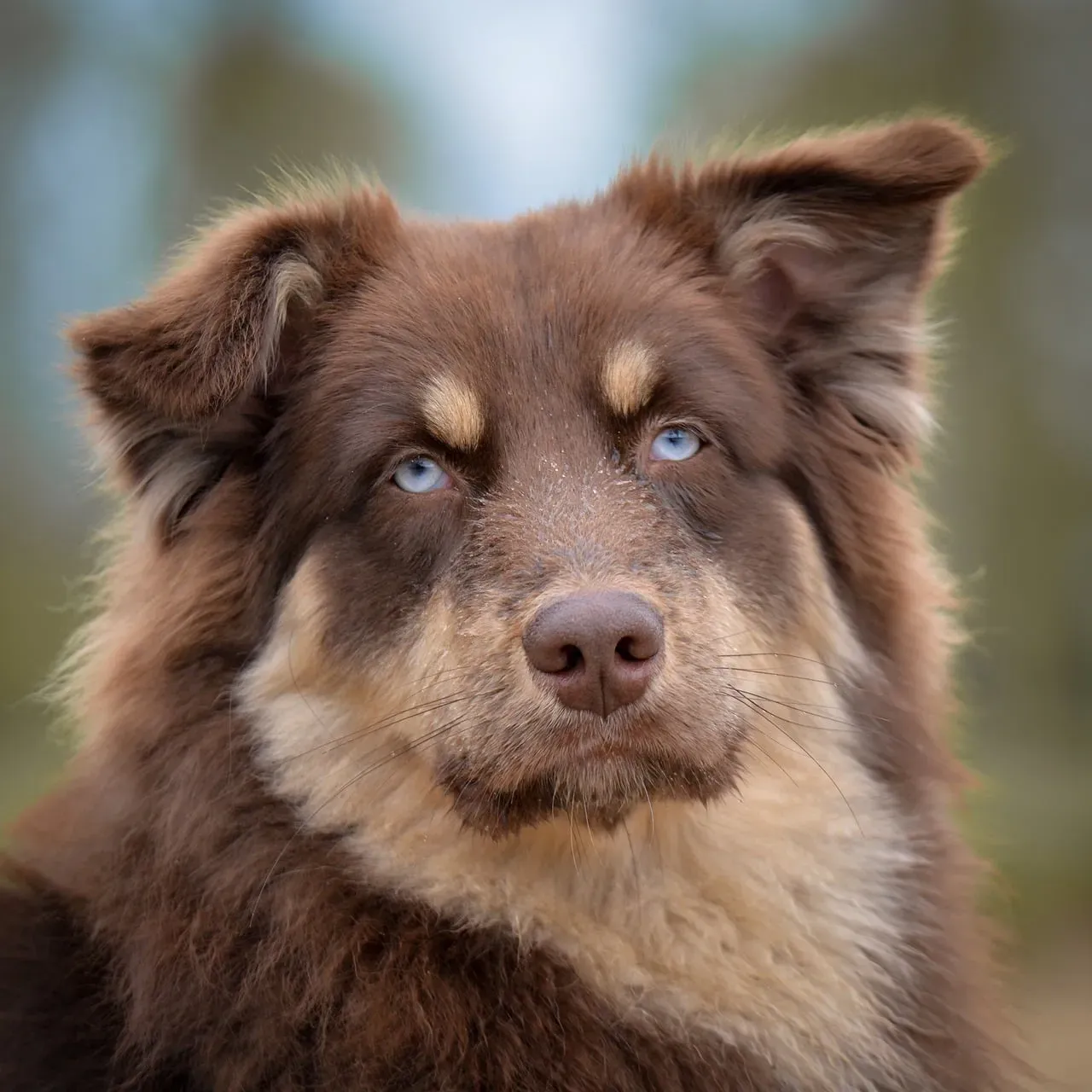
When a dog turns its head slightly while keeping the eyes fixed ahead, you catch a glimpse of the sclera that usually stays hidden. This whale eye expression communicates discomfort without any sound. It surfaces during interactions that feel too close or when something unexpected moves into view.
The look often lasts only a second or two, yet it repeats if the source of tension remains. Learning to notice it prevents misunderstandings that could otherwise lead to growling or withdrawal. It serves as a quiet request for a little more distance or time to adjust.
Subtle Pacing in Familiar Spaces
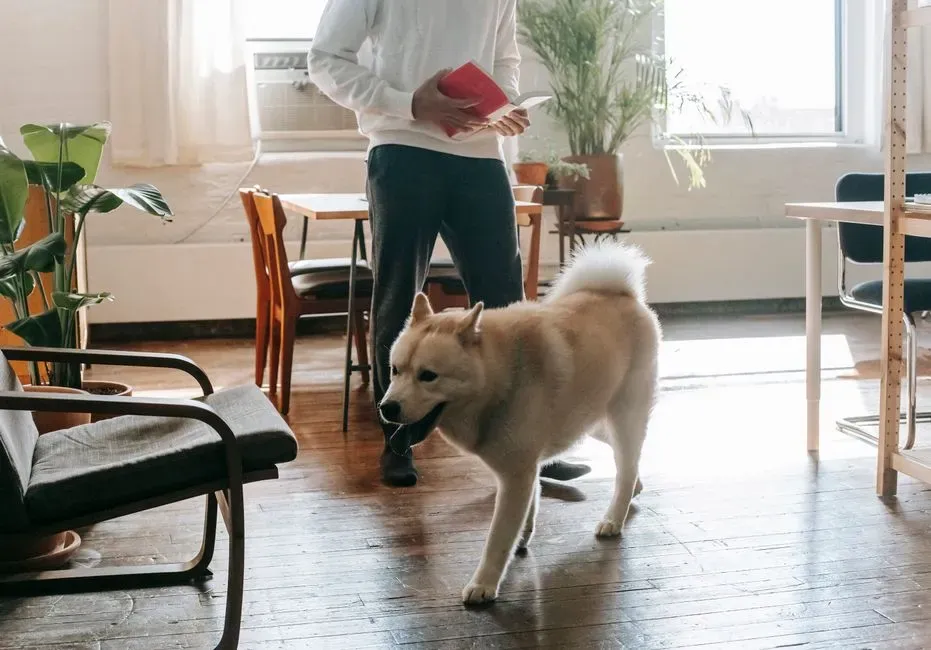
Walking back and forth along the same short path inside the house or yard can indicate an unsettled mind. The movement is not the energetic zoomies after a bath but a slower, repetitive loop. You might observe it when the doorbell rings or during evening wind down routines that feel off.
Because the behavior blends into normal activity at first glance, it slips by many households. Once you track how often it occurs alongside other small changes, the connection to anticipation or worry becomes clear. A gentle redirect or favorite toy sometimes interrupts the cycle and brings calm.
Ears Pulled Back Tight Against the Head
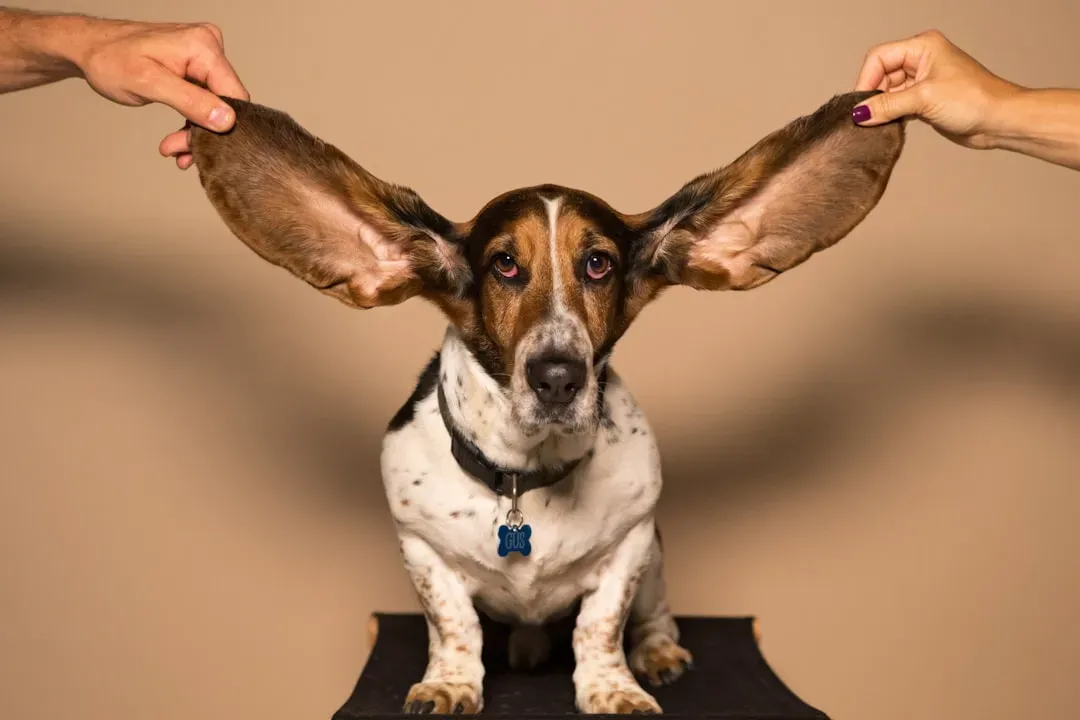
Ears that flatten or shift backward communicate a desire to appear smaller and less noticeable. This posture differs from the relaxed, forward position dogs show during play or greeting. It appears when voices rise or when new objects enter the usual walking route.
The change can be fleeting, yet it pairs with other body language that tells the fuller story. Owners who check ear position during daily interactions catch rising tension earlier than they otherwise would. A soft touch or familiar routine often helps the ears return to their neutral stance.
Tail That Tucks or Lowers Suddenly
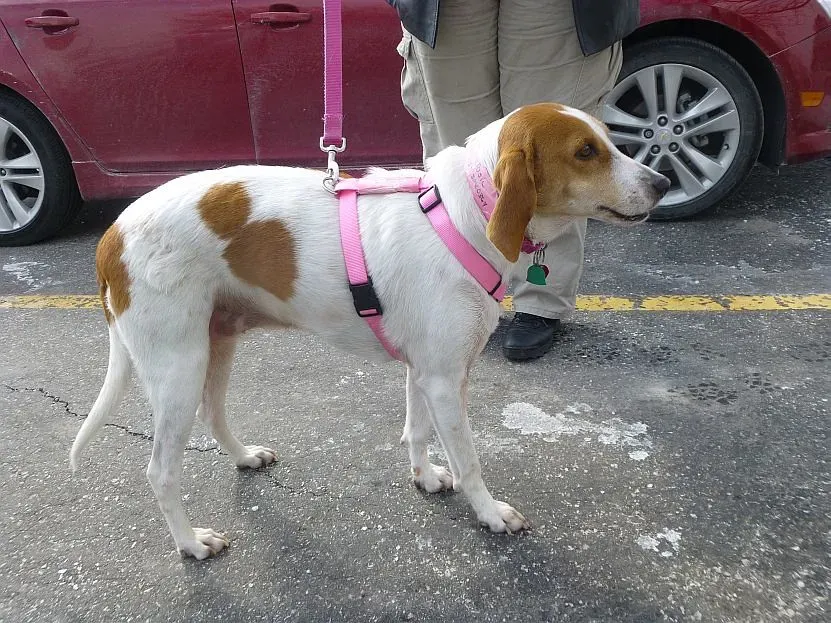
A tail that drops below its usual carriage or curls tightly under the body reflects an instinctive effort to protect vulnerable areas. This shift happens without the dramatic tucking seen in outright fear. You may spot it when the vacuum starts or during routine nail trims.
Because tails move constantly with mood, a sudden drop stands out once you know your dog’s baseline. It rarely lasts long if the trigger passes, yet repeated occurrences suggest ongoing anticipation of stress. Simple adjustments like shorter sessions or extra treats can ease the response over time.
Turning the Head Away or Avoiding Direct Looks
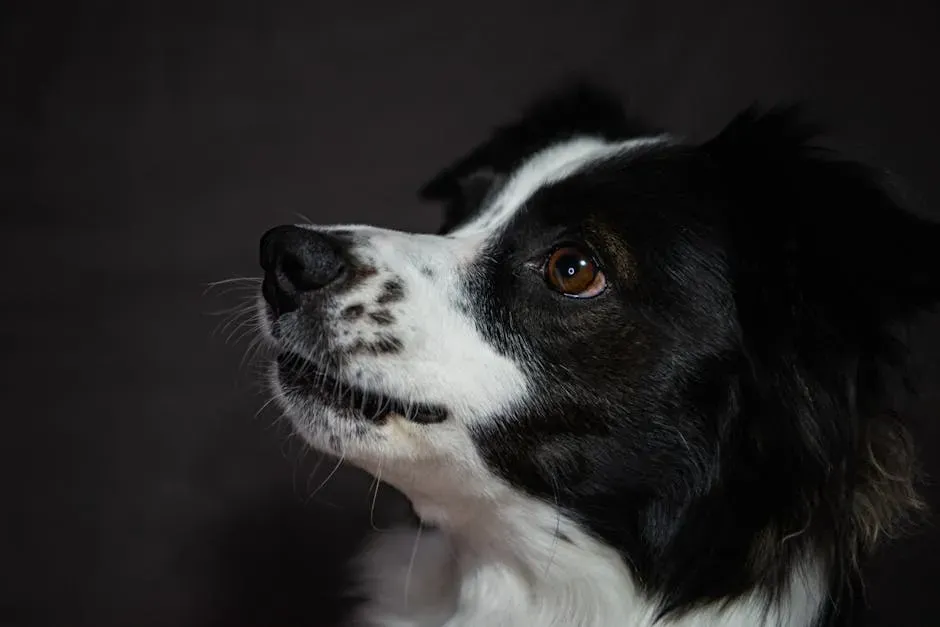
Dogs sometimes angle their face to the side or look past you when they feel pressure building. This avoidance keeps the interaction from feeling confrontational. It shows during greetings with visitors or when you reach for a leash at an unexpected hour.
The gesture is polite in canine terms, a way of saying they need space rather than a challenge. Recognizing it lets you pause and give them room before discomfort grows. Many dogs relax visibly once the moment of pressure eases.
Quick Shake Offs That Seem Random
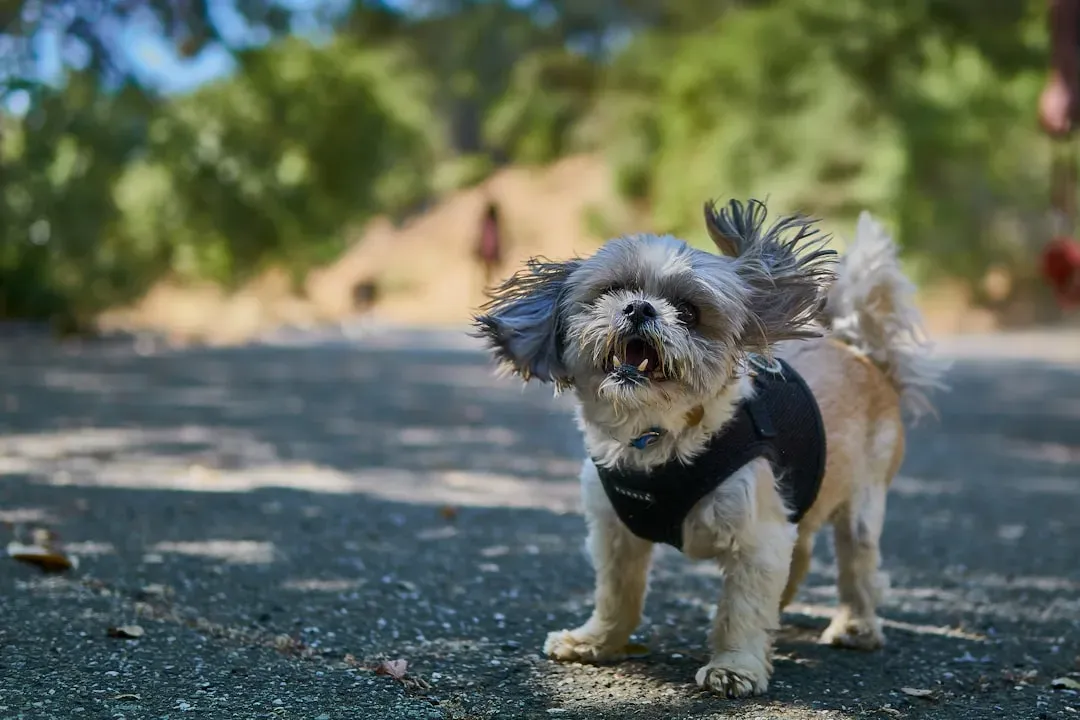
A full body shake after nothing wet or dirty has touched the coat often resets the nervous system. Dogs perform this motion to discharge built up energy from mild stress. You might see it right after a phone rings loudly or when someone raises an arm too quickly nearby.
The shake passes in seconds, yet its timing reveals when your dog is processing something unsettling. Owners who notice the pattern can offer calm presence or a favorite resting spot right afterward. Over weeks of observation, these small resets become useful markers of emotional balance.
Paying attention to these quiet signals builds a stronger bond and helps your dog feel understood long before anxiety takes hold. Small adjustments in routine or environment often make a noticeable difference in daily comfort. With practice, reading your companion becomes second nature rather than a guessing game.


