
9 Things Pet Rats Learn From Watching Cage Mates Explore Something New
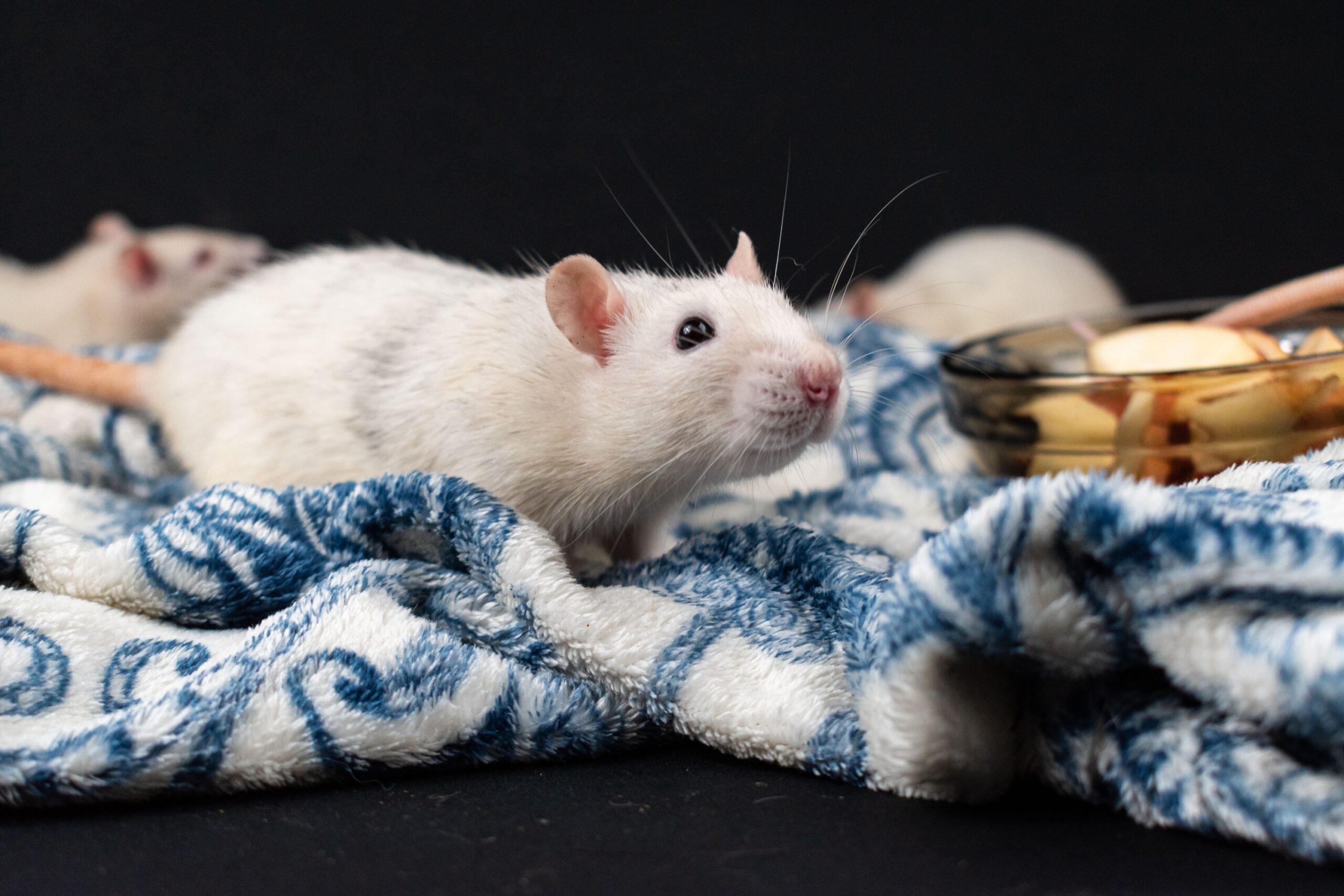
Pet rats are a lot more like us than most people realize. They gossip with their noses, copy each other’s bravest moments, and remember exactly which experiment went badly last time. If you’ve ever watched one rat hang back while another boldly marches into a new toy, tunnel, or room, you’ve seen a tiny masterclass in social learning play out in real time.
When I first kept rats, I thought the shy one was just “less adventurous.” Over time, it became obvious she was doing something much smarter: letting her bolder friend test the waters, then quietly downloading the lessons. That quiet observing is not laziness; it is strategy. And what they pull from those moments is much richer than simple curiosity.
1. Whether Something Seems Safe… Or Worth Avoiding
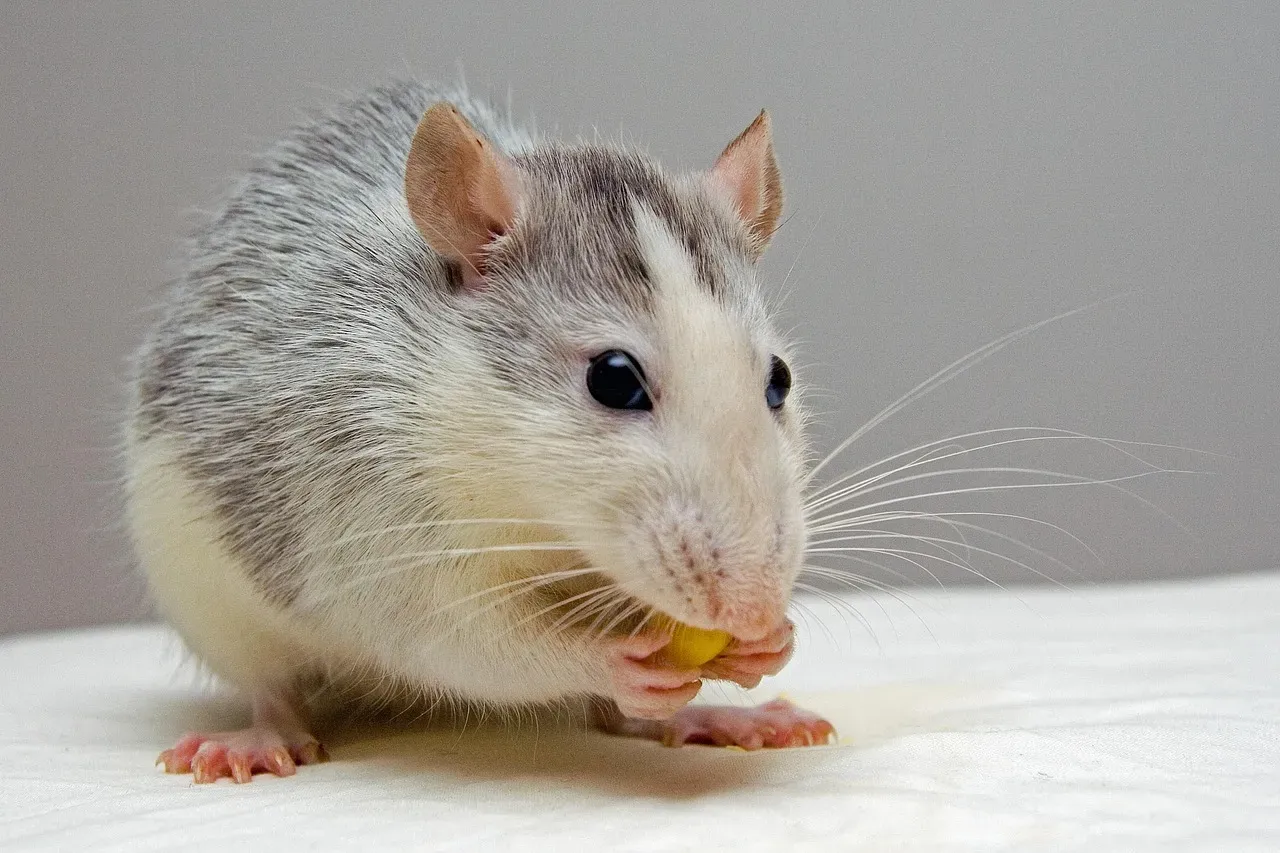
One of the first things a watching rat is gauging is basic safety. If their cage mate approaches a new object, sniffs it, climbs on it, and then calmly goes about their business, the observer is mentally filing that away as “probably safe.” You’ll often see a nervous rat creep closer only after their friend has walked all over the new item without anything bad happening.
The flip side is just as powerful. If the explorer startles, bolts, or refuses to go near the new thing again, the watching rat will usually stay back too. They are reading subtle body language: tense posture, frozen whiskers, rapid darting away. It’s like watching someone else taste a strange food at a party; their face tells you everything you need to know before you take a bite yourself.
2. Which Routes And Hiding Spots Actually Work
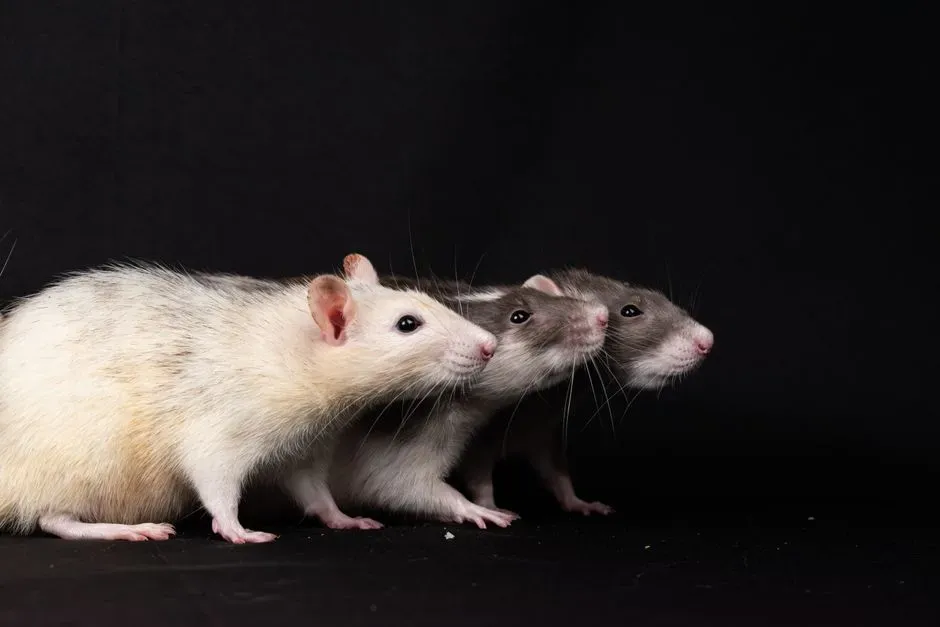
Rats are natural map-makers, and they do not only build their internal maps by traveling themselves. When one rat explores new tubes, shelves, or foraging toys, the observer is tracking every route: where the other rat squeezes through, which gaps are dead ends, and where they pop out again. Later, the watcher can often copy the most efficient path almost perfectly on the first try.
You can see this clearly in multi-level cages or playpens. The bold rat might fumble, try a few awkward jumps, or squeeze through places that turn out to be too tight. The observer, having watched the trial and error, often skips the messy attempts and goes straight for the best path. It’s like watching an older sibling play a new video game and then beating the level faster because you already saw where all the traps were.
3. What Counts As Food And How To Get It Out
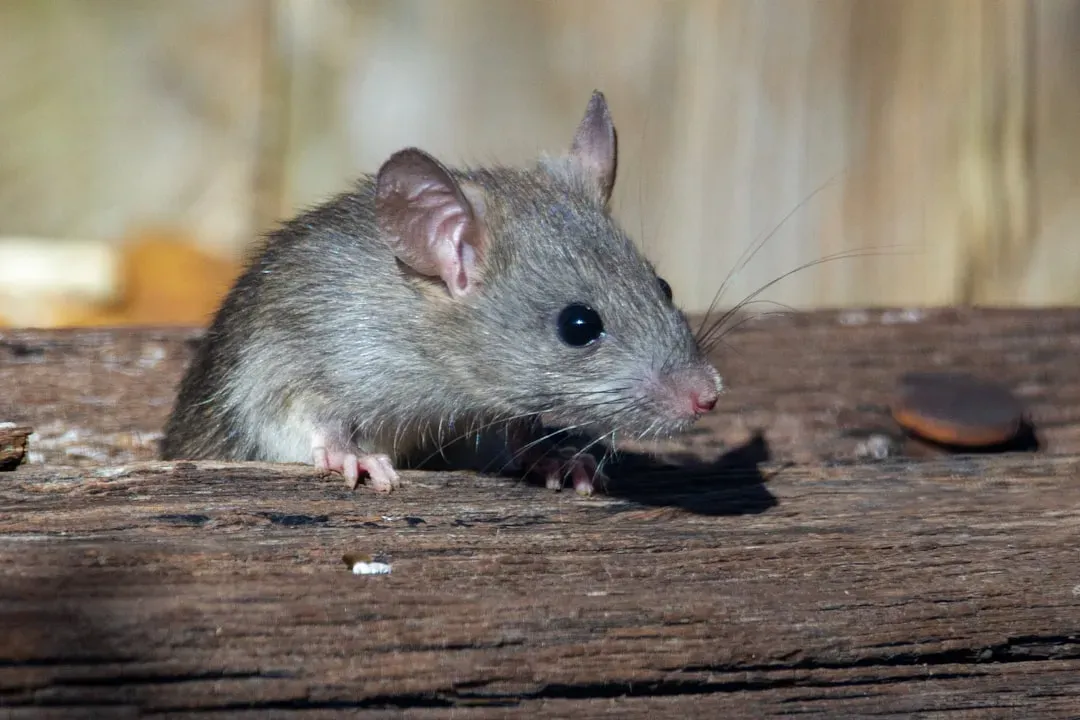
Rats are opportunistic eaters, but they are also cautious about new foods. A hesitant rat that sees a cage mate repeatedly return to a strange-smelling treat, eat it, and then remain healthy is far more likely to try it themselves. This is a built-in survival trick: instead of risking poisoning, they let a friend be the brave taste tester first.
They also learn the “how” of accessing food from each other. If a rat watches a cage mate flip open a foraging ball, pull paper out of a box to reveal hidden treats, or drag a heavy chew to a corner, the moves often get copied later. You can almost see the lightbulb moment: the observer quietly examining the puzzle, then using the exact same paw movement they watched earlier to open it up and snag the reward.
4. How Much Confidence To Show Around New Things
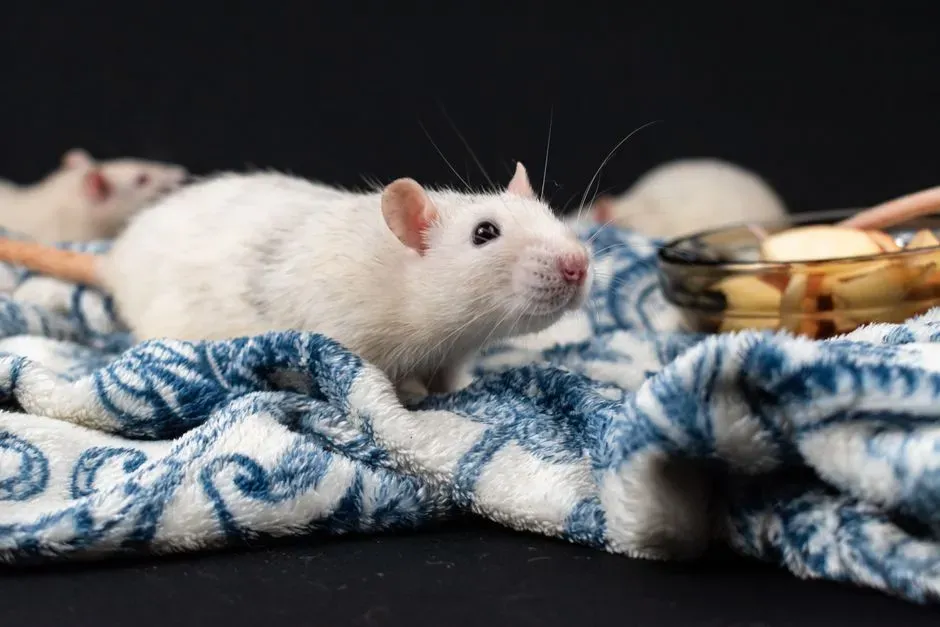
Rats do not just copy behavior; they copy the emotional tone attached to it. When a confident, relaxed rat strolls up to a new item and investigates it calmly, that mood is contagious. The observer may still move cautiously, but there’s a noticeable shift: shorter pauses, less freezing, more willingness to sniff and climb. The brave rat is basically modeling, “This is no big deal,” and the shy rat starts to believe it.
On the other hand, if the explorer acts jittery – lots of start-stop movements, constant looking back, tense body posture – that unease travels fast. The watching rat might stay glued to a corner or only approach when absolutely necessary. Over time, repeated exposure to calm exploration from a confident cage mate can gently stretch the comfort zone of a timid rat. It’s similar to a nervous friend becoming more relaxed about flying because they keep traveling with someone who treats airports like a normal Tuesday.
5. Which Sounds, Smells, And Movements Are Actually Threatening
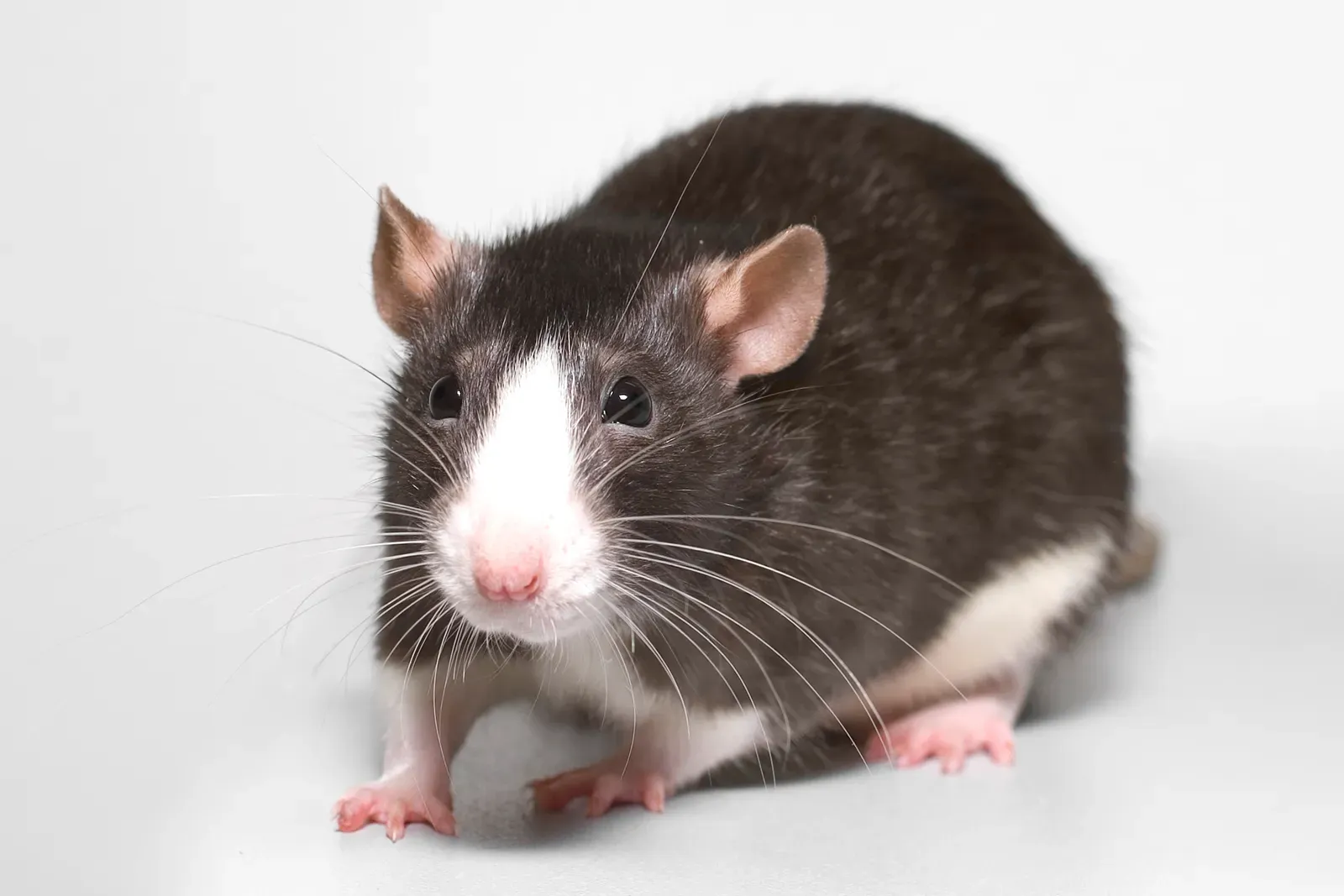
New environments come with a flood of unfamiliar signals: a door creaking, a fan humming, the scent of a new detergent, shadows from passing cars. Alone, a rat has to interpret each of these from scratch. But watching a cage mate wander around unfazed helps them sort out which stimuli can be safely ignored. If the other rat ignores the vacuum noise and keeps eating, that noise slowly moves into the mental category of “annoying, but not life-threatening.”
This social filtering saves energy and reduces stress. Instead of reacting with full alarm to every rustle or flicker, the observer leans on the experienced rat’s reactions as a shortcut. Over time, this helps shape their baseline temperament: a rat who repeatedly sees calm responses from a stable cage mate will often remain steadier themselves. It’s a quiet, ongoing lesson in emotional triage – what deserves panic, and what doesn’t.
6. How To Use New Objects As Tools For Comfort And Fun
To a human, that cardboard box might just be recycling. To a rat, it could be a lookout point, a hiding bunker, a chew project, or a perfect stash spot – depending on how they see it used. When one rat climbs a new hammock and settles in for a nap, the observer suddenly sees that fabric not as a scary hanging thing, but as a cozy bed. If the explorer drags nesting material into a new hide, the watcher might copy that behavior later when they want a safe, soft corner of their own.
They also learn what counts as a toy versus a threat. A rat who sees a cage mate joyfully dragging a crinkly tunnel, popping in and out, and playing chase through it is more likely to treat that tunnel as a fun playground. That same object, introduced in silence without a role model, might be approached with suspicion or ignored completely. In this way, the bolder explorer is not just trying things first; they’re quietly “teaching” what objects are for.
7. When It’s Worth Taking A Risk For A Bigger Reward
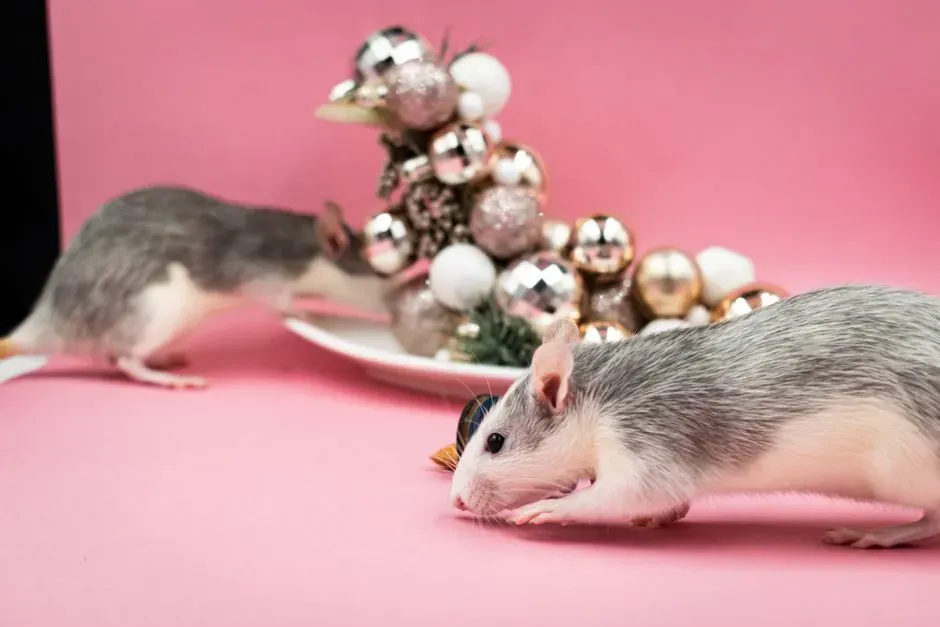
Rats are constantly balancing risk and reward, and they watch each other closely to help tip that scale. If the exploring rat discovers that venturing over a wobbly bridge leads to a jackpot of treats, the observer will take note. Next time, they might be willing to cross that same slightly scary bridge because they have seen that the payoff is real and the danger appears low.
Over time, this shapes individual personalities. A rat that frequently sees risk-taking pay off for cage mates may become more adventurous, at least in familiar contexts. On the other hand, if bold attempts rarely yield rewards – or occasionally end in something unpleasant like a loud crash – the observer may decide sticking closer to home is the smarter plan. It is not random bravery; it is a running cost-benefit calculation, updated by what happens to the rat in front of them.
8. Social Rules: Who Leads, Who Follows, And When To Back Off
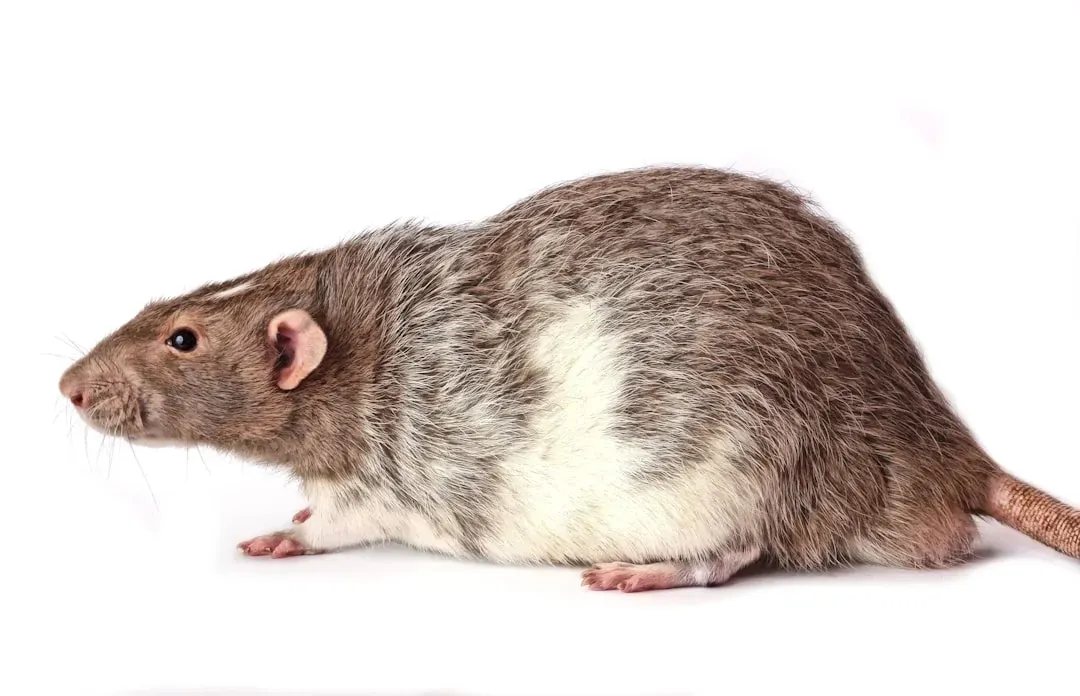
New situations are also social tests. When a fresh object appears, the confident rat often rushes in first, while the others hang back. That pattern itself becomes a lesson: who acts as the “scout,” who prefers to wait, and who always tries to grab the best spot once things look safe. The observing rat is not only learning about the object; they are also learning about the social map inside the group.
This shows up in how they share or compete over new things. If the explorer repeatedly chases others away from a new hideout or food source, the watching rat learns to time their own approach: maybe they hop in when the dominant rat is distracted, or they choose a different corner entirely. On the other hand, some groups naturally share, taking turns climbing, chewing, and stashing. In those cages, new items become social hubs instead of battlegrounds, and younger rats grow up seeing collaboration as the default.
9. That Curiosity Itself Is Rewarding
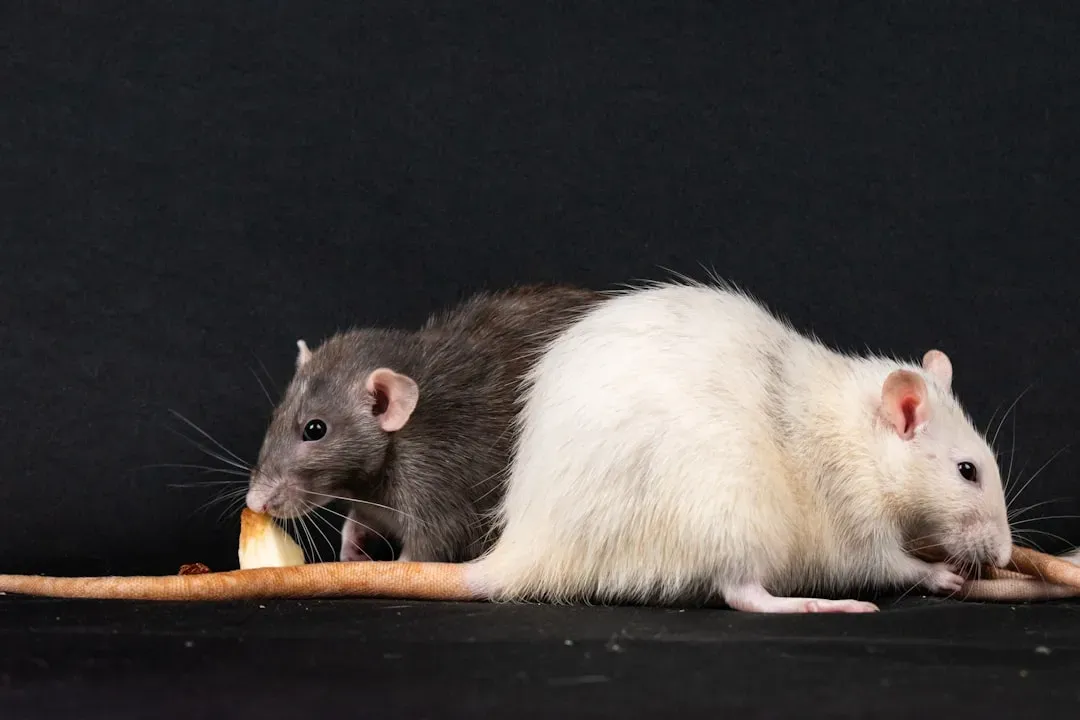
Perhaps the most beautiful thing rats learn from watching each other explore is that curiosity is not just allowed – it pays off. When the brave cage mate consistently discovers treats, new sleeping spots, or interesting scents by investigating the unknown, the observer is quietly soaking up the message that “checking things out” leads to good outcomes. Curiosity becomes a habit, not a one-off mood.
As an owner, you can almost see this feedback loop forming. The more you give your rats safe, varied things to investigate together – boxes, tunnels, paper bags, rearranged cage layouts – the more the cautious ones start to anticipate that new equals fun, not danger. It mirrors something deeply human: when we see people we trust step into the unknown and come back a little happier, a little richer in experience, we feel a tug to follow. Watching a pair of rats go through that same transformation makes their tiny world feel surprisingly familiar.
Conclusion: Why Letting Rats Teach Each Other Might Be The Smartest Thing You Do
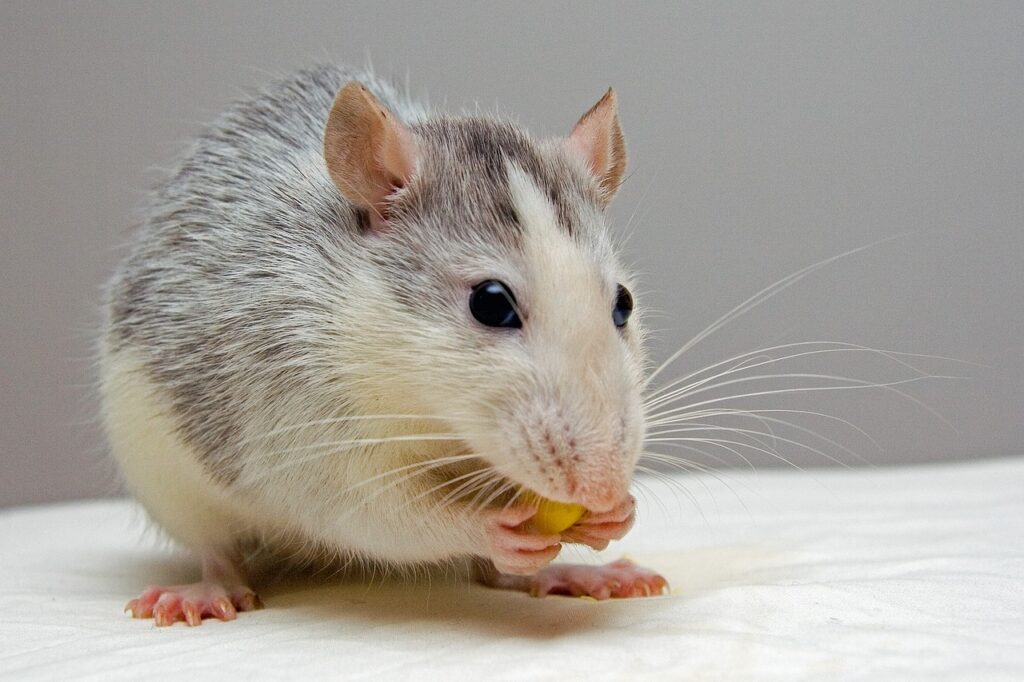
When you zoom out, these nine lessons add up to something bigger: pet rats are running social experiments every time you change their environment. They are not just mimicking; they are weighing safety, testing trust, adjusting their personality, and rewriting their comfort zones by watching their friends. In my experience, the shyest rats often blossom not because of anything the human does directly, but because they have a confident cage mate quietly demonstrating that the world is worth poking at.
That is why I lean hard into group exploration instead of isolating nervous rats “until they’re ready.” Let the bold one go first, and you give the cautious one a living, breathing safety manual tailored to your exact home, sounds, smells, and routines. It is a gentle reminder that we do not have to be the hero in every story; sometimes the best thing we can do – for ourselves and for our animals – is to set up the stage, introduce something new, and let them learn from each other. Next time you toss a cardboard maze or a strange new toy into the cage, will you see it as clutter, or as a tiny classroom full of social learners at work?