
Research Shows That Dogs Who Sit or Lie Down With Their Back Turned to a Perceived Threat Are Not Ignoring It – Turning the Back Is a Documented Appeasement Gesture That Communicates Non-Aggression
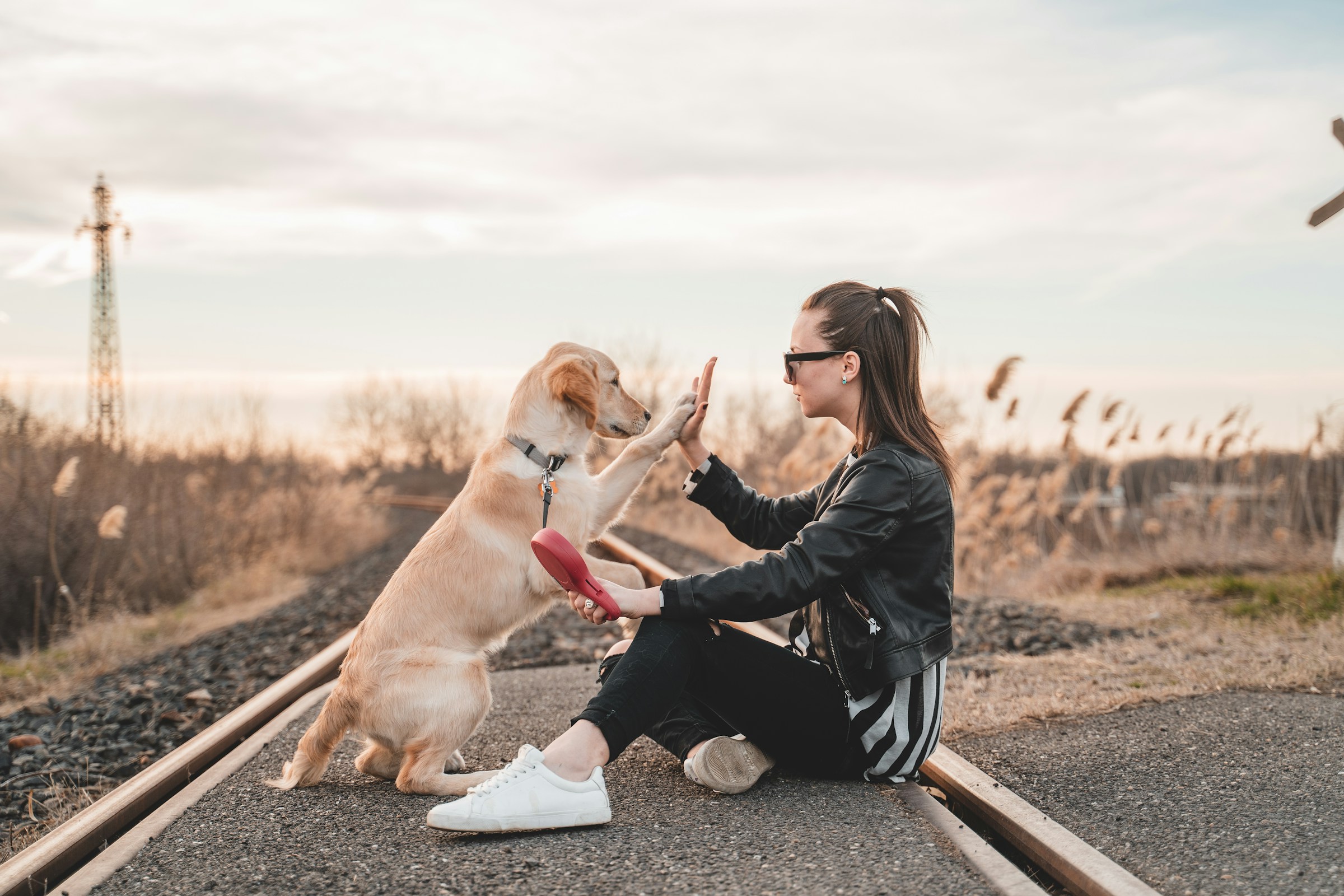
You know that moment when your dog seems to “snub” someone or something, turns around, and calmly lies down with their back facing the situation? A lot of people read that as disrespect, stubbornness, or indifference. In reality, it is often the exact opposite: your dog is trying to avoid conflict and keep the peace in one of the clearest ways dogs know how to communicate.
Once you understand what that turned back really means, it becomes strangely moving. You start to see a thoughtful, social animal making choices to stay safe without escalating tension. What many owners punish or feel offended by is, in fact, a quiet little act of emotional intelligence. Let’s unpack what is actually going on when a dog calmly puts its back to a perceived threat.
Appeasement Gestures: Your Dog’s Built-In Peace Language
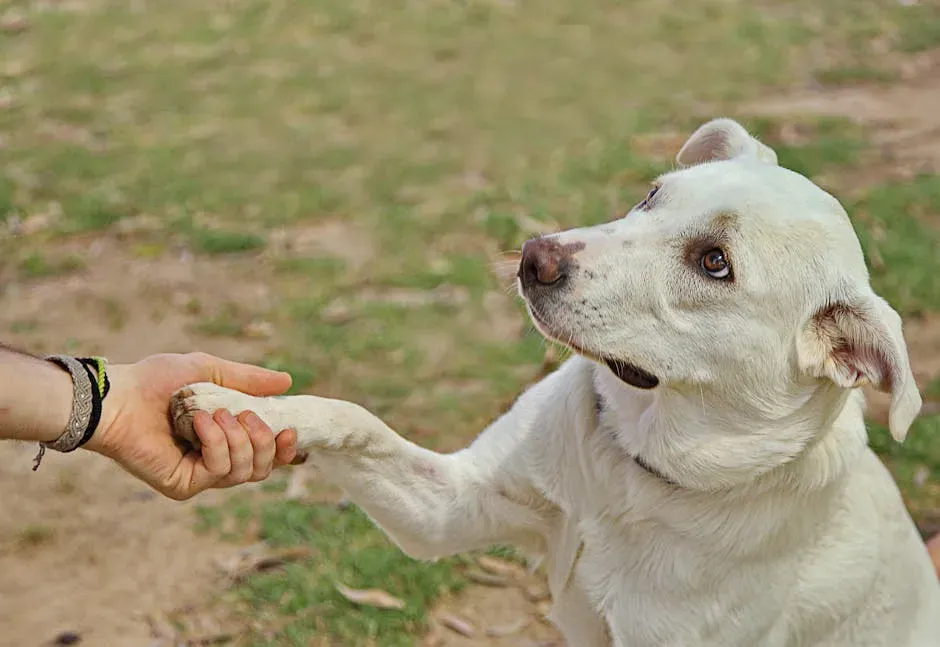
Appeasement gestures are a set of body language signals dogs use to say something like, “I’m not here to fight, let’s keep this cool.” Turning the back, averting the eyes, licking the lips, slow blinking, or making the body smaller are all part of this peacekeeping vocabulary. These gestures do not mean the dog is happy with the situation; they mean the dog is actively trying to lower tension.
Dog behavior researchers and experienced trainers have seen these patterns over and over in social interactions between dogs, and between dogs and humans. When things feel uncomfortable or uncertain, a dog who wants to avoid conflict does not usually lunge first; it often tries subtle, civilized body language first. The tragedy is that humans frequently miss it, misread it, or even correct it, which can push the dog toward less subtle options later.
Why Turning the Back Is Not “Ignoring” But a Careful Decision
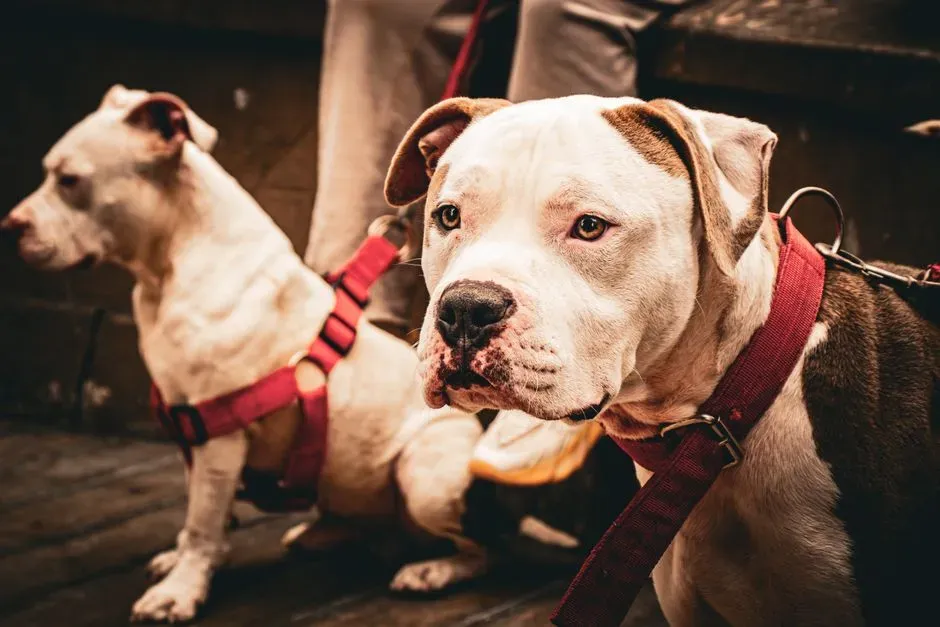
To a human, turning your back on someone often reads as dismissive or rude, so it is easy to project that meaning onto your dog. But in canine social language, exposing the back is a vulnerable position that carries a clear message: “I am not a threat, and I do not intend to challenge you.” That is not a dog checking out; that is a dog making a calm, strategic choice.
Think of it like a person lowering their voice in a heated argument, or stepping aside in a hallway so someone else can pass. They are not pretending the other person vanished. They are saying, in a very controlled way, “I want this to stay peaceful.” When a dog sits or lies down with its back to a perceived threat, it is often doing its version of that gentle de-escalation, even if your neighbor insists the dog is just being rude.
Stress, Safety, and the Science Behind “Looking Away”
Modern studies of canine stress and communication have consistently shown that dogs rely heavily on so-called calming or appeasement signals when faced with social pressure. Looking away, blinking, yawning in tense moments, or taking a curved path around something scary are all linked with attempts to manage emotional arousal rather than with simple disinterest. Turning the whole body away is just a bigger, more committed version of looking away.
Researchers have also explored how dogs use distance and posture to cope with stress. Instead of moving straight toward a conflict, many dogs will either increase the distance or reorient the body sideways or away. This is not just about fear; it is about safety and social skill. By shifting their body and removing direct eye contact, dogs reduce the chance of triggering aggression in the other party, whether that is another dog, a stranger, or even a frustrated owner.
Common Misinterpretations: “Stubborn,” “Rude,” or “Disrespectful”
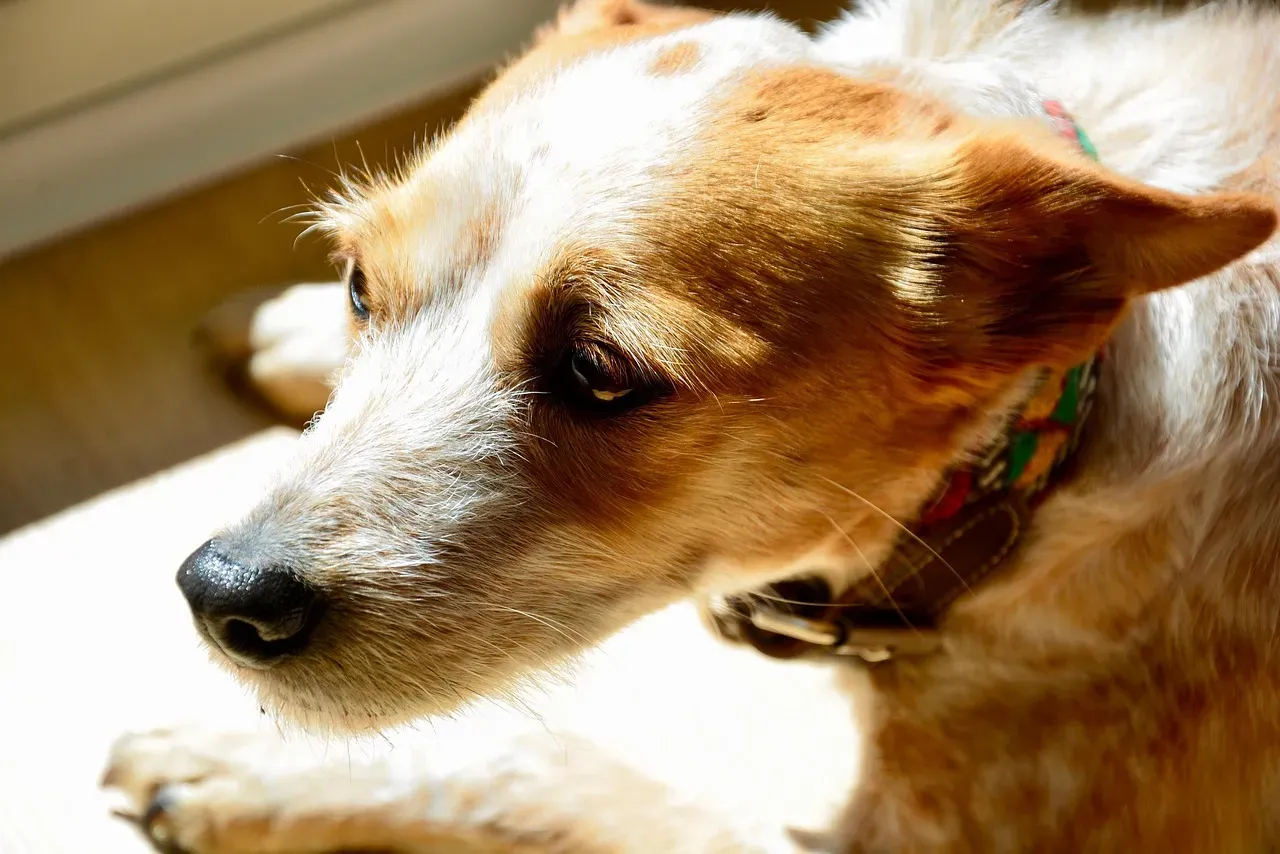
I still remember watching a man scold his dog at a park because the dog turned away and sat down after a loud argument between two people. He called the dog “defiant.” From a behavior perspective, though, that dog was saying, “This is too much for me; I am choosing to stay calm and small.” It felt a bit like watching a child be punished for politely leaving the room during a shouting match.
Labels like stubborn, dominant, or disrespectful usually come from viewing dogs through a human social lens instead of a canine one. In many households, a dog that turns away when someone looms, shouts, or charges toward it is scolded for being disobedient. In reality, the dog is likely desperately trying not to escalate the situation. When we punish that choice, we can accidentally teach the dog that appeasement does not work, which is the last lesson you want an anxious animal to learn.
Reading the Whole Picture: Back Turn, But What Else?
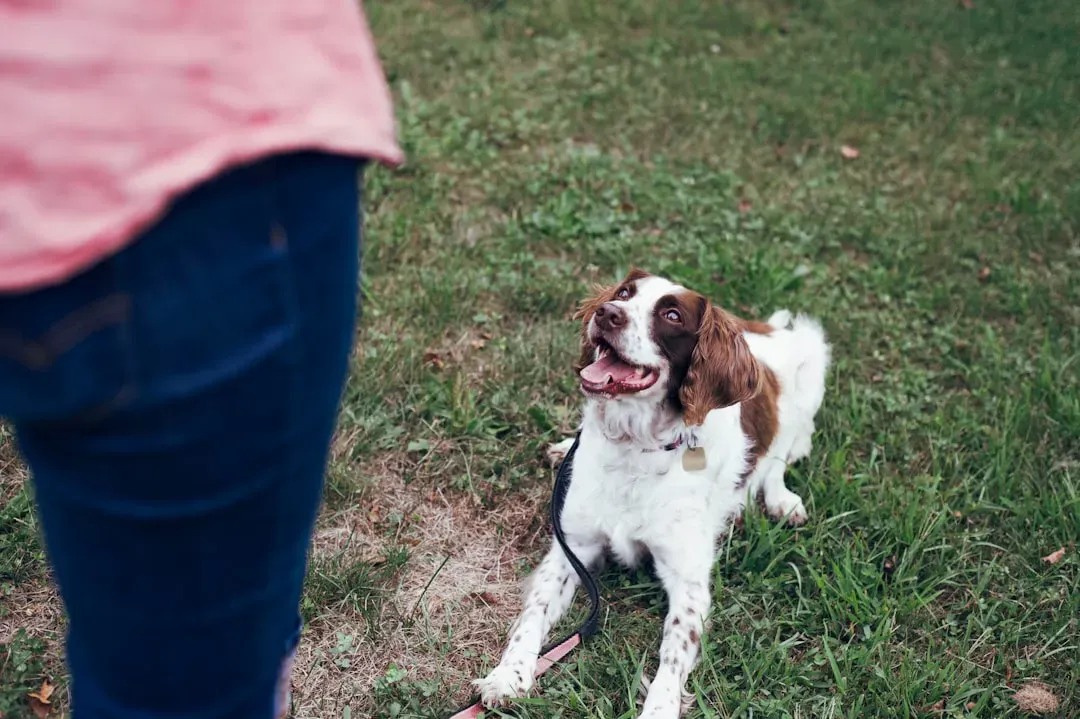
Of course, a single gesture never tells the whole story. A dog turning its back can be relaxed, cheeky, conflicted, or deeply stressed, depending on what the rest of the body is doing. Soft muscles, loose ears, and a gently resting posture point more toward comfortable appeasement, a bit like shrugging and walking away from mild drama. Tight muscles, pinned ears, a tucked tail, or frozen stillness tell you the dog is worried and trying very hard to hold it together.
Context matters too. If your dog turns away from a child who runs up too fast, that is a giant flashing sign that the dog is near its limit. If your dog calmly turns its back and curls up when guests are loud, that might be its way of checking out peacefully. The skill is not to obsess over one move but to see the dog’s entire body and the situation around it as part of one big conversation.
How You Should Respond When Your Dog Offers Appeasement
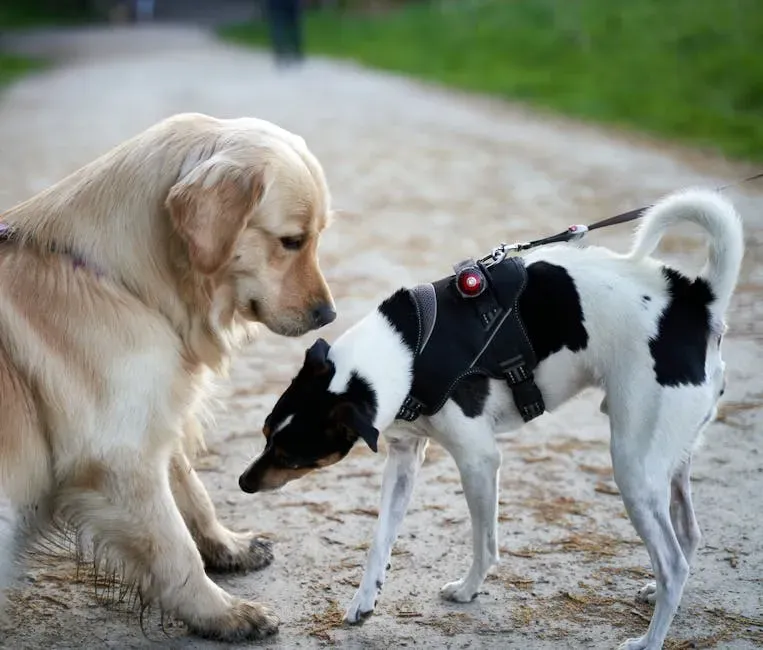
When your dog chooses appeasement instead of aggression, that is something to protect, not punish. A good first step is to give the dog more space and reduce whatever pressure is being applied, whether that is physical crowding, loud scolding, or overwhelming social contact. Often, the kindest thing you can do is to calmly move the dog away from whatever it perceives as a threat and let it decompress without fuss.
Over time, you can also build your dog’s confidence with gentle, reward-based training around mildly stressful situations. The goal is not to erase the appeasement gestures – they are healthy coping tools – but to make your dog feel less trapped and more understood. When a dog learns that turning away or lying with its back turned results in calm, predictable support from its human, that dog is far more likely to keep choosing peaceful options when life gets noisy.
What This Reveals About Who Dogs Really Are
To me, this whole topic undercuts the old myth of dogs as simple dominance-obsessed creatures constantly scheming to take over the couch, the house, and then the world. When you look closely, you see an animal that spends an enormous amount of energy trying not to fight. A dog that quietly offers its back to something scary is not plotting; it is doing emotional math that basically says, “Peace is cheaper than conflict.”
There is something almost humbling about that. Many of us, as humans, struggle to walk away from confrontation, to soften, to choose calm over winning. Yet the animals sleeping on our floors are out here modeling de-escalation strategies that entire workshops are built around. When we finally start to see those small, quiet appeasement gestures for what they are, our dogs do not change at all – but our respect for them absolutely should.
Opinionated Conclusion: Stop Calling Wisdom “Defiance”
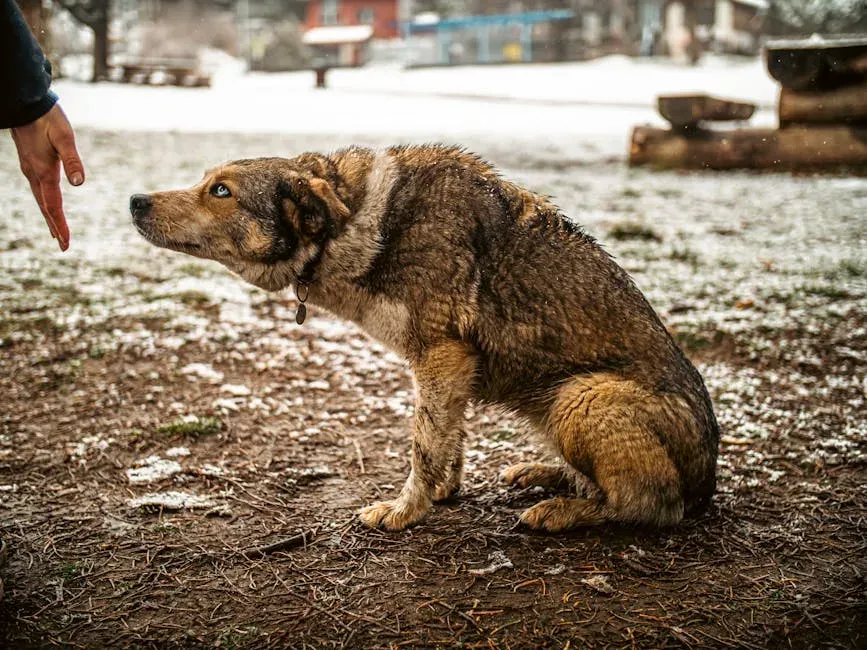
If there is one idea I wish would die out, it is the belief that a dog turning away from pressure is somehow challenging you. That narrative does not just miss the point; it actively harms dogs by framing their best conflict-avoidance tools as misbehavior. When a dog chooses to sit or lie with its back to a perceived threat, you are watching a living, breathing creature solve a social problem without teeth, growling, or drama, and that deserves protection, not correction.
In a world that often celebrates loudness and force, there is something quietly radical about honoring a dog’s choice to say, “I want peace,” with its body. The more we learn about appeasement gestures, the more it becomes clear that dogs are not ignoring threats when they turn away – they are managing them with surprising emotional skill. Maybe the real question is not whether our dogs understand us, but whether we are finally willing to understand them. Did you expect a turned back to say so much?