
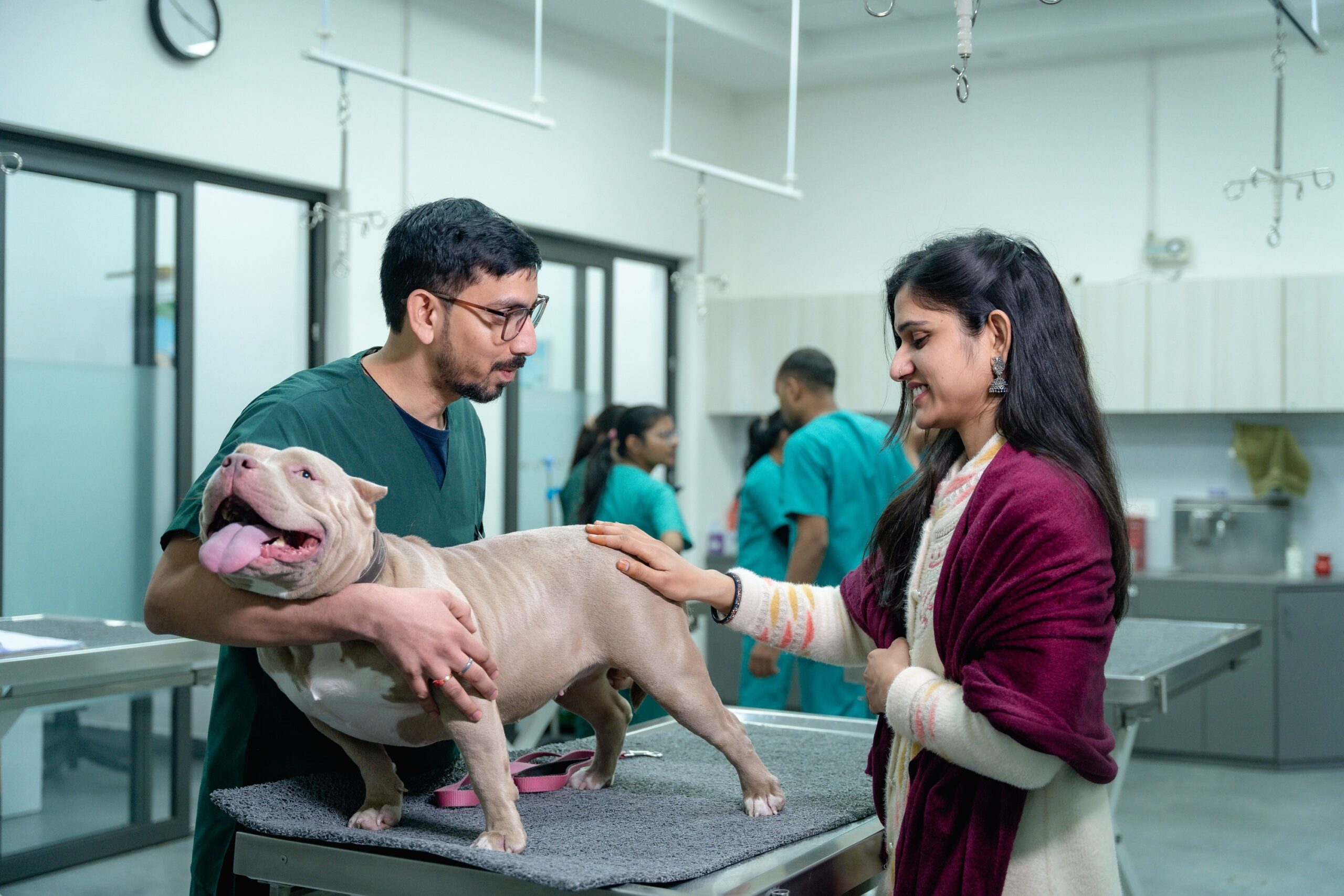
If you’ve ever sat in a vet’s waiting room wondering what your dog is thinking, here’s a secret: while you’re quietly scrolling your phone, your veterinarian is already learning a lot about your dog before the exam even starts. That ten or fifteen minutes in the waiting room is like a live trailer for your dog’s health, behavior, and home life.
Once you start to see the waiting room through a vet’s eyes, it’s hard to unsee it. The way your dog sits, breathes, reacts to sounds, even how they greet the floor can reveal things owners often miss. Let’s pull back the curtain on what vets are really noticing – and how those tiny details can help you take better care of your dog.
1. Body language: the silent story your dog is telling
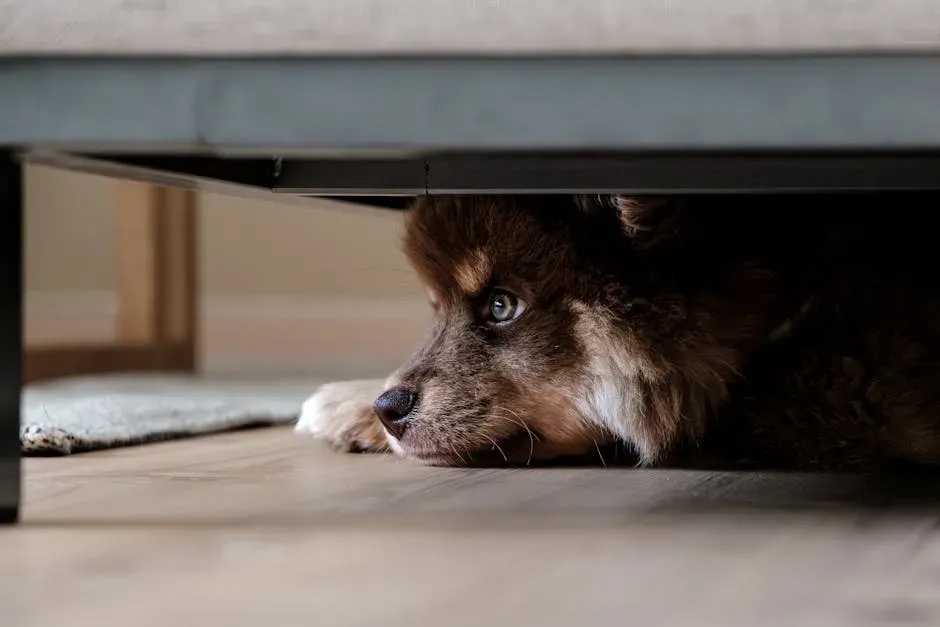
One of the first things veterinarians clock is your dog’s overall body language: tail position, ear carriage, eye contact, and posture. A dog cowering under the chair, lip-licking, and yawning repeatedly is not just “being shy” – those are classic signs of stress. On the other hand, a dog that stands tall but stiff with a high, rigid tail and hard stare may be anxious in a very different, more reactive way.
Vets look at the whole picture, not just one signal. A wagging tail does not always mean a happy dog if the rest of the body is tense. Think of it like reading someone’s tone of voice and facial expression together; the meaning changes depending on the combination. When vets see repeated stress signs in the waiting room, they’re already thinking about fear-reduction strategies, gentle handling, and whether anxiety support might be needed long term.
2. How your dog interacts (or doesn’t) with other dogs and people
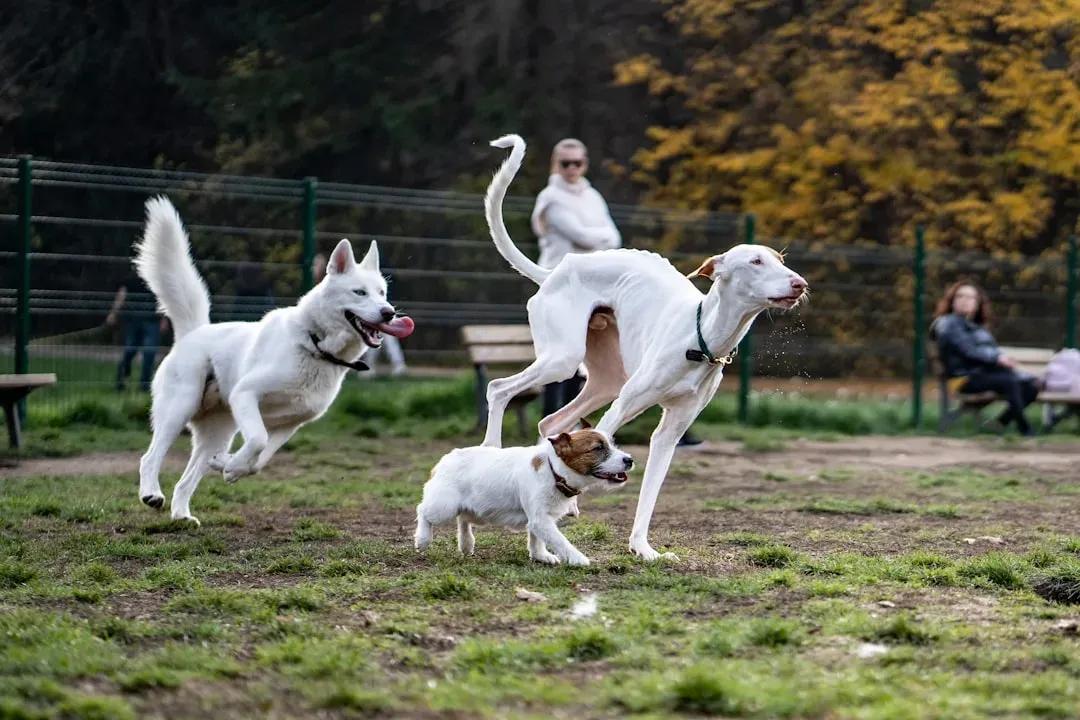
Many owners assume that a dog that wants to greet everyone is “friendly” and that a dog that avoids contact is “antisocial,” but vets see it more like a social skills spectrum. The dog who lunges and barks at every other animal may not just be “protective”; they might be overwhelmed, under-socialized, or feeling trapped on the leash with no escape route. That’s critical information for safety and for planning how to handle them in the exam room.
On the flip side, some dogs tolerate other dogs but are clearly uncomfortable – they freeze, look away, tuck their tails, and move behind their owner when approached. That dog is doing their best to cope and communicate politely, and a good vet will notice and try to protect that boundary. The waiting room is a stress test for social comfort; how your dog handles it helps vets advise on training, behavior support, and even whether a different waiting setup (like waiting in the car) might be kinder.
3. Stress levels and coping styles under pressure
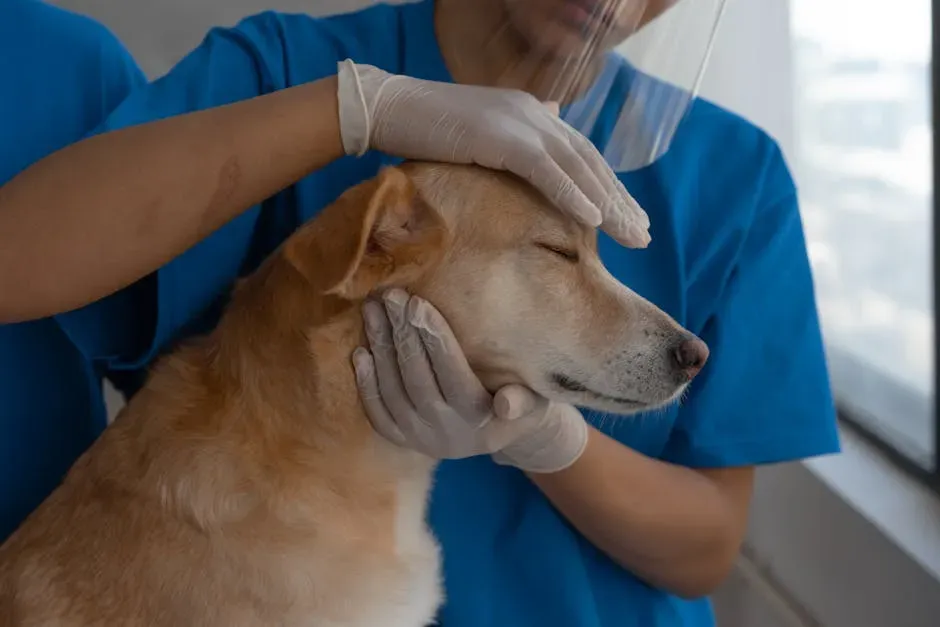
Vets know that a vet visit is one of the most stressful “everyday” events a typical dog faces, so they pay close attention to how your dog copes. Some dogs pace, pant heavily, shed more than usual, or drool – all subtle but meaningful signs of anxiety. Others shut down quietly, lying rigidly on the floor or refusing treats, which can be far easier for owners to overlook.
These patterns matter because chronic or intense stress can affect everything from heart rate and blood pressure to how a dog responds to treatment. If a vet sees a dog consistently overwhelmed in the waiting room, they might recommend pre-visit medications, desensitization visits just to get cookies and leave, or a quieter time of day. Over time, those adjustments can turn the vet clinic from a horror movie into something closer to a mildly annoying errand.
4. Breathing, posture, and subtle signs of pain
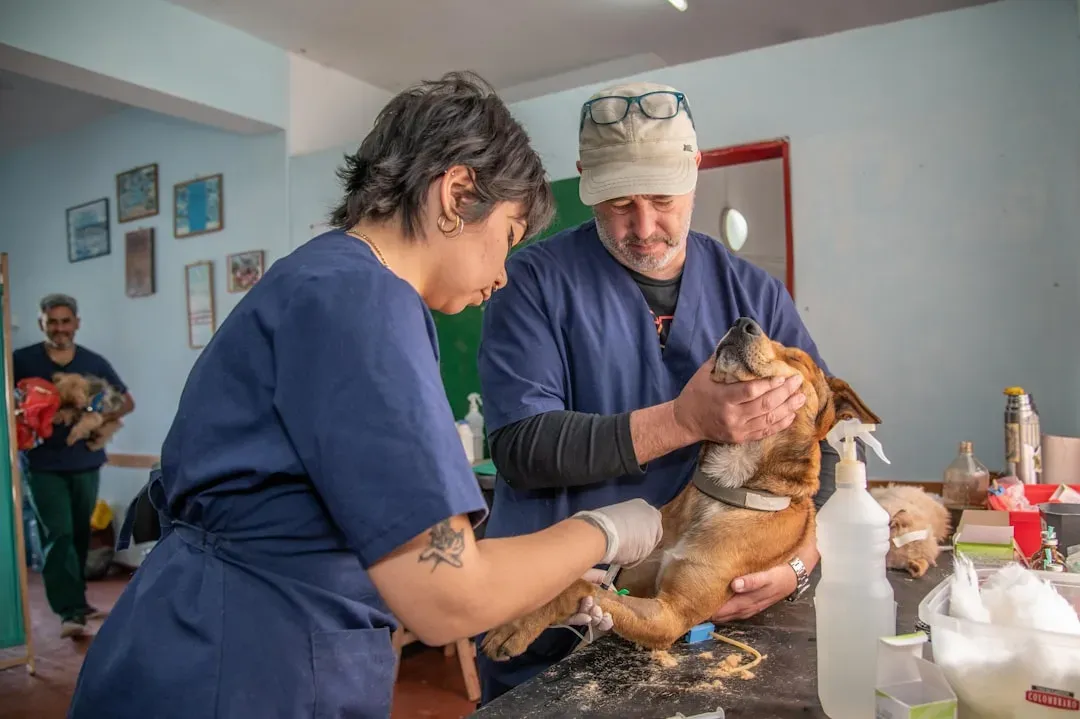
To most people, a dog lying down in the corner just looks “relaxed,” but vets are trained to notice whether a dog is lying evenly or shifting weight away from a painful limb, sitting crooked, or getting up slowly and stiffly. Even in a short wait, repeated position changes, reluctance to lie down, or constant shifting can be red flags for pain, arthritis, spinal discomfort, or abdominal issues.
Breathing tells another part of the story. There is the obvious panting from heat or stress, but vets also notice shallow breathing, effort on inhalation or exhalation, coughing, or a soft wheeze at rest. A dog that pants hard before even being touched, with no heat or exertion to explain it, might be dealing with pain, heart or lung disease, or extreme anxiety. That quiet five minutes in the waiting room can surface issues that owners have normalized at home as “just getting older.”
5. Skin, coat, and that irresistible urge to scratch
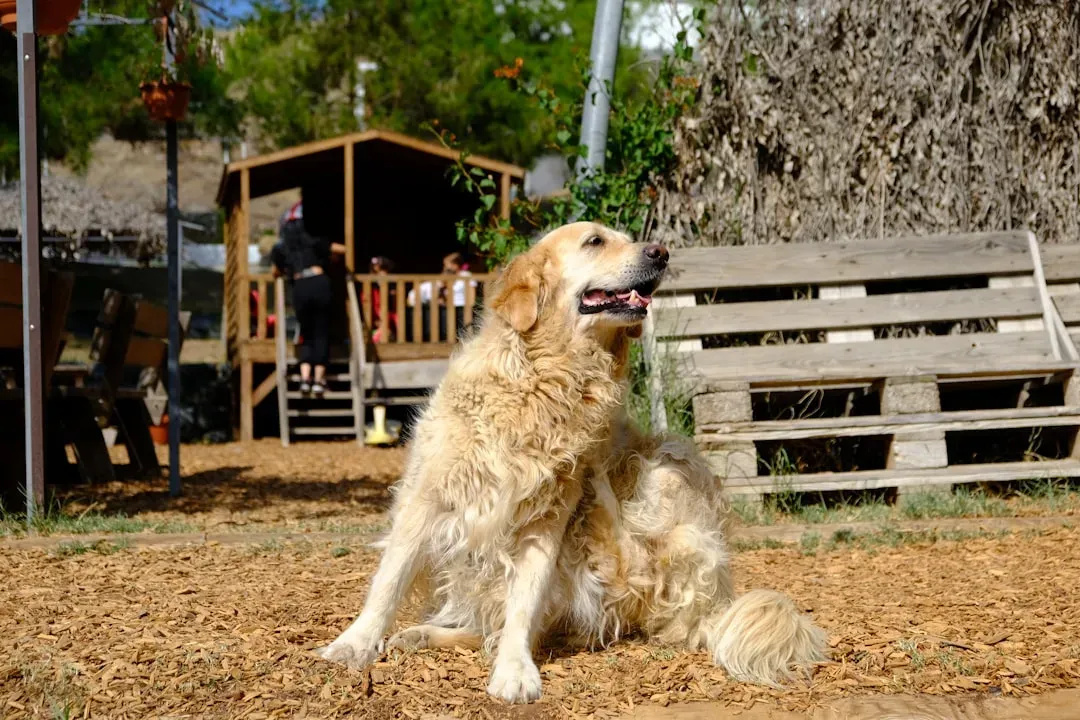
If your dog can’t go three minutes without scratching, licking, or chewing some part of their body, your vet absolutely notices. Constant foot licking, gnawing at the base of the tail, rubbing the face on the floor – these behaviors can point to allergies, parasites, skin infections, or even pain. The waiting room is often when these habits show up, because the dog is bored and less distracted than at home.
Vets also glance at coat quality and overall grooming. A dull coat, patchy fur, flaky skin, or a strong odor may suggest underlying health issues, from allergies to hormonal problems. It doesn’t mean you’re a bad owner; often, people simply think their dog’s skin or smell is “normal for them.” When vets see several little clues together in the waiting room, they know to dig deeper with questions and a thorough exam.
6. Weight, muscle tone, and how your dog moves
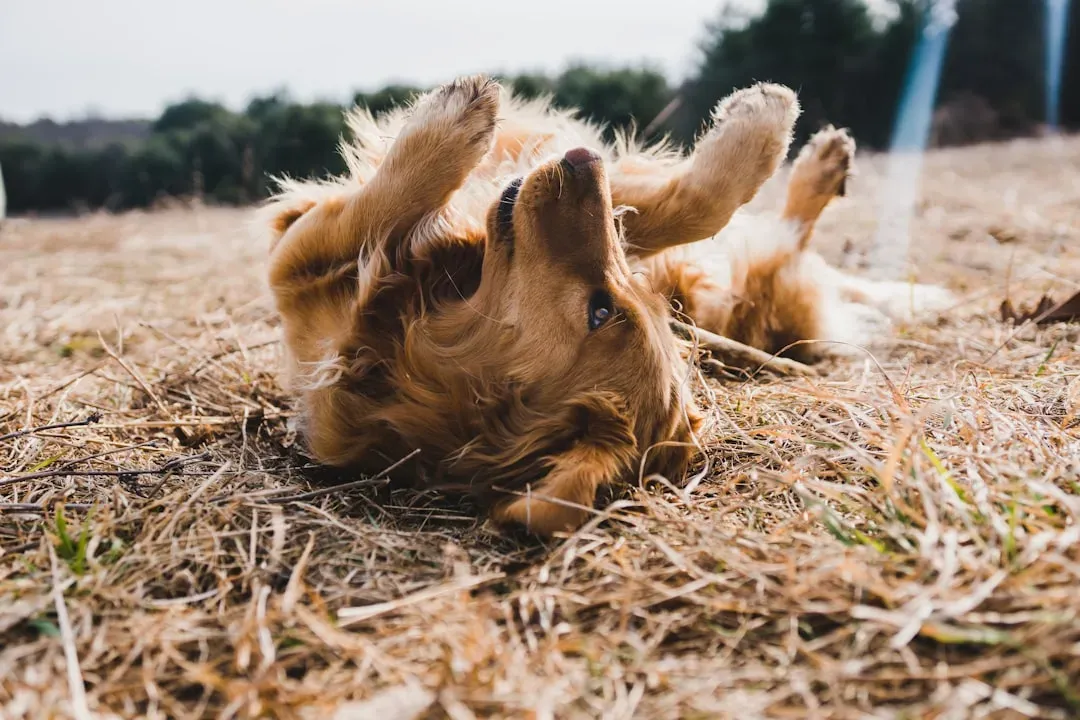
Even before stepping on the scale, the way your dog looks and moves tells a lot. Vets notice if ribs are impossible to feel under a thick pad of fat, or if the waist and tuck are barely there. On the flip side, a dog that looks “lean and athletic” to an owner can sometimes be under-muscled or underweight once a trained eye looks more closely. Waiting room walk-ins and turn-arounds act like a mini runway show for assessing body condition.
Movement is just as revealing. A dog that bunny-hops with the back legs, hesitates on slick floors, or has a subtle head bob when walking can be showing early orthopedic issues, like hip or elbow problems. Owners often only notice when limping is obvious, but vets can catch those early hints from how the dog navigates the short distance from the door to the chairs. Early detection means earlier support – from joint supplements and lifestyle tweaks to pain management plans.
7. Relationship clues between dog and owner
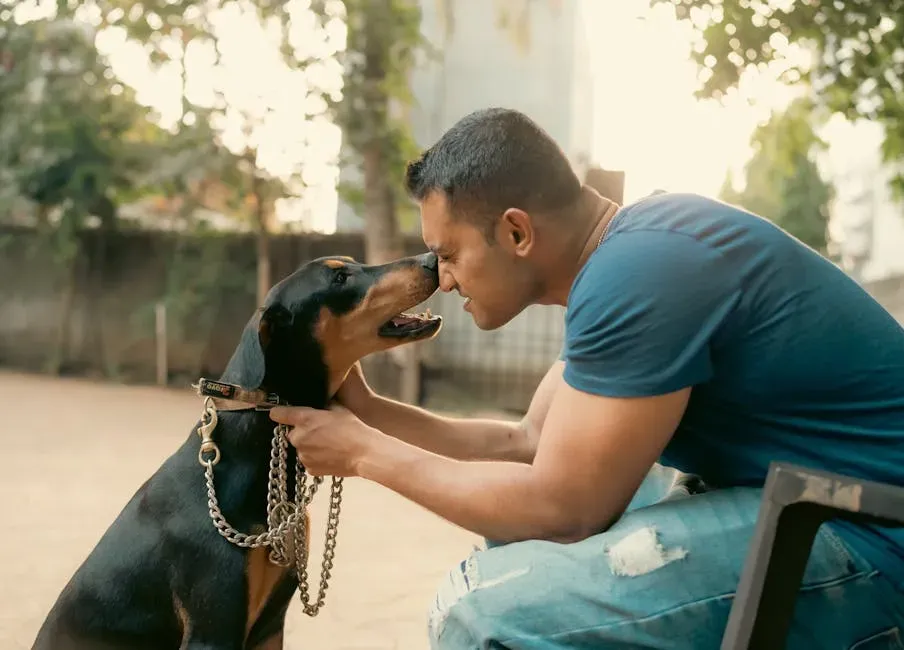
Vets would never say it out loud in a judgmental way, but they’re absolutely observing your relationship with your dog. Do you speak calmly and reassuringly, or yank the leash and scold when your dog reacts? Does your dog check in with you for comfort, or avoid eye contact and flinch when you move? These small dynamics say a lot about trust, training style, and how easy or hard it will be to follow treatment plans at home.
When a dog looks to their person for reassurance and gets it consistently, the whole visit tends to be smoother. If, instead, the dog is trying to cling to the wall while the owner jokes that the dog is “being dramatic,” the vet knows they may need extra patience and advocacy for that animal. Personally, I think of it like watching a parent and child at a dentist: the vibe between them can either soothe the situation or pour gasoline on the anxiety.
8. Manners, training, and real-world impulse control
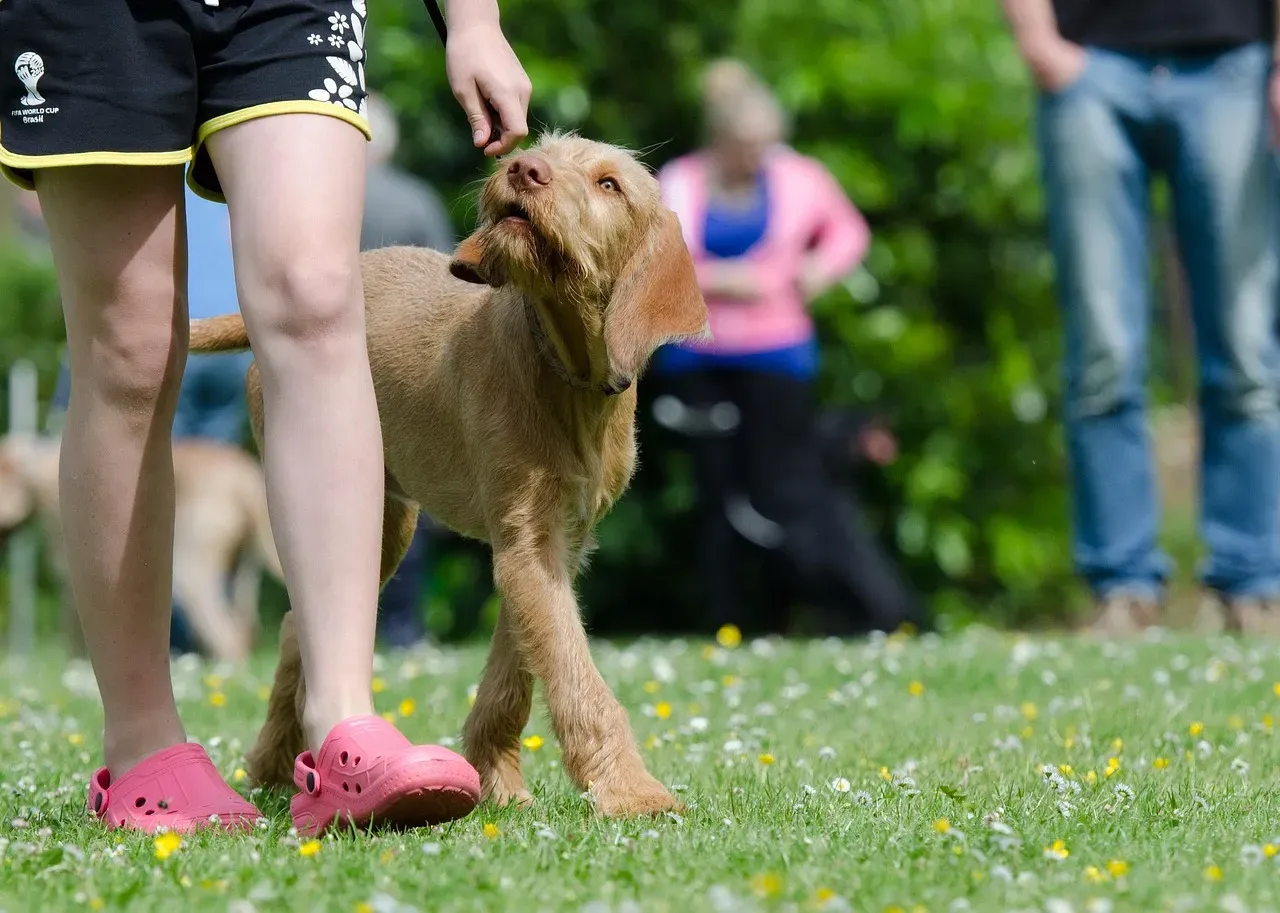
The waiting room is a real-world exam of your dog’s manners in a distracting, slightly stressful environment. Vets notice if your dog can sit on cue, respond to their name, or take treats gently when their nerves are up. A dog that knows basic cues but completely falls apart here might just need more practice in busy, high-distraction settings. A dog who has no idea what “sit” means at age three is telling a different story about training history.
None of this is about perfection; it is about safety and cooperation. A dog that pulls so hard you can barely hold them, jumps on strangers, or snatches treats with their teeth can be lovely at home but challenging to handle for vet staff. When vets see this, they might recommend training help, muzzle training for safety, or specific handling strategies. Good manners in the waiting room are not about impressing anyone – they are about making medical care less stressful and less risky for everyone.
9. Hygiene, equipment, and the subtle signs of daily care
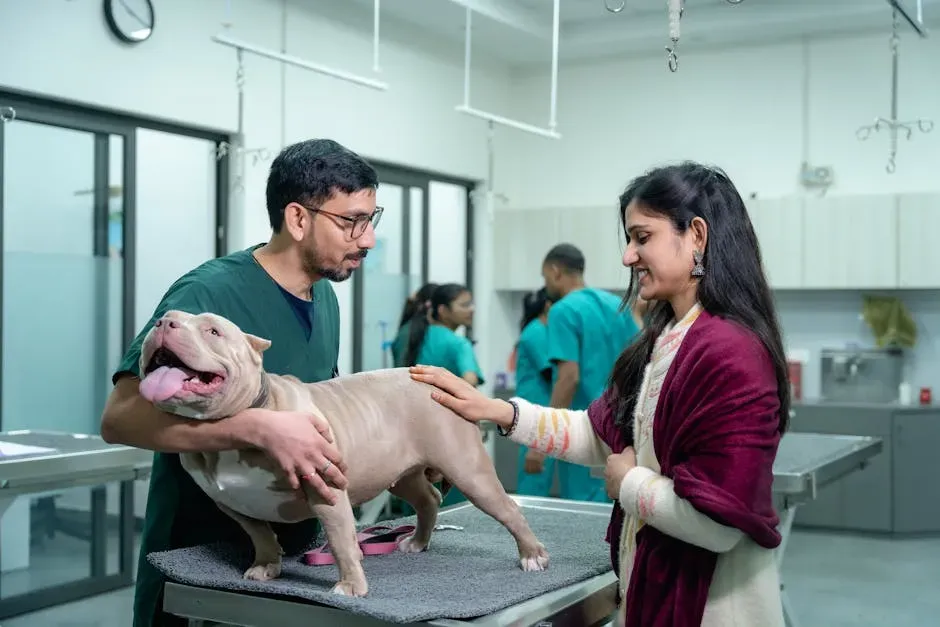
Lastly, vets quietly notice the little things that reflect day-to-day care: nail length, cleanliness around the eyes and ears, the condition of the harness or collar, and even the fit of the leash equipment. Overgrown nails that click loudly or cause the toes to splay can contribute to joint discomfort and posture problems. Dirty ears or a strong odor from the mouth or skin often hint at chronic issues that have been simmering under the radar.
They also pay attention to whether the collar is too tight, the harness rubs in odd places, or the tags are missing. It is not about judging your lifestyle; it is about catching preventable problems early. Think of it as the canine version of a doctor noticing you always wear shoes that are too small – they might gently point it out because fixing it could make a surprising difference to your comfort and health.
Conclusion: the waiting room is your dog’s first exam
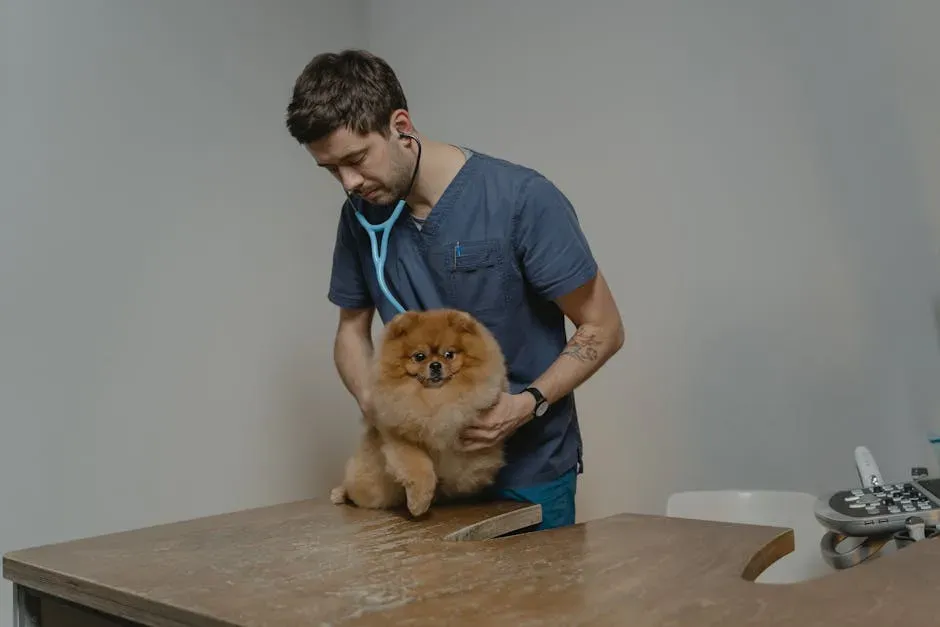
It’s easy to think the vet visit starts when your dog hops onto the exam table, but from a veterinarian’s perspective, it begins the moment you step through the clinic door. Those small details in the waiting room – the way your dog breathes, moves, handles other dogs, and looks to you for reassurance – all paint a richer picture than any single temperature or heart rate reading ever could. In a way, the waiting room is where your dog’s real story quietly surfaces.
My personal opinion? Once you realize how much your vet can see from those few minutes, it becomes a powerful opportunity instead of just an awkward wait. You can use that time to advocate for your dog’s comfort, notice patterns you might have brushed off, and ask better questions. Next time you sit down in that slightly-too-bright room with the faint smell of disinfectant, will you see it as dead time – or as the first, most honest chapter of your dog’s checkup?


