
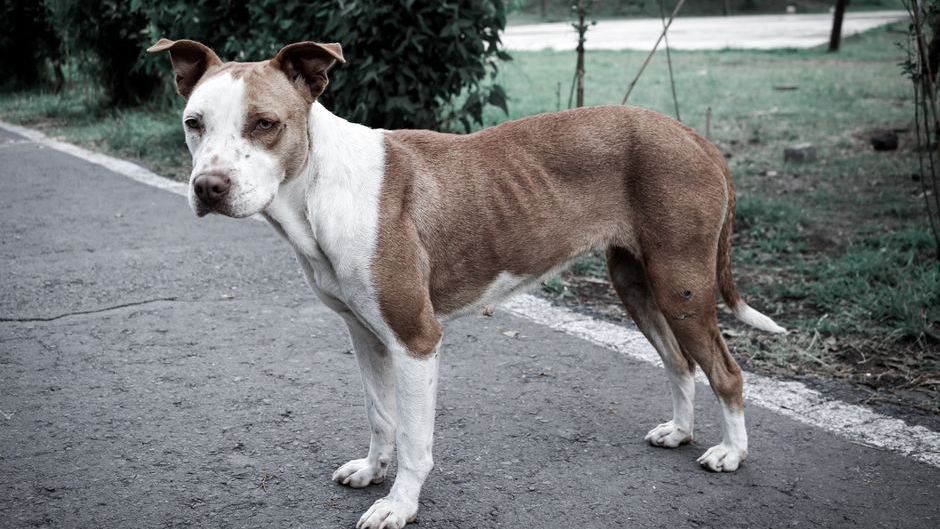
Owners often spot small shifts in how their dog looks and moves weeks or months before any serious diagnosis arrives. These changes can feel sudden once noticed, yet they tend to build gradually in ways that reward close attention.
Recognizing them early sometimes opens a window for comfort care, though every dog follows its own path. The following nine physical signs appear most consistently across different breeds and ages when illness turns terminal.
1. Rapid and Unexplained Weight Loss
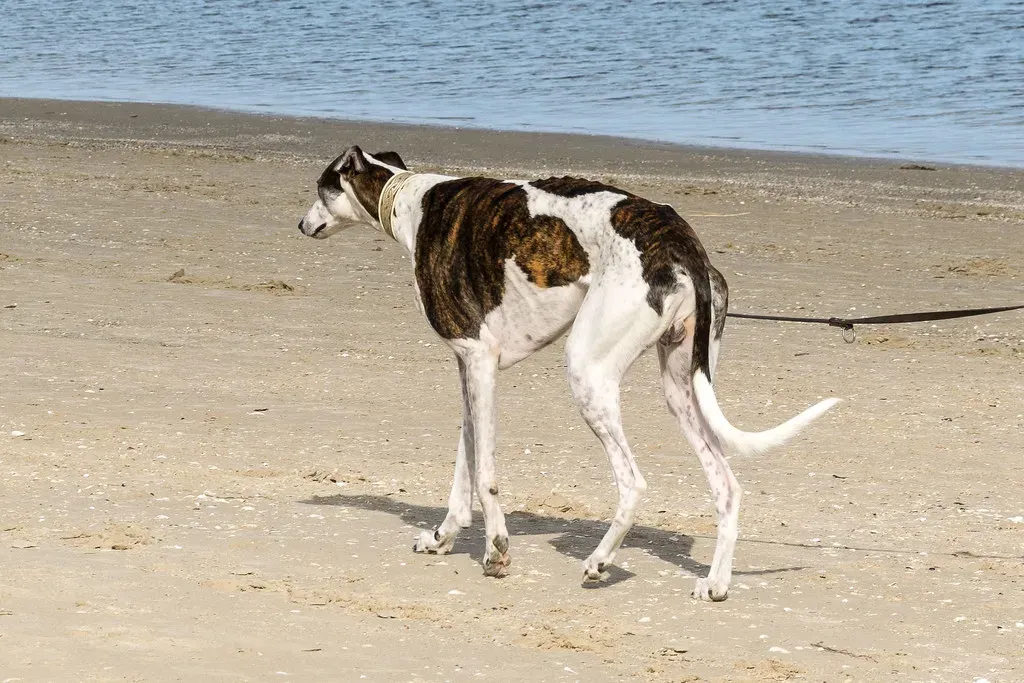
Dogs nearing the end of a terminal illness frequently shed pounds even when their food bowl stays full. Muscle and fat disappear first from the ribs and spine, leaving the outline sharper than before. Owners notice the change most clearly when running a hand along the back during routine petting.
The loss stems from the body diverting energy to fight disease rather than maintain tissue. A once sturdy frame can look almost gaunt within a few weeks. Regular weighing at home helps track the drop before it becomes dramatic.
2. Dull, Dry, or Thinning Coat

A healthy coat usually shines with regular grooming and good nutrition. In terminal stages the fur often turns coarse, loses its luster, and sheds more than usual. Patches of thinner hair may appear around the flanks or tail base.
Skin underneath can feel drier and less elastic to the touch. These coat changes reflect the body reallocating resources away from maintenance. Brushing may reveal more loose hair than expected for the season.
3. Pale or Bluish Gum Color
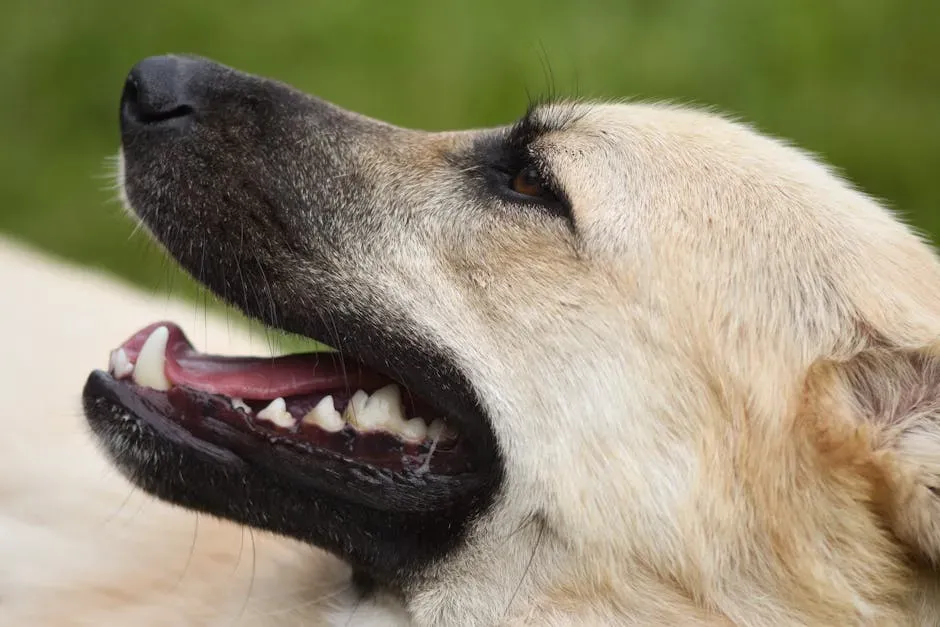
Normal dog gums range from bubblegum pink to deeper shades depending on breed. When circulation falters near the end of life the tissue often fades to a washed out tone or takes on a grayish cast. Pressing gently on the gum and watching the refill time offers another clue.
Owners who check this spot during daily interactions catch the shift sooner. The color change signals reduced oxygen delivery throughout the body. It tends to appear alongside other breathing or energy shifts.
4. Labored or Irregular Breathing
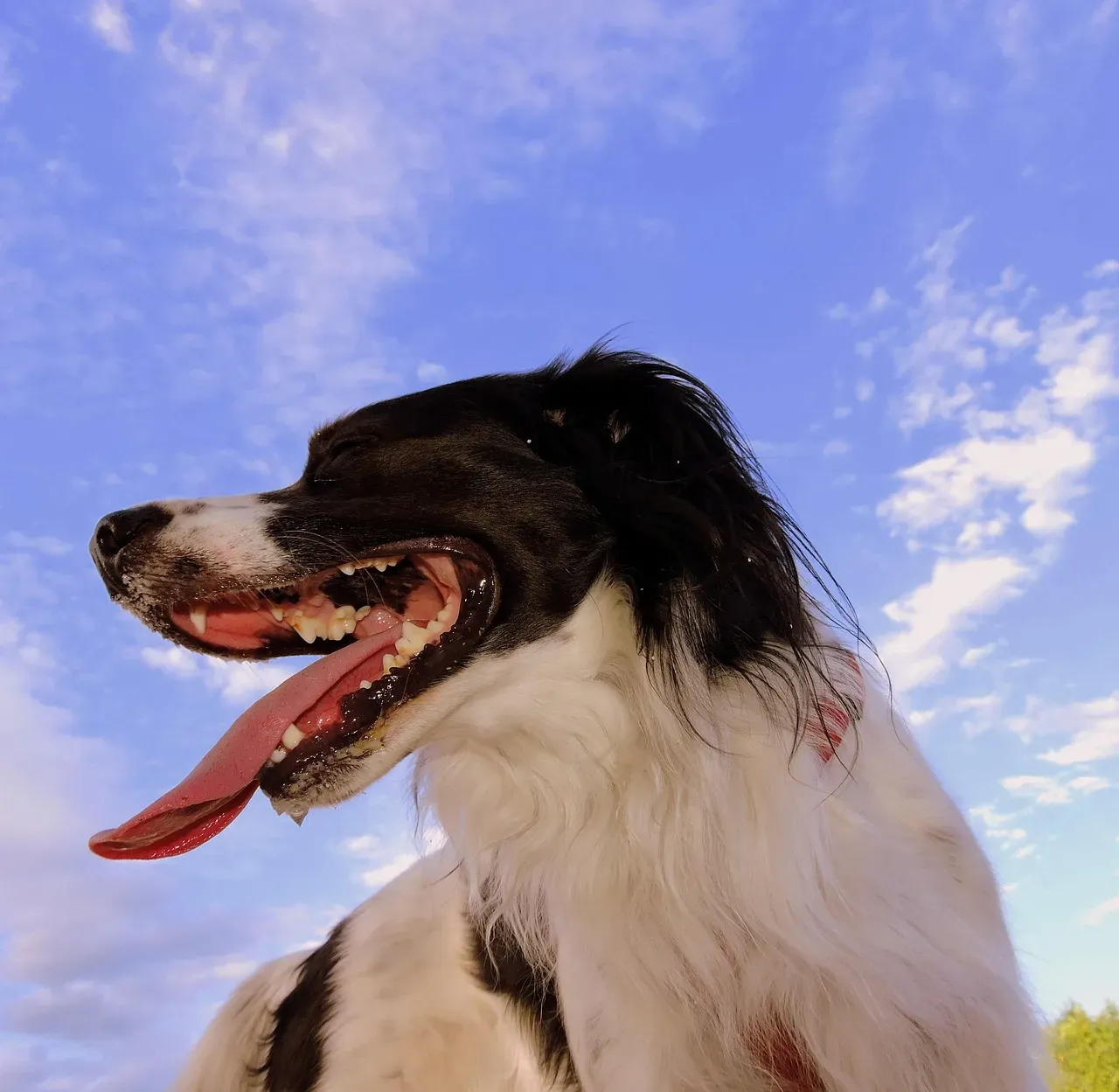
Breathing that once stayed quiet and steady can become noticeable at rest. Some dogs show longer pauses between breaths or a slight abdominal effort with each inhale. The pattern may worsen after light activity that never bothered them before.
These respiratory changes often trace back to fluid buildup, anemia, or organ strain. Watching the chest rise and fall while the dog sleeps provides a clear baseline. Any new effort or sound deserves a prompt veterinary discussion.
5. Visible Muscle Wasting
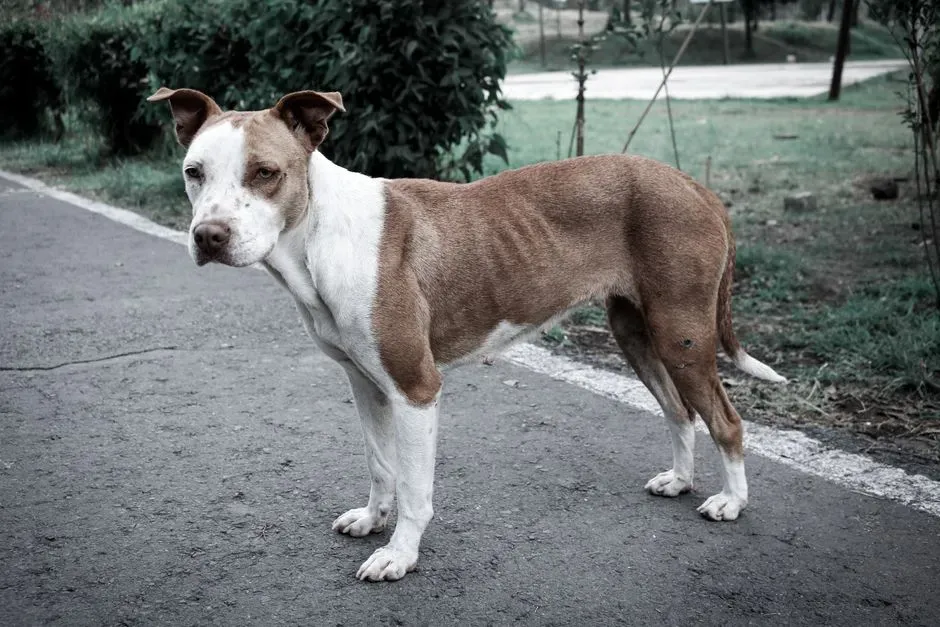
Muscle tone fades noticeably along the hind legs and shoulders as the illness advances. The once rounded contours flatten, and the dog may stand with a slight sway or need help rising from a nap. Daily walks that once built strength now highlight the decline.
This wasting happens because the body breaks down its own protein stores for energy. Gentle massage during calm moments can reveal how much softer the tissue feels. The change tends to progress steadily rather than overnight.
6. Loss of Bladder or Bowel Control
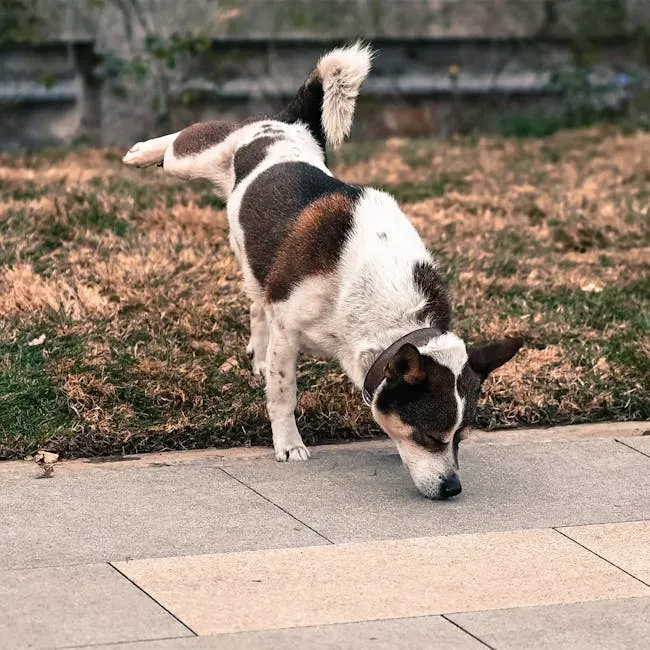
Accidents inside the house become more frequent even in dogs previously reliable. The muscles that control elimination weaken, leading to small leaks during sleep or sudden urges the dog cannot reach the door in time to manage.
Owners often find damp bedding or unexpected messes in familiar spots. The physical change reflects both neurological and muscular decline. Absorbent pads and more frequent outdoor trips can ease the practical side while the underlying condition continues.
7. Cold Paws or Ears
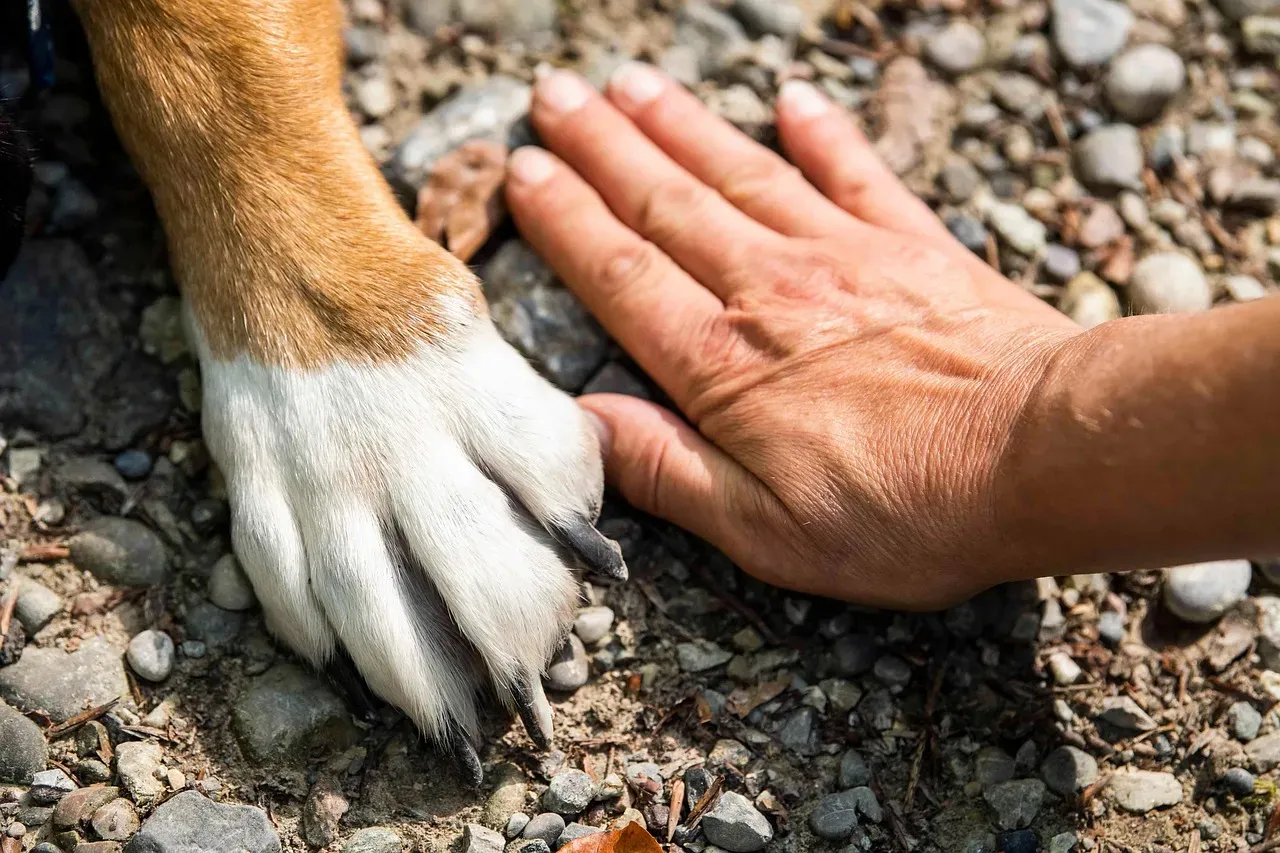
Extremities that once stayed warm to the touch can feel noticeably cooler even in a heated room. Poor circulation sends less blood to the paws, ears, and tail tip. Owners who greet their dog with a quick ear rub may notice the difference first.
The temperature drop tends to appear alongside other circulation signs such as pale gums. It serves as one more marker that the body is conserving core resources. A light blanket during rest periods sometimes helps the dog stay comfortable.
8. Chronic Digestive Upset
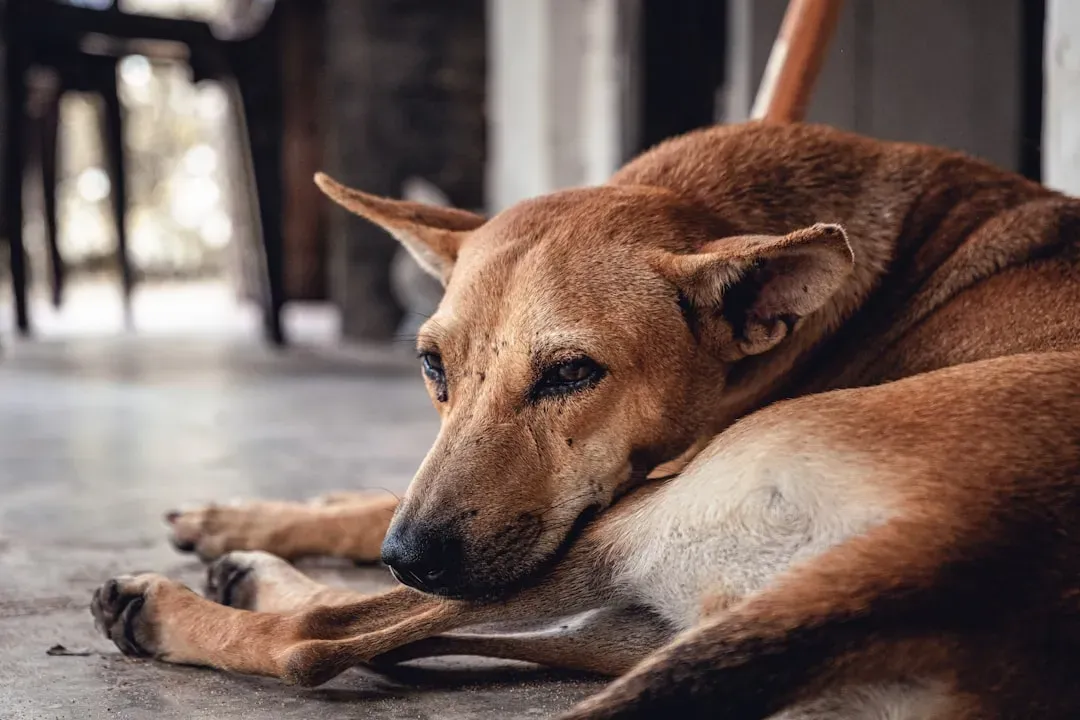
Vomiting or loose stools that persist beyond a day or two often mark advancing illness. The digestive tract loses efficiency, and food moves through too quickly or triggers irritation. Stools may change in color or consistency in ways that do not resolve with diet tweaks.
Owners track these episodes in a simple notebook to share with the veterinarian. The physical toll shows up as further weight loss and dehydration. Small, frequent meals of bland food sometimes reduce the immediate discomfort even when the root cause remains.
9. Altered Posture or Tremors

Dogs may hunch their back or tuck their abdomen when standing as discomfort grows. Subtle tremors can ripple through the legs or shoulders during rest, reflecting nerve or muscle fatigue. These shifts appear most clearly when the dog transitions from lying down to walking.
The posture change often pairs with slower movement overall. Gentle support under the belly during short outings can help maintain balance. Such visible adjustments signal the body working harder to perform basic tasks.
Paying attention to these physical signals lets owners focus on comfort and quality time rather than chasing cures that may no longer fit the situation. Veterinary guidance remains essential for tailoring pain relief and daily care to the individual dog.
Ultimately the bond between person and pet matters more than any checklist, and recognizing change early can turn remaining weeks into moments of genuine closeness instead of prolonged struggle.


