
Arizona doesn’t ease you in gently. Come June, Phoenix is already flirting with triple digits, the pavement is a frying pan, and the sun hangs in the sky like it has something to prove. For dog lovers who call this state home, choosing the right breed isn’t just a lifestyle decision – it’s genuinely a health and safety one.
Arizona’s extreme temperatures and low humidity create specific challenges for canine companions. Dogs regulate their body temperature primarily through panting, making heat tolerance a critical factor in breed selection. That’s not a small thing. Arizona temperatures can reach 120°F in summer, with pavement temperatures exceeding 150°F, and dogs with thick coats, flat faces, or those prone to breathing difficulties face increased risks of heat-related health issues.
The good news is that many dogs are remarkably well-suited to desert life – some almost as if they were designed for it. Others, unfortunately, struggle in ways that no amount of air conditioning can fully fix. Whether you’re a longtime Arizona resident or planning a move with your pup in tow, understanding these breed differences could make all the difference.
1. Chihuahua: The Original Desert Dog
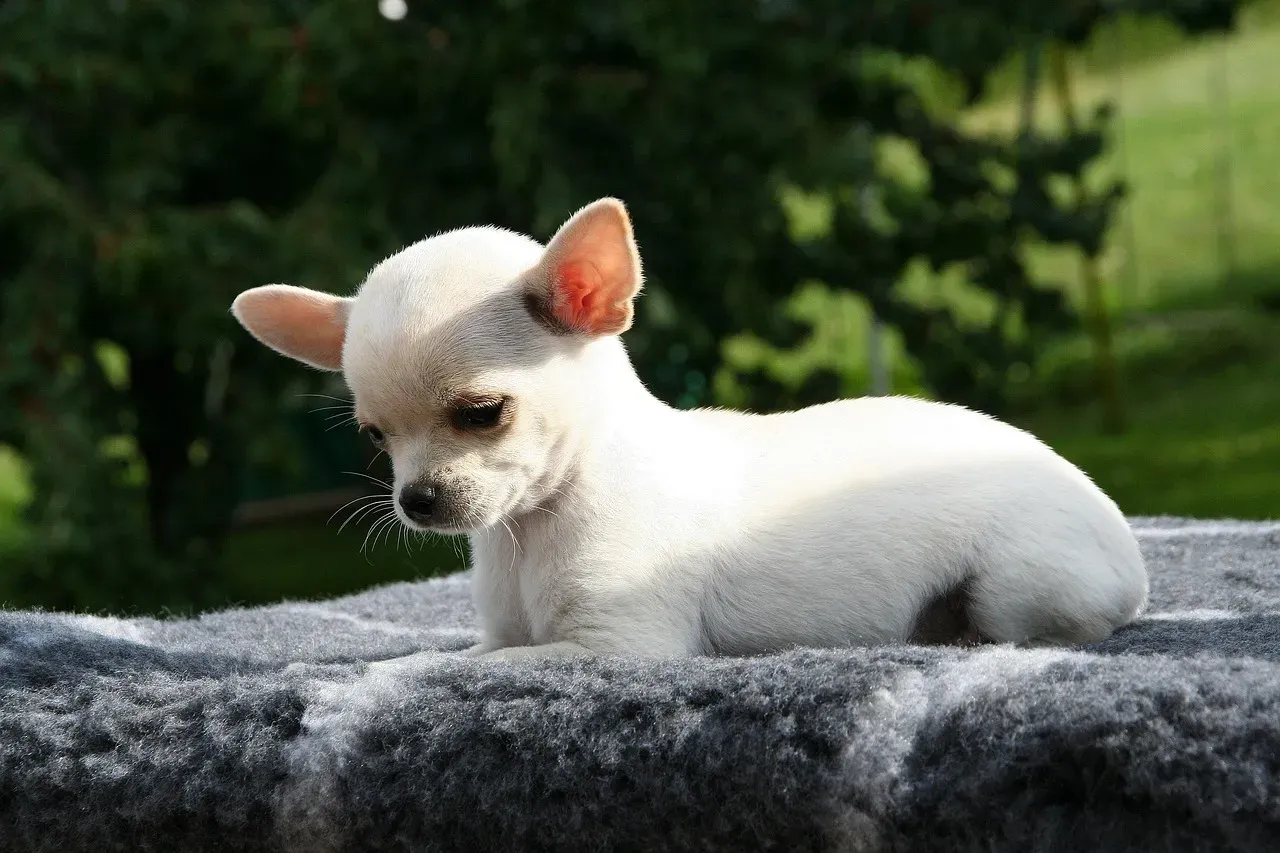
If there’s one breed that was practically born for Arizona, it’s the Chihuahua. Originating in the Mexican desert, the Chihuahua is a national symbol of Mexico with a lineage dating back to the ancient kingdoms of pre-Columbian times. This 2-to-5-pound dog with large erect ears and a thin coat seeks warmth and needs a sweater and a warm lap when the temperature drops.
The breed’s large, erect ears are more than just adorable. The shape also allows airflow over expanded blood vessels in the thin skin to cool both sides. They have a large nose and expansive chest cavity, helping to cool the air as they breathe. Think of them as compact, self-cooling machines. Their small size also means less body mass to overheat, which is a surprisingly meaningful advantage in a desert environment. Just keep them hydrated and off the burning asphalt, and they’ll thrive.
2. Basenji: The Quiet Desert Veteran

The Basenji, often referred to as the “African Barkless Dog,” is a breed that thrives in hot climates. Originating in Central Africa, they are well-adapted to warm environments. Their short coat, small, erect ears, and tightly curled tail enhance their ability to tolerate heat. Basenjis are known for their quiet demeanor and cat-like grooming habits, which help them stay clean in dusty environments.
Although they are extremely charming and attractive, the Basenji can be a challenging dog breed. They require a lot of training, activity and mental stimulation. They are highly intelligent, but are known for having a stubborn streak a mile wide. They’re not for first-time dog owners, but for experienced handlers in Arizona, the Basenji is a near-perfect desert companion. Their heat tolerance is genuine, not just manageable.
3. Australian Cattle Dog: Built for Hard Country
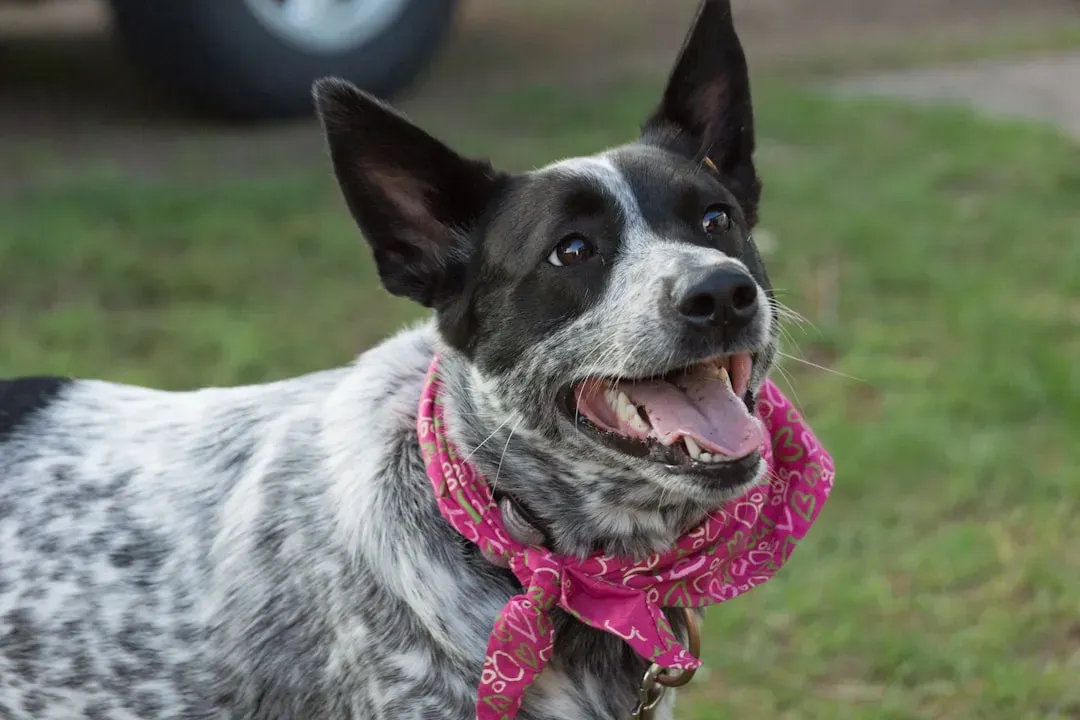
Australian Cattle Dogs bring working dog energy and heat tolerance to active Arizona families. Originally bred for herding in harsh Australian conditions, these dogs possess natural abilities that translate well to desert living. Also known as the “blue heeler,” the Australian Cattle Dog has a short double coat that keeps it cool during long days herding livestock. This active breed loves to work regardless of the weather, making it an excellent choice for warm temperatures.
Bred for endurance in hot, arid environments, Australian cattle dogs are perfect for active owners. Though they do require a lot of physical activity, their coats help dissipate heat, making them well-suited for warm climates. The key with this breed is scheduling. Morning hikes and evening play sessions work beautifully in Arizona. Midday, they’re better off indoors with a cool mat and mental enrichment toys. Their intelligence means boredom becomes its own problem if they’re cooped up all day.
4. Greyhound: The Elegant Heat Handler
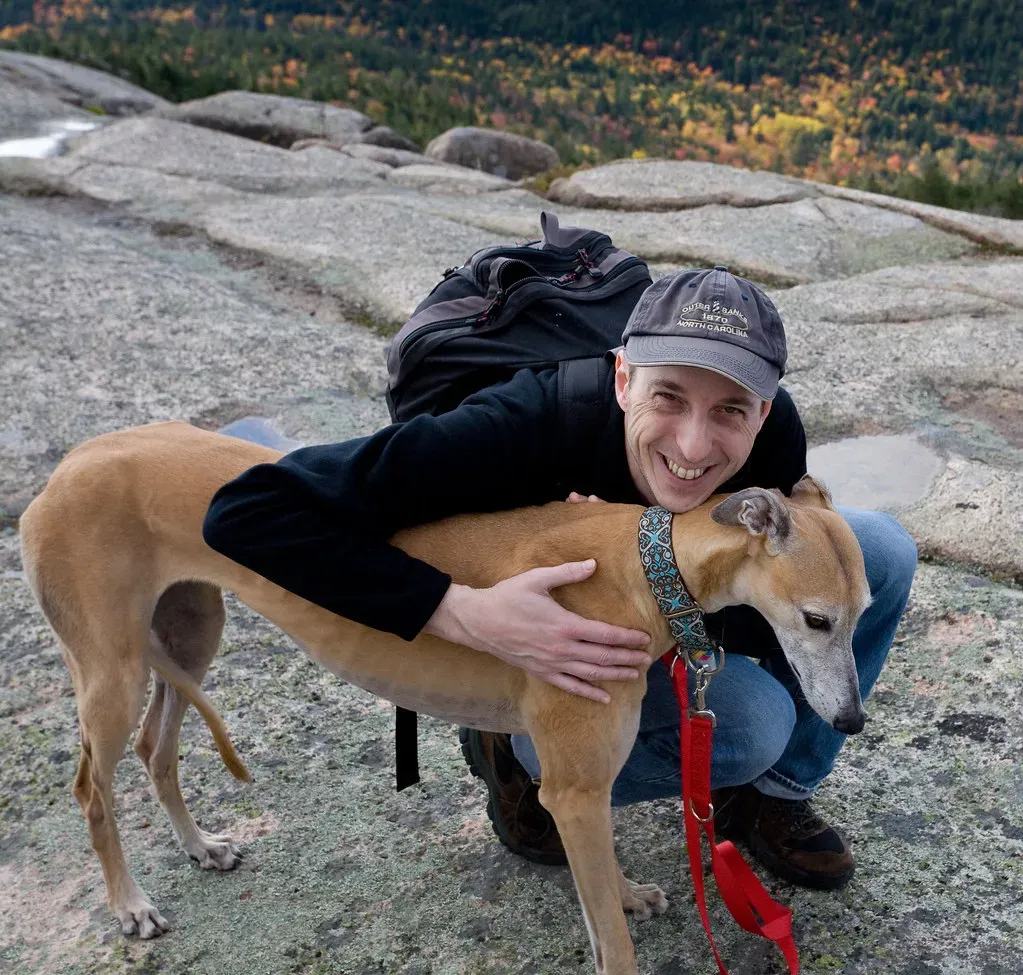
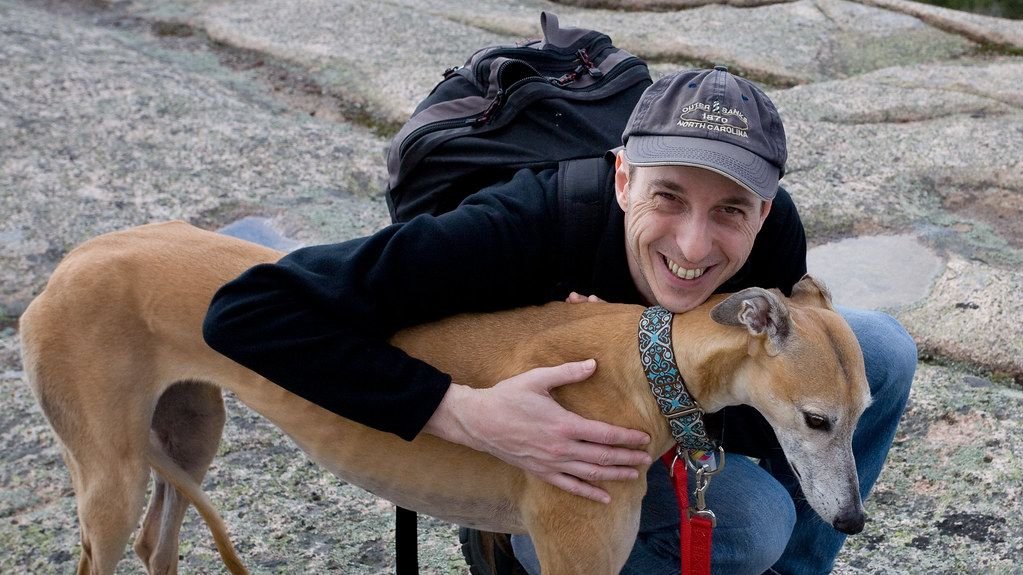
With its origins dating back more than 5,000 years to the deserts of Ancient Egypt, the Greyhound has long been adapted to warm climates. With its short, thin coat and lean body, the Greyhound regulates its temperature more easily in hot weather. This full-size sprinter thrives with short bursts of activity and leisurely walks in warm temperatures.
Their thin coats and lean bodies help greyhounds manage body heat effectively. They enjoy lounging indoors and need safe sprinting spaces outdoors. While they’re game for warm weather, greyhounds can be sensitive to truly extreme temperatures. Keep a close eye on your pup when it’s especially hot out. Many Arizona owners of retired racing greyhounds find that a dawn sprint at the dog park followed by a long air-conditioned nap is the ideal daily rhythm – and honestly, it sounds pretty appealing.
5. Rhodesian Ridgeback: Africa’s Desert Athlete
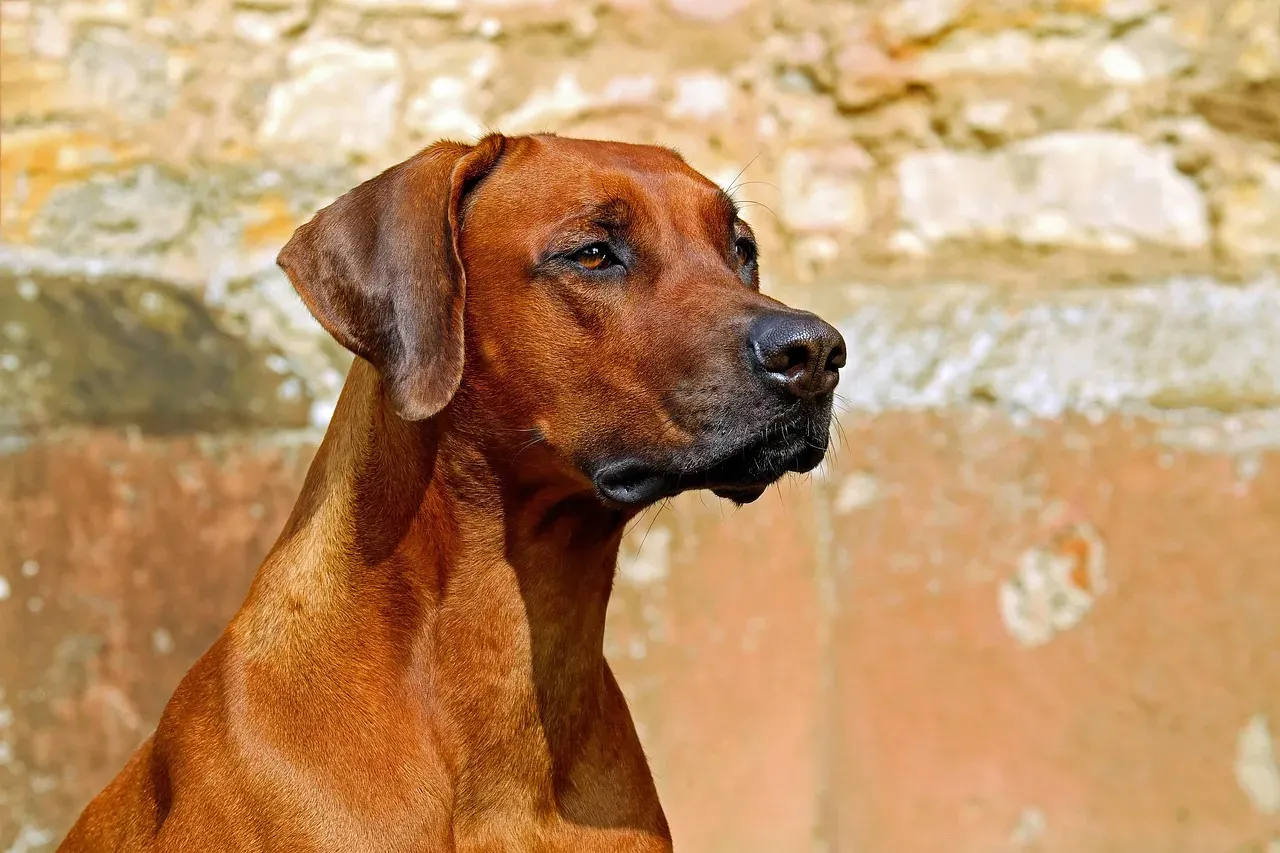
The Rhodesian Ridgeback, originally bred in Southern Africa to hunt lions, is well-adapted to hot, dry climates. Their distinctive ridge along the back, short and sleek coat, and muscular build make them suitable for the heat and terrain of the desert. Their short fur allows for good heat distribution, and their strong musculature lets them work easily in hot weather. This hot-weather-ready breed usually gets along swimmingly with young children and is highly affectionate with their families.
That said, this is a powerful, high-energy breed that demands serious exercise even in a hot climate. They’re known for their loyalty and make excellent family guardians. However, be mindful of their energy levels and ensure they don’t overexert themselves in extreme heat. Early morning runs, shaded yard access, and a reliable supply of cool water are non-negotiables. Watch for heavy panting and lethargy as early warning signs that they’ve pushed too far on a hot day.
6. Dalmatian: The Sun-Loving Sprinter
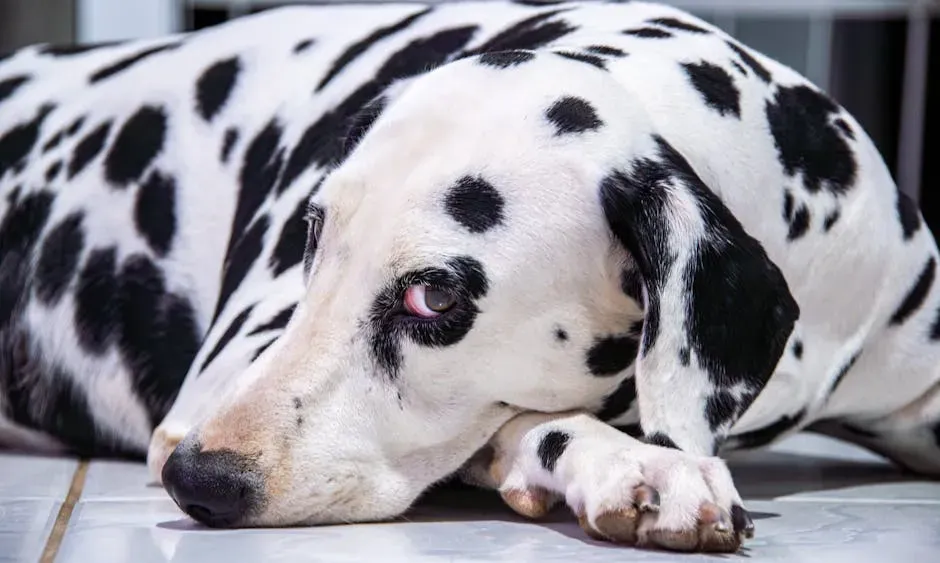
Originating as carriage dogs that would run alongside horses, Dalmatians have spent more than 200 years building endurance and a tolerance for heat. Their short, sleek coats, mostly white with dark spots, reflect sunlight, keeping them cooler than most dark-colored breeds. That light coloration is genuinely functional – darker coats absorb more radiant heat, and on an Arizona afternoon, that difference matters.
With short coats and a love of activity, dalmatians are great for warm climates. They boast impressive stamina and enjoy being active. Because their coats are so light, it’s important to protect this sun-loving breed with canine sunscreen. Dalmatians need consistent exercise and mental engagement, and Arizona’s early mornings provide the perfect window. Owners who build a routine around those cooler hours find the Dalmatian adapts exceptionally well.
7. Xoloitzcuintli: An Ancient Breed for a Modern Desert

The Xoloitzcuintli originates from Mexico. They are called by different names, like Mexican Hairless dog and Xolo. The Xoloitzcuintli is one of the oldest dog breeds still alive today, and it can survive in hot weather conditions since it has minimal to no hair. Xoloitzcuintli dogs come in three sizes – toy, miniature and standard. They are calm dogs who are affectionate and attentive to their families, but aloof with strangers. They aren’t extremely active dogs – a daily walk or an energetic playtime in a fenced yard satisfies.
Because their coats are short, all Xolos are tolerant of hot weather. As with other hairless dogs, you’ll need to protect the Xolo’s skin from the sun when they’re outside. The Xoloitzcuintli needs early socialization and consistent training. Think of sunscreen application as just part of your desert morning routine with this breed. Their calm energy and modest exercise needs also make them wonderfully suited for Arizona apartment and condo living.
8. Vizsla: The Velcro Dog of the Desert
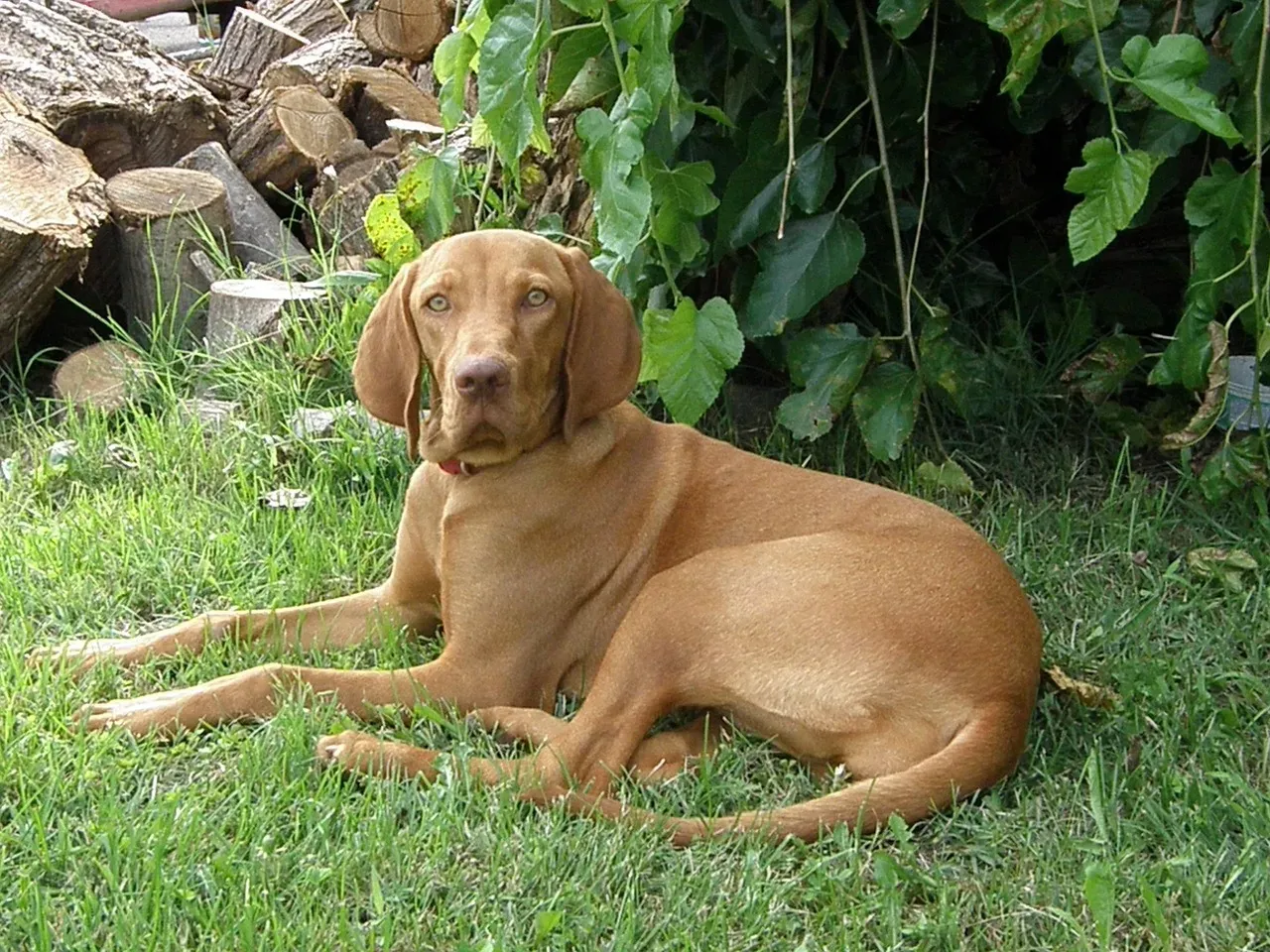
The Vizsla, a breed from Hungary, is known for its sleek, short coat and muscular build, making it well-suited for warm climates. Vizslas are highly energetic and require regular exercise, which they can handle even in warmer temperatures. Their affectionate nature and desire to stay active make them great companions for outdoor activities in desert regions.
These athletic, intelligent dogs are not the breed for people or families who are rarely home. Vizslas bond closely with their humans and are prone to separation anxiety. Since they’re bred as hunting dogs, Vizslas need daily mental and physical stimulation. Without a positive outlet for their brains and energy, they can turn their talents into destructive pursuits. For Arizona families who love hiking, trail running, or early morning bike rides, the Vizsla is a dream companion – just do it before 8 a.m. in July.
9. Saluki: The Middle Eastern Sighthound

The Saluki, one of the oldest dog breeds, is well-adapted to desert life. Originally bred in the Middle East for hunting, they have a slender build and long legs, which help keep them cool and enable them to move swiftly over hot sand. Native to warm climates, the Saluki tolerates almost any type of conditions, making them one of the most adaptable breeds you’ll find. Whether you choose the smooth or feathered variety, the Saluki’s coat is easy to take care of.
They need daily exercise and mental stimulation to prevent destructive behavior. Salukis love their people but are quite independent, like most sighthounds. They need patient, experienced owners to thrive. Their independent spirit can make training a longer journey, but Saluki owners will tell you the connection that develops is remarkably rewarding. In Arizona, they’re in their element – calm, graceful, and perfectly at home under a warm sky.
10. Doberman Pinscher: Sleek, Loyal, and Heat-Ready
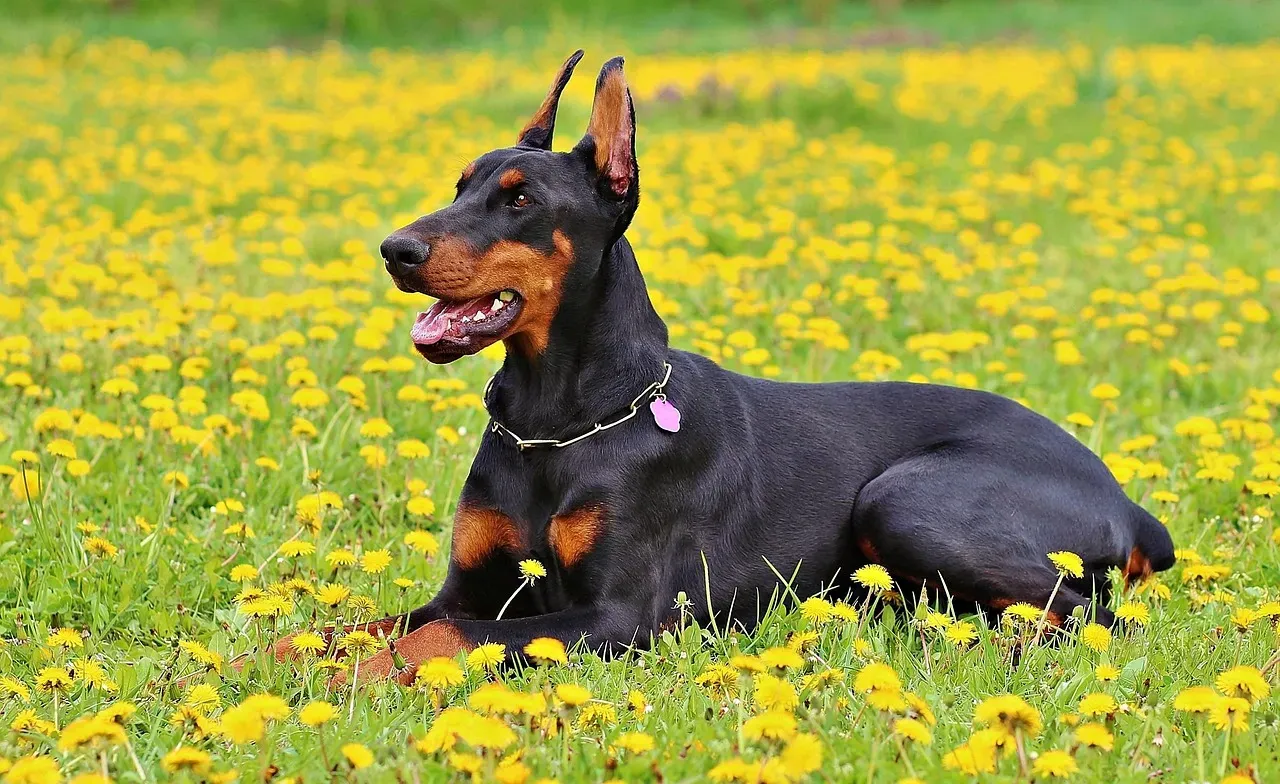
Doberman Pinschers, with their sleek and short coat, are well-suited for warmer climates, including deserts. Their lean and muscular build helps in efficient heat dissipation. Dobermans are known for their intelligence, loyalty, and energetic nature, making them well-equipped for active life in spacious desert areas. Their ability to handle intense physical activities even in warmer weather is a testament to their adaptability.
Dobermans are sleek, muscular dogs with short coats that handle heat better than thick-coated breeds. They’re intensely loyal and protective, making them excellent guardians. Still, they need consistent training and socialization. One important behavioral cue to watch for: if your Dobie becomes restless indoors and refuses water on a hot afternoon, take that seriously. Reluctance to drink paired with lethargy can signal early heat stress and warrants immediate cooling measures.
11. Whippet: The Lean, Light-Footed Desert Sprinter
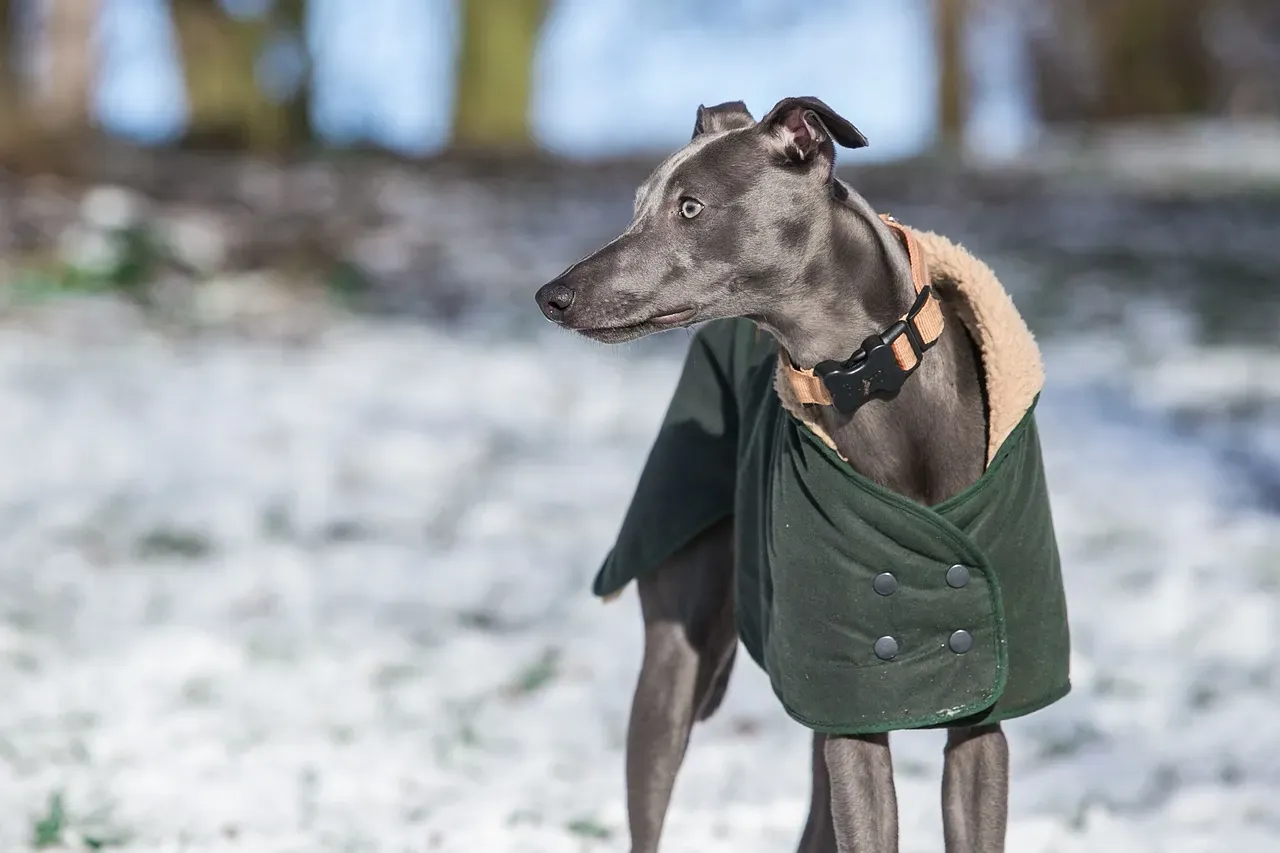
Whippets have super short, thin coats and deep chest cavities, which make chilling out at high noon under the sun a piece of cake. They hail from England and make great pets for people who need a low-maintenance breed. The Whippet’s extremely short hair coat helps them spread and release heat well. Their blood vessels are very close under the skin, and their skin is thin, so any excessive heat can be distributed easily.
Their streamlined build doesn’t make them impervious to the effects of heat, so while they certainly prefer the summer sun to a wintery day, even Whippets need plenty of care to stay safe and healthy when the temperatures climb. They do best with a structured routine: a brisk early walk, indoor downtime through the heat of the day, and a relaxed evening stroll. They’re adaptable, affectionate, and surprisingly easy to manage in Arizona’s climate – a real hidden gem for desert dwellers.
12. Labrador Retriever: The Adaptable All-American
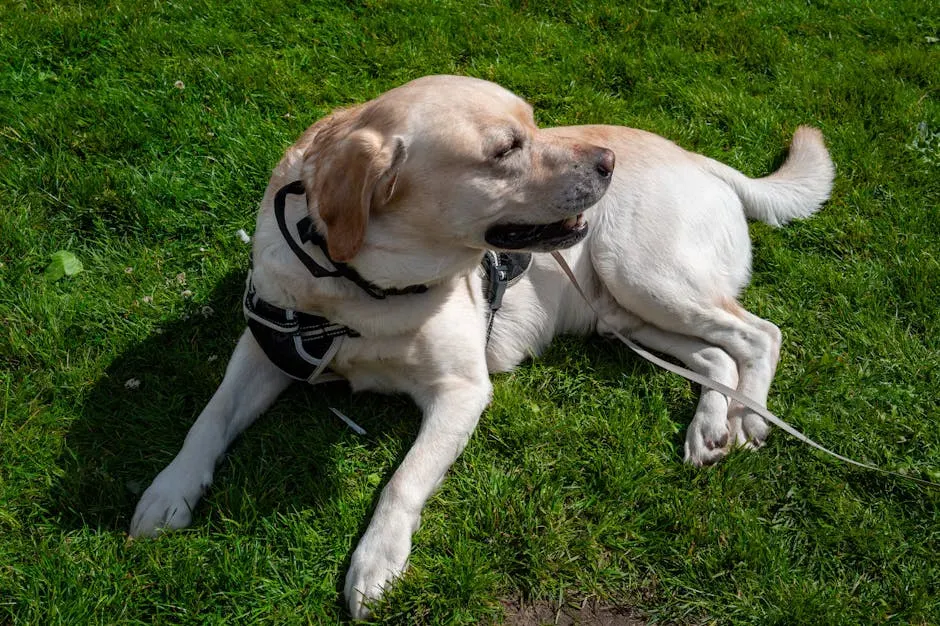
Labrador Retrievers consistently rank among the most beloved dogs nationwide, and Arizona residents are no exception. These versatile companions adapt surprisingly well to warm climates when provided proper care and cooling opportunities. While their double coats help keep them warm in cold water, these coats also protect against heat if they’re brushed regularly to remove excess fur. However, they need ample water and shade and should avoid activity during peak heat.
Their short, straight hair allows the breed to manage remarkably in the heat, and their webbed toes make them excellent swimmers! A backyard pool or a portable splash pad is an absolute game-changer for a Lab in Arizona. Regular brushing to remove the undercoat during shedding season is especially important in desert heat – trapped dead fur can trap heat close to the skin and increase discomfort significantly. With proper management, Labs thrive here.
Now the Honest Part: 5 Breeds That Can’t Cope
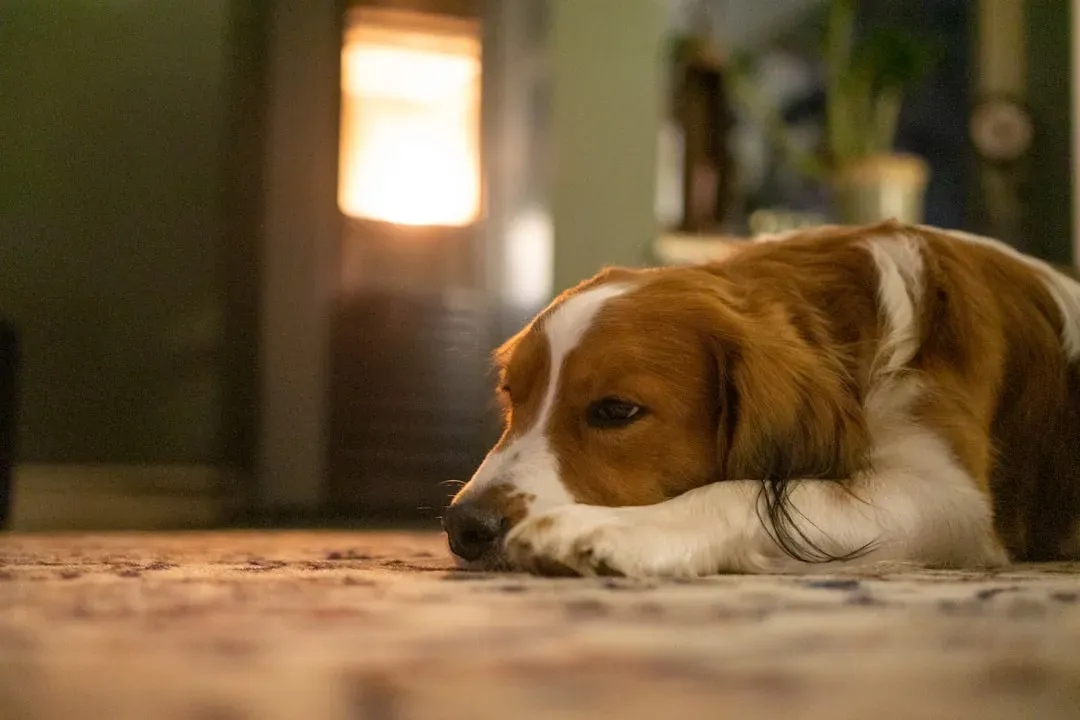
Loving a dog means being honest about what their bodies can and can’t handle. The following five breeds face serious, genuine risks in Arizona’s desert heat. That doesn’t mean they can never live here – but their owners need to understand the stakes and take significant precautions year-round.
Some dogs are at higher risk than others, including dogs with thick fur coats, very old or young dogs, and dogs with heart or upper respiratory problems. Some dog breeds are more sensitive to heat than others because of their physical traits, such as a flat face or thick double coat. Brachycephalic breeds like Pugs, Bulldogs, and Boston Terriers are especially prone to overheating in the summer. Double-coated breeds like Alaskan Malamutes and Saint Bernards are better suited for cooler climates.
13. English Bulldog: The Heat’s Most Vulnerable Victim

The flat face of an English Bulldog makes this breed prone to overheating. It’s vital that pet parents restrict this dog’s outdoor activity during the heat of the day. This shouldn’t be too difficult, as English Bulldogs have a reputation for being lazy and calm dogs. Brachycephalic breeds cannot pant as efficiently and have a harder time keeping themselves cool, putting them at a higher risk in hot or humid weather.
The English Bulldog prefers to live life in the slow lane – especially when temperatures start rising – because this brachycephalic breed has a short muzzle that raises the risk of overheating. It’ll likely be easy to keep this laid-back dog inside all day, but you do need to encourage exercise during cooler weather so your Bulldog doesn’t gain too much weight. Watch for loud, raspy breathing, excessive drooling, and gum coloring turning pale or bluish – these are emergency warning signs in any brachycephalic breed and require immediate veterinary attention.
14. French Bulldog: Cute Companion, Serious Heat Risk

With a brachycephalic (short-nosed) structure, French Bulldogs struggle in high heat and are best suited for indoor environments with air conditioning. Their compact size and low energy needs make them good apartment dogs in Arizona, but they need extra caution in warm weather. Another short-muzzled breed, French Bulldogs cannot effectively cool down through panting. And because dogs don’t sweat like humans do, this can be dangerous. French Bulldogs are the most popular dog breed in the U.S., and their pet parents need to know how to keep this breed cool and safe.
The popularity of Frenchies makes this an especially important conversation for Arizona dog lovers. Many owners underestimate how quickly the situation can escalate. Warning signs of heat stress include excessive panting, drooling, red or pale gums, weakness, vomiting, diarrhea, and, in severe cases, collapse or seizures. French Bulldogs in Arizona can absolutely live comfortable lives, but they’re strictly indoor dogs from May through October, with outdoor time limited to shaded, brief bathroom breaks during cooler hours.
15. Alaskan Malamute: A Cold-Climate Dog in the Wrong State
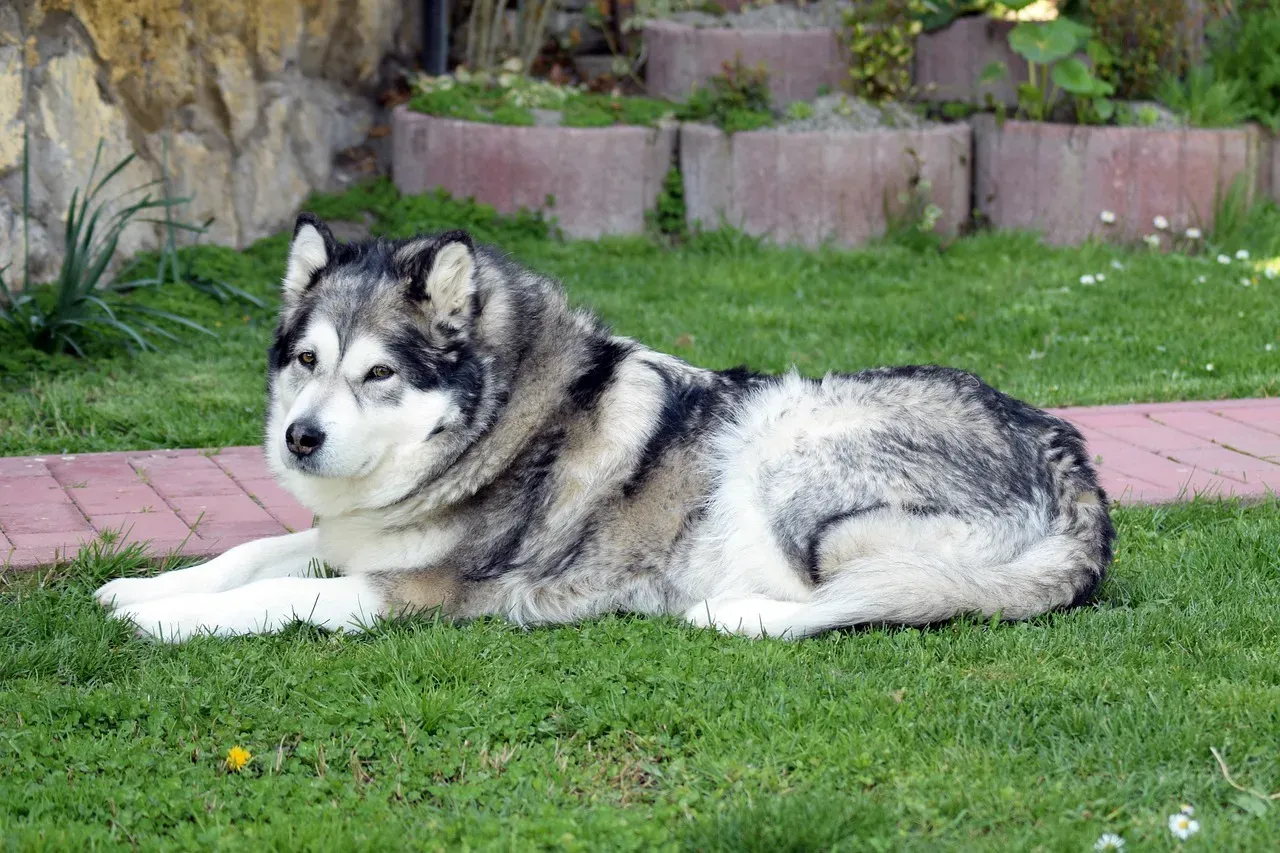
The Alaskan Malamute was bred to pull heavy loads in freezing Alaskan temperatures. This makes them one of the best dog breeds for cold weather, but one of the worst for hot climates. A summer heat wave is less tolerable for this double-coated working dog. The breed’s dense coat is like a well-insulated parka that traps heat and locks out moisture, but it’s not the best in sweltering summer temperatures. Malamutes love to work and be outside, so this dog breed is best for homes in colder or moderate climates.
Keeping your Malamute inside during the hottest parts of the day and routinely grooming them with a comb or undercoat rake to remove excess fur can help your dog stay comfortable. If you already have a Malamute and live in Arizona, rigorous grooming, reliable air conditioning, and an absolute commitment to dawn-and-dusk-only outdoor activity are your best tools. Their instinct to keep working regardless of how they feel is the real danger – they won’t always tell you when they’re struggling.
16. Chow Chow: A Breed That Belongs in Cooler Climates
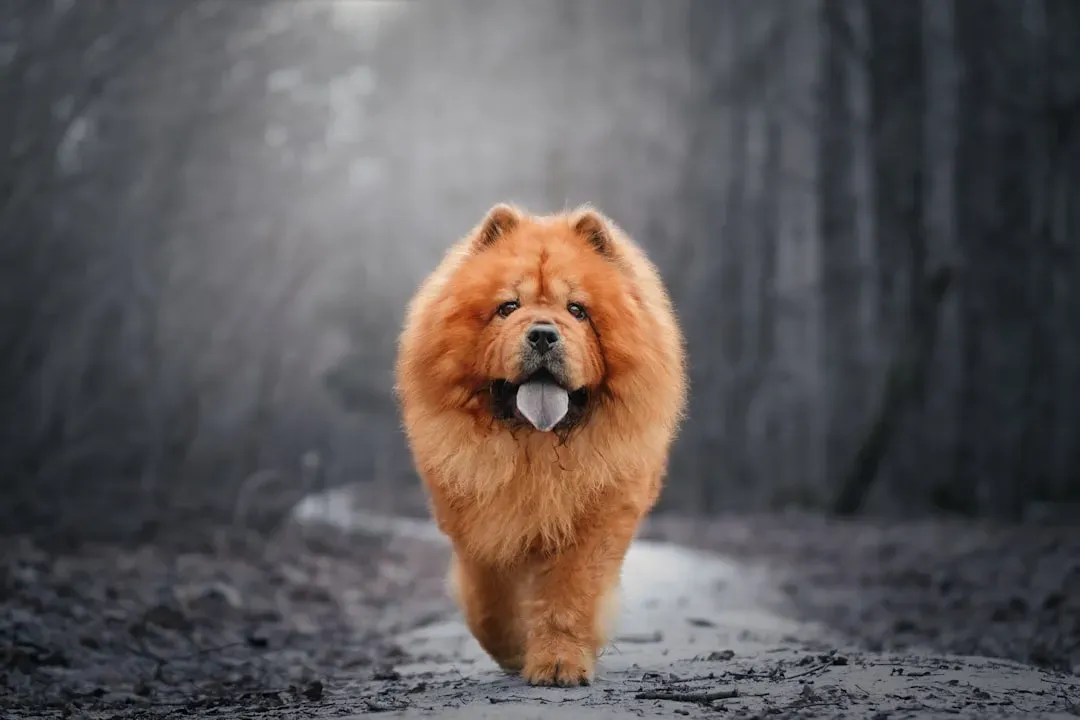
Chow Chows are not well suited for hot weather due to their thick double coat and heavy build. When not properly cared for, they can easily overheat. Regular grooming prevents matting and gets rid of excess fur that contributes to heat. One glance at the Chow Chow’s thick, fluffy double coat and you’ll know that this dog breed doesn’t do well in the peak of summer. The good news is that these large dogs are surprisingly chill and don’t have a lot of energy to burn. A Chow Chow will be happy with just a few short walks each day, so aim for an early morning and an evening stroll when the sun isn’t high in the sky.
The Chow Chow’s stoic nature can actually work against them in extreme heat – they tend not to show distress until the situation is already serious. Owners in Arizona should be especially proactive, watching for subtler signs like slower movement, seeking cool floor tiles, or reduced interest in food. Offering your dog shade, air conditioning, cooling mats, and constant access to fresh water is the baseline requirement, not an optional extra. This breed requires a genuinely cool indoor home to live safely in Arizona.
17. Saint Bernard: The Arizona Misfit
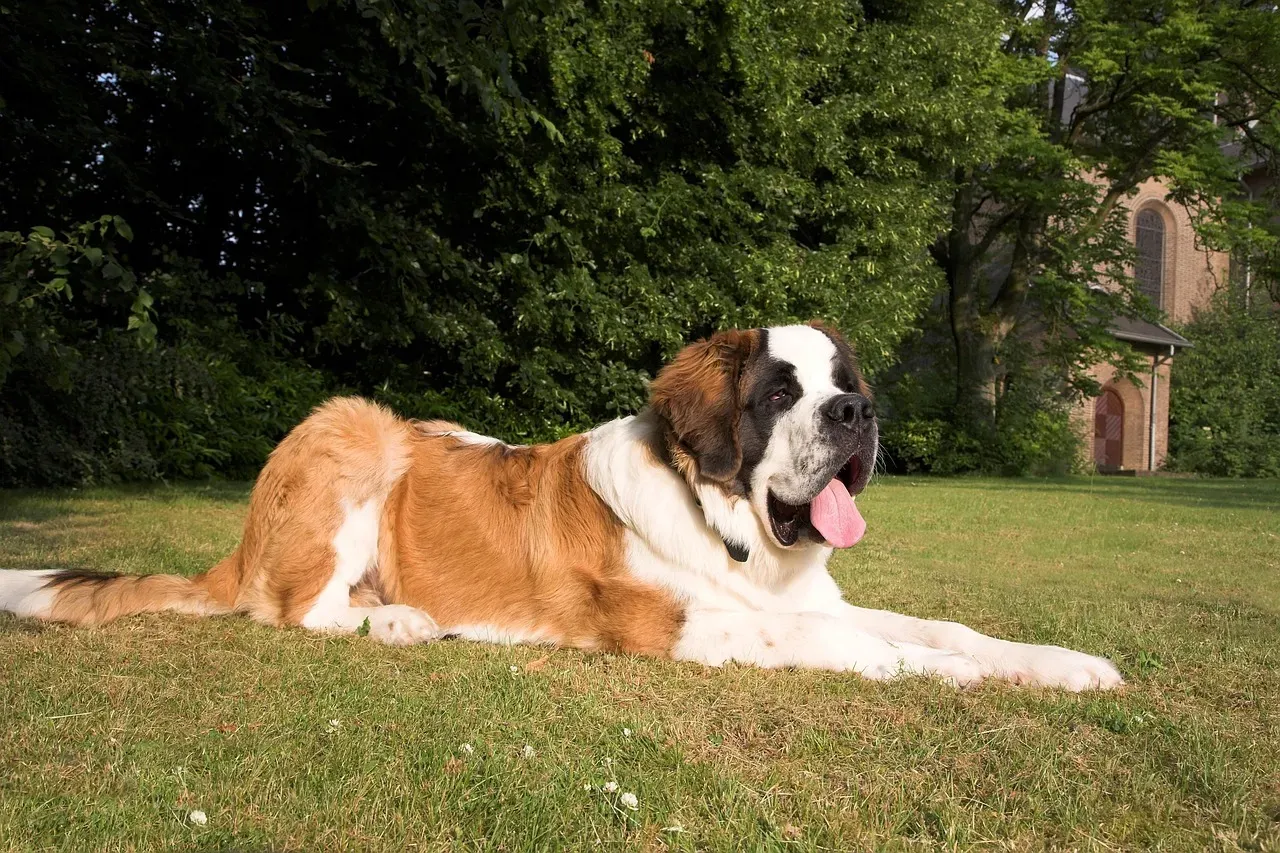
Originally from the Swiss Alps, Saint Bernards were bred for cold-weather rescue work. Thanks to the thick coat that protects them in the mountain snow, Saint Bernards can struggle in hot and humid climates. Offer them fresh water and use cooling mats and fans to help lower their body temperature. Extremely large breeds such as the Saint Bernard do not handle harsh, hot climates well due to their exercise requirements and inability to stand warm temperatures for extended periods of time.
If you own a Saint Bernard and live in Arizona, consider it a full-time commitment to their comfort management. They need a climate-controlled home maintained at a reliably cool temperature throughout the summer months. The asphalt on Arizona’s Valley streets can reach up to 180 degrees Fahrenheit during the summer months. With temperatures regularly reaching 115° in Phoenix, pavement burn is a real danger in the southwest between June, July, and August each year. A Saint Bernard stepping onto that pavement, even briefly, can sustain serious paw injuries. Dog booties, shaded yards, and early-morning, brief bathroom trips are essential – not optional.
Universal Desert Safety: What Every Arizona Dog Owner Must Know
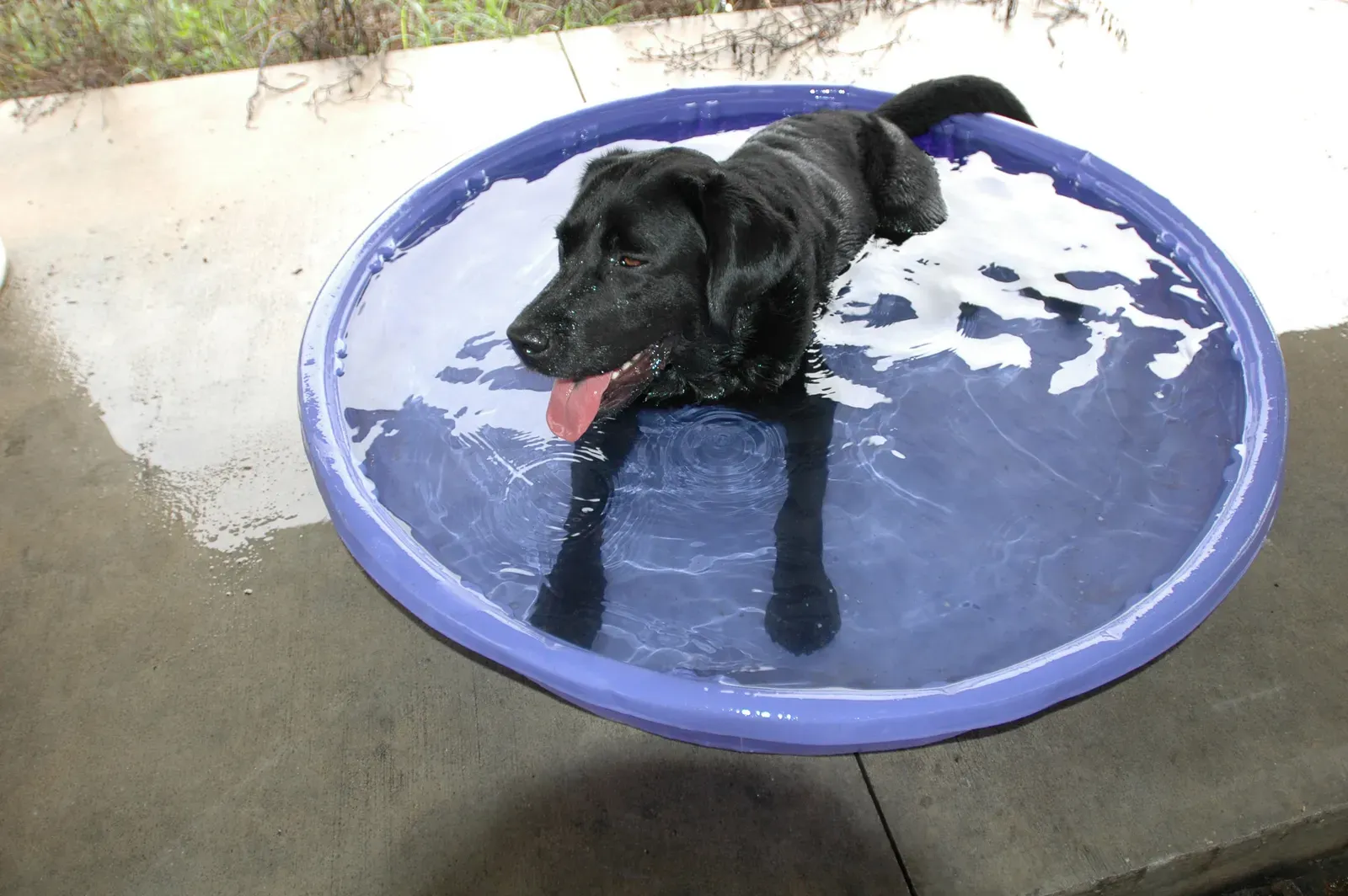
A dog’s normal resting temperature ranges from 99 to 102.5 degrees Fahrenheit. Any temperature over 104 signals heat stress. Over 105 registers as heat exhaustion, and more than 106 is heatstroke requiring emergency veterinary care. Knowing these numbers isn’t alarmist – it’s practical. Heavy panting, seeking shade, whining, reluctance to play and drooling may be early signs that your dog is overheating.
Before walking your dog, use the “5-second rule”: place the back of your hand on the pavement – if it’s too hot to hold for five seconds, it’s too hot for your dog. Phoenix Trails are closed to all dogs when temperatures reach 100° and above because of the risk of heat stroke and pavement burn. If you suspect your dog is overheating, run cool water over your pet with a water bottle or hose, or put them in a cool tub. Wrap damp, cool towels around your dog. Make water available, but do not force them to drink. Then get to a vet. Time matters enormously.
Conclusion: Match Your Dog to Your Desert
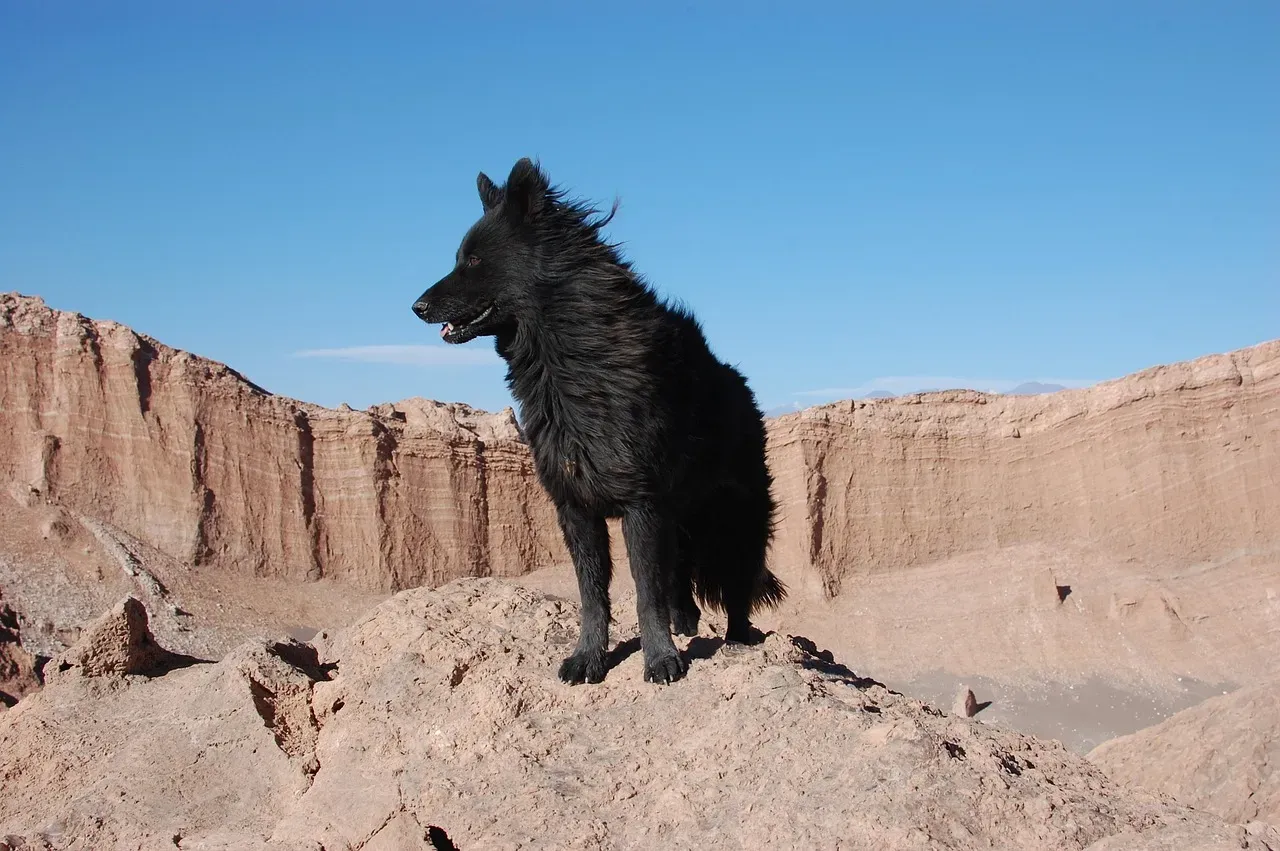
Arizona is a beautiful, demanding state to live in – and the same is true for your dog. The breeds that truly thrive here share a few key traits: short coats, lean builds, warm-climate ancestry, and an ability to regulate body temperature through efficient panting and heat dissipation. The breeds that struggle share the opposite profile: thick double coats, flat faces, or large body mass that generates more heat than they can effectively shed.
Choosing the right dog for Arizona is one of the most compassionate things you can do as a pet parent. It’s not about which breed is “better” – a Saint Bernard or French Bulldog is every bit as worthy of love as a Chihuahua or Basenji. It’s about giving your dog a life where they’re genuinely comfortable, not just surviving. The desert asks a lot. Choose a companion who’s built to answer.


