
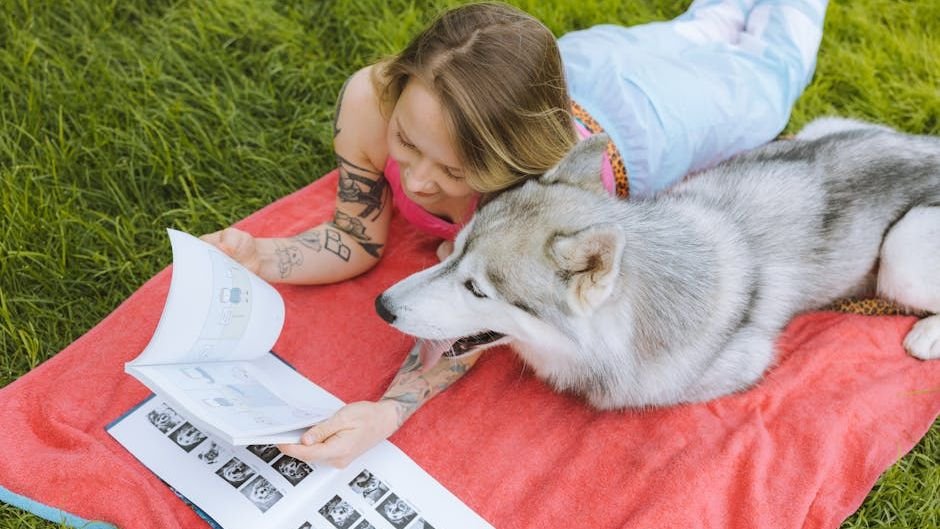
Picture this: you just got home after a long day, and your dog has chewed through a throw pillow, unrolled the toilet paper, and somehow knocked a plant off the shelf. You think they need a longer walk. The truth, though, is they may just need a better mental workout.
Physical exercise is crucial, but so is mental stimulation. Dogs are problem-solvers by nature, and without enough brain engagement, they can get bored, frustrated, and even anxious. The good news is that you don’t need expensive toys to provide quality brain games. Household items can create engaging enrichment activities. These seven games are simple, science-backed, and fun for both of you.
1. The Snuffle Mat: Turn Mealtime Into a Mini Adventure
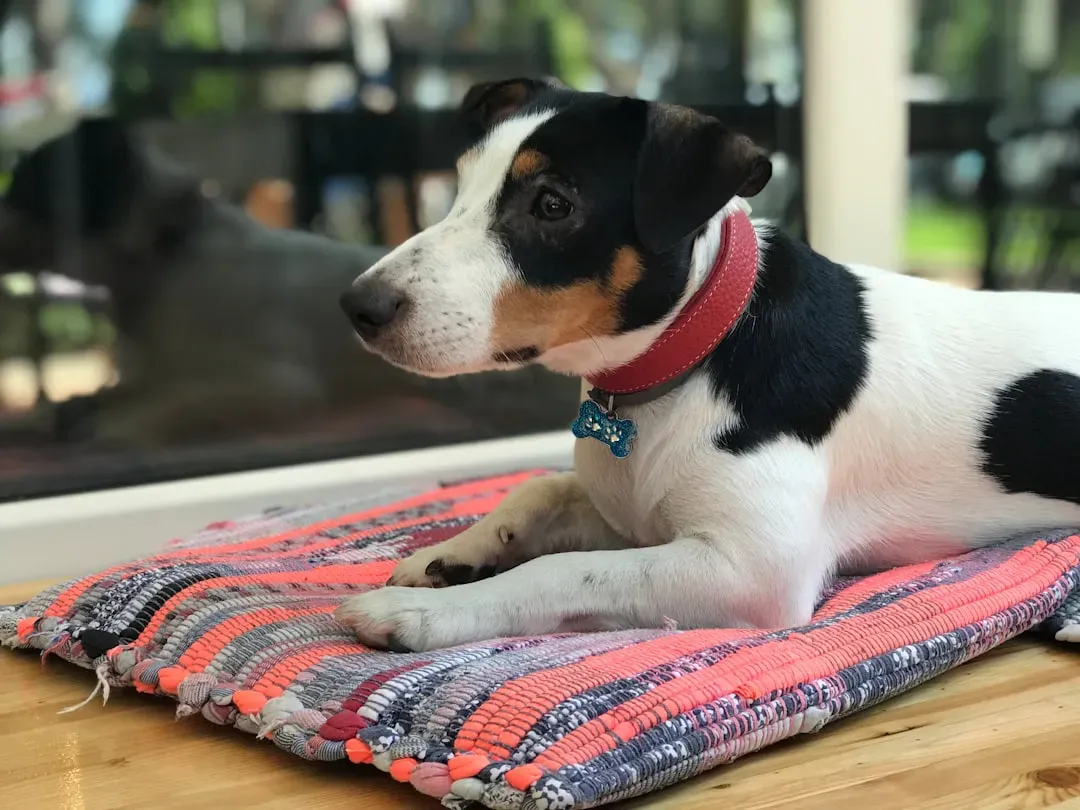
Most dogs inhale their food in seconds and spend the rest of the evening staring at you hopefully. A snuffle mat changes the whole dynamic. A large, interactive nose work mat with treats hidden throughout it can provide lots of mental stimulation and fun for your pet. You can use it as a change of pace for feeding your dog by hiding their mealtime portion of kibble, freeze-dried food, or air-dried food in all the mat’s nooks and crannies.
They get to hunt for their dinner using their sense of smell instead of just eating it from a boring bowl. This taps directly into one of a dog’s most powerful instincts. Scattering kibble across a surface and letting your dog forage for each piece engages natural foraging behavior. Research shows that dogs who work for their food show increased satisfaction and reduced anxiety compared to dogs fed from traditional bowls.
Scent-based feeding promotes emotional regulation and focus, helping dogs feel both calm and satisfied. If your dog tends to gulp food too fast or seems restless after meals, this one simple change can make a noticeable difference. Start with a few minutes and watch the concentration on their face – it’s genuinely impressive.
2. Hide and Seek: The Game That Works on Multiple Levels
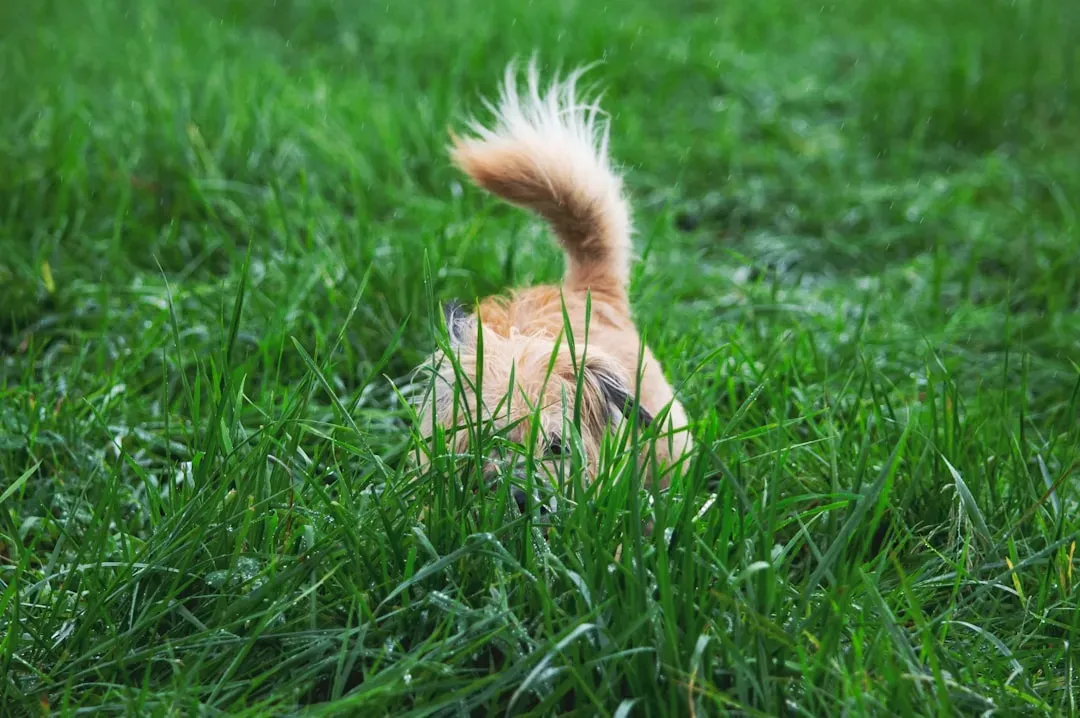
Hide and seek isn’t just for kids. One great way to boost your dog’s problem-solving skills is to play hide and seek. With this activity, you also get the opportunity to reinforce dog commands like “wait” and “come,” as well as introduce new command words like “find.” There are lots of different variations you can try, testing your dog to seek out treats, toys, or even you.
Start by having your dog stay in one room while you hide in another. Call your dog’s name and encourage them to find you. When they discover your hiding spot, reward them with treats and enthusiastic praise. As your dog gets the hang of it, make the hiding spots more challenging. The reinforcement of the “stay” command while they wait adds an extra layer of impulse control practice, which most dogs genuinely need.
The best thing about this game is that you can repeat it as many times as you want by changing hiding spots, or even getting other family members involved. It deepens the bond between you and your dog in a way that a standard walk simply can’t replicate.
3. Puzzle Toys and the Muffin Tin Game: Problem-Solving at Its Simplest
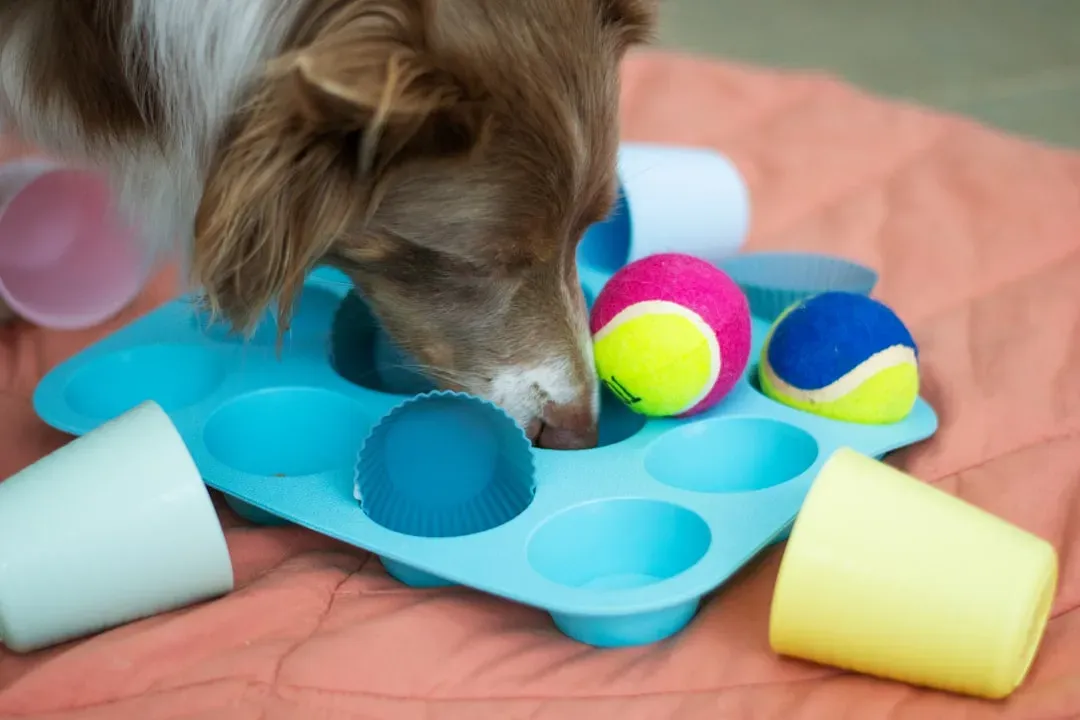
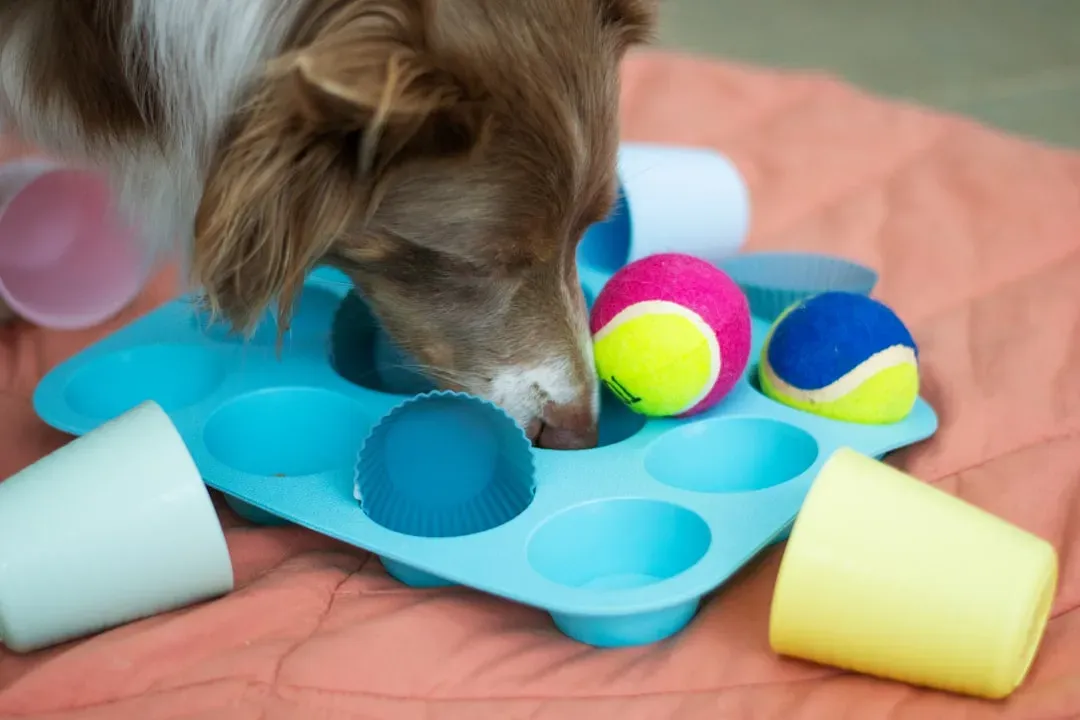
Puzzle feeders don’t have to come from a pet store. This DIY puzzle game turns mealtime into a mental challenge. All you need is a muffin tin, a few tennis balls, and some of your dog’s favorite treats or kibble. Place a treat in each cup of the muffin tin and cover each with a tennis ball. Your dog must figure out how to remove the balls to get the reward.
The objective of a puzzle toy is to have your dog use their brain to earn the reward. These interactive toys can improve your dog’s memory, as well as teach them to focus on a specific task for a period of time. That sustained focus is genuinely tiring in the best way. Behavioural enrichment promoting problem-solving reduces stress and improves focus in domestic dogs.
If your dog figures out the muffin tin too quickly, try commercial puzzle boards with sliding compartments and varying difficulty levels. If your dog gets frustrated, make it easier. Success builds confidence and keeps the game fun. Always end on a win so they walk away feeling capable, not defeated.
4. Nose Work and Scent Trails: Let That Nose Do the Thinking
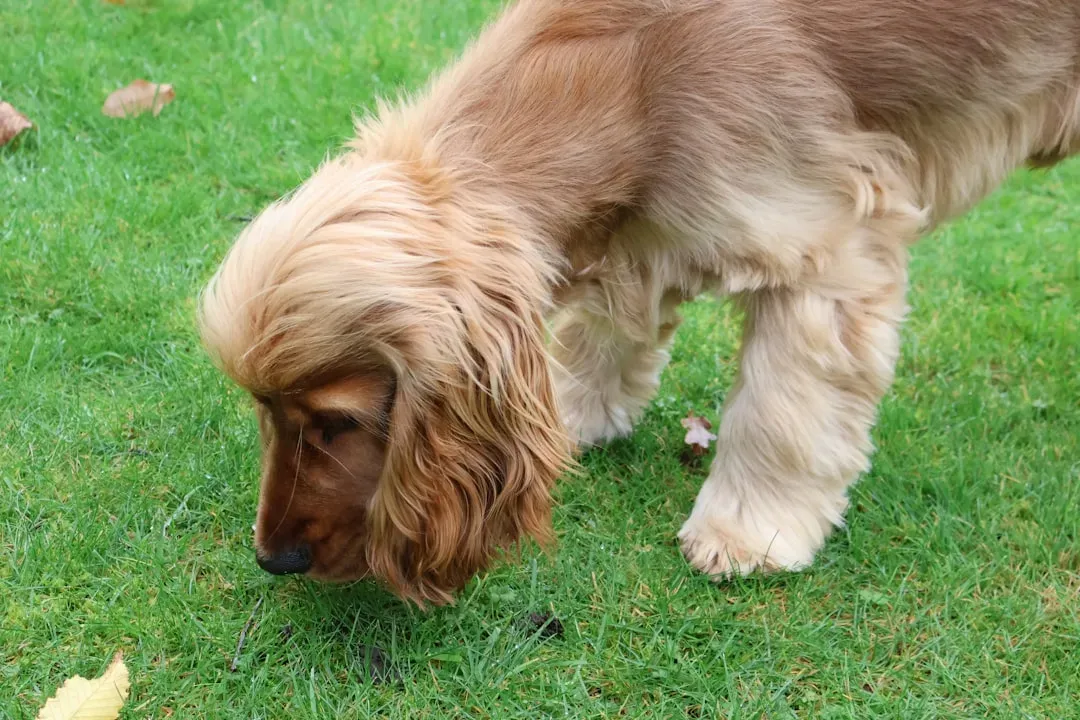
A dog’s primary way of interacting with the world is through its nose. Scent walks, where the dog is allowed to lead and explore, tap deeply into this sense. Allowing your dog to sniff freely and follow scents offers a robust form of mental exercise and satisfaction. It’s one of those activities that looks passive from the outside but is surprisingly exhausting for your dog.
Research shows that dogs have between 100 and 300 million odor receptors, compared to our 6 million, making scent work their most powerful mental exercise. Research also indicates that sniffing not only lowers a dog’s heart rate but also triggers the release of dopamine, enhancing their emotional well-being. That’s a calmer, happier dog after just a short sniff session.
If your dog loves to follow scents, try leaving a trail around the house or garden for them to follow. Take a delicious-smelling treat and touch it on surfaces in a continuous trail, hiding it at the end. To prevent your dog from spending the entire day searching, introduce a start signal like “search” and another to end the game like “finish.” This way, your dog will know when it can search and when it can relax.
5. The Shell Game: Three Cups and a Whole Lot of Focus
This one is almost absurdly simple to set up, yet remarkably effective. You only need three plastic cups and a treat to turn this into a brain workout. Line up the cups, hide the treat under one, and shuffle them while your dog watches. Encourage your dog to sniff and tap to find the right one. Start slow, then add speed or extra cups as they improve.
This classic shell game is an excellent brain training exercise that challenges memory and concentration. It develops impulse control and sharpens focus. You’ll notice your dog staring intently at the cups, tracking every movement. That kind of concentration is real cognitive work.
Watch for frustration cues like pawing frantically or walking away. These are signals to slow the shuffle down and make it easier. The game sharpens problem-solving and builds patience and impulse control, but only if it stays at the right difficulty level. Keep sessions to about five or ten minutes and always finish with a success.
6. New Tricks and Command Sequences: Because Learning Never Gets Old
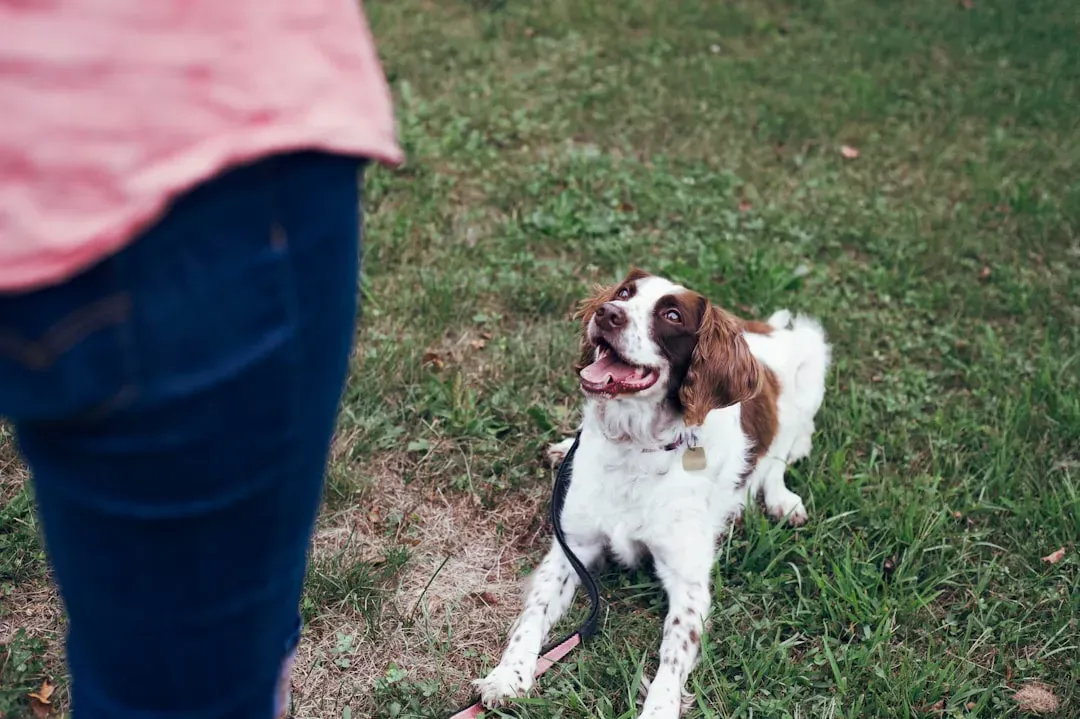
Teaching new tricks is one of the most effective dog enrichment activities because it combines mental stimulation with positive reinforcement training. Learning new behaviors creates new neural pathways, keeping your dog’s brain young and engaged. This applies across every life stage, from puppies to senior dogs who are just learning something for the first time.
Basic commands don’t have to be boring. Mix them up in new sequences, add fun cues, or introduce tricks like spin, bow, or touch. Create short sequences such as sit, stay, touch, then treat, and reward generously for success. Keep sessions short and positive. Keeping training sessions under fifteen minutes tends to hold a dog’s attention better than long, drawn-out drills.
There is evidence that lifelong training experiences have the potential to maintain cognitive function in aged dogs, in a similar way to higher education in humans. Dogs with a high level of lifelong training perform better in problem-solving tasks than novice dogs regardless of age, and additionally have higher levels of attentiveness. That’s a compelling reason to keep teaching, no matter how old your dog gets.
7. The DIY Obstacle Course: Physical Challenge Meets Mental Engagement
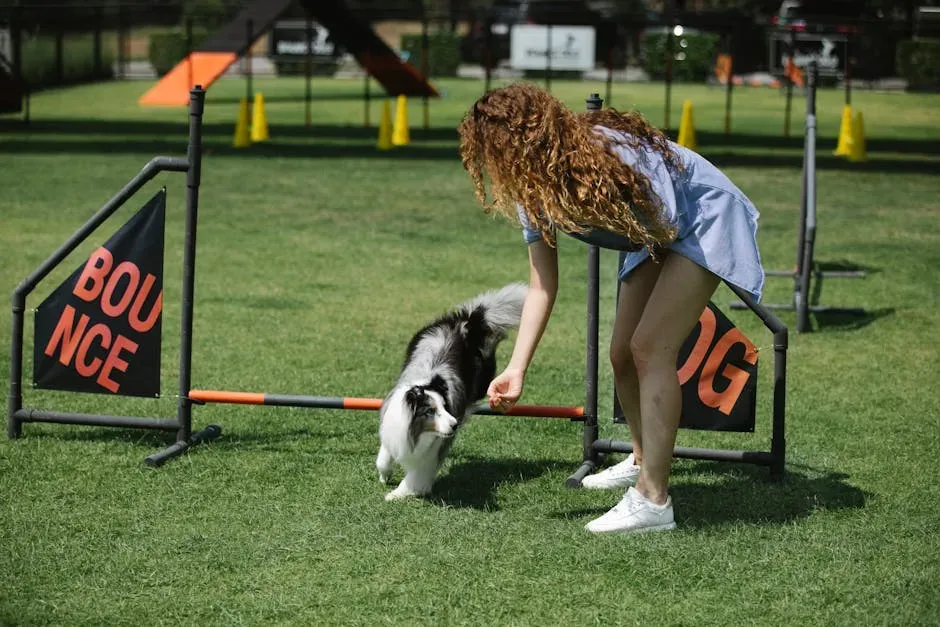
Agility isn’t just physical; it’s one of the best brain games for dogs because it requires planning, problem-solving, and body awareness. Your dog must remember the sequence, plan their movements, and respond to your cues, providing comprehensive mental stimulation. The brain is working every bit as hard as the body.
You can use household objects like chairs, bed sheets, mops, or brooms to make a fun obstacle course in the house or garden, or you can sign your dog up for agility training classes in the local area. Either way, your dog is bound to love burning off excess energy passing through a variety of obstacles. Starting with just two or three items keeps it manageable and fun before adding complexity.
As your dog navigates the course, it learns to overcome various challenges. This boosts their confidence and improves coordination. To get started, introduce simple obstacles such as jumping over a broomstick or weaving through cones. As your dog gets more skilled, you can add complexity by increasing the number and difficulty of the obstacles. For senior dogs or those with joint issues, keep jumps very low and focus more on the weaving and navigating elements.
A Few Things Worth Knowing Before You Start
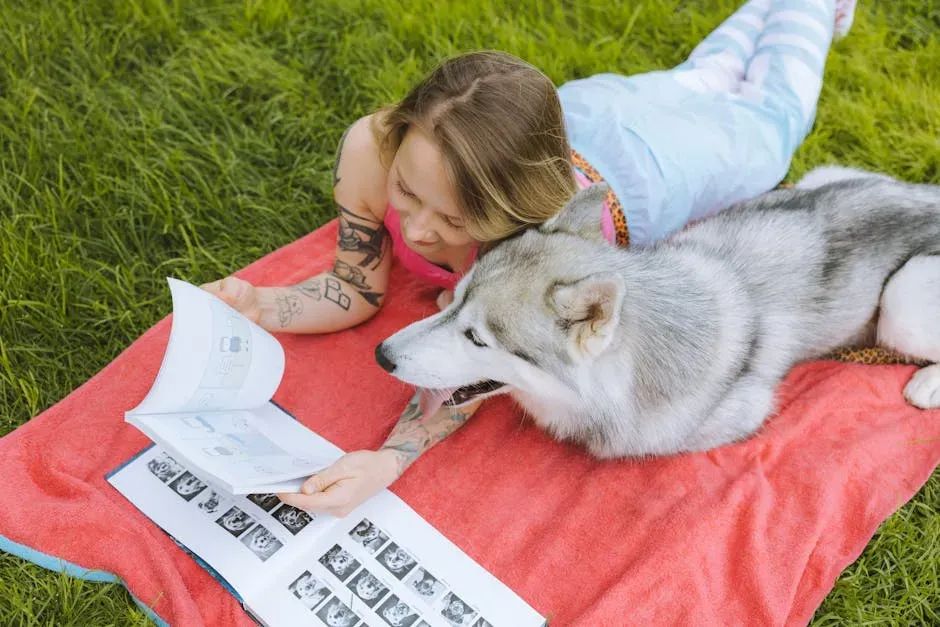
Watch for signs like excessive barking, chewing, digging, or restlessness. These behaviors often signal a need for more mental stimulation and enrichment activities. If your dog is showing any of these patterns regularly, adding one or two of these games to their weekly routine is a reasonable first step before assuming it’s a behavioral problem.
Puppies, adults, and seniors all benefit from mental stimulation, but the types and intensity of activities should be age-appropriate. Puppies need short, simple games; adults thrive on complex challenges; seniors benefit from gentle, low-stress puzzles that keep their minds sharp. Matching the game to your dog’s age and energy level matters more than picking the most elaborate option.
Mental stimulation reduces anxiety, prevents destructive behaviors, and strengthens your bond. A 15-minute puzzle session can drain as much energy as a 30-minute walk. That’s worth keeping in mind on the days when a long outdoor outing simply isn’t possible.
Conclusion: A Sharp Mind Is a Happy Dog
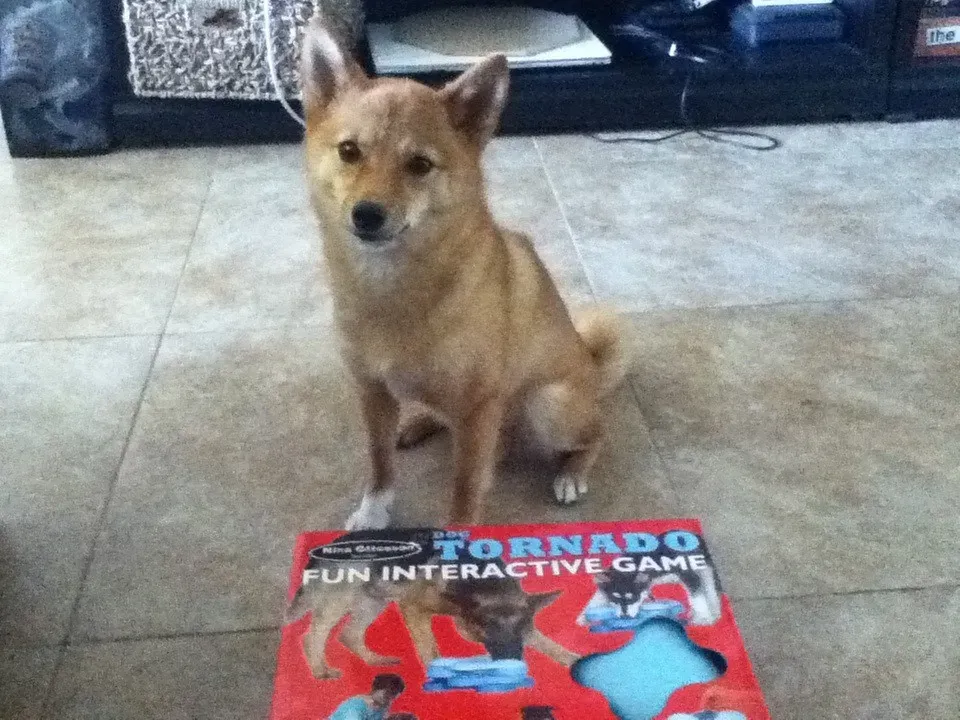
The relationship between a mentally engaged dog and a calmer, more content household is hard to overstate. Mental stimulation slows down the aging process in dogs’ brains, and research has shown that dogs involved in challenging activities face less cognitive decline. Games that seem simple from the outside are doing real, lasting work on the inside.
You don’t need to overhaul your schedule or spend money on elaborate equipment. A muffin tin, three plastic cups, a snuffle mat, or a few dining room chairs are enough to start. A mentally stimulated dog is calmer, more confident, and less likely to develop behavioral issues. These games take just a few minutes a day and can easily be tailored to your dog’s age, ability, and personality.
The real takeaway is this: your dog isn’t just asking for more walks. They’re asking you to think with them. When you show up for that, even for ten minutes with a muffin tin on the kitchen floor, the whole dynamic between you shifts in the best way possible.


