
Picture a hospital ward on a quiet Tuesday afternoon. A soft golden dog pads gently into the room, settles beside a bed, and rests its chin on the blanket. The patient’s breathing slows. Their shoulders drop. Something shifts that no prescription fully replicates.
Therapy dogs are showing up in more places than ever before – schools, hospices, university exam halls, crisis centers, and rehabilitation units. Their presence reduces anxiety, lowers blood pressure, and reminds people that connection is still possible even in the hardest moments. Many scientific studies have shown how good pets are for people. They help reduce stress and anxiety and provide calm reassurance when people feel overwhelmed.
The thing is, not every dog is naturally cut out for that role. Just about any dog could become a therapy dog regardless of breed, but personality and behavior are much more important than breed alone. Some dogs walk into a crowded room and seem to know exactly who needs them. Others would genuinely prefer a quiet corner and the company of their own thoughts. Both kinds of dogs are wonderful. They’re just wired differently.
This guide explores seven breeds that tend to thrive in therapy settings – and seven that, through no fault of their own, simply prefer their own space. Understanding the difference helps you love your dog better, wherever they land on that spectrum.
1. Golden Retriever – The Natural Comforter
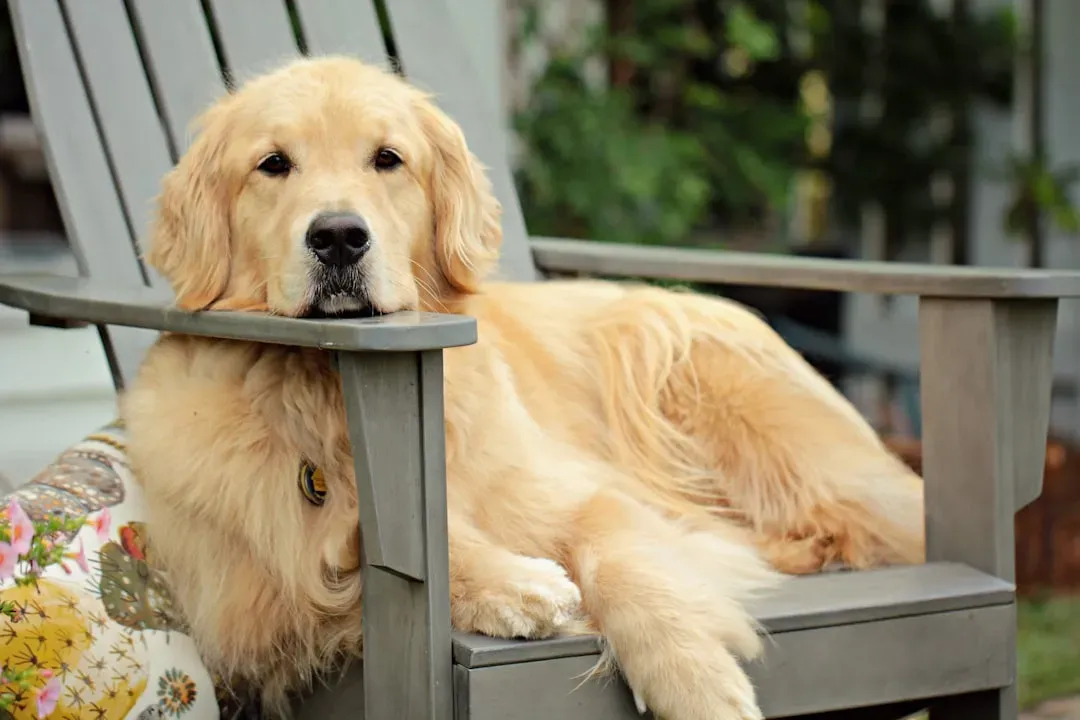
Few breeds carry the therapy dog reputation quite like the Golden Retriever, and it’s not just hype. Golden Retrievers are widely recognized as one of the best breeds for therapy work, with their affectionate nature and innate empathy making them exceptional companions. They seem almost designed for rooms full of people who need gentleness.
They excel in therapy due to their intelligence, patience, and gentle demeanor, and they quickly adapt to a variety of roles, whether comforting a child with autism or easing the anxiety of an adult. That adaptability is key. Therapy environments are unpredictable – beeping machines, unfamiliar smells, people in distress – and Goldens tend to take it all in stride.
They’re known for their loving nature, patience, and calm temperament, making them ideal for therapy work. Their ability to sense human emotions and provide comfort is remarkable. If you’ve ever watched a Golden settle quietly beside someone who hasn’t spoken in days, you already understand what the data shows.
2. Labrador Retriever – The Steady, Reliable Presence
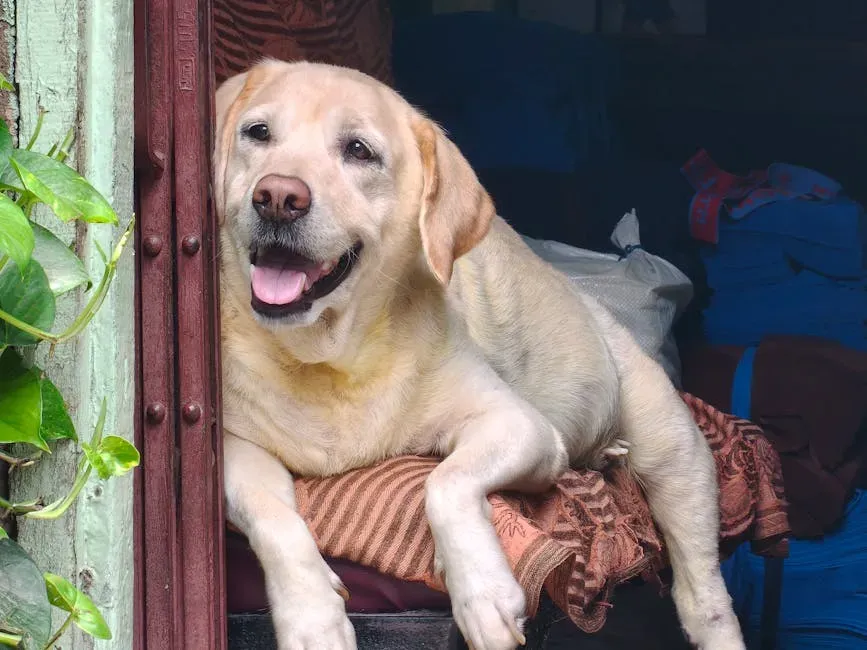
The Labrador Retriever is the most common therapy dog breed across the United States. A very versatile companion and relatively easy to train, the main reason this breed is so popular among those who experience stress and anxiety is their affectionate and focused personality. Labs don’t just wag their tails – they bring a quality of warmth that people can feel from across a room.
Labrador Retrievers are bright, friendly, sociable dogs who love a job to do. They’re easy to train and normally love people. Their calm temperament means they’re happy sitting still for long periods, but they do love a lively game or two when they’re allowed. That balance between stillness and energy makes them particularly versatile.
Labrador Retrievers are known for being friendly, companionable, and trustworthy. They’re often bred as service dogs due to their reliably stable temperament, and they generally love the activity and human attention of therapy visits. That last point matters more than it sounds – a dog that genuinely enjoys the work is a far better partner than one that simply tolerates it.
3. Cavalier King Charles Spaniel – Small Dog, Giant Heart
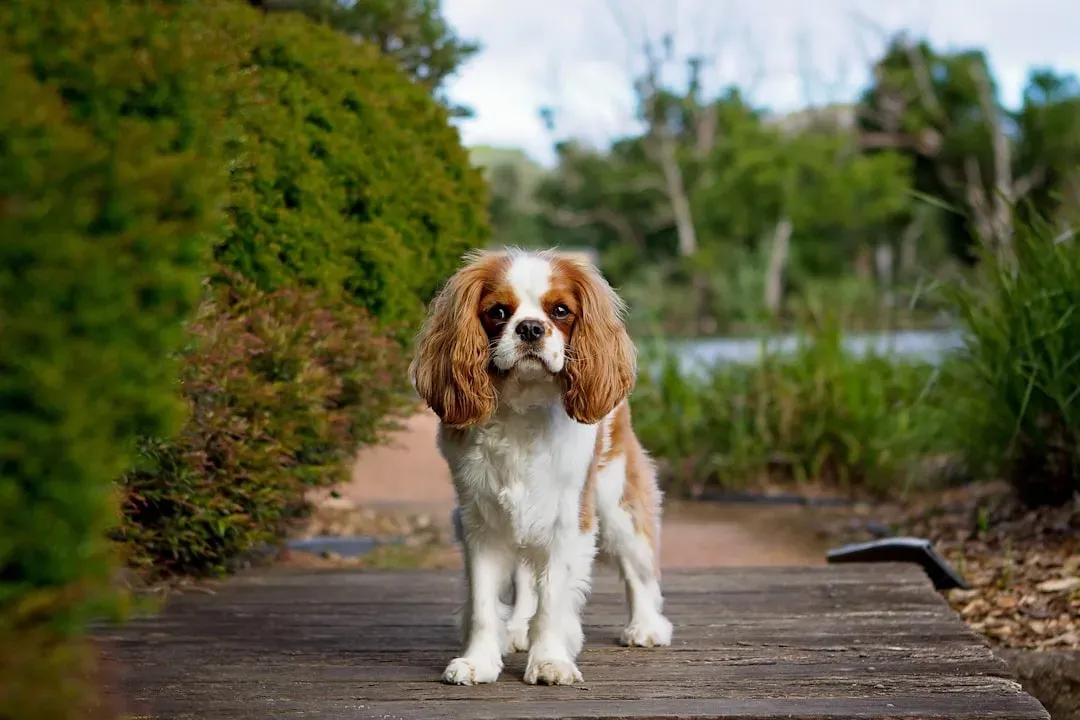
There’s something quietly powerful about the Cavalier King Charles Spaniel in a therapy setting. As a breed they are loving, friendly, and aim to please their person. Their size is good for the task – small enough to be picked up and placed in residents’ laps or on recliners. They are flexible, enjoying being around many people or in a one-on-one situation. That flexibility is rare and genuinely useful.
One of the most important qualities of a Cavalier King Charles Spaniel therapy dog is their gentle, loving nature. Children with special needs often require predictable and calm interactions, and Cavaliers excel at providing a non-threatening, comforting presence. Their friendly and patient demeanor helps people feel safe, reducing anxiety and stress.
The affectionate and empathetic nature of Cavalier King Charles Spaniels makes them exceptional therapy dogs. They have a calming effect and can help reduce anxiety, making them a comforting presence in challenging situations. Health-conscious owners should note that Cavaliers are at the greatest risk for developing degenerative mitral valve disease, with studies showing that over half develop a heart murmur by age five. Regular cardiac monitoring is an important part of keeping a Cavalier in active therapy work.
4. Poodle – The Underrated Empath
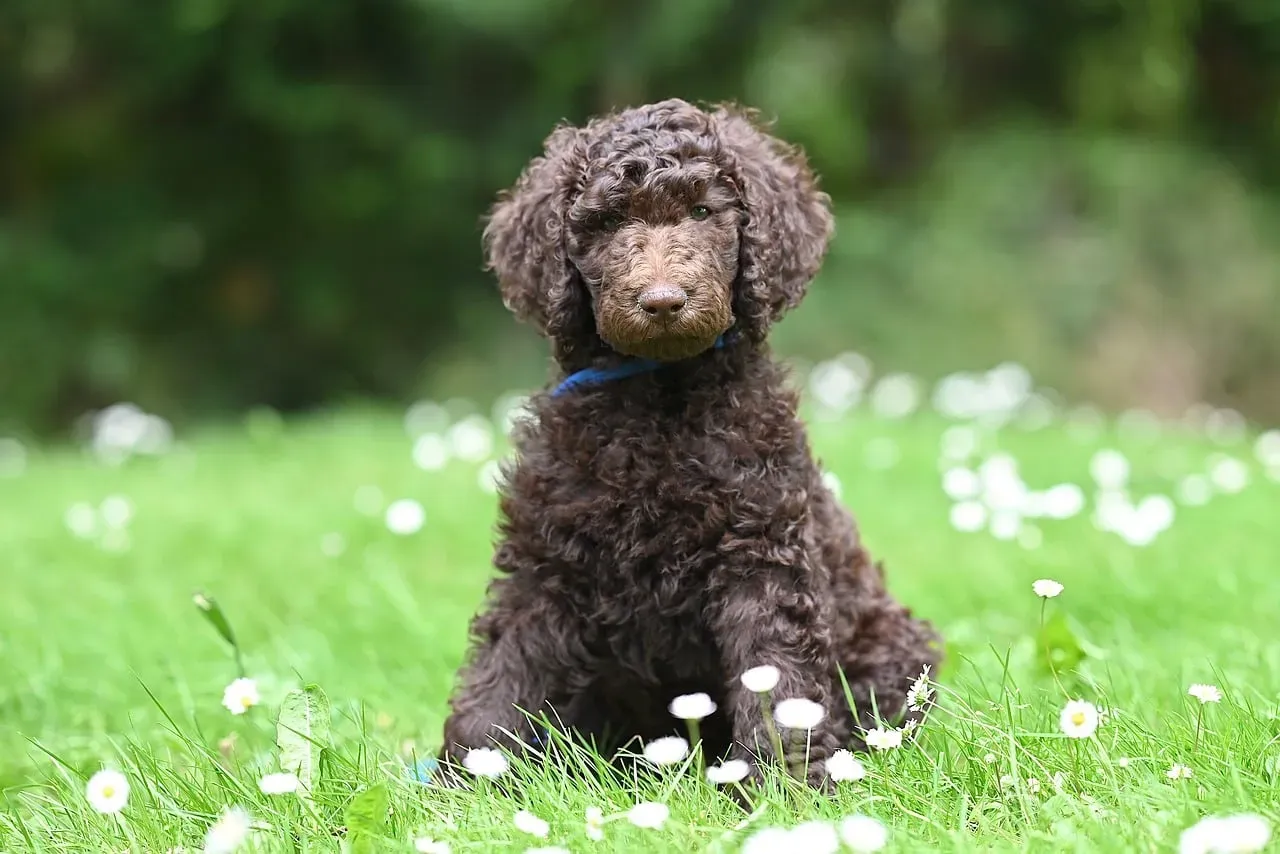
People sometimes overlook the Poodle as a therapy dog because of its show-ring association. That’s a mistake worth correcting. Poodles are highly intelligent and sensitive to human emotions, whether constant or in flux. They pick up on subtle shifts in mood in ways that genuinely surprise people who haven’t spent much time around them.
The Poodle is renowned across the globe for its excellent intelligence. This breed serves as superb therapy dogs because of their hypoallergenic coat, affectionate personality, and adaptability to different environments. The low-shedding coat is a practical bonus in medical settings where allergies or sterile environments matter.
Poodles – both standard and toy – are more hypoallergenic than other breeds, which is a definite plus when visiting medically vulnerable people. Their low-shedding coats can make visits easier for people with mild allergies, and they’re popular, bright, and take well to training. In short, the Poodle brings brains, sensitivity, and a practical coat to the therapy table. That’s a strong combination.
5. Bernese Mountain Dog – The Gentle Giant Who Stays Calm
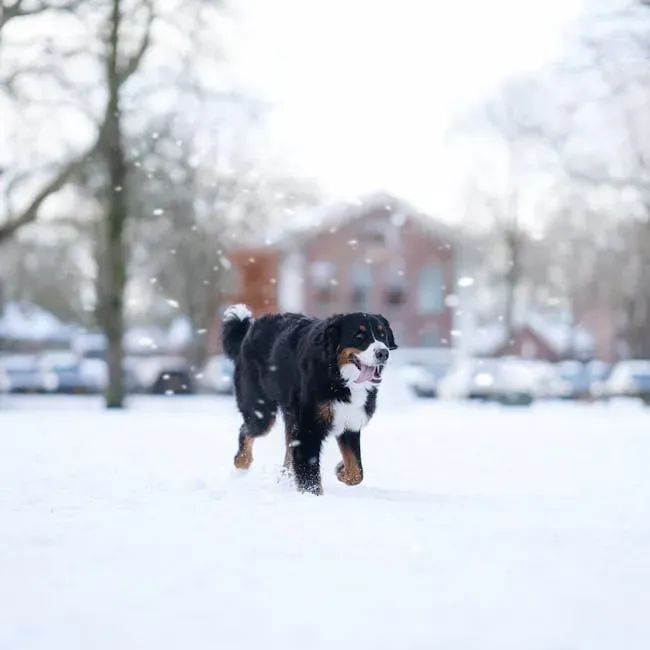
There’s a comfort that comes with size when it’s paired with gentleness. The Bernese Mountain Dog understands this intuitively. Bernese Mountain Dogs respond well to structured training and are often used for therapy work due to their gentle demeanor. Their presence alone can be calming in emotionally intense situations.
These gentle giants are known for their sweet temperament and loyalty. That loyalty extends outward in therapy settings – Berners tend to orient themselves toward whoever in the room seems most in need of attention, which is a behavior handlers consistently notice. They possess the intelligence, laid-back demeanor, and loyalty of a good service dog, and are large enough to provide tangible physical support when needed.
One thing to keep in mind is their lifespan, which tends to be shorter than smaller breeds – typically around seven to ten years. If you’re investing in training a Berner for therapy work, starting young and scheduling regular veterinary check-ups for hip and joint health is especially worthwhile.
6. Dachshund – The Surprisingly Effective Visitor
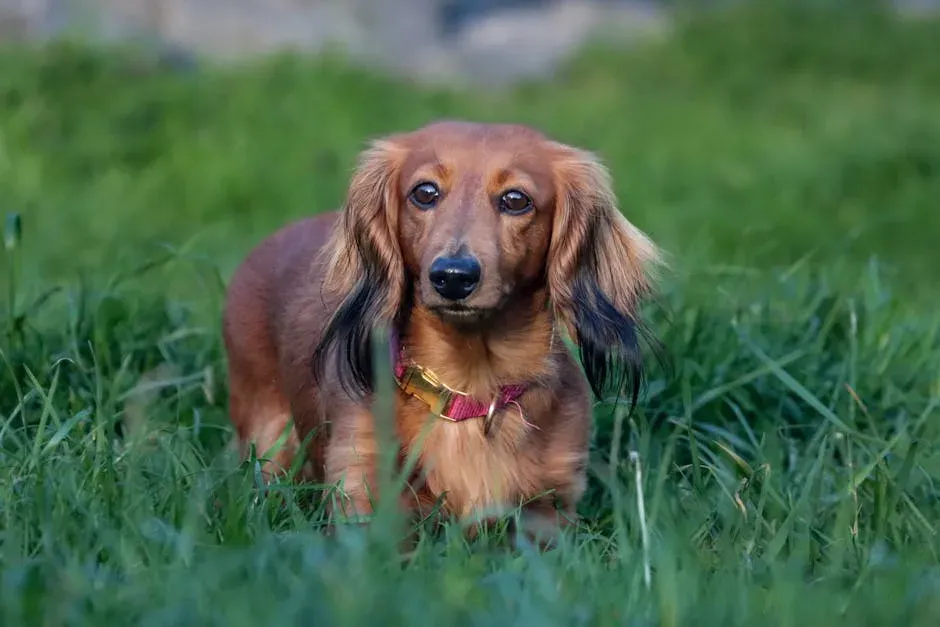
The Dachshund doesn’t immediately come to mind when people imagine therapy dogs. That surprise factor is part of what makes them so effective. Dachshunds may look cutely comical, but that long, low body hides a huge heart. Originally bred as hunting dogs in Germany, they’re naturally curious and affectionate, which makes them great companions. Though a more unusual choice of therapy dog, Dachshunds are affectionate and gentle.
Their small size means they are portable and easy to transport to homes, schools, and hospices. In settings where a large dog might feel overwhelming – a pediatric ward, for instance, or a room with a person who has had negative experiences with big dogs – the Dachshund offers something approachable and unthreatening. People reach for them naturally.
It’s worth noting that Dachshunds can have an independent streak, so consistent early training and socialization matter more than with some other breeds on this list. Their back health is also something to monitor carefully – avoid allowing them to jump from heights during visits, and choose soft surfaces when possible.
7. Cavalier King Charles Spaniel (as Crisis Response Dogs) – Proven Under Pressure
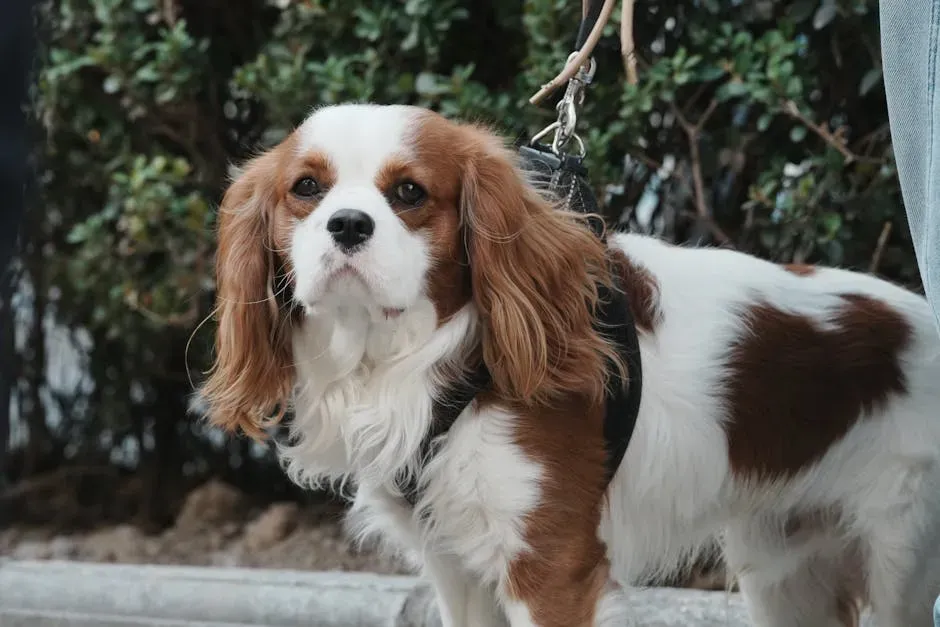
Beyond everyday hospital and school visits, some Cavaliers have demonstrated their capability in high-stakes crisis situations. Cavaliers with their willing human partners may also be of service doing work in crisis response. That speaks to a level of resilience that goes beyond simple friendliness – it reflects a breed that stays regulated even when the environment is anything but calm.
Therapy work often involves visiting schools, hospitals, or therapy centers, and the Cavalier King Charles Spaniel is highly adaptable, making them ideal for different settings. Their size, their temperament, and their responsiveness to their handler makes them a versatile partner across a wide range of situations. That reliability is what separates a good therapy dog from a great one.
With their gentle nature and love for all people, Cavaliers make the perfect candidate for therapy work. They are literally born with the traits and personality that help dogs succeed in this line of volunteering. Not every Cavalier will be suited to formal therapy certification, but the breed’s baseline temperament gives them a meaningful head start.
—
Now, the Other Side: 7 Breeds That Prefer Their Own Space
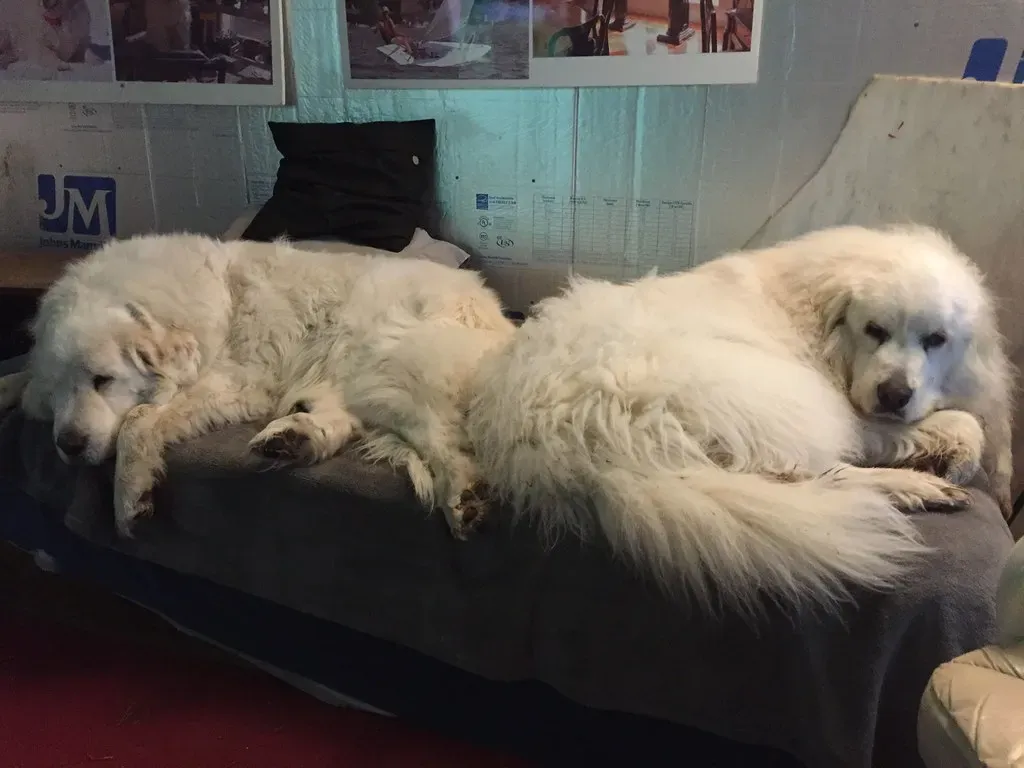
The breeds below are not lesser dogs. Many of them are deeply loyal, fiercely intelligent, and wonderful companions in the right home. They simply express connection differently – and the high-contact, stranger-filled, unpredictable world of therapy visits tends to conflict with their natural wiring. Knowing this protects both the dog and the people they’d be asked to serve.
Dogs are often described as man’s best friend, but that doesn’t mean every dog prefers to constantly be at your side. Some dogs are more reserved, seeking less attention from humans and preferring to spend some time by themselves. While a dog’s personality isn’t defined only by breed, some breeds have a reputation for being more independent-minded.
—
8. Akita – Loyal to the Few, Guarded with Everyone Else
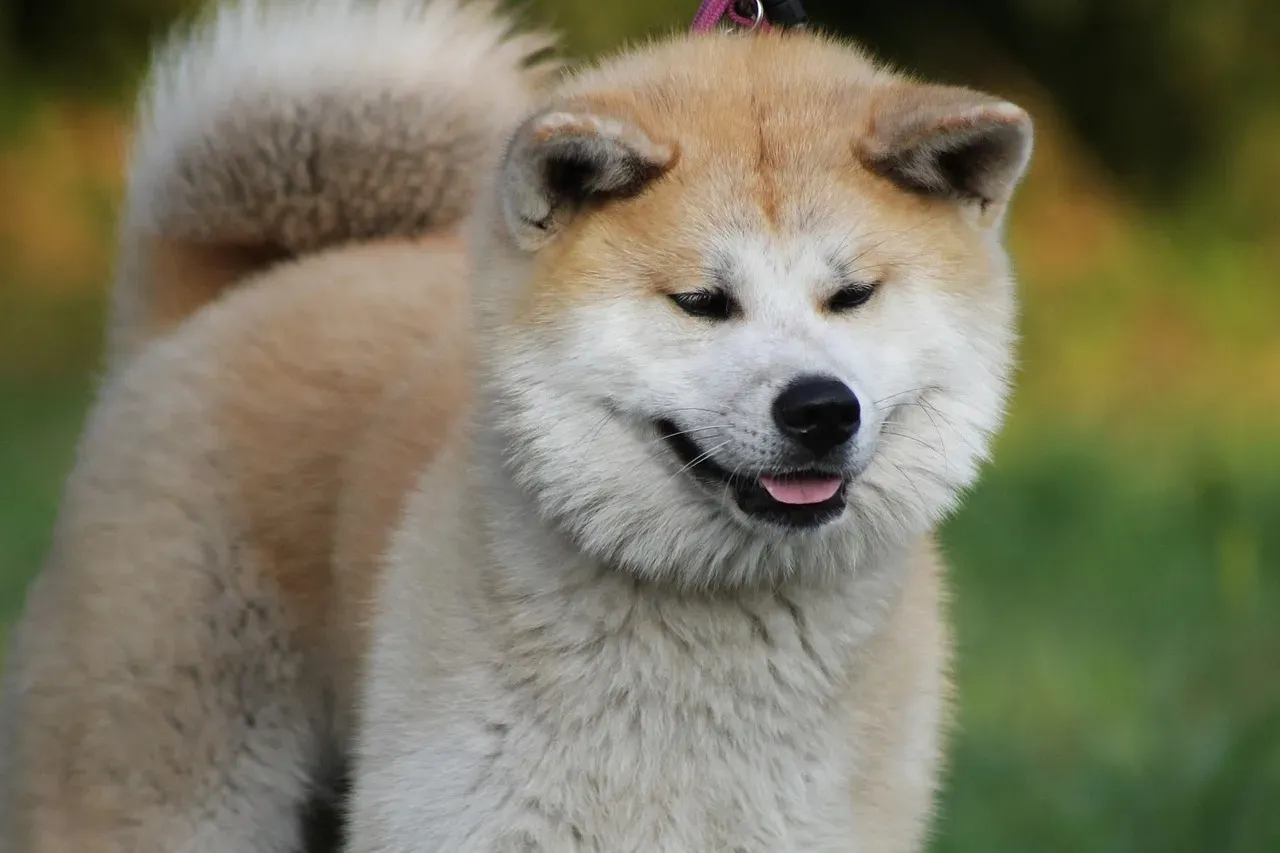
The Akita is a dog of extraordinary devotion – to its own family. That devotion, however, is highly selective. The Akita is loyal and affectionate toward family and friends, but quite territorial about home and aloof with strangers. They are excellent watchdogs and will only bark when there is truly something amiss. In a therapy setting, that aloofness toward strangers is a genuine barrier.
An Akita has a strong but independent personality. While they form tight-knit bonds with their human family members, Akitas are typically reserved or even uncomfortable around people they don’t know. Early and consistent socialization is important for this breed, which does best with experienced pet parents. That discomfort around unfamiliar people is the opposite of what therapy work requires.
They don’t tend to be naturally open to strangers, and can often be aggressive toward other dogs. Always supervise them around other dogs and children. Left unchecked, the breed’s aloofness can turn into aggressive distrust. An Akita can be a magnificent dog in the right home – just not in a hospital corridor full of strangers.
9. Chow Chow – The Dignified Loner
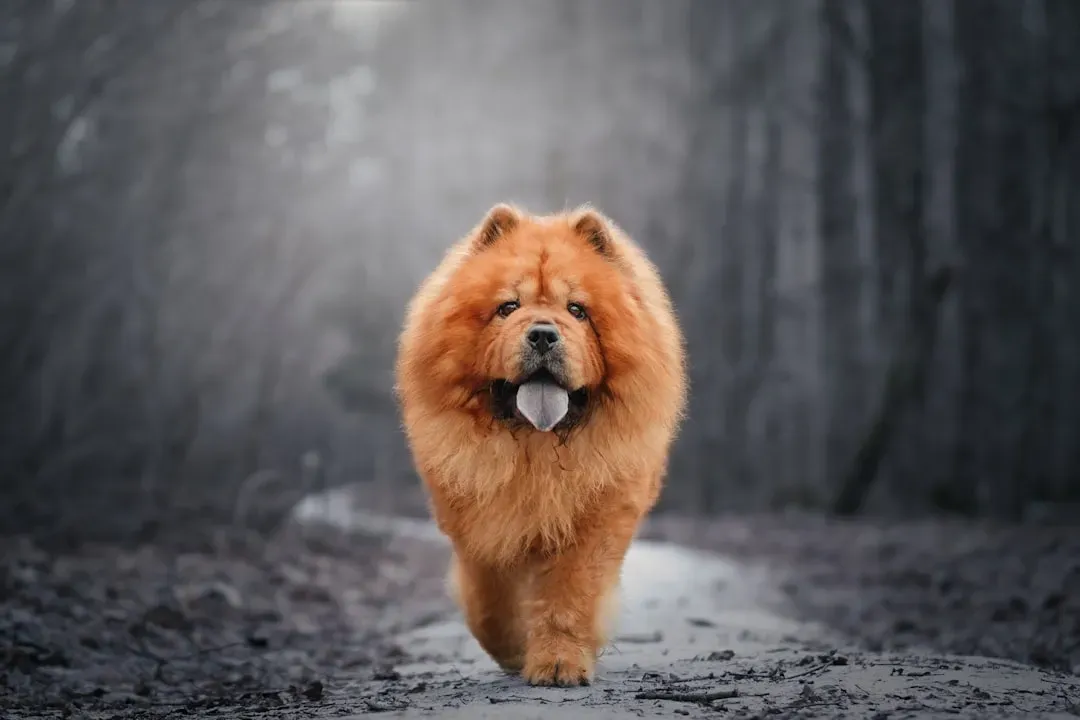
The Chow Chow is one of the oldest dog breeds in existence, and its temperament reflects that ancient, self-sufficient heritage. Historically, the Chow Chow worked as a guardian and hunter in ancient China. This working heritage, combined with the dogs’ calm disposition, makes the Chow Chow one of the most independent dog breeds. Though independent, Chow Chows are loyal to their family and typically bond deeply to one person.
The Chow personality is “more independent than cuddly,” and they tend to bond with one special person more closely than others. Because of their alert, watchful tendencies and history as guard dogs in ancient China, Chows will greatly benefit from early training and socialization to dissuade them from any overprotectiveness. Therapy work requires warmth toward anyone who reaches out. That universality simply isn’t the Chow’s natural default.
The Chow Chow has a slightly reserved personality. They bond well with one person and may stay distant with others. Unlike other social breeds, they don’t feel the need to constantly please people. They prefer peaceful environments and will happily sit and observe rather than join in. There’s genuine beauty in that self-containment – it’s just not what therapy visitors need from a dog.
10. Shiba Inu – Independent, Alert, and Cat-Like in the Best (and Worst) Ways

The Shiba Inu is charming, photogenic, and wildly popular right now – but its temperament presents real challenges in therapy settings. The Shiba Inu is an intelligent and strong-willed dog with an almost cat-like personality. They’re independent dogs and enjoy their own space, but they’re also high-energy and need outlets for their physical and mental energy.
The Shiba Inu is renowned for its boldness and fox-like appearance. Originally bred for hunting, Shibas are naturally alert, agile, and determined. Their independent nature means they often prefer doing things their own way. This breed is intelligent but can be stubborn, which may present training challenges. In a therapy visit, the ability to follow a handler’s cues reliably – even in a distracting environment – is non-negotiable.
They tend to be very intelligent and have a tendency to be aloof. They can bond closely with their families, but they do tend to be one-person dogs. They’re known for their self-sufficiency, so they don’t need all that much attention. That self-sufficiency is a genuine asset in everyday life. In the give-and-take of a therapy session, it becomes a limiting factor.
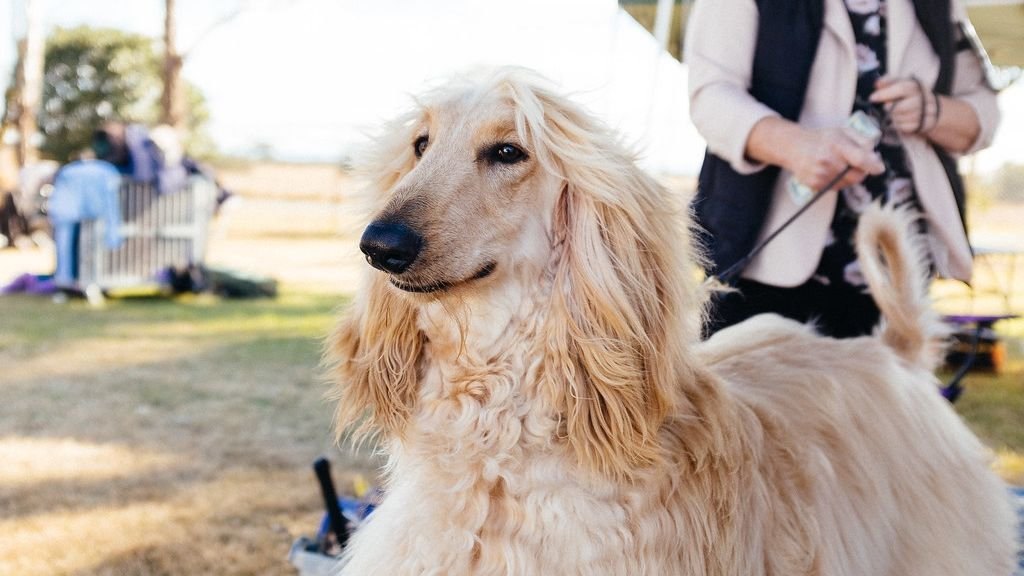
11. Afghan Hound – Elegant, Aloof, and On Its Own Terms
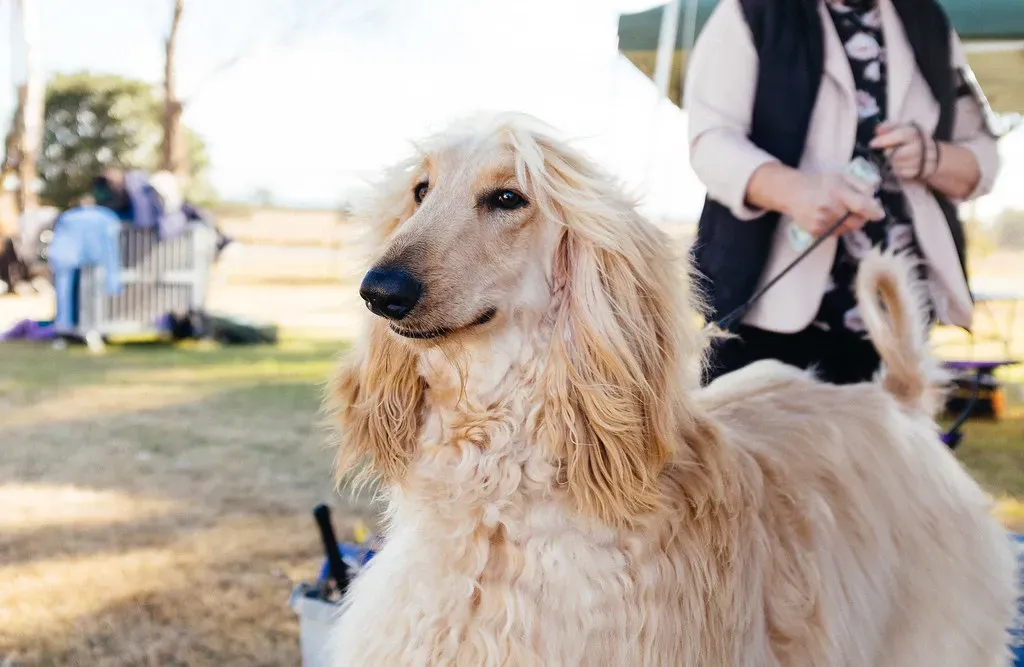
The Afghan Hound is breathtaking to look at – and firmly in control of when and how it connects with people. The Afghan Hound is known for its elegant appearance and independent nature. While they can be affectionate with their family, they tend to be aloof and reserved, especially around strangers. Afghan Hounds are not particularly playful and may not tolerate rough handling. They also have a high prey drive and can be challenging to train due to their independent streak.
Sighthounds such as greyhounds, whippets, and Afghan hounds can be sensitive and loving. However, they often have a strong prey drive and may be averse to unexpected physical touch. In a therapy environment, unexpected touch is almost guaranteed – someone reaching out suddenly, a child grabbing at a tail, an unexpected bump in a corridor. A dog that is averse to that unpredictability is not a good fit.
Dignified and alert, Afghans often seem to have their attention distracted by almost anything else, and getting and giving love is on their terms. That’s a fair description of a remarkable breed. Therapy work, though, requires a dog that orients consistently toward people – not one that dictates the terms of engagement.
12. Basenji – Self-Reliant and Selectively Social
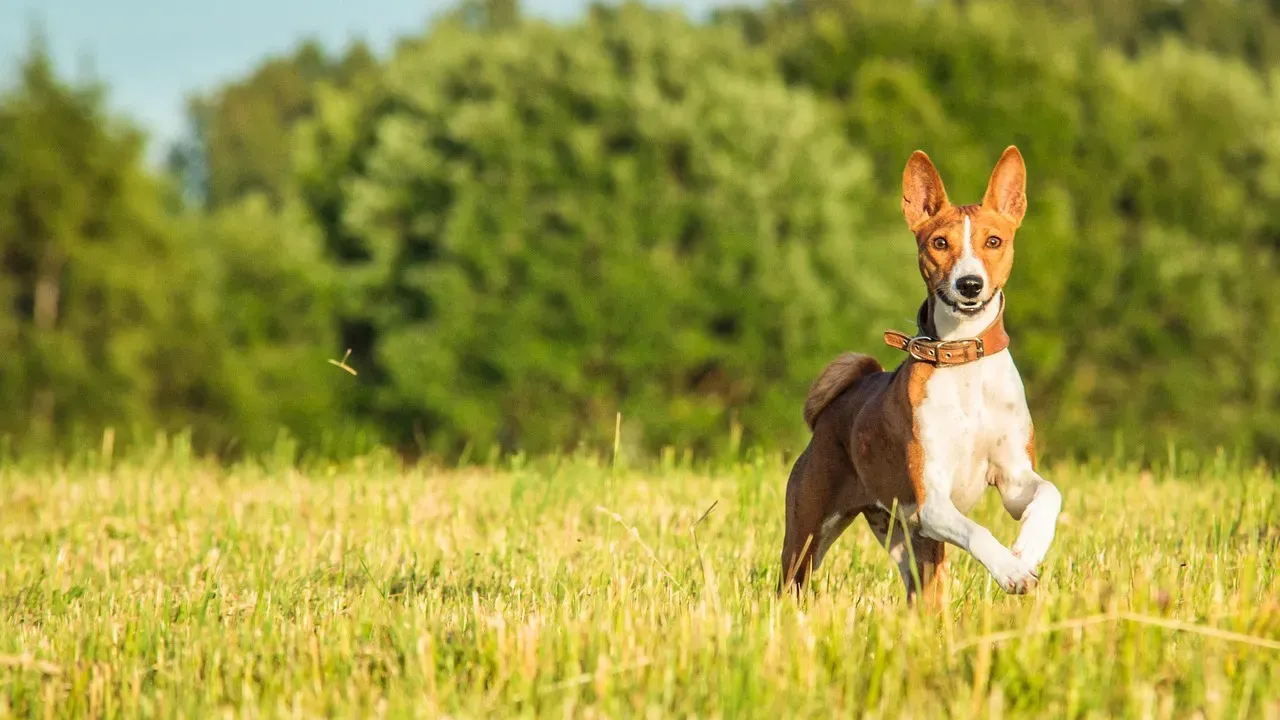
The Basenji is one of the oldest dog breeds in recorded history, and it has maintained its self-sufficient nature across thousands of years of breeding. Known for their unique yodel-like sound instead of barking, Basenjis are cat-like in their independence. These ancient African hunting dogs groom themselves meticulously and prefer to keep their living space clean. Basenjis possess a strong sense of self-sufficiency, often entertaining themselves with toys or simply finding a sunny spot for napping.
One thing people often overlook about this breed is their independence. A Basenji is not the type of dog that constantly seeks attention – they are okay with being left alone, although they form strong bonds with their owners. Because they were originally bred as hunting dogs in Central Africa, relying on their instincts comes naturally to them.
These dogs were important in ancient Egyptian society, they lick themselves to groom, and they often lose interest in training because they’re very independent. That training resistance is a practical barrier to therapy certification, which requires reliable, consistent responses to commands. The Basenji is a fascinating dog to live with, but therapy work isn’t really their calling.
13. Tibetan Mastiff – Majestic, Guarded, and Deeply Private
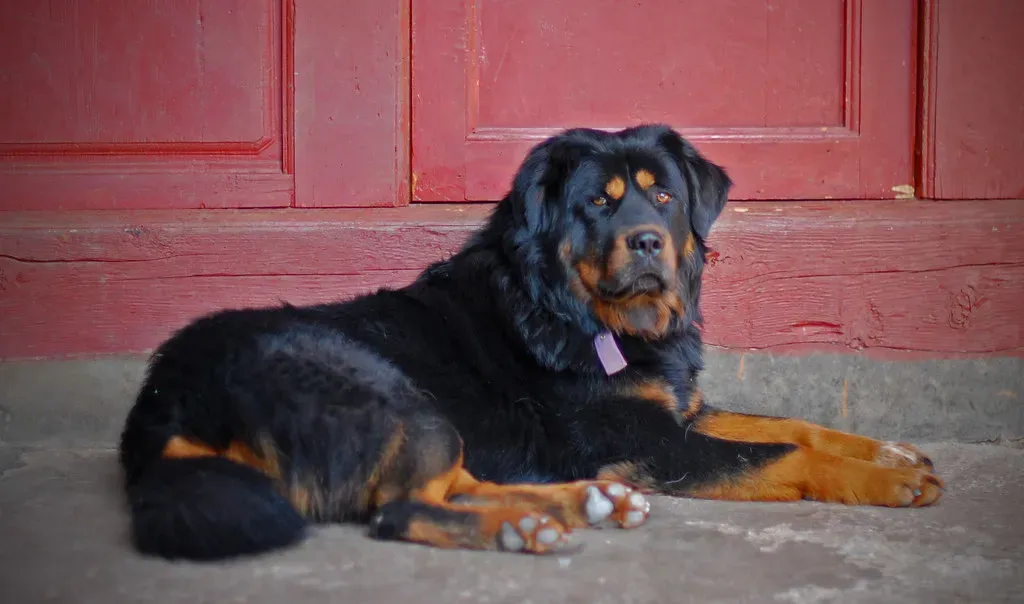
The Tibetan Mastiff is among the most impressive dogs alive – powerfully built, deeply loyal, and genuinely ancient in its origins. The Tibetan Mastiff is majestic, protective, and supremely independent. Bred to guard remote homesteads at night, they make calculated choices and question authority. That capacity for independent decision-making is exactly what made them valuable as livestock guardians. It’s also exactly what makes therapy certification a steep climb.
The massive and fluffy Tibetan Mastiff is big and strong-willed, so early training is important. However, they are well-known for being loyal and calm with family members and excel when given a job for mental stimulation. Their loyalty is real and runs deep – it just doesn’t extend naturally to strangers who walk in off the street.
Avoid rough play and chaotic environments that spike arousal, because this breed prefers thoughtful work and clear boundaries. Give purpose through perimeter walks, scent games, and quiet patrols. These are dogs built for watching and protecting a perimeter – not for resting in a stranger’s lap in a hospital bed.
14. Scottish Terrier – Confident, Stubborn, and Perfectly Satisfied with Themselves
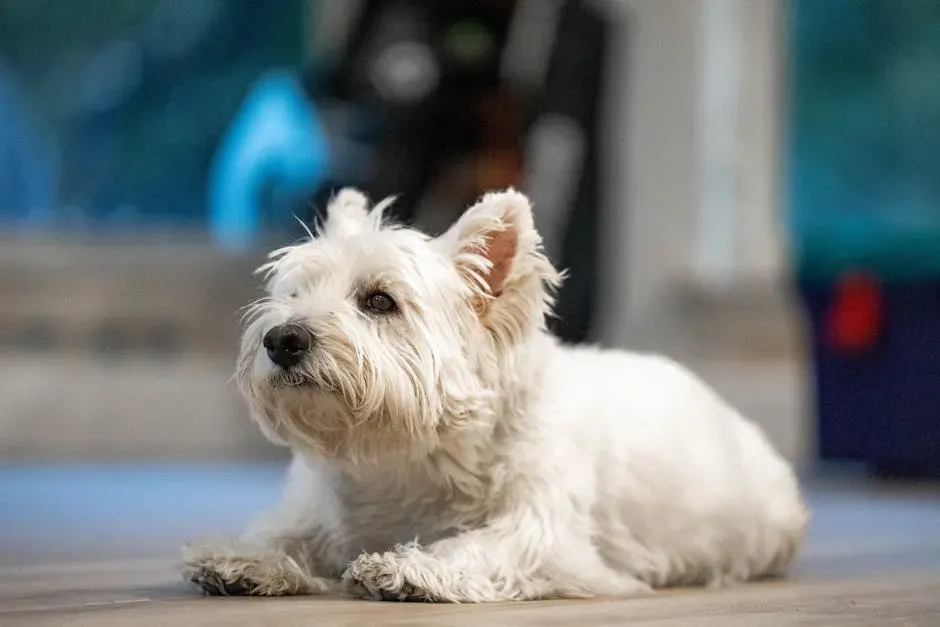
The Scottish Terrier is a dog with an almost aristocratic self-possession. The Scottish Terrier, or Scottie, is a small but confident breed originally bred in Scotland to hunt vermin. Despite its size, the Scottie has a bold and self-reliant personality. These dogs are intelligent and observant, often acting independently. They tend to bond closely with their families but are not overly affectionate.
Independent breeds such as beagles, bulldogs, or some terriers may be slower to learn obedience tasks and less interested in social interaction with new people. The Scottie falls squarely into this pattern. Their intelligence is genuine, but it doesn’t translate into the eager-to-please responsiveness that therapy work demands. They are far more likely to assess a situation than to simply comply with it.
Scotties prefer to explore and assess situations before engaging. They require consistent training, as their stubborn streak can make them resistant to commands. Still, their loyalty is strong, and they make excellent watchdogs. That watchfulness is a real strength in the right context. In therapy rooms, it can manifest as wariness or unpredictability – neither of which belongs in a space designed for comfort and healing.
Conclusion: Honoring the Dog in Front of You
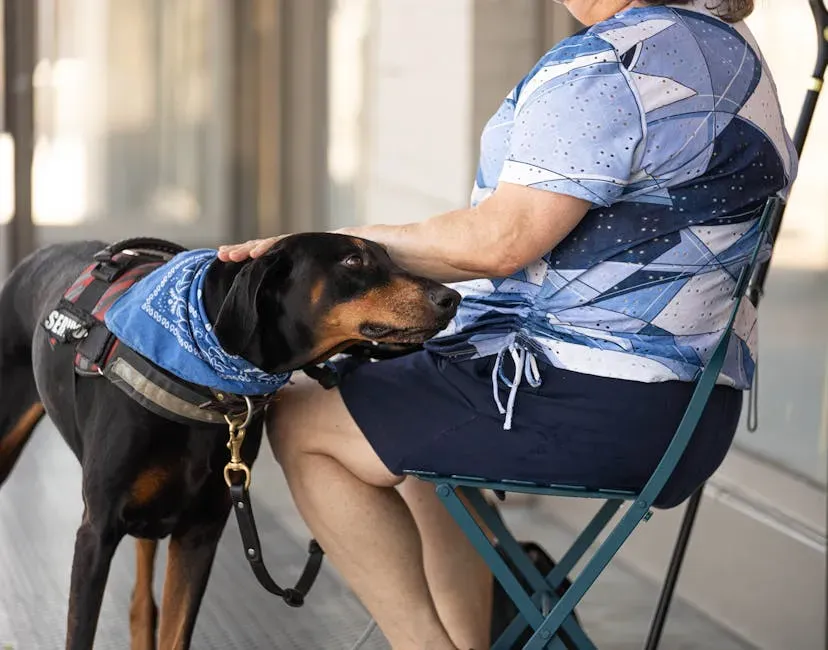
Understanding whether your dog is a natural therapy candidate or a devoted homebody is one of the kindest things you can do for them. The ideal therapy dog enjoys learning new skills, accepts human leadership with ease, and prioritizes connection over independence. These dogs are often described as biddable – responsive, cooperative, and motivated to please. Not every dog carries that wiring, and that’s completely fine.
Dogs are individuals, and their breed traits are probabilities, not promises. A reserved Shiba Inu might surprise you with its gentleness. A Golden Retriever might turn out to be easily overwhelmed by crowds. Breed tendencies offer clues, not certainties. The best approach is always to watch your own dog – observe how they respond to strangers, to unexpected touch, to chaotic environments – and let what you see guide your decisions.
Every dog on this list has something meaningful to offer. Some give it freely to the world. Others give it quietly, exclusively, to the people lucky enough to have earned their trust. Both are forms of love worth celebrating. The goal is simply to meet your dog where they actually are – not where you hoped they’d be.


