

You come home after one of those days. The traffic was unbearable, the inbox never emptied, and the tension in your chest has been sitting there since noon. Then the door opens. A wagging tail, a pair of bright eyes, and sixty pounds of unconditional enthusiasm greet you like you’ve been gone for a year. In that moment, before you’ve even set your bag down, something in you softens.
That shift isn’t just a feeling. It’s biology, it’s psychology, and it’s backed by a growing body of science that confirms what dog lovers have quietly known for centuries: dogs make hard days easier. They pull us back into the present, remind us that we’re loved without condition, and offer a kind of companionship that no app, habit, or self-help routine can quite replicate. Here’s a closer look at exactly how your dog is helping you survive – and genuinely enjoy – everyday life.
Your Dog Is Literally Changing Your Brain Chemistry

When you reach down and stroke your dog’s fur, the response in your body is almost immediate. Just playing with a dog has been shown to raise levels of the feel-good brain chemicals oxytocin and dopamine. These aren’t subtle changes. They’re the same chemicals tied to bonding, pleasure, and emotional regulation – the ones that make you feel safe and calm.
Petting a dog releases oxytocin, serotonin, and dopamine in both humans and dogs, while lowering cortisol levels, reducing stress, and strengthening the dog-human bond. What makes this especially remarkable is that the exchange goes both ways. This creates positive feelings and bonding for both the person and their pet. You’re not just receiving comfort – you’re giving it too.
Multiple studies show that even five to ten minutes of petting a calm dog can significantly lower stress. That’s why therapy dogs are commonly found in hospitals, nursing homes, and even schools. The next time you find yourself sitting quietly with your dog, know that those few minutes are doing real, measurable work inside your nervous system.
The Science of Stress Relief Is on Your Dog’s Side

Spending quality time with dogs reduces stress and increases the power of brain waves associated with relaxation and concentration, according to a study published in 2024 in the open-access journal PLOS ONE. This wasn’t just a self-reported mood improvement. Researchers measured actual shifts in brain activity, which tells us the effect is neurological, not just psychological.
According to a study in Emotion, spending time with a pet dog can increase dog owners’ happiness and reduce their anxiety. Researchers administered a stress test to 73 dog owners, then assigned them to one of three conditions: interacting with their dogs, a stress-reducing coloring activity, or waiting quietly. Participants who spent time with their dogs experienced increased mood and reduced anxiety compared with the two control groups. Even a coloring activity didn’t come close.
Interactions with therapy dogs lead to remarkable psychological and physiological changes, including measurable reductions in stress indicators such as cortisol levels and heart rates, and notable improvements in overall mood and emotional well-being. These aren’t just numbers in a lab. They’re real shifts that affect how you feel, how you sleep, and how you show up the next morning.
Your Dog Gets You Moving – and That Matters More Than You Think

It’s easy to underestimate how much your dog’s daily walk is doing for you. It’s no surprise that people who walk their dogs are more likely to get the recommended amount of physical activity than those who don’t. One study found that pet owners who walk their dogs got up to 22 minutes more exercise a day than non-walkers. Over a week, that adds up to a meaningful difference in your health.
According to one study, the odds of dog parents meeting current physical activity guidelines of 150 minutes per week were four times greater than for non-dog parents. There’s something to be said for having a living, breathing creature who needs you to show up – regardless of how motivated you feel. Regular exercise, such as walking your dog, also lowers your risk of heart disease.
Walking for 30 minutes a day can reduce the risk of coronary heart disease, osteoporosis, colon and breast cancer, and Type 2 diabetes. That same 30 minutes of light-to-moderate dog walking can also help you achieve deeper, more restful sleep. Your dog isn’t just a workout partner – they’re a genuinely effective one who never cancels on you.
Dogs Are a Natural Remedy for Loneliness and Isolation
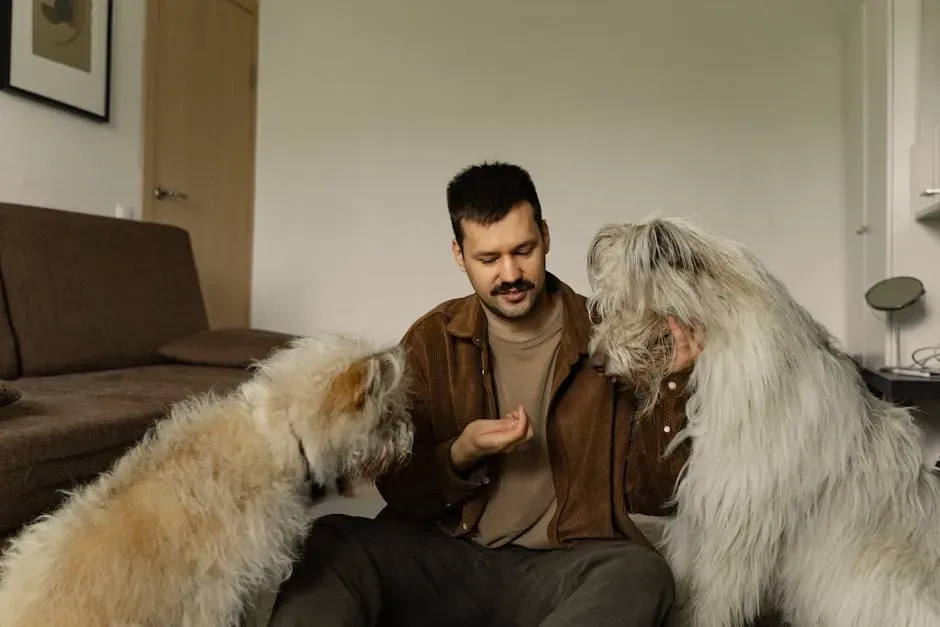
Loneliness has become one of the defining public health challenges of our time. In a 2022 survey of 3,000 U.S. adults, more than one third of respondents reported that on most days they feel “completely overwhelmed” by stress. Social disconnection amplifies that burden significantly. Pets offer unconditional love and emotional support, which can be especially beneficial for individuals experiencing social isolation and loneliness. The presence of a pet can provide emotional stability and a sense of security, reducing depression and loneliness.
When HABRI and Mars Petcare asked pet parents nationwide what they do when they feel lonely, roughly four out of five said they turn to their pets for comfort. Pets offer not just unconditional love, but also a sense of purpose in caring for another being. Additionally, more than half of the respondents said their pets help them connect with others in the community, which fosters a sense of belonging.
Results of a 2026 clinical study showed that patient loneliness generally decreased in all three interventions tested, but the participants visited by therapy dogs experienced the biggest reduction in loneliness levels on average. Dogs don’t just make you feel less alone in your own home – they open doors to connection with other people too. Activities such as walking the dog can increase the number of interactions with other people in our neighborhood, because pets are “social lubricants” that can break down social barriers.
The Bond Between You and Your Dog Protects Your Long-Term Health

The case for dogs isn’t just about feeling better in the moment. The cumulative effect of the human-canine bond appears to have lasting, even life-extending, consequences. In a nationwide study of over 300,000 Swedish patients who suffered a stroke or heart attack, those who were dog owners were more likely to survive than those who were not dog parents. That’s a striking finding, and it speaks to something profound about the role dogs play in recovery and resilience.
Dogs specifically have been proven to reduce stress, anxiety and depression, ease loneliness, encourage exercise, and improve your overall health. The list reads almost like a prescription. Older adults who have strong connections with their pets report lower rates of depression. In addition to promoting exercise and reducing stress, pets can help older adults manage long-term diseases like Alzheimer’s disease and dementia, improving quality of life by decreasing distress, loneliness, and depression.
The human-animal bond provides benefits to health at every stage of life. From the toddler who grows up feeling safe beside a gentle dog, to the older adult who finds renewed purpose in caring for one – the relationship evolves, but the benefit remains. Although the human-dog bond is difficult to quantify, emerging evidence indicates that its impact is significant. One study estimated that pet companionship could be valued at up to £70,000 per year in terms of life satisfaction – a level comparable to that associated with frequent contact with family and friends.
Conclusion: Your Dog Is Already Doing the Work

You don’t need to overhaul your wellness routine to experience the benefits your dog brings. They’re already happening during the morning walk, during the quiet evening cuddle on the couch, and in that soft exhale you take the moment you come through the door. Caring for another living being provides a sense of purpose and routine, which bolsters mental health. The responsibility of feeding, grooming, and attending to a pet creates a structured daily routine that offers stability and a sense of accomplishment.
The science makes it clear, but dog owners already feel it in their bones. The Human Animal Bond Research Institute is committed to supporting scientific research to substantiate what many of us know to be true – that humans and pets share a special, mutually beneficial connection. People are happier and healthier in the presence of animals. Scientifically-documented benefits include decreased blood pressure, reduced anxiety, and enhanced feelings of well-being.
So the next time life feels like too much, pay attention to what your dog is already offering you. The wagging tail at the door, the head resting on your knee, the steady breathing beside you at night – these aren’t small things. They’re a quiet, consistent form of healing that asks for nothing more than your presence in return.


