

There’s something about living with a dog that turns ordinary moments into comedy. You put on your shoes and suddenly there’s a creature spinning in circles at the front door. You sneeze and receive a look of profound concern. You pull out the vacuum and a previously courageous animal retreats behind the sofa like it’s facing the apocalypse.
What makes dog reactions so captivating is recognizing those same feelings in them. Despite the obvious differences between people and pups, their reactions to everyday situations can feel eerily familiar. The truth is, behind every hilarious dog moment, there’s real canine behavior worth understanding. Because when you know what’s actually going on in that furry little head, you become a better, more empathetic dog parent. Here are ten of the funniest, most relatable , and what each one really means.
1. The Vacuum Cleaner Terror
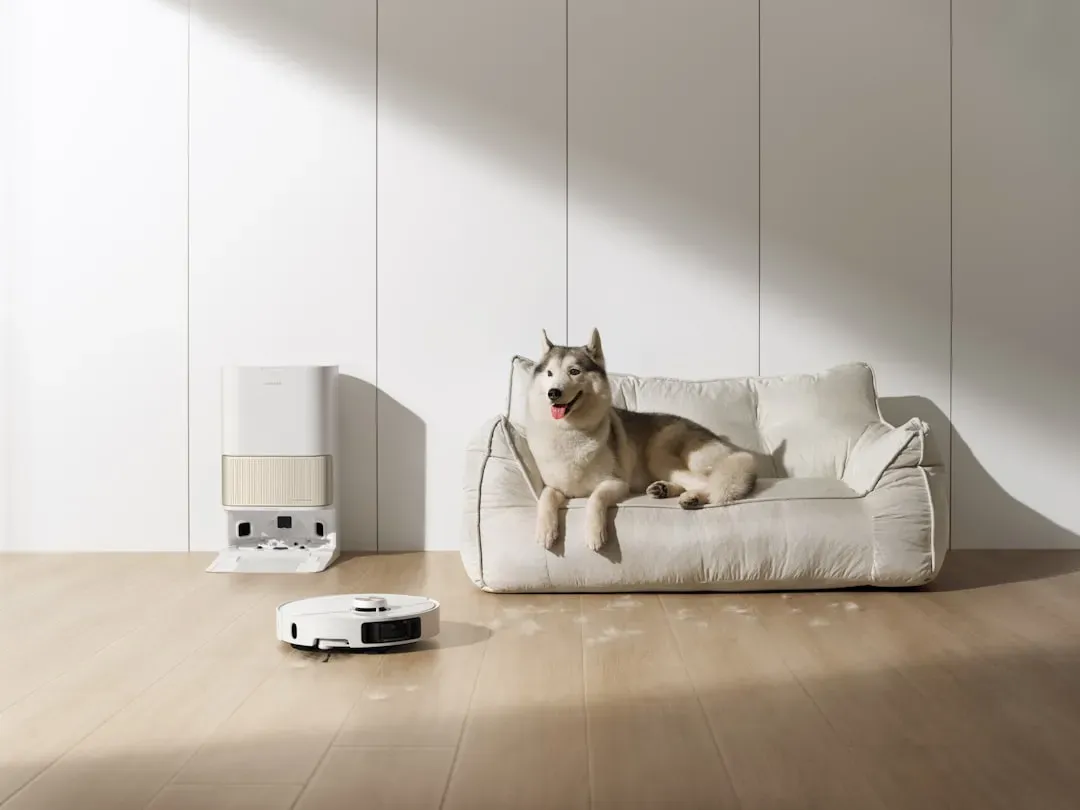
You plug in the vacuum, and within seconds your fearless guard dog is bolting down the hallway. Nothing sends some dogs into panic mode like the dreaded vacuum cleaner. The moment it roars to life, many dogs transform from confident guardians into wide-eyed maniacs, sprinting out of the room like their lives depend on it. Others go on the offensive, barking and lunging at the machine like it’s an intruder.
The average vacuum is very loud even by human standards, and your pet’s ears are considerably more sensitive. Dogs have about four times the hearing capability of humans and can detect sounds at both higher octaves and greater distances. From their perspective, a vacuum cleaner is an unpredictable, moving object invading their territory. It lurches across the floor, changes direction abruptly, and reaches into their personal spaces.
If your dog is afraid of the vacuum cleaner, there are several steps you can take to create a more positive association. Remember that an adverse reaction, including growling or snapping, is rooted in a fear response. Do not punish your dog for that reaction. Instead, give your dog space from the vacuum at first. Gradual desensitization with treats and calm praise is the way forward, not force.
2. The Mirror Standoff
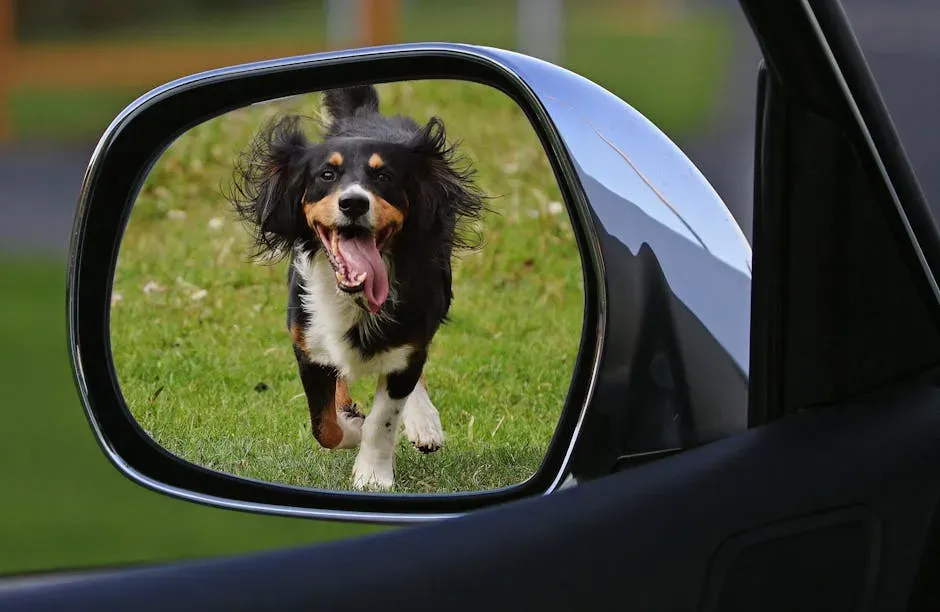
Some dogs stare in complete confusion at their reflection, tilting their heads as they try to make sense of the dog staring back at them. Others go all in, barking or playfully attacking their own reflection, convinced they’ve encountered an impostor. Then there are those who choose to avoid mirrors altogether, casually walking past like they’re pretending the whole situation isn’t happening.
The science behind it is actually fascinating. Dogs primarily rely on their sense of smell rather than vision. This is why a mirror image without scent doesn’t make much sense to them. When dogs see their reflection, many react as if they are encountering another dog. This response often includes barking, play-bowing, or trying to interact with the “other dog.” Since dogs primarily rely on scent rather than sight to identify one another, the lack of a familiar smell might eventually cause them to lose interest.
After a few encounters, most dogs stop reacting, a sign they’ve determined the reflection doesn’t affect their environment. So if your dog has a brief standoff with the hallway mirror and then walks off unimpressed, that’s completely normal. The one red flag to watch is intense, repeated distress around mirrors, especially with dogs. Sometimes a reactive dog sees the reflection as a rival invading their space. That can ramp up tension at home. Closing curtains at night or moving big mirrors out of their main paths often helps.
3. The Zoomies
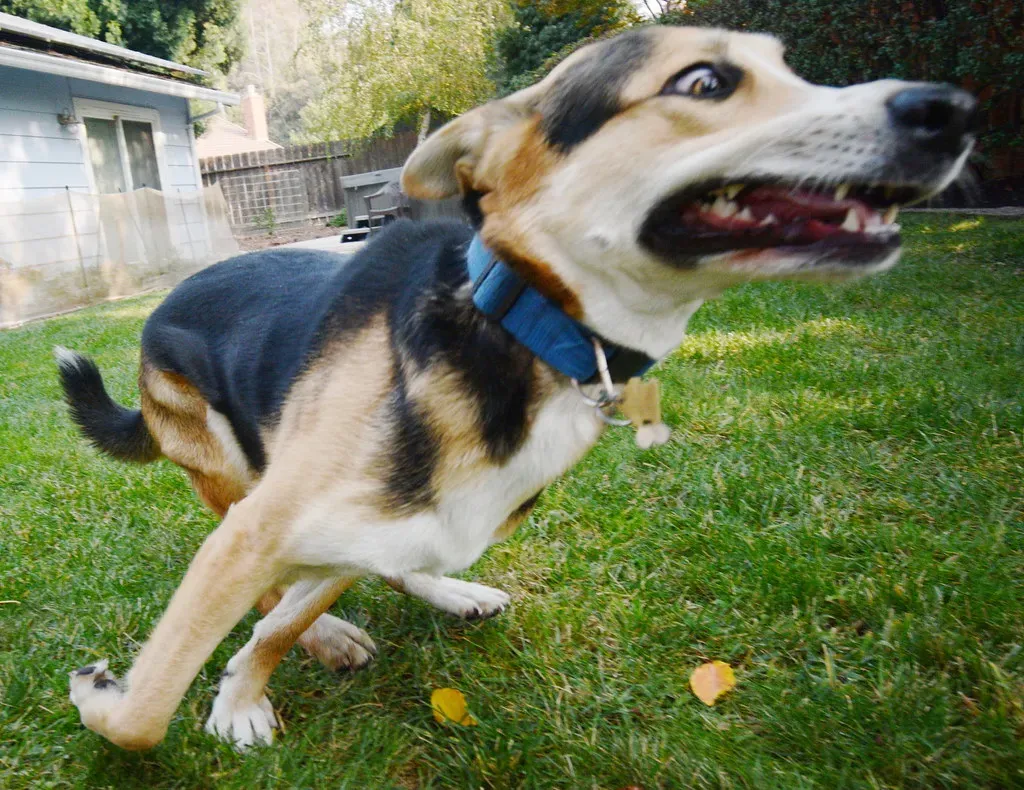
One moment, your dog is peacefully napping on the couch. The next, they’re doing laps around the living room at full speed with a tucked rear end and wild eyes, like something short-circuited inside them. This explosion of activity has many nicknames among dog owners, from “zoomies” and “crazy eights,” to “midnight madness” and “demon possession,” but the official scientific term for this behavior is frenetic random activity periods, or FRAPs.
There is no known specific cause of FRAPs in dogs, but they appear to be a way to release pent-up energy, or perhaps, to alleviate stress. A dog who has been home alone all day with nothing to do may feel the need to zoom around the house or yard to expend some of that energy and get some relief from hours of under-stimulation. Typically, FRAPs happen at times of transition through the day, such as when their owner gets home from work, or a guest is coming over, and can happen before or after meals and before bedtime too.
Zoomies are generally joyful, but learn to read the cues. A happy, playful dog will be loose, wiggly and bouncy, and they may have their tongue out and will do play bows. A frightened dog will be tense, wide-eyed, and have their tail tucked under tightly. Their head may be low, and their ears folded back submissively. Although FRAPs are normal, a dog zooming around the house or yard may be in danger of injuring themselves. Owners should keep zooming dogs away from stairs, slippery floors, obstacles and the road.
4. The Head Tilt

You say something in a silly voice and your dog’s head cocks sideways at a perfect angle, ears perked, eyes wide. It’s almost too cute to be real. Dogs may tilt their heads when they encounter something new, unfamiliar, or intriguing. This head tilt can be a sign of curiosity and attentiveness, as they try to gather more visual and auditory information about the object or situation in front of them.
There’s more going on than just confusion, though. Dogs use facial cues to understand how humans feel or what we’re communicating. When they tilt their heads, they can gain a clearer view of our facial expressions, particularly our eyes and mouths. By aligning their line of sight with our faces, dogs can better “read” our emotions, leading to more meaningful interactions. Dogs are highly attuned to human emotions and body language. When a dog tilts their head in response to their owner’s voice or facial expressions, it may be an attempt to show empathy and understanding.
Dogs are incredibly attuned to their owners’ reactions and expressions, and they often tilt their heads to gauge your response. When you react positively to their head tilt, like with a laugh, smile, or kind words, they may continue to tilt their heads to engage with you. This adorable action can serve as a subtle method of getting your attention or even seeking validation for their behavior. You’ve been inadvertently training your dog to be adorable, and honestly, no one is complaining. If you notice excessive or unusual head tilting accompanied by other concerning behaviors, it’s always a good idea to consult with a veterinarian to rule out any underlying health issues.
5. The Self-Fart Panic
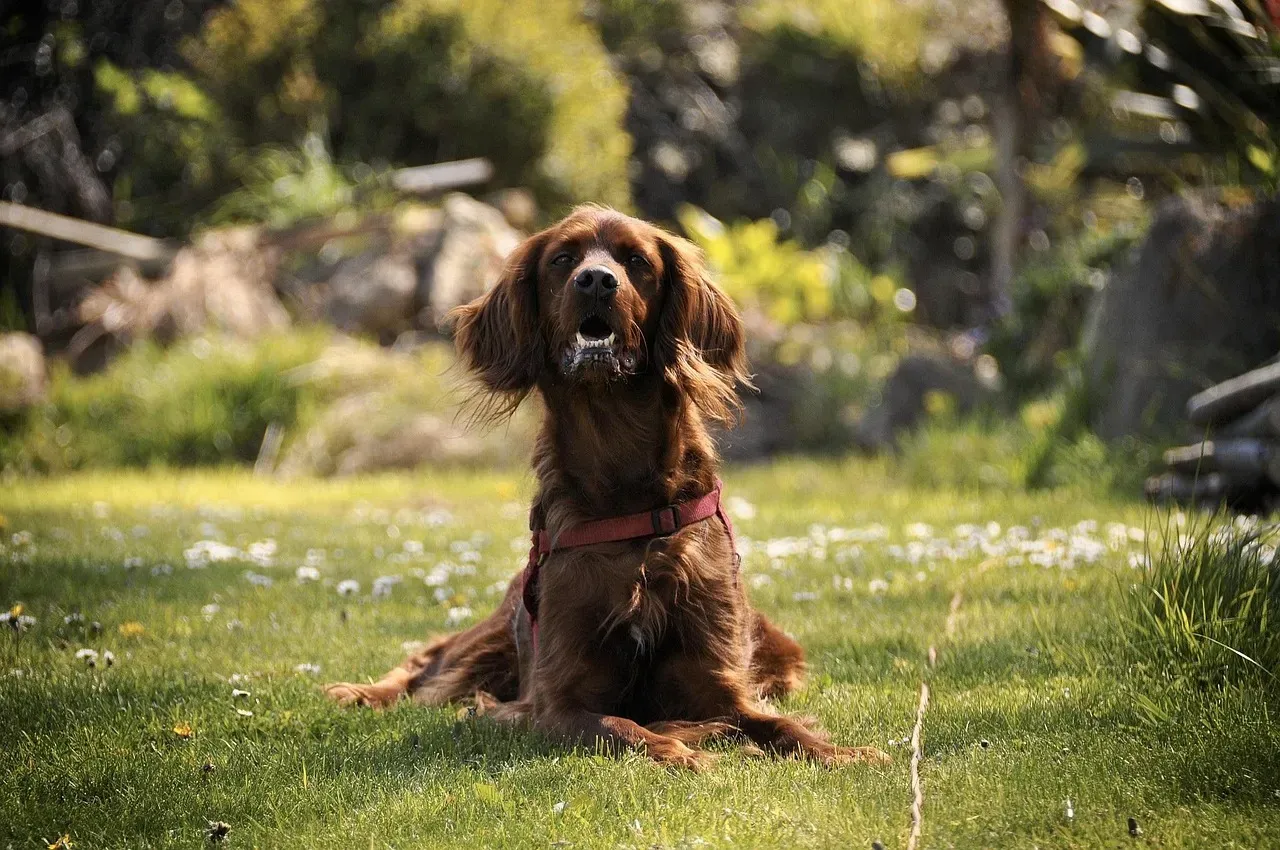
Your dog is relaxing, completely at peace, and then it happens. They fart. And immediately spin around in alarm, searching for the invisible enemy responsible. Dogs react to farts like they just heard the siren of impending doom. The self-inflicted ones are especially funny, as a dog will sometimes fart, spin around in shock, and flee the area as if something is chasing them. Others glare accusingly at their humans, convinced that such an offense was a deliberate act of war. No matter where the sound comes from, the reaction is often one of pure disgust and absolute betrayal.
The reaction is less about social embarrassment and more about genuine surprise. Dogs don’t have to deal with any social stigmas surrounding farts, so they probably can’t really feel shame-faced about a mini gas explosion. They can, however, be startled by the sound. That’s likely what triggers the reaction. It’s a completely involuntary startle response, which somehow makes it even funnier to witness.
6. The “Someone’s at the Door” Emergency
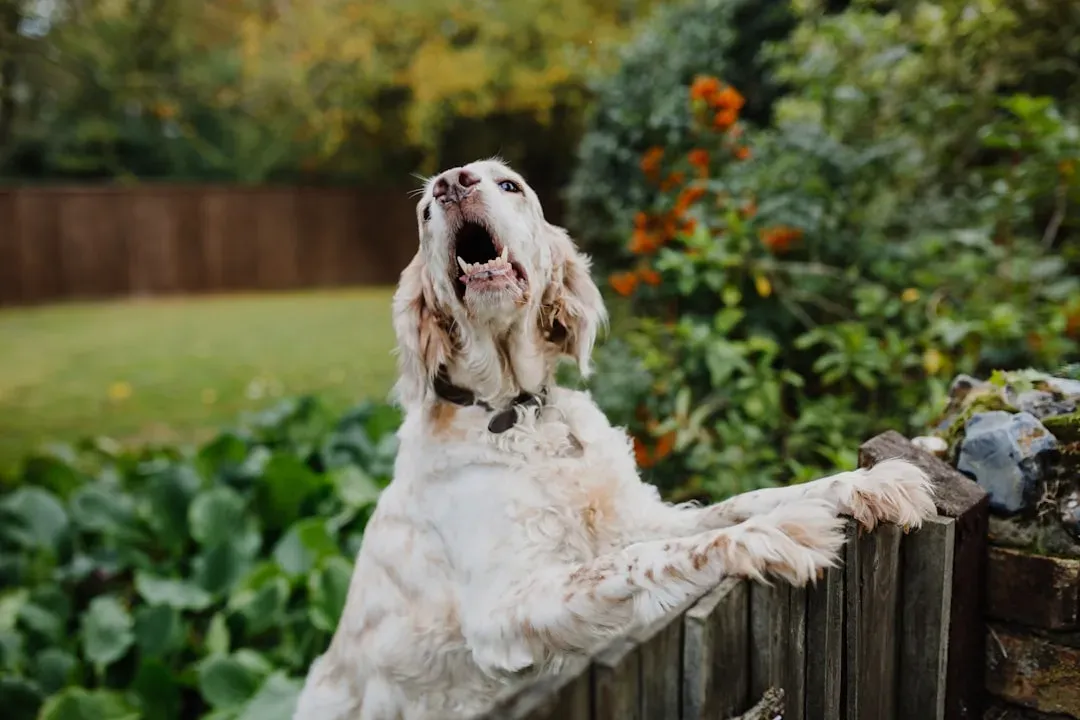
The doorbell rings once and your dog reacts like the entire building is under siege. Barking, racing to the door, back to you, back to the door again. Every single time, without fail. Whether it is a vacuum cleaner, a blender, the doorbell or even a phone alarm, when a sound occurs without warning or meaning, the brain cannot categorize it as safe. For a dog wired to protect its territory, an unexpected sound at the perimeter is a serious alert.
Canines are pattern readers whose survival instincts rely on recognizing changes in their environment. Of course, domesticated dogs are a far cry from their ancestors, but it was reflexes like those which kept them alive in the wild. Your front door is essentially the border of your dog’s territory, and the doorbell is the alarm system. They use their entire body as a language, so every yawn and every lick means something. The frantic dash to the door is their body saying: I’m on this.
The good news is this behavior can be shaped with training. Teaching your dog a specific “place” command, asking them to go to a mat when the bell rings, gives them a job to do instead of spiraling into chaos. Practice with a recorded doorbell sound while rewarding calm behavior, and you’ll see real progress over time.
7. Spinning in Circles Before Lying Down

You watch your dog circle their bed three times, pause, circle again, paw at the blanket, then finally flop down with a theatrical sigh. You’ve seen this a hundred times and it still looks ridiculous. Spinning in circles before lying down is instinctive behavior dogs have inherited from their wild ancestors. In the past, wild dogs would trample down vegetation and create a nest-like area to sleep in, providing warmth and protection from potential predators. While your dog likely doesn’t have the same environmental concerns as their ancestors, the instinct to circle before lying down can still be observed.
It’s one of those behaviors that makes a lot more sense once you know the backstory. Your living room carpet clearly poses no threat from predators, but the instinct runs deep regardless. Most dogs do just a rotation or two. If your dog is circling excessively or seems uncomfortable while doing so, that’s worth a vet visit, as it can occasionally signal joint pain or neurological issues rather than ancient nesting instinct.
8. The Food-Begging Performance

You sit down to eat and within seconds there’s a pair of enormous eyes locked onto your plate. The chin rests on your knee. One paw appears on your thigh. The sighing begins. Your dog has perfected the art of the guilt trip. Dogs are, by nature, opportunistic feeders. Most will happily accept any type of food, at any time of day. Humans actually reinforce the begging behavior when they react and share their food with the dog. The dog quickly learns that this is a successful tactic to get extra snacks.
You speak to your dog, they tilt their cute little head, maybe bark a bit, and as far as you’re concerned, the two of you are having a conversation. As far as the dog’s concerned, that conversation is going on the entire day, just not in the way you think. Every glance you give them during dinner is a data point. They’re reading you constantly. The best prevention tip here is consistent boundaries. If you never feed your dog from the table, the begging behavior loses its reinforcement and gradually fades. Easier said than done, but worth the effort for everyone’s sanity.
9. Dreaming with Full Sound Effects

Your dog is out cold, and then the whimpers start. Followed by leg twitches. Then muffled little barks into the cushion, chasing something in a dream world you’ll never fully access. Dogs may run, bark, or even sniff when they are in the rapid eye movement phase of sleep. During REM sleep, dogs experience increased brain activity, similar to humans, and their sleep brain patterns resemble those of when they are awake. Researchers believe that running and other similar movements observed during sleep are a reflection of their dream activity. Dogs may be reenacting or responding to the stimuli present in their dreams, which can include things such as playing, chasing, or exploring.
It’s equal parts adorable and a little surreal to watch. Most of the time, there’s nothing to worry about. Gentle twitching, soft sounds, and occasional leg paddling are all normal parts of the sleep cycle. If the movements become violent or your dog seems distressed or disoriented upon waking, that’s worth discussing with your vet, as it can sometimes indicate a sleep disorder or other neurological concern. Otherwise, let them dream on.
10. The Guilty Face After Getting Caught
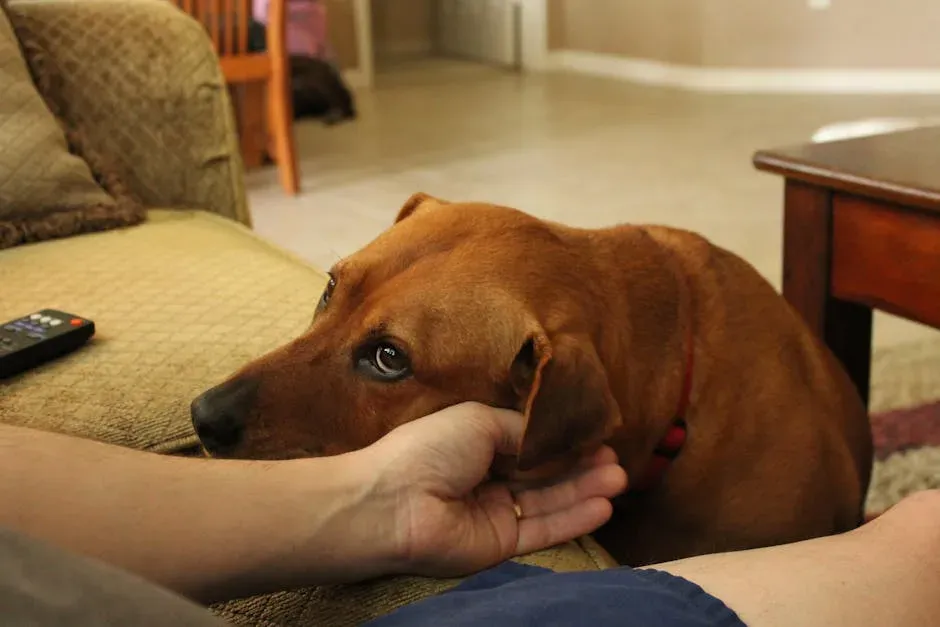
You walk into the room and the couch cushion is destroyed. Your dog looks up at you with ears flattened, tail low, and the most exaggerated expression of remorse you’ve ever seen on a living creature. It looks like guilt. It might even feel like guilt. Dogs can exhibit exasperation, stubbornness, and something that looks a lot like embarrassment. They get fed up with annoying requests, and sulk when caught doing something wrong.
Research suggests that what we interpret as guilt is most likely a response to your body language and tone, not an actual understanding of wrongdoing. Dogs are remarkably attuned to human cues and quickly learn that a certain look from you signals trouble. If you think about the situations where something between people and dogs goes wrong, most of that doesn’t happen because the dog has been “bad.” It’s because someone missed or misunderstood what the dog was saying. What the person sees is the dog’s final “NO!” but they said a lot of “I’m not so sure” before that.
Rather than scolding after the fact, which your dog likely won’t connect to the earlier act, prevention is far more effective. Managing your dog’s environment, providing adequate mental stimulation, and addressing boredom before it leads to destruction will do more good than any guilty face ever could.
Conclusion: Your Dog’s Daily Drama Is Actually Communication
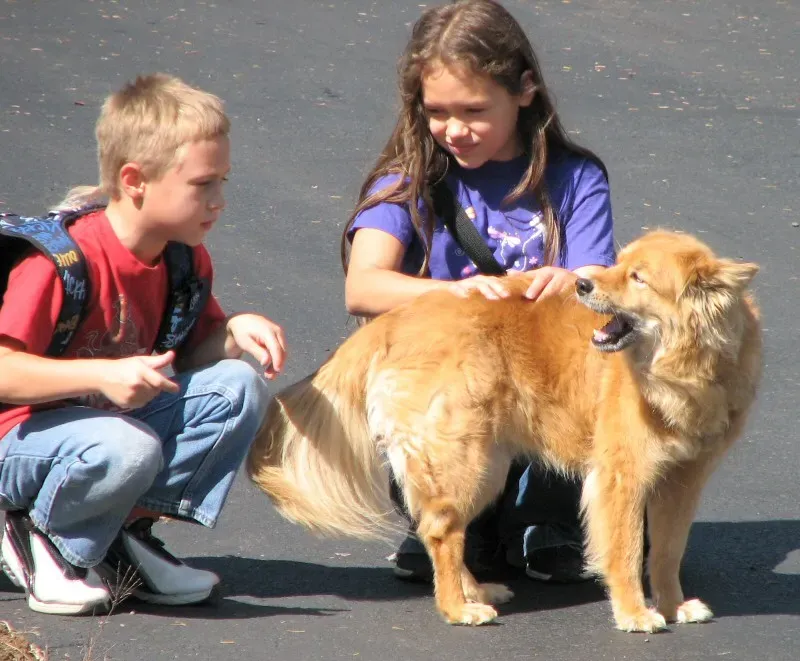
Every zoomie sprint, mirror standoff, and vacuum-induced meltdown is your dog telling you something about how they experience the world. The point is to learn how to be your dog’s best advocate because, honestly, it’s your responsibility. When you learn their language, you can step in before they feel stressed or scared. That’s the real payoff behind all the laughter.
The comedy of living with a dog is inseparable from the connection. When you understand why they react the way they do, the funny moments become richer and the worrying ones become easier to navigate. No matter their breed, size, or age, dogs continuously prove that even the most normal things can become laugh-out-loud moments in their world.
The best thing you can do is pay attention. Not just when something goes wrong, but during all the small daily moments that make dog ownership genuinely joyful. Those reactions, however ridiculous they look, are your dog fully alive and communicating with you. Worth paying attention to.


