
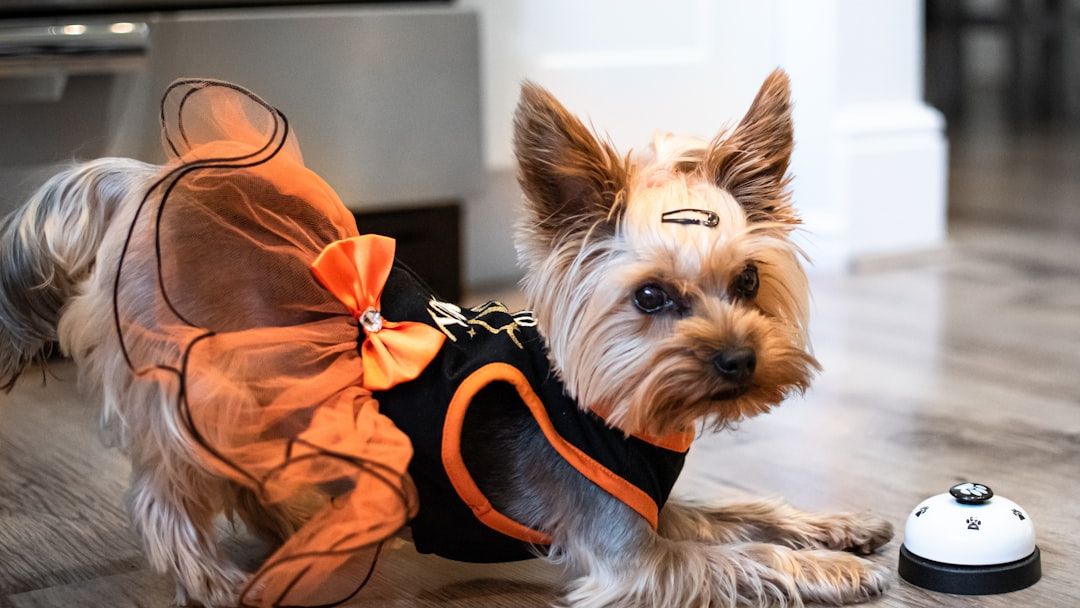
Most dog owners assume they’d notice when their dog needs something. A full-on bark, a whine, a bowl pushed across the floor – those are easy to catch. What’s much harder to spot are the quieter signals, the ones hiding in a tilted head or a certain way your dog positions their body near yours. Those signals are often where the real conversation lives.
Dogs have a unique language that doesn’t rely on words or even barks to express themselves. Through subtle gestures, body language, and behaviors, they communicate a wide range of emotions, from joy and excitement to fear and affection. The truth is, your dog is probably “talking” to you several times a day, and you might be missing most of it. These twelve behaviors are their way of reaching out, silently, steadily, and with more depth than most people realize.
#1. The Slow, Soft Gaze That Lingers Just a Little Too Long
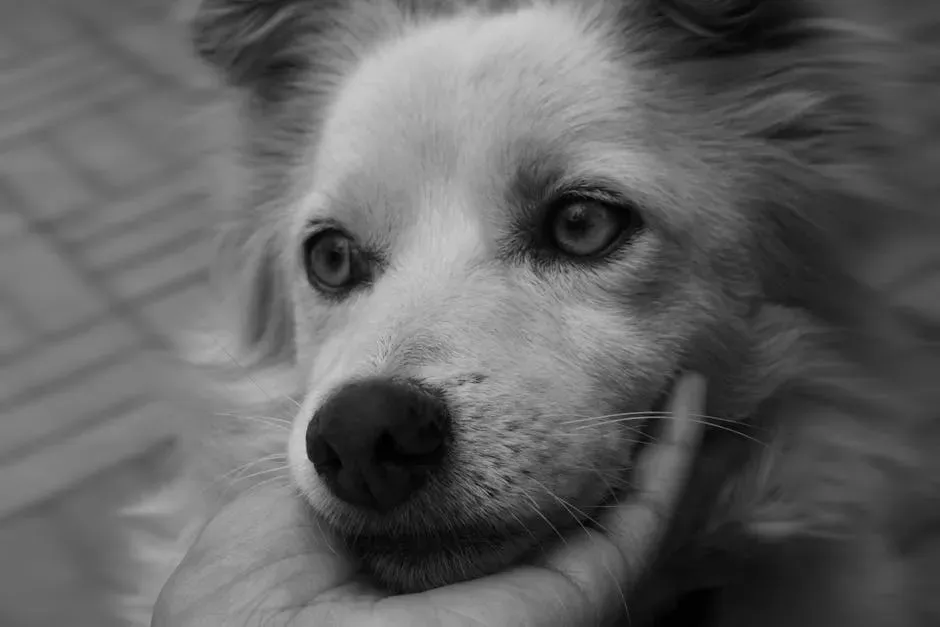
You’ve probably caught your dog just… staring at you. Not aggressively, not demandingly. Just watching, soft-eyed and still. That look has a purpose behind it.
When a dog gazes into your eyes with a soft, relaxed expression, it’s more than just adorable – it’s a sign of trust and love. This behavior releases oxytocin, the same “love hormone” responsible for human bonding. In other words, your dog is literally experiencing a chemical rush of attachment just by looking at you.
When you catch your dog just staring at you lovingly, that’s not them zoning out – it’s their way of bonding. When a dog looks at its owner with soft eyes, its body releases oxytocin, strengthening the bond between them. Think of it as your dog saying “I need to be near you” without moving a muscle.
#2. The Slow Blink That Mirrors How Cats Say “I Trust You”
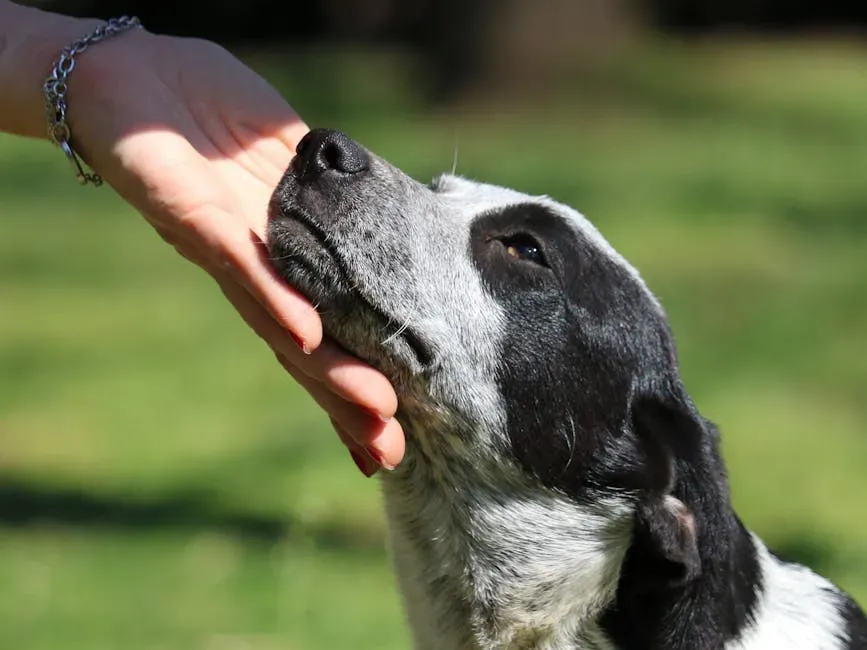
It seems like a small thing – a slow, deliberate blink. But in canine communication, it’s actually one of the most intimate signals a dog can offer you.
When your dog locks eyes with you and slowly blinks, they’re giving you the ultimate sign of trust and love. This behavior is often compared to how cats show affection, but dogs do it too. A slow blink means your dog feels completely safe in your presence, relaxed enough to let their guard down.
If you slowly blink back, you may just get another blink in return – a little silent conversation of love between you and your pup. When your dog does this, they’re not just relaxed. They’re telling you they need this quiet closeness with you, and they’re grateful you’re there.
#3. Sitting or Pressing Their Body Against Your Legs
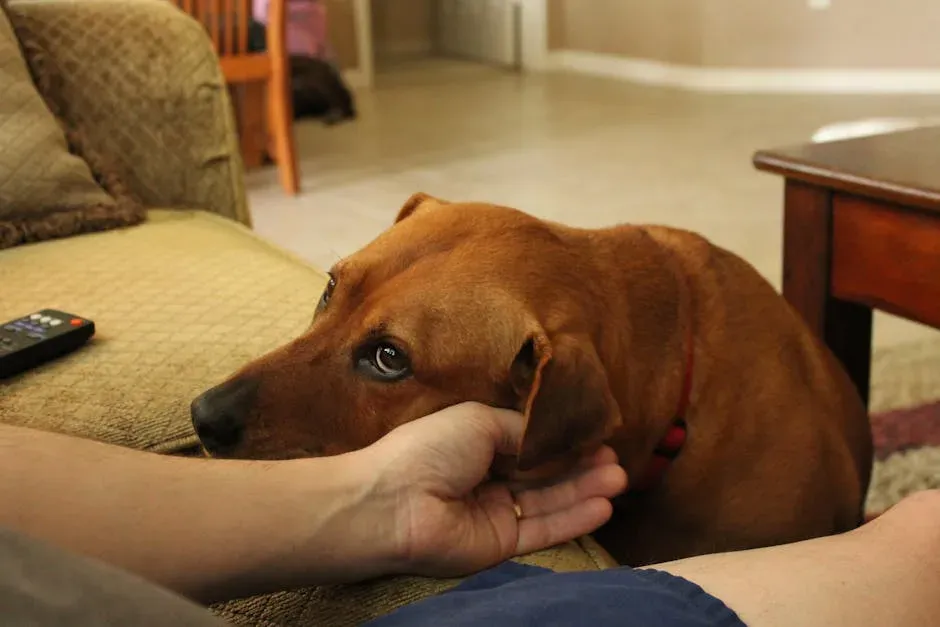
There’s a reason your dog finds reasons to be physically touching you whenever possible. It’s not coincidence, and it’s not just warmth they’re after.
When a dog leans against you, it’s more than just seeking physical contact – it’s a form of silent communication. Leaning is a dog’s way of showing affection and trust, signaling that they feel secure with you. It’s essentially your dog anchoring themselves to their safe place.
Some dogs may also lean when they’re seeking reassurance or comfort, especially in stressful situations. This behavior can also reflect loyalty, as leaning close to you demonstrates they see you as a safe and comforting presence. A lean may seem small, but it’s a gesture that speaks volumes about a dog’s bond with their person. Pay attention next time. Your dog might be telling you they need a moment with you.
#4. Following You From Room to Room
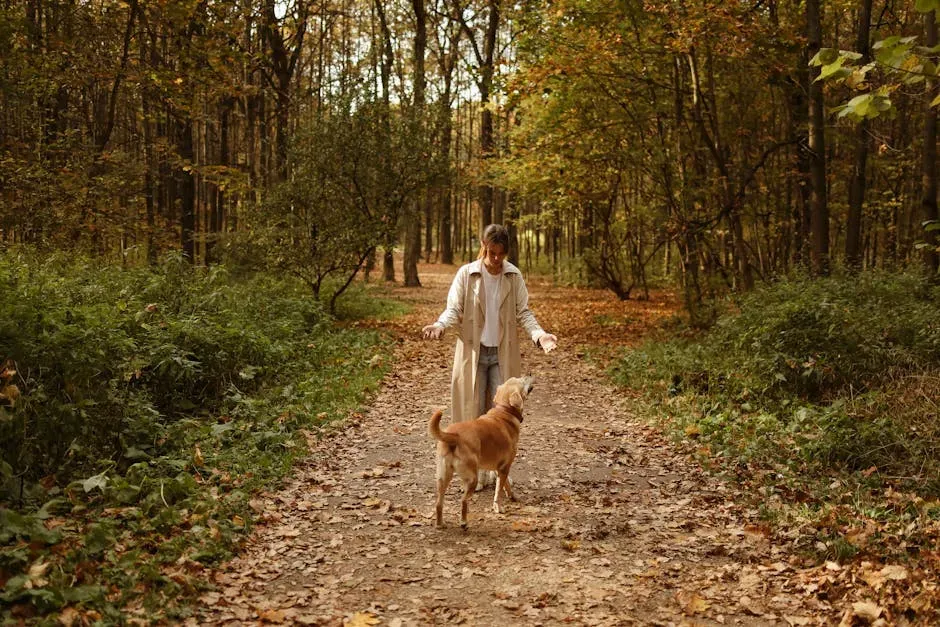
Your dog isn’t just nosy. That quiet shadow trailing you from the kitchen to the bathroom and back again is communicating something deliberate.
From quiet signals to subtle body language, dogs express their affection in ways that can be easy to miss. Whether they follow you from room to room, lean against you, or rest their head on your lap, your furry companion is always reminding you that you’re their favorite human. This following behavior is rooted deeply in attachment.
Living in close contact with humans for at least 30,000 years, dogs have developed specific skills enabling them to communicate flexibly with humans. There is now evidence suggesting that the dog-human relationship can be characterized as an “attachment,” which closely resembles the one reported between infants and their primary caregivers. Your dog follows you because you are, quite literally, their person. They need you in their line of sight.
#5. Resting Their Head on Your Lap or Feet
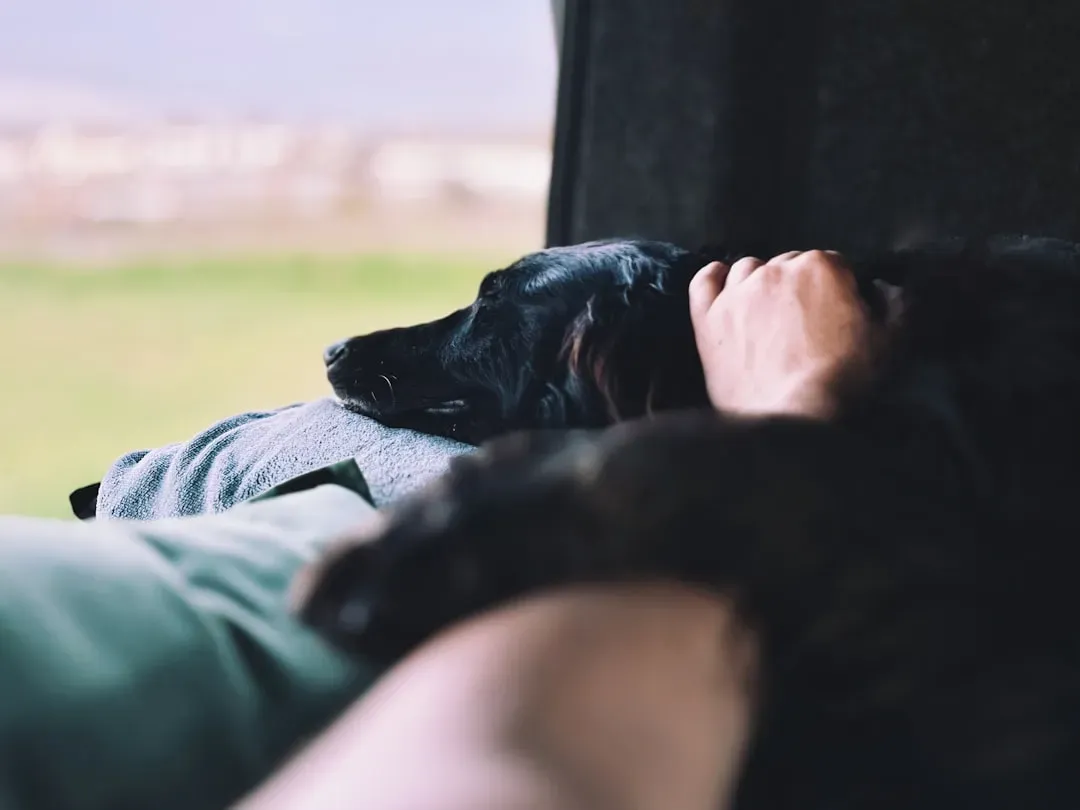
This one feels almost too obvious to mention, except that most people chalk it up to their dog being tired. It’s rarely just that.
When your dog plops down on your feet, it’s more than a cozy resting spot – it’s a sign of attachment and loyalty. This behavior shows they want to stay close and feel connected to you. It’s also a subtle way of claiming you as “theirs,” reinforcing their bond with you in the process.
The same logic applies when they lay their head directly in your lap. They’re not just comfortable. They’re choosing you as their anchor. It’s a gesture of need, quiet and undemanding, but deeply genuine. Some dogs do this most often during moments of low stimulation, which tells you they’re not just looking for entertainment – they’re looking for you specifically.
#6. The Gentle Nose Nudge Against Your Hand or Arm
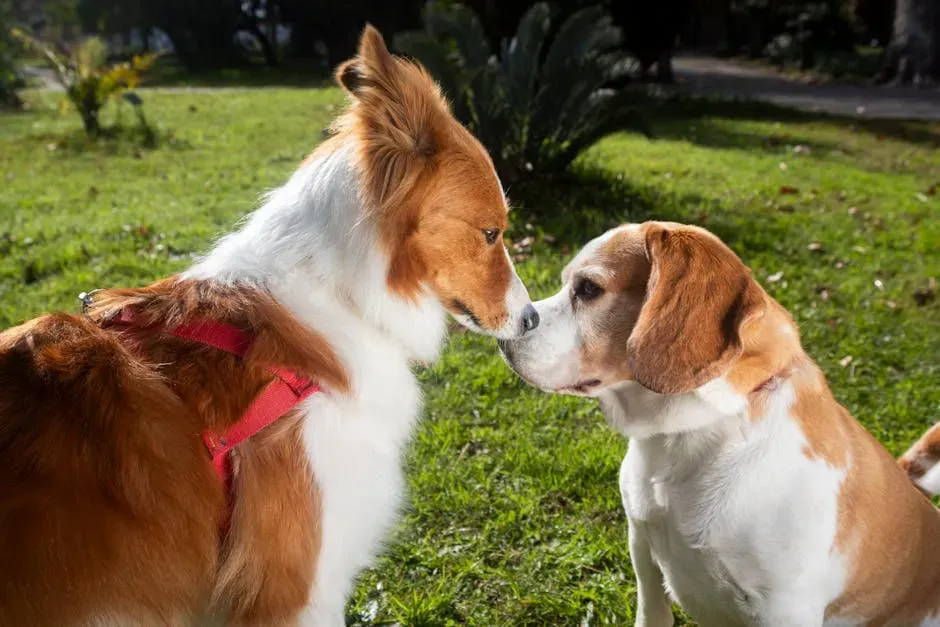
A cold nose suddenly pressed into your palm or along your forearm. It’s quick, it’s gentle, and most people instinctively reach down to pet their dog without thinking much about it. That nudge is intentional, though.
A gentle nudge with their nose is your dog’s way of saying “pay attention to me.” Whether they’re asking for pets, treats, or simply acknowledgment, this behavior is a loving reminder that they want to connect. Nose nudges are a sweet and understated way they express their feelings without a single bark.
What makes the nose nudge particularly meaningful is its precision. Your dog isn’t crashing into you or jumping up. They’re making one deliberate, restrained point of contact – a soft request. It says “I need a moment with you” in the most polite, canine way imaginable. You’d be surprised how often it goes unacknowledged.
#7. Placing a Paw on You
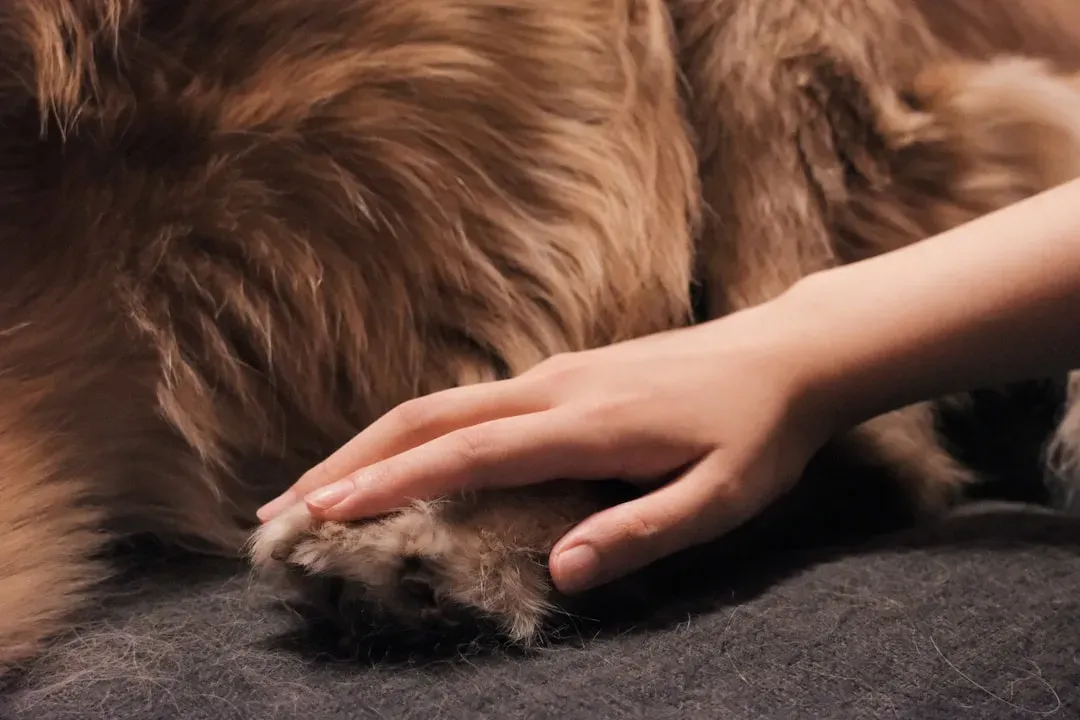
When your dog lifts a paw and lays it on your leg or arm, it can feel almost human. There’s a reason it reads that way – because the intention behind it genuinely is that deliberate.
When your dog places a paw on you, it’s more than just a request for attention – it’s a gesture of connection. A gentle paw touch can mean they want comfort, affection, or even just to check in with you. Some dogs will use their paw to ask for belly rubs or treats, showing their ability to communicate their needs subtly and endearingly.
A paw lift can indicate uncertainty or anticipation. So while that paw on your knee might look casual, it could also signal that your dog is feeling a little off and is reaching out in the only way they know how. It’s worth pausing to really look at them in those moments, because sometimes they need more than just a quick pat back.
#8. Sleeping as Close to You as Physically Possible
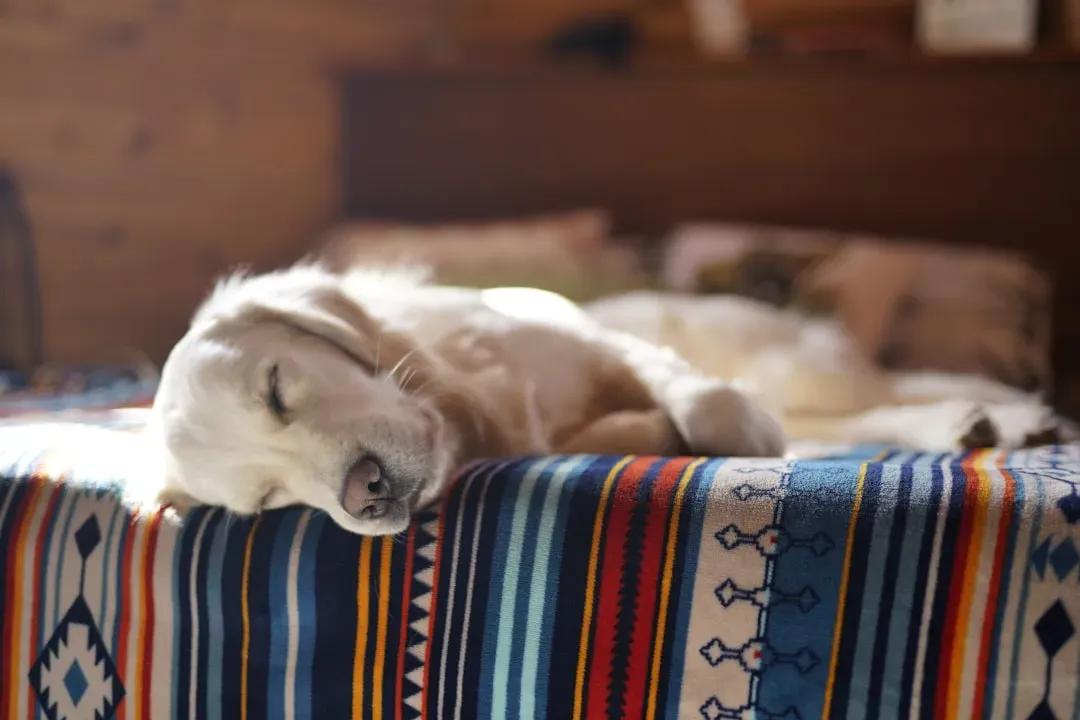
Where your dog chooses to sleep reveals a lot about how they feel about you – and about how much they need your presence even when they’re unconscious.
Dogs often choose to sleep close to their humans as a sign of love and security. By curling up near you – whether on the bed, couch, or floor – they’re saying they feel safe in your presence. This silent gesture of trust and affection is a strong indicator of their deep bond with you.
If your dog sleeps curled up next to you or touches you while they sleep, they show ultimate trust. Dogs in the wild sleep close to pack members for warmth and protection. When your dog does it with you, they’re placing you firmly inside that circle. It’s one of the most primal, honest things they can show you.
#9. Bringing You a Toy or Object
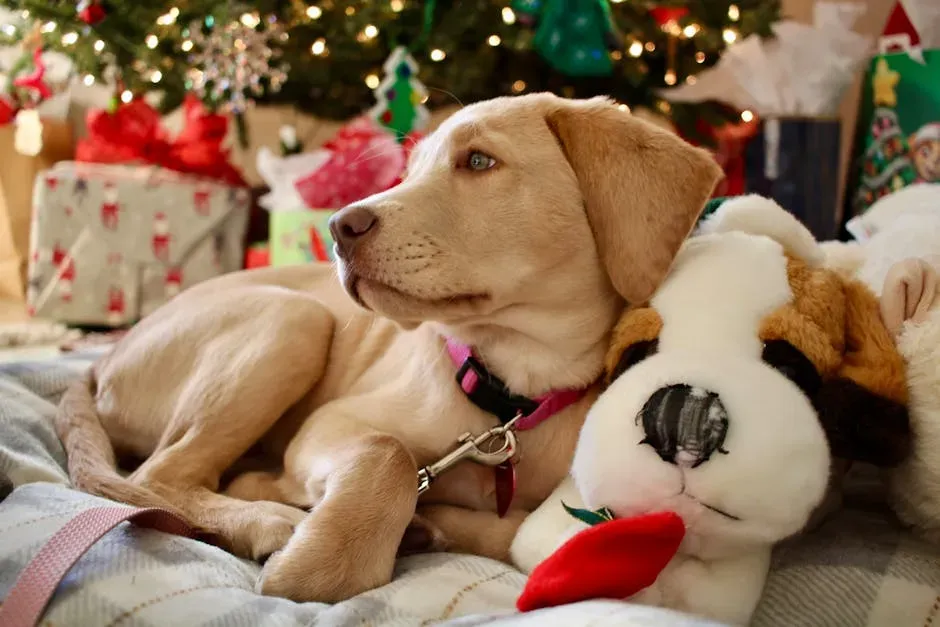
Most people laugh when their dog trots over with a sock or a well-loved squeaky toy and drops it at their feet. It does look a little silly. The reason behind it, though, is genuinely touching.
It’s their silent way of saying “I care about you, so I want you to have this.” These thoughtful “gifts,” while sometimes funny or puzzling, are heartfelt gestures that showcase their love and devotion in a uniquely canine way. Your dog isn’t trying to start a game – they’re trying to start a connection.
This behavior is particularly common when dogs sense that their owner is distracted, sad, or disengaged. It’s their way of drawing you back in. The item they choose doesn’t matter much to them. What matters is that they’ve created a reason for you to look up, make eye contact, and interact. That’s the whole point.
#10. The Play Bow – Front Legs Down, Rear Up
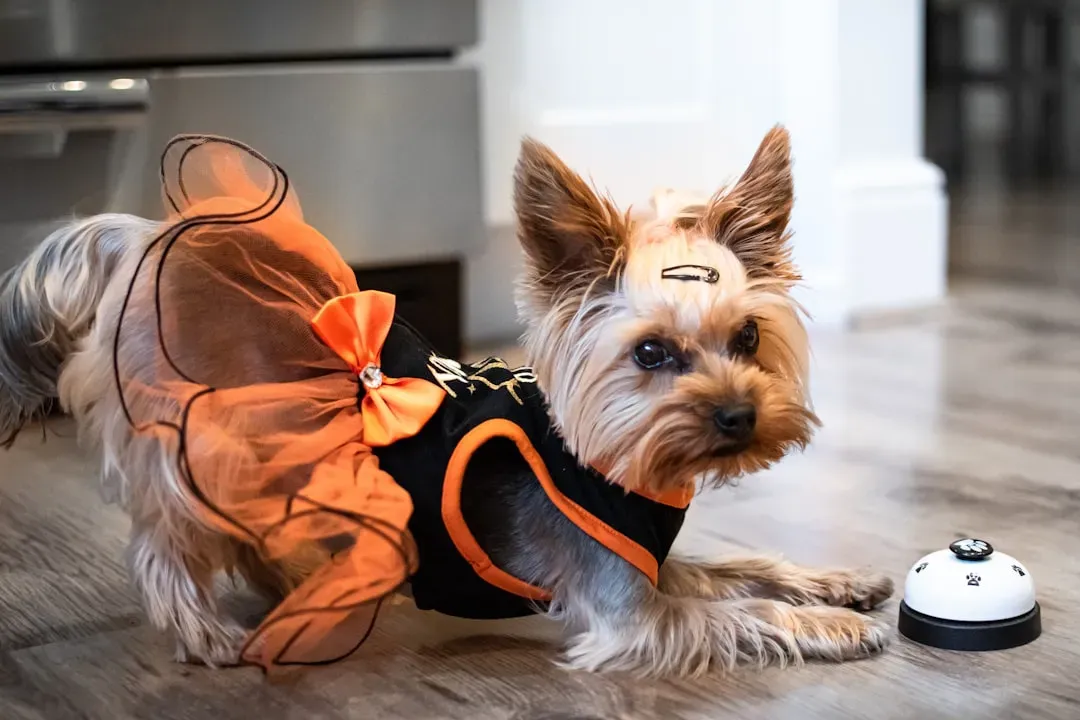
There are few things as visually unmistakable as a proper dog play bow. Front legs fully stretched forward, rear end raised, tail going. It’s an invitation, not just to play, but to be together.
The play bow – front legs stretched out, rear end in the air – is a universal canine invitation to play. It’s a cheerful way of saying “Let’s have some fun!” Dogs use this posture to communicate their readiness for friendly interaction, often punctuated with a wagging tail and an excited bounce. It’s a joyful expression of their playful side and an invitation to share in the fun.
When your dog offers you a play bow, they’re specifically choosing you as their activity partner. They could entertain themselves with a chew toy or explore the yard. Instead, they’re asking for you. That choice, made silently and enthusiastically, says more than most people give it credit for.
#11. Watching You With Ears Tuned Forward When You’re Upset
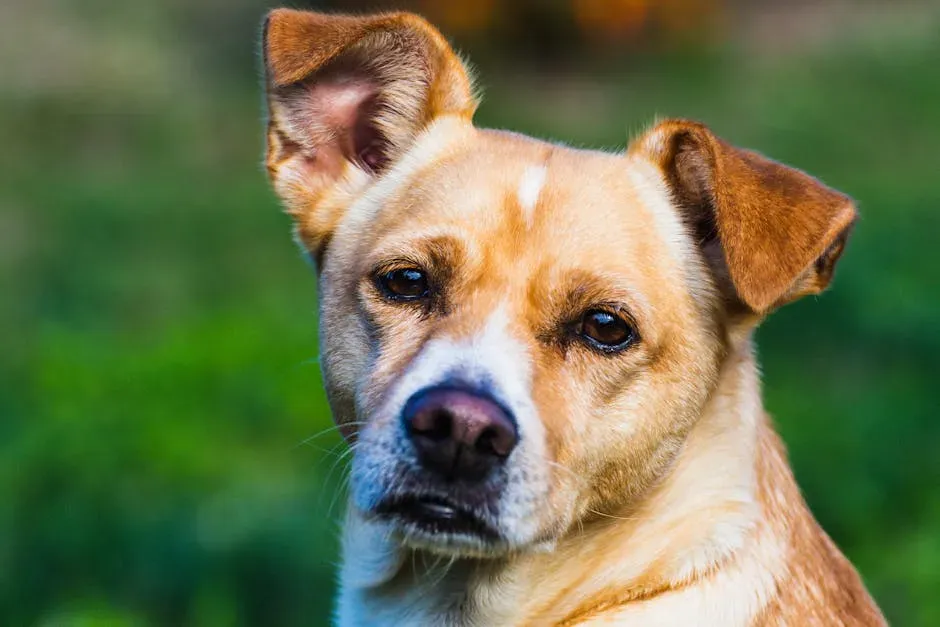
Dogs notice your emotional state long before most people around you do. It’s not magic – it’s thousands of years of fine-tuned awareness of human signals.
Through domestication, dogs have become particularly adept at “reading” human facial expressions. Dogs recognise and infer emotional information from humans. So when you’re having a hard day and your dog suddenly appears beside you, ears alert and eyes focused on your face, they’re actively reading you.
Your dog’s ears are like emotional antennas, constantly adjusting to communicate how they’re feeling and what they’re thinking about. Forward-pointing ears usually indicate alertness, curiosity, or focus on something interesting in their environment. When that “something interesting” is your face, your voice, your energy – they’re telling you they’re paying attention and that they need to understand how you are. It’s concern, offered quietly.
#12. Sighing Deeply While Settled Against You
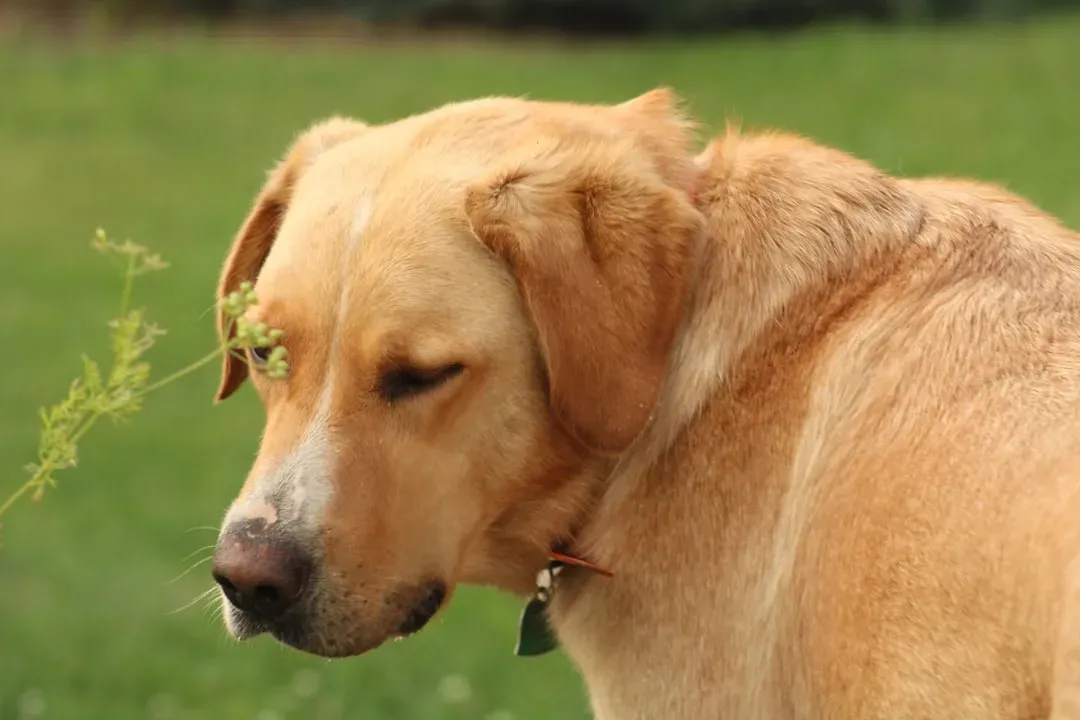
The long, slow exhale your dog lets out after they’ve finally settled beside you might be the most overlooked communication of all. It’s easy to dismiss as just breathing. It’s actually a statement.
Sighs are an expression of emotion, usually when the dog is lying down with its head on its paws. When the eyes are half-closed, it signals pleasure and contentment. That sigh, released right after they’ve found their spot next to you, is your dog saying “this is exactly where I’m supposed to be.”
It’s a moment of arrival. They searched for you, positioned themselves close, settled in – and then let out that breath. No fanfare, no demand. Just exhale. Of all the silent signals on this list, this one might be the purest. It doesn’t ask for anything. It simply confirms that being with you is enough.
What All of This Tells Us
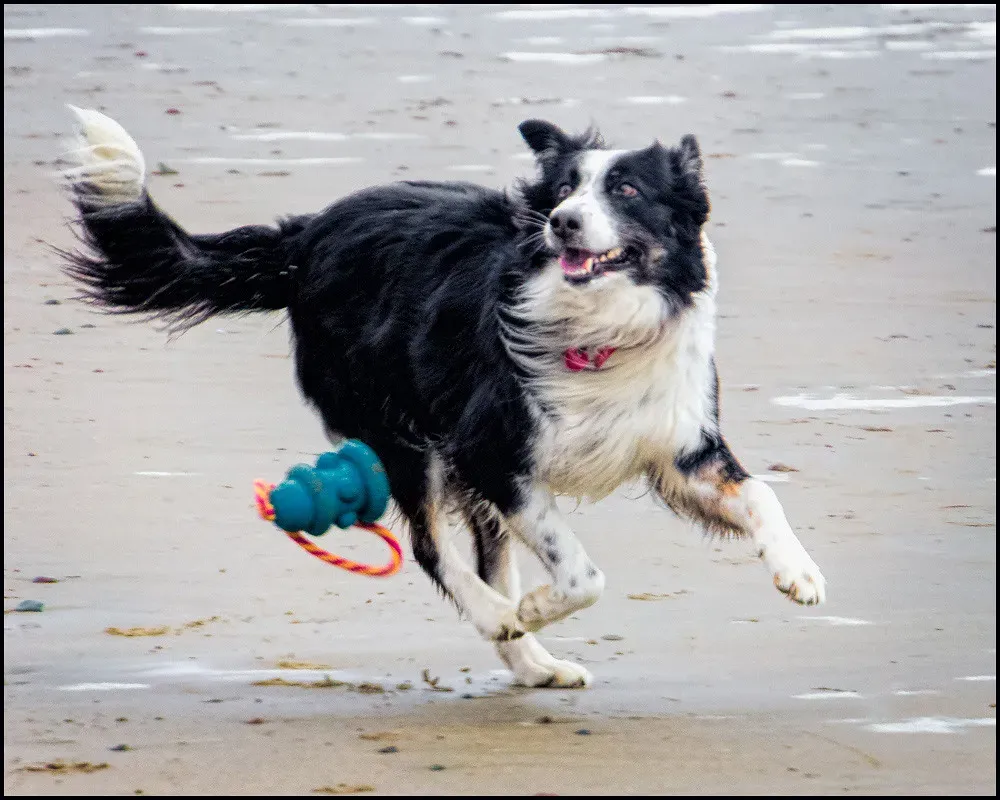
Dogs are master communicators, constantly sending us messages through a rich vocabulary that goes far beyond barking. While we often focus on the obvious woofs and howls, our canine companions are having full conversations with us every single day using subtle body language, facial expressions, and behaviors that many of us completely miss.
Dogs are masters of non-verbal communication. By paying attention to their body language and subtle behaviors, you can decode what your dog needs without a single bark. Your dog is always trying to tell you something important. Understanding their silent signals not only strengthens your relationship but also helps you meet their needs in ways that go beyond barking.
Here’s the thing that strikes me most about all of this: dogs don’t exaggerate. They don’t overcommunicate. Every nudge, every lean, every slow blink is offered with complete sincerity. They’re not performing for an audience. They’re reaching out to one specific person – you. Learning to recognize these moments isn’t just about being a better dog owner. It’s about honoring a relationship that your dog is already fully committed to, one quiet signal at a time.


