

There’s something quietly extraordinary about a dog who senses you’re breaking. You haven’t said a word. You’re sitting on the floor, or staring at nothing, or crying into a pillow at two in the morning – and somehow, your dog is already there. Not summoned. Not trained to do it. Just there.
It’s one of those things that’s hard to explain to someone who hasn’t lived it. Scientists have been studying the canine-human emotional bond for decades now, and what they keep finding is that dogs are far more attuned to our inner worlds than most of us give them credit for. They read our faces, they smell our stress hormones, they mirror our heartbeats. The relationship runs deeper than loyalty. When we fall apart, dogs don’t retreat. Many of them quietly lean in – and what follows are twelve of the most recognizable ways they do it.
#1. They Position Themselves Against Your Body
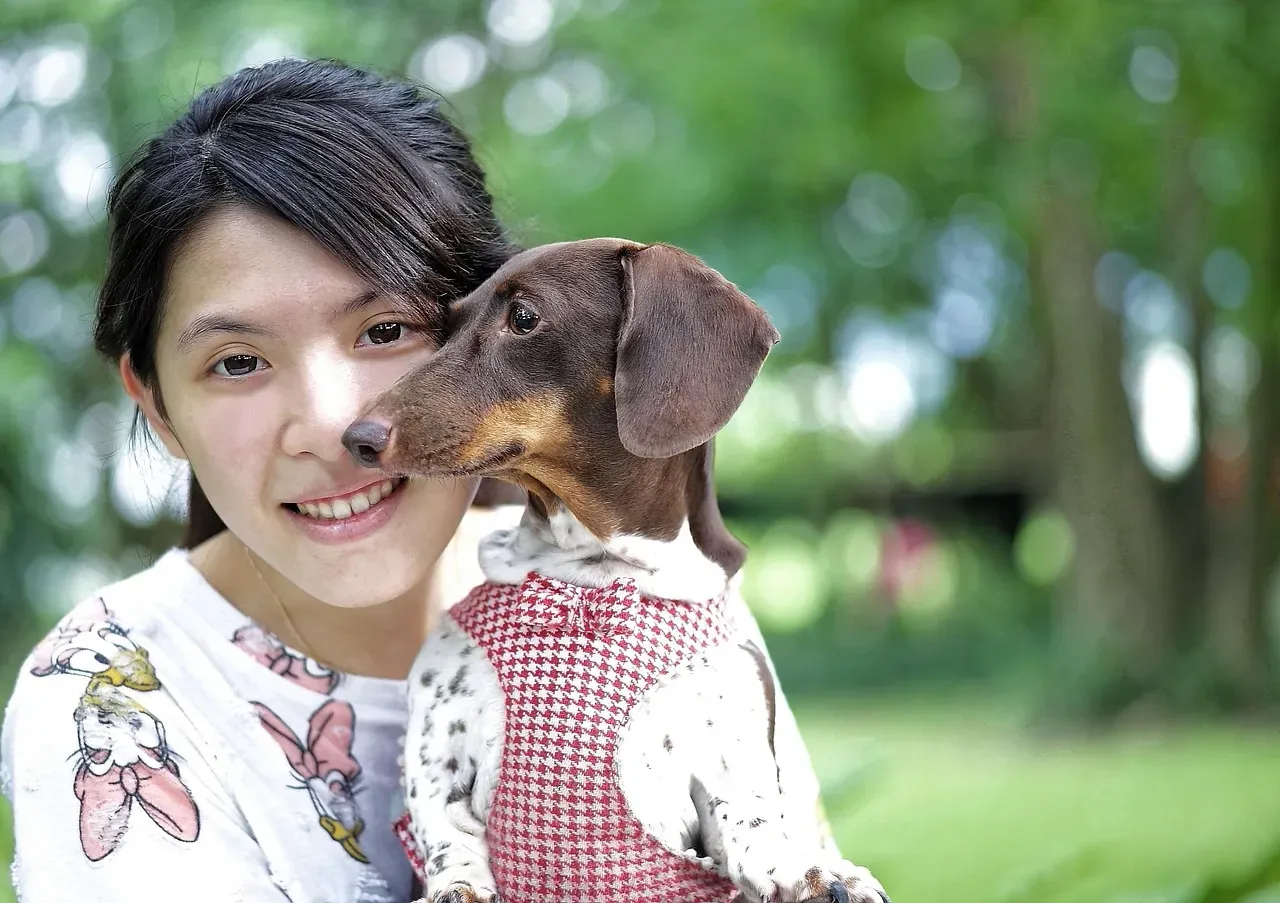
One of the most instinctive things a dog does when their human is struggling is close the physical gap. A dog resting its head on your lap or following you from room to room provides a sense of connection that feels grounding. It’s not accidental. It’s deliberate, deliberate in the way only an animal that has spent thousands of years reading human beings can be.
The physical closeness matters on a chemical level too. This kind of physical contact can lower blood pressure, reduce heart rate, and help you feel calmer and more centered – which is one reason animal-assisted therapy is so effective for people struggling with anxiety, depression, PTSD, or chronic stress. Your dog’s body against yours isn’t just comfort. It’s biology doing something quiet and powerful.
#2. They Smell What You Can’t Hide

Dogs can detect changes in human scent linked to stress hormones, such as cortisol and adrenaline, and respond accordingly. This is where the dog’s nose becomes something almost uncanny. While you might be managing your expression, holding it together in front of family, or telling yourself you’re fine – your body chemistry is saying something different, and your dog is listening to that instead.
They can observe your facial expressions and body language and listen to the tone of your voice. Dogs have powerful noses that can detect changes in how you smell. When you’re stressed, you act and communicate differently, and your dogs will notice – smell being a sense that is much more important to dogs than humans. You can fool a lot of people when you’re falling apart. You can’t fool your dog.
#3. They Follow You Room to Room
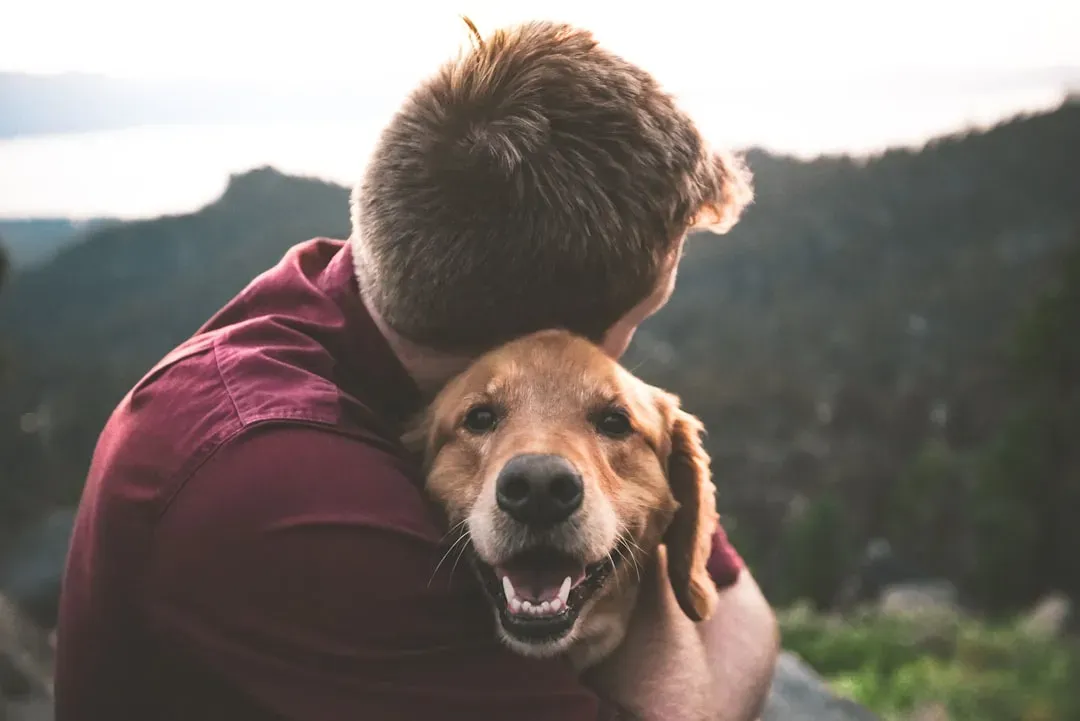
On a normal day, your dog might stay on the couch while you wander around the house. When something is wrong, that changes. When they sense sadness or distress, many dogs naturally offer comfort by sitting extra close, nudging your hand, or resting their head in your lap. Some might become extra gentle and quiet; others bring toys or follow you from room to room. That shadowing behavior isn’t clinginess. It’s a form of vigilance.
Dogs are remarkably attuned to human emotions, and many people notice that their dog behaves differently when they are upset. Dogs may become more affectionate, stay physically closer, or gently nudge their owner when they sense distress. They’re keeping an eye on you in the most literal sense – not because they were told to, but because something in them won’t let them stay away.
#4. They Maintain Steady Eye Contact
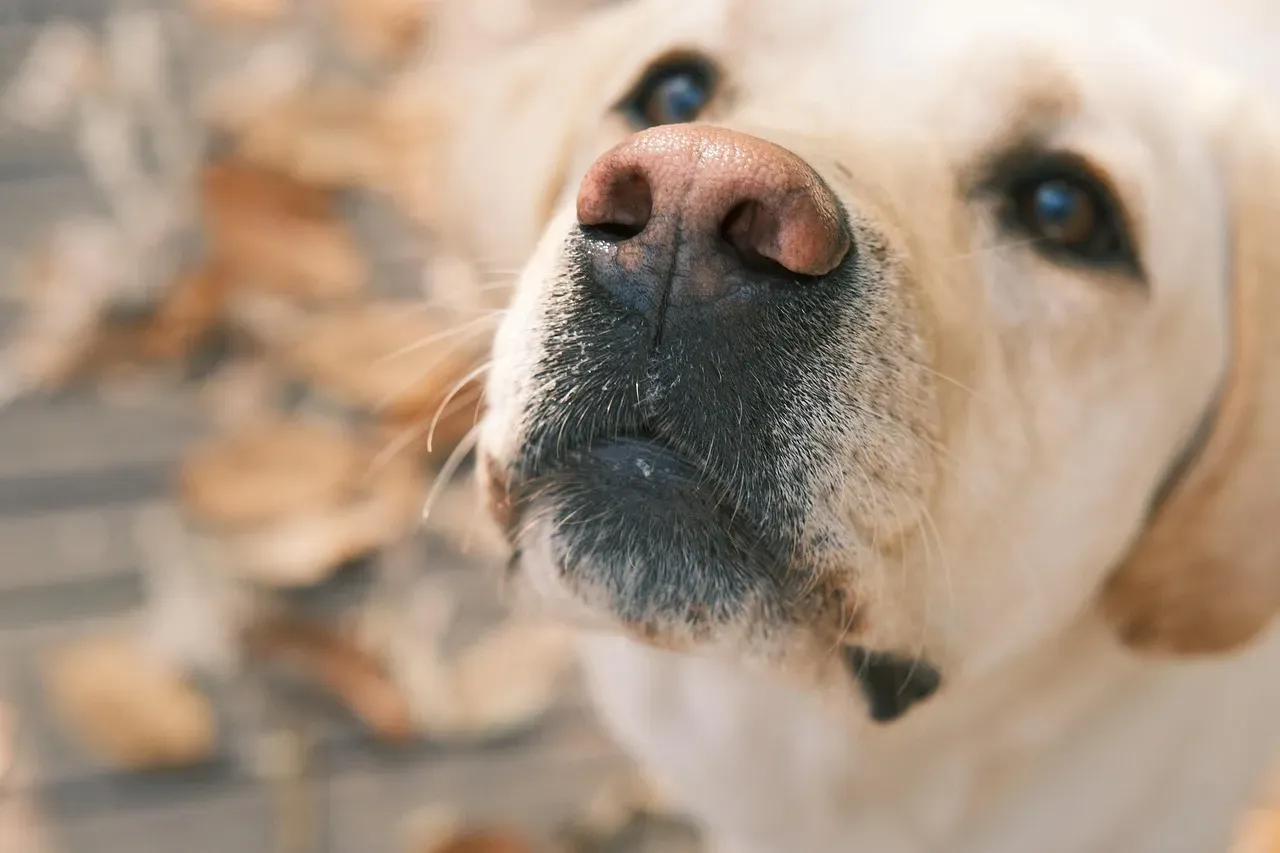
Dogs that are emotionally attached to their owners tend to maintain eye contact, looking at them with soft, relaxed eyes. During moments of emotional pain, a dog holding your gaze can feel almost disarmingly intimate. It’s not staring. It’s something gentler and more purposeful than that.
When dogs and humans make gentle eye contact, both partners experience a surge of oxytocin, often dubbed the “love hormone.” In one study, owners who held long mutual gazes with their dogs had significantly higher oxytocin levels afterwards – and so did their dogs. That look your dog gives you when you’re on the edge of tears isn’t nothing. There’s a whole chemical conversation happening in those few seconds.
#5. They Bring You Their Favorite Toy
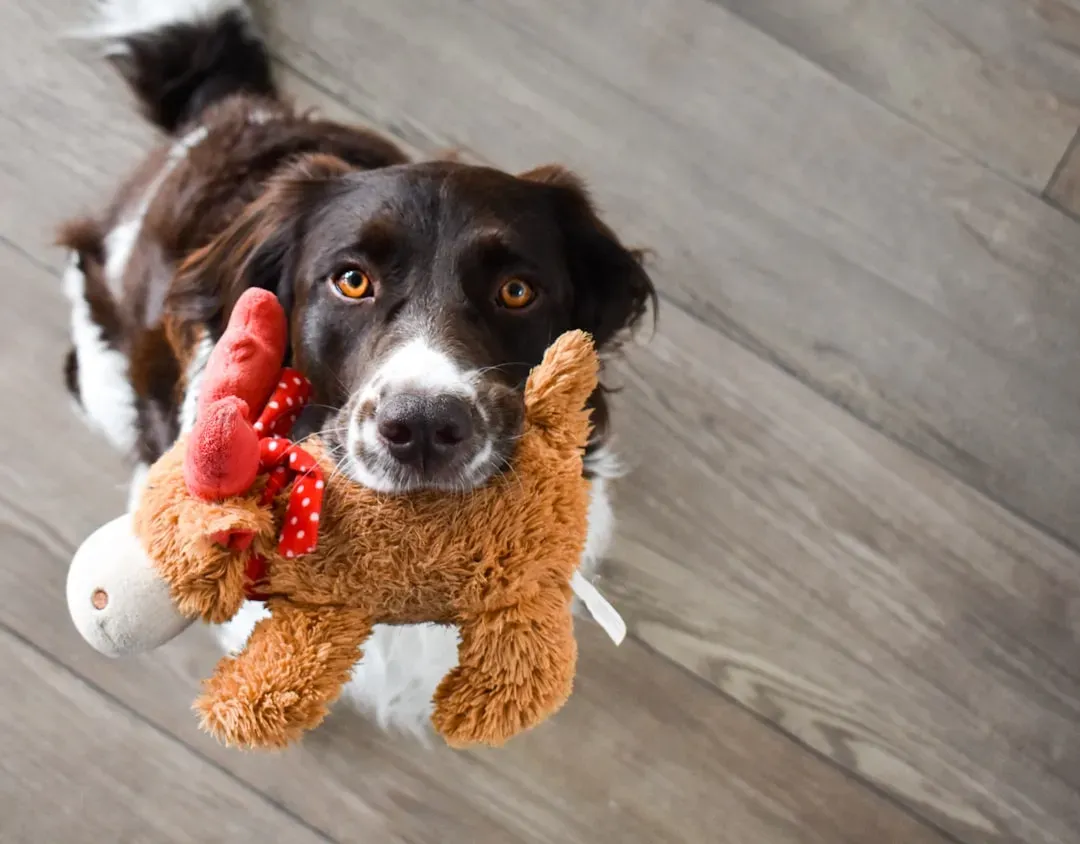
It’s one of the sweeter and more quietly heartbreaking things a dog can do. When you’re visibly upset, your dog trots over and drops a soggy tennis ball or a frayed plush toy in your lap. Many owners notice toy deliveries when they are under the weather or emotional. Dogs are sensitive to changes in posture, voice, and movement. A toy can be a social bridge – in some dogs it functions like comforting, even if they don’t understand sadness in human terms.
In a pack setting, canines share resources, bring food to one another, and use objects to strengthen their bonds. Bringing a toy to their human may be a modern expression of that instinct, representing an act of trust and companionship. When your dog offers you the thing they value most, they’re not trying to be funny. They’re trying to give you something. That impulse alone is worth pausing over.
#6. They Mirror Your Emotional State

Dogs are highly sensitive animals who experience emotional contagion and “catch” the feelings of other individuals, including humans. Dogs have been shown to experience increases in stress both behaviorally and physiologically when their owner experiences a rise in stress or when hearing a human cry. This isn’t just sympathy. It’s something closer to synchrony – an involuntary emotional alignment that researchers have been documenting with growing detail.
Researchers call this emotional contagion, a basic form of empathy where one individual mirrors another’s emotional state. A 2019 study found that some dog-human pairs had synchronized cardiac patterns during stressful times, with their heartbeats mirroring each other. This emotional contagion doesn’t require complex reasoning – it’s more of an automatic empathy arising from close bonding. Your dog doesn’t choose to feel what you feel. They simply do.
#7. They Nudge You Into Moving

When grief or depression takes hold, one of the first things to go is the willingness to get up and do anything. Dogs still need to be fed, walked, and cared for. That responsibility gently encourages routine. Taking a dog for a walk gets you outside even when you’d rather stay in bed. Fresh air, sunlight, and light movement all support mental health, and the simple act of stepping outside can interrupt repetitive, painful thoughts.
Simply knowing a dog relies on you can motivate someone to get out of bed, go outside, or push through hard days. This gentle push often strengthens coping skills and provides a sense of purpose during recovery. A dog nudging your hand with their nose at seven in the morning isn’t just hungry. They’re unknowingly pulling you back toward the world, one small obligation at a time.
#8. They Sit With the Silence
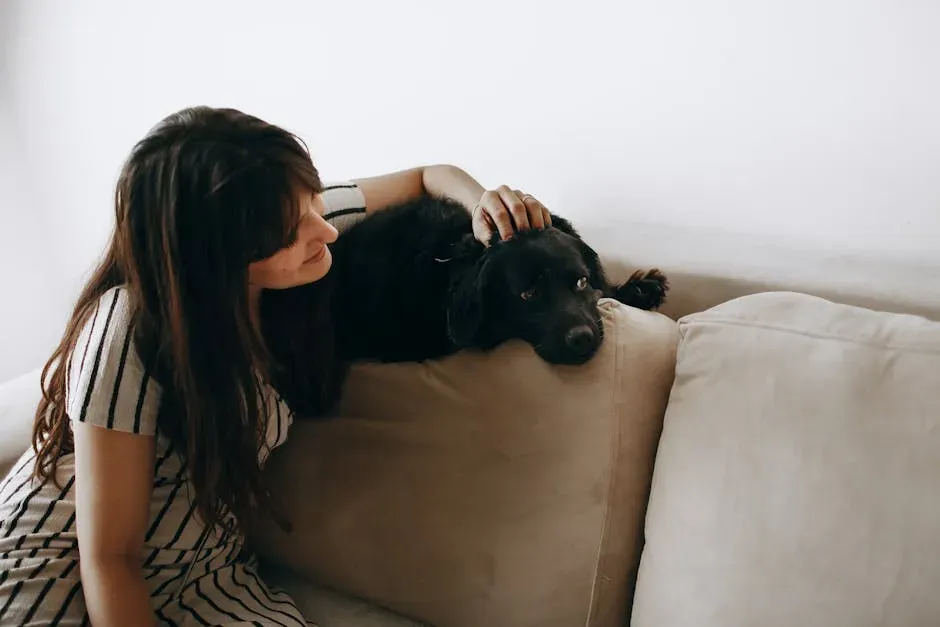
Dogs don’t fill the air with advice when you’re devastated. They don’t demand explanations or offer perspective you didn’t ask for. Dogs help fill the silence with steady companionship. They do not ask complicated questions or expect you to explain your emotions. They simply sit beside you. For anyone who has ever felt exhausted by having to perform okayness for other people, this quality in dogs is almost medicinal.
This sensitivity matters during grief. When words feel inadequate or conversations feel exhausting, a dog’s quiet understanding can be comforting. There’s a version of love that doesn’t require language, and dogs live entirely in that version. In the moments when human connection feels like too much work, their presence is enough.
#9. They Lick Away the Tears
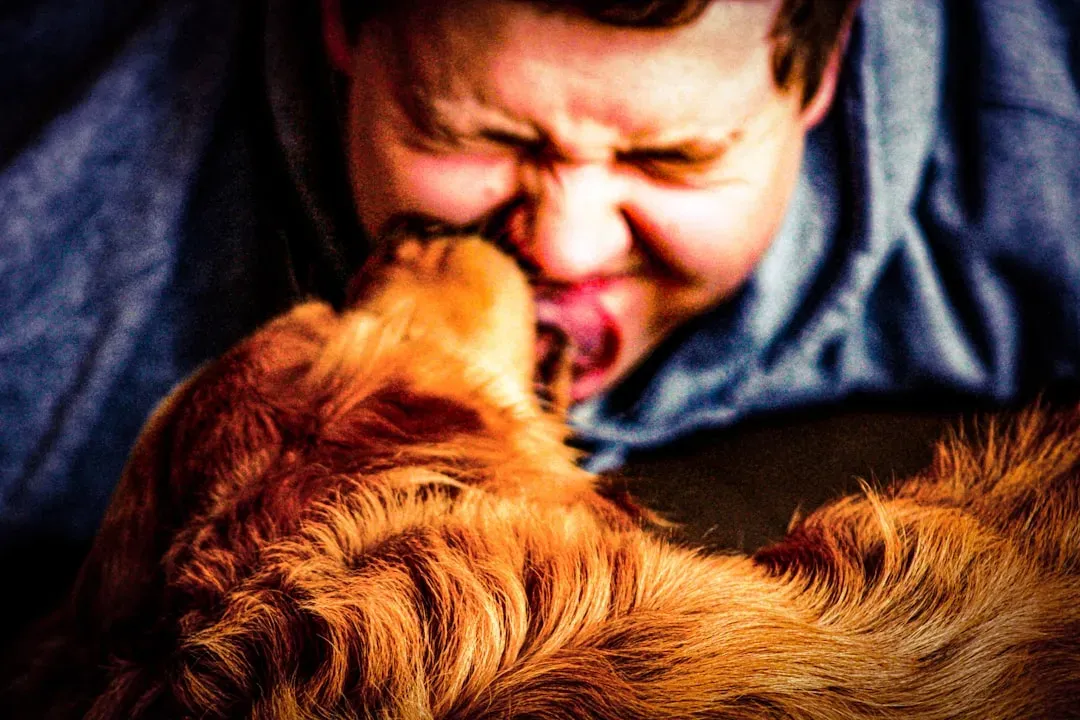
It might seem like a small gesture – a dog pressing close and licking your face or hands when you’re crying. It’s actually more significant than it looks. When your dog licks you, both of you experience a boost in oxytocin, often called the “love hormone.” This hormone strengthens the bond between dogs and their owners, reinforcing licking as a behavior that fosters trust and emotional connection.
The act is also a clear signal that the dog is responding directly to you, not to some background noise in the room. Dogs can sense when we are sad and they make an effort to comfort us. The licking is an effort, a visible, physical one. It’s not passive presence. It’s active care expressed in the only way they know how.
#10. They Keep You Anchored to a Routine

One of the more underappreciated things a dog does during difficult periods is simply maintain their needs. Feeding time. Walk time. Play time. Over time, these small routines create anchors in the day. They provide rhythm when everything else feels uncertain. When a person’s sense of time and structure has dissolved completely, a dog’s daily schedule quietly holds the framework together.
Dogs offer more than just companionship – they can play a meaningful role in supporting mental health. Their presence brings unconditional love, structure, and connection, and helps to create daily routines. The predictability that dogs require becomes, in difficult times, a kind of gift. They give you a reason to be somewhere at a certain time. That alone can keep a person afloat.
#11. They Stay Calmer Than You Expect Them To

Some dogs, particularly those with a strong bond, seem to understand that what their human needs is not more chaos. Dogs may become more affectionate, stay physically closer, or gently nudge their owner when they sense distress. What’s notable is that many dogs become quieter and more measured when a human is clearly overwhelmed, almost as though they’re calibrating their energy to match what the moment needs.
Dogs often synchronize their behavior with their owners – dogs commonly match the natural movements of their owners – so the fact that they synchronize their emotions isn’t surprising. That instinct to calibrate, to match your pace and your stillness, is not something you train into a dog. It comes from thousands of years of watching humans closely enough to know when to be loud and when to simply be present.
#12. They Restore Your Sense of Being Needed
Loss and emotional collapse have a particular cruelty in common – they can make a person feel invisible, purposeless, or like their presence no longer matters. Caring for a dog can restore a sense of purpose. When loss leaves you feeling powerless, tending to another living being helps. The relationship isn’t therapeutic in a clinical sense. It’s human – or in this case, quietly animal – in the most fundamental way.
Dogs play an important role in emotional regulation, meaning the ability to manage feelings in healthy ways. They help people practice empathy, emotional regulation strategies, problem solving, distress tolerance, and other skills that are important in therapy and everyday life. Caring for a dog requires patience and responsibility, which strengthens these abilities over time. Being needed when you feel irrelevant is one of the more underrated forms of healing there is. Your dog doesn’t know they’re providing it. They’re just being exactly what they are.
A Final Thought Worth Sitting With
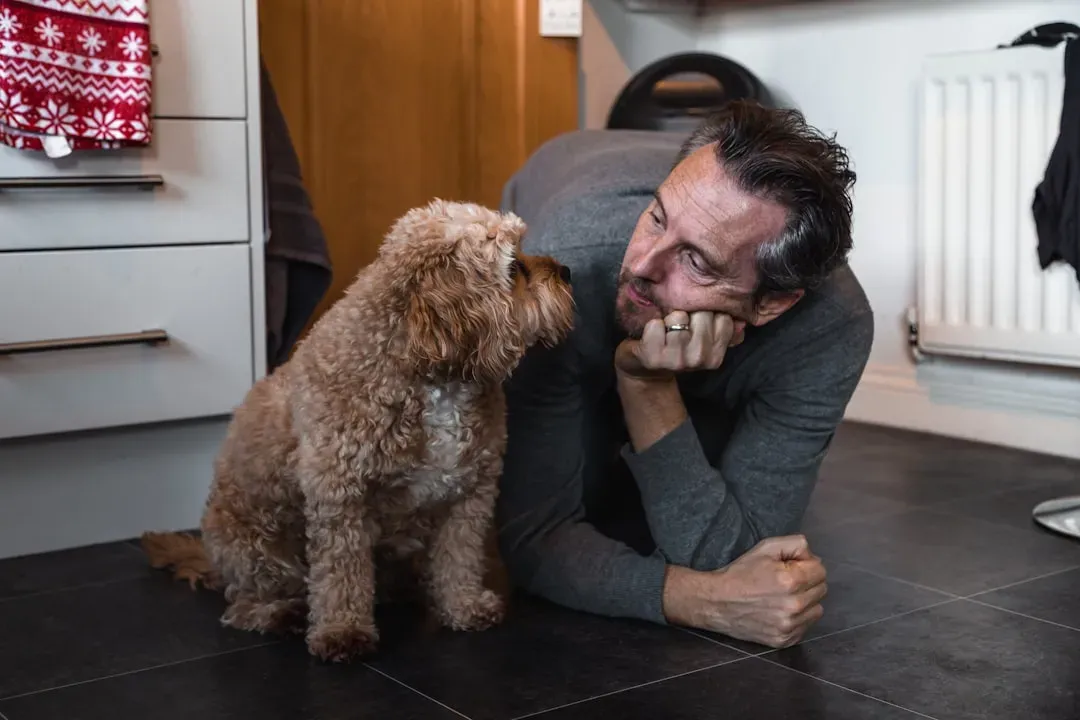
The science is compelling, the anecdotes are countless, and the bond is real. Dogs have a remarkable capacity to understand human emotion and feelings, and they have also been shown to be sensitive to human distress. What makes their support so different from most human comfort is that it comes without condition, without judgment, and without any expectation of reciprocity. It just arrives, warm and steady, exactly when you need it.
What dogs do when we fall apart isn’t magic. It’s not coincidence either. It’s the product of an ancient, evolved, and remarkably sophisticated bond that we are still only beginning to fully understand. They don’t fix grief. They don’t erase pain. They stay. And honestly, sometimes that’s the most important thing anyone – human or otherwise – can possibly do.


