
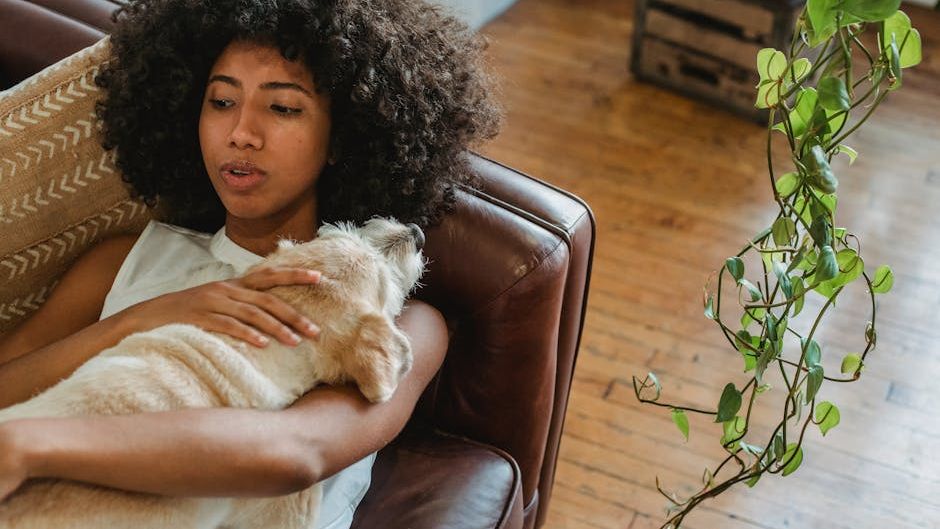
#1. The Morning Greeting That Cannot Be Skipped
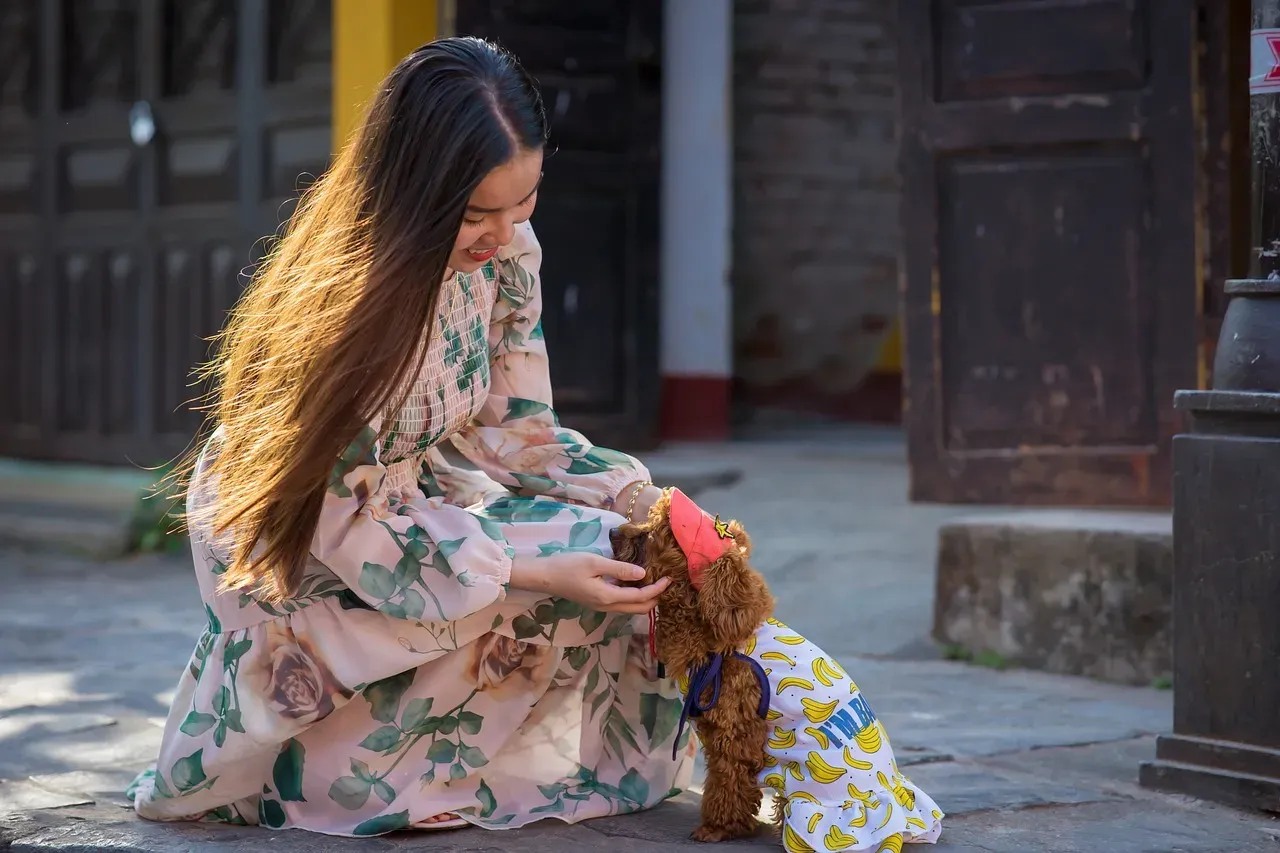
Before your coffee, before your phone, before anything, your dog needs the ritual of acknowledgment. Your dog treasures that first moment when you wake up and acknowledge their existence after hours apart. Even a simple good morning and a head scratch fills their heart with joy, and this ritual reassures them that you’re happy to see them too. It doesn’t have to be elaborate. It just has to happen.
Some dogs wait patiently at the side of the bed, coiled with barely contained excitement. Others place a paw on the mattress, politely insistent. Some dogs wait patiently by the bed, barely containing their excitement, and making this greeting special, even on rushed mornings, strengthens your bond immeasurably. From their perspective, these few seconds are the opening ceremony of the whole day. Miss them, and they’ll follow you around until the debt is paid.
#2. The Leash Sequence They Know by Heart
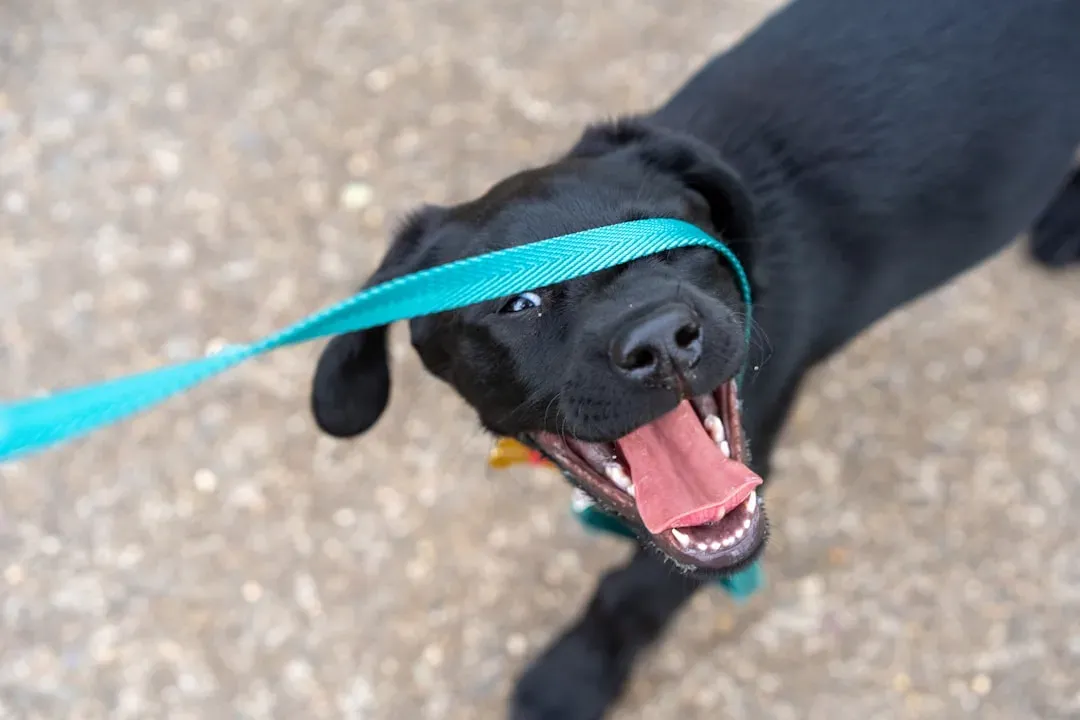
Grabbing the leash triggers pure magic for your dog, who knows adventure awaits beyond the door. This pre-walk ritual, with all its joyful anticipation, ranks among their favorite daily moments, and the jingling collar, your shoes going on, and the door opening all build into delicious excitement. The sequence is the point. Every step is a chapter in a story they know ends with the outside world.
What’s remarkable is how far back in the sequence they start tracking. A dog who knows the walk routine might begin reacting the moment you close your laptop or reach for your jacket. When you grab your keys or put on your shoes, your dog instantly knows what’s coming. They’ve catalogued your pre-walk choreography in extraordinary detail, because to them, it represents one of the purest expressions of your shared life together.
#3. The Feeding Ceremony They Treat Like a Sacred Event
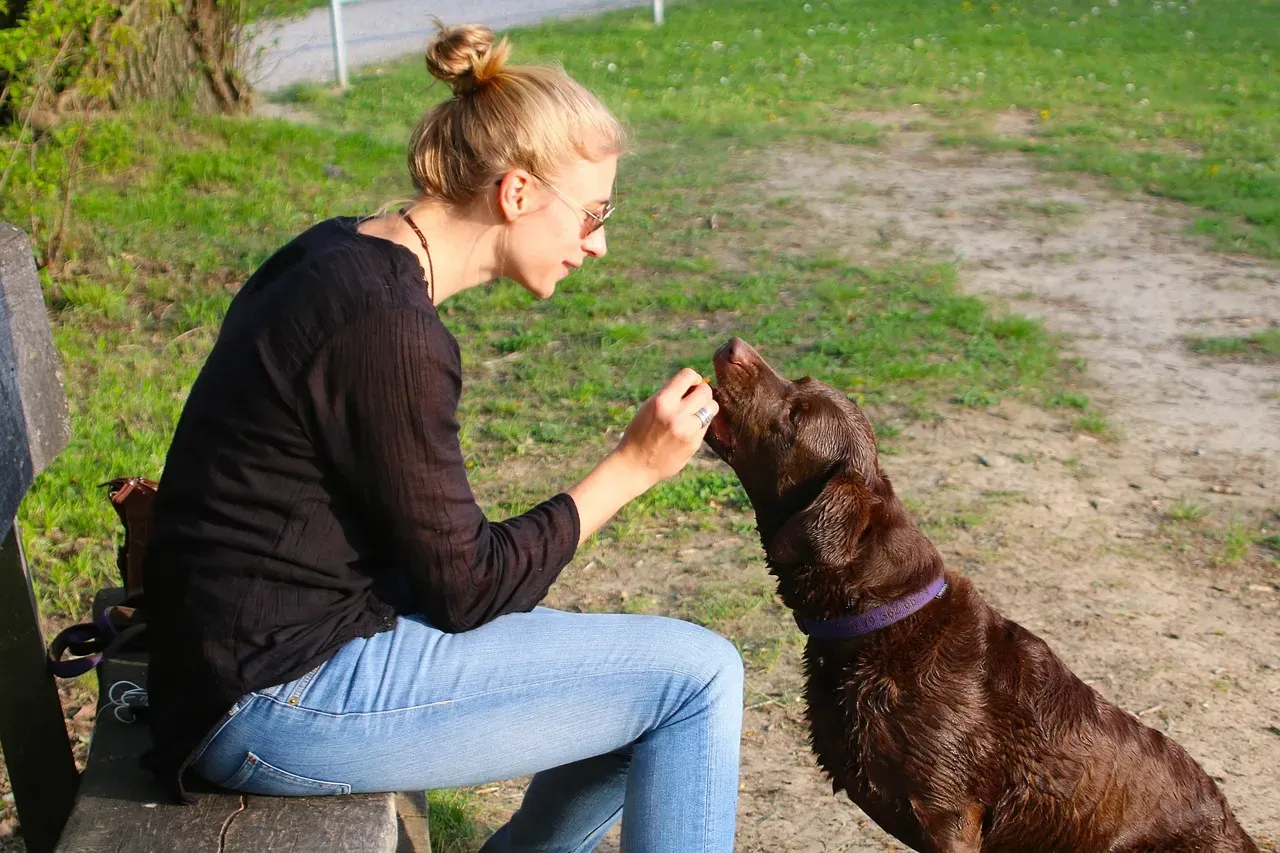
Dogs adore the predictability of regular feeding times, which provides structure and something wonderful to anticipate. The routine itself brings comfort, not just the food, and watching you prepare their meal becomes a cherished ceremony. You might find this hard to believe until you’ve experienced a dog who starts circling the kitchen at the exact same time every single evening, regardless of whether you’ve glanced at the clock.
Over time, repetition transforms into emotional ritual. A shared walk becomes a form of quiet communication, and feeding becomes eye contact and mutual anticipation. The consistent timing also sends a deeper message. Consistent timing aids digestion and house training, and even when schedules shift slightly, keeping meals relatively regular shows your dog that their needs matter and that life follows a reassuring, dependable pattern.
#4. The Spot-Claiming Ritual When You Sit Down
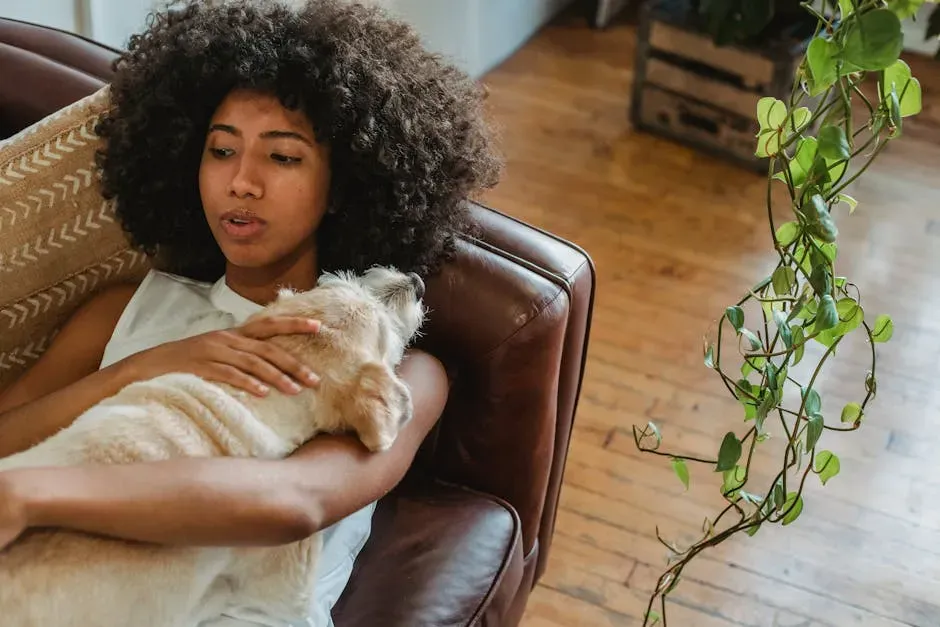
The moment you settle onto the couch, something shifts in the room. Your dog materializes. They don’t rush, exactly. They move with quiet confidence, as if their rightful place beside you has been confirmed once again. Dogs often show their love through physical affection, especially cuddling, and an emotionally attached dog will be the first to initiate a cuddle session, snuggling with you on the couch or curling up at your feet while you work. The ritual matters because it’s chosen, not commanded.
Dogs build real bonds through safety, predictability, and repeated positive experiences, and love in dogs often shows up as proximity, trust, and comfort-seeking, rather than grand gestures. The spot-claiming ritual is one of the most consistent expressions of this. Over weeks and months, your dog learns exactly which cushion you prefer, which side you lean toward, and how much space to leave without being asked. It’s consideration dressed as habit.
#5. Following You From Room to Room
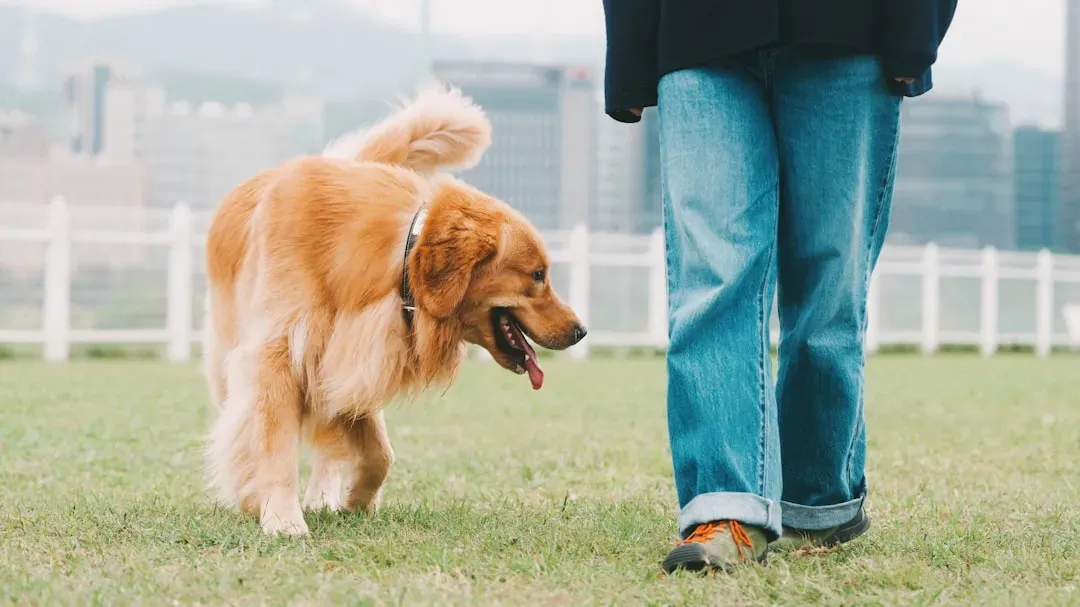
It might feel like shadowing. It’s actually something closer to loyalty in motion. Dogs follow their owners as a sign of attachment, trust, and social bonding. This behavior, known as velcro dog syndrome, indicates strong emotional attachment and a desire to maintain proximity to their trusted human companion. The bathroom, the kitchen, the back garden at midnight for no apparent reason – wherever you go, they go, because proximity to you is where their sense of safety lives.
A telltale sign that your dog is emotionally attached to you is if they want to join you for every part of your daily routine. An emotionally attached dog will follow their human around the house from the moment they wake up, making sure they are always within sight, whether you’re brushing your teeth, washing the dishes, or doing a workout. Over time, this following behavior becomes its own ritual, a quiet companionship that asks nothing in return except your presence.
#6. The Toy Gift They Bring You on Arrival
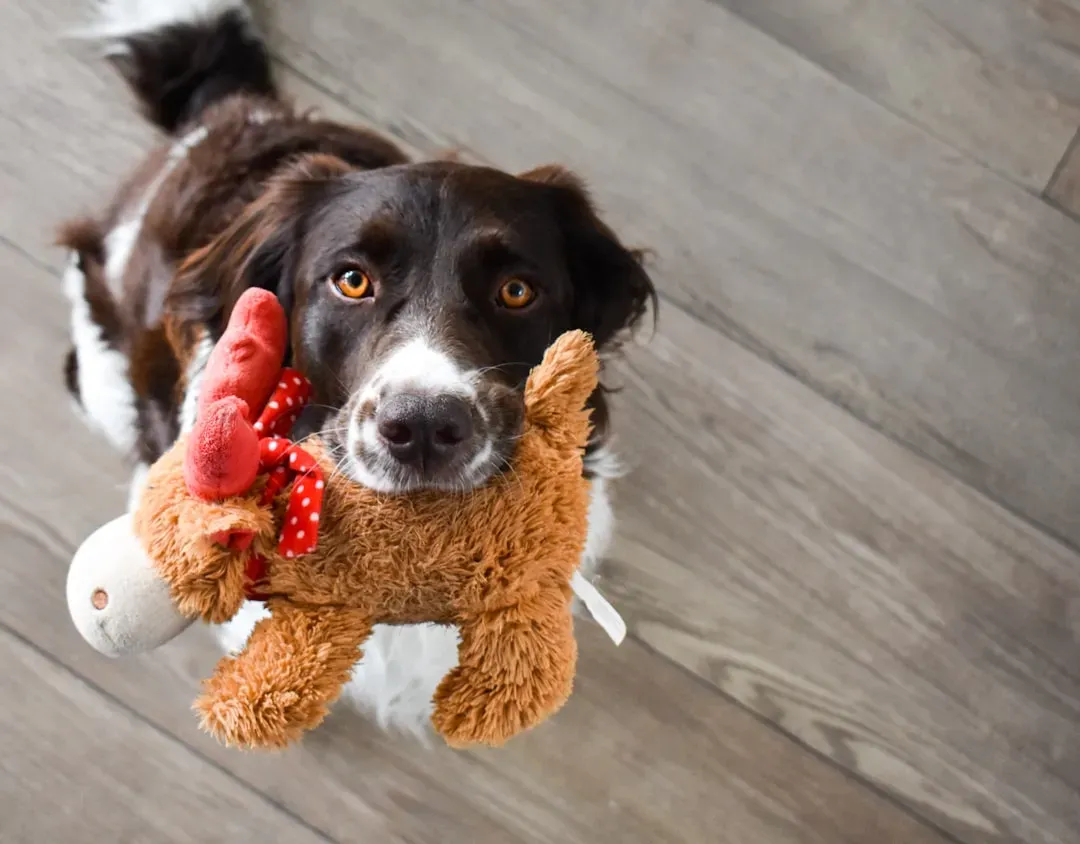
You walk through the front door after a long day, and before you’ve even set your bag down, a dog appears with something in their mouth. A ball, a sock, their favorite rope toy. It doesn’t matter what it is. What matters is the act. Some dogs express their attachment by bringing you toys or other items as gifts throughout the day. It’s a greeting and an offering rolled into one, their way of saying: you came back, and I want to celebrate that with you.
This ritual tends to get more elaborate and more consistent the stronger the bond becomes. Dogs who do this have essentially created their own welcome home ceremony. Research has confirmed that dogs are hardwired for cooperation and friendship, remarkably attuned to our emotions and limitations and, it seems increasingly clear, capable of learning and remembering complex rituals and information. The gift-giving impulse is part of that hardwiring, refined over time into something deeply personal between a dog and the person they love most.
#7. Slow Eye Contact Held Just Long Enough
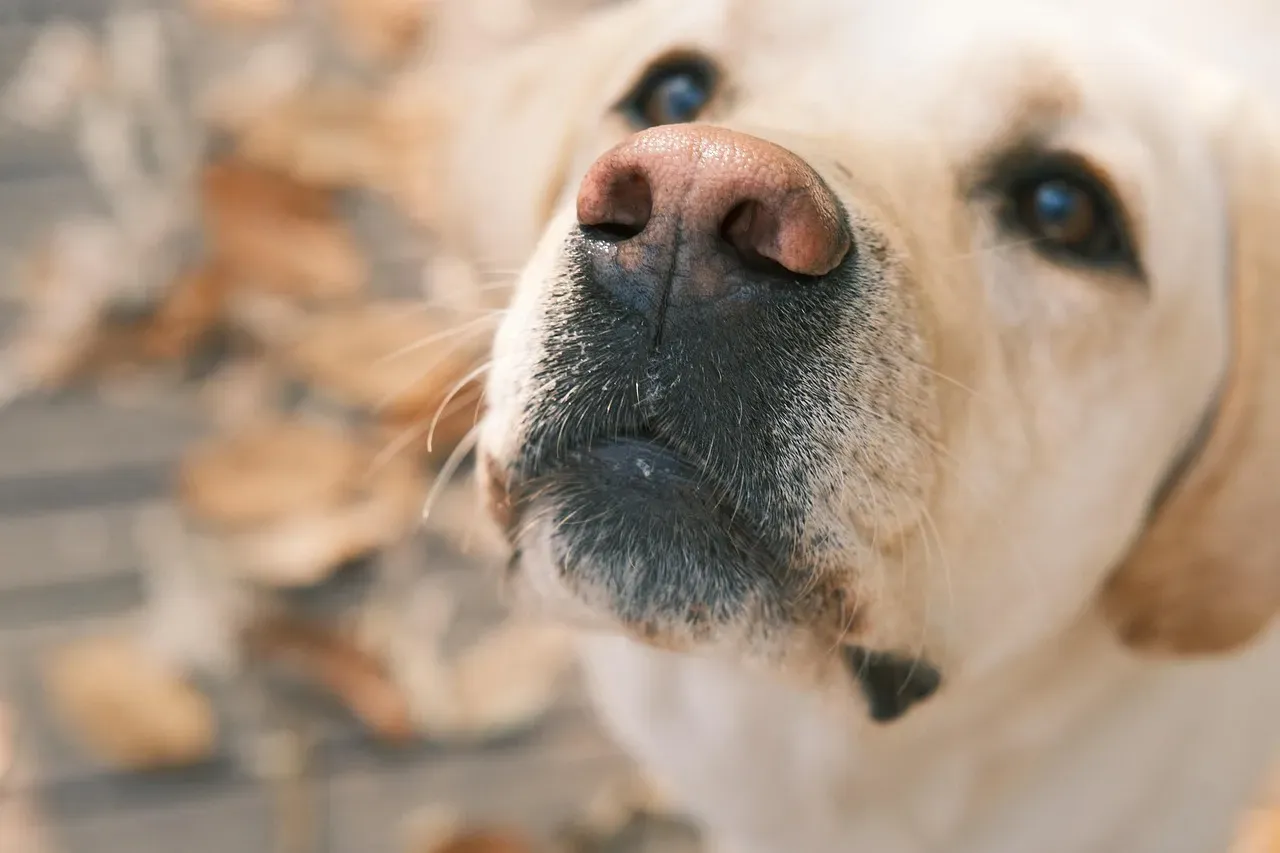
There’s a particular kind of look a dog gives you that isn’t a request for food or a walk. It’s softer than that. Quieter. They simply gaze at you from across the room, long and unhurried, as if your face is a landscape they find endlessly interesting. Dogs that are emotionally attached to their owners tend to maintain eye contact, looking at them with soft, relaxed eyes. This is one of the most intimate behaviors a dog can offer.
There’s actual chemistry behind it. Oxytocin, known as the love hormone, is released in both dogs and humans during positive interactions, especially during eye contact, and this hormone strengthens emotional bonds and creates feelings of trust and attachment between species. So when your dog holds your gaze on a quiet evening and you feel something warm and wordless pass between you, that’s not imagination. Gentle, mutual eye contact between dogs and their owners triggers the release of oxytocin in both parties, strengthening their emotional bond. It’s biology confirming what you already suspected.
#8. The Bedtime Wind-Down They Depend On
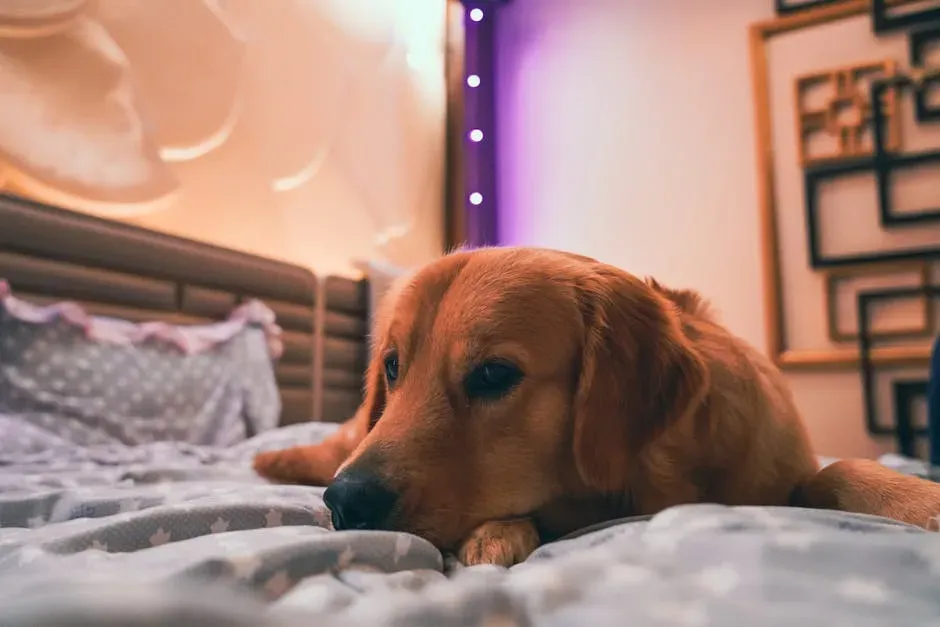
Dogs don’t just tolerate bedtime routines. They orchestrate them. Establishing a calming bedtime ritual helps your dog wind down and feel secure through the night. Whether it’s a final bathroom break, a small treat, or gentle words, these moments signal safety, and dogs love knowing what comes next, with bedtime routines reducing anxiety. The particular sequence, your exact movements as you prepare for sleep, becomes something they rely on completely.
It isn’t rocket science to say that dogs love consistency and predictability, as many humans do as well. When a dog has a ritual they anticipate and look forward to, it’s their way of staying calm and confident in their environment. Disrupt the bedtime sequence and you’ll see the concern on their face. Repeat it faithfully and you’ll see something that looks remarkably like relief. Saying goodnight, even if they sleep in another room, reassures them that everything’s okay. Those small words carry more weight than you might imagine.
#9. The Scent Check After Every Absence
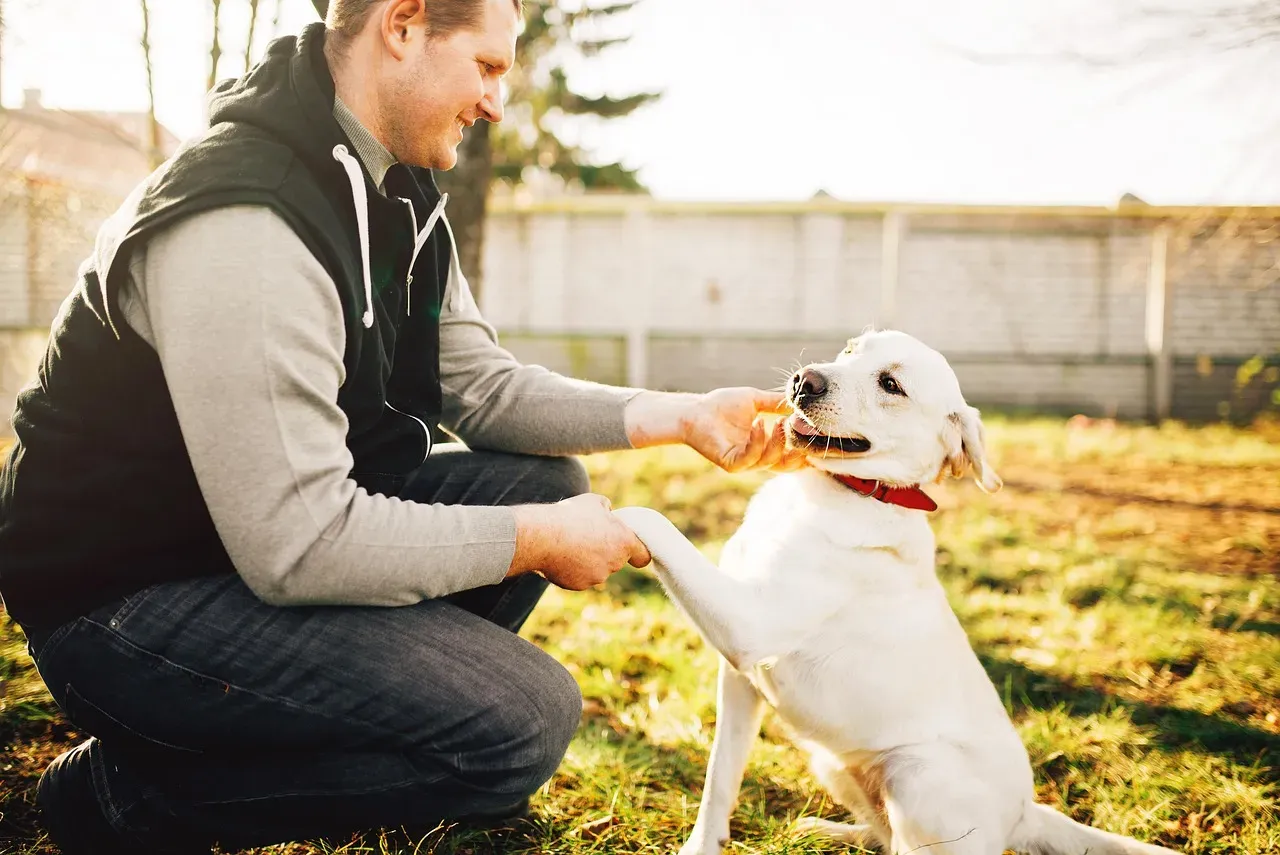
When you return home, even after a short trip out, your dog does something instinctive before the celebration truly begins. They sniff you. Your shoes, your hands, your legs. Not frantically, but deliberately, reading you like a newspaper. Dogs experience the world through scent, and they will never forget yours. Even after you’re gone, your scent stays on furniture, clothing, and bedding, providing them comfort. The sniff-check on your return is how they confirm the story checks out.
This is one of those rituals that owners rarely think of as a ritual at all. It just seems like a normal dog thing. Experiments using MRI scans have revealed that when dogs smell their owner’s scent, their reward centers light up, and it’s more than just acknowledgement, it’s affection. As your scent fades throughout the day, your dog can detect the subtle changes, giving them a kind of clock based on smell. They may not know it’s been two hours, but they can tell it’s been a while since you left. The reunion sniff closes that gap, tenderly and thoroughly.
#10. The Contentment Ceremony After Something Good
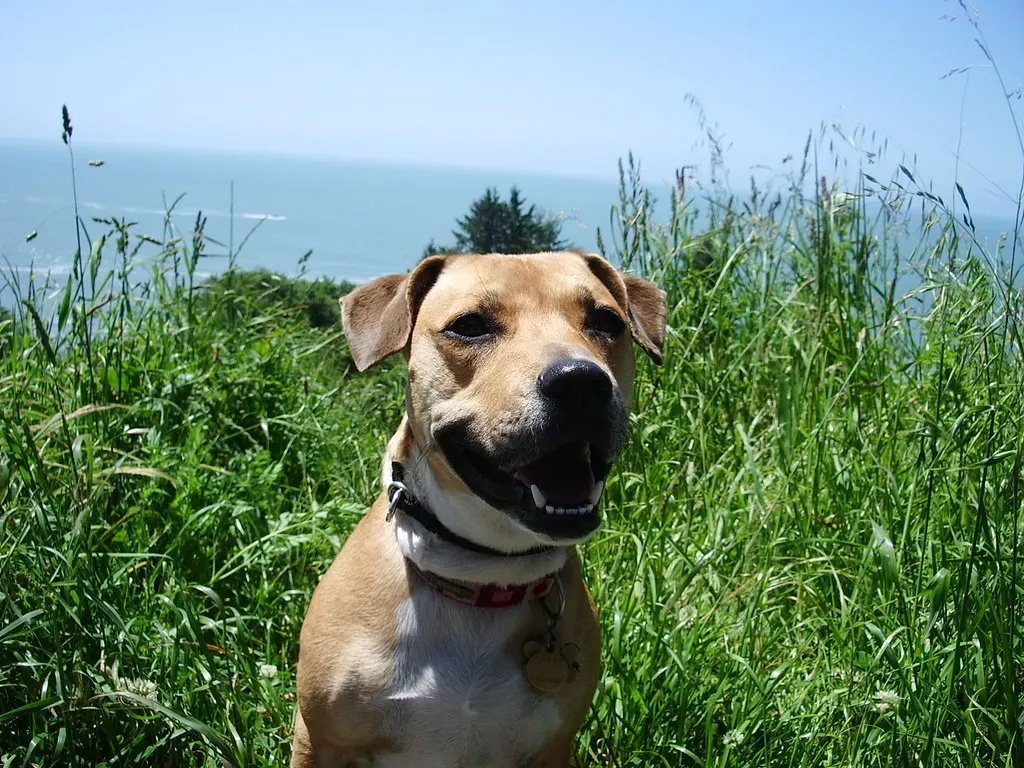
You finish a meal together, take a long walk, spend a slow Sunday afternoon side by side on the floor. Afterward, something shifts in your dog. They might roll onto their back, stretch dramatically, circle three times before flopping down, or perform a little full-body wiggle that seems to have no practical purpose. Certified dog trainer Sassafrass Patterdale says that while contentment ceremonies haven’t necessarily been proven by scientific studies, they are a real thing. When a dog is doing one of these silly little rituals, their body language is open and relaxed, which are signs that they are happy, comfortable, and safe.
There’s a chance that these repeated behaviors may be a product of good old positive reinforcement. For example, if you notice your dog rolling around in a truly adorable manner after a meal and you react positively, they will be more likely to repeat the behavior. Over time, the contentment ceremony becomes a shared one. When your dog is flopping around on their back with their tongue lobbing out without a care in the world, you should feel good about yourself as a pet parent. Even if part of the purpose is to itch a hard-to-reach spot, they’re still doing it comfortably in front of you, a signal that they’re relaxed being vulnerable in your presence.
What All of This Actually Means
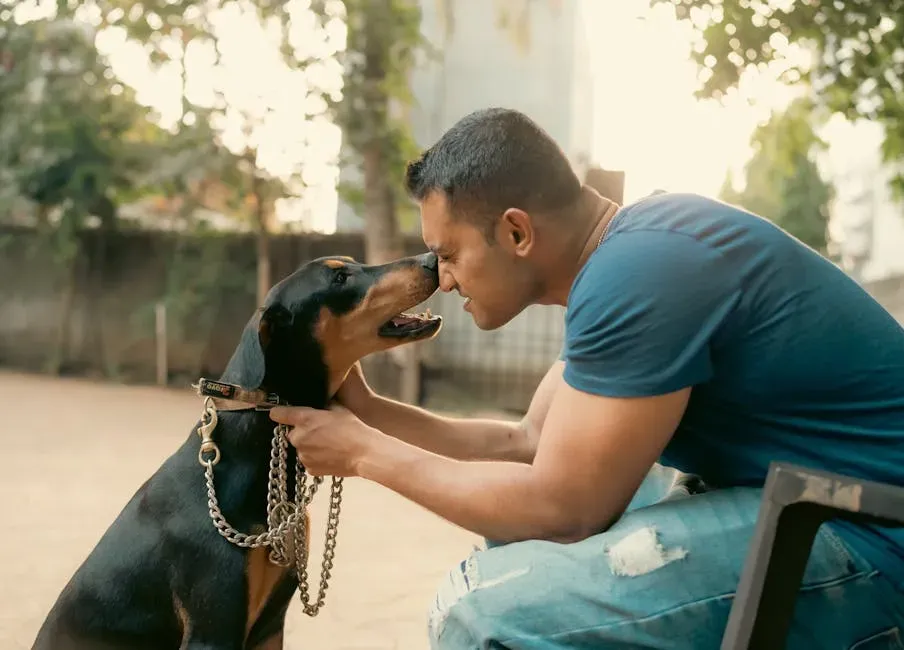
Taken individually, each of these behaviors looks ordinary. Taken together, they tell a complete story. One particularly touching aspect of dog-human attachment is how it persists across a dog’s lifespan. An old dog who has spent years with the same family doesn’t love their guardians any less. In many cases, the bond deepens over time, built on shared experiences, familiar routines, and mutual trust. These rituals are the architecture of that trust, quietly rebuilt every single day.
Building trust with your pet is not about grand gestures. It’s about quiet consistency. Pets that feel secure are easier to train, more emotionally stable, and more affectionate, and your steady presence teaches them that they are loved, protected, and not alone. That’s the real foundation under every tiny ritual, every morning greeting, every bedtime sequence, every soft gaze held across a quiet room.
In my view, we tend to underestimate dogs because their love doesn’t arrive in words. It arrives in repetition, in presence, in a thousand small gestures performed faithfully over years. They don’t just memorize your routines because they’re creatures of habit. They memorize them because you’re the most important thing in their world, and they’ve decided that paying attention to you is worth every ounce of effort they have. The least we can do is notice.


