
#1. American Pit Bull Terrier
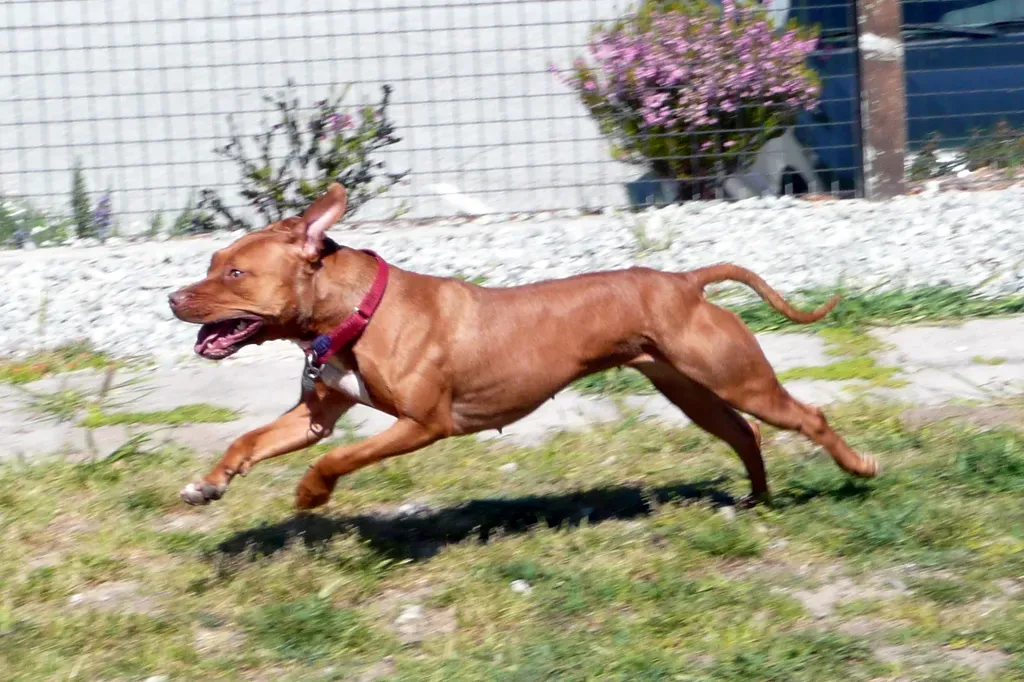
Few breeds generate as much debate as the Pit Bull, but the statistics behind the controversy are hard to ignore. Pit Bulls rank as among the deadliest of dog breeds, responsible for 284 fatal attacks and roughly 65% of all fatal dog bites between 2005 and 2017. Their powerful bite force, combined with a “hold and shake” biting style, causes severe injuries, and when they attack, they tend to cause severe damage by biting repeatedly and holding onto objects or persons.
They were originally bred for bull-baiting and later dog-fighting, which selectively emphasized pain tolerance and tenacity. When improperly socialized or trained for aggression, a Pit Bull’s natural drive becomes extremely dangerous. Many insurance companies won’t cover Pit Bull owners, and some apartments ban them completely. For families with young children in particular, this breed demands a level of commitment, experience, and control that most average households simply can’t sustain.
#2. Rottweiler

Rottweilers rank second globally due to their powerful build, high protective instinct, and documented aggression toward unfamiliar people and animals. They have one of the strongest bites of any domestic dog, measured at roughly 328 PSI. According to dogbite.org, from 1978 through July 2024, 131 victims were recorded, of which 75% were children.
Rottweilers are a strong and fierce breed with a guard dog history, and are often listed among potentially dangerous dog breeds due to their strength and protective instincts. While this intimidating breed has been involved in some animal attacks over the years, it’s often due to mishandling. Some countries restrict Rottweiler ownership, and many insurance companies consider them a high-risk breed. Without a firm, experienced hand from day one of puppyhood, a Rottweiler’s guardian instincts can quickly become a liability in a family setting.
#3. German Shepherd

Multiple studies, including a 2025 review from the Journal of Veterinary Behavior, identified German Shepherds in the top three breeds by bite incidence globally. While not responsible for as many fatalities as Pit Bulls or Rottweilers, German Shepherds are still considered a high-risk dog breed, with considerably more dog bite incidents than most other dogs each year.
German Shepherd owners should invest time and effort in training their dogs from an early age, including basic obedience training, socialization, and addressing any potential behavioral issues. Sadly, too many owners of this breed fail to realize the specialized training and demeanor they require to remain safe and non-reactive dogs. Their intelligence is an asset when properly channeled, but it also means a poorly managed German Shepherd can develop complex, difficult-to-reverse behavioral problems that put families at risk.
#4. Doberman Pinscher

With its distinctive appearance and alert demeanor, the Doberman Pinscher is a breed renowned for its prowess as a guard dog. Bred for centuries to protect and attack, Dobermans possess a strong prey drive and a powerful bite force of 600 PSI. Fast, sleek, and fiercely loyal, Dobermans are exceptional guard dogs that can become serious threats without proper training and leadership. Their speed, reaching up to 32 mph, combined with a high-drive personality, makes them formidable.
When not channeled properly, Dobermans’ protective instincts can lead to aggression, especially toward strangers. Their strong build and sharp reflexes make any dog attack from this breed a serious matter. Their aggressive nature, coupled with their intelligence and athleticism, makes them formidable adversaries. Responsible ownership and proper training are essential to mitigate the risks associated with this breed. Families with frequent visitors or young children who may not understand boundaries around this dog face a particularly elevated risk.
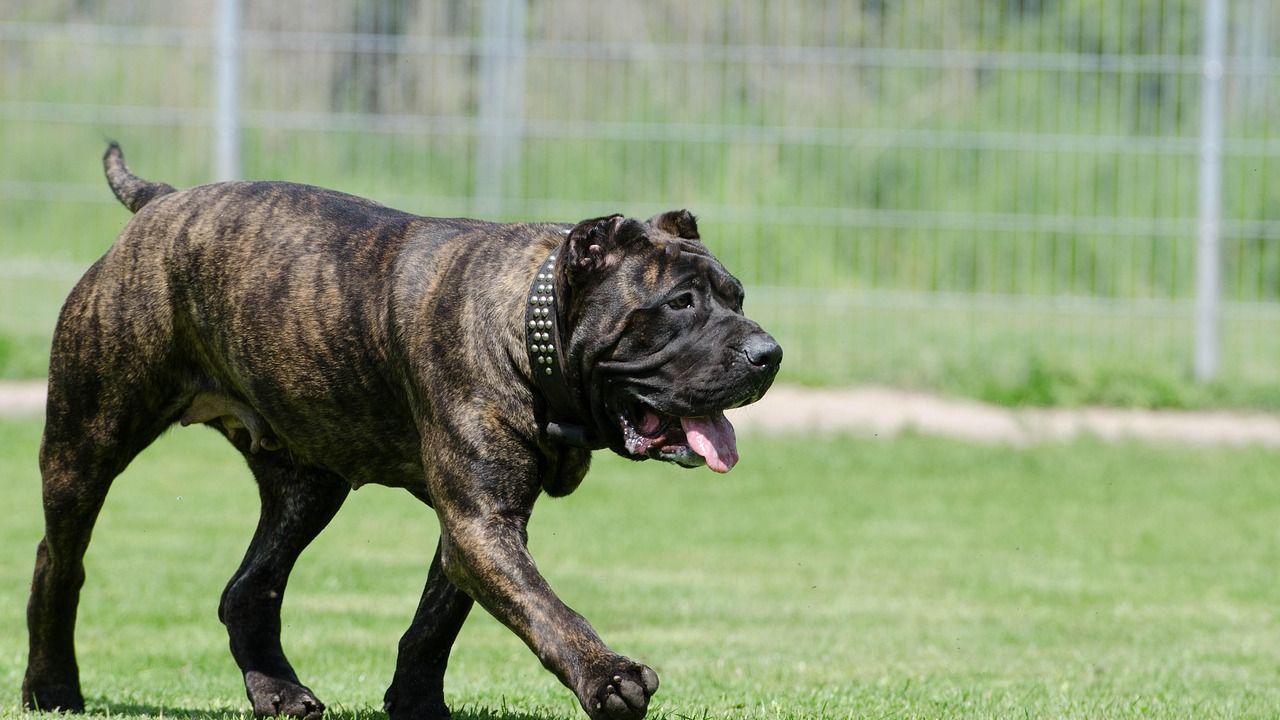
#5. Cane Corso

Cane Corsos are big dogs that usually weigh 100 pounds or more, which can make them dangerous to be around children and adults. Socialization plays a huge role in how a dog behaves towards humans and other dogs, and lack of socialization can make some dogs aggressive when they’re in unfamiliar situations. They can be very territorial and protective of their family and show aggression when in unfamiliar situations.
Without proper, early socialization, a Cane Corso’s protective instincts can turn into aggression or fearfulness. It’s crucial to expose them to various people, animals, and situations from a young age to ensure they grow into well-adjusted adults. This process requires time, patience, and sometimes the guidance of a professional. Like many other Mastiff dog breeds, Cane Corsos are large, active dogs who thrive in environments where they can roam and explore. They are not well-suited to apartment living or homes without a spacious, securely fenced yard. In a typical family home, that combination of size, territoriality, and training demands is genuinely difficult to manage.
#6. Bullmastiff

The Bullmastiff is a large, powerful breed originally bred to guard estates. With their strength and protective nature, they have been involved in dog attack incidents, particularly when not properly trained. Though they tend to be calm and gentle with pet owners and their families, Bullmastiffs can show aggressive guard dog tendencies toward strangers or other animals.
With its impressive size and protective instincts, the Bullmastiff has been linked to 14 fatal attacks in recent studies. These powerful dogs can weigh up to 130 pounds and have an incredibly strong bite force of 552 PSI. These dogs need careful training from an early age to manage their protective nature. They can be gentle giants with their families, but their size and strength make them unsuitable for inexperienced owners. Even a defensive nudge or playful knock from a dog this size can seriously injure a small child.
#7. Siberian Husky
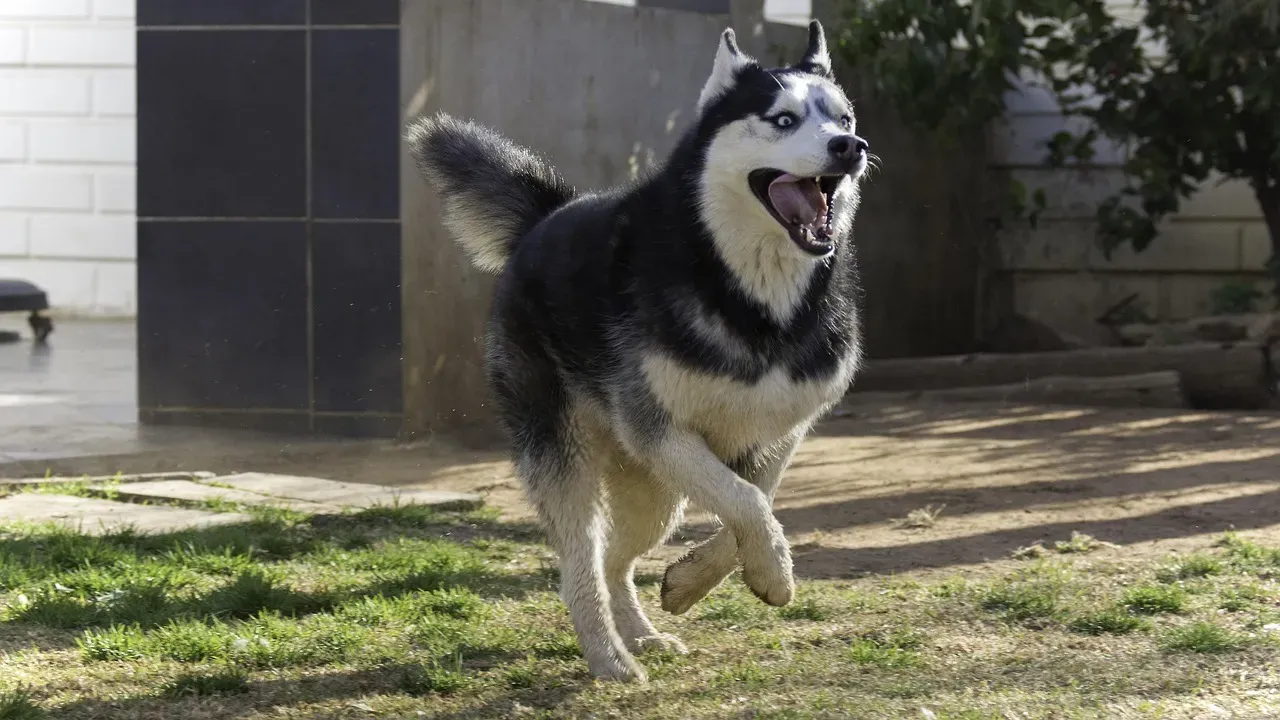
Bred to pull sleds over vast distances, Huskies are endowed with incredible endurance and independence. This history has shaped a temperament that doesn’t always fit a typical family lifestyle. They have extremely high energy levels, are independent thinkers, and possess a strong prey drive that can lead them to chase small animals, including neighborhood pets.
Huskies are also notorious escape artists, prone to digging under or jumping over fences. Once loose, their independence and prey drive can lead to dangerous situations. If not given sufficient daily exercise, they can develop significant behavioral issues, including aggression. While the CDC states that Huskies are not a major health threat to the public, their large size and lively manner can lead to injuries or death. The dogs are responsible for about one fatality annually. For families with toddlers or smaller pets, that prey drive alone is reason enough for serious pause.
#8. Alaskan Malamute
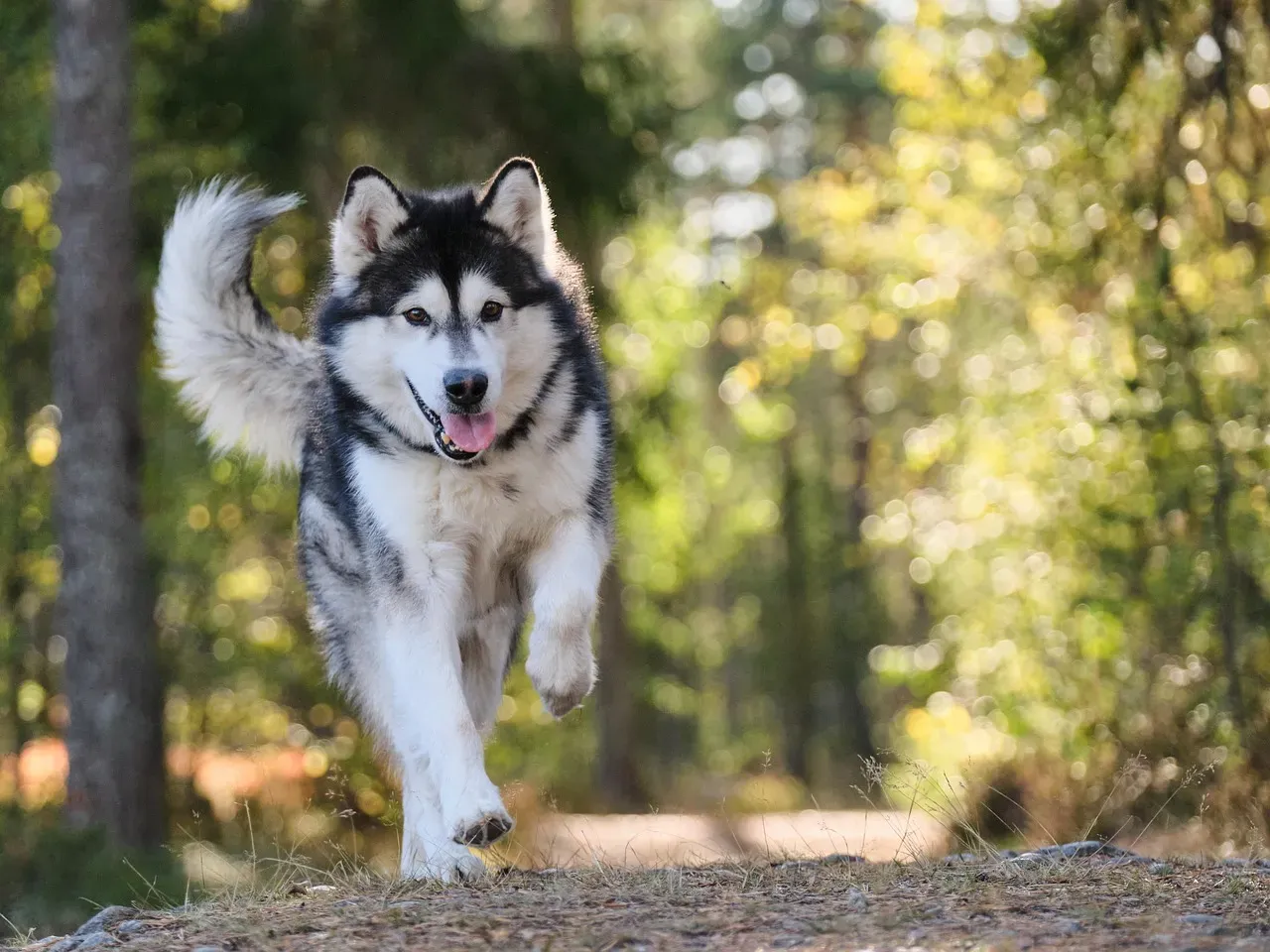
Like Siberian Huskies, Alaskan Malamutes are large, energetic dogs bred for endurance and strength. While they are not commonly associated with fatalities, they are involved in a number of dog bite incidents each year. Their strong-willed nature can make them difficult to control without consistent training, so some view them as potentially dangerous breeds if not handled correctly.
The ability to work is emphasized first and foremost in their breed standard, which means that even Malamutes who don’t pull sleds still need vigorous exercise. If not given enough exercise, Malamutes often make their own fun, which may include destructive chewing, howling, and other activities owners may not appreciate. Dogs that lack enough exercise, mental stimulation, or positive reinforcement training may develop aggressive tendencies out of frustration or boredom. High energy dogs like Siberian Huskies and Malamutes require regular activity and consistent care to channel their energy in positive ways. Their sheer pulling power alone, combined with a stubborn streak, makes them genuinely challenging for families without prior large-breed experience.
#9. Presa Canario
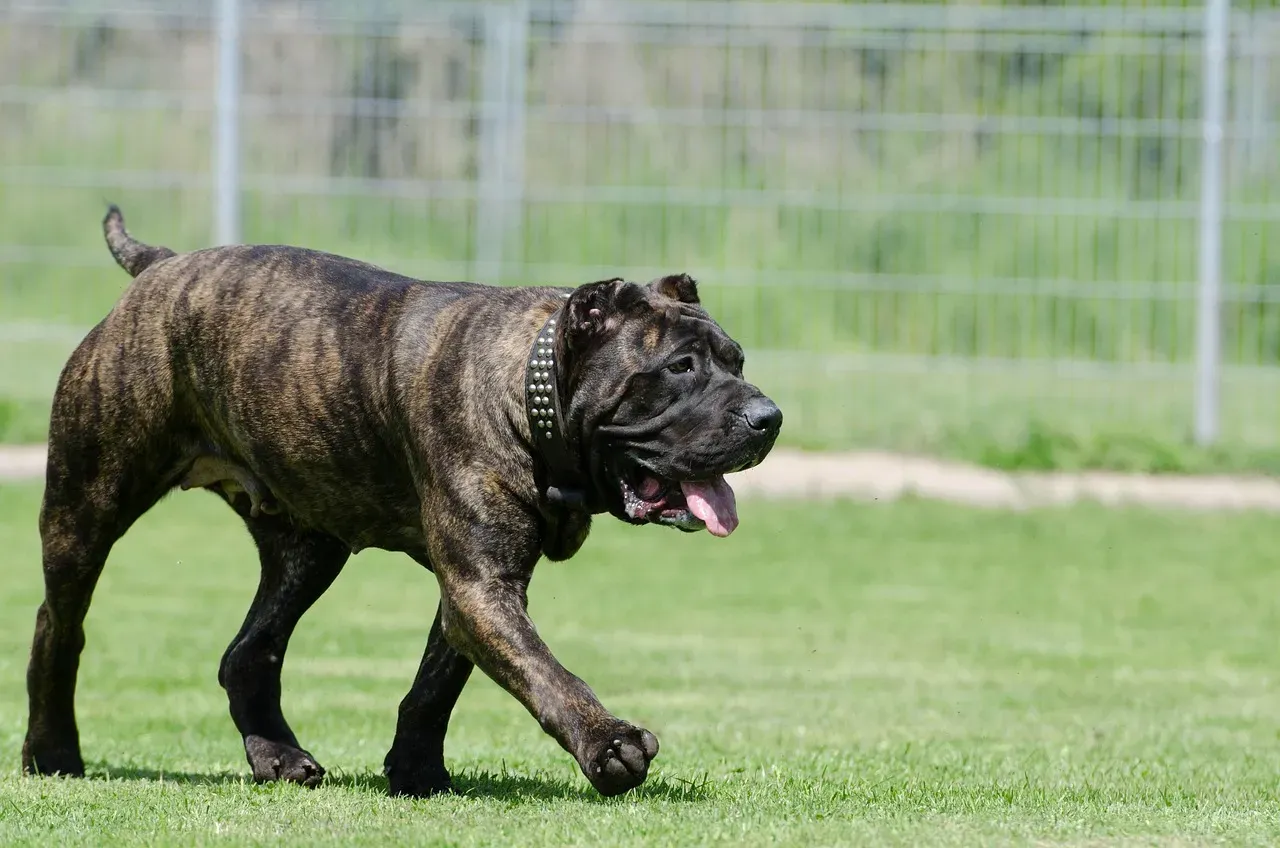
The Presa Canario is a stocky breed with a low bark that can be intimidating. This muscular dog looks very similar to a Cane Corso. It’s worth noting that the AKC does not recommend that Presa Canarios be around children or other dogs. Big-boned and muscular, the Presa Canario can weigh around 130 pounds. Bred as a fighting dog, they retain a good degree of this aggression, making them only suitable for experienced dog owners. If not shown absolute authority, the Presa Canario can be an extremely dangerous dog.
Presa Canario dogs are capable of inflicting severe injury. According to an Animals 24-7 compilation of published stories about dog bites in the U.S. and Canada over a 32-year period, they were involved in 111 attacks, resulting in 18 deaths and 63 maiming incidents. This breed is also restricted in several countries, including Australia, New Zealand, Malaysia, Singapore, Ukraine, and Romania. The fact that an internationally respected kennel organization actively discourages placing this dog around children should settle any debate about whether it belongs in a typical family home.
#10. Wolf Hybrid

Due to their unpredictable behavior and strong wild instincts, Wolf Hybrids are not recommended as family pets, especially in homes with children or other animals. Their behavior can be difficult to manage, even for experienced handlers, and they often require specialized containment. Furthermore, there are often legal restrictions on owning Wolf Hybrids, with many areas banning them entirely or requiring special permits.
Many U.S. states regulate the breeding and ownership of Wolf Hybrids, a canid hybrid resulting from the mating of a wolf and a dog. This crossbreed also has a deadly track record. According to a government study, Wolf Hybrids accounted for 14 deaths between 1979 and 1998. Often referred to as wolf-dogs, these animals are at least half wolf and may be virtually indistinguishable from a pure wolf. Behaviour varies according to the dog and wolf content. Wolf-like traits make the animal less likely to attack protectively but they retain a strong prey drive, making them a real risk around other small pets, and potentially young children.
A Final, Honest Word
There’s a real temptation to push back on lists like this with “it’s all about how you raise them,” and there’s truth in that. The AVMA’s findings indicate that there is no single breed that stands out as the most dangerous. According to their review, studies indicate breed is not a dependable marker or predictor of dangerous behavior in dogs. Better and more reliable indicators include owner behavior, training, sex, neuter status, and the dog’s environment. That context matters enormously.
Still, acknowledging the role of training doesn’t erase the reality of physical capability. Some of the dogs on this list aren’t necessarily aggressive breeds, but some possess an incredible bite force that can lead to a life-threatening personal injury. Understanding which dog breeds carry elevated risk is not about fear. It is about informed responsibility. The dogs on this list are not inherently evil; they are powerful animals shaped by genetics and environment.
Choosing a family dog should never be an impulse decision, least of all when the breeds in question were historically developed to guard, fight, or work at a level of intensity most households can’t realistically support. Loving a dog is easy. Managing one that outweighs your child by 80 pounds and was bred to hold on and not let go is something else entirely. The breeds on this list can, in the right hands, be extraordinary companions. The honest question every family needs to ask is whether those hands belong to them.


