
#1. The Remarkable Science Behind the Canine Nose
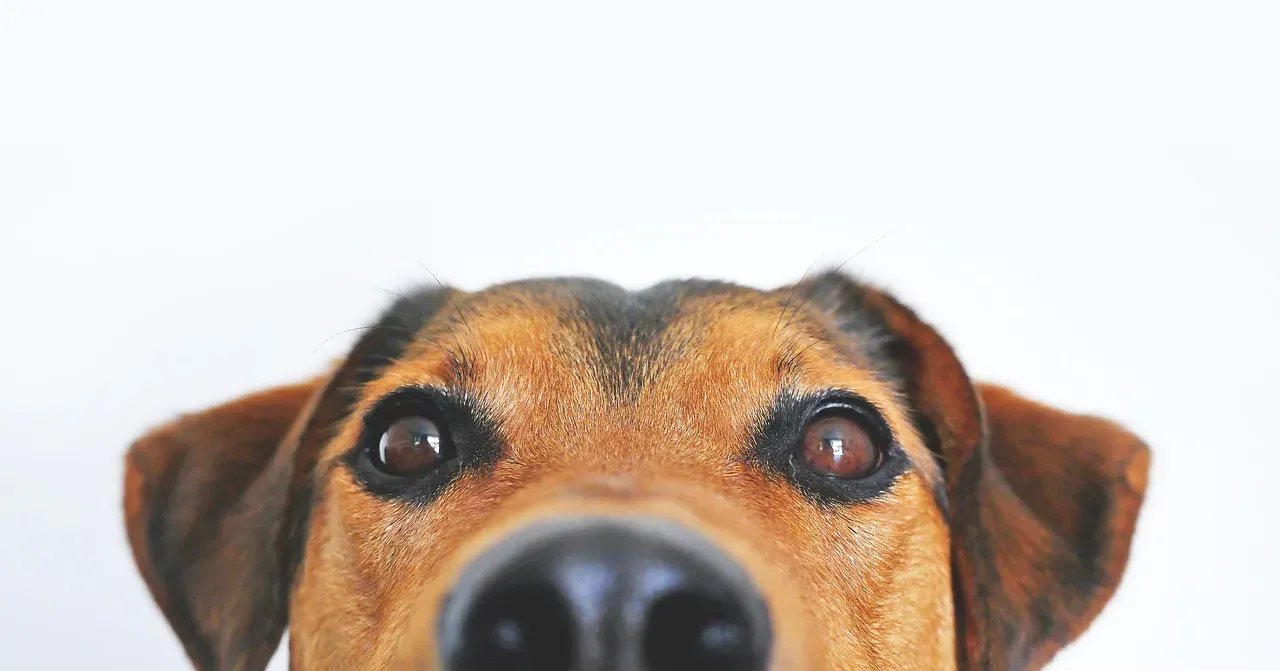
Before diving into what dogs can detect, it helps to understand just how extraordinary their sense of smell actually is. Depending on the breed, a dog’s nose contains roughly 125 million to 300 million scent glands, compared to a human’s five million, meaning a dog’s sense of smell is somewhere between 1,000 and 100,000 times more sensitive than ours. That’s not a small gap. That’s a completely different sensory world.
Dogs have enormous numbers of olfactory receptors and a high proportion of active to inactive genes encoding those receptors, which increases the diversity of compounds they can detect. The shape of the canine snout is also physically optimized to increase airflow in the nasal cavity. In other words, evolution shaped the dog’s nose with extraordinary precision.
Dogs can detect odors in parts per trillion and have been successfully trained to use their olfactory ability to correctly identify and distinguish diseases such as lung, breast, and colorectal cancers. The nose isn’t just a detection tool. For dogs, it’s the primary lens through which they interpret the world.
#2. Dogs Can Smell Your Stress, and It Affects Them Too

Dogs experience emotional contagion from the smell of human stress, leading them to make more “pessimistic” choices, according to research published in Scientific Reports. The University of Bristol-led study was the first to test how human stress odors affect dogs’ learning and emotional state. The implications of that finding are quietly profound.
Trials were repeated while each dog was exposed to either no odor or the odors of sweat and breath samples from humans in either a stressed or relaxed state. Researchers discovered that the stress smell made dogs slower to approach an ambiguous bowl location, an effect that was not seen with the relaxed smell. The dogs weren’t reacting to their owners’ body language. They were responding to the chemistry of a stranger’s stress.
Recent olfactory studies confirm that human emotional chemosignals can directly alter dog behavior. What’s particularly striking is that this emotional transfer happens through scent alone, no visual cues required. Your anxiety has a smell, and your dog is picking it up even when you think you’re holding it together.
#3. Sniffing Out Cancer: From Anecdote to Hard Science
Research into cancer-detecting dogs began almost 30 years ago when a Lancet study reported that a woman with malignant melanoma only ended up going to the doctor because her dog kept sniffing a skin lesion she thought was totally fine. That small, strange observation set off decades of serious scientific inquiry.
Cancerous cells produce a very specific odor, and with a sense of smell estimated to be between 10,000 and 100,000 times superior to ours, dogs can detect this smell far earlier in the disease’s progress, even while the cancer is still in its earliest stages. Remarkably, they don’t even need to smell the growth directly. Dogs can detect this scent on waste matter like breath.
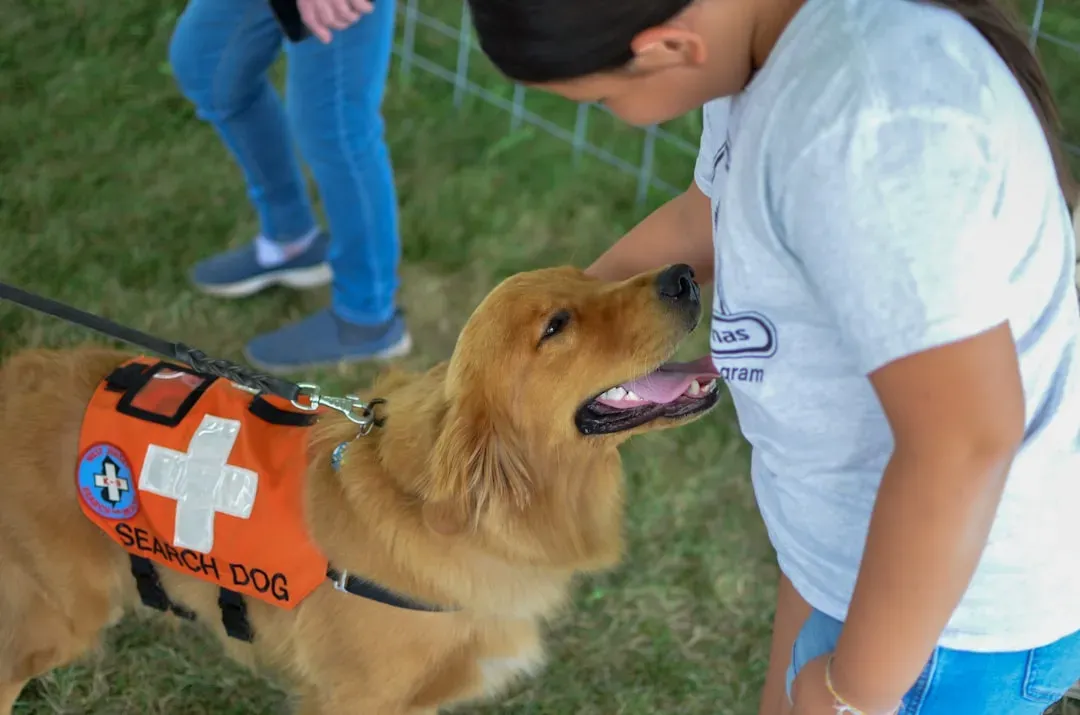
Scent dogs have been trained to alert for seizures, hypoglycemia related to diabetes, and to screen for viruses, bacterial infections, and numerous cancers including mammary, prostate, lung, ovarian, colorectal, and melanoma. Researchers believe that sickness causes the human body to release specific volatile organic compounds, or VOCs, which are emitted as gases and create a scent that, while undetectable to humans, dogs can sense. The chemistry of illness, it turns out, leaves a trail.
#4. Parkinson’s, Diabetes, and Other Diseases Dogs Can Detect

Cancer gets much of the attention, but the range of diseases dogs can potentially detect goes considerably further. People with Parkinson’s disease have an odor that can be reliably detected from skin swabs by trained dogs, according to research conducted in collaboration with Medical Detection Dogs and the Universities of Bristol and Manchester. Two dogs trained by the charity showed sensitivity of up to 80 percent and specificity of up to 98 percent.
When presented with skin swabs, the dogs were up to 80 percent effective in accurately detecting people with confirmed Parkinson’s, and up to 98 percent accurate in ruling out those who didn’t have the disease. The dogs even detected Parkinson’s in patients who also had other health problems. That level of accuracy, achieved through smell alone, is genuinely hard to dismiss.
Promising research indicates that dogs can detect cancer, especially with training, because it changes a person’s scent. Medical detection dogs are also at the forefront of research on detecting other diseases, including Parkinson’s, diabetes, and migraines. Medical scent detection dogs have also been deployed for patients with diabetes, where identifying hypoglycemic conditions is crucial because of the potential severity of such a condition.
#5. The Limits of What We Know, and What Comes Next

The research is compelling, but it’s worth being honest about where the science currently stands. Medical detection dogs are incredibly expensive to train, costing upwards of $25,000 each, making them difficult to scale across clinics or households. Dogs also get tired, bored, and distracted after working hard, which introduces variability into detection results. These are real constraints that researchers are actively working around.
Evidence suggests that trained scent dogs can detect a variety of diseases in both humans and animals accurately and often earlier than many existing screening tools. Still, the scientific community is careful to note that more standardized research is needed before dogs become a routine clinical tool. Remote medical scent detection of cancer and infectious diseases with dogs has been an increasing field of research over the last 20 years, and if validated, the possibility of implementing such a technique in the clinic raises many hopes.
Researchers are training algorithms to emulate trained dogs’ ability to detect cancer and other diseases, essentially trying to replicate the canine nose in electronic form. The dog, in a sense, is becoming the blueprint for the next generation of medical diagnostics. It’s a remarkable position for an animal that humans domesticated tens of thousands of years ago.
Conclusion

The evidence gathered so far points to something genuinely extraordinary. Dogs don’t just love us. They perceive us in ways we are only beginning to fully understand. They can smell our fear, our grief, our stress, and quite possibly, the early signs of diseases we don’t yet know we have.
This isn’t folklore or wishful thinking from devoted dog owners. It’s peer-reviewed research published in respected scientific journals, and the field is growing fast. The dog’s nose may well become one of the most valuable diagnostic tools in modern medicine, which feels both surprising and somehow completely fitting for a species that has lived beside us for so long.
What dogs have always known instinctively, science is only now catching up to. Sometimes the most advanced technology in the room has four legs and a wet nose.


