
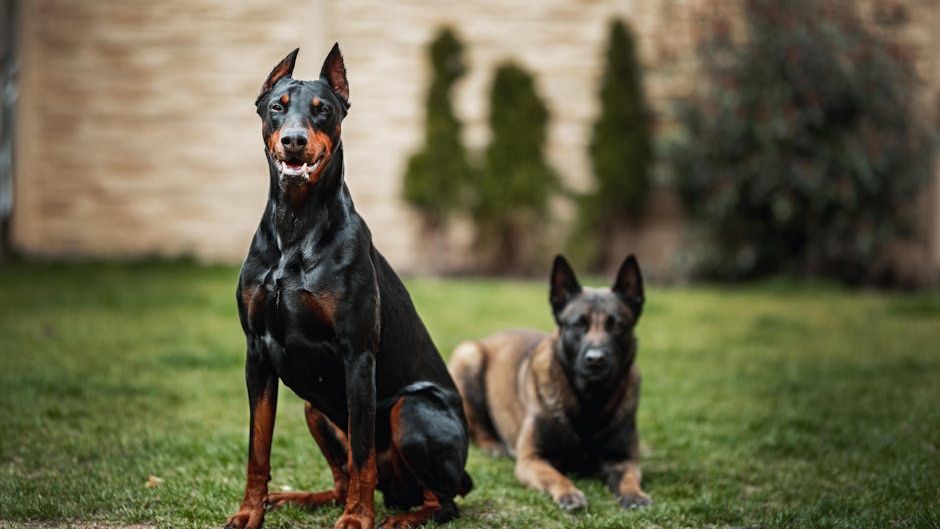
Dogs are often called man’s best friend, and for most families, that’s exactly what they are. But the relationship between humans and certain dog breeds carries a weight that glossy adoption brochures rarely mention. Dogs bite more than 4.5 million people annually in the United States alone. That number doesn’t represent monsters or failed pets. It represents animals with powerful instincts, physical strength, and needs that not every household is equipped to manage.
The conversation around dangerous dog breeds is rarely straightforward. There are deeply passionate advocates on all sides, and the data itself is nuanced. Researchers emphasize that breed is not a dependable predictor of aggression – it’s far more crucial to look at factors like how the dog was raised, its training, its sex and whether it’s neutered, and the environment it’s kept in. Still, certain breeds consistently appear in serious incident reports, and families deserve honest, grounded information before they bring one home. These nine breeds are worth understanding deeply before you decide.
#1: Pit Bull Terrier

American Pit Bull Terriers are considered some of the most dangerous dogs due to the high number of incidents involving this breed, with statistics showing they are responsible for over 60 percent of all fatal dog attacks in the U.S. That figure is striking when you consider how they’re often marketed as loyal, loving companions, because in many cases, they genuinely are.
Pit bull-type dogs are responsible for a disproportionate share of deaths relative to their overall population, which sits at only around 6.5 percent of all dogs in the country. Statistics indicate that pit bulls are 2.5 times more likely to bite multiple areas of the body during an attack. For families with young children, those numbers carry real weight and deserve serious consideration before making a decision.
#2: Rottweiler

Rottweilers are the second most dangerous breed, contributing to just over ten percent of fatal dog bite incidents in recorded data. Together, Pit Bulls and Rottweilers were involved in approximately 76 percent of all fatal dog attacks, with Rottweilers alone responsible for 51 documented deaths. That shared dominance at the top of the statistics is something no prospective owner should overlook.
Rottweilers have an extremely powerful bite force at about 328 PSI, which makes an attack from one significantly more dangerous than a bite from a smaller or less physically powerful animal. They are loyal and often gentle with their own families. The problem arises when that loyalty becomes territorial protectiveness, and the dog encounters an unfamiliar person or animal. Without consistent, expert-level training from puppyhood, the risk profile shifts dramatically.
#3: German Shepherd
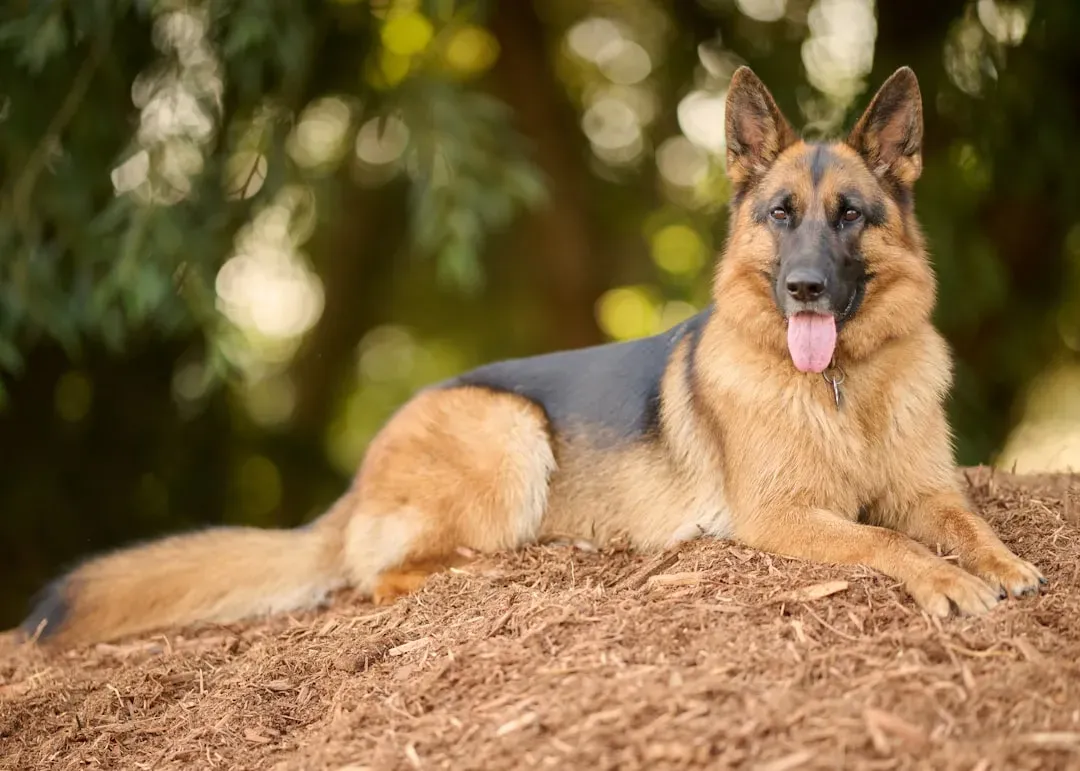
German Shepherds are another breed frequently appearing in bite statistics, likely in part because they are one of the most popular dog breeds in America. German Shepherds accounted for 252 total bite incidents in one major study, representing over eleven percent of all bites recorded. Their sheer numbers in households partly explain their presence in the data, though that doesn’t make the risk any less real.
German Shepherds carry a bite force of 238 PSI and were responsible for 4.2 percent of fatal dog attacks in analyzed data sets. They are intelligent, trainable, and fiercely loyal, which is exactly why they’re used in police work and search and rescue. Those same traits – high drive, protective instincts, and physical power – require an experienced handler at home. A bored, under-stimulated German Shepherd in a family environment is a different animal from one that’s properly worked and trained.
#4: Doberman Pinscher
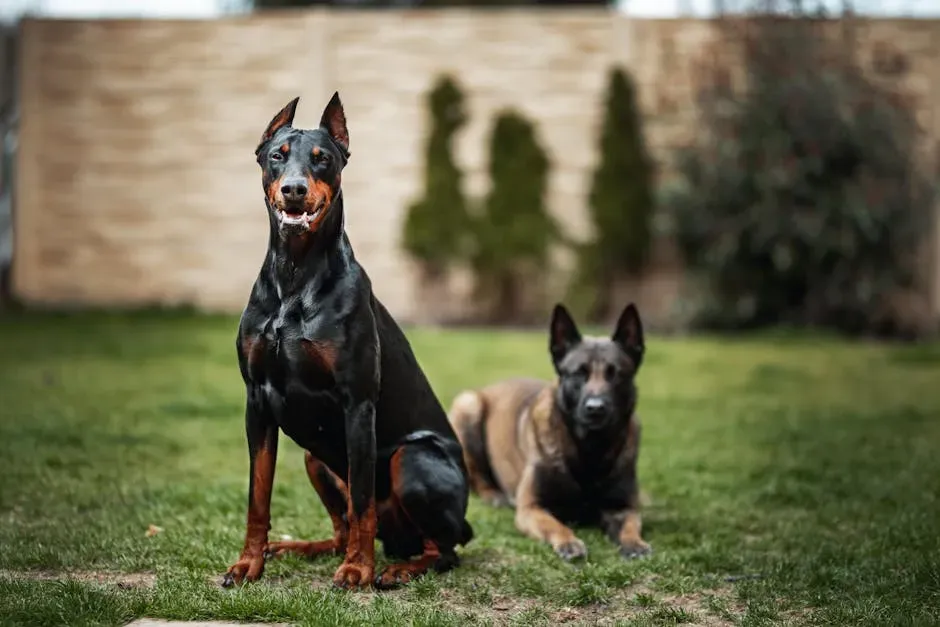
Dobermans were bred as guard dogs, and their intelligence and loyalty are strong assets, but they also possess a naturally suspicious nature. When left untrained, this trait can quickly become dangerous. They’re lean but strong, capable of causing severe harm in a short time. Their alertness is part of their design, and that design doesn’t switch off at the front door.
The AVMA documented 9 human fatalities caused by Dobermann Pinschers in a tracking period covering fatal dog attacks by breed. Despite their reputation as formidable protectors, well-bred and properly socialized Dobermans are not inherently aggressive but rather discerning and responsive, acting to protect only when they perceive a genuine threat. The key phrase there is “well-bred and properly socialized.” In households without experienced handling, that fine line can disappear quickly.
#5: Siberian Husky
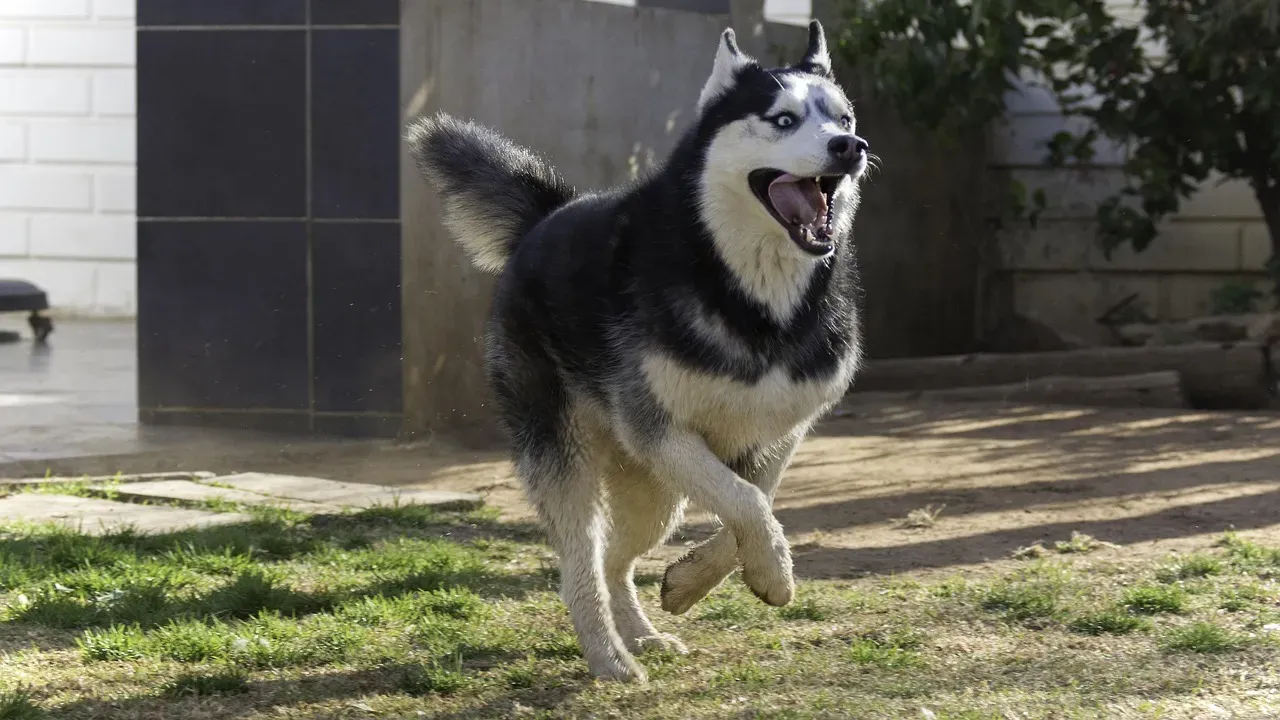
Though these sled dogs are known for their friendly and playful nature, Siberian Huskies are occasionally involved in serious dog attacks, particularly on children. Huskies have strong predatory instincts, and while they are generally considered good family dogs, they require more exercise and mental stimulation than most other dog breeds. That exercise requirement isn’t a preference. It’s a necessity, and families that don’t meet it risk a frustrated, reactive animal.
AVMA tracking documented 15 human fatalities caused by Husky-type dogs in one comprehensive data period. It is important to remember how closely Huskies and other wolf-hybrids are removed from nature. If they become frustrated or are poorly trained, they can lash out, leading to dangerous situations if they feel threatened by strangers or an unfamiliar dog. That wild edge is part of what makes them beautiful. It also makes them genuinely unsuitable for inexperienced owners.
#6: Alaskan Malamute
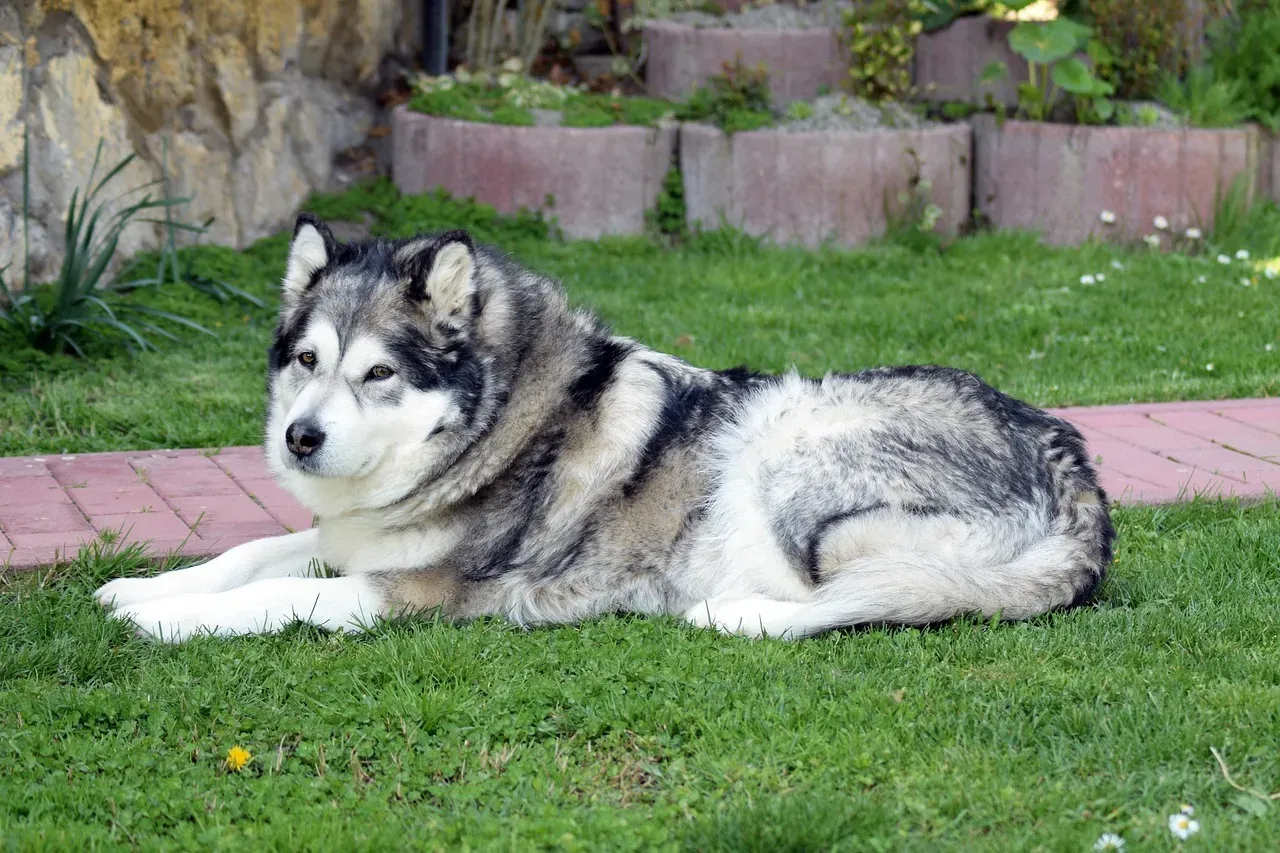
The larger cousin of the Siberian Husky, the Alaskan Malamute was developed for heavy work in cold environments. They are powerful and determined, but also extremely independent. This independence often translates to difficulty with obedience. Independence in a 100-pound animal with a strong prey drive is not a charming quirk. It’s a management challenge that demands real commitment.
Alaskan Malamutes are strong, and powerful dogs that can be very dangerous if not properly trained and socialized. They are not recommended for first-time dog owners or families with small children. Many Malamutes are gentle with their families, but they can be intolerant of same-sex dogs and may not give clear warning before reacting. Responsible ownership usually includes secure, high fencing and careful management of introductions to other large dogs. Without these precautions, the risk of serious fights and injuries increases sharply.
#7: Chow Chow
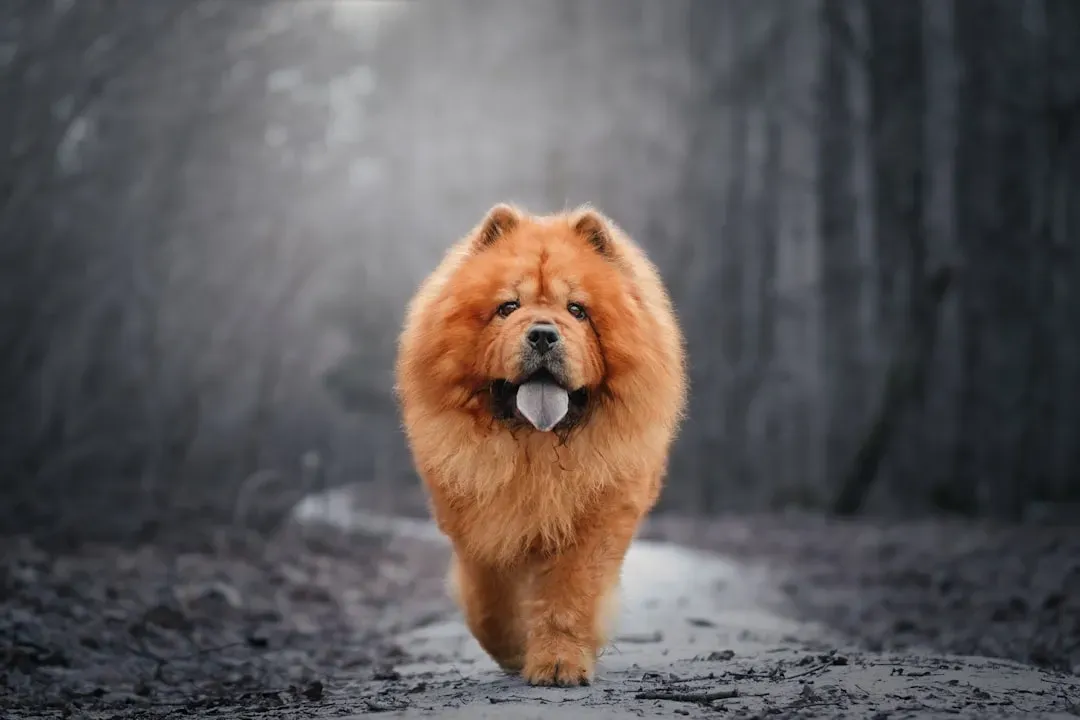
While the Chow Chow might look like a cuddly teddy bear, this breed is known for being highly territorial and independent. Chow Chows are responsible for a surprising number of dog bite injuries, especially given their relatively smaller size than other dangerous dogs. Their stubborn nature makes them difficult to train, and without proper socialization, they may become aggressive. That fluffy exterior conceals a deeply ancient, instinct-driven animal.
Despite their teddy bear appearance, Chow Chows can be reserved and temperamental. Their strong guarding instincts and low tolerance for strangers can make them volatile in busy environments. They don’t enjoy rough play and often react poorly to teasing or uninvited contact. For this reason, they aren’t ideal for families with young children unless trained extensively from puppyhood. The mismatch between their appearance and their temperament is part of what makes them a hidden risk for unprepared families.
#8: Bullmastiff

The Bullmastiff is a large, powerful breed originally bred to guard estates. With their strength and protective nature, they have been involved in dog attack incidents, particularly when not properly trained. Though they tend to be calm and gentle with their families, Bullmastiffs can show aggressive guard dog tendencies toward strangers or other animals. That calm disposition has a threshold, and crossing it can have serious consequences given their size.
Breed histories describe the Bullmastiff as a cross between Mastiff and Bulldog, developed to help gamekeepers confront poachers by knocking them down and holding them rather than biting repeatedly. Modern Bullmastiffs typically weigh well over 100 pounds, which means that even a single bite or a defensive lunge can cause serious injury. Firm training and early socialization are essential to managing their potential for aggression. Without that groundwork, their sheer physical mass becomes the danger, regardless of intent.
#9: Wolf Hybrid
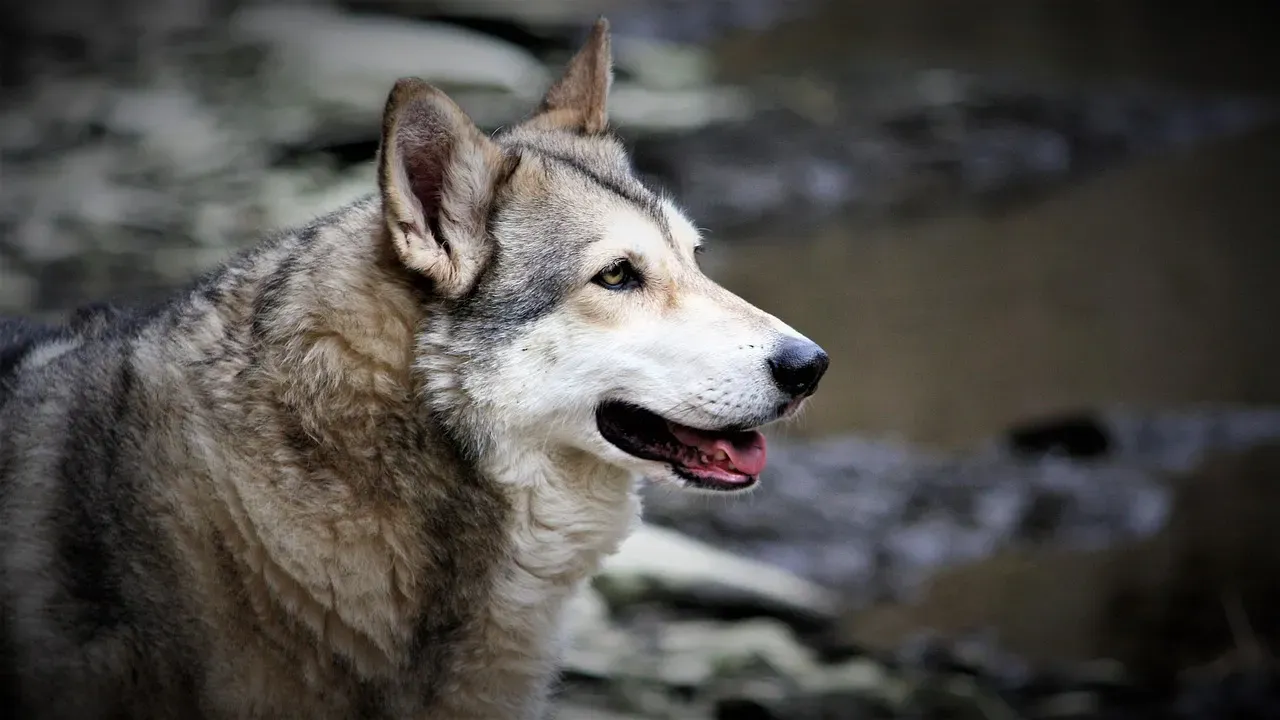
A Wolfdog remains unpredictable and requires an expert-level commitment, specialized housing, and in many cases, legal documentation. Regardless of how small the percentage of wolf DNA may be, a Wolfdog will always retain the instincts of a wild animal. That is not a training problem. It’s a biological reality that no amount of love or patience fully overrides.
The legality of owning a Husky-Wolf hybrid varies dramatically depending on where you live. In some U.S. states and countries, wolfdogs are outright banned. In others, they are heavily regulated and require special permits, containment standards, or documentation proving ancestry. Wolf Hybrids also contribute significantly to fatal dog attack incidents in the United States. People are drawn to them for their striking appearance, but what they’re bringing into the home is fundamentally not a domestic animal.
What the Data Really Tells Us
Between 2020 and 2023, an average of approximately 84 people per year died from fatal human attacks by dogs in the U.S., according to Centers for Disease Control and Prevention data, more than double the average from previous years. Homeowners insurers paid out $1.56 billion in liability claims related to dog bites and other dog-related injuries in 2024. Those figures reflect not just physical injury but the broader social cost of decisions made without enough information.
Consensus among researchers and safety analysts is clear: breed alone does not determine aggression. Owner behavior, training, and neglect are the leading factors in most severe and fatal attacks. That finding doesn’t cancel the breed data. It adds a layer of responsibility to it. Children should be supervised around dogs, and owners must train and socialize pets properly, keep them leashed in public spaces, and address aggressive behavior promptly. The dogs on this list are not destined to be dangerous. They require more from their owners than most families are prepared to give.
The Honest Conclusion

The debate around dangerous dog breeds often devolves into two extreme camps: those who blame every incident entirely on the owner, and those who believe certain breeds are simply born bad. The truth, as most credible research and bite statistics suggest, lives somewhere more complicated in the middle. Breed matters. So does ownership. Both things are simultaneously true.
What this list ultimately reflects is not a reason to fear or vilify these animals, but a reason to be honest about what owning them actually demands. A Rottweiler in the hands of an experienced, committed owner can be a magnificent family dog. That same animal in an unprepared household can be a tragedy waiting to happen. Choosing a dog based on appearance, novelty, or status, without accounting for that animal’s physical power, instinctive drives, and social needs, is a disservice to the dog and a genuine risk to everyone around it.
The kindest thing any prospective owner can do is match their lifestyle to the dog, not the other way around. Some of these breeds are extraordinary companions. They just require extraordinary care to be safe.


