
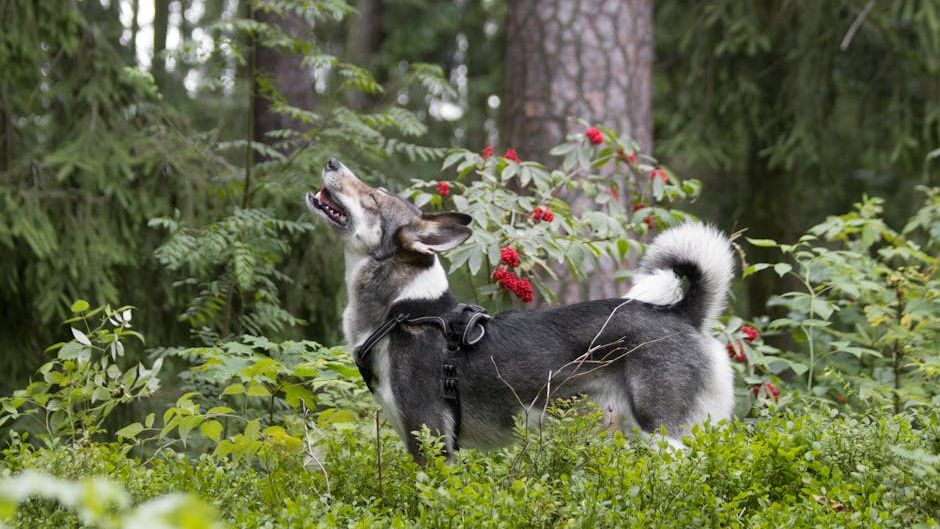
#1: The Body Goes Stiff and Still
It seems counterintuitive. You’d expect an animal about to attack to be moving, agitated, visibly worked up. Instead, one of the clearest pre-attack signals a dog sends is a sudden, complete stillness. If a dog suddenly goes stiff as a statue, that frozen posture is often a direct precursor to aggression. Think of it as the body powering up, not powering down.
A relaxed dog will usually have a loose, waggy posture. A stiff, frozen stance, however, often means the dog is uncomfortable or ready to act defensively. Rigidity is a clear red flag. What you’re witnessing in that moment is the dog making a decision. It has assessed the situation and concluded that action may be necessary. The freeze is the pause before that action lands.
#2: The Growl You Should Never Ignore or Punish
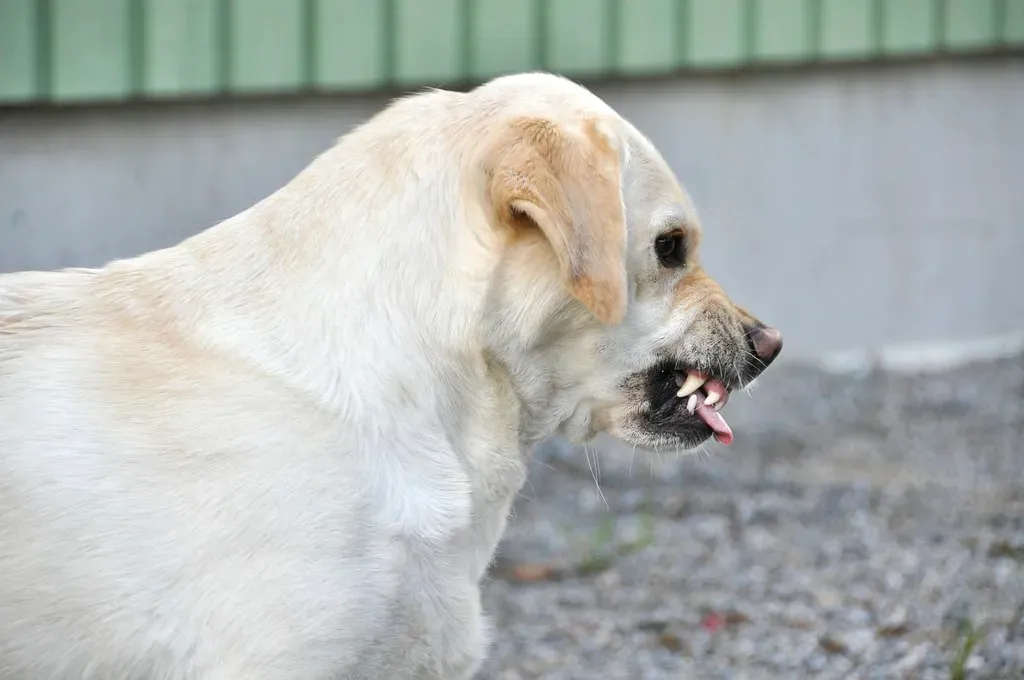
A dog bite is often preceded by the dog warning of its intentions out loud. This can be done by barking or growling aggressively, often accompanied by bared teeth. Oftentimes, a dog about to bite will bark or growl very deeply and menacingly. It sounds obvious, but the response most people have, raising their voice, moving closer, or trying to discipline the dog in that moment, is exactly wrong.
If those early signals are ignored repeatedly, the dog learns that the only message humans respond to is the growl, the snap, or the bite. This is worth sitting with for a moment. A dog that growls is actually doing you a favor. Dogs who give warning before they bite allow people and other animals time to retreat and avoid getting hurt. Suppressing the growl through punishment doesn’t make the dog safer. It removes the warning label from a loaded situation.
#3: Raised Hackles Along the Back
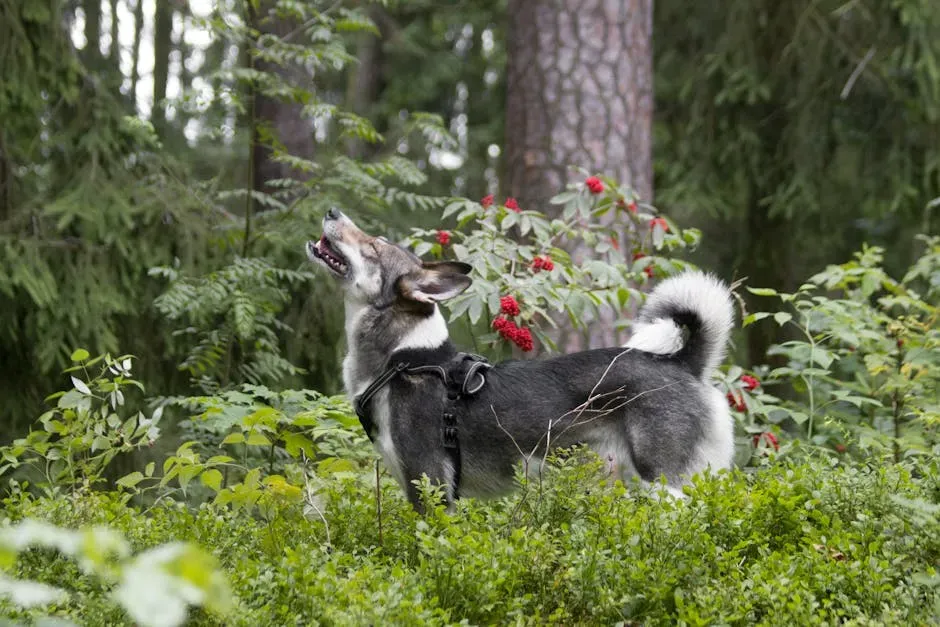
The hair along a dog’s back, known as hackles, may stand up when the dog is aroused, frightened, or angry. This physical reaction is an involuntary response to stress and serves to make the dog appear larger and more intimidating. It’s the canine equivalent of puffing up, a deep-seated survival mechanism inherited from wolves, and it happens without the dog consciously choosing it.
Wolves use a series of ritualized body postures, facial and vocal signals to communicate their intent to attack before they actually do, in the hope that their warning will be heeded by potential adversaries. The goal of those signals is to protect territory or drive a competitor away without having to resort to actual combat. Your dog has these same inherited behaviors and survival strategies. Raised hackles alone don’t guarantee an attack is coming, but paired with any of the other signs on this list, they paint a very clear picture. Give that dog space immediately.
#4: The Hard Stare With “Whale Eye”

Prolonged, unblinking staring can indicate a challenge or warning. Dogs sometimes use this to assert dominance or signal that they are feeling threatened. Direct, sustained eye contact from a dog is not affection. In canine communication, it’s a declaration, and it’s one worth taking seriously. Dogs may exhibit intense staring as a warning sign of aggression, and direct eye contact can be perceived as a challenge or threat, especially in confrontational situations.
There’s a subtler version of this worth knowing too. The body or torso of the dog may become stiff or rigid while the dog looks at you out of the corner of their eye. This is called the “crescent moon” because of the shape of the white part of the eye that becomes visible. Behaviorists refer to this as “whale eye,” and it’s one of the more easily missed pre-attack cues. Behaviorists describe a ladder of escalation that dogs climb through before they resort to biting, and the early signals, including licking their nose, yawning, and looking away, are subtle and easy to miss or dismiss.
#5: The Air Snap or Forward Lunge Without Contact
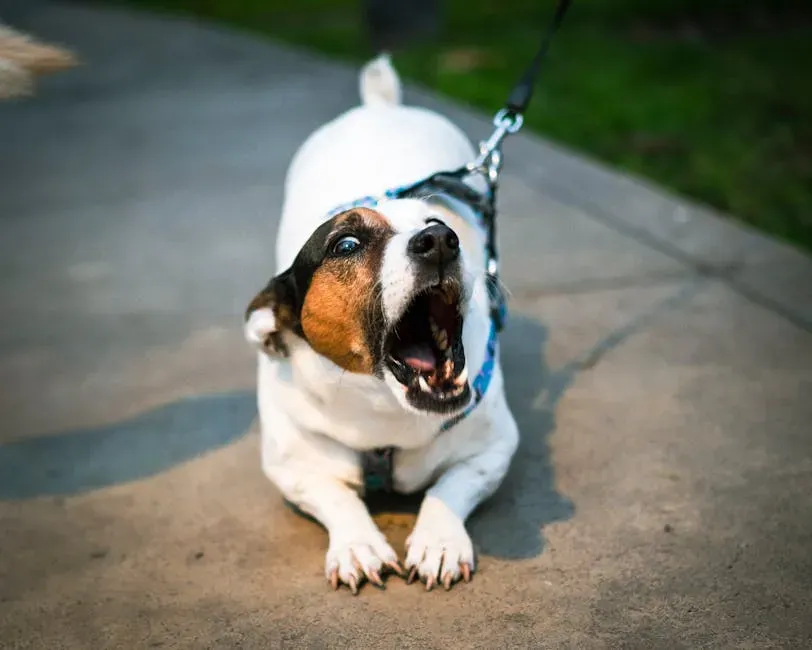
An air snap, a quick snap that “just misses,” or a sudden lunge without contact, is the final warning a dog will give. This is the last step before a real bite, and the only appropriate response is to retreat immediately and not re-engage. Many people interpret a near-miss as an empty bluff, a sign the dog is all bark and no bite. That interpretation is dangerous. The dog has communicated precisely how close it is to the edge.
A quick snap or loud, intense barking can signal that the dog is reaching its limit. These should not be mistaken as minor warnings. These dogs almost always give warning signs before a bite. The snap and the lunge are not aggression failing to land. They’re aggression exercising restraint one final time. Once that restraint is gone, the situation has moved beyond warning territory entirely.
What to Do When You See These Signs

If possible, slowly and calmly increase the distance between yourself and the dog. Do not turn your back on the dog, as this can provoke a chase response. Staying calm matters more than it might feel like in that moment. Dogs are highly perceptive and can sense fear. Sudden movements or loud noises may escalate their aggression.
Pressuring dogs and not respecting their warning signs can lead to a bite. Fortunately, once a behavior source is identified and understood, it can often be overcome with time, training, and confidence-building activities. If you’re dealing with a dog in your own home that regularly shows these signs, that’s a conversation for a qualified behaviorist, not something to manage alone through guesswork or patience alone.
A Final Thought
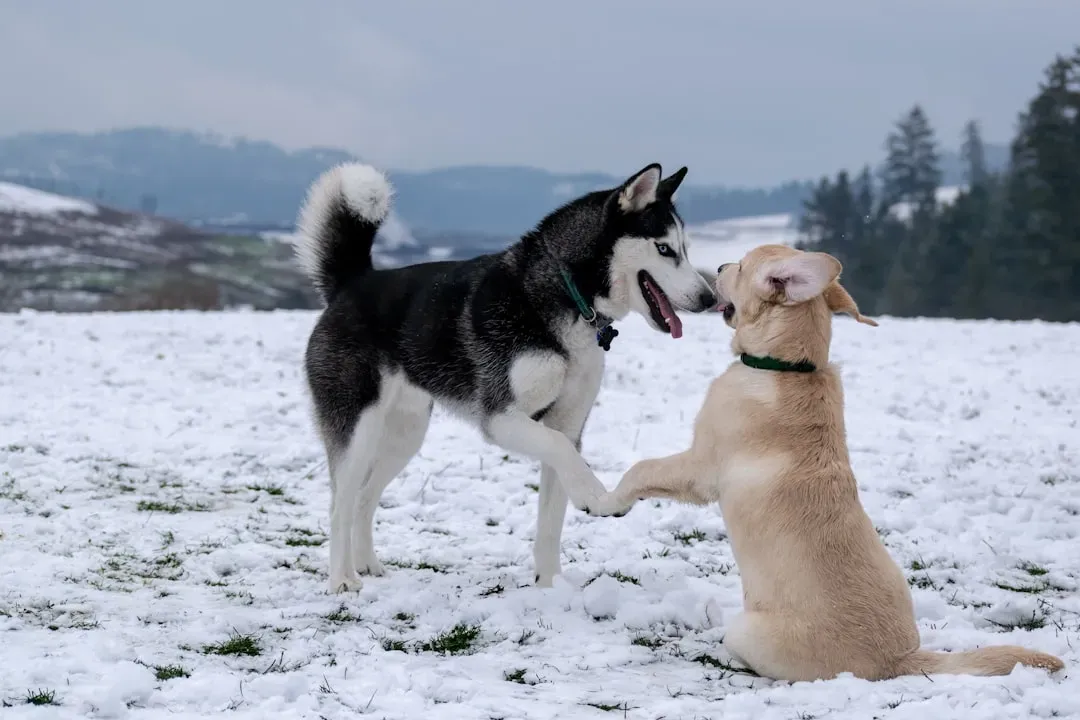
Here’s the opinion worth stating plainly: dog attacks are rarely as random as they appear in hindsight. In most cases, the signals were there. They were just unread. By paying attention to the language of dogs and responding in ways that alleviate conflict instead of increasing it, you can help protect yourself and others from bites that occur from all sizes and breeds of dogs.
We owe it to dogs and to ourselves to learn this language. These animals spend their entire lives trying to communicate with a species that largely doesn’t speak their dialect. The stiff body, the hard stare, the raised hackles, the growl, the air snap: these are not failures of temperament. They are acts of communication. The moment we start treating them that way, fewer people get hurt, and fewer dogs get blamed for attacks that were, in truth, entirely predictable.


