
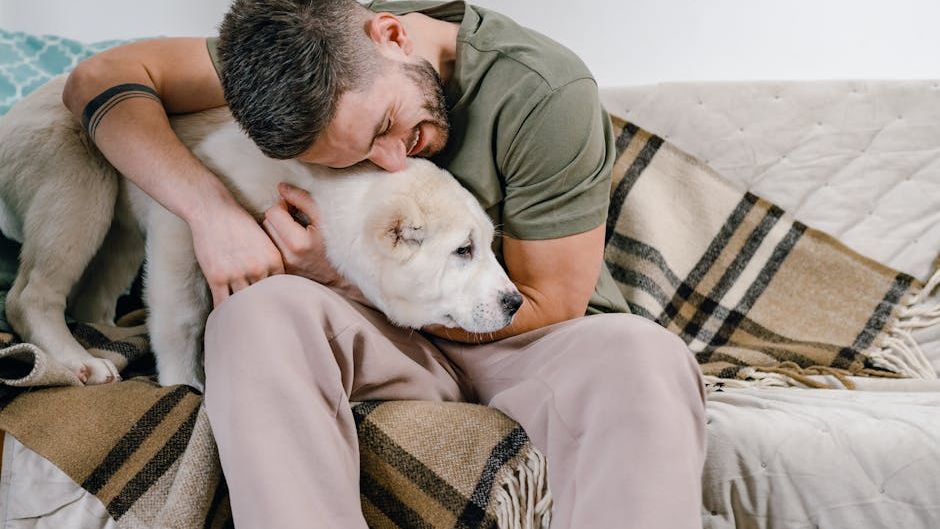
#1: Attachment Theory Applies to Dogs in Ways That Mirror Human Psychology
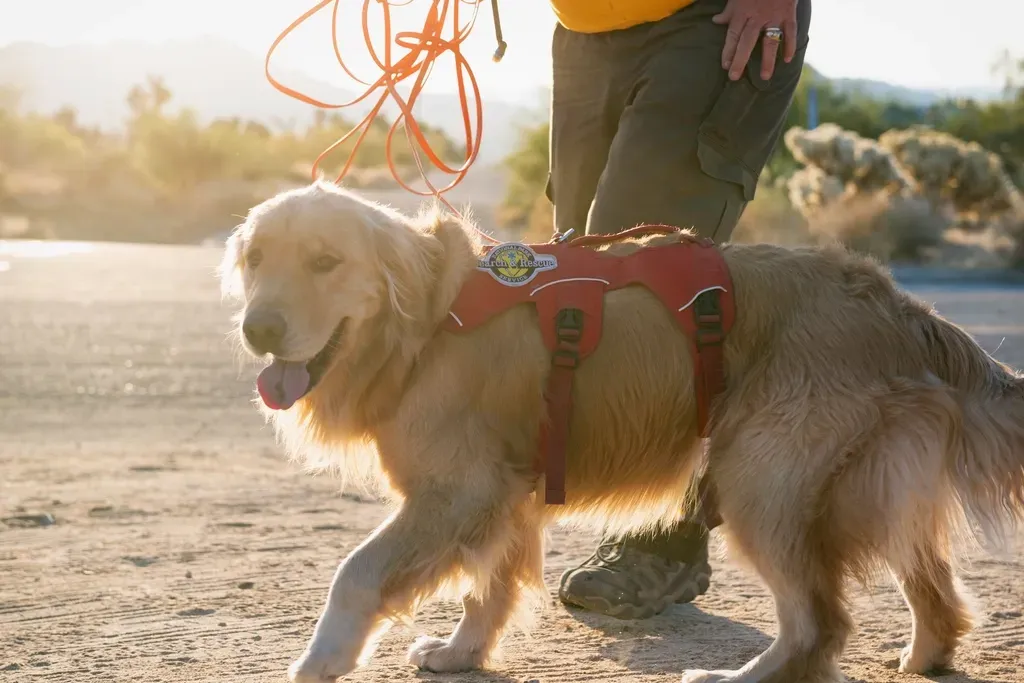
The theory of the human-dog bond, called attachment theory in proper psychological terms, is based on human studies showing that infants have a strong need to be near their caregiver, also called the attachment figure. What’s striking is how cleanly this framework maps onto dogs. Researchers didn’t have to stretch the theory very far to make it work.
The dog-owner relationship shows clear similarities to the human caregiver-infant relationship. Dogs show similar behaviors of attachment, such as approaching, following, clinging, or vocalizing toward their owners. These aren’t just habits or quirks of personality. They’re measurable, predictable responses rooted in the same emotional architecture that governs how human children form bonds with their parents.
According to attachment theory, the attached individual shows a preference for the attachment figure and gets distressed when involuntarily separated from it. At least three different attachment styles have been described: secure, where the individual uses the attachment figure as a secure base and freely explores; ambivalent, where the individual is distressed when separated but resists comfort when reunited; and avoidant, where the individual shows no signs of distress when separated. Dogs display these same distinct styles, and they develop them through the same mechanism: the consistent presence, or absence, of someone they trust during moments of stress.
#2: Fear Activates the Deepest Layer of the Bonding System
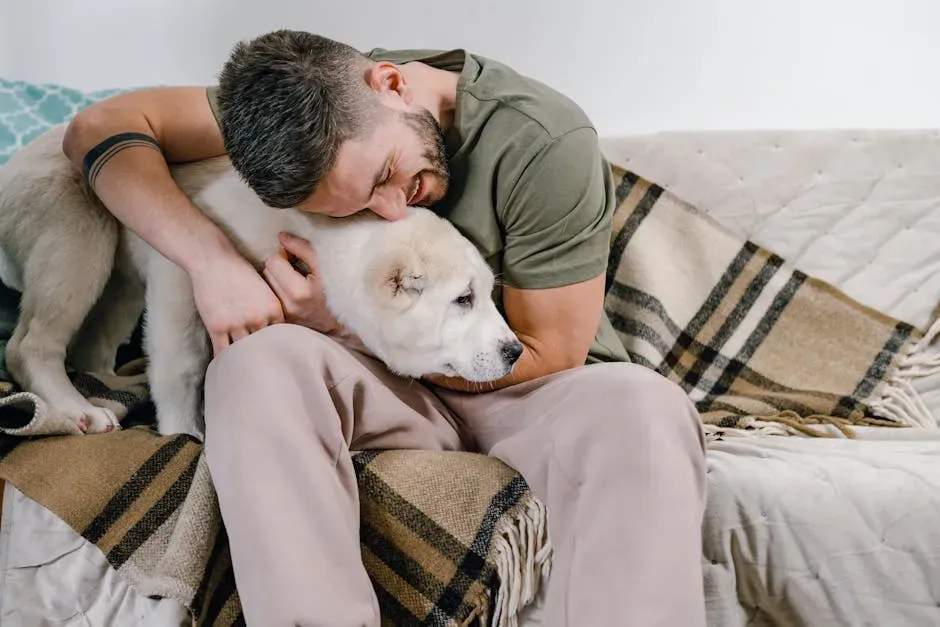
The safe haven construct is based on the notion that the attachment figure serves as a haven of safety to which the individual can return in times of threat or distress. Bowlby emphasized the link between attachment and fear, claiming that the availability or unavailability of the attachment figure can serve as a main factor that determines whether an individual is alarmed by any potentially dangerous situation. This is the core of why fear, specifically, matters so much to bond formation.
The heart of attachment theory is anxiety and stress reduction. It starts in childhood when youngsters retreat to the secure base of their parents when they get scared or fearful. Assuming the parents are consistently warm, available, and responsive, anxiety is lowered, and the child is free to again engage in exploratory activities. For dogs, the same sequence plays out. A thunderstorm. A vet visit. A stranger approaching too fast. In each case, the dog’s nervous system reaches for one specific person. Whether that person is reliably there determines not just how the dog recovers from the moment, but who the dog becomes over time.
#3: The “Safe Haven” Effect Has Real Physiological Evidence Behind It
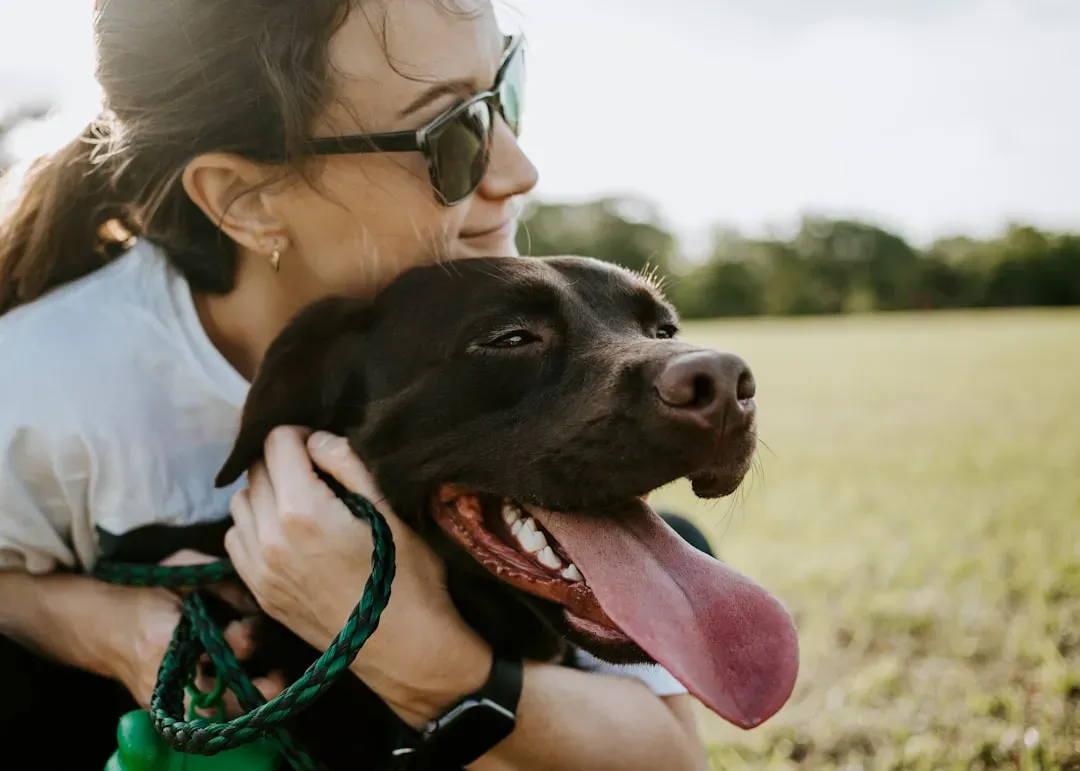
Researchers examined dogs’ behavioral, heart rate, and heart rate variability responses in two social contexts: a moderately stressful situation involving separation from the owner, and potential danger from being approached by a threatening stranger, both in the presence and absence of the owner. They were looking for physiological evidence that dogs use their owners as a safe haven in stressful situations. This wasn’t a survey or an observational study. It was measured in real time, through the body.
The study presented direct experimental support for the safe haven effect of owners in the case of threat, providing additional evidence for the human analogue nature of the individualized dog-human attachment bond. Perhaps more telling, owners can provide a buffer against stress in dogs, which can even reduce the effect of a subsequent encounter with the same threatening stimuli later when the owner is not present. The bond built during fear doesn’t just comfort in the moment. It actually changes how a dog processes threat going forward.
#4: Consistency Is the Variable That Determines Who Gets Chosen
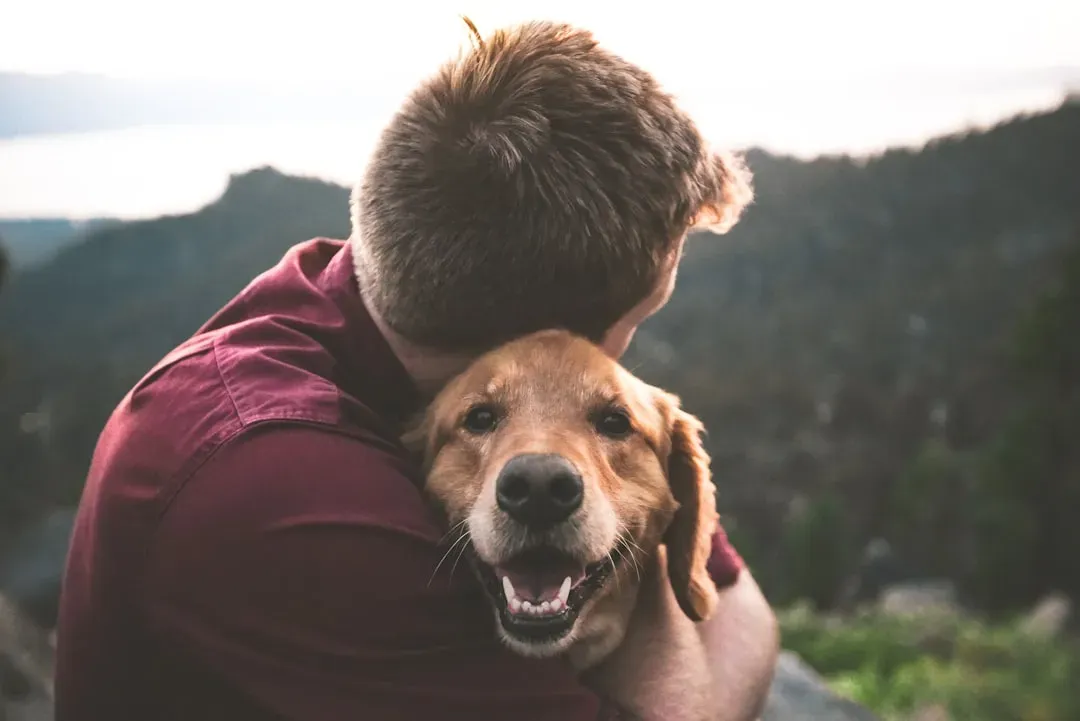
The psychological foundation for how dogs choose their favorite person stems from their need to feel safe and secure within their environment. The selection process isn’t arbitrary. It’s based on which humans provide the most security, consistency, and positive experiences in their daily lives. This is where casual dog lovers often misread the situation. They think the dog is simply being fickle or moody when it gravitates toward one household member. What the dog is actually doing is making a very clear psychological calculation.
These behaviors emerge and stabilize over time, shaped by factors such as the caregiver’s emotional availability and consistency, as well as the dog’s previous experiences. These findings are consistent with Bowlby’s attachment theory, which emphasizes the predictability and consistency of the attachment figure as fundamental conditions for the development of secure attachment bonds. It’s not about grand gestures. It’s about who was there, over and over again, when things felt uncertain. That pattern of reliable presence during distress is what earns a dog’s deepest loyalty.
Studies using adaptations of human attachment theory have found that dogs with secure attachments to their owners are actually more confident exploring their environment. Foster dogs with secure attachments displayed higher levels of persistence and performance on cognitive tasks compared to foster dogs with insecure attachments. Consistent presence during fear doesn’t just create emotional closeness. It makes the dog more capable, more curious, and more resilient across the board.
#5: The Practical Implications for Anyone Who Lives With a Dog
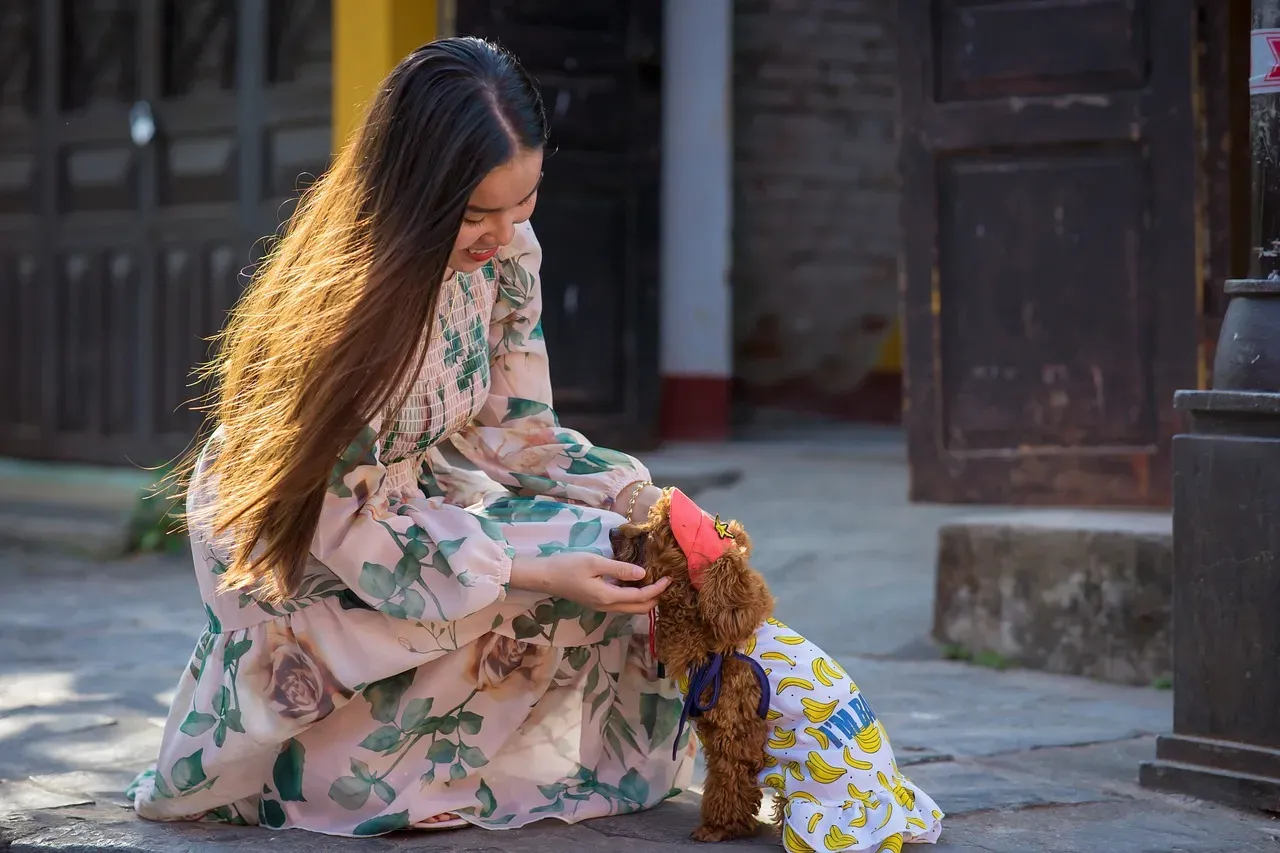
When one person consistently takes care of all a dog’s needs, like feeding, walking, and playing, the dog starts associating that person with comfort, security, and having all their essential requirements met. That matters. Yet research suggests the deepest layer of that bond is forged specifically in the harder moments. Being the calm, present person during a thunderstorm, a vet visit, or an unfamiliar environment carries more relational weight than a hundred pleasant walks.
The safe haven becomes salient in situations involving stress or perceived threat, prompting the animal to seek proximity and comfort. Learning to recognize a dog’s fear and remaining calm, present, and reassuring in those moments is less about training technique and more about building the kind of relationship that a dog will organize its entire emotional life around. Practically speaking, this means not avoiding the hard moments. Don’t hand the dog off to someone else when it’s scared. Don’t dismiss the whimpering. Staying present, calm, and steady during those moments is, quite literally, how a dog decides you are its person.
Conclusion: Presence During Fear Is the Most Honest Test of a Bond
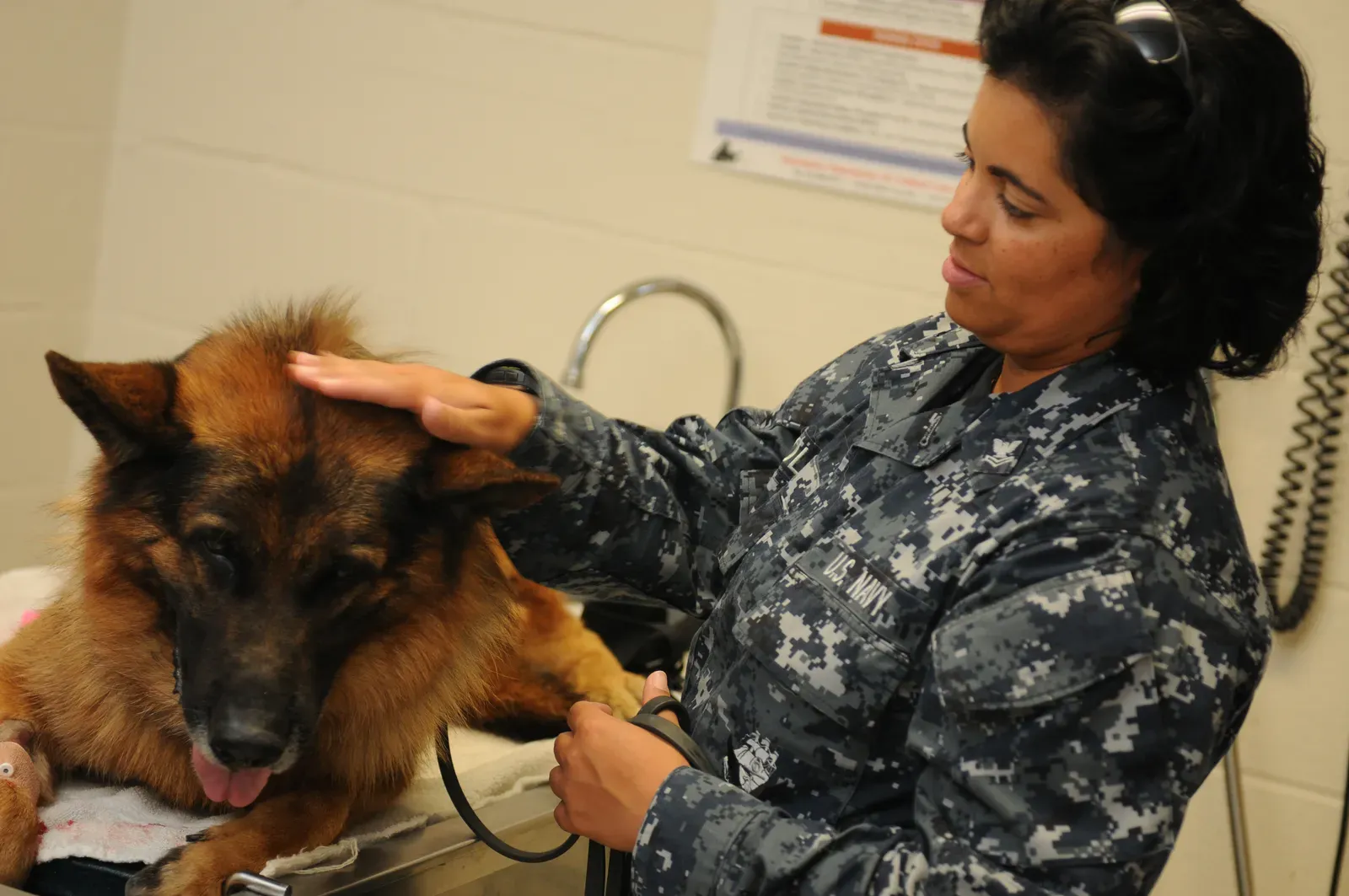
There’s something quietly profound about what the research is telling us. Dogs don’t choose their deepest bond based on who’s most entertaining, most energetic, or even most generous with treats. They choose based on who showed up when it mattered. Fear strips away everything casual and performative, and what remains is either a reliable presence or an absence. Dogs notice that distinction at a neurological level.
This should probably reshape how we think about bonding with our dogs, and honestly, how we think about bonding in general. The question isn’t whether you play with your dog enough or buy it nice things. The more revealing question is: when your dog was frightened, were you there? Were you calm? Were you consistent? Those are the moments that write themselves permanently into how a dog understands its world and its people.
There’s an honesty to this that’s worth sitting with. Dogs can’t be charmed or impressed into a deep bond. They can only be earned by the one who didn’t leave when things got hard. That’s not a bad standard to be held to.


