
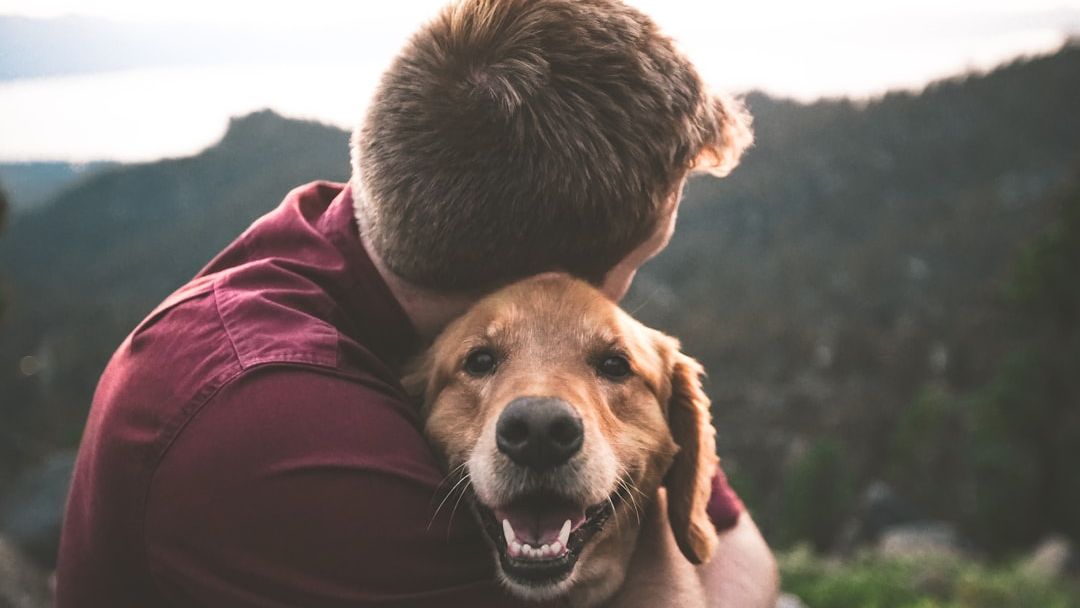
#1. Dogs Can Literally Smell Emotional Distress
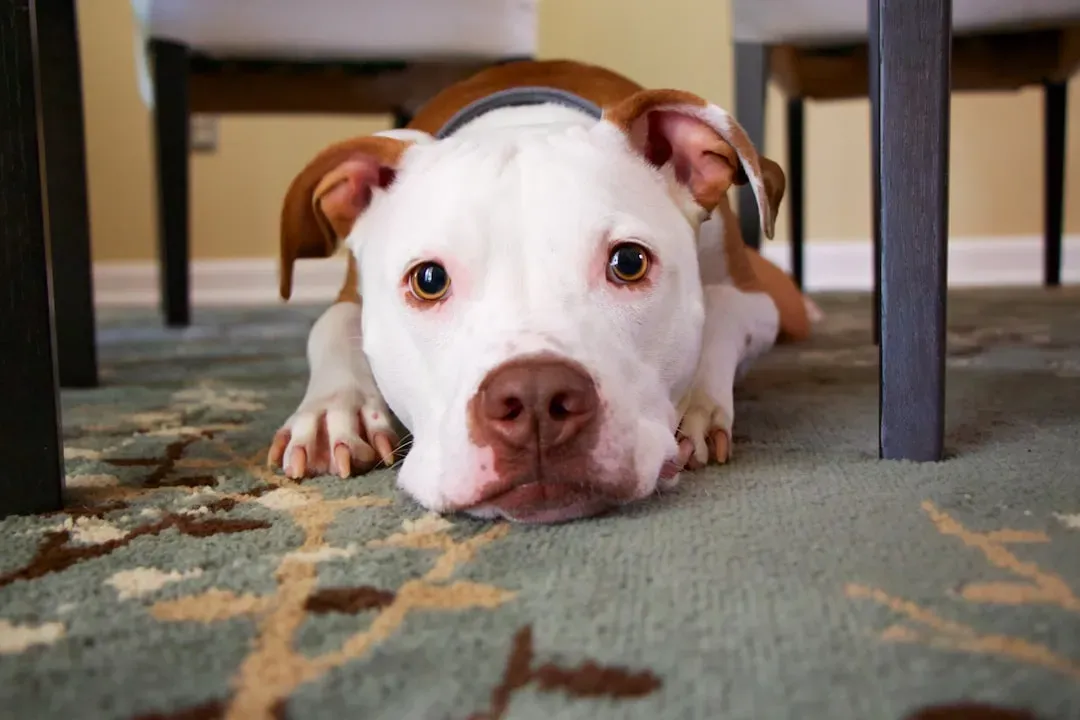
The most startling piece of this puzzle has nothing to do with clever training or emotional intelligence in the abstract. Dogs have evolved to read verbal and visual cues from their owners, and research has now confirmed that with their acute sense of smell, they can even detect the odor of stress in human sweat. Researchers found that not only can dogs smell stress, represented in this case by higher levels of the hormone cortisol, but they also react to it emotionally.
As one researcher explained, “Being a species that we’ve lived and co-evolved with for thousands of years, it kind of makes sense that dogs would learn to read our emotions because it might be helpful to them to know if there’s something threatening in the environment or some stressor that they need to be aware of.” That’s not a poetic metaphor. That’s chemistry.
According to veterinarian and researcher Dr. Zoe Parr-Cortes, research supports the idea that dogs can sense stress in people. As one of our closest companions, dogs have co-evolved alongside humans for thousands of years, and because of this, both humans and dogs have learned to recognize cues in each other that signal how the other is feeling. When someone is emotionally manipulating you, your body gives off stress responses you can’t fully control. Your dog catches all of it.
#2. The Owner’s Emotional State Directly Shapes the Dog’s Behavior

A study from Sweden’s Linköping University found that dogs’ stress levels were greatly influenced by their owners and not the other way around. The researchers’ findings suggest that dogs, to a great extent, mirror the stress levels of their owners. This isn’t a coincidence or a one-off finding. It’s a consistent, measurable pattern.
Researchers found that dog cortisol levels seemed to mirror the personality traits of their owners. As one researcher noted, it was the owner’s personality that influenced the dog’s hair cortisol level, rather than the dog’s personality itself. So when you are chronically stressed, anxious, or emotionally destabilized by someone in your life, your dog absorbs that experience alongside you.
Dogs can often feel and feed on our emotions. Some can sense if you’re anxious or nervous in a situation and will behave the same. This can be one of the reasons why a dog starts protecting its owner, and the behavior can trigger their aggression. Overprotective behavior, in this light, isn’t random. It’s your dog responding to a threat it has detected through your own body.
#3. Dogs Form Internal Representations of Emotional States, Not Just Reactions

A common assumption is that dogs simply react to obvious signals, a raised voice, a slammed door, visible tears. The science tells a more nuanced story. For the first time, researchers showed that dogs must form abstract mental representations of positive and negative emotional states, and are not simply displaying learned behaviors when responding to the expressions of people and other dogs.
Researcher Dr. Kun Guo from the University of Lincoln noted that previous studies indicated dogs can differentiate between human emotions from cues such as facial expressions, but that this is not the same as emotional recognition. The study showed that dogs have the ability to integrate two different sources of sensory information into a coherent perception of emotion in both humans and dogs. To do so requires a system of internal categorization of emotional states.
This matters enormously in the context of emotional manipulation. Manipulation, by its very nature, is subtle. It operates through tone, implication, and carefully constructed behavior. Dogs recognize human emotions by observing facial expressions, body language, and hearing vocal tones, and they are adept at picking up subtle cues that indicate what a person is feeling. They catch the dissonance between someone’s words and their actual emotional energy. That dissonance, that mismatch between a calm exterior and an underlying hostility, is likely exactly what puts a dog on high alert.
#4. Overprotective Behavior Is Rooted in Pack Instinct and Perceived Vulnerability
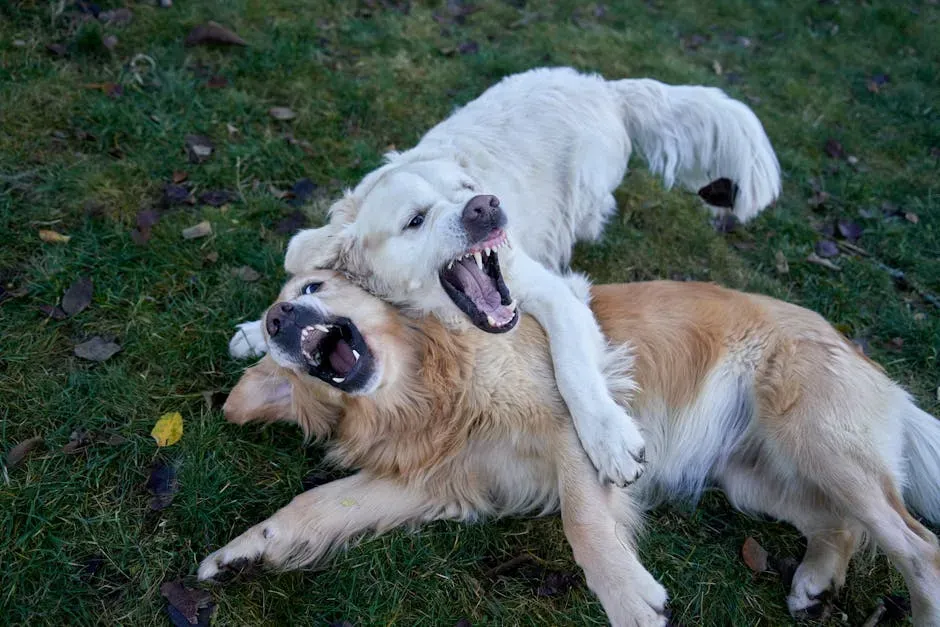
Dogs are pack animals, and they consider their human family part of their pack and will protect them from any perceived threats. While some dogs are more protective than others, all canines have some level of protective instinct and want to keep their owners safe. This instinct doesn’t switch off in a comfortable living room. It activates whenever the dog senses the pack is under threat.
Dogs tend to be more watchful over members of the family that they perceive as less able to care for themselves, such as babies and small children. The same logic applies to adults in moments of emotional vulnerability. If you’re being systematically undermined, gaslit, or emotionally controlled by someone, you carry that vulnerability in your body. Your dog reads it and responds accordingly.
Overprotective behavior in dogs is characterized by excessive guarding or protective behavior towards their owner, family members, or territory. This behavior is often rooted in the dog’s protective instincts, which can be triggered by fear, anxiety, or a sense of vulnerability. Overprotective dogs may exhibit behaviors such as growling, barking, lunging, or even biting when they perceive a threat to their owner or territory. Recognizing this as a protective response, rather than bad behavior, shifts everything about how you understand what your dog is trying to tell you.
#5. What the Research Tells Us About Owner Psychology and Dog Behavior
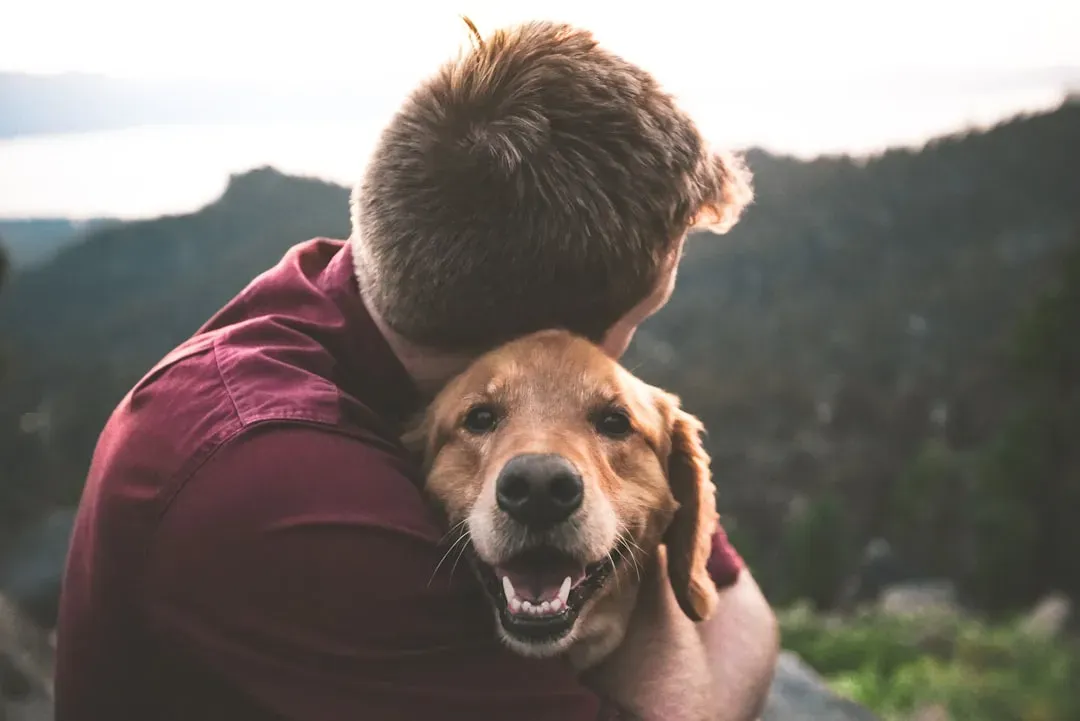
Previous studies have demonstrated associations between owners’ personality and psychological status and the prevalence and severity of their dogs’ behavior problems. However, the mechanisms responsible for these associations are currently not fully understood. What is clear is that the connection runs deep and operates across multiple channels simultaneously.
Owners who score low on emotional stability, seeing themselves as anxious and easily upset, have dogs that display higher rates of fear and anxiety-related behaviors, such as fear of strangers. These dogs may be responding directly to the owners’ anxiety or indirectly as a consequence of inadequate socialization. An owner in a toxic or manipulative relationship is, by definition, in a chronic state of low emotional stability. The dog lives in that environment too.
Through detailed analysis of dog behavior in naturalistic settings, researchers found that dogs behaved differently depending on the owner’s emotional state. They gazed and jumped less at owners when owners were sad, and their compliance with commands was also diminished. This suggests dogs don’t just notice our emotional states in passing. They restructure their own behavior around them, a sign of genuine attunement that goes well beyond simple obedience.
A Conclusion Worth Taking Seriously
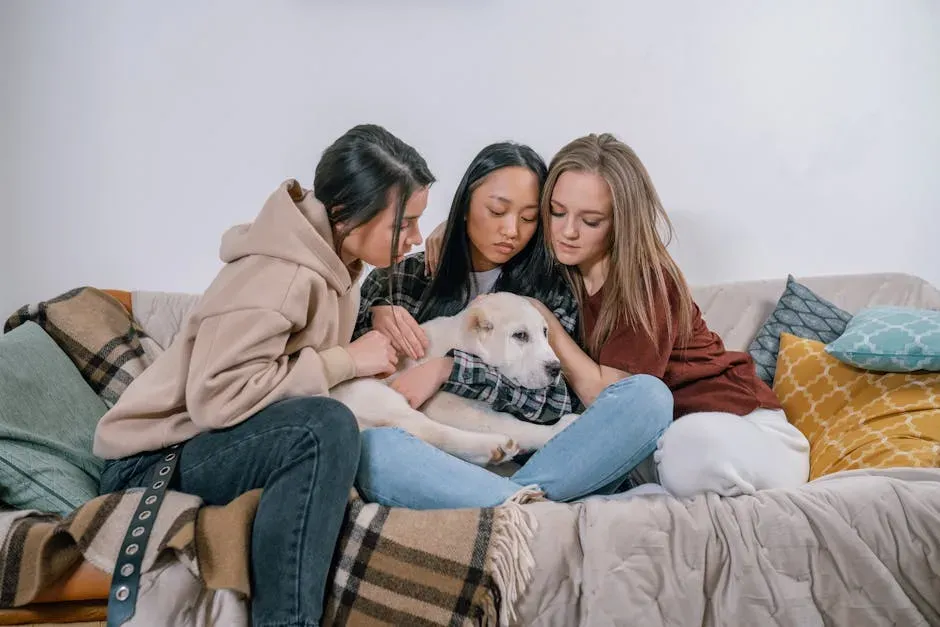
The science here is grounded, consistent, and honestly a little humbling. Dogs understand human emotions far better than we once imagined. They read our faces, listen to tone shifts, interpret body language, and even detect chemical changes in our scent. This emotional awareness strengthens the bond between humans and their dogs, but it also means our moods directly impact them.
When a dog becomes overprotective, the instinct is often to correct it, to suppress the growling or redirect the hovering. That response makes sense on the surface. When speaking to Dr. Zazie Todd, a psychologist and certified dog trainer, she emphasized the importance of recognizing that an overprotective dog is not being bad. It is feeling bad. There’s a real difference.
Your dog doesn’t understand gaslighting or coercive control in human terms. But it understands that something is wrong with you. It understands that the person in front of you is generating a kind of stress signal in your body that wasn’t there before. And it responds the only way it knows how, by putting itself between you and the source of that signal. Whether or not we’re ready to name what’s happening, our dogs already have. Maybe the harder question is whether we’re ready to listen to them.


