
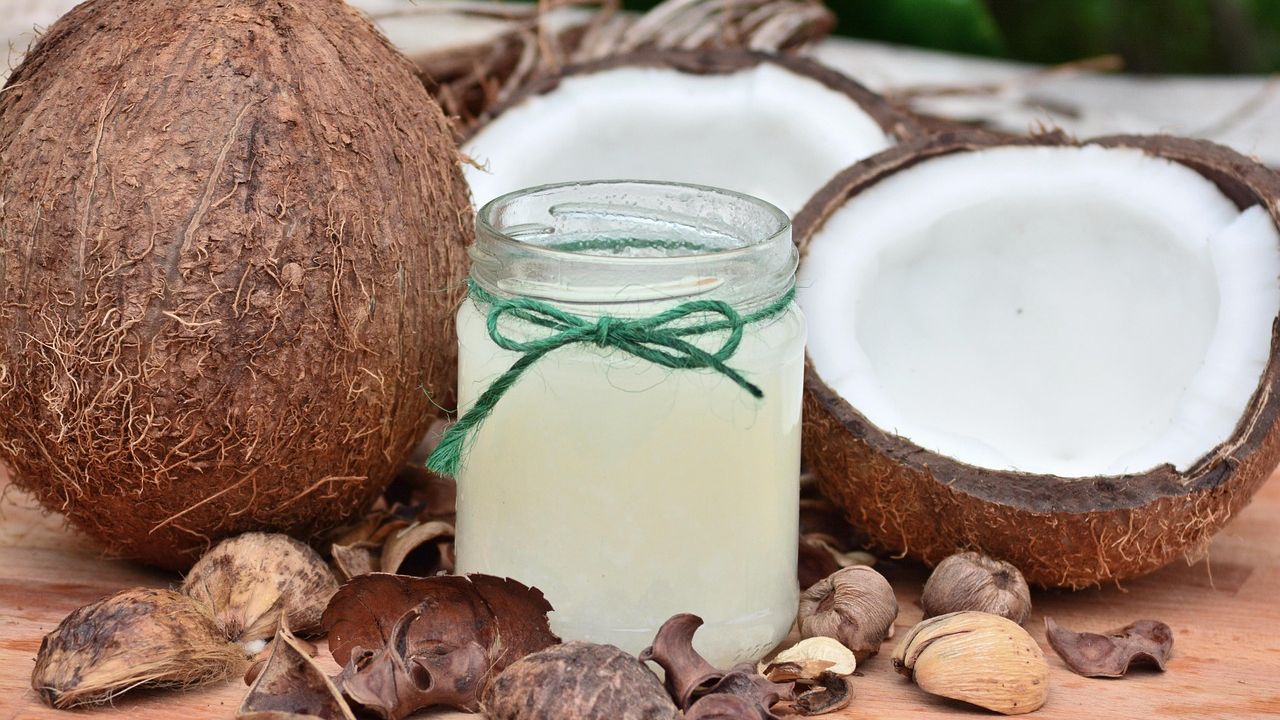
Homemade dog treats have grown more common as owners seek simple ways to control what their pets eat. Among the ingredients gaining attention is coconut oil, valued for its nutrient profile. Dog owners report turning to it for potential support across several areas of canine wellness when added carefully to recipes.
Nutrient Profile Draws Interest
Coconut oil contains medium-chain fatty acids that some studies link to easier digestion in animals. This property sets it apart from many other fats used in pet foods. Owners who bake treats often note how the oil mixes smoothly into dough without altering texture much.
The ingredient has moved from occasional use to a regular choice in many kitchens focused on pet health. Its popularity stems from claims of broad effects rather than a single targeted benefit. Still, results can vary by dog and by how the oil is incorporated.
Support for Skin and Coat
Many recipes highlight coconut oil for its possible role in maintaining healthy skin. The fatty acids may help reduce dryness that leads to itching or flaking. A smoother coat often follows consistent use in treats, according to anecdotal reports from owners.
These effects appear most noticeable in dogs with existing sensitivities. The oil works from the inside when consumed regularly in small amounts. Owners typically combine it with other ingredients like oats or peanut butter to create balanced snacks.
Digestion and Immune Considerations
Beyond external appearance, coconut oil may aid digestive processes in some dogs. Its composition allows quicker absorption compared with longer-chain fats. This can translate to fewer stomach upsets when treats are given as part of a varied diet.
Immune system support represents another area of interest. The same fatty acids thought to help skin may contribute to overall resilience. Research on these links remains limited for dogs specifically, so benefits are not guaranteed for every animal.
Practical Use and Limits
Moderation remains the key guideline repeated across sources. Too much coconut oil can lead to weight gain or loose stools in sensitive dogs. Starting with small quantities in treats allows owners to observe individual responses.
Recipes often call for one teaspoon or less per batch, scaled to treat size. Fresh, unrefined oil tends to retain more of its natural properties. Always consult a veterinarian before introducing new ingredients, especially for dogs with existing health conditions.
Key points to remember: coconut oil offers potential support for skin, coat, digestion, and immunity when used sparingly in homemade treats. Individual results differ, and professional advice helps ensure safety.


